预约演示
更新于:2026-11-03

Taiho Pharmaceutical Co., Ltd.
更新于:2026-11-03
概览
标签
肿瘤
消化系统疾病
呼吸系统疾病
小分子化药
单克隆抗体
化学药
疾病领域得分
一眼洞穿机构专注的疾病领域

技术平台
公司药物应用最多的技术
靶点
公司最常开发的靶点
关联
靶点 |
作用机制 |
在研机构 |
原研机构 |
在研适应症 |
非在研适应症 |
最高研发阶段 |
首次获批国家/地区 |
首次获批日期 |


靶点 |
作用机制 |
在研机构 |
原研机构 |
在研适应症 |
非在研适应症 |
最高研发阶段 |
首次获批国家/地区 |
首次获批日期 |

靶点 |
作用机制 |
在研机构 |
原研机构 |
在研适应症 |
非在研适应症 |
最高研发阶段 |
首次获批国家/地区 |
首次获批日期 |
TCTR20260616001
A Phase 3, Randomized-Controlled, Open-Label, Multi- Regional, International Study of Futibatinib (TAS-120) and Zimberelimab (AB122) in Combination with Gemcitabine plus Cisplatin versus Durvalumab or Pembrolizumab in Combination with Gemcitabine plus Cisplatin for Patients with First-Line Advanced Biliary Tract Cancers
NCT07710885
A Phase 3, Randomized-Controlled, Open-Label, Multi-Regional, International Study of Futibatinib (TAS-120) and Zimberelimab (AB122) in Combination With Gemcitabine Plus Cisplatin Versus Durvalumab or Pembrolizumab in Combination With Gemcitabine Plus Cisplatin for Patients With First-Line Advanced Biliary Tract Cancers
JPRN-jRCT2031260096
A Phase 1, Open-Label Study to Evaluate the Effect of Food on the Pharmacokinetics of Zipalertinib (TAS6417 FE study)
100 项与 Taiho Pharmaceutical Co., Ltd. 相关的临床结果
登录后查看更多信息
登录后查看更多信息
2026-10-08JOURNAL OF MEDICINAL CHEMISTRY
Discovery of Novel Oral Covalent Inhibitors Targeting Active GTP-Bound KRASG12C with Potent Antitumor Activity
Article
作者: Pozo, Juan del ; O’Reilly, Marc ; Ryan, Michael C. ; Han, Yongxin ; Burgess, Samantha A. ; Hamlett, Christopher C. F. ; Ueno, Hiroyuki ; Shibata, Kazuaki ; Schoepf, Patrick ; De Jesus Silva, Jordan ; Sagara, Takeshi ; Rath, Barbara ; Terasaka, Miki ; Day, Philip J. ; Duggal, Ruchia ; Abe, Naomi ; Akemoto, Kei ; Komori, Toshiharu ; Munsell, Erik V. ; Kondo, Hitomi ; Yamamoto, Tomohiro ; Wakayama, Kentaro ; Chessari, Gianni ; Mayhood, Todd W. ; Xu, Zangwei ; Mizuarai, Shinji ; Lacey, Brian M. ; Agnew, Christopher ; Rees, David C. ; Sakamoto, Toshihiro ; Jiang, Yuan ; Giambasu, George M. ; Chai, Xiaomei ; Solban, Nicolas ; Sugimoto, Tetsuya ; Kida, Taiki ; Hennessy, Elisabeth ; Asakura, Hiroki ; Song, Xuelei Sherry ; Miura, Risako ; Bennett, David Jonathan ; Twigg, David G. ; Stoeck, Alexander
Abstract:
Current KRASG12C inhibitors mainly target the inactive GDP-bound state, but clinical efficacy is limited, and resistance mechanisms have been identified. We disclose novel covalent inhibitors that selectively target the active GTP-bound KRASG12C. Starting from a high-throughput screen, we identified a keto-indolizine scaffold featuring an aniline-derived acrylamide warhead that covalently binds Cys12 in the switch-II pocket of active KRASG12C. X-ray crystallography revealed key interactions of acrylamide with GMPPCP′s γ-phosphate, stabilizing the GTP state. We present medicinal chemistry efforts leading to the discovery of compound 17, which shows favorable oral bioavailability in preclinical species, exhibiting prolonged disruption of the KRAS-cRAF interaction and downstream ERK phosphorylation in vivo. In a KRASG12C-driven pancreatic cancer xenograft model (MIA PaCa-2), orally administered compound 17 achieved complete tumor regression for up to 45 days with good tolerability. This study establishes a novel class of KRASG12C inhibitors targeting the active GTP-bound state, which may have the potential to overcome some resistance mechanisms.
2026-01-01International Journal of Clinical Oncology
Pooled safety analysis of pimitespib for the treatment of patients with advanced gastrointestinal stromal tumors
Article
作者: Yamamoto, Noboru ; Doi, Toshihiko ; Sun, Chunlan ; Hirano, Yuko ; Kurokawa, Yukinori ; Arimura, Naoki
Abstract:
Background:
Pimitespib is a first-in-class heat shock protein 90 (HSP90) inhibitor, approved in Japan for the treatment of advanced gastrointestinal stromal tumors (GIST). This study aimed to characterize the incidence and time course of adverse drug reactions (ADRs) associated with pimitespib.
Methods:
This was a post hoc analysis of pooled safety data from a phase 1 (NCT02965885), phase 2 (jRCT2080223127), and phase 3 (jRCT2080224033) study of pimitespib in patients with advanced GIST. The present analysis included Japanese study participants who received oral pimitespib 160 mg once daily for 5 days followed by 2 days’ rest per week in 21-day cycles. Pooled safety outcomes included the incidence and severity of ADRs; ADRs leading to treatment modifications or discontinuation; and the time to ADR onset and resolution.
Results:
In total, 119 patients were included. ADRs were reported in 114 patients (95.8%); gastrointestinal ADRs were most common (99 patients [83.2%]; most often diarrhea [75.6%]) and ocular ADRs occurred in 26 patients (21.8%; most often night blindness [11.8%]). Median time to first onset of any gastrointestinal ADR was 3.0 days; the outcome of gastrointestinal ADRs was recovered/recovering in 61 patients (61.6%), with a median time to resolution of 44.0 days. Median time to first onset of any ocular ADR was 19.0 days; ocular ADRs were recovered/recovering in 20 patients (76.9%), with a median time to resolution of 21.0 days.
Conclusions:
This analysis suggests that most ADRs associated with pimitespib are manageable and reversible, thus supporting its use in patients with advanced GIST.
2025-12-01JOURNAL OF BIOSCIENCE AND BIOENGINEERING
Design of bispecific antibody Fc region employing a shark-human chimeric and asymmetric format
Article
作者: Munetomo, Ryota ; Onitsuka, Masayoshi ; Inoue, Aiko
Bispecific antibodies (BsAbs) can bind to two antigens simultaneously and have undergone rapid advancements in recent years owing to their ability to enable novel mechanisms of action that are unachievable using conventional monoclonal antibodies (mAbs). However, the structural complexity of BsAbs remains a problem during product development. One of these problems is the presence of impurities and by-products. Although BsAbs with the human Fc region must be assembled using heterogeneous polypeptide chains, undesired by-products from unpaired and mispaired chain components can contaminate them. These by-products are difficult to remove in the purification process because their physicochemical properties resemble those of the target BsAb with correct pairing. Here, we designed a novel Fc region for enhanced BsAbs in which the human CH2 domain on one side of the Fc region was replaced with the C2 domain from an immunoglobulin new antigen receptor (IgNAR) shark antibody. The designed BsAbs with chimeric and asymmetric Fcs exhibited separate pH elution profiles against soluble aggregates in protein A affinity chromatography. An overlapping elution profile corresponding to the by-product homogeneous chain observed in human Fc BsAbs was not detected in shark C2-introduced BsAbs. Although another homogeneous by-product was observed in the designed BsAb, introducing N-glycosylation at C2 significantly improved this problem. Additionally, BsAbs with the designed Fc demonstrated higher stability in both the colloidal and structural aspects. This study is the first approach for the chimeric and asymmetric design of Fc using a shark-derived constant domain and offers a novel alternative for BsAb development.
100 项与 Taiho Pharmaceutical Co., Ltd. 相关的药物交易
登录后查看更多信息
100 项与 Taiho Pharmaceutical Co., Ltd. 相关的转化医学
登录后查看更多信息
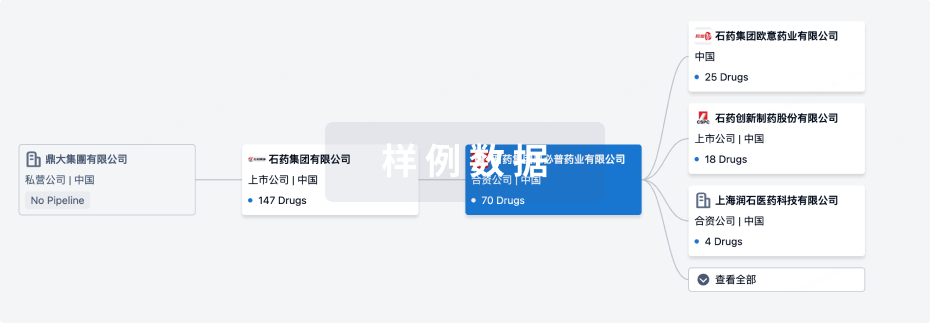
组织架构
使用我们的机构树数据加速您的研究。
登录
或
管线布局
2026年11月17日管线快照
管线布局中药物为当前组织机构及其子机构作为药物机构进行统计,早期临床1期并入临床1期,临床1/2期并入临床2期,临床2/3期并入临床3期
药物发现
2
16
临床前
临床1期
5
7
临床2期
临床3期
3
1
申请上市
批准上市
23
59
其他
登录后查看更多信息
当前项目
登录后查看更多信息
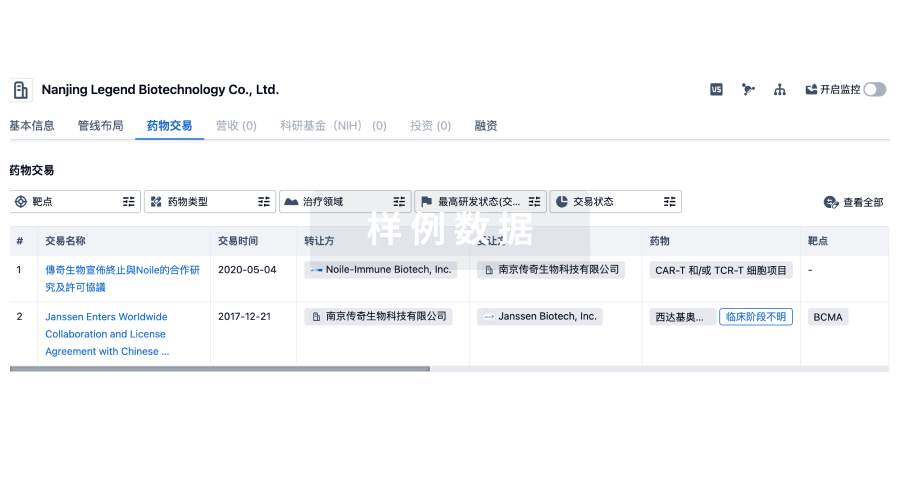
药物交易
使用我们的药物交易数据加速您的研究。
登录
或
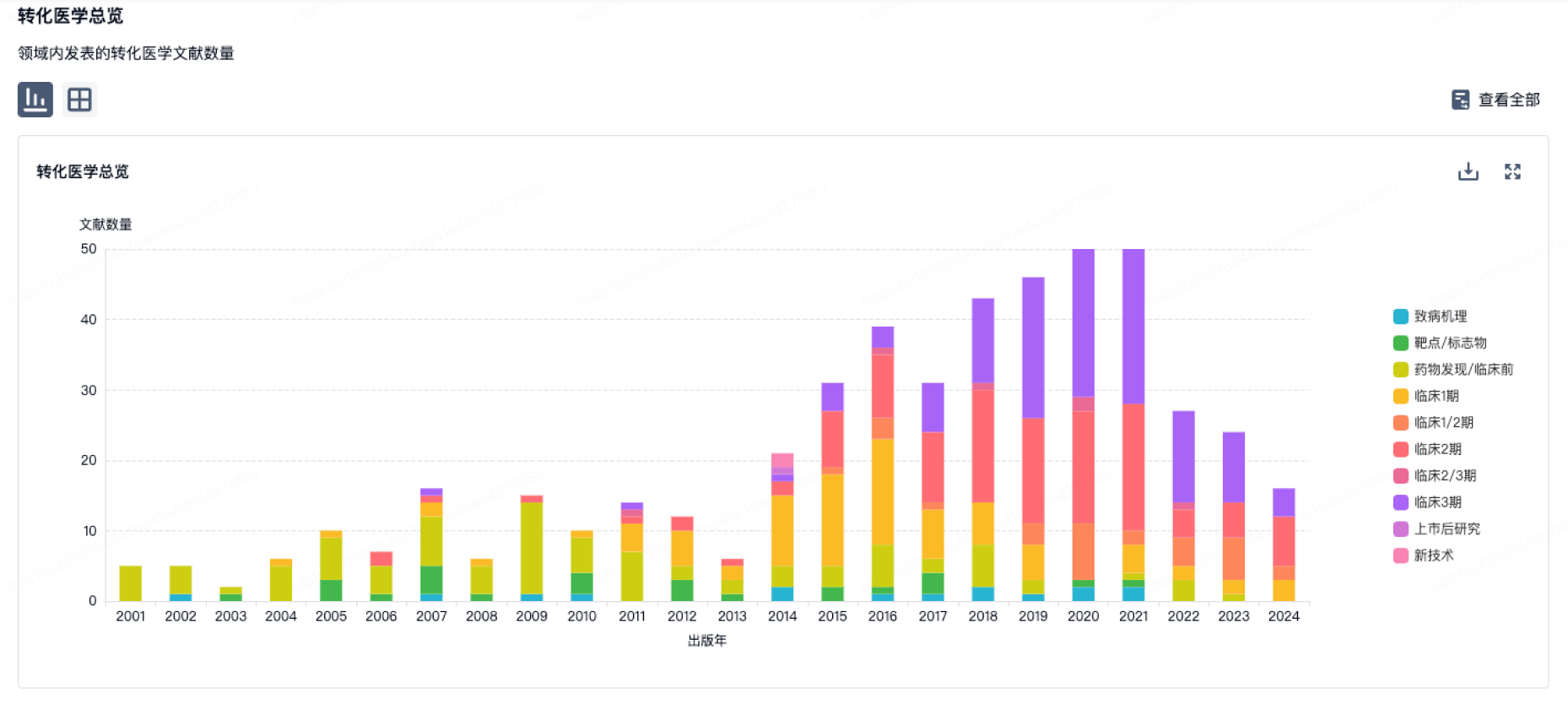
转化医学
使用我们的转化医学数据加速您的研究。
登录
或
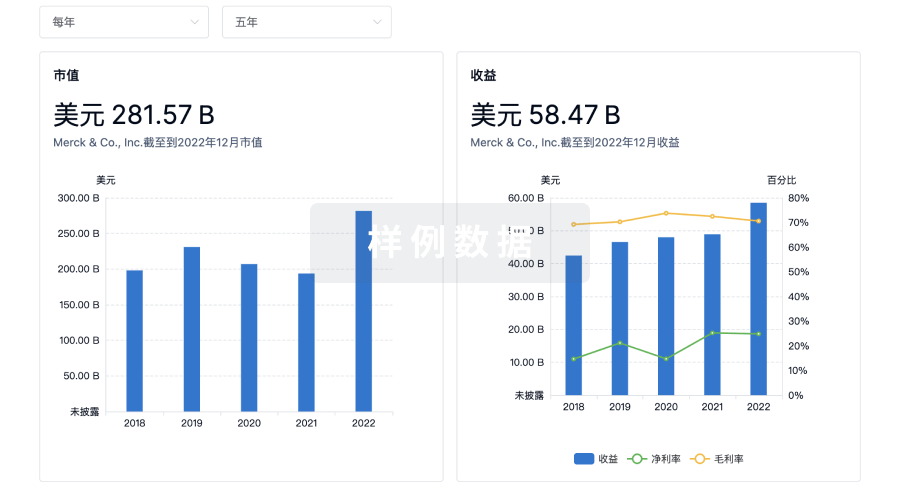
营收
使用 Synapse 探索超过 36 万个组织的财务状况。
登录
或
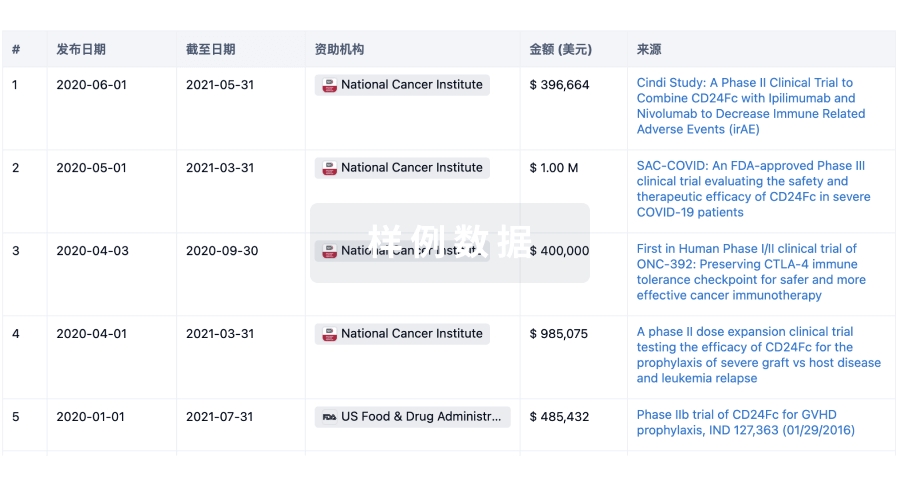
科研基金(NIH)
访问超过 200 万项资助和基金信息,以提升您的研究之旅。
登录
或
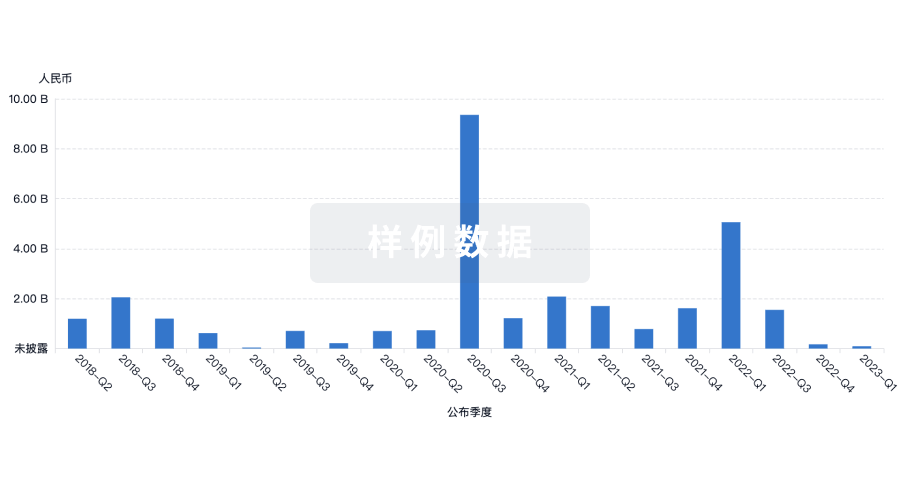
投资
深入了解从初创企业到成熟企业的最新公司投资动态。
登录
或
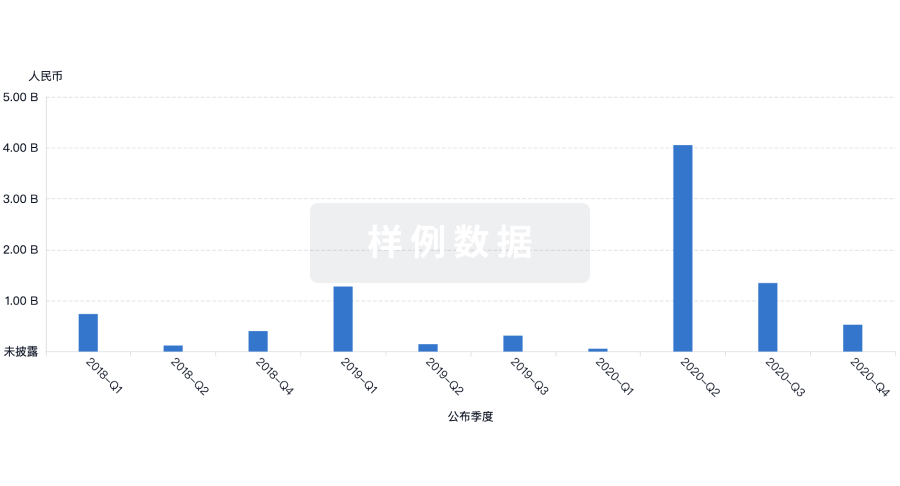
融资
发掘融资趋势以验证和推进您的投资机会。
登录
或
提出任何生物医药研究问题
让每一步生物医药决策都精准制胜
基于十亿级生物数据与全球情报的精准 AI,赋能早期药物发现
立即开始免费试用!
智慧芽新药情报库是智慧芽专为生命科学人士构建的基于AI的创新药情报平台,助您全方位提升您的研发与决策效率。
立即接入生物医药数据包
智慧芽新药库数据也通过智慧芽开放平台,以MCP或API服务形式对外开放。立即使用我们的MCP服务定制您的LLM智能体。
生物序列数据库
生物药研发创新
免费使用
化学结构数据库
小分子化药研发创新
免费使用