预约演示
更新于:2026-10-03

Henan University of Traditional Chinese Medicine
更新于:2026-10-03
概览
标签
呼吸系统疾病
神经系统疾病
免疫系统疾病
小分子化药
中药
化学药
疾病领域得分
一眼洞穿机构专注的疾病领域

技术平台
公司药物应用最多的技术
靶点
公司最常开发的靶点
关联
靶点 |
作用机制 |
在研机构 |
原研机构 |
在研适应症 |
非在研适应症 |
最高研发阶段 |
首次获批国家/地区 |
首次获批日期 |
靶点 |
作用机制 |
在研机构 |
原研机构 |
在研适应症 |
非在研适应症 |
最高研发阶段 |
首次获批国家/地区 |
首次获批日期 |

靶点 |
作用机制 |
在研机构 |
原研机构 |
在研适应症 |
非在研适应症 |
最高研发阶段 |
首次获批国家/地区 |
首次获批日期 |
NCT07797686
A Prospective Traditional Chinese Medicine Cohort Study of Community-acquired Pneumonia in the Elderly
NCT07780682
A Prospective Traditional Chinese Medicine Cohort Study of Chronic Obstructive Pulmonary Disease in the Elderly
NCT07726095
A Multicenter Prospective Observational Cohort Study of Systemic Traditional Chinese Medicine Treatment in Multidrug-Resistant Bacterial Pneumonia
100 项与 河南中医药大学 相关的临床结果
登录后查看更多信息
登录后查看更多信息
2026-11-01JOURNAL OF CONTROLLED RELEASE
Infection-triggered surface remodeling for mucus penetration and host-pathogen reprogramming against MDR bacterial infections
Article
作者: Wu, Xuan ; Miao, Mingsan ; Wang, Yongfang ; Liu, Anqi ; Cao, Wenhui ; Ye, Tong ; Pang, Xin ; Zheng, Jianing ; Liu, Chao ; Wang, Hui
Mucosal bacterial infections, including pneumonia and keratitis, remain challenging to treat because the viscoelastic mucus barrier severely impedes drug transport. Although PEGylation is widely employed to facilitate mucus penetration, it often masks bacterial-binding motifs, creating a long-standing dilemma between efficient mucus traversal and effective pathogen targeting. Herein, we develop an infection-responsive nanoplatform (BPPC) that dynamically resolves this conflict through programmable surface remodeling. The BPPC consists of a phenylboronic acid-poly(ethylene glycol)-chlorin e6 (PBA-PEG-Ce6) conjugate armored with Bletilla striata polysaccharide (BSP) via acid-labile boronate ester bonds. The BSP/PEG dual-hydrophilic corona enables rapid diffusion across mucus barriers and efficient access to deep infection sites. Upon exposure to the mildly acidic infectious microenvironment, BSP is selectively shed, exposing latent PBA ligands for high-affinity bacterial anchoring. This infection-triggered transformation enhances local retention on multidrug-resistant Pseudomonas aeruginosa (MDR-PA) and enables potent resistance-independent bacterial eradication through Ce6-mediated photodynamic and sonodynamic therapy. Meanwhile, the released mannose-rich BSP acts as a bioactive immunomodulator that suppresses TLR4/NF-κB signaling and promotes macrophage polarization toward a pro-reparative M2 phenotype, thereby facilitating inflammation resolution. In murine models of MDR-PA-induced keratitis and pneumonia, BPPC achieved robust bacterial clearance, mitigated excessive inflammation, prevented fibrotic remodeling, and restored tissue homeostasis. By seamlessly integrating mucus-penetrating delivery, infection-activated pathogen sterilization, and host immune reprogramming, BPPC provides a versatile host-pathogen bidirectional strategy for managing refractory mucosal infections.
2026-06-01Journal of integrative and complementary medicine
Clinical Effect and Contributing Factors of Acupuncture for Insulin Resistance in Diabetes Mellitus: A Systematic Review and Pairwise and Exploratory Network Meta-Analysis
Review
作者: Pan, Yusheng ; Liu, Dan ; Lyu, Tianyi ; Zhang, Yudi ; Li, Demin ; Li, Ning ; Zhang, Ning ; Wu, Ying ; Ma, Chen ; He, Dandan ; Xu, Youxian
Objects::
The purpose of this study is to investigate whether (1) acupuncture is effective in improving insulin resistance (IR) in patients with diabetes mellitus (DM) and (2) the effect of acupuncture varies depending on the type and dosage of acupuncture.
Methods::
PubMed, Embase, Web of Science, Cochrane Library, OpenGrey, ClinicalTrials.gov, and the World Health Organization International Clinical Trials Registry were searched from their inception up to April 26, 2025. The risk of bias was assessed using the Revised Cochrane risk-of-bias tool for randomized trials. The Grading of Recommendations Assessment, Development and Evaluation approach was used to evaluate the credibility of findings from each outcome. Systematic review and pairwise and exploratory network meta-analysis (NMA) of randomized controlled trials (RCTs) were conducted to investigate the effectiveness and safety of acupuncture on IR in patients with DM.
Results::
We included 16 RCTs from 2328 citations with 1087 participants. When compared with usual care, acupuncture had a significant effect on the homeostatic model assessment of IR (HOMA-IR; standardized mean difference [SMD] = −1.13, 95% confidence interval [CI]: −1.61 to −0.64), fasting blood sugar (FBS; SMD = −0.90, 95% CI: −1.45 to −0.35), and glycated hemoglobin (HbA1c; SMD = −0.66, 95% CI: −1.11 to −0.20) but not on 2-h blood glucose (2hBG; SMD = −1.32, 95% CI −2.83 to 0.19). When compared with sham acupuncture, acupuncture had a significant effect on FBS (SMD = −0.71, 95% CI: −1.18 to −0.25) but not on HbA1c (SMD = −0.14, 95% CI: −0.48 to 0.19). Subgroup analysis revealed that high-dose acupuncture had a more beneficial effect on HOMA-IR and 2hBG. According to the NMA, electroacupuncture (EA) might be the most promising acupuncture type for improving IR. However, we failed to analyze safety outcomes due to the inadequate data across the included studies.
Conclusion::
The findings suggested that acupuncture could be an effective therapy to improve IR in patients with diabetes. EA and high-dose acupuncture are two potential contributing factors.
2026-06-01COMBINATORIAL CHEMISTRY & HIGH THROUGHPUT SCREENING
The Genus Stauntonia DC.: Botany, Phytochemistry, Bioactivity, and
Application
Review
作者: Tian, Shuo ; Ma, Qin-Ge ; Zhang, Zhi-Hui ; Miao, Ming-San ; Wei, Rong-Rui ; Liu, Wen-Min
Background::
The plants of genus Stauntonia DC. are important Chinese medicines.
To better develop and utilize the edible and medicinal values of Stauntonia DC., the botany, phytochemistry,
bioactivity, and application of genus Stauntonia DC. plants were summarized in this
review.
Methods::
The references of genus Stauntonia DC. were obtained from multiple databases, including
ScienceDirect, Web of Science, Elsevier, SciFinder, PubMed, Willy, Baidu Scholar,
Google Scholar, Scopus, SciHub, CNKI, and ancient classics on Chinese herbal medicine. The
Latin names presented in the review are retrieved by the World Flora Online
(http://www.worldfloraonline.org/) and the updated version of “The Plant List”.
Results::
A total number of 267 compounds were isolated from the plants of genus Stauntonia
DC., which were classified as pentacyclic triterpenoids and their glycosides, methylated pentacyclic
triterpenoids and their glycosides, phenylpropanoids, flavonoids, and so on. The bioactivities
of genus Stauntonia DC. plants are diverse, including analgesic, anti-inflammatory, anti-cancer,
hyperphilidemic, anti-oxidant, and other activities. The fruits from plants of genus Stauntonia
DC. are edible, and seeds can be used for oil extraction.
Conclusion::
This review analysized and summarized the contents of botany, phytochemistry, bioactivity,
application of genus Stauntonia DC. plants, which provided a comprehensive information
resource for development and utilization of genus Stauntonia DC. plants.
2026-09-29
·微信
100 项与 河南中医药大学 相关的药物交易
登录后查看更多信息
100 项与 河南中医药大学 相关的转化医学
登录后查看更多信息
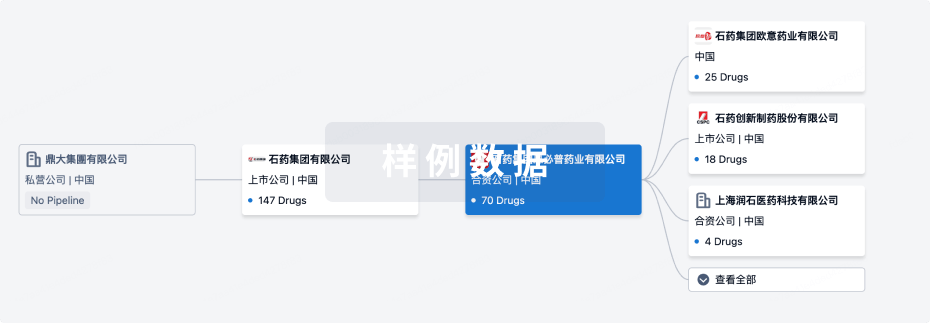
组织架构
使用我们的机构树数据加速您的研究。
登录
或
管线布局
2026年10月22日管线快照
管线布局中药物为当前组织机构及其子机构作为药物机构进行统计,早期临床1期并入临床1期,临床1/2期并入临床2期,临床2/3期并入临床3期
药物发现
11
45
临床前
临床2期
3
3
其他
登录后查看更多信息
当前项目
登录后查看更多信息
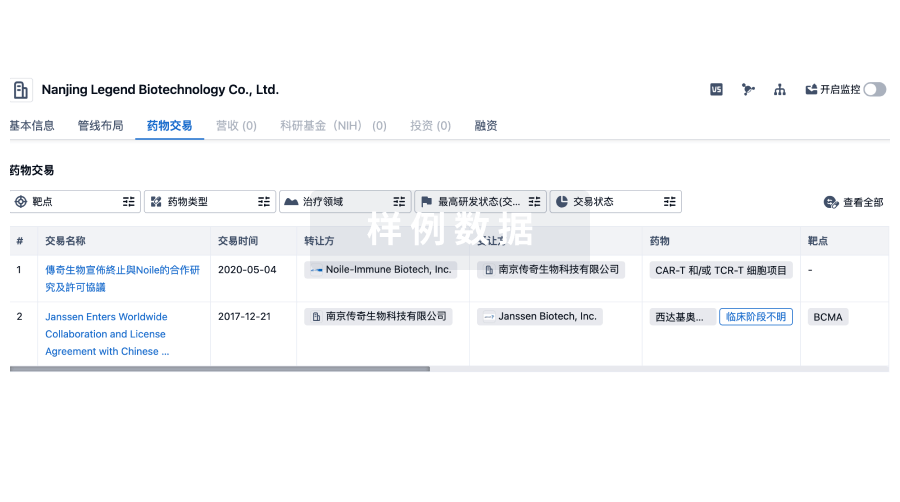
药物交易
使用我们的药物交易数据加速您的研究。
登录
或
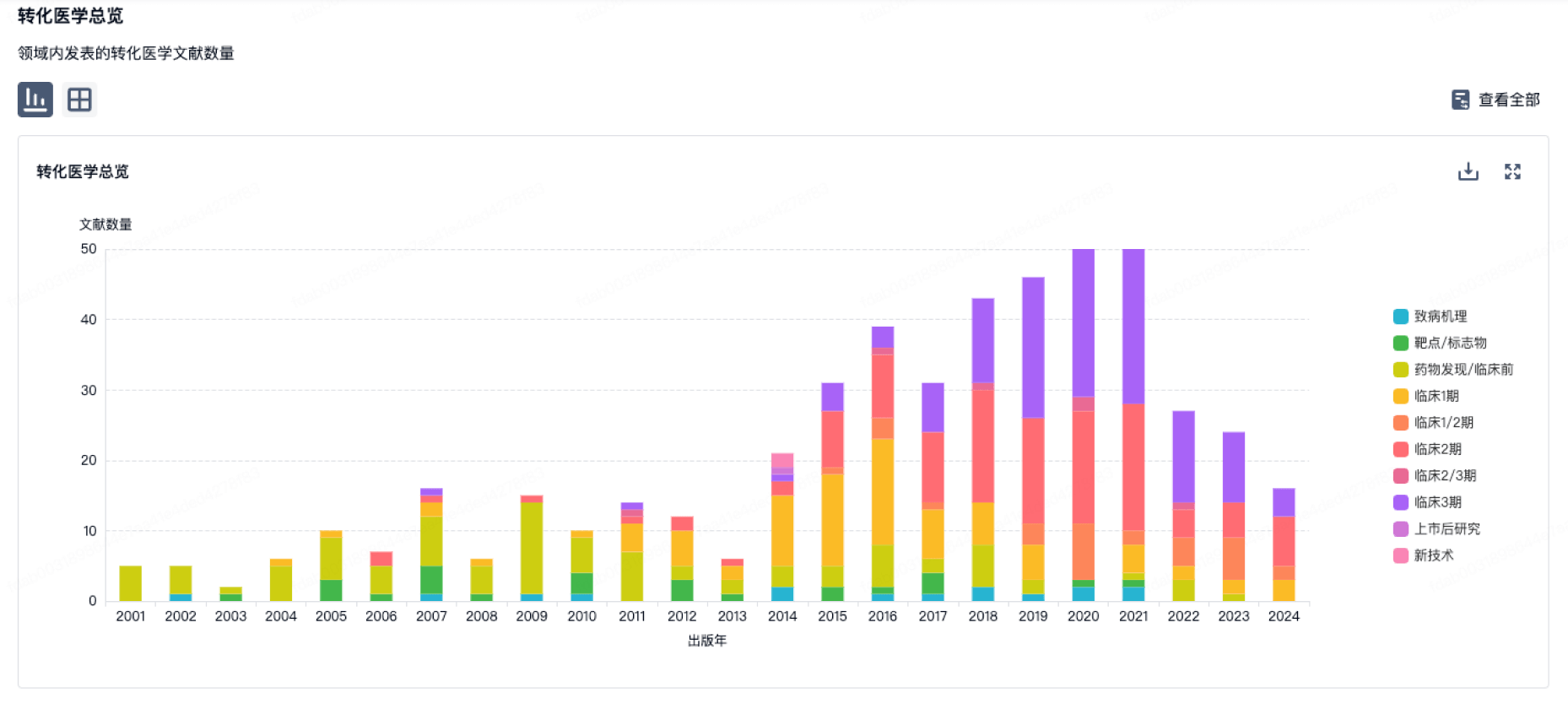
转化医学
使用我们的转化医学数据加速您的研究。
登录
或
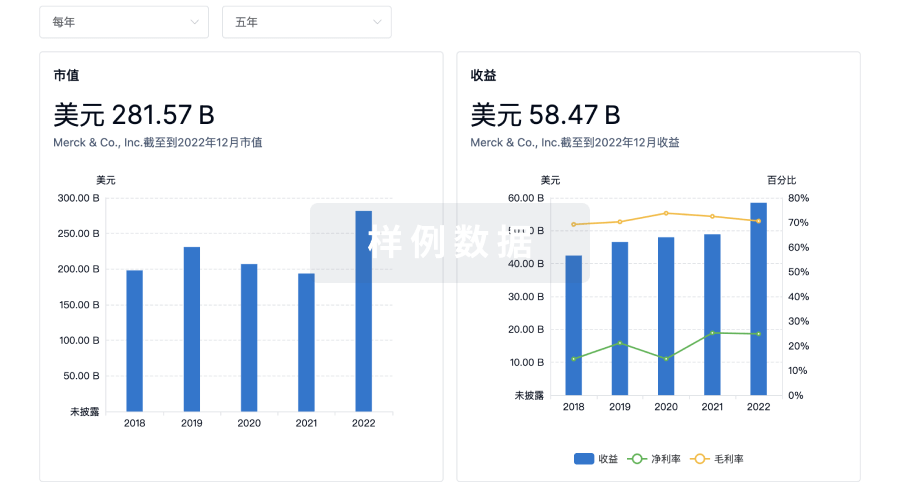
营收
使用 Synapse 探索超过 36 万个组织的财务状况。
登录
或
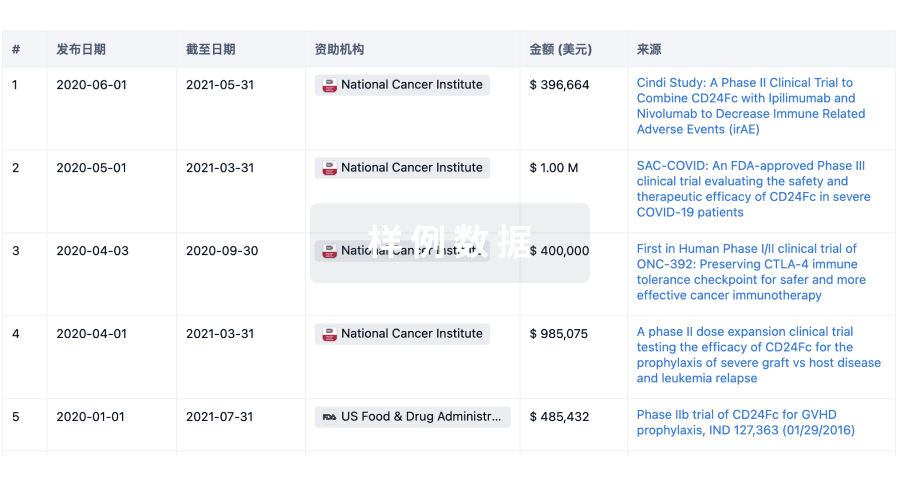
科研基金(NIH)
访问超过 200 万项资助和基金信息,以提升您的研究之旅。
登录
或
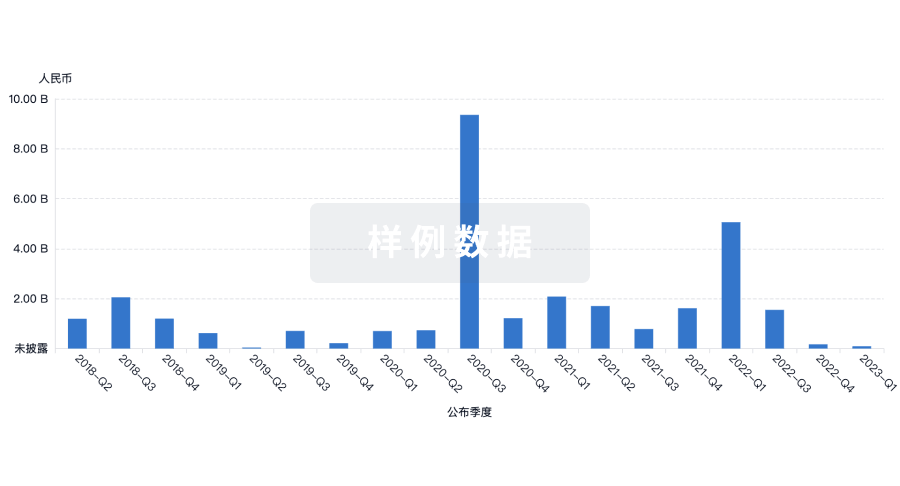
投资
深入了解从初创企业到成熟企业的最新公司投资动态。
登录
或
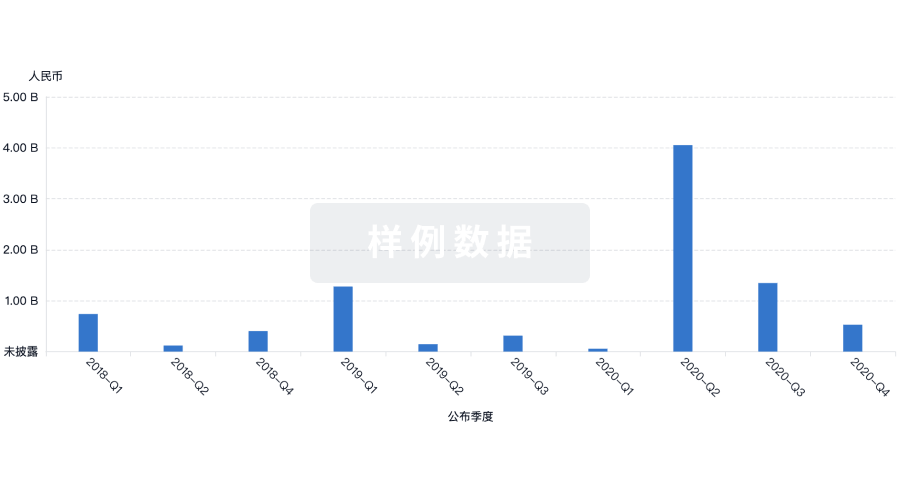
融资
发掘融资趋势以验证和推进您的投资机会。
登录
或
提出任何生物医药研究问题
让每一步生物医药决策都精准制胜
基于十亿级生物数据与全球情报的精准 AI,赋能早期药物发现
立即开始免费试用!
智慧芽新药情报库是智慧芽专为生命科学人士构建的基于AI的创新药情报平台,助您全方位提升您的研发与决策效率。
立即接入生物医药数据包
智慧芽新药库数据也通过智慧芽开放平台,以MCP或API服务形式对外开放。立即使用我们的MCP服务定制您的LLM智能体。
生物序列数据库
生物药研发创新
免费使用
化学结构数据库
小分子化药研发创新
免费使用