预约演示
更新于:2025-12-31

Ipca Laboratories Ltd.
更新于:2025-12-31
概览
标签
心血管疾病
神经系统疾病
皮肤和肌肉骨骼疾病
小分子化药
疾病领域得分
一眼洞穿机构专注的疾病领域

技术平台
公司药物应用最多的技术
靶点
公司最常开发的靶点
关联
靶点 |
作用机制 |
在研机构 |
原研机构 |
在研适应症 |
非在研适应症 |
最高研发阶段 |
首次获批国家/地区 |
首次获批日期 |

靶点 |
作用机制 |
在研机构 |
原研机构 |
在研适应症 |
非在研适应症 |
最高研发阶段 |
首次获批国家/地区 |
首次获批日期 |


靶点 |
作用机制 |
在研机构 |
原研机构 |
在研适应症 |
非在研适应症 |
最高研发阶段 |
首次获批国家/地区 |
首次获批日期 |


CTRI/2025/06/088289
Evaluation of safety and efficacy of topical esmolol hydrochloride gel in treating diabetic foot ulcer: a multicenter, prospective, open-label phase 4 study - NIL

CTRI/2024/02/062367
Randomised controlled assessor-blind trial to compare the efficacy of tofacitinib v/s methotrexate in patients with moderate to severe atopic dermatitis - NIL

CTRI/2024/01/062033
Evaluation of Efficacy and safety of aceclofenac plus paracetamol plus serratiopeptidase combination after Impacted lower third molar surgery: A randomized, double blind comparison with aceclofenac plus paracetamol combination
100 项与 Ipca Laboratories Ltd. 相关的临床结果
登录后查看更多信息
登录后查看更多信息
2025-12-02DRUG DEVELOPMENT AND INDUSTRIAL PHARMACY
Targeted delivery of resveratrol using PEGylated PLGA nanoparticles decorated with folic acid for cancer therapy: characterization, and
in vitro
studies
Article
作者: Chaudhary, Naveen ; Chaudhary, Vigi ; Singh, Ragini ; Joshi, Kapil ; Yadav, Ashwani Kumar ; Kumar, Vikram ; Tomar, Snehaprabha ; Lakhawat, Sudarshan Singh
OBJECTIVE:
This study aimed to develop, characterize, and evaluate resveratrol-loaded pegylated PLGA [poly (lactic-co-glycolic acid)] nanoparticles with folate conjugation for improved drug delivery and cytotoxic efficacy against MCF7 breast cancer cells.
SIGNIFICANCE:
The significance of this drug delivery system is to enhance the wetting characteristics of resveratrol and reduce nanoparticle agglomeration for maximizing therapeutic efficacy while minimizing systemic cytotoxicity using PLGA and polyethylene glycol (PEG) polymeric nanoparticles as carriers. The process of fabrication and characterization of polymeric conjugate by utilizing PLGA-PEG surface engineered with folic acid for target specificity has already been investigated.
METHODS:
Nanoparticles were prepared by double-emulsion solvent evaporation using PPF (PLGA-PEG-FOLATE conjugate polymer) and PVA (Poly vinyl alcohol) as a stabilizer. Compatibility studies were performed using FTIR, DSC, and XRD. Formulations (NF1-NF8) were evaluated for particle size, zeta potential, drug loading, entrapment efficiency, and in vitro release. Surface morphology was assessed by SEM and TEM. MTT assay evaluated cytotoxicity while fluorescence microscopy analyzed cellular uptake.
RESULTS:
Compatibility studies confirmed no drug-excipient interactions. NF3 exhibited optimal characteristics: particle size 332.1 nm, zeta potential -24.6 mV, entrapment efficiency 78.65 ± 0.165%, and drug loading 36.19 ± 0.154%. In vitro release was sustained up to 120 h (75.17 ± 0.22%), fitting zero-order kinetics with Fickian diffusion. NF3 displayed enhanced cytotoxicity (IC50 340.26 nM) compared to free resveratrol (993.29 nM). Fluorescence microscopy confirmed improved cellular uptake via folate conjugation.
CONCLUSION:
Resveratrol-loaded PPF nanoparticles, particularly NF3, demonstrated superior stability, sustained release, and enhanced anticancer activity, making them a promising candidate for targeted breast cancer therapy.
2025-08-01TOXICOLOGY LETTERS
In silico Toxicity assessment and trace level quantification of potential genotoxic impurities in Imipramine hydrochloride
Article
作者: Bandaru, Sateesh ; Mahule, Sonali Ramgopal ; Rathod, Nitin ; Sayyed, Faiz Hussain ; Kulkarni, Ravindra ; Nalawade, Vighnesh Pradeep
Since the adoption of the ICH M7 guidelines in 2014, pharmaceutical industries have been mandated to screen all reagents and chemicals used in drug synthesis for genotoxicity. Genotoxic impurities (GTIs) have the potential to induce mutations in DNA, which may lead to cancer. Unlike routine impurities, the threshold for controlling GTIs is extremely low. Imipramine hydrochloride (IH) is a commonly used antidepressant; however, the genotoxicity of both the drug and their impurities remain unknown. In this study, we systematically investigate the raw materials, intermediates, and known impurities involved in the synthesis pathway of IH for their potential genotoxicity. We employed in silico prediction tools to evaluate the toxicity of the impurities, intermediates, and raw materials used in the synthesis of IH, in accordance with ICH M7 guidelines. In silico prediction results revealed two specific impurities, 2,2-dinitro-1,2-diphenylethane (DNB) and 2,2-amino-1,2-diphenylethane (DAB), as potentially genotoxic. Furthermore, molecular docking and simulation studies were conducted to evaluate the specific interactions of these impurities with DNA. The results demonstrated consistent interactions of these impurities with the dG-rich region of the DNA duplex, particularly at the minor groove. Both in silico predictions and molecular docking studies corroborated the genotoxic nature of these impurities. As part of our risk assessment and control strategy, we developed and validated an HPLC-UV method in accordance with ICH guidelines to identify both GTIs in the final active pharmaceutical ingredient (API) of imipramine. This study will assist manufacturers of IH in controlling these genotoxic impurities to ensure its safe consumption.
2025-02-01Open Heart
Phase 1 study of novel anti-platelet agent to overcome pharmacogenomic limitations of clopidogrel
Article
作者: Raut, Vivek ; Naidu, Kumar ; Chandurkar, Nitin ; Pareek, Anil
Aims:
Clopidogrel is the most commonly prescribed thienopyridine as part of dual anti-platelet therapy for the treatment of cardiovascular diseases. However, clopidogrel responsiveness shows variability based on CYP2C19 polymorphism. Therefore, we planned a study with an objective of evaluating safety, tolerability, pharmacodynamics and pharmacokinetics of a novel thienopyridine antiplatelet agent AT-10 in healthy Indian subjects compared with standard dosage regimen of clopidogrel based on their CYP2C19 genotyping.
Methods:
Two CYP2C19 genotype–based groups were identified, that is, poor metabolisers and extensive metabolisers, with 20 subjects in each group (n=40) for participating in a randomised, two-period, crossover study. Each study period lasted 6 days including administration of loading and maintenance doses of AT-10 (40 mg/10 mg) or clopidogrel (300 mg/75 mg). The pharmacokinetics and pharmacodynamics were assessed on day 1 and day 6 at several time intervals.
Results:
Overall result of pharmacodynamic parameters showed that mean %inhibition of platelet aggregation between AT-10 and clopidogrel in all subjects at 6 hours postdose (loading dose) (AT-10: clopidogrel; 73.30% vs 18.53%) and 6 hours postdose on day 6 (maintenance dose) (AT-10: clopidogrel; 83.41% vs 51.19 %) obtained from the AT-10 group was significantly higher than the clopidogrel group. Further, %inhibition of platelet aggregation from AT-10 treatment in poor metaboliser group was significantly higher than the clopidogrel treatments in extensive metaboliser group.Overall pharmacokinetic comparison in all subjects indicates that AT-10 gives greater exposure to active Metabolite H4 than clopidogrel.
Conclusion:
AT-10 showed better inhibition of platelet aggregation in poor metabolizers as compared to Clopidogrel. AT-10 may emerge as a potential alternative to Clopidogrel as an anti-platelet drug. It can be further developed in clinical studies for the unmet medical needs in management of CVDs and overcome the pharmacogenomic limitations of Clopidogrel.
Trial registration number:
Clinical Trial Registry-India URL: http://ctri.nic.in. Registration number: CTRI/2021/03/032206.



100 项与 Ipca Laboratories Ltd. 相关的药物交易
登录后查看更多信息
100 项与 Ipca Laboratories Ltd. 相关的转化医学
登录后查看更多信息
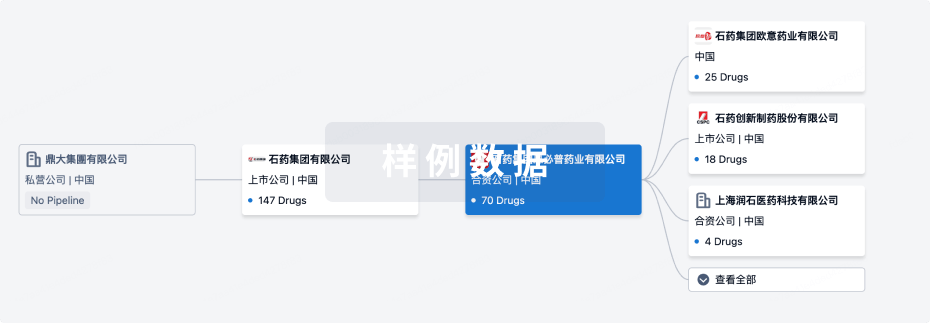
组织架构
使用我们的机构树数据加速您的研究。
登录
或
管线布局
2026年10月12日管线快照
管线布局中药物为当前组织机构及其子机构作为药物机构进行统计,早期临床1期并入临床1期,临床1/2期并入临床2期,临床2/3期并入临床3期
临床1期
1
4
批准上市
其他
10
登录后查看更多信息
当前项目
登录后查看更多信息
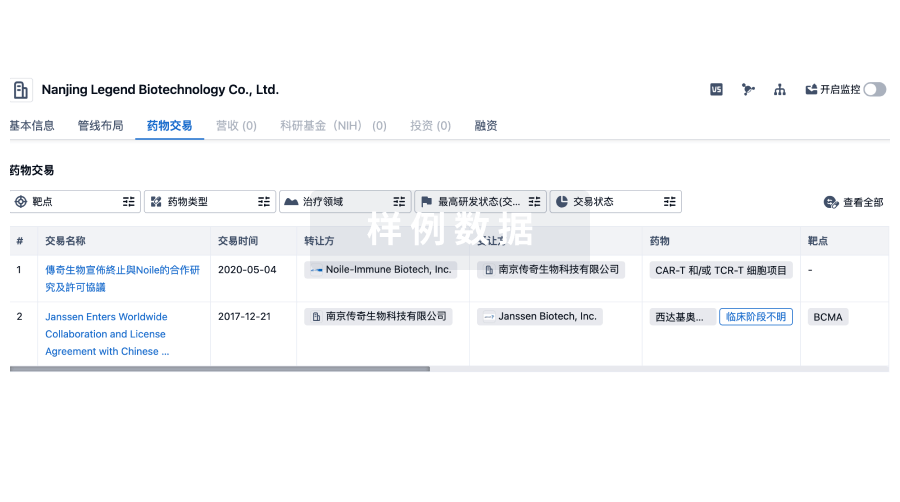
药物交易
使用我们的药物交易数据加速您的研究。
登录
或
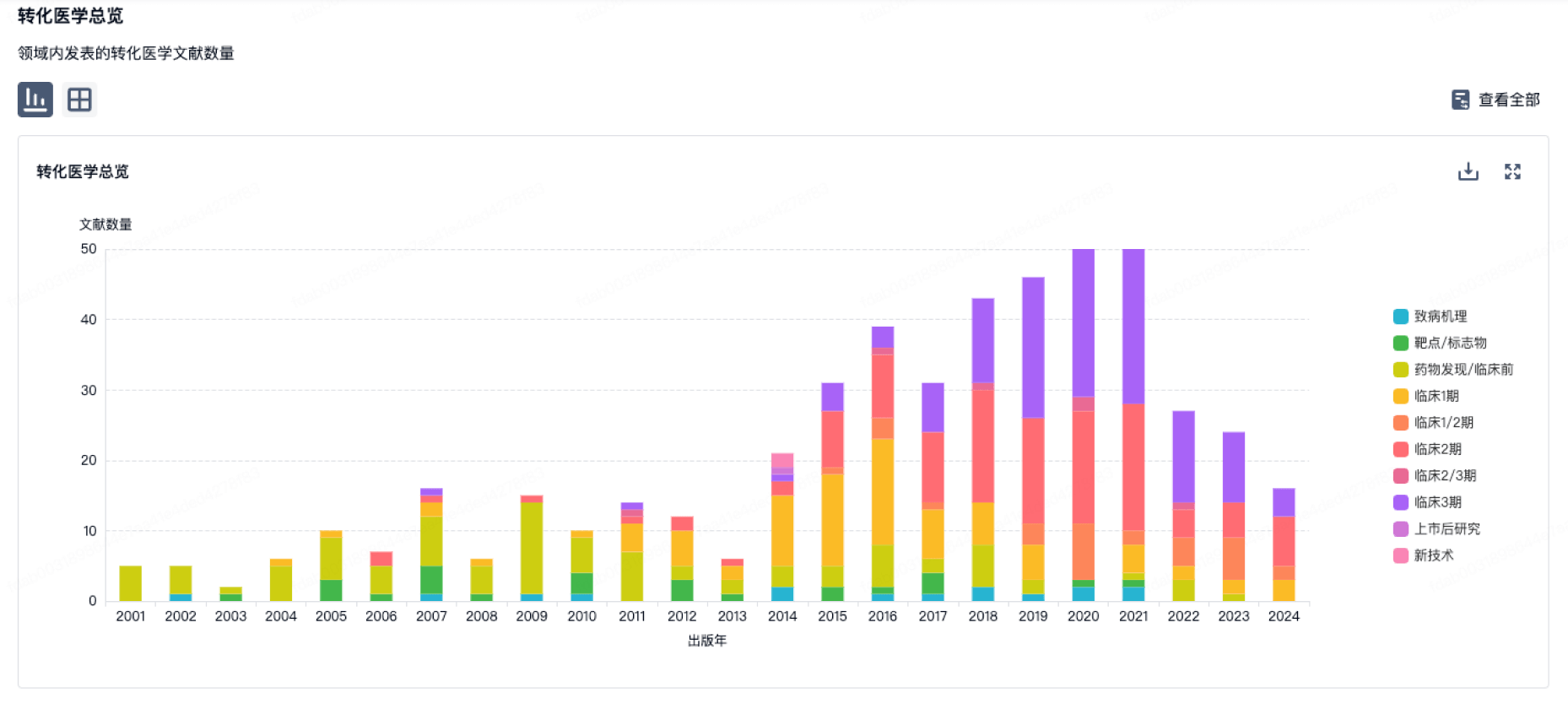
转化医学
使用我们的转化医学数据加速您的研究。
登录
或
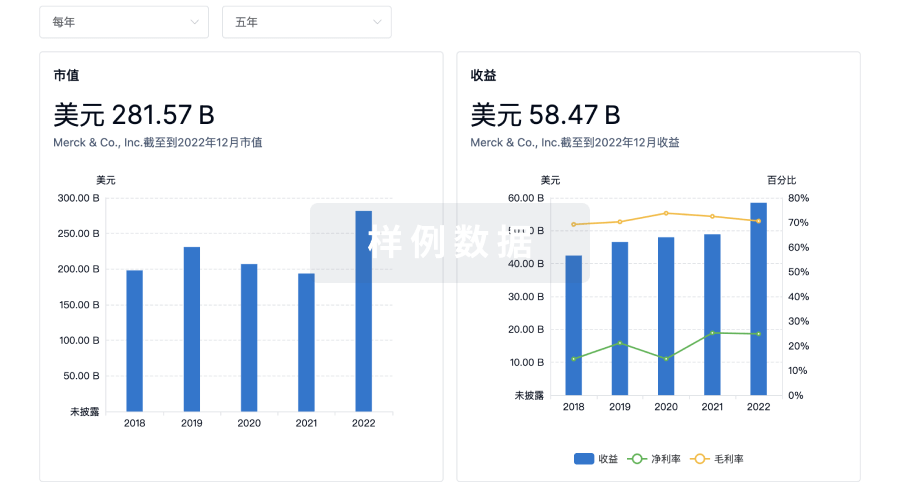
营收
使用 Synapse 探索超过 36 万个组织的财务状况。
登录
或
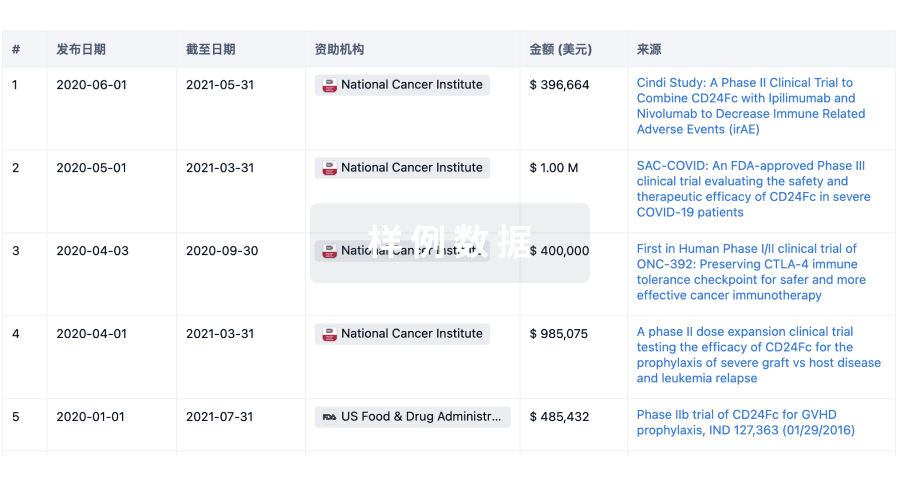
科研基金(NIH)
访问超过 200 万项资助和基金信息,以提升您的研究之旅。
登录
或
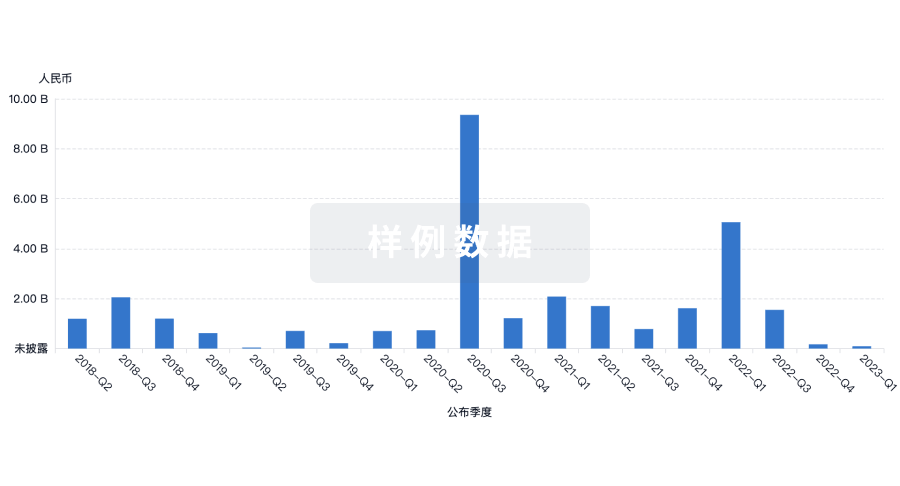
投资
深入了解从初创企业到成熟企业的最新公司投资动态。
登录
或
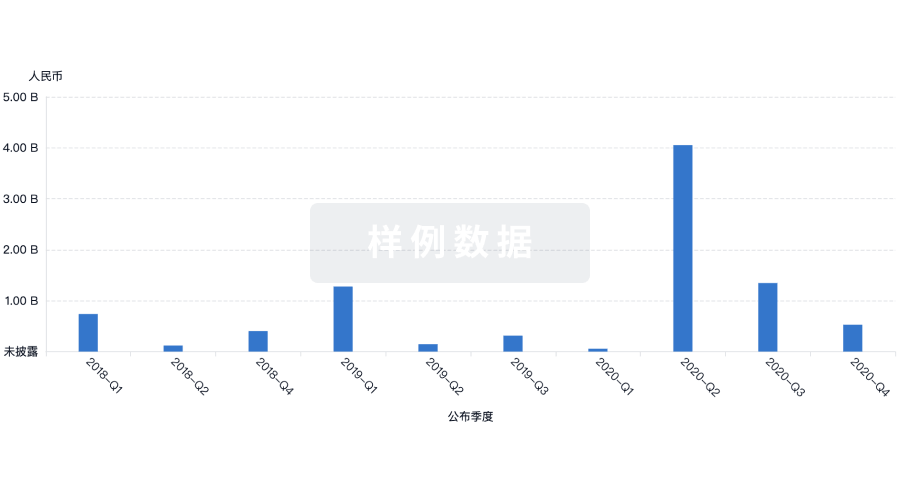
融资
发掘融资趋势以验证和推进您的投资机会。
登录
或
提出任何生物医药研究问题
让每一步生物医药决策都精准制胜
基于十亿级生物数据与全球情报的精准 AI,赋能早期药物发现
立即开始免费试用!
智慧芽新药情报库是智慧芽专为生命科学人士构建的基于AI的创新药情报平台,助您全方位提升您的研发与决策效率。
立即接入生物医药数据包
智慧芽新药库数据也通过智慧芽开放平台,以MCP或API服务形式对外开放。立即使用我们的MCP服务定制您的LLM智能体。
生物序列数据库
生物药研发创新
免费使用
化学结构数据库
小分子化药研发创新
免费使用