预约演示
更新于:2026-06-16

Hunan University of Chinese Medicine
更新于:2026-06-16
概览
标签
肿瘤
皮肤和肌肉骨骼疾病
神经系统疾病
小分子化药
化学药
中药
疾病领域得分
一眼洞穿机构专注的疾病领域

技术平台
公司药物应用最多的技术
靶点
公司最常开发的靶点
关联
靶点 |
作用机制 |
在研机构 |
原研机构 |
在研适应症 |
非在研适应症 |
最高研发阶段 |
首次获批国家/地区 |
首次获批日期 |


靶点 |
作用机制 |
在研机构 |
原研机构 |
在研适应症 |
非在研适应症 |
最高研发阶段 |
首次获批国家/地区 |
首次获批日期 |
靶点 |
作用机制 |
在研机构 |
原研机构 |
在研适应症 |
非在研适应症 |
最高研发阶段 |
首次获批国家/地区 |
首次获批日期 |

ITMCTR2025002064
Research and Application of Key Technologies in the Integrated Chinese and Western Medicine Prevention and Treatment System for Chronic Pain and Related Diseases in the Elderly (Chronic Neck Pain in the Elderly)
ITMCTR2025002453
Exploring the Mechanism of Xuefu Zhuyu Decoction in Treating Blood Stasis Syndrome of Coronary Heart Disease Based on Temporal Characteristics of Gut Microbiota and Metabolomics
CTR20242941
柴金解郁安神片治疗抑郁症(肝郁脾虚证)有效性和安全性的随机、双盲、安慰剂平行对照、多中心Ⅱ期临床研究
100 项与 湖南中医药大学 相关的临床结果
登录后查看更多信息
登录后查看更多信息
2026-12-31Human Vaccines & Immunotherapeutics
The 15-year bibliometric landscape of glioblastoma vaccines: Emergence of combinatorial immunotherapy
Review
作者: Long, Zhi ; Liu, Kun
Despite the persistently poor prognosis of glioblastoma (GBM), research into novel immunotherapies, particularly tumor vaccines, has flourished, evolving into a highly active and interdisciplinary field. Through a bibliometric analysis of 1,096 relevant publications from 2010 to 2025, this study systematically maps the intellectual structure, collaborative networks, and thematic evolution of this domain. The analysis reveals a significant paradigm shift: the research focus has transitioned from early antigen-specific vaccine development toward the comprehensive modulation of the immunosuppressive tumor microenvironment. This shift is evidenced by in-depth investigations into combination immunotherapies (e.g., with immune checkpoint inhibitors), advanced delivery technologies designed to overcome the blood-brain barrier (such as focused ultrasound and biomimetic nanocarriers), and innovative platforms including oncolytic viruses and stem cell-based systems. Overall, over the past 15 y, the field has evolved from strategies centered on unilateral immune activation toward integrated, synergistic approaches aimed at counteracting systemic immunosuppression. Future breakthroughs are anticipated to depend on refining personalized neoantigen-targeting strategies and optimizing multimodal combination therapeutic regimens.
2026-09-01BIOMATERIALS
Artificial human stem cell niche created in cartilage-inspired hydrogel for enhanced articular cartilage regeneration
Article
作者: Zhou, Zheyuan ; Mei, Hua ; Hou, Yixuan ; Zeng, Chao ; Yao, Ziyang ; Tian, Bo ; Dong, Zhuxin ; Li, Ming ; Cheng, Lamei ; Chen, Haobin ; Wang, Siqi ; Han, Qian
Stem cell-based therapies and liposome-integrated hydrogel matrix strategies are promising for articular cartilage regeneration. However, challenges persist due to the loss of stemness during in vitro expansion and the lack of control over stem cell behavior in vivo. Herein, we design a cartilage-inspired hydrogel scaffold similar to the native stem cell niche and expect to enhance chondrogenesis for cartilage repair. Human umbilical cord-derived mesenchymal stem cells (hUC-MSCs) are encapsulated within a composite hydrogel composed of methacrylate hyaluronic acid and collagen networks, mimicking the extracellular matrix of native cartilage. Additionally, embedded liposomes participate to form a lubrication mechanism, the boundary layer in the synovial joints, which lowers the coefficient of friction close to the native level. In vitro, our hydrogel niche system enhances cell-cell and cell-matrix interactions, induces hUC-MSCs mesenchymal condensation, establishes the hypoxic microenvironment formation, and therefore improves the chondrogenic differentiation. Moreover, SOX9, COL2, and HIF-1α expression are all upregulated, whereas MMP13 is downregulated. Meanwhile, in vivo implantation in an osteochondral defect model demonstrates our repair strategy is superior to the conventional hydrogel scaffolds. The advantages include the restoration of PRG4, the suppression of MMP13 and the increasement of ICRS II score to the native levels at 6 weeks post-implantation. These findings are important biophysical cues in regulating stem cell fate in a three-dimensional hydrogel niche and conducive to developing biomimetic scaffolds for cartilage repair.
2026-09-01Medical Gas Research
Unlocking the gasotransmitter: hydrogen sulfide as a multitarget regulator in ischemia–reperfusion injury
Review
作者: Deng, Yulin ; Li, Shiqin ; Tang, Rong ; Chen, Ye ; Ge, Jinwen ; Mei, Zhigang
Ischemia–reperfusion injury, a critical pathophysiological phenomenon in multiple organ systems, remains a formidable therapeutic challenge in clinical practice. As the third endogenously produced gaseous signaling molecule, hydrogen sulfide (H
2
S) has emerged as a pivotal regulator of diverse physiological processes and pathological cascades. Accumulating evidence indicates that H
2
S exerts cytoprotective effects against cerebral, cardiac, hepatic, renal, and pulmonary ischemia–reperfusion injuries through multifaceted mechanisms involving mitigation of inflammatory responses, suppression of oxidative stress, modulation of autophagic processes, and inhibition of apoptotic pathways. This comprehensive review systematically examines the endogenous biosynthesis and metabolic regulation of H
2
S, while elucidating the molecular mechanisms underlying its organ protective effects during ischemia–reperfusion injury. Particular emphasis is placed on the therapeutic potential of H
2
S synthase isoforms and bioactive metabolites in ischemic pathophysiology. Notably, recent advances in H
2
S pharmacology have catalyzed the development of novel H
2
S donors and slow-releasing compounds, including HSDF-NH
2
, S-allyl cysteine, S-propargyl cysteine, and S-(4-fluorobenzyl)-N-(3,4,5-trimethoxybenzoyl)-L-cysteine. These pharmacological innovations demonstrate enhanced tissue specificity and controlled release kinetics, paving the way for clinical translation of H
2
S-based therapeutics in ischemia–reperfusion injury management. Future research directions should focus on optimizing drug delivery systems and elucidating the spatiotemporal dynamics of H
2
S signaling in organ-specific ischemia–reperfusion pathologies.
2026-06-09
·模式生物
100 项与 湖南中医药大学 相关的药物交易
登录后查看更多信息
100 项与 湖南中医药大学 相关的转化医学
登录后查看更多信息
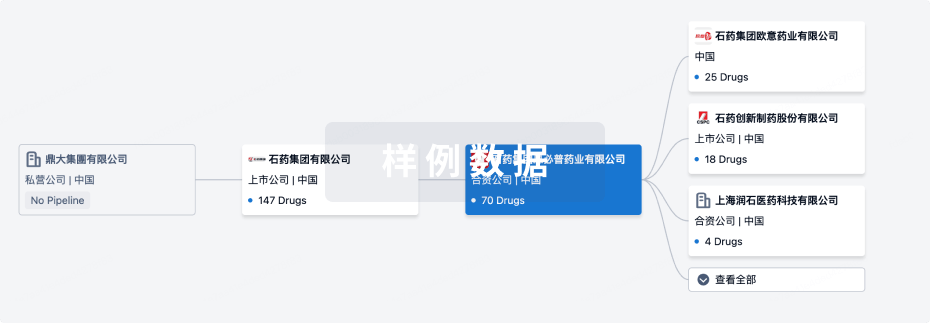
组织架构
使用我们的机构树数据加速您的研究。
登录
或
管线布局
2026年10月18日管线快照
管线布局中药物为当前组织机构及其子机构作为药物机构进行统计,早期临床1期并入临床1期,临床1/2期并入临床2期,临床2/3期并入临床3期
药物发现
4
13
临床前
临床申请批准
1
1
临床3期
登录后查看更多信息
当前项目
登录后查看更多信息
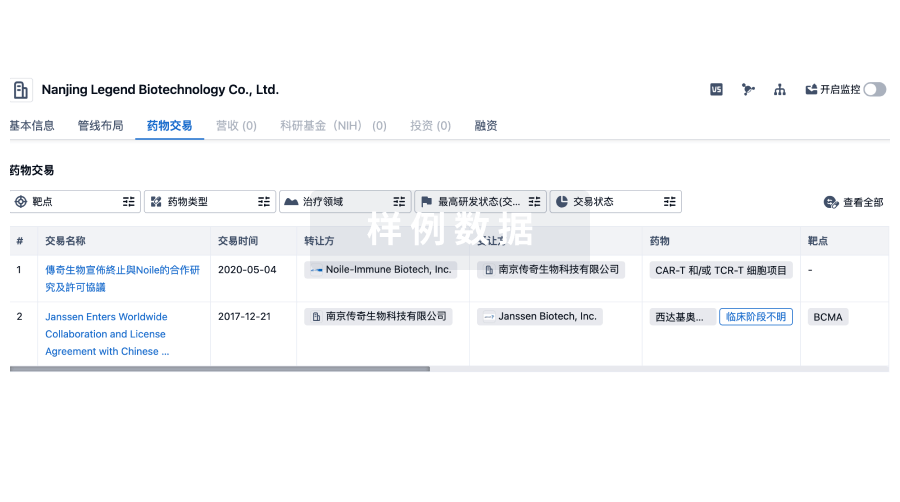
药物交易
使用我们的药物交易数据加速您的研究。
登录
或
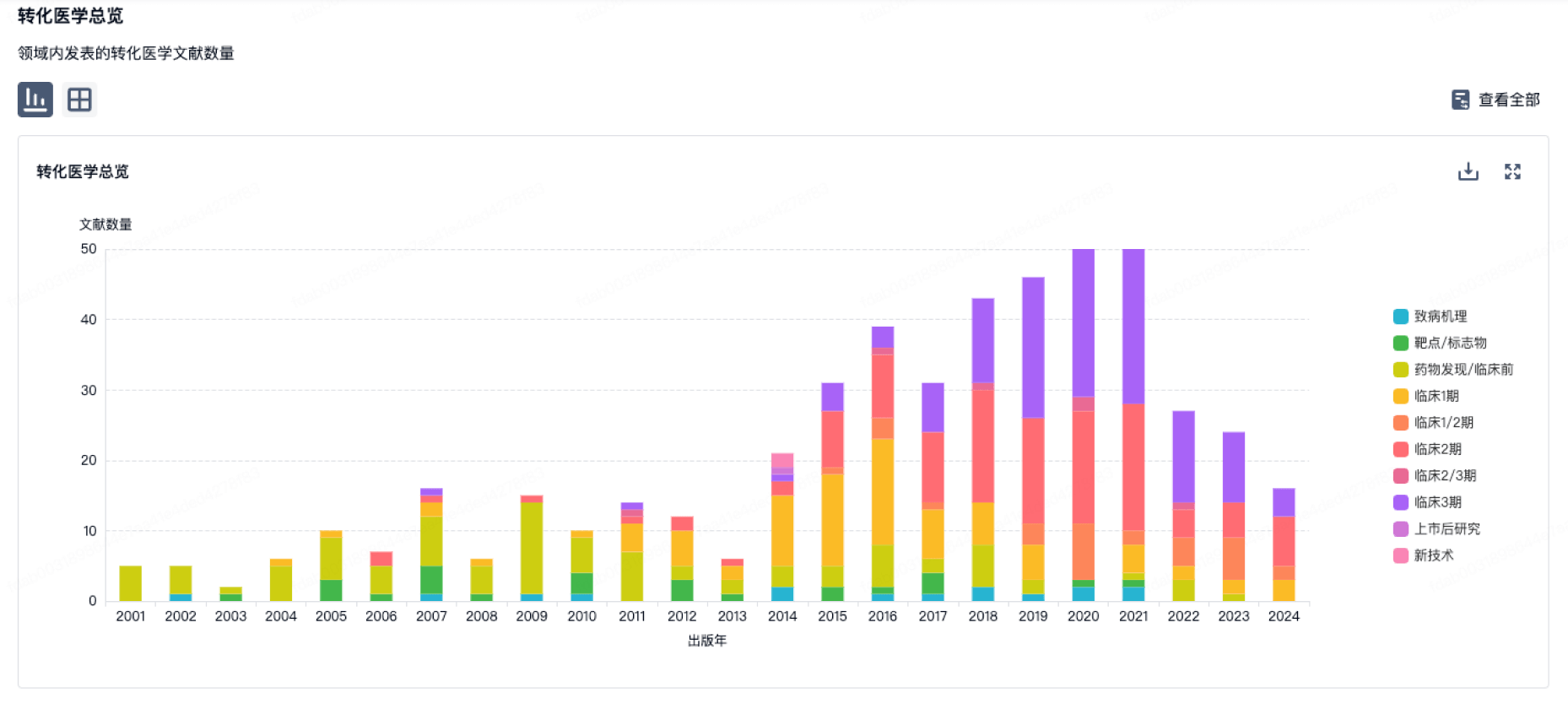
转化医学
使用我们的转化医学数据加速您的研究。
登录
或
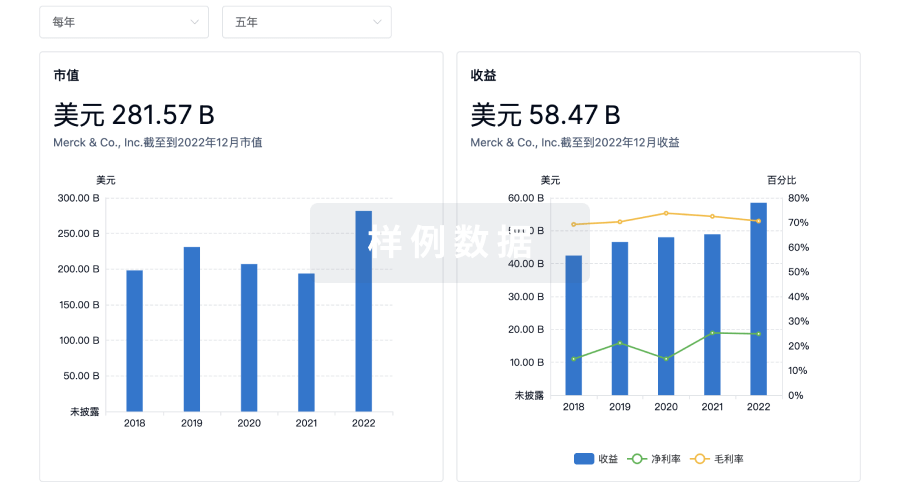
营收
使用 Synapse 探索超过 36 万个组织的财务状况。
登录
或
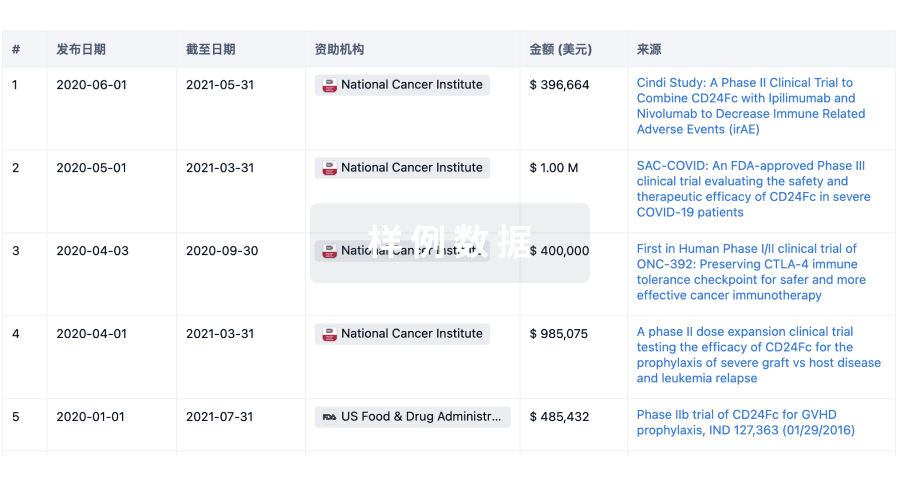
科研基金(NIH)
访问超过 200 万项资助和基金信息,以提升您的研究之旅。
登录
或
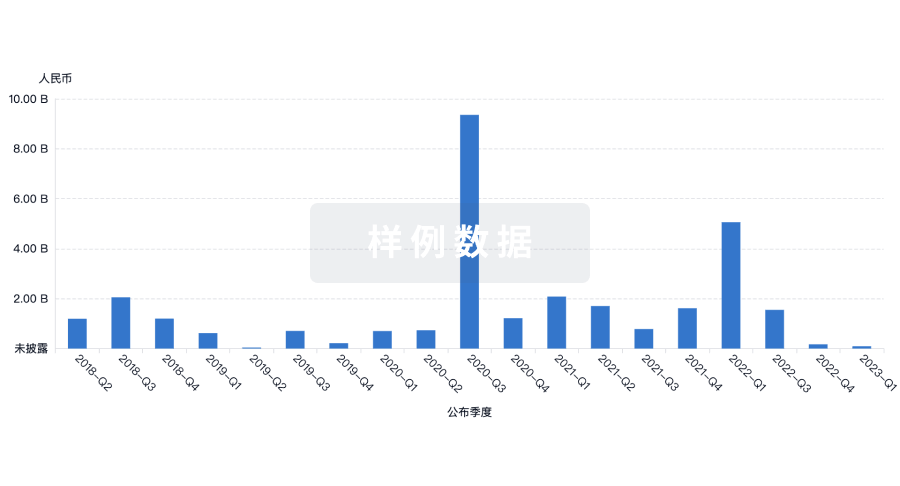
投资
深入了解从初创企业到成熟企业的最新公司投资动态。
登录
或
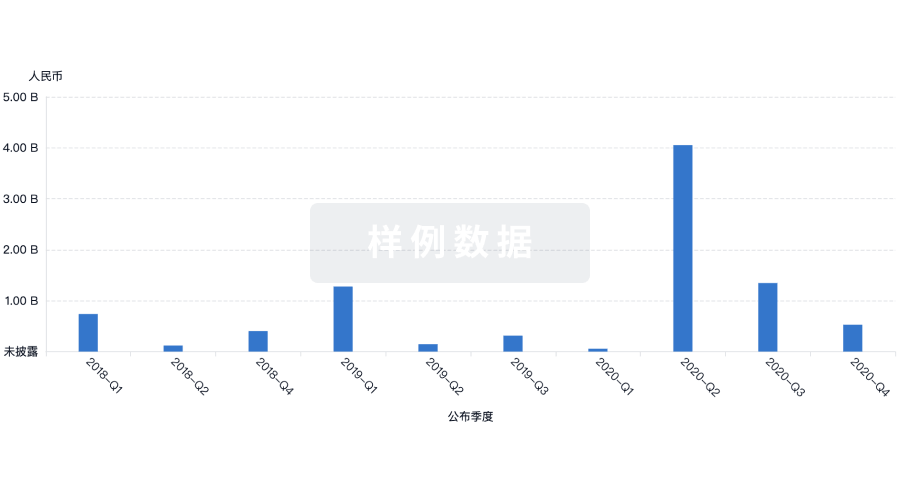
融资
发掘融资趋势以验证和推进您的投资机会。
登录
或
提出任何生物医药研究问题
让每一步生物医药决策都精准制胜
基于十亿级生物数据与全球情报的精准 AI,赋能早期药物发现
立即开始免费试用!
智慧芽新药情报库是智慧芽专为生命科学人士构建的基于AI的创新药情报平台,助您全方位提升您的研发与决策效率。
立即接入生物医药数据包
智慧芽新药库数据也通过智慧芽开放平台,以MCP或API服务形式对外开放。立即使用我们的MCP服务定制您的LLM智能体。
生物序列数据库
生物药研发创新
免费使用
化学结构数据库
小分子化药研发创新
免费使用