预约演示
更新于:2026-03-08

ReproCELL, Inc.
更新于:2026-03-08
概览
标签
呼吸系统疾病
感染
预防性疫苗
mRNA疫苗
疾病领域得分
一眼洞穿机构专注的疾病领域

技术平台
公司药物应用最多的技术
靶点
公司最常开发的靶点
关联
靶点 |
作用机制 |
在研机构 |
原研机构 |
在研适应症 |
非在研适应症 |
最高研发阶段 |
首次获批国家/地区 |
首次获批日期 |


NCT05150184
Isolation and Characterization of Fecal/Oral/Skin/Nasal/Throat Microbial Species From a Diverse Cohort of Healthy Adults

JPRN-jRCTc031200283
A Phase 2 Study Using Short-term Cultured Anti-tumor Autologous Lymphocytes Following a Nonmyeloablative Conditioning and Low-dose Interleukin-2 Treatment in Patients with Recurrent, Metastatic, or Persistent Cervical Cancer. - TILCC trial
100 项与 ReproCELL, Inc. 相关的临床结果
登录后查看更多信息
登录后查看更多信息
2025-01-01Stem Cell Reviews and Reports
Evaluating Strategies to Assess the Differentiation Potential of Human Pluripotent Stem Cells: A Review, Analysis and Call for Innovation
Review
作者: Aguilar, Alejandro Hidalgo ; Liu, Felicity ; Quelch-Cliffe, Rebecca ; Przyborski, Stefan ; Smith, Lucy
Abstract:
Pluripotent stem cells have the ability to differentiate into all cells and tissues within the human body, and as a result they are attractive resources for use in basic research, drug discovery and regenerative medicine. In order to successfully achieve this application, starting cell sources ideally require in-depth characterisation to confirm their pluripotent status and their ability to differentiate into tissues representative of the three developmental germ layers. Many different methods to assess potency are employed, each having its own distinct advantages and limitations. Some aspects of this characterisation process are not always well standardised, particularly techniques used to assess pluripotency as a function. In this article, we consider the methods used to establish cellular pluripotency and subsequently analyse characterisation data for over 1590 human pluripotent cell lines from publicly available repositories in the UK and USA. In particular, we focus on the teratoma xenograft assay, its use and protocols, demonstrating the level of variation and the frequency with which it is used. Finally, we reflect on the implications of the findings, and suggest in vitro alternatives using modern innovative technology as a way forward.Graphical Abstract
2025-01-01Methods in molecular biology (Clifton, N.J.)
Engineering a Pigmented Skin Equivalent That Is Responsive to External Stimuli
Article
作者: Smith, Lucy ; Przyborski, Stefan ; Goncalves, Kirsty ; De Los Santos Gomez, Paola ; Maltman, Victoria
Recently, dermatological research has more widely adopted the use of human skin equivalents (HSEs) to better recreate skin structure and function in vitro, which can act as a preclinical tool. However, many popular HSEs contain only two main cell types: keratinocytes and fibroblasts to model epidermal and dermal compartments respectively. This lack of supporting cell types can be associated with a wide range of limitations, most notably an inaccurate representation of skin's innate response to exogenous stressors such as UV radiation. We have adapted our novel full-thickness skin platform to incorporate human melanocytes that produce melanin and transfer melanin to neighboring keratinocytes, where it is located apically to the nucleus, forming typical supranuclear protective caps. The use of Alvetex® scaffold and the ability of dermal fibroblasts to secrete their own endogenous extracellular matrix (ECM) proteins provide a robust dermal foundation for the construction of a pigmented epidermis and are essential for supranuclear cap formation, a physiological phenomenon essential to melanin's protective function. This model system is responsive both to up and downregulation of melanogenesis, therefore providing an in vitro platform for a wide array of applications, ranging from industrial active testing for cosmetic formulations to academic insights into the cellular response to environmental stressors.
2025-01-01Methods in molecular biology (Clifton, N.J.)
Engineering a Multilayered Skin Equivalent: The Importance of Endogenous Extracellular Matrix and Model Flexibility for Nuanced and Accurate Skin Studies
Article
作者: Goncalves, Kirsty ; De Los Santos Gomez, Paola ; Przyborski, Stefan ; Smith, Lucy ; Maltman, Victoria
Human skin equivalents (HSEs) are a valuable tool for both academic and industrial laboratories to further the understanding of skin physiology in a range of health and disease situations. There have been many advances in the development of HSEs that successfully recapitulate the structure of human skin in vitro; however a main limitation is variability due to the use of complex protocols and exogenous extracellular matrix (ECM) proteins. Previously, we have developed a robust, reproducible, and unique full thickness HSE, using a consistent scaffold, commercially available cells and defined low-serum media. Alvetex® scaffold technology allows fibroblasts to produce their own endogenous ECM proteins, alleviating the need for exogenous collagen and supporting epidermal differentiation and stratification. This model is highly flexible, with the potential to use other cell populations for more complex HSEs, alter the culture regime to experimental needs, and perform preclinical testing using the same tools as in vivo studies. Our full thickness skin equivalent is generated using a detailed step-by-step protocol, which sequentially forms the multi-layered structure of human skin in vitro and is detailed below.
2026-03-05
2026-03-03
2026-02-25
100 项与 ReproCELL, Inc. 相关的药物交易
登录后查看更多信息
100 项与 ReproCELL, Inc. 相关的转化医学
登录后查看更多信息
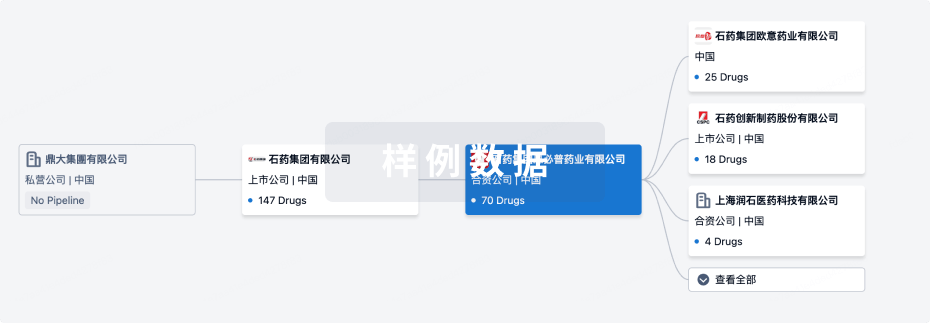
组织架构
使用我们的机构树数据加速您的研究。
登录
或
管线布局
2026年10月10日管线快照
管线布局中药物为当前组织机构及其子机构作为药物机构进行统计,早期临床1期并入临床1期,临床1/2期并入临床2期,临床2/3期并入临床3期
临床前
1
2
其他
登录后查看更多信息
当前项目
登录后查看更多信息
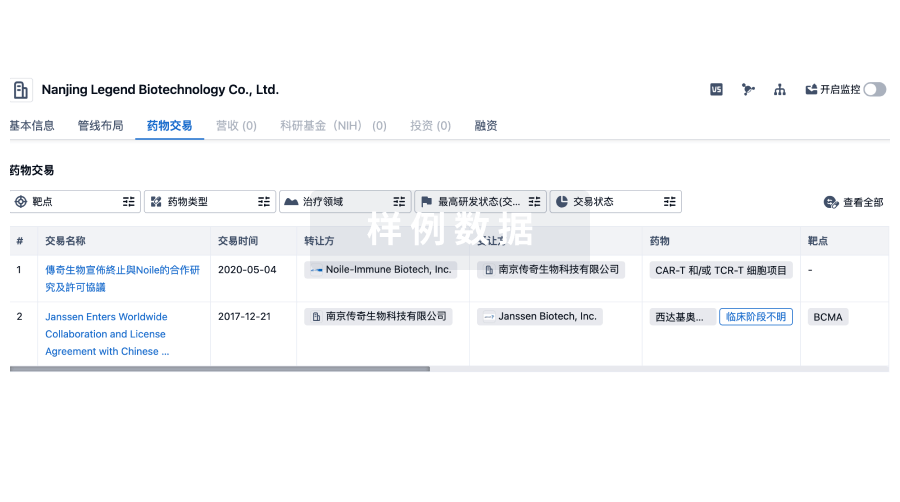
药物交易
使用我们的药物交易数据加速您的研究。
登录
或
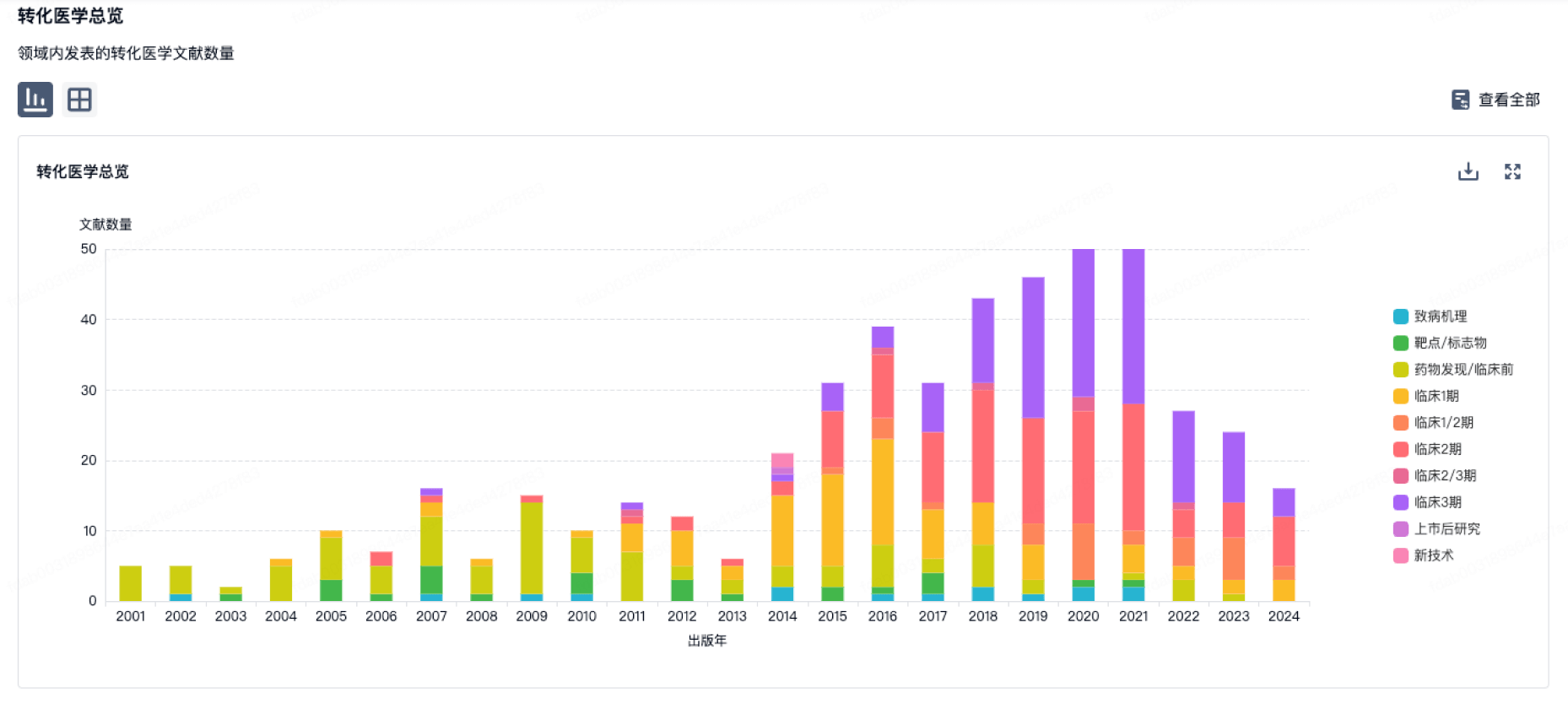
转化医学
使用我们的转化医学数据加速您的研究。
登录
或
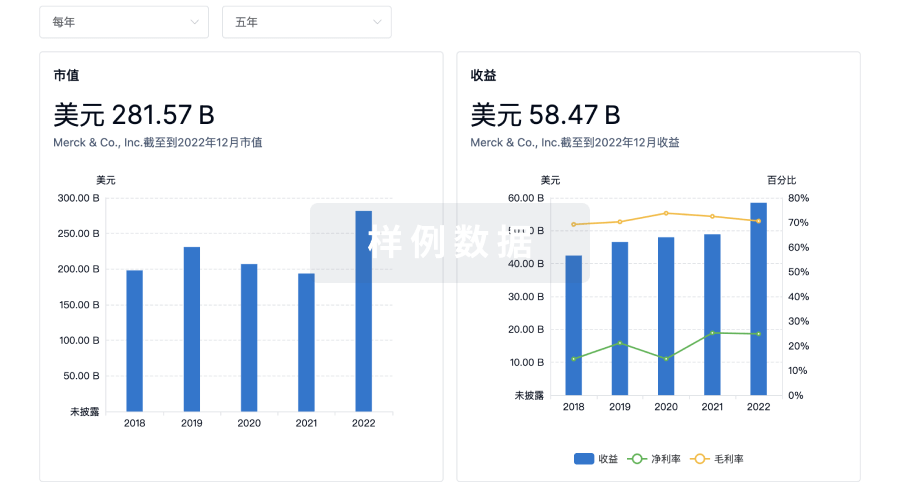
营收
使用 Synapse 探索超过 36 万个组织的财务状况。
登录
或
科研基金(NIH)
访问超过 200 万项资助和基金信息,以提升您的研究之旅。
登录
或
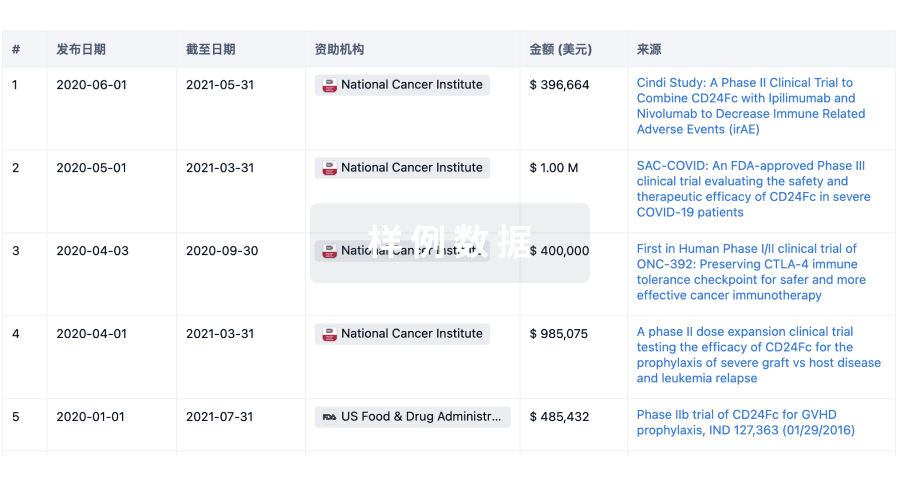
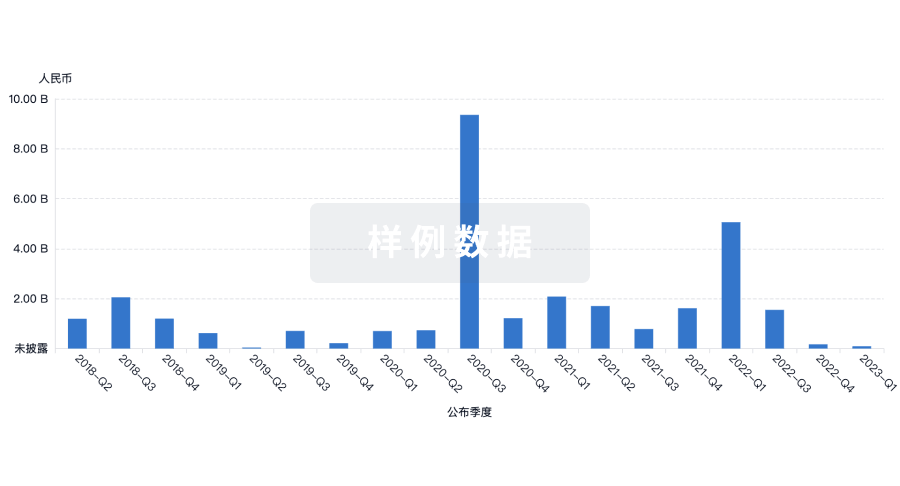
投资
深入了解从初创企业到成熟企业的最新公司投资动态。
登录
或
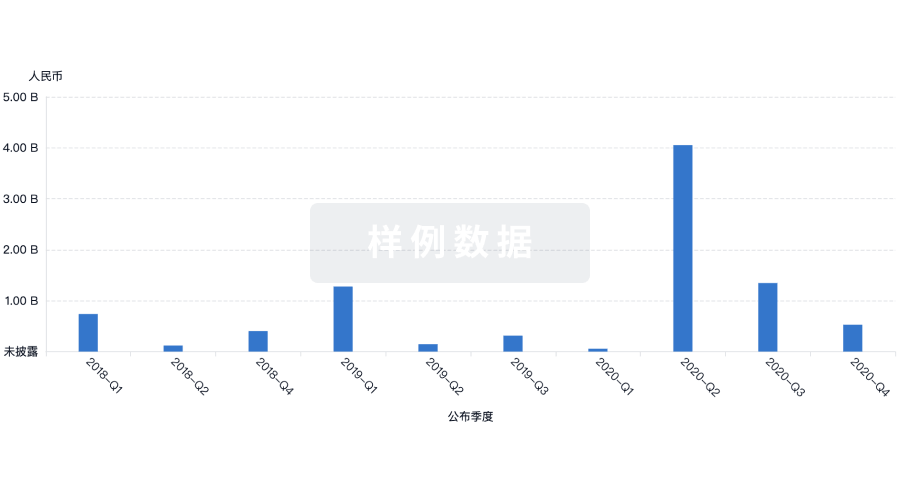
融资
发掘融资趋势以验证和推进您的投资机会。
登录
或
提出任何生物医药研究问题
让每一步生物医药决策都精准制胜
基于十亿级生物数据与全球情报的精准 AI,赋能早期药物发现
立即开始免费试用!
智慧芽新药情报库是智慧芽专为生命科学人士构建的基于AI的创新药情报平台,助您全方位提升您的研发与决策效率。
立即接入生物医药数据包
智慧芽新药库数据也通过智慧芽开放平台,以MCP或API服务形式对外开放。立即使用我们的MCP服务定制您的LLM智能体。
生物序列数据库
生物药研发创新
免费使用
化学结构数据库
小分子化药研发创新
免费使用