预约演示
更新于:2026-05-20

Ludwig-Maximilians-Universität München
更新于:2026-05-20
概览
标签
神经系统疾病
其他疾病
肿瘤
小分子化药
ADC
双特异性T细胞结合器
疾病领域得分
一眼洞穿机构专注的疾病领域

技术平台
公司药物应用最多的技术
靶点
公司最常开发的靶点
关联
靶点 |
作用机制 |
在研机构 |
原研机构 |
在研适应症 |
非在研适应症 |
最高研发阶段 |
首次获批国家/地区 |
首次获批日期 |

靶点 |
作用机制 |
在研机构 |
原研机构 |
在研适应症 |
非在研适应症 |
最高研发阶段 |
首次获批国家/地区 |
首次获批日期 |
靶点 |
作用机制 |
在研机构 |
原研机构 |
在研适应症 |
非在研适应症 |
最高研发阶段 |
首次获批国家/地区 |
首次获批日期 |

NCT07586150
Personalised Pharmaco-Lifestyle Interventions for Severe Mental Illnesses Enhanced by Digital Health and Immersive Technologies
NCT07565961
Prospective Randomized Comparative Study Evaluating Functional and Perioperative Outcomes After Thulium Laser Enucleation of the Prostate (ThuLEP) Versus Holmium Laser Enucleation of the Prostate (HoLEP)
NCT07326124
Full Title: Cannabidiol Augmentation of Clozapine in Treatment Resistant Psychosis: a Double-blind, Randomised Controlled Trial

100 项与 Ludwig-Maximilians-Universität München 相关的临床结果
登录后查看更多信息
登录后查看更多信息
2026-09-01Infectious Disease Modelling
Results of the epidemiological measurement of endemics, epidemics, and pandemics
Article
作者: Standl, Fabian ; Trilling, Mirko ; Stang, Andreas ; Stich, Heribert ; Jansen, Philipp ; Stelzle, Dominik
Reliable characterization of infection dynamics is critical for managing endemic, epidemic, and pandemic outbreaks. A persistent challenge in epidemiology is the lack of a unified quantitative framework that allows wave patterns to be compared across outbreak scales and pathogens while accounting for possible ambiguities in wave definitions. This study presents a descriptive epidemiological framework to quantify epidemic wave characteristics using the Duty Cycle (DC), defined as the ratio between wave duration and the time to the next peak. Historical time-series data from viral outbreaks were analyzed, and combinatorics was applied to consider all valid interpretations ("perspectives") of wave boundaries within the same incidence curves, thereby avoiding a perspective-selection bias. We calculated DC values, wave peak postdiction accuracy in days, wave heights relative to initial peaks, and subsequent wave frequencies. Distribution-based analyses show that DC values are generally higher in endemics and epidemics, indicating frequent overlapping waves, whereas pandemics tend to exhibit lower DC and fewer subsequent waves. Wave-peak postdiction accuracy varied across outbreak scales, with distributions reflecting perspective-dependent uncertainty. While subsequent waves of infection in endemics and epidemics are frequently higher than the first wave, pandemics typically peaked in the second wave and showed waning thereafter. The results provide a comparative, structurally grounded description of epidemic wave dynamics across outbreak types, supporting outbreak assessment and planning. Given the heterogeneity of reporting and outbreak dynamics, results should be interpreted as descriptive benchmarks rather than mechanistic postdictions.
2026-07-01APPETITE
Emotional food craving: Highest during positive emotions, and calorie-specific during negative emotions
Article
作者: Blechert, Jens ; Arend, Ann-Kathrin ; Reichenberger, Julia
OBJECTIVE:
Theories on emotional eating are central to understanding the etiology, maintenance, and treatment of eating and weight disorders. However, it remains unclear whether emotional eating is a universal phenomenon or specific to a subgroup with distinct eating styles. Few studies have examined positive and negative emotions within the same design. This study aimed to investigate the effects of induced positive and negative emotions on food picture-specific craving ratings while accounting for trait emotional eating in a well-powered experimental design.
METHOD:
A total of 147 participants (111 women, 33 men, 3 gender-diverse) viewed and rated pictures of foods with high- and low-calorie content during positive, neutral, and negative emotional states, induced through recall of emotional episodes.
RESULTS:
Baseline and block-end ratings confirmed successful emotion induction. Across all food images, food cravings were highest during the positive condition, followed by the neutral condition, and lowest during the negative condition. High-calorie foods were craved more than low-calorie foods only during negative emotional states. This calorie-specific effect was primarily observed in individuals with high trait negative emotional overeating and high positive emotional undereating.
CONCLUSIONS:
The findings demonstrate a general effect of emotional states on food cravings and highlight a subgroup of vulnerable individuals with elevated trait levels of negative overeating and positive undereating. While normative theories of appetite should account for the influence of emotions in general, targeted prevention strategies may be particularly beneficial for individuals with heightened trait emotional eating tendencies. Replication in clinical samples is needed to further inform interventions.
2026-07-01BIOCHEMICAL PHARMACOLOGY
Topical and systemic skin aging interventions: Evidence, pitfalls and perspectives
Review
作者: Scheibye-Knudsen, Morten ; Scherf-Clavel, Oliver ; Heckenbach, Indra J ; Gürtler, Anna-Lena ; Sirois, Jonathan P ; Heinz, Andrea
Skin aging is a complex, multifactorial process driven by intrinsic biological factors and extrinsic environmental influences, with ultraviolet radiation playing a central role in accelerating structural and functional skin deterioration. A wide range of topical and systemic interventions have been proposed to prevent or reverse visible signs of skin aging. This review provides a critical evaluation of current skin aging interventions, including antioxidants, hormonal therapies, retinoids, hydrators such as hyaluronic acid, collagen peptides, and emerging senescence-targeting agents. Distinct from prior reviews, this work integrates both a pharmaceutical perspective, focusing on physicochemical properties, formulation stability, and dermal or oral bioavailability of active ingredients, and a methodological assessment of clinical evidence. While several skin aging interventions have been described to show benefits, their clinical effectiveness is often constrained by poor absorption, chemical instability, irritation, or limited mechanistic validation. The existing literature is characterized by small sample sizes, short study durations, subjective outcome measures, lack of appropriate controls, and frequent industry sponsorship, all of which limit the reliability and generalizability of reported outcomes. Retinoids remain the most consistently supported intervention, though tolerability issues persist, whereas evidence for antioxidants, hormonal therapies, hydrators and collagen peptides remains inconclusive. Overall, this review highlights a substantial gap between commercial claims and robust clinical evidence, underscoring the need for large-scale, well-controlled, independent trials with standardized, objective endpoints to establish safe, effective, and evidence-based strategies for healthy skin aging.
100 项与 Ludwig-Maximilians-Universität München 相关的药物交易
登录后查看更多信息
100 项与 Ludwig-Maximilians-Universität München 相关的转化医学
登录后查看更多信息
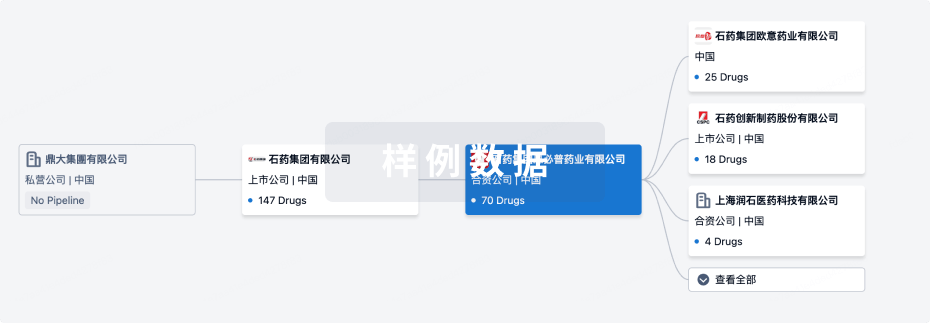
组织架构
使用我们的机构树数据加速您的研究。
登录
或
管线布局
2026年10月20日管线快照
管线布局中药物为当前组织机构及其子机构作为药物机构进行统计,早期临床1期并入临床1期,临床1/2期并入临床2期,临床2/3期并入临床3期
药物发现
6
26
临床前
临床2期
3
28
其他
登录后查看更多信息
当前项目
登录后查看更多信息
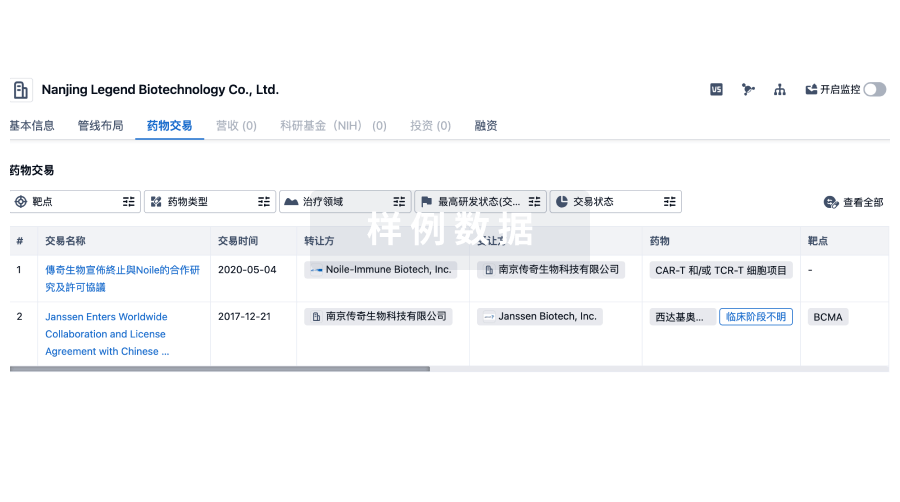
药物交易
使用我们的药物交易数据加速您的研究。
登录
或
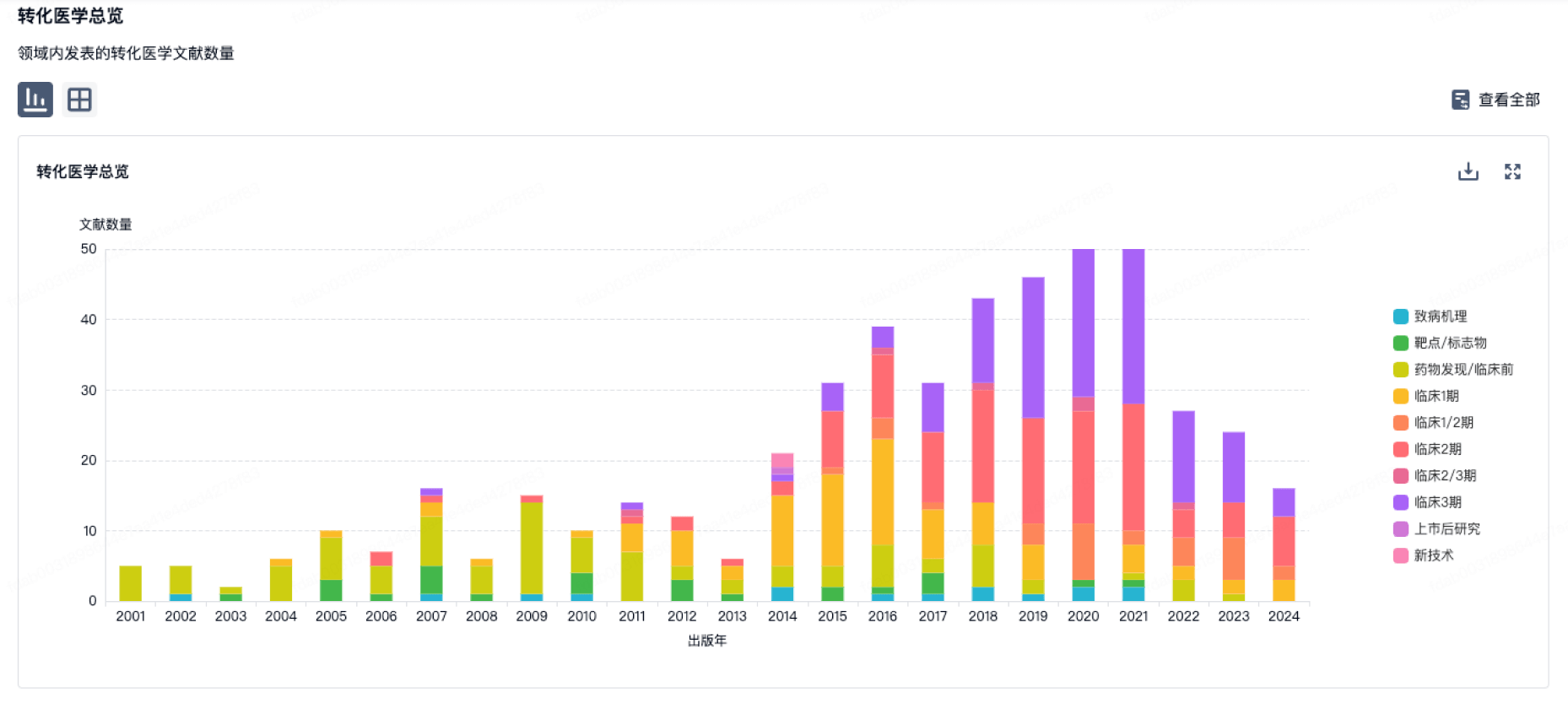
转化医学
使用我们的转化医学数据加速您的研究。
登录
或
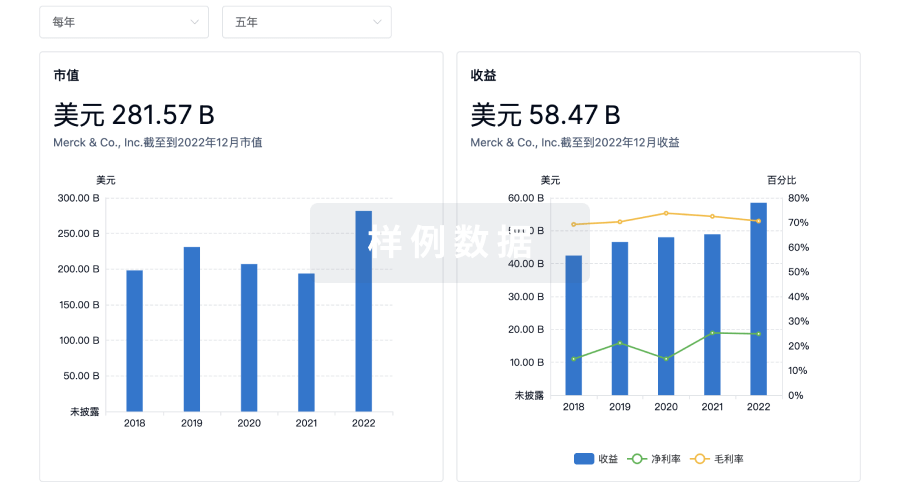
营收
使用 Synapse 探索超过 36 万个组织的财务状况。
登录
或
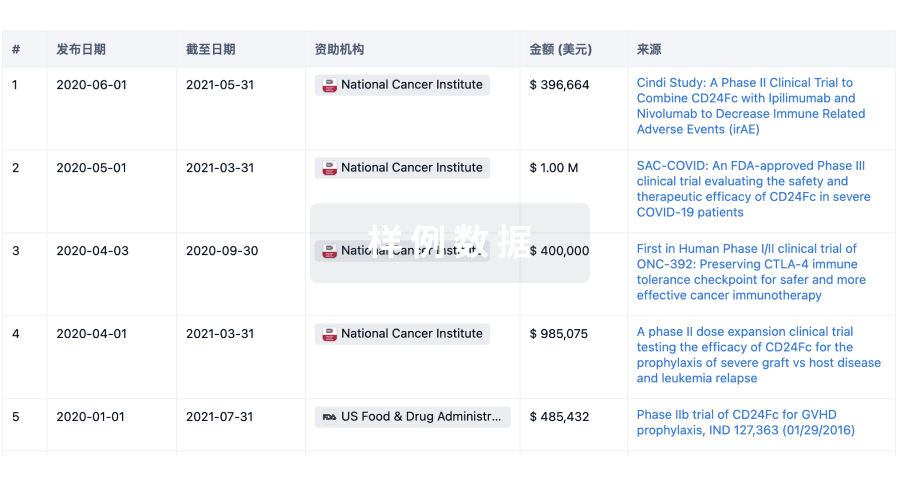
科研基金(NIH)
访问超过 200 万项资助和基金信息,以提升您的研究之旅。
登录
或
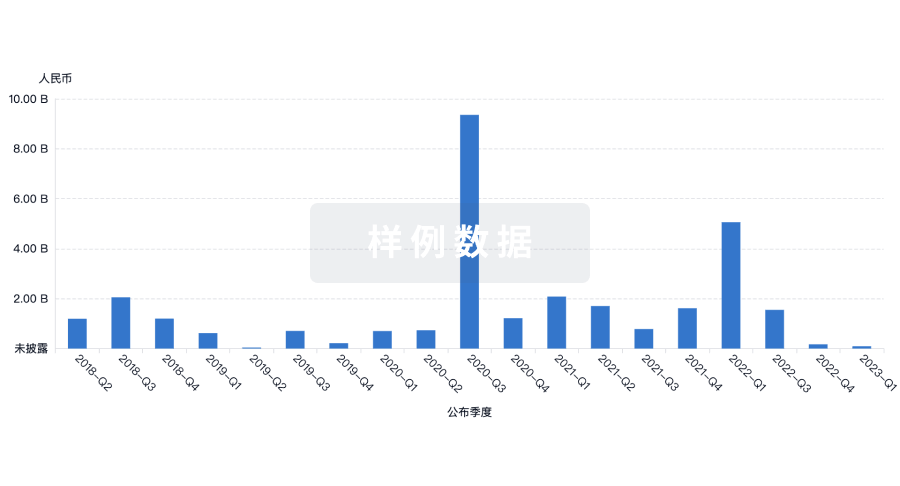
投资
深入了解从初创企业到成熟企业的最新公司投资动态。
登录
或
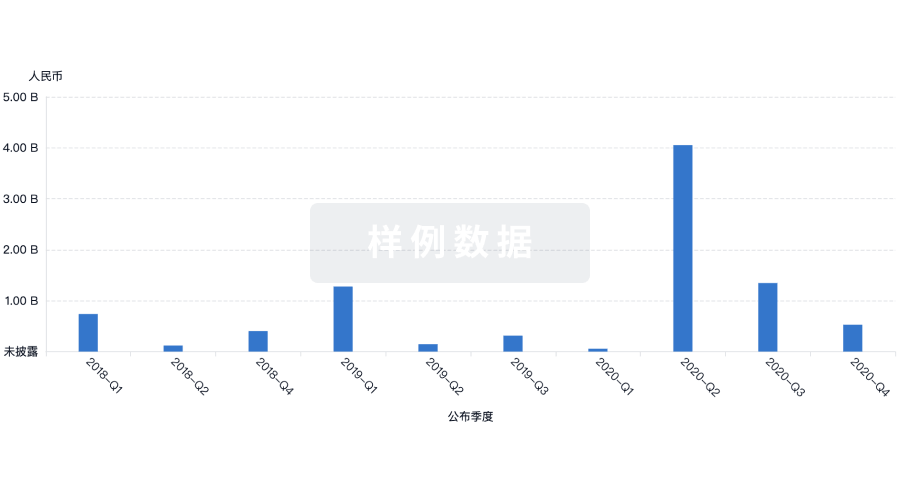
融资
发掘融资趋势以验证和推进您的投资机会。
登录
或
提出任何生物医药研究问题
让每一步生物医药决策都精准制胜
基于十亿级生物数据与全球情报的精准 AI,赋能早期药物发现
立即开始免费试用!
智慧芽新药情报库是智慧芽专为生命科学人士构建的基于AI的创新药情报平台,助您全方位提升您的研发与决策效率。
立即接入生物医药数据包
智慧芽新药库数据也通过智慧芽开放平台,以MCP或API服务形式对外开放。立即使用我们的MCP服务定制您的LLM智能体。
生物序列数据库
生物药研发创新
免费使用
化学结构数据库
小分子化药研发创新
免费使用