预约演示
更新于:2026-03-08

Texas Tech University Health Sciences Center
更新于:2026-03-08
概览
标签
肿瘤
内分泌与代谢疾病
神经系统疾病
小分子化药
ADC
聚合物
疾病领域得分
一眼洞穿机构专注的疾病领域

技术平台
公司药物应用最多的技术
靶点
公司最常开发的靶点
关联
靶点 |
作用机制 |
在研机构 |
原研机构 |
在研适应症 |
非在研适应症 |
最高研发阶段 |
首次获批国家/地区 |
首次获批日期 |


靶点 |
作用机制 |
在研机构 |
原研机构 |
在研适应症 |
非在研适应症 |
最高研发阶段 |
首次获批国家/地区 |
首次获批日期 |

靶点 |
作用机制 |
在研机构 |
原研机构 |
在研适应症 |
非在研适应症 |
最高研发阶段 |
首次获批国家/地区 |
首次获批日期 |
NCT07451210
Evaluating the Efficacy of Blood Flow Restriction Therapy in a Randomized Clinical Trial for Postoperative Rehabilitation Following Ankle Ligament Reconstruction
NCT07434375
Speech Intervention Via Telepractice for Children With Repaired Cleft Palate: Randomized Controlled Trial and Assessment of Speech Production and Perception Skills
NCT05806385
Local Therapy Optimization by Grouping Immune-modulation With Cryoablation (LOGIC) for High Risk Breast Cancers
100 项与 Texas Tech University Health Sciences Center 相关的临床结果
登录后查看更多信息
登录后查看更多信息
2026-06-01Neural Regeneration Research
Retinoid-mediated restoration of neurosteroidogenesis as a therapeutic target in Alzheimer’s disease
Article
作者: Manna, Pulak R.
Department of Internal Medicine, School of Medicine, Texas Tech University Health Sciences Center, Lubbock, TX, USA *Correspondence to: Pulak R. Manna, PhD, [email protected]. This is an open access journal, and articles are distributed under the terms of the Creative Commons Attribution-NonCommercial-ShareAlike 4.0 License (http://creativecommons.org/licenses/by-nc-sa/4.0/), which allows others to remix, tweak, and build upon the work non-commercially, as long as appropriate credit is given and the new creations are licensed under the identical terms.
2026-04-01BIOCHIMICA ET BIOPHYSICA ACTA-MOLECULAR BASIS OF DISEASE
Mitigating loss of lean muscle in GLP-1 and dual GLP-1/GIP agonists: Pipeline opportunities and limitations
Review
作者: Hierholzer, Justin ; Ewida, Heba A ; Benson, Harrison ; Ahmed, Mahmoud Salama
Glucagon-like peptide-1 (GLP-1) receptor and dual GLP-1/glucose-dependent insulinotropic polypeptide (GIP) agonists drive significant transformation in the landscape for type 2 diabetes and obesity management, yet 15-40% of weight loss in trials like STEP and SURMOUNT stems from lean muscle mass. This catabolic loss impairs glucose disposal, muscle strength, and physical function; elevating risks for the loss of force generating capacity in the skeletal muscles leading to sarcopenia, particularly in elderly patients. Unfortunately, current FDA guidelines emphasize total weight reduction over body composition, featuring an unmet critical need for elucidating strategies to preserve loss of lean muscle. This review will feature the emerging therapeutics to mitigate loss of lean muscle, including selective androgen receptor modulators, myostatin-targeting TGF-β inhibitors, and gene-silencing siRNA therapies. Despite promising preclinical and early clinical data, limitations persist, including reliance on parenteral biologics, limited mechanistic diversity, short trial durations, and sparse functional outcome data. Future research must prioritize precise muscle assessments, body composition, long-term trials, and accessible interventions integrating pharmacotherapy. These advances could redefine weight loss paradigms, ensuring therapeutic efficacy aligns with optimal body composition and patient outcomes.
2026-04-01Neurology and Therapy
Dementia in Progressive Supranuclear Palsy: A Narrative Review
Review
作者: Eagan, Danielle ; Stipho, Yara S ; Sabbagh, Marwan N ; Decourt, Boris ; Moore, Kathleen S ; Shill, Holly A ; Chan, Justine ; Abrego, Crystal J ; Niemann, Nicki
Progressive supranuclear palsy (PSP) is an adult-onset neurodegenerative disorder characterized by postural instability, ocular motor dysfunction, akinesia, and cognitive impairment. The accumulation of tau protein disrupts microtubule dynamics and axonal transport, leading to neurodegeneration in subcortical structures such as the basal ganglia and brainstem. These effects result in the clinical features of motor dysfunction and cognitive impairment associated with PSP. Dementia in patients with PSP is common but may be difficult to diagnose. This narrative review describes the cognitive decline and dementia associated with PSP. The pathological hallmarks of PSP, clinical features, and diagnostic criteria are also discussed to provide additional context for the diagnosis of PSP dementia.
100 项与 Texas Tech University Health Sciences Center 相关的药物交易
登录后查看更多信息
100 项与 Texas Tech University Health Sciences Center 相关的转化医学
登录后查看更多信息
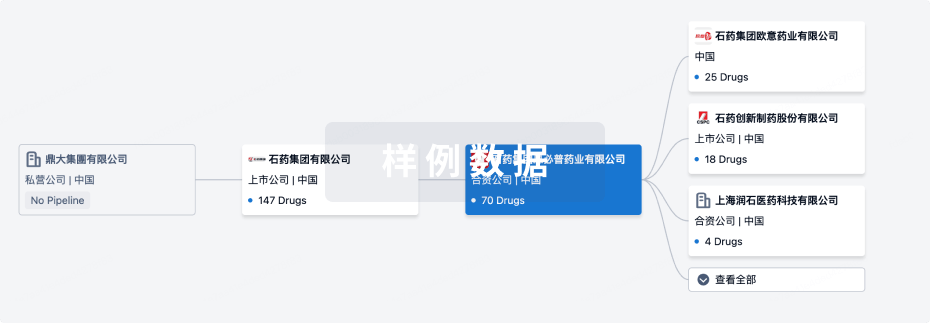
组织架构
使用我们的机构树数据加速您的研究。
登录
或
管线布局
2026年10月10日管线快照
管线布局中药物为当前组织机构及其子机构作为药物机构进行统计,早期临床1期并入临床1期,临床1/2期并入临床2期,临床2/3期并入临床3期
药物发现
1
19
临床前
临床2期
2
4
其他
登录后查看更多信息
当前项目
登录后查看更多信息
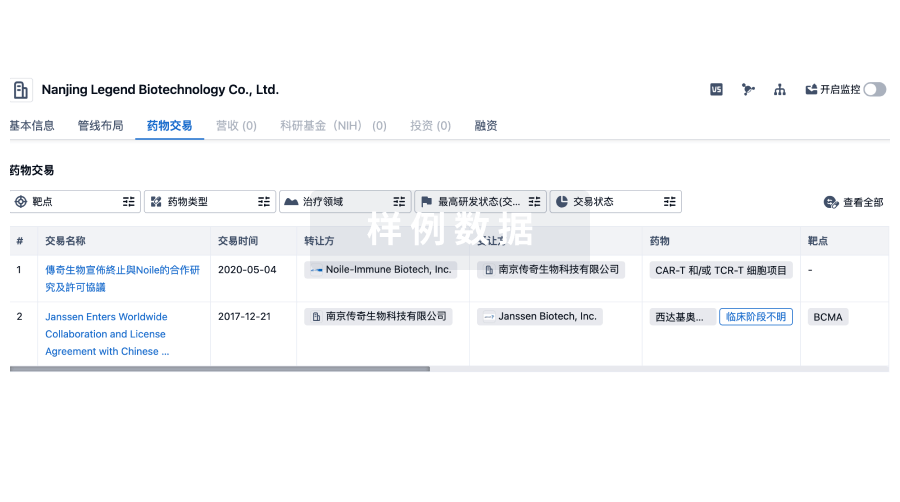
药物交易
使用我们的药物交易数据加速您的研究。
登录
或
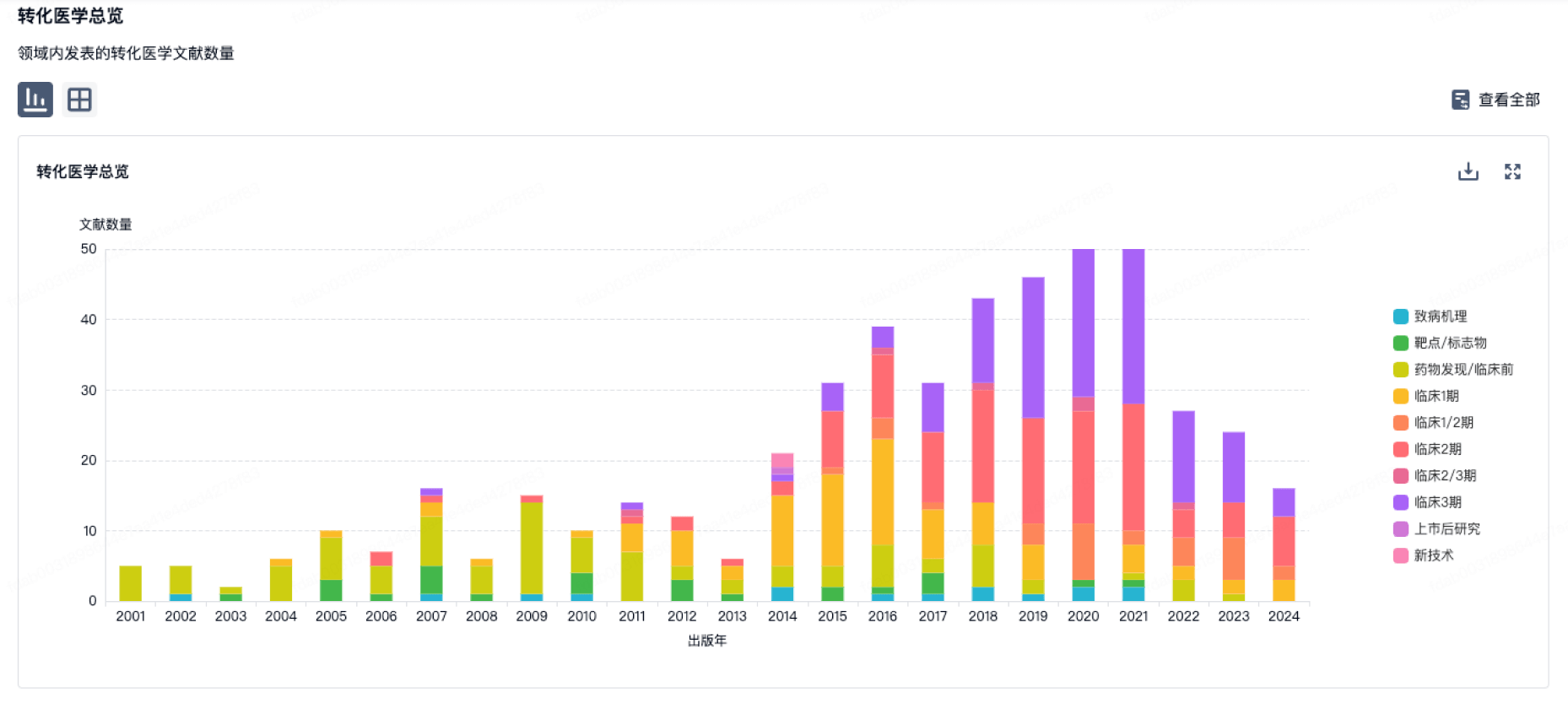
转化医学
使用我们的转化医学数据加速您的研究。
登录
或
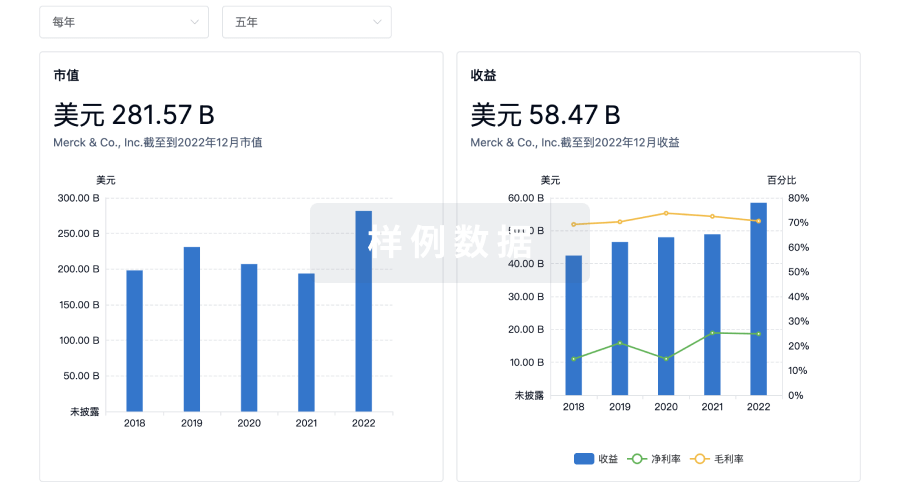
营收
使用 Synapse 探索超过 36 万个组织的财务状况。
登录
或
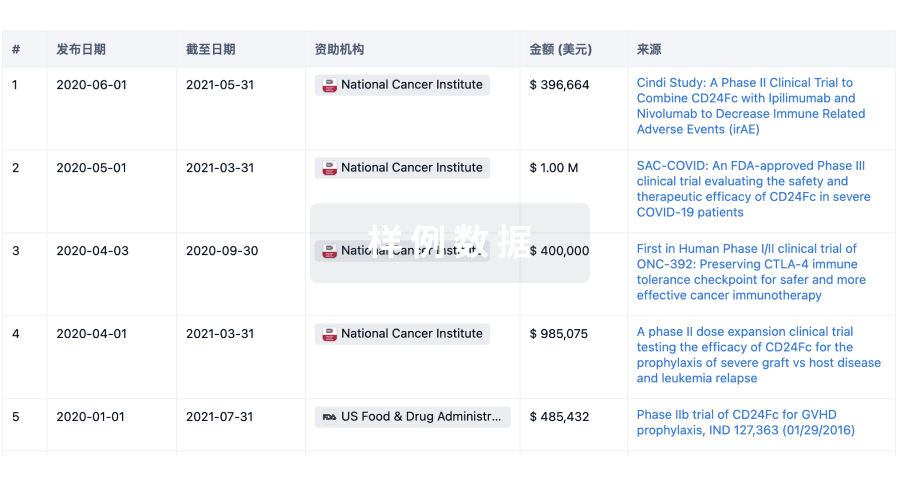
科研基金(NIH)
访问超过 200 万项资助和基金信息,以提升您的研究之旅。
登录
或
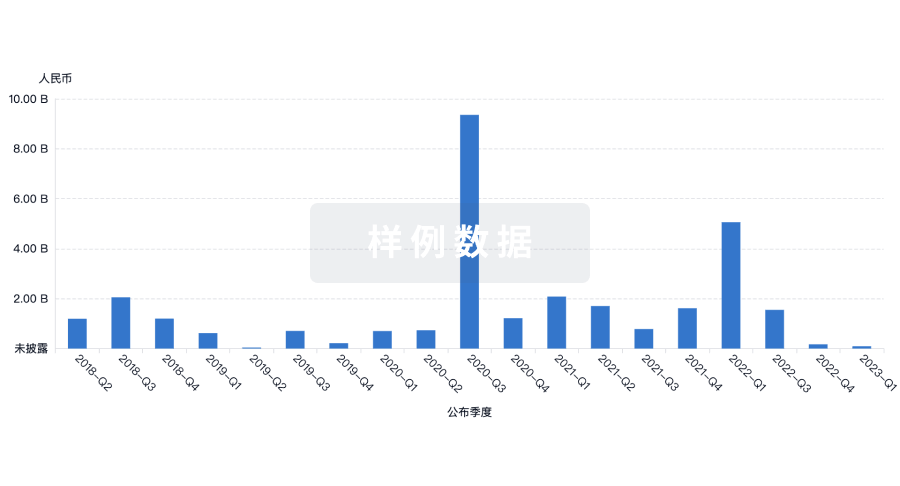
投资
深入了解从初创企业到成熟企业的最新公司投资动态。
登录
或
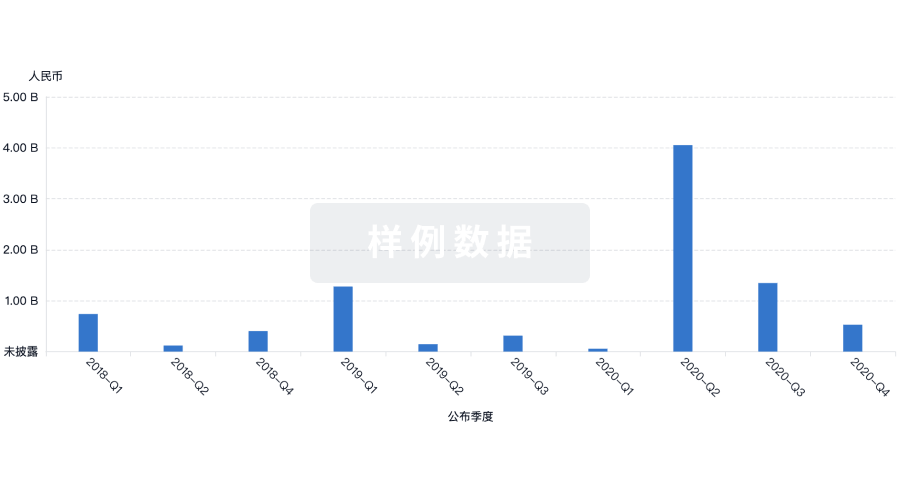
融资
发掘融资趋势以验证和推进您的投资机会。
登录
或
提出任何生物医药研究问题
让每一步生物医药决策都精准制胜
基于十亿级生物数据与全球情报的精准 AI,赋能早期药物发现
立即开始免费试用!
智慧芽新药情报库是智慧芽专为生命科学人士构建的基于AI的创新药情报平台,助您全方位提升您的研发与决策效率。
立即接入生物医药数据包
智慧芽新药库数据也通过智慧芽开放平台,以MCP或API服务形式对外开放。立即使用我们的MCP服务定制您的LLM智能体。
生物序列数据库
生物药研发创新
免费使用
化学结构数据库
小分子化药研发创新
免费使用