预约演示
更新于:2026-03-17

the First Affiliated Hospital of Sun Yat-Sen University
更新于:2026-03-17
概览
标签
肿瘤
消化系统疾病
感染
小分子化药
单克隆抗体
ASO
疾病领域得分
一眼洞穿机构专注的疾病领域

技术平台
公司药物应用最多的技术
靶点
公司最常开发的靶点
关联
靶点 |
作用机制 |
在研机构 |
原研机构 |
在研适应症 |
非在研适应症 |
最高研发阶段 |
首次获批国家/地区 |
首次获批日期 |
靶点 |
作用机制 |
在研机构 |
原研机构 |
在研适应症 |
非在研适应症 |
最高研发阶段 |
首次获批国家/地区 |
首次获批日期 |

靶点 |
作用机制 |
在研机构 |
原研机构 |
在研适应症 |
非在研适应症 |
最高研发阶段 |
首次获批国家/地区 |
首次获批日期 |
ChiCTR2600120134
The Role of Pedicled Vascularized Flaps in Reconstruction After Endoscopic Skull Base Surgery
NCT07415473
A Randomized, Controlled Trial Investigating the Efficacy of Akkermansia Muciniphila Combined With Infliximab in Promoting Intestinal Mucosal Healing in Patients With Crohn's Disease
NCT07417696
A Randomized, Controlled Trial Investigating the Efficacy of Palmitoleic Acid Combined With Infliximab in Promoting Intestinal Mucosal Healing in Patients With Crohn's Disease
100 项与 中山大学附属第一医院 相关的临床结果
登录后查看更多信息
登录后查看更多信息
2026-04-01PEDIATRIC NEPHROLOGY
Clinicopathological characteristics and cyclosporine-responsive proteinuria in nail-patella syndrome with a novel LMX1B mutation
Article
作者: Zheng, Xunhua ; Jiang, Lanping ; Chen, Wei ; Feng, Shaozhen ; Xu, Ziqi ; Chen, Wenfang ; Chen, Yingqian
BACKGROUND:
Nephropathy in nail-patella syndrome (NPS) has limited therapeutic options. Progressive nephrotic-range proteinuria often persists despite maximal renin-angiotensin-aldosterone system inhibitor (RAASi) therapy. Calcineurin inhibitors such as cyclosporine A (CsA) are unexplored in NPS. We therefore evaluated the efficacy and safety of CsA in a patient with NPS.
METHODS:
A 15-year-old boy with genetically confirmed NPS (novel LMX1B missense variant, c.796T>G, p. W266G) was studied. Clinical, pathological, and follow-up data were analyzed. Bioinformatic screening (GSE12008 dataset) identified LMX1B-regulated podocyte genes. Functional assays (immunofluorescence, dual luciferase reporter, and molecular dynamics analyses) assessed the mutation's impact.
RESULTS:
The patient presented with classical NPS features, including nail dysplasia, limited elbow motion, patellar dysplasia, and proteinuria. Kidney biopsy revealed focal glomeruli immaturity with small foci of foamy cells, diffuse foot process effacement, and heterogeneous glomerular basement membrane (GBM) abnormalities (predominantly thinned with segmental thickening and loosening), demonstrating Alport-like kidney pathology. Despite resistance to RAASi and sodium-glucose cotransporter inhibitor (SGLT2i), CsA therapy for 7 months significantly reduced proteinuria from 3.74 to 0.697 g/24 h, increased serum albumin from 28.8 to 39.4 g/L, and maintained normal serum creatinine (54-63 μmol/L). Immunofluorescence analysis of the patient's kidney tissue indicated reduced expressions of PTPRO, NPHS2, and COL4A3. The W266G mutation severely impaired LMX1B binding to the promoters, reducing the transcriptional activity of PTPRO, NPHS2, and COL4A3.
CONCLUSIONS:
CsA effectively reduced nephrotic-range proteinuria in genetically confirmed NPS, suggesting the therapeutic potential of calcineurin inhibitors in for NPS-associated nephropathy.
2026-03-01JOURNAL OF GASTROINTESTINAL SURGERY
Efficacy and Safety of Lenvatinib as Adjuvant Therapy for Hepatocellular Carcinoma with Vascular Invasion after Curative Resection
Article
作者: Zhang, Guo-Pei ; Chen, De-Hua ; Yu, Yang ; Chen, Ze-Bin ; Li, Shao-Qiang ; Wu, Fei-Feng ; Wang, Xiao-Hui
BACKGROUND:
Although several postoperative adjuvant therapies for hepatocellular carcinoma (HCC) have shown efficacy in reducing recurrence, no globally accepted guidelines exist for patients with vascular invasion after curative resection. This study aimed to evaluate the efficacy and safety of lenvatinib as adjuvant therapy for HCC patients with vascular invasion after curative liver resection (LR).
METHODS:
HCC patients with vascular invasion, including microvascular invasion (MVI) and portal vein tumor thrombus (PVTT), who underwent curative resection at two hospitals were retrospectively reviewed. Overall survival (OS), recurrence-free survival (RFS), and recurrence patterns were compared between patients treated with LR alone and those receiving postoperative lenvatinib (LR+Len) using propensity score matching (PSM).
RESULTS:
A total of 326 HCC patients with vascular invasion were enrolled. Among them, 248 (76.1%) had MVI. 79 patients were allocated to the LR+Len group, and the others were the LR group. After PSM (1:3), 73 patients were included in the LR+Len group and 172 patients in the LR group. In the matched cohort, patients in the LR+Len group had significantly longer RFS (hazard ratio [HR], 1.54; 95% confidence interval [CI], 1.03-2.29; P=0.032) and OS (HR, 2.11; 95% CI, 1.08-4.10; P=0.025) compared with those undergoing LR alone. Subgroup analysis revealed that adjuvant lenvatinib significantly improved both RFS and OS in patients with MVI but it conferred no benefit for those with PVTT.
CONCLUSIONS:
Postoperative adjuvant lenvatinib therapy was associated with longer OS and RFS for HCC patients with vascular invasion, particularly for those with MVI.
2026-03-01Osteoarthritis and cartilage open
Emerging concepts in osteoarthritis and musculoskeletal diseases: Insights from the University of Debrecen Musculoskeletal Symposium 2025
Article
作者: Oláh, Tamás ; Matta, Csaba ; Madry, Henning ; Vágó, Judit ; Szatmari, Istvan ; Kovács, Patrik ; Mobasheri, Ali ; Csernoch, László ; Zaucke, Frank ; Szekanecz, Zoltán ; Jenei-Lanzl, Zsuzsa ; Szondy, Zsuzsa ; Szöőr, Árpád
Objective:
To highlight the key translational advances and interdisciplinary discussions from the 2025 University of Debrecen Musculoskeletal Symposium (UD-MUSK), focusing on osteoarthritis (OA) and related musculoskeletal (MSK) diseases.
Method:
The UD-MUSK Symposium convened international and local experts for keynote presentations and scientific dialogue spanning OA and MSK disease mechanisms, translational therapies, and tissue regeneration. Core topics included extracellular matrix (ECM) remodelling, cell/gene therapies, animal disease models, chronic stress, autoimmunity, immunotherapies, and muscle and stem cell biology, reflecting the Symposium's broad interdisciplinary spectrum.
Results:
ECM proteomics revealed degradation fragments that act as drivers and potential modulators of OA, offering new biomarkers and therapeutic targets. Advances in cell- and gene-based therapies were presented, including the use of growth differentiation factor 6 (GDF6) and CRISPR approaches for cartilage and intervertebral disc repair. Large animal models simulating spatio-temporal changes in human OA, and studies demonstrating chronic stress-accelerated OA via neuroendocrine mechanisms, were highlighted. Novel strategies in immune modulation, such as chimeric antigen receptor (CAR) T cell therapy for autoimmune myopathies, alongside research on muscle regeneration and circadian regulation by mechanical loading, further exemplified the translational breadth of the meeting.
Conclusion:
The symposium underscored the value and need of integrating molecular research and disease modeling. Interdisciplinary collaboration continues to enhance understanding of MSK disease mechanisms and supports development of targeted, regenerative therapies with translational potential for OA and related disorders.
2026-03-16
·健识局
临床研究上市批准申请上市
2026-03-15
100 项与 中山大学附属第一医院 相关的药物交易
登录后查看更多信息
100 项与 中山大学附属第一医院 相关的转化医学
登录后查看更多信息
组织架构
使用我们的机构树数据加速您的研究。
登录
或
管线布局
2026年10月11日管线快照
管线布局中药物为当前组织机构及其子机构作为药物机构进行统计,早期临床1期并入临床1期,临床1/2期并入临床2期,临床2/3期并入临床3期
药物发现
4
11
临床前
临床2期
1
登录后查看更多信息
当前项目
登录后查看更多信息
药物交易
使用我们的药物交易数据加速您的研究。
登录
或
转化医学
使用我们的转化医学数据加速您的研究。
登录
或
营收
使用 Synapse 探索超过 36 万个组织的财务状况。
登录
或
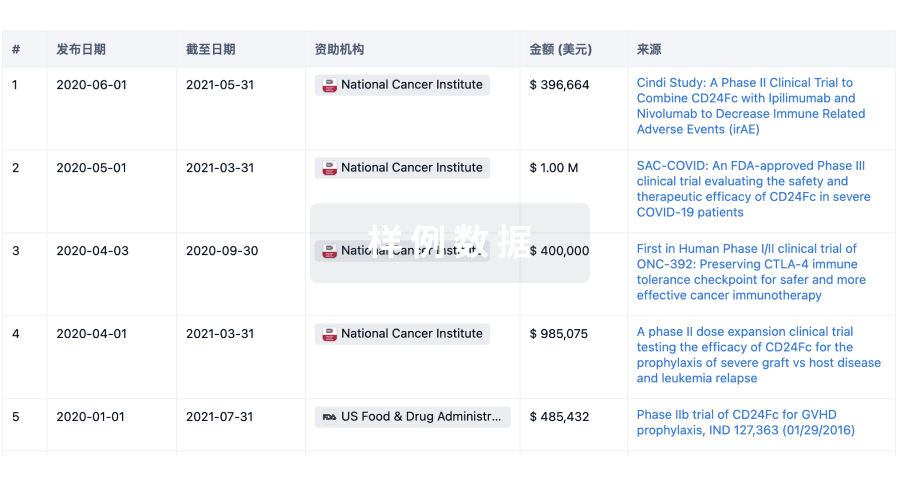
科研基金(NIH)
访问超过 200 万项资助和基金信息,以提升您的研究之旅。
登录
或
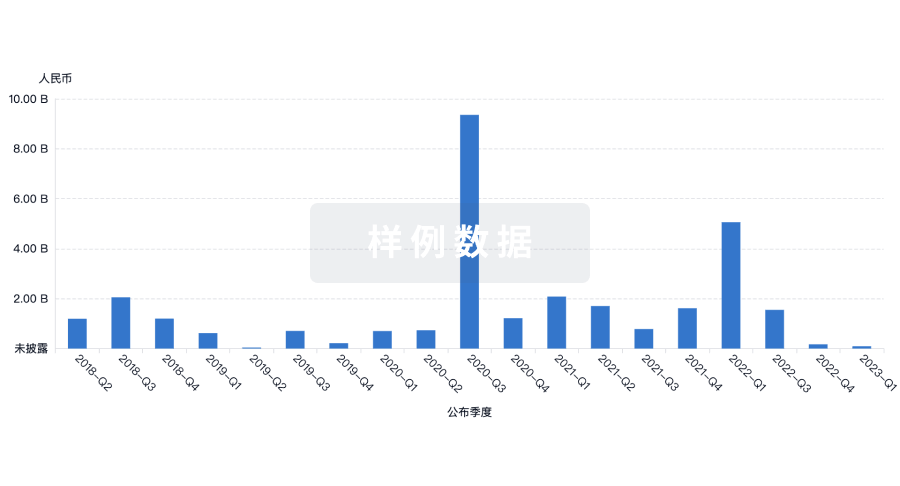
投资
深入了解从初创企业到成熟企业的最新公司投资动态。
登录
或
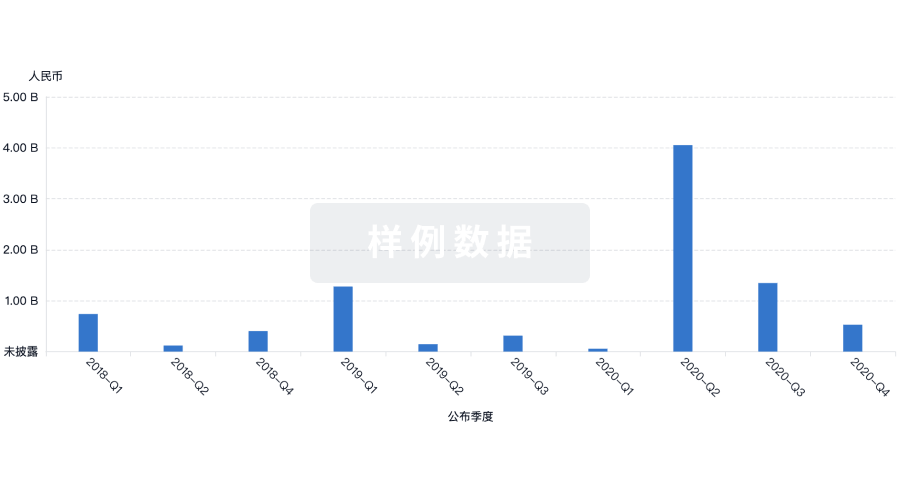
融资
发掘融资趋势以验证和推进您的投资机会。
登录
或
提出任何生物医药研究问题
让每一步生物医药决策都精准制胜
基于十亿级生物数据与全球情报的精准 AI,赋能早期药物发现
立即开始免费试用!
智慧芽新药情报库是智慧芽专为生命科学人士构建的基于AI的创新药情报平台,助您全方位提升您的研发与决策效率。
立即接入生物医药数据包
智慧芽新药库数据也通过智慧芽开放平台,以MCP或API服务形式对外开放。立即使用我们的MCP服务定制您的LLM智能体。
生物序列数据库
生物药研发创新
免费使用
化学结构数据库
小分子化药研发创新
免费使用