预约演示
更新于:2026-11-05

CAS Center for Excellence in Molecular Cell Science
中国科学院分子细胞科学卓越创新中心|中国上海市
中国科学院分子细胞科学卓越创新中心|中国上海市
更新于:2026-11-05
概览
标签
神经系统疾病
肿瘤
耳鼻咽喉疾病
小分子化药
环状RNA
适配体
疾病领域得分
一眼洞穿机构专注的疾病领域

暂无数据
技术平台
公司药物应用最多的技术
暂无数据
靶点
公司最常开发的靶点
暂无数据
| 排名前五的药物类型 | 数量 |
|---|---|
| 小分子化药 | 2 |
| 环状RNA | 1 |
| 适配体 | 1 |
| 化学药 | 1 |
| 基因疗法 | 1 |
关联
6
项与 中国科学院分子细胞科学卓越创新中心 相关的药物靶点 |
作用机制 GJB2调节剂 |
在研适应症 |
非在研适应症- |
最高研发阶段临床前 |
首次获批国家/地区- |
首次获批日期- |
作用机制 5-HT1A receptor部分激动剂 [+2] |
非在研适应症- |
最高研发阶段临床前 |
首次获批国家/地区- |
首次获批日期- |

靶点 |
作用机制 3β-HSD1 inhibitors |
在研适应症 |
非在研适应症- |
最高研发阶段临床前 |
首次获批国家/地区- |
首次获批日期- |
100 项与 中国科学院分子细胞科学卓越创新中心 相关的临床结果
登录后查看更多信息
0 项与 中国科学院分子细胞科学卓越创新中心 相关的专利(医药)
登录后查看更多信息
779
项与 中国科学院分子细胞科学卓越创新中心 相关的新闻(医药)2026-11-03
·知识分子
知识分子
The Intellectual
胰岛的美丽图片
撰文|李珊珊 张天祁
● ● ●
在一个想法大胆、经费充裕的课题组做科研,是什么体验?
2023年1月,新基石研究员项目公布首期资助名单。这项由科学家主导人才遴选、腾讯出资的基础研究资助计划强调“选人不选项目”,支持科学家自由探索大胆、高风险的想法,资助期五年,每人每年500万元(实验类)或300万元(理论类),资助期满还可申请续期。至今,已有三期139位科学家获得支持。
这笔钱原本是支持那些处于职业生涯成熟期的科学家,支持他们去做想了很久、却一直不敢下手的大工作。近四年过去,一个起初没太预料到的变化是:经费进入实验室后,也深深影响了课题组里的年轻人。三四年时间,对于一项长线研究,可能还不足以得到预期结果;但对于一名博士生或博士后,却刚好是职业生涯起步阶段最重要的几年。怎样让年轻人在承担研究的同时,获得尝试自己想法、学习独立工作的机会,是我们关心的问题。此时,一笔稳定的经费能提供哪些帮助,又有哪些困难仍需面对?
11月1日,第四期新基石研究员项目启动申报,而首期研究员获得资助已近四年。《知识分子》采访了四组研究员和他们的学生、博士后,想知道这笔钱进入课题组之后,那些年轻人身上发生了什么。
01
“换牌”的底气
曾艺(右)与她的博士生徐亦舒(左)
中国科学院分子细胞科学卓越创新中心研究员曾艺曾经用打麻将来形容自己这个阶段的科学家可能遇到的困境:摸到坏牌,反而会不断换牌,找新的组合。“拿到一手好牌,你可能就永远死等那一张,最后永远都和不了。所以,你要敢于改变策略。”
在她看来,获得新基石资助的研究者大多已在各自领域做出过成绩,如同手里握着一副好牌:留在熟悉的方向继续发论文,往往更有效率,转向新问题则要重新摸索。
她把这件事看作科研生涯里的第二个难关。第一个难关是建组的前三年,“你不是为了你自己的前途,你是为了整个团队”;第二个难关出现在已经做出像样的东西之后——“你敢不敢改变,敢不敢换领域?”
有了新基石研究员项目的支持,她让一部分成员自由探索,也拿出经费做自己想做的新课题。实验室把更多力量投入胰岛研究,“百分之七八十的人都转了”,“至少,可以允许自己少发一些文章,多花一些时间探索。”
北京脑科学与类脑研究所所长罗敏敏,则用这笔资助买了实验室的第一批实验用猴。
早在2017、2018年前后,实验室就从单纯研究神经环路扩展到寻找药物的作用靶点,后来又开展基因治疗研究。但一些在小鼠身上得到的结果,想要到人,需要先在猴子身上验证,当时没有这项预算。
据罗敏敏估算,一只实验猴要七八万元,贵的可能到二十万元。按照一般的科研基金的资金用途规定,很难从中拿出这样一笔钱。
这位神经生物学家一直想探索基础研究与现实世界的真正连接。写论文时,常会提到某项发现可能用于治疗抑郁症或帕金森病,“但其实都是口头说说。文章发完就完了,再换一个同学去找一个新基因”,“我猜绝大多数生物学家一辈子都没机会验证自己的基础研究工作是不是能帮助人。”
现在,他有条件鼓励学生多做一步,验证这些发现有没有应用的可能。他曾被派到天坛医院、宣武医院挂职,见过无数痛苦的患者,也接到过家属的求助。组会上,他开始把在医院遇到的问题带回来,成为新的课题。
罗敏敏实验室的乐晨雨注意到了这个变化:“导师在组会上鼓励大家,多想想怎么把发现用起来,一些过去只敢想想的实验,如今有了条件去做。”
对实验室里的年轻人来说,这些变化先体现在一笔笔具体的开支上。
曾艺的博士生徐亦舒记得,与师兄合作的一项研究临近收尾时,团队和一位教授讨论,又想到了几个补充实验,需要用一些较贵的试剂。恰好新基石经费到位,“想到了有意义的实验,就去做”,不需要因为经费而格外去烧脑细胞,而是把更多精力放在,怎样回答这个问题,用什么手段解决这个问题。
经费也改变了实验的安排。她目前的一项研究要找出两个蛋白的结合位点,除了生化实验,还要研究蛋白质结构、制作带相应点突变的小鼠,在体内验证。省经费的做法是先看清结构,再做小鼠实验;如今,两项工作可以同时推进。
“把原来串联的事情变成并联。”曾艺说。在她看来,好的科学家往往先于证据就感觉到了结果,“当有钱的时候,我们是可以一下子就把最重的那一锤的实验平行地做了”。
在北京大学,数学科学学院院长刘若川,也把研究拓展到了熟悉的领域之外。
2023年获得资助时,他在未来研究计划中写的还是p进霍奇理论,但人工智能对数学的潜在影响已经引起他的注意。“当时我有一种预感,我觉得这个东西肯定是未来的方向。”刘若川告诉《知识分子》。只是,他还不知道,这种变化会在什么时候发生。
那时,这还只是一个判断,没有现成的成果,很难据此申请经费。新基石研究员项目恰好提供了尝试的条件,“这笔钱可以帮助我很自由地做我想做的事情。”
他自己转型的成本很高:手上的研究还要继续,他想到了一个更年轻的人。
博士生姜杰东在读博第五年转向了数学形式化——把数学定义和证明写成计算机能够严格检查的形式。这不是刘若川熟悉的领域。刚转向时,姜杰东也犹豫过:“我当时甚至不知道,自己做的这些东西到底能不能拿来写文章。”
刘若川主动建议他联系形式化专家,了解前沿,讨论哪些问题值得做、适合作为博士论文。后来又支持他去荷兰学习半年,新基石给到的科研资助可以承担他求学的生活费用。
“不是我向刘老师汇报,”姜杰东说,“而是他非常主动地希望我去做这些事情。”
其实刘若川打算得更远:“我希望他转型之后,也可以带动我更多的学生去转型,适应未来需求,我也可以跟他们学,他们带着我走。”
回来后,姜杰东把形式化技术用于AI for Math研究,参与数学家与工程团队的合作。刘若川也与同为新基石研究员的董彬、肖梁一起,支持这一新方向。
这期间的投入,超出了做纯数学时的开支:算力、设备、招募人员、订阅前沿工具,都需要经费。刘若川还帮董彬团队联系有计算资源的校友,也为暑期学校、招募学生参与形式化提供支持。如今,姜杰东和几个年轻人已组成团队,一些利用AI得到的数学结果,会请他们做形式化验证。
从左至右:文再文、刘若川、董彬、肖梁
刘若川坦言,这几年他的数学论文不算多,但支持学生进入一个重要的新领域,同样是有价值的工作。没有新基石这笔资助,他仍会想办法,只是“腾挪的空间就少多了”。
姜杰东也看到,对AI感兴趣的数学家不少,真正组建团队、持续投入并不容易。“有了新基石之后,就可以把好奇心和关心变成行动力,我觉得这是最大的改变。”
在香港中文大学,刘仁保把一个一直想做、却还不够成熟的题目写进了申请书——一种新的激光。他说,很难有别的地方会资助这样一个自己“没有太多经验、有一些想法”的项目。经费稳定下来之后,“我们就敢去想,敢去设计”,否则“你想就觉得不可能”。
“换牌”并不只是导师的事。
王睿宇刚到罗敏敏实验室时,被安排做GPCR的药物筛选。“筛选是非常考验人性的东西。”罗敏敏说,随便怎么做都有10%的阳性,但真正的阳性特别少,“你希望成功,希望它们是真的,但通常并不是真的”。
那次之后,王睿宇彻底沮丧,完全不想碰实验。他告诉罗敏敏,想留在实验室,但实在不想做原来那件事。罗敏敏问他:“那你想做什么?”他说想做点计算的东西。
他从来没有计算背景。罗敏敏找了清华一位做生物信息的老师,让王睿宇去学。后来,他成了组里做生物信息的一把好手,“自己有信心了”。
02
“即便是阴性结果,也可以问一些有趣的问题”
罗敏敏实验室
黎亨的一个课题,来自罗敏敏实验室的一次失败。
罗敏敏团队研究氯胺酮如何治疗抑郁时,一度以为找到了它的受体,另一位同学却重复不出来。反复验证后,大家判断那可能不是氯胺酮的受体。罗敏敏没有就此放下,转而问:那它在大脑中是干什么的?
当时在读博士的黎亨接手后发现,激活这个蛋白能让脑血管舒张,然后就不知道怎么往下做了。恰好有论文报道,它在体外能被碳酸氢根激活。罗敏敏想起自己独立工作后的第一篇Science论文,研究的是嗅觉系统里感受环境中二氧化碳的神经元。他早已不做嗅觉,这时却想到:神经元兴奋本身就会消耗氧气、产生二氧化碳,这个蛋白在脑子里的功能,会不会是介导了神经血管耦合?
课题由此转向二氧化碳如何调控脑血流。罗敏敏说,这是一个非常重要的基础问题,在新基石研究员项目支持下,你有自由度去探索,即便是阴性结果和偶然发现,也可以问一些有趣且重要的问题”。
如果把实验室的前期积累比作一条河,黎亨说:“这条河流的上游有了充沛的水源,我这个支流才能够继续下去。”
论文草稿是黎亨自己写的,“我在做的过程中,才了解到星形胶质细胞释放化学递质的分子机制仍存在巨大争论,但罗老师提前就捕捉到其中的重要意义。”罗敏敏不做这个领域,但黎亨说,他要是想了解一个新领域“能很快读很多论文,知道其中尚未解决的最重要的问题是什么”。
“最重要的问题”,也是这个实验室里被问得最多的一句话。这里的课题可以很不一样:有人做脑血管,也有人回头做神经环路。但实验室的年轻人们知道罗敏敏研究课题的品味:“重要的科学问题,才是我们要做的” “一定不能做没有意义的东西”。
另一条底线是,别编故事。
“做生物学的问题是人太聪明,看到一点数据,就可以编出一个新的故事。”罗敏敏说,无论用大语言模型还是谷歌学术,都能迅速查到一堆文献来支撑,“但至少我这几十年的个人体会是,往往是错的,我们编的很多漂亮、美好的故事往往是错的”。
因此,关键发现要自己来回重复,再交给实验室其他人重复;得出否定结论前,对照要做足,技术和操作上的问题要排查干净。实验做得严格,结果和他的设想相反,他却会笑出声来:“这个世界真是那么奇妙。”
“可能不会有特别完美的故事,但是有一点真实的发现,我觉得就很好。”罗敏敏说。
做不下去的时候,罗敏敏也会叫停。在乐晨雨看来,这其实是一种保护。“你的一两年可能就在这种挣扎里晃过去了,非常快。”但罗敏敏不会突然让人停下——先讲清楚有多难,再说“没事,大不了咱们撤”,同时告诉你还可以试试什么。
如今乐晨雨做了博士后。罗敏敏越来越忙,也让高年级的学生帮师弟师妹作判断。“这就真的是实验室的传帮带了。”在他看来,对初学者来说,开一个方向其实比较简单,“最难的是如何放弃”。
黎亨在实验室已是第八年。博士一年级暑假开始的课题,四年级做完,五年级发表,按时毕业。表面看,一路顺利。“但我有内耗。”他说,“我还需要不断的学习和训练,像罗老师一样能够抓住并解决自己所研究领域的关键科学问题。”
他想继续做脑血管研究。他知道,罗敏敏一定会问:这个领域最重要的问题是什么?
03
“前面没人顶着了”
吴维江(右)在调试设备
课题可以慢慢做,但三到五年没有论文,博士生怎么毕业,博士后怎么出站,年轻人怎么找工作?
在香港中文大学刘仁保实验室,博士后吴维江接下了微波激射这个方向的探索。“一方面是因为方向比较新颖,实验探索的不多,另一方面这个问题与自己的技术积累契合。”他愿意试,也相信慢慢会有一些阶段性结果。“我并不觉得原创和发更好的paper是相悖的。”
方向是他自己挑的。导师刘仁保招他来,本就希望他做这个项目,但人到了组里,刘仁保没有直接指派,而是按惯例给了一两个月,让他把组里各个课题都了解后,再做决定。“我相信他自己的选择。”刘仁保说。他的理由很实际:有能力还不够,还得真感兴趣。
怎样推进实验,这位年轻人很快有了自己的判断。刘仁保原本希望先把微波腔的性质全部测清楚,再把金刚石样品的自旋数目、浓度、取向、相干时间从头到尾测一遍,尽量把基础参数掌握扎实。这样,确保将来出了问题,不必怀疑这些环节。
吴维江则提出可以先装配,上机尝试;如果看到信号,边改进实验边完善相关表征。后来他设计的微波腔装上去就能工作,于是加工完直接上了机。
“吴博士就是敢跟我顶的一个人”,刘仁保爽朗地说,“如果听我的,有可能现在还没看到信号。”
刘仁保注意到,这位年轻人有主心骨,也有自驱力。“我本来是要他做一个A,他做了A+。他做的事情总是比我给他的东西,好像要往前再多走一步。”很多时候,刘仁保刚有一个想法,以为要先试试看,吴维江已经带着结果回来了。
“他会自己主导节奏。”刘仁保因此提醒自己,“不要太限制他。”
但在吴维江的记忆里,挑战导师这件事,“有,成功的少,失败的多。”
刘仁保对数据的要求很严,会逐个核查实验条件和参数,有时连文献里的公式也会追根溯源甚至直接怀疑——他能当场判断这个公式所描述的物理,和它应有的极限行为并不一致。遇到不合理的地方,他不会直接说“你这里肯定错了”,而是问:你这个数量级和这个条件放在一起,是不是对不上?
那就回去再查一遍、再测一次。“这有什么难为情的”。
吴维江承认,导师这种直言不讳的方式不是人人受得了。但两年下来,他觉得最明显的成长,是导师的思考方式体现到自己身上:“我为什么这么考虑,或者我认为这样不对,有什么理由。数据是否支持判断,如何设计新的验证。”
曾艺实验室的对话方式不同,指向相似。
她给学生定过一个标准:一个课题做超过两年,对它的理解就该比她更深。来讨论时,不要把她当成指导下一步做什么实验的人,而是“把我当成一个聪明的朋友”。
“他们很多时候不跟我商量,我挺开心的。”她说。她也清楚这背后的条件,“没有稳定支持是支撑不了这个模式的。”
徐亦舒刚进组,就在组会上见过高年级的师兄当面对曾艺说:“我觉得你这样说不对。”讨论围绕新数据展开,学生可以质疑导师,但要说出理由。
她自己也做过一次不太一样的选择。二年级要开题、转博,她主动跟曾艺说,想先做一个更安全的课题——她以前有乳腺研究的经验,有把握独立完成。同时,她又接着做探索性的工作。“我喜欢双线并行,”她说,“我既要又要。”
直到我们这次采访,她才知道,曾艺曾希望她去做胰岛。这件事从没被直接提出来过。她选择“保底”课题时,曾艺没有表示异议;后来那个新课题,也是曾艺主动跟她提起,说这个方向可能挺有意思。
独立是要付代价的,只是这个代价常常由导师先承担一部分。
吴维江从零搭台子,前两年几乎没有可以拿出来的成果。被问到急不急,刘仁保说:“着急,我当然着急了。”虽然奔着从0到1的大目标去,但是,“0到0.1都没有的话,怎么搞?”但他把这些留给自己:“尽量不把我的焦虑传递给他们。”
稳定的经费让他能多给一些时间。过去很少有博士后在组里做研究超过三年,现在组里年轻人如果工作接近完成,他也能再提供一年经费,让年轻人把论文高质量完成后,再去找工作。
曾艺实验室已有三名博士生在论文尚未发表时毕业,随后留下做博士后。如今他们毕业一两年,好的论文正在整理和投稿。“这一批学生,从他们毕业的产出来讲是耽误的,”曾艺说,但是“对于整个目标是没有耽误的。”因为他们的目标更大,也有更耐心的底气。
她也会给学生留出停下来的空间。“我能接受学生有低谷,因为我也有低谷。”她的做法是鼓励对方放假,“你放心,这个实验室没你,也还转得动”。
“将心比心,我自己在低谷的时候,我需要的是和书本、和大自然的接触,而不是外界的关注。”
乐晨雨开始自己作决定,是在博士四年级末。此前他更多是落实罗敏敏和前辈的想法:读论文,写方案,再做实验。至于为什么要做、还能做什么,他想得不多。
一段外出交流后,他重新梳理已有的发现,与同伴、合作者讨论,又找罗敏敏长谈,提出自己的方向和计划。罗敏敏同意了。
“前面没人顶着了,得自己下决定,自己确定做哪个实验,自己想办法把东西做出来。”
2024年毕业时,乐晨雨的论文尚未发表。他留下做博士后,又用近两年完成了这项由自己主导的工作。
徐亦舒也在这几年里换了心态。如今她手上一篇论文在投,一篇在收尾。曾经为毕业焦虑的她,“现在越来越觉得,毕业其实是最低的要求。”
她体会到了科研过程中“就是此刻”的那个瞬间。比如,她一点点调试出参数合适的血管填充剂,配合小动物CT,先是看到了小鼠全身的血管生长情况,又单拎出肝脏——主血管和毛细血管呈现出不同的颜色。看到它的那一刻,她是欣赏的姿态,“它真的很美。”
她甚至想,能不能把它3D打印出来,做成钥匙扣?这样就可以把这一刻的美丽,一直带在身上。
04
尊敬≠服从
刘仁保常跟学生讲一个他亲眼见到的场景。
在一次半导体物理领域的顶级会议上,分数量子霍尔效应的报告极为热门,报告厅提前就坐满了,后排也站满了人。快开始时,冯·克利青才推门进来。他因量子霍尔效应获得诺贝尔奖,八十多岁,是这个领域目前学术地位最高的人之一。
没有任何人起来让座。他从前面一路走到最后,站着听完了半小时的报告,然后一个人安安静静走了出去。没有人送,也没有人接。
“在学术界,这是一个非常正常的事情,”刘仁保说,“人人平等。迟到了,就应该站在后面。”在他看来,学生、院士、诺奖得主,大家在人格上完全平等,而且“将来这些年轻人可能比那些大佬们更熟悉新的工具、新的想法”。
“把对长辈的尊敬变成了对他们的服从,那肯定不是科学发展的逻辑。”
2024年12月,他在香港主持了一场新基石国际研讨会(New Cornerstone Symposia,原名50²科学研讨会),主题是“‘玩转’量子传感”。
这个由新基石科学基金会支持的系列研讨会,主题由科学家自己提出并组织,采用邀请制,规模在百人左右,鼓励分享尚未发表的工作,也设海报展示等环节。会场不设桌签、不排座次,除主题报告之外,所有报告人的时间一样长。
吴维江记得,报告结束后,刘仁保安排所有参会的老师和学生一起骑自行车去海边聚餐。会上不少“大牛”,也和学生一起围着烤炉烤肉、聊天。报告之外的相处,让他觉得轻松自在。
这种氛围才能促成真正的交流。他说:如果所有人都开始捧一位大佬,“你就无形当中建立了等级”,自己又是个“小卡拉米”,“你要鼓起很大的勇气去靠近和别人交流”。
“大家都平等一点,聚焦在问题上……这就是给我们这种‘小卡拉米’、小年轻们一个机会,创造一个纯粹的学术交流的氛围。”
新基石国际研讨会首次会议
新基石国际研讨会首次会议,是2024年3月由曾艺与北京大学教授李毓龙共同组织的。会议把神经科学和内分泌研究放在一起讨论,主题是“脑神经和内分泌:回归基础”。
那次会议,曾艺带了两名学生,徐亦舒是其中一个。
会后第一次组会,曾艺让两位年轻人讲讲印象最深的事。“没想到他们说的都不是从某个报告中学到了哪些具体的知识,而是自己的情绪和感受。”
曾艺感慨,年轻人在这样的会上看到最好的科学是什么样子——活跃在国际学术界的人抱着什么样的热情,怎么享受其中的乐趣。很多顶尖科学家在报告里讲的是研究历程,而不只是数据和结论:那些灵感从何而来,怎样管理一项研究,怎样把工作讲给别人听,“也都是科学的一部分”。
专题研讨会之外,新基石研究员年度会议也让年轻人有机会交流。罗敏敏通常带学生去:报告哪项工作,就带做这项工作的学生。“我希望他们见见世面。”他说。
2025年,乐晨雨跟着他到了重庆。除了展示海报,他还有一分钟上台介绍自己的工作。在海报前,他与资深学者聊了很久,交换对同一个问题的看法。
让他觉得新鲜的,还有台下对报告者的直接追问。即使报告者是所长、院长、校长或院士,工作也同样要接受讨论——台下会有这样直接的问题:“你做的这个,有什么意义?”
“平时哪能看到这些大科学家像学生一样,讨论得热火朝天?”
罗敏敏希望学生看到这一面。他觉得科学讨论需要尖锐的评论:“学生可以看到,真正的科学家怎么相互挑战对方。”
对姜杰东来说,新基石研究员会议是他与数学界以外的学者交流的重要窗口,每次参会他都会做海报。有一次,刘仁保来到他的海报前,两人聊了很久。
据姜杰东回忆,刘仁保对AI for Physics也很乐观:物理学中有些问题高度数学化,既然人工智能能帮助研究数学,也可能在物理学里有所作为。
曾艺把这种交流形容成“一块石头扔到这个水潭里,能够激起连绵不断的涟漪”。
“好的学术环境就会带来很多这样的涟漪。”
05
安静了两年多的装置,今年终于回了他一个信号
2019年,在首届科学探索奖颁奖现场,杨振宁先生谈到,科研工作者一生中最困难的两个时期,一个是读研究生时,另一个是获得博士学位后的五到十年。
吴维江从零搭起的那台装置,安静了两年多,今年终于回了他一个信号,不过,量子多体激光仍有难关要过。下一步如何推进,导师和他还将继续琢磨。
乐晨雨在同一间实验室待了近十年,一路走到了没有人再替他拿主意的位置。
黎亨的内耗还在继续:那种一眼就看出什么问题重要的本事,他到什么时候才能有?
姜杰东走进了导师没有走过的领域,如今换成他回过头,和导师一起琢磨这条路往哪里去。
徐亦舒还在看着曾艺:怎么面对考评,怎么对待一时没出来的成果,怎么守着自己认定值得的事?
曾艺说,她一直努力想做到的,是自己作为一个“完整的人”去投身科学——工作好,也爱生活,而不是燃烧掉全部生活去做PI。
“如果连我这样的人都能被支持、能被划进比较优秀的那一类,比如成为新基石研究员,我的学生就会相信:他们也可以。对他们来说,这才是精神上最大的激励。”
徐亦舒记得大四那年,双向选择导师还没开始,曾艺说过一句话,几乎决定了她后来的选择:曾艺说,她不想单纯做学生们的导师,想和学生成为朋友。
“我觉得她很酷,我也想变成和她一样酷的人。”徐亦舒说。
注:文中图片均由受访者提供。
2026-11-02
10月26日,哥伦比亚大学团队发表在《Molecular Cell》上的研究证实,淀粉样纤维可作为RNA的护送者,精液依赖淀粉样纤维将遗传物质直接输送至精子细胞内,从而影响下一代的表观遗传学特征,揭开了父系表观遗传信息如何从精浆进入成熟精子的长期谜团。在神经生物学领域,淀粉样蛋白通常被认为是阿尔茨海默病、帕金森病等神经退变性疾病的病理学标志,其聚集形成的神经毒性斑块和纤维会破坏突触。然而,这项研究表明,功能性淀粉样蛋白在人体内承担着非病理学的生理功能。
10 月 28 日,哈佛医学院和波士顿儿童医院团队在《Nature》上发表研究论文,揭示了胎儿四分之一的神经元DNA严重异常,存在多种拷贝数变异,而这些异常的神经元会在出生前后(围产期)被选择性清除,因为这些神经元的拷贝数变异破坏了神经元的突触形成能力。这种机制代表了大脑发育过程中一种重要的神经元基因组质量控制过程,提示了人类神经发育过程中存在净化选择。若该过程存在缺陷,可能导致神经发育疾病。
10月28日,丹麦生物科技公司Genmab公布,在一线治疗PD-L1阳性复发/转移性头颈癌患者的3期临床试验中,首次期中分析显示,采用Petosemtamab(一种全人源IgG1双特异性抗体,靶向表达表皮生长因子受体和富含亮氨酸重复序列的G蛋白偶联受体5的肿瘤细胞)联合治疗可带来具有统计学显著性和临床意义的总生存期及客观缓解改善。结果显示,与单用帕博利珠单抗相比,采用Petosemtamab联合帕博利珠单抗治疗可使死亡风险降低50%;联合治疗组获得客观缓解的概率是对照组的3倍以上;而且,无论人乳头瘤病毒状态如何,均观察到了疗效的改善。头颈部鳞状细胞癌是一组生物学特征相似的癌症,起源于口腔、咽部和喉部表面的衬里组织;占所有头颈部癌症的90%以上,尽管目前已有多种治疗手段,但患者对新疗法的需求依然迫切,约50%的局部晚期头颈部鳞状细胞癌患者在接受初步治疗后会出现疾病复发。
10月29日,中国科学院分子细胞科学卓越创新中心、长海医院、上海市第一人民医院、重庆医科大学联合团队在《Cancer Cell》发表研究成果,基于大规模胰腺癌患者来源类器官生物样本库,结合多组学分析、功能筛选及体内实验,系统描绘了胰腺癌对 KRASG12D 靶向治疗先天耐药的分子特征,发现干扰素信号通路活性是影响治疗敏感性的重要因素,并进一步揭示了 MYC 活性增强与干扰素信号受抑及 KRAS 靶向耐药之间的关联。他们发现,干扰素β能够增强先天耐药胰腺癌类器官对 KRAS 抑制剂的敏感性,为克服胰腺癌 KRAS 靶向治疗耐药及探索合理联合治疗策略提供了新思路。
Global Biomedicine Highlights, October 25–31, 2026
On October 26, a team from Columbia University published findings in Molecular Cell confirming that amyloid fibers can serve as carriers for RNA. Seminal fluid relies on these amyloid fibers to deliver genetic material directly into sperm cells, which can then shape epigenetic traits in the next generation. This work solves a longstanding puzzle of how paternal epigenetic information travels from seminal plasma into mature sperm. In neurobiology, amyloid proteins are commonly known as pathological hallmarks of neurodegenerative disorders such as Alzheimer’s and Parkinson’s disease; their aggregated, toxic plaques and fibers disrupt synaptic function. This study demonstrates, however, that functional amyloid proteins carry out essential, nonpathological physiological roles inside the human body.
On October 28, researchers from Harvard Medical School and Boston Children’s Hospital published a paper in Nature. Their work shows that roughly one quarter of fetal neurons carry severe DNA abnormalities, including diverse copy-number variants. These abnormal neurons are selectively eliminated around the time of birth, because their copy-number variants impair synapse formation. This mechanism represents a critical genome quality-control step during brain development, a form of purifying selection in human neurodevelopment. Failures in this process may contribute to neurodevelopmental disorders.
Also on October 28, Danish biotech firm Genmab reported results from the interim analysis of a Phase 3 trial in patients with PD-L1-positive recurrent or metastatic head and neck cancer. The investigational agent, petosemtamab — a fully human IgG1 bispecific antibody targeting tumor cells that express epidermal growth factor receptor and leucine-rich repeat-containing G-protein coupled receptor 5 — demonstrated statistically meaningful and clinically meaningful improvements in overall survival and objective response when combined with pembrolizumab. Compared with pembrolizumab alone, the combination reduced the risk of death by 50 percent, and the likelihood of achieving an objective response was more than three times higher in the combination arm. Treatment benefits were observed regardless of human papillomavirus status. Squamous cell carcinoma accounts for more than 90 percent of all head and neck cancers, arising from the lining of the oral cavity, pharynx and larynx. While multiple treatment options exist, demand for new therapies remains high; approximately half of patients with locally advanced disease experience relapse after initial treatment.
On October 29, a collaborative team from the Center for Excellence in Molecular Cell Science of the Chinese Academy of Sciences, Changhai Hospital, Shanghai General Hospital and Chongqing Medical University published their work in Cancer Cell. Using a large biobank of patient-derived pancreatic cancer organoids together with multi-omic profiling, functional screening and in vivo experiments, the team systematically mapped the molecular features underlying intrinsic resistance to KRAS G12D targeted therapy in pancreatic cancer. They identified interferon signaling activity as an important determinant of treatment sensitivity and further linked elevated MYC activity to suppression of interferon signaling and resistance to KRAS inhibition. The researchers found that interferon beta can resensitize intrinsically resistant pancreatic cancer organoids to KRAS inhibitors. These findings offer a new direction for overcoming resistance to KRAS-targeted therapy and designing rational combination strategies for pancreatic cancer.
临床结果AACR会议临床3期
2026-10-31
·生物谷
10月23日,国际学术期刊Nature Neuroscience在线发表了中国科学院分子细胞科学卓越创新中心(生物化学与细胞生物学研究所)汪胜研究组与上海科技大学iHuman研究所程建军团队的合作成果,题为 “Sustained Antidepressant-like Effects of Psychedelics through 5-HT2AR–β-Arrestin Signaling”。
该研究从受体信号转导和配体结合动力学两个维度,系统解析了5-HT2A受体(5-HT2AR)下游信号的时间特征,提出Gαq/Ca2+信号的瞬时峰值与致幻相关反应密切相关,而β-arrestin信号的时间积分则支持持续抗抑郁样效应,并据此建立了分离两类效应的药理学策略。
致幻剂能否成为治疗抑郁等精神疾病的新一代药物?这一问题已不再只停留在基础研究层面。近年来,国际上多项以经典致幻剂为基础的候选疗法陆续进入后期临床开发并披露积极数据:以LSD为基础的DT120,以及以合成裸盖菇素为基础的COMP360,均已获得美国食品药品监督管理局(FDA)突破性疗法认定,并正在加速推进注册申报相关工作。这股临床转化浪潮也进一步凸显了一个关键问题:如何在保留快速、持久治疗潜力的同时,避免或减轻给药过程中的急性致幻体验及其带来的临床实施挑战?这一问题不仅关系到候选药物能否获批,也将影响其未来能否以更安全、更可及的方式进入精神疾病治疗实践。
越来越多研究表明,LSD、裸盖菇素等经典致幻剂具有快速且持久的抗抑郁潜力。相较于通常需连续数周给药才能产生较明显疗效的传统抗抑郁药,致幻剂可能在单次给药后即带来持续较长时间的行为改善。近年来,围绕5-HT2A受体(5-HT2AR)的非致幻抗抑郁药物研发已取得一系列进展,进一步确立了该受体在抗抑郁药物开发中的重要地位。不过,5-HT2AR下游不同信号通路在抗抑郁疗效与致幻作用中的具体分工,仍存在争议。
汪胜团队长期致力于探索致幻剂治疗作用与致幻作用的分离机制。此前,研究团队已与程建军团队合作开发5-HT2AR β-arrestin偏好型部分激动剂IHCH-7086,并发现其在小鼠中表现出非致幻和快速抗抑郁样作用,相关成果于2022年发表在 Science。在此基础上,本研究进一步通过结构导向的配体优化获得IHCH-8134,以检验提高β-arrestin信号效能能否支持更持久的抗抑郁样效应。
体外信号实验显示,IHCH-8134能够偏好型高效激活β-arrestin信号,不激活Gαq/Ca2+ 信号,并在小鼠抑郁模型中产生快速且持续的抗抑郁样效应。在小鼠和食蟹猴实验中,未观察到LSD样致幻相关行为,也未发现明显的运动协调或认知损伤。结合5-HT2AR敲除和β-arrestin敲除模型,研究进一步表明,这一持续抗抑郁样效应依赖于5-HT2AR及其下游β-arrestin信号。
研究团队随后从配体-受体结合动力学角度,进一步分析经典致幻剂的作用方式。与解离较快的致幻剂psilocin相比,LSD与5-HT2AR具有显著更慢的解离动力学。由于解离较慢,前一次低剂量给药后仍有部分LSD保持受体结合,后续给药可在此基础上继续增加受体占据;相反,psilocin快速解离,使重复低剂量给药难以形成相同程度的受体占据和信号累积。
进一步的信号分析揭示了“峰值”与“累积”对应的不同生物学效应。高浓度致幻剂可同时产生Gαq/Ca2+信号峰和β-arrestin信号峰:其中,快速、强烈的Gαq/Ca2+峰值超过致幻相关反应阈值;单次β-arrestin信号虽然同样呈峰值变化,但其信号曲线下面积足以支持持续抗抑郁样效应。重复低剂量LSD则使每次Ca2+反应保持在阈值以下,且Ca2+信号不发生累积;与此同时,慢解离带来的持续受体占据使β-arrestin信号逐步积分,最终达到产生持续抗抑郁样效应所需的信号水平。
在动物实验中,重复低剂量LSD在小鼠和食蟹猴所采用的行为指标中均未诱发可检测的致幻相关反应,并在小鼠中产生持续抗抑郁样效应。作为动力学对照,重复低剂量psilocybin同样未诱发可检测的致幻相关反应,但由于psilocin解离较快,未能形成足够的β-arrestin信号累积,也未产生持续抗抑郁样效应。
研究还发现,重复低剂量psilocybin预处理可减弱随后高剂量LSD或psilocybin诱发的致幻相关反应,但不影响高剂量给药产生的抗抑郁样效应,进一步支持两类效应可以在信号层面被分离。
综上,该研究将配体结构信息、受体结合动力学、信号偏好性与给药方式纳入统一机制框架,为分离致幻反应与持续抗抑郁效应提供了两条互补路径:其一,设计能够高效激活β-arrestin信号的非致幻化合物;其二,针对具有慢解离特性的致幻剂优化药物暴露模式,通过重复低剂量给药积累β-arrestin信号,同时限制Ca2+峰值。
研究表明,药物设计不仅可以调节配体“激活哪条信号”,也可以通过结合动力学和给药方式调节信号“在什么时间尺度上发生”,为开发兼具持久疗效和更高安全性的精神疾病治疗策略提供了新的理论依据。
分子细胞卓越中心博士后贺莉聪、唐凌杰博士、博士后曹冬梅和助理研究员余竞以及上海科技大学iHuman研究所助理研究员段文文为共同第一作者。分子细胞卓越中心汪胜研究员和上海科技大学iHuman研究所程建军研究员为共同通讯作者。研究工作得到了科技部重点研发计划、国家自然科学基金、中国科学院战略性先导科技专项以及尚思探索学者等项目的支持;同时获得分子细胞卓越中心动物实验技术平台、分子生物学技术平台、化学生物学技术平台、细胞分析技术平台的大力支持 。
通过信号偏好性与信号动力学分离致幻相关反应和持续抗抑郁样效应
文章链接:
https://doi.org/10.1038/s41593-026-02497-5
原文链接:
https://cemcs.cas.cn/kyjz/202610/t20261026_8298094.html
本文仅用于学术分享,转载请注明出处。若有侵权,请联系微信:bioonSir 删除或修改!
突破性疗法临床研究
100 项与 中国科学院分子细胞科学卓越创新中心 相关的药物交易
登录后查看更多信息
100 项与 中国科学院分子细胞科学卓越创新中心 相关的转化医学
登录后查看更多信息
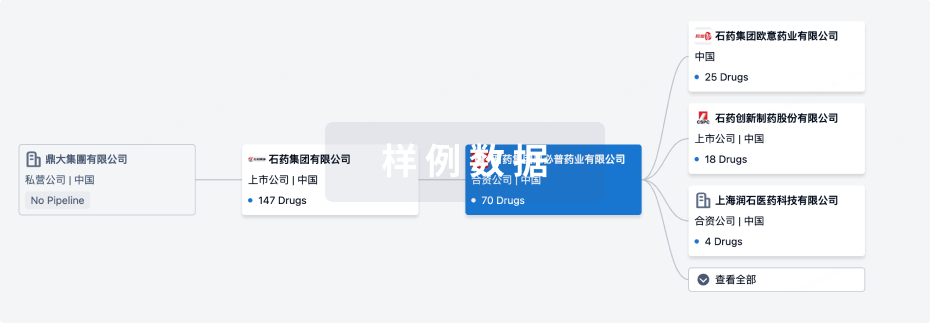
组织架构
使用我们的机构树数据加速您的研究。
登录
或
管线布局
2026年11月22日管线快照
管线布局中药物为当前组织机构及其子机构作为药物机构进行统计,早期临床1期并入临床1期,临床1/2期并入临床2期,临床2/3期并入临床3期
药物发现
1
5
临床前
其他
3
登录后查看更多信息
当前项目
登录后查看更多信息
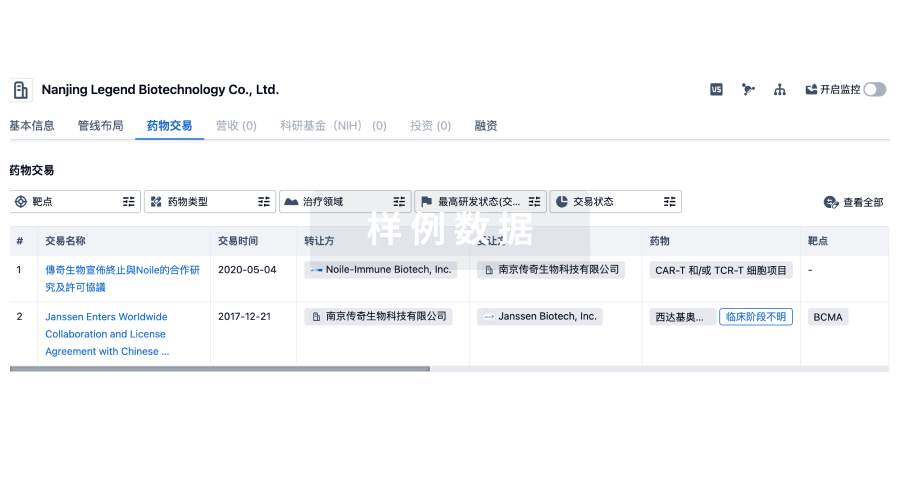
药物交易
使用我们的药物交易数据加速您的研究。
登录
或
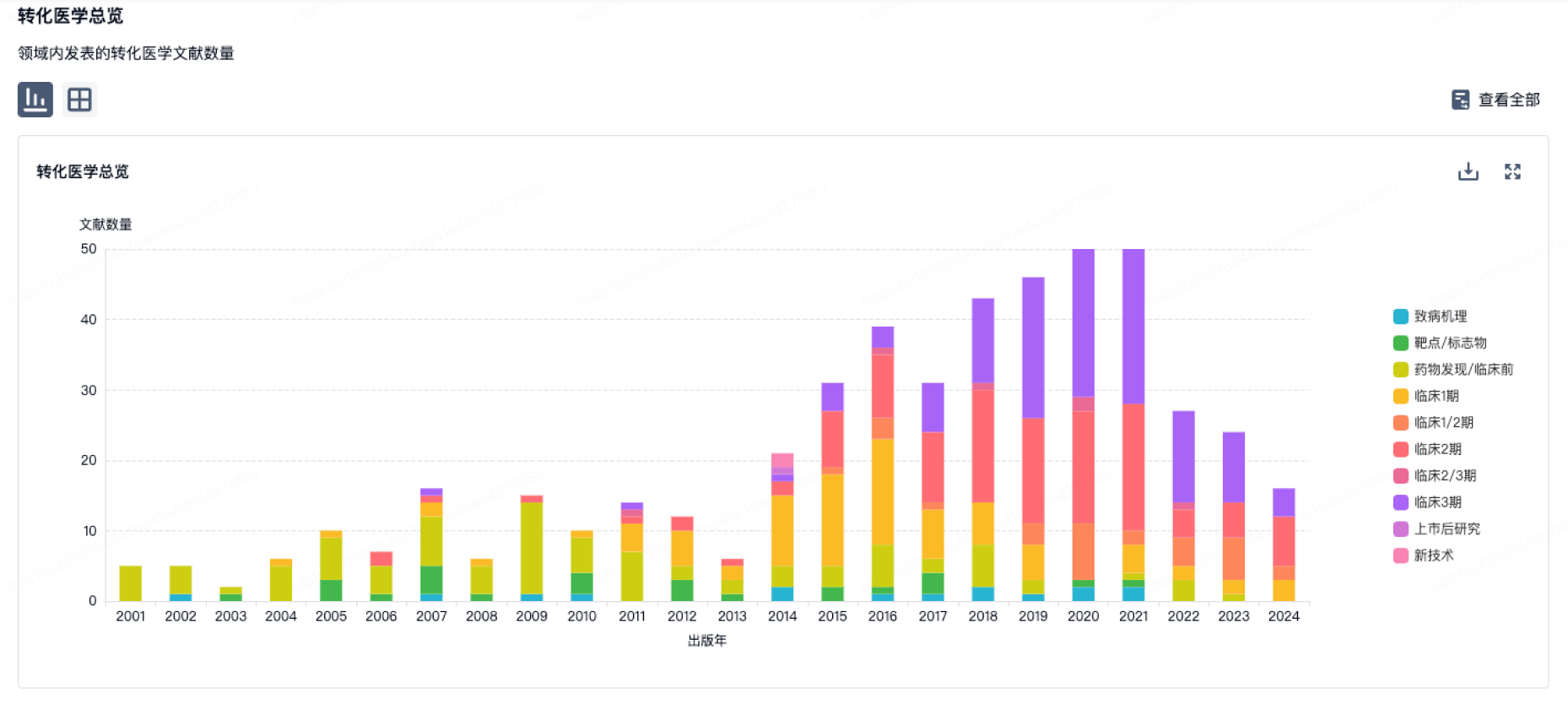
转化医学
使用我们的转化医学数据加速您的研究。
登录
或
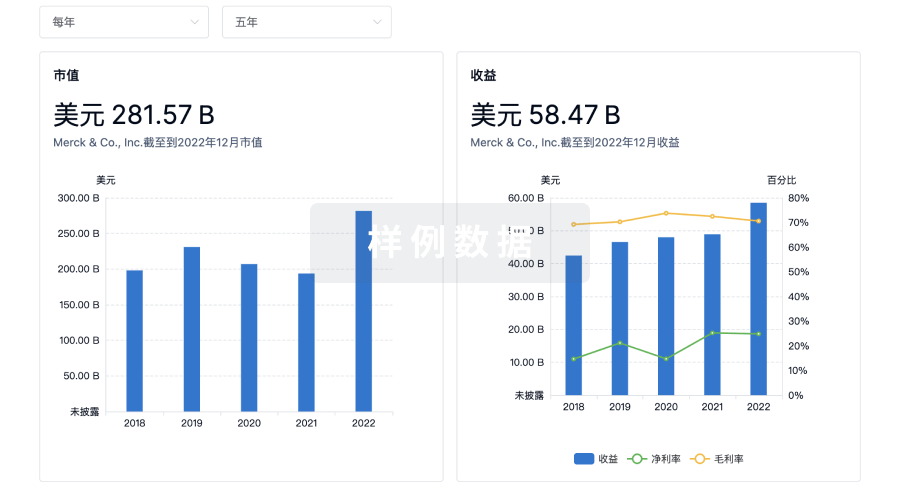
营收
使用 Synapse 探索超过 36 万个组织的财务状况。
登录
或
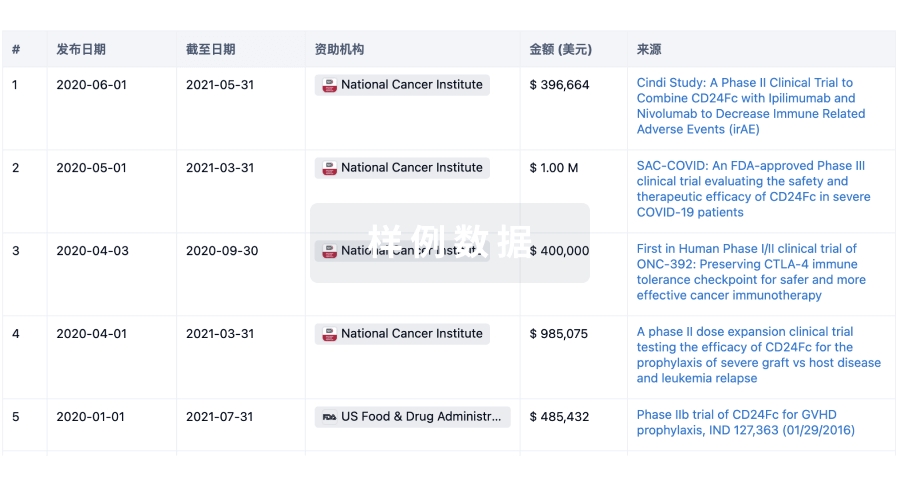
科研基金(NIH)
访问超过 200 万项资助和基金信息,以提升您的研究之旅。
登录
或
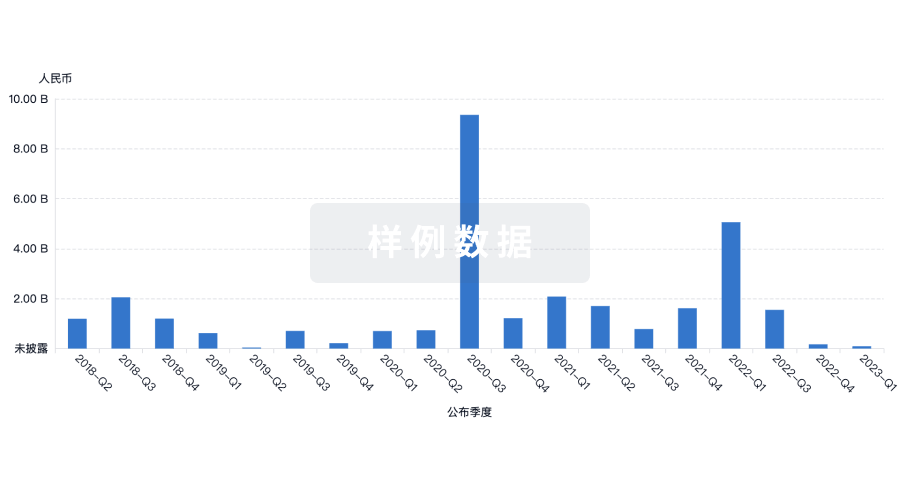
投资
深入了解从初创企业到成熟企业的最新公司投资动态。
登录
或
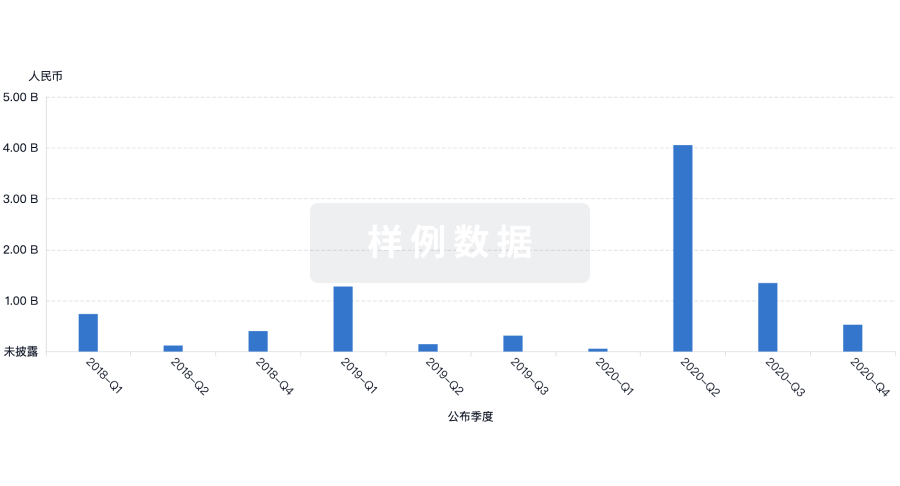
融资
发掘融资趋势以验证和推进您的投资机会。
登录
或
提出任何生物医药研究问题
让每一步生物医药决策都精准制胜
基于十亿级生物数据与全球情报的精准 AI,赋能早期药物发现
立即开始免费试用!
智慧芽新药情报库是智慧芽专为生命科学人士构建的基于AI的创新药情报平台,助您全方位提升您的研发与决策效率。
立即接入生物医药数据包
智慧芽新药库数据也通过智慧芽开放平台,以MCP或API服务形式对外开放。立即使用我们的MCP服务定制您的LLM智能体。
生物序列数据库
生物药研发创新
免费使用
化学结构数据库
小分子化药研发创新
免费使用