预约演示
更新于:2026-01-04

Salix Pharmaceuticals, Inc.
更新于:2026-01-04
概览
标签
消化系统疾病
其他疾病
泌尿生殖系统疾病
小分子化药
合成多肽
疾病领域得分
一眼洞穿机构专注的疾病领域

技术平台
公司药物应用最多的技术
靶点
公司最常开发的靶点
关联
靶点 |
作用机制 |
在研机构 |
原研机构 |
在研适应症 |
非在研适应症 |
最高研发阶段 |
首次获批国家/地区 |
首次获批日期 |

靶点 |
作用机制 |
在研机构 |
原研机构 |
在研适应症 |
非在研适应症 |
最高研发阶段 |
首次获批国家/地区 |
首次获批日期 |

靶点 |
作用机制 |
在研机构 |
原研机构 |
在研适应症 |
非在研适应症 |
最高研发阶段 |
首次获批国家/地区 |
首次获批日期 |
CTIS2023-505434-98-00
A Study to Assess the Pharmacokinetics of Rifaximin Soluble Solid Dispersion (SSD) Formulation in Adult Subjects with Impaired Hepatic Function
NCT02240108
A Double-Blind, Placebo-Controlled, Parallel-Group, Multicenter, Multiregional, One Year Study to Assess the Efficacy and Safety of Twice Daily Oral Rifaximin Delayed Release Tablets for Induction of Clinical Remission With Endoscopic Response at 16 Weeks Followed by Clinical and Endoscopic Remission at 52 Weeks in Subjects With Active Moderate Crohn's Disease
NCT02240121
A Double-Blind, Placebo-Controlled, Parallel-Group, Multicenter, Multiregional, One Year Study to Assess the Efficacy and Safety of Twice Daily Oral Rifaximin Delayed Release Tablets for Induction of Clinical Remission With Endoscopic Response at 16 Weeks Followed by Clinical and Endoscopic Remission at 52 Weeks in Subjects With Active Moderate Crohn's Disease
100 项与 Salix Pharmaceuticals, Inc. 相关的临床结果
登录后查看更多信息
登录后查看更多信息
2024-09-01Clinical gastroenterology and hepatology : the official clinical practice journal of the American Gastroenterological Association
Serum Ammonia Levels Do Not Correlate With Overt Hepatic Encephalopathy Severity in Hospitalized Patients With Cirrhosis
Article
作者: Rockey, Don C ; Pyrsopoulos, Nikolaos T ; Heimanson, Zeev ; Allen, Christopher ; Bajaj, Jasmohan S ; Rahimi, Robert S
Although ammonia is involved in the pathophysiology of hepatic encephalopathy (HE), the use of ammonia levels in clinical practice is problematic.1-3 For example, in a study of 551 patients with overt HE (OHE) receiving lactulose who had ammonia levels tested, only 60% had an increased ammonia level (defined as >72 μmol/L).2 Overall, there was no correlation observed between lactulose dose and whether ammonia levels were obtained (ie, presence/absence of increased ammonia level did not guide therapy), or between time to OHE resolution and ammonia levels.2 Additionally, there is substantial interlaboratory variability in sample handling and processing, which may affect ammonia measurements.4.
2024-06-01Advances in therapy
Treatment-Free Interval: A Novel Approach to Assessing Real-World Treatment Effectiveness and Economic Impact Among Patients with Irritable Bowel Syndrome with Diarrhea
Article
作者: Guérin, Annie ; Dashputre, Ankur A ; Lacy, Brian E ; Heimanson, Zeev ; Bumpass, Brock ; Gagnon-Sanschagrin, Patrick ; Bungay, Rebecca ; Joseph, George ; Borroto, Danellys ; Bellefleur, Remi
INTRODUCTION:
Objective assessment of treatment effectiveness using real-world claims data is challenging. This study assessed treatment-free intervals (TFI) as a proxy for treatment effectiveness, and all-cause healthcare costs among adult patients with irritable bowel syndrome with diarrhea (IBS-D) treated with rifaximin or eluxadoline in the USA.
METHODS:
Adult patients (18-64 years) with IBS-D and ≥ 1 rifaximin or eluxadoline prescription were identified in the IQVIA PharMetrics® Plus database (10/01/2015-12/31/2021) and classified into two mutually exclusive cohorts (i.e., rifaximin and eluxadoline). Index date was the date of rifaximin or eluxadoline initiation. Entropy-balanced baseline characteristics, TFI (periods of ≥ 30 consecutive days without IBS-D treatment), and healthcare costs were reported. Healthcare costs were compared between cohorts using mean cost differences.
RESULTS:
There were 7094 and 2161 patients in the rifaximin and eluxadoline cohorts, respectively. After balancing, baseline characteristics (mean age 44.1 years; female 72.4%) were similar between cohorts. A higher proportion of patients treated with rifaximin achieved a TFI of ≥ 30 days (76.2% vs. 66.7%), ≥ 60 days (67.0% vs. 47.0%), ≥ 90 days (61.0% vs. 38.7%), ≥ 180 days (51.7% vs. 31.0%), and ≥ 240 days (47.7% vs. 27.9%) compared to eluxadoline. Among patients with a TFI ≥ 30 days, mean TFI durations were 8.3 and 6.0 months for the rifaximin and eluxadoline cohorts. Mean all-cause healthcare costs were lower for rifaximin vs. eluxadoline ($18,316 vs. $23,437; p = 0.008), primarily driven by pharmacy costs ($7348 vs. $10,250; p < 0.001). In a simulated health plan of one million commercially insured lives, initiating 50% of patients on rifaximin instead of eluxadoline resulted in total cost savings of $2.1 million per year or $0.18 per-member-per-month.
CONCLUSIONS:
This real-world study suggests that TFI is a meaningful surrogate measure of treatment effectiveness in IBS-D. Patients treated with rifaximin had longer treatment-free periods and lower healthcare costs than patients treated with eluxadoline.
2024-05-01Digestive diseases and sciences
Plecanatide Improves Abdominal Bloating and Bowel Symptoms of Irritable Bowel Syndrome with Constipation
Article
作者: Rao, Satish S C ; Brenner, Darren M ; Sayuk, Gregory S ; Sharma, Amol ; Heimanson, Zeev ; Allen, Christopher ; Laitman, Adam P
BACKGROUND:
Bloating is a bothersome symptom in irritable bowel syndrome with constipation (IBS-C).
AIM:
To evaluate plecanatide efficacy in patients with IBS-C stratified by bloating intensity.
METHODS:
Pooled phase 3 data (2 randomized, controlled IBS-C trials) from adults treated with plecanatide 3 mg or placebo for 12 weeks were analyzed. Patients were stratified post-hoc by baseline bloating severity (11-point scale: mild [≤ 5] and moderate-to-severe [> 5]). Assessments included change from baseline in bloating, abdominal pain, and complete spontaneous bowel movement (CSBM) frequency. Abdominal pain and bloating composite responders were defined as patients with ≥ 30% improvement from baseline in both bloating and abdominal pain at Week 12.
RESULTS:
At baseline, 1104/1436 patients with IBS-C (76.9%) reported moderate-to-severe bloating. In the moderate-to-severe bloating subgroup, plecanatide significantly reduced bloating severity versus placebo (least-squares mean change [LSMC]: - 1.7 vs - 1.3; P = 0.002), reduced abdominal pain (- 1.7 vs - 1.3; P = 0.006), and increased CSBM frequency (1.4 vs 0.8; P < 0.0001). In the mild bloating subgroup, significant improvements were observed with plecanatide versus placebo for abdominal pain (LSMC: - 1.3 vs - 1.0; P = 0.046) and CSBM frequency (2.0 vs 1.2; P = 0.003) but not bloating (- 0.9 vs - 0.8; P = 0.28). A significantly greater percentage of patients were abdominal pain and bloating composite responders with plecanatide versus placebo (moderate-to-severe bloating: 33.6% vs 26.8% [P = 0.02]; mild bloating: 38.4% vs 27.2% [P = 0.03]).
CONCLUSION:
Plecanatide treatment improved IBS-C abdominal and bowel symptoms, including in those who present with moderate-to-severe bloating.
2026-01-03
专利到期
100 项与 Salix Pharmaceuticals, Inc. 相关的药物交易
登录后查看更多信息
100 项与 Salix Pharmaceuticals, Inc. 相关的转化医学
登录后查看更多信息
组织架构
使用我们的机构树数据加速您的研究。
登录
或
管线布局
2026年10月10日管线快照
管线布局中药物为当前组织机构及其子机构作为药物机构进行统计,早期临床1期并入临床1期,临床1/2期并入临床2期,临床2/3期并入临床3期
批准上市
8
9
其他
登录后查看更多信息
当前项目
登录后查看更多信息
药物交易
使用我们的药物交易数据加速您的研究。
登录
或
转化医学
使用我们的转化医学数据加速您的研究。
登录
或
营收
使用 Synapse 探索超过 36 万个组织的财务状况。
登录
或
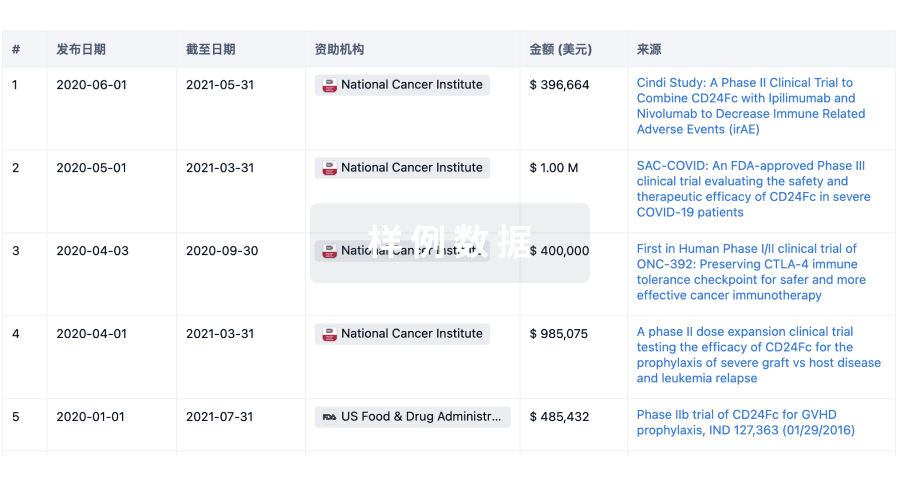
科研基金(NIH)
访问超过 200 万项资助和基金信息,以提升您的研究之旅。
登录
或
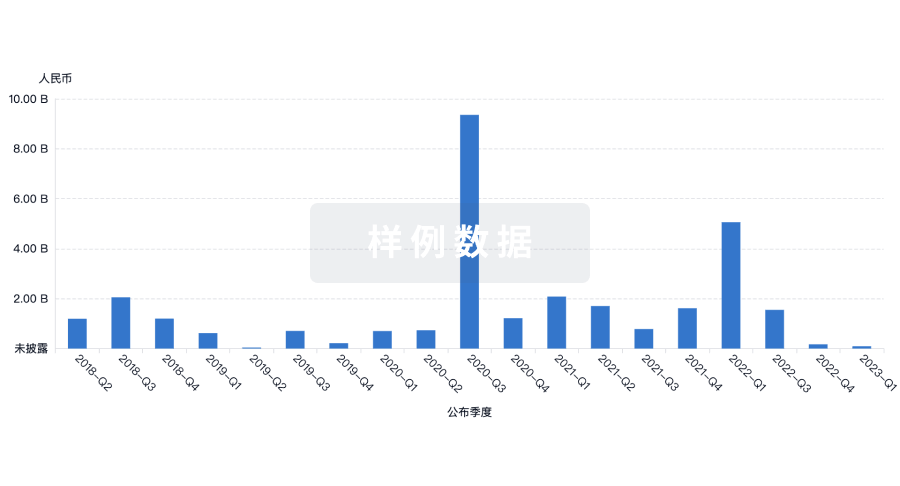
投资
深入了解从初创企业到成熟企业的最新公司投资动态。
登录
或
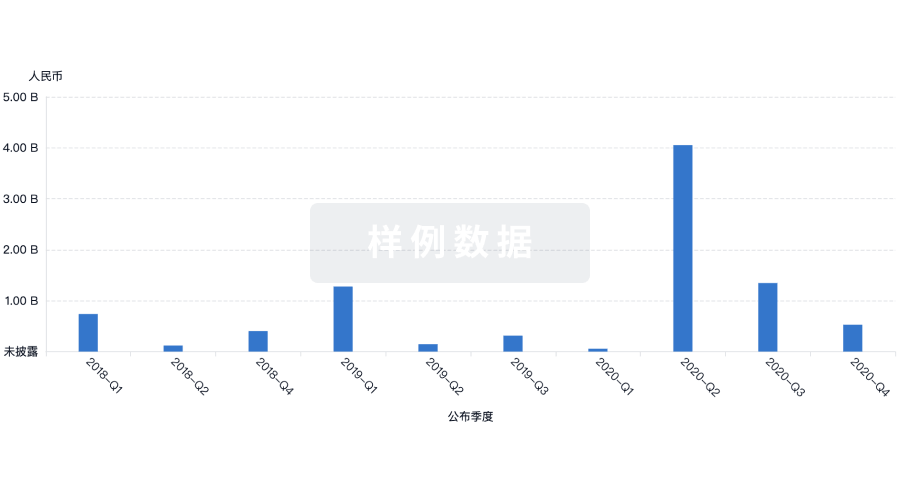
融资
发掘融资趋势以验证和推进您的投资机会。
登录
或
提出任何生物医药研究问题
让每一步生物医药决策都精准制胜
基于十亿级生物数据与全球情报的精准 AI,赋能早期药物发现
立即开始免费试用!
智慧芽新药情报库是智慧芽专为生命科学人士构建的基于AI的创新药情报平台,助您全方位提升您的研发与决策效率。
立即接入生物医药数据包
智慧芽新药库数据也通过智慧芽开放平台,以MCP或API服务形式对外开放。立即使用我们的MCP服务定制您的LLM智能体。
生物序列数据库
生物药研发创新
免费使用
化学结构数据库
小分子化药研发创新
免费使用