预约演示
更新于:2026-04-23

University of Louisville
更新于:2026-04-23
概览
标签
肿瘤
心血管疾病
消化系统疾病
小分子化药
适配体
细胞疗法
疾病领域得分
一眼洞穿机构专注的疾病领域

技术平台
公司药物应用最多的技术
靶点
公司最常开发的靶点
关联
靶点 |
作用机制 |
在研机构 |
原研机构 |
在研适应症 |
非在研适应症 |
最高研发阶段 |
首次获批国家/地区 |
首次获批日期 |


靶点 |
作用机制 |
在研机构 |
原研机构 |
在研适应症 |
非在研适应症 |
最高研发阶段 |
首次获批国家/地区 |
首次获批日期 |
靶点 |
作用机制 |
在研机构 |
原研机构 |
在研适应症 |
非在研适应症 |
最高研发阶段 |
首次获批国家/地区 |
首次获批日期 |

NCT04763837
Migration of Intraureteral Stents Compared to Conventional Double-J Stents.
NCT07221214
GLP-1 Receptor Agonists to Decrease Ethanol and CVD Risk in HIV - GL1DER HIV RCT

NCT07533331
Pilot Test the Digital Intervention and Research Protocols in a Small Clinical Trial
100 项与 University of Louisville 相关的临床结果
登录后查看更多信息
登录后查看更多信息
2026-06-01CELLULAR SIGNALLING
Long noncoding RNA H19 in liver development and disease
Review
作者: Gobejishvili, Leila ; Montoya-Durango, Diego Elias
Liver disease is a global health problem responsible for more than two million deaths annually. Metabolic dysfunction-associated steatotic liver disease (MASLD) and alcohol-associated liver disease (ALD) are major contributors to chronic liver disease-related morbidity and mortality. Factors like diet and alcohol consumption have become key drivers of liver pathologies including steatosis, fibrosis/cirrhosis, and hepatocellular carcinoma. To date very few treatments are available, hence there is a critical need for the development of novel therapies to slow down the development/progression of liver damage. The long non-coding RNA H19 gene, H19, is an imprinted gene normally expressed from the maternally inherited chromosome and epigenetically silenced in the paternal chromosome. At the embryo stage H19 controls genome-wide methylation, directs the methylation of the imprinted gene network, and regulates organ size. In the livers of neonates, H19 is important for organ maturation but remains silent in the mature organ. H19 re-expression in the adult liver drives de novo lipogenesis and fibrosis and maintains a proliferative state in tumor cells. The complexity of H19 functions in the liver is reflected in its interaction and regulation of a growing number of proteins, and coding and non-coding RNAs involved in metabolism, pro-fibrotic gene networks, cell cycle progression, and chromatin regulation. This review summarizes the findings related to the role of H19 in liver development and in diseases such as fatty liver, fibrosis, and hepatocellular carcinoma.
2026-06-01CRYOBIOLOGY
Hemoglobin-based high-throughput assessment of lyoprotectant efficacy
Article
作者: Kopechek, Jonathan A ; Alkafaji, Ali M ; Elder, Charles A ; Almosawi, Mustafa ; Klbik, Ivan ; Mills, Ethan ; Ul Haq, Zeeshan ; Menze, Michael A
Biologics, including vaccines, therapeutic proteins, blood products, and cell therapies, are susceptible to degradation during drying and therefore require the incorporation of protective additives (lyoprotectants) into the processing formulation to maintain their desired biological activities after reconstitution. However, assays to quantitatively assess lyoprotectant efficacy remain limited. A hemoglobin oxidation assay was developed into a high-throughput platform for screening the protective properties of compounds during freeze-drying. Hemoglobin, a redox-sensitive protein, oxidizes upon drying and rehydration, providing a robust reporter of desiccation-induced protein denaturation. Concentration-dependent protection by saccharides and polymers was quantified as the concentration required to inhibit 50% of hemoglobin oxidation (IC50) after drying and rehydration. When comparing carbohydrates, raffinose exhibited the strongest protection on a molar basis (IC50 = 2.5 ± 0.5 mM), but when expressed as mass-based concentration (% w/v), the IC50 values showed little to no difference across carbohydrates (IC50 = 0.12 ± 0.02 % w/v). To complement experimental results, all-atom molecular dynamics simulations of hemoglobin were employed in the presence of glucose, trehalose, and raffinose under hydrated and frozen conditions. Simulations demonstrated that larger carbohydrates form more hydrogen bonds with hemoglobin and accumulate more extensively on its surface, displacing hydration water and providing a protective "coat" during freezing. Together, these results implicate water replacement and surface coverage as principal mechanisms by which sugars stabilize biologics during drying, likely operating coordinately with vitrification. The integrated experimental-computational framework establishes a quantitative, mechanistically informed approach for evaluating, advancing discovery, and characterizing lyoprotectants, and for designing optimal stabilizers for freeze-dried red blood cells.
2026-05-01ACCIDENT ANALYSIS AND PREVENTION
Driver behavior analysis at alternative intersection corridors through driving simulator
Article
作者: Cunningham, Christopher M ; Chase, R Thomas ; Yang, Guangchuan ; Pyo, Kihyun ; Liu, Yunmei ; Kaber, David B
Alternative intersection (AI) designs, such as the Median U-Turn (MUT), Reduced Conflict Intersection (RCI), Continuous Flow Intersection (CFI), and Quadrant Roadway Intersection (QRI), introduce innovative geometric and control features compared to a conventional intersection (CI), which offer the potential for substantial safety and operational improvements. Nevertheless, most AI designs present unconventional ways of maneuvering traffic through an intersection, such as restriction of movements, crossover of traffic to the opposite side of the road, separating left turning movements, etc. As corridor construction or improvement projects continue to utilize AI designs, understanding their impacts on driver behavior, especially when implemented successively along a corridor, is essential for effective deployment. This research developed a comprehensive driving simulator experiment to evaluate driver performance when navigating AI corridors, focusing on four key metrics: number of failure movements (FMs), approach speed (AS), hard-braking events (HBEs), and approach lane changes (ALCs). Three background corridor treatments were investigated: a CI corridor, an RCI corridor, and a corridor with varied AI designs. A total of 12 intersection pairs were created to represent typical and practical combinations of AIs, with each pair consisting of a test intersection and a preceding intersection. Based on data collected from 48 participants, this research found that gender, age, and background corridor treatment did not significantly influence driver behavior. In contrast, trial number, preceding intersection configuration, test intersection movement, and intersection pair were all found to have significant effects. Among the test movements, the MUT side street left-turn presented the highest risk of FMs. Approach speed was lowest at the MUT side street left-turn and highest at the RCI side street through movement, with speeds generally increasing over successive trials. HBEs occurred most frequently at QRI, MUT, and RCI configurations. ALCs were more common when the test intersection was preceded by a CI, with the highest ALCs observed during CI main street left-turns, followed by MUT and CFI configurations. Post-experiment interviews highlighted the importance of clear and reasonably placed traffic signs and pavement markings to inform drivers of unconventional traffic patterns at AIs.
2026-04-02
100 项与 University of Louisville 相关的药物交易
登录后查看更多信息
100 项与 University of Louisville 相关的转化医学
登录后查看更多信息
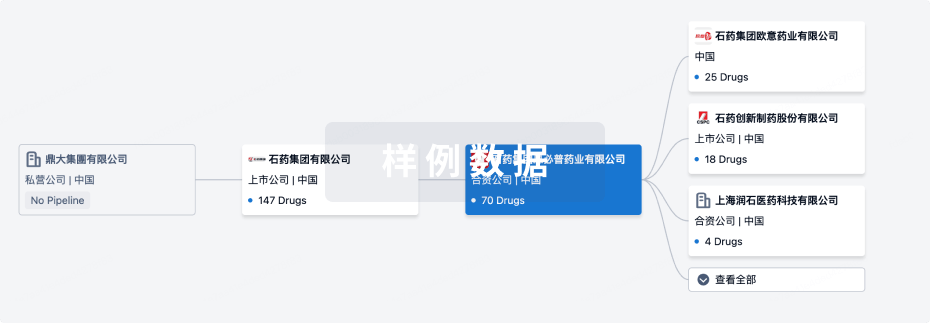
组织架构
使用我们的机构树数据加速您的研究。
登录
或
管线布局
2026年10月10日管线快照
管线布局中药物为当前组织机构及其子机构作为药物机构进行统计,早期临床1期并入临床1期,临床1/2期并入临床2期,临床2/3期并入临床3期
药物发现
3
23
临床前
临床2期
3
11
其他
登录后查看更多信息
当前项目
登录后查看更多信息
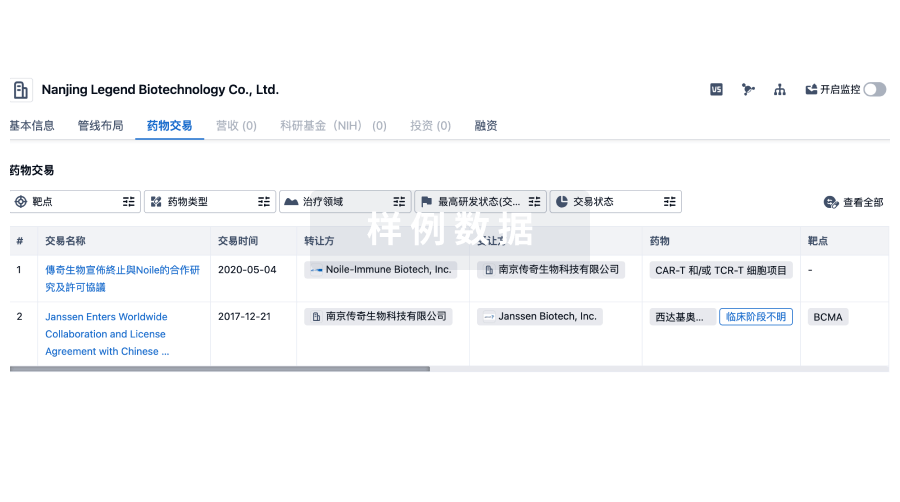
药物交易
使用我们的药物交易数据加速您的研究。
登录
或
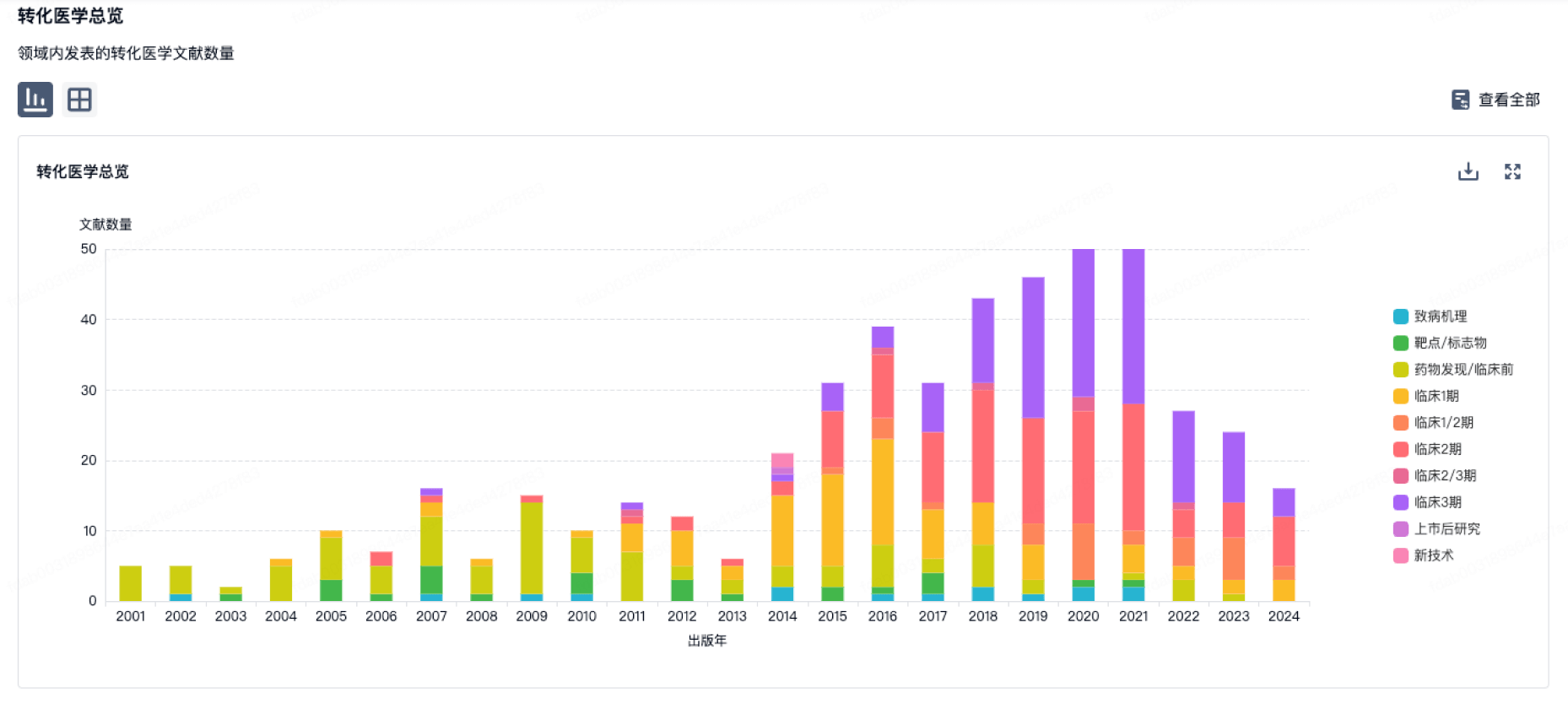
转化医学
使用我们的转化医学数据加速您的研究。
登录
或
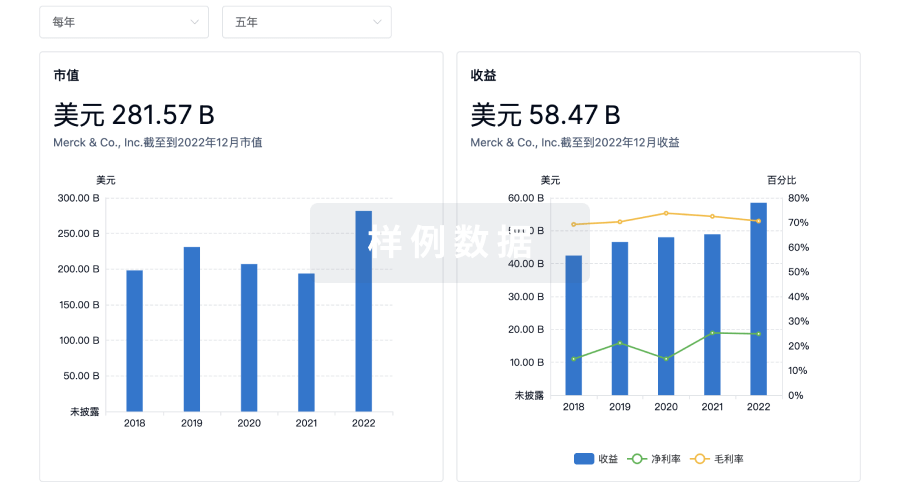
营收
使用 Synapse 探索超过 36 万个组织的财务状况。
登录
或
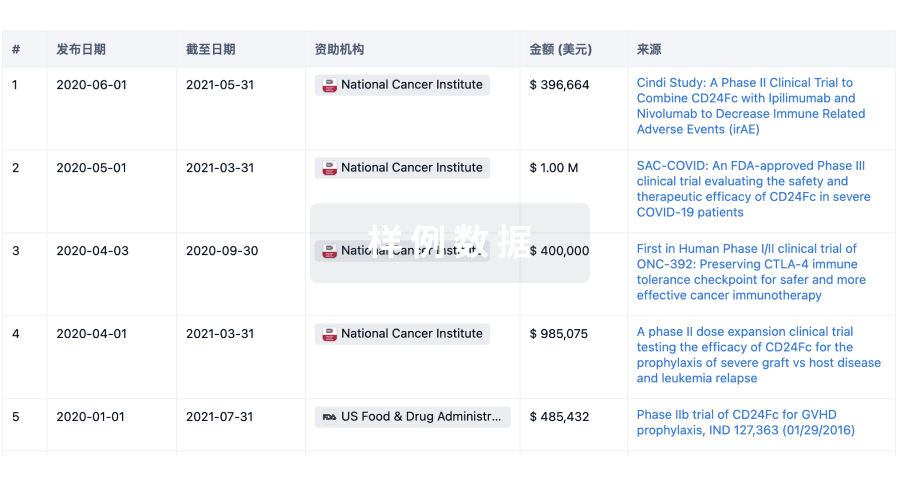
科研基金(NIH)
访问超过 200 万项资助和基金信息,以提升您的研究之旅。
登录
或
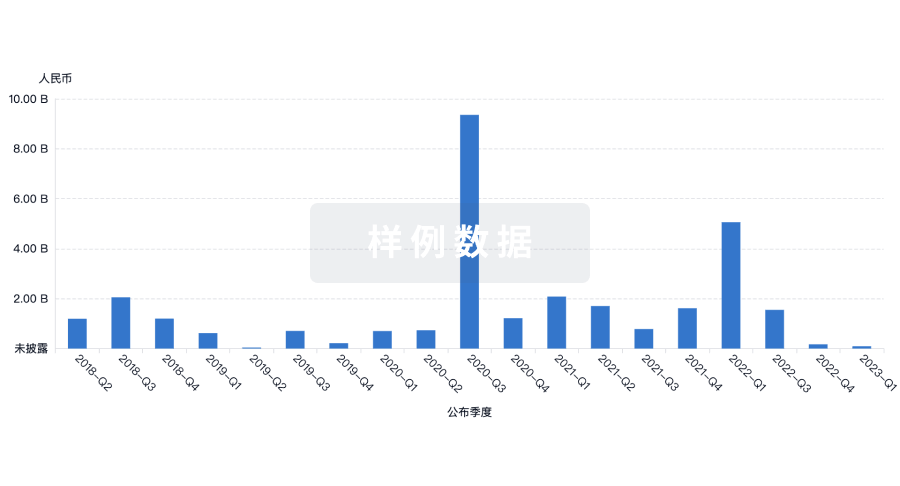
投资
深入了解从初创企业到成熟企业的最新公司投资动态。
登录
或
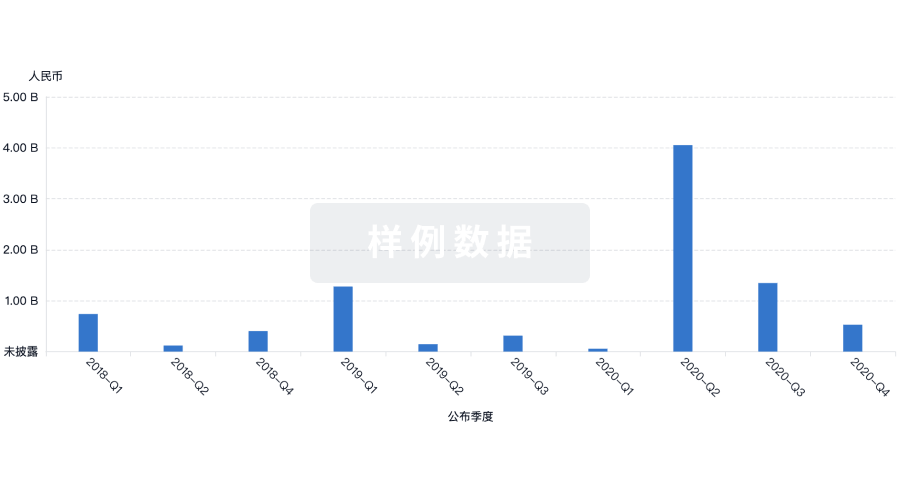
融资
发掘融资趋势以验证和推进您的投资机会。
登录
或
提出任何生物医药研究问题
让每一步生物医药决策都精准制胜
基于十亿级生物数据与全球情报的精准 AI,赋能早期药物发现
立即开始免费试用!
智慧芽新药情报库是智慧芽专为生命科学人士构建的基于AI的创新药情报平台,助您全方位提升您的研发与决策效率。
立即接入生物医药数据包
智慧芽新药库数据也通过智慧芽开放平台,以MCP或API服务形式对外开放。立即使用我们的MCP服务定制您的LLM智能体。
生物序列数据库
生物药研发创新
免费使用
化学结构数据库
小分子化药研发创新
免费使用