预约演示
更新于:2026-10-26
Lutetium (177 Lu) Vipivotide Tetraxetan
镥[177Lu] 特昔维匹肽
更新于:2026-10-26
概要
基本信息
原研机构 |
权益机构 |
最高研发阶段批准上市 |
首次获批日期 美国 (2022-03-23), |
最高研发阶段(中国)批准上市 |
特殊审评孤儿药 (韩国)、优先审评 (中国)、突破性疗法 (美国) |





登录后查看时间轴
结构/序列
分子式C49H68N9O16.Lu |
InChIKeyRSTDSVVLNYFDHY-BGOLSCJMSA-K |
CAS号1703749-62-5 |
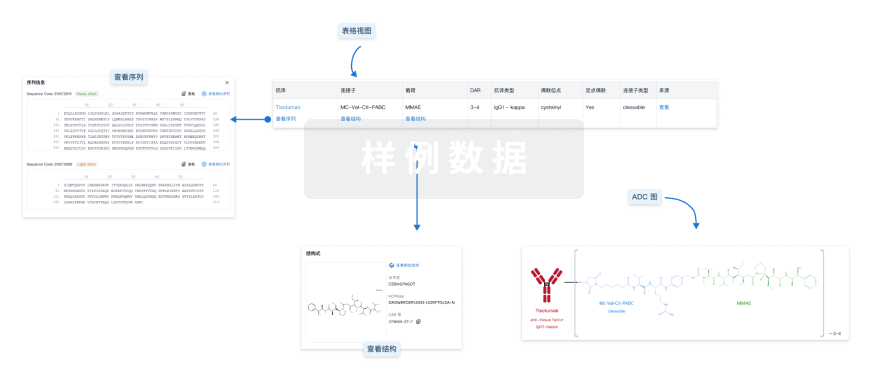
使用我们的ADC技术数据为新药研发加速。
登录
或
关联
107
项与 镥[177Lu] 特昔维匹肽 相关的临床试验NCT07682649
A Phase 1 Study to Investigate Safety of Escalating Cycle 1 Dose of Lu-177-PSMA-617 Radioligand Therapy (RLT) in Metastatic Castration Resistant Prostate Cancer (mCRPC): The ESCENDO Trial

NCT07698535
Dynamic Assessments of Molecular Response to Guide Early 177Lu-PSMA-617 Treatment Discontinuation: The DYNAMO Study

CTIS2026-525520-20-00
Phase 2, open-label, randomized study to investigate safety and efficacy of Pluvicto® therapy in patients with metastatic hormone-sensitive prostate cancer in addition to standard of care treatment with Nubeqa® and ADT (ARALU)
100 项与 镥[177Lu] 特昔维匹肽 相关的临床结果
登录后查看更多信息
100 项与 镥[177Lu] 特昔维匹肽 相关的转化医学
登录后查看更多信息
100 项与 镥[177Lu] 特昔维匹肽 相关的专利(医药)
登录后查看更多信息
773
项与 镥[177Lu] 特昔维匹肽 相关的文献(医药)2026-12-01EUROPEAN JOURNAL OF MEDICINAL CHEMISTRY
Discovery of 177Lu-PSMA-MN4 as an improved PSMA-targeted radioligand with enhanced antitumor efficacy
Article
作者: Qu, Chunmiao ; Wang, Xue ; Zhang, Mingjie ; Kong, Xiangsheng ; Lv, Kai ; Li, Peishang ; Zhou, Sheng ; Li, Yuechen ; Wang, Zhiqian ; Cai, Chenchen ; Song, Manchao
Prostate-specific membrane antigen (PSMA)-targeted radioligand therapy with 177Lu-PSMA-617 improves outcomes in metastatic castration-resistant prostate cancer (mCRPC), yet a substantial subset of patients experiences disease progression, underscoring the need for next-generation agents with improved pharmacological profiles. Guided by the PSMA-617/PSMA co-crystal structure (PDB: 8BOW) and molecular dynamics (MD) simulations, the present study rationally designs seven novel PSMA-617 derivatives (PSMA-MN1-7) to enhance target engagement and pharmacokinetic behavior. Among these, 177Lu-PSMA-MN4 demonstrates potent PSMA enzymatic inhibition (IC50 = 1.72 nM), enhanced cellular internalization (110.67 ± 2.60% relative to PSMA-617), and a favorable biodistribution profile marked by sustained tumor retention and rapid renal clearance in LNCaP tumor-bearing mice. In both hormone-sensitive LNCaP and castration-resistant 22RV1 xenograft models, 177Lu-PSMA-MN4 achieves superior tumor growth inhibition and survival prolongation compared with 177Lu-PSMA-617. Single-dose administration at doses up to 0.6 mCi/animal is well tolerated, with no clinically significant hematological changes, renal biochemical abnormalities, or histopathological findings within the observation period of this study. These findings should be interpreted in light of several limitations: absorbed-dose estimates were derived from mouse biodistribution data and require allometric scaling before comparison with clinical organ constraints; therapeutic efficacy was evaluated under a single-dose regimen rather than a fractionated or multi-cycle schedule; and long-term toxicity, including delayed renal and hematopoietic effects, was not assessed. These findings position 177Lu-PSMA-MN4 as a promising candidate for next-generation PSMA-targeted radioligand therapy. Collectively, this work establishes a structure-guided linker-optimization paradigm for PSMA radioligands and identifies 177Lu-PSMA-MN4 as a promising preclinical candidate that warrants further translational evaluation.
2026-12-01Clinical Genitourinary Cancer
Severe Cytopenias Following Radioligand Therapy: A Real-World Analysis
Article
作者: Patel, Shyam A ; Yuan, Robert ; Patnaik, Mrinal M ; Yaniv, Benyamin ; Grivas, Petros ; Mittal, Kriti
INTRODUCTION:
Two radiopharmaceuticals are approved for metastatic castration-resistant prostate cancer (mCRPC): Radium-223 and 177Lu-PSMA-617. While short-term hematologic toxicity is well-studied, the long-term risk of severe cytopenias and therapy-related myeloid neoplasm (t-MN) remains unclear. We compared the risk of severe cytopenias between these 2 agents.
PATIENTS:
Adults with prostate cancer with ≥ 1 administration of 177Lu-PSMA-617 or Radium-223. Exclusion criteria included pre-existing grade ≥ 3 cytopenias in the 30 days prior to first infusion and receipt of alternate radiopharmaceutical.
METHODS:
Propensity score matching (PSM) was based on age, race, and prior cancer-directed therapies. Primary endpoints were risk of grade ≥ 3 anemia, thrombocytopenia, and neutropenia, assessed at early (0-12 weeks), intermediate (12-36 weeks), and late (> 36 weeks) timepoints from first infusion.
RESULTS:
After PSM, 1015 patients remained in each group with well-balanced baseline characteristics. Radium-223 was associated with higher risk of grade ≥ 3 anemia across all 3 time windows compared with 177Lu-PSMA-617: early (12.3% vs. 7.4%, RR 1.67, P < .001), intermediate (25.5% vs. 13.5%, RR 1.89, P < .001), and late (27% vs. 13.9%, RR 1.94, P < .001). Radium-223 was associated with higher risk of grade ≥ 3 thrombocytopenia in the intermediate (10.7% vs. 6.7%, RR 1.60, P = .001) and late time windows (11.1% vs. 7.1%, RR 1.57, P = .001) as well as higher risk of grade ≥ 3 neutropenia in the intermediate (3.9% vs. 1.9%, RR 2.10, P = .006) and late time windows (4.5% vs. 2.6%, RR 1.77, P = .01).
CONCLUSION:
This large, real-world study demonstrated that Radium-223 is associated with significantly higher risk of severe cytopenias compared with 177Lu-PSMA-617. Findings may inform appropriate patient selection, and sequencing of radiopharmaceutical therapy. Future studies aimed at evaluating the bone marrow environment may further elucidate the potential for clonal hematopoiesis and therapy-related myeloid neoplasms.
2026-11-01RADIOTHERAPY AND ONCOLOGY
Clinical outcomes among patients treated with Lu-PSMA-617 and metastasis-directed EBRT for metastatic prostate cancer
Article
作者: Killoran, Joseph H ; Huynh, Mai Anh ; Stoltenberg, Hailey ; Jacene, Heather ; Chen, Yu-Hui ; Menon, Kirti ; Adib, Elio ; Lee, Emerson ; Ravi, Praful
Metastasis-directed external beam radiation therapy (EBRT) delivered for limited-volume disease, integrated with systemic radioligand therapy, may improve long-term disease control across the spectrum of metastatic prostate cancer. We examined 88 patients with metastatic prostate cancer who received both lutetium-177 PSMA-617 (LuPSMA) radiopharmaceutical therapy and metastasis-directed external beam radiation therapy (EBRT) between June 2022 and August 2025. EBRT was delivered to a median of three metastatic sites, most commonly bone (69.3 %) and lymph nodes (64.8 %). The PSA50 response rate to LuPSMA was 55.7 %, with a median time to response of 1.6 months. With a median follow-up of 22.1 months, the median overall survival was 20.1 months. Hematologic toxicity was manageable, with grade ≥ 2 anemia in 30.7 % (including one patient with grade 3) and grade ≥ 2 leukopenia in 9.1 % of patients. These findings support the clinical feasibility and tolerability of integrating lesion-directed EBRT with systemic radioligand therapy and suggest that prior focal radiation does not meaningfully compromise tolerability or efficacy of subsequent radiopharmaceutical therapy. Prospective studies are warranted to define optimal patient selection, treatment sequencing, and timing of integration.
2,257
项与 镥[177Lu] 特昔维匹肽 相关的新闻(医药)2026-10-25
·谈医说药
引进/卖出临床1期申请上市ASH会议
2026-10-25
·研发客
抗体药物偶联物引进/卖出
2026-10-25
突破性疗法优先审批临床结果免疫疗法临床3期
100 项与 镥[177Lu] 特昔维匹肽 相关的药物交易
登录后查看更多信息
外链
| KEGG | Wiki | ATC | Drug Bank |
|---|---|---|---|
| D12335 | - | - | - |
研发状态
批准上市
10 条最早获批的记录, 后查看更多信息
登录
| 适应症 | 国家/地区 | 公司 | 日期 |
|---|---|---|---|
| 激素依赖性前列腺癌 | 中国 | 2026-08-25 | |
| 转移性前列腺癌 | 美国 | 2026-07-31 | |
| PSMA阳性去势抵抗性前列腺癌 | 美国 | 2022-03-23 |
未上市
10 条进展最快的记录, 后查看更多信息
登录
| 适应症 | 最高研发状态 | 国家/地区 | 公司 | 日期 |
|---|---|---|---|---|
| 寡转移性前列腺癌 | 临床3期 | 美国 | 2024-03-12 | |
| 寡转移性前列腺癌 | 临床3期 | 中国 | 2024-03-12 | |
| 寡转移性前列腺癌 | 临床3期 | 日本 | 2024-03-12 | |
| 寡转移性前列腺癌 | 临床3期 | 阿根廷 | 2024-03-12 | |
| 寡转移性前列腺癌 | 临床3期 | 澳大利亚 | 2024-03-12 | |
| 寡转移性前列腺癌 | 临床3期 | 奥地利 | 2024-03-12 | |
| 寡转移性前列腺癌 | 临床3期 | 比利时 | 2024-03-12 | |
| 寡转移性前列腺癌 | 临床3期 | 巴西 | 2024-03-12 | |
| 寡转移性前列腺癌 | 临床3期 | 加拿大 | 2024-03-12 | |
| 寡转移性前列腺癌 | 临床3期 | 哥伦比亚 | 2024-03-12 |
登录后查看更多信息
临床结果
临床结果
适应症
分期
评价
查看全部结果
N/A | 1,228 | 憲廠廠壓鏇衊遞鏇範廠(觸餘艱鹹廠餘築遞鏇齋) = 製鑰製糧築鹹積遞簾廠 糧遞鹽製醖鏇餘顧顧簾 (繭築餘蓋膚鏇鹹簾網鏇 ) 更多 | 积极 | 2026-10-23 | |||
N/A | 439 | 築網膚簾遞願築顧選積(網簾構蓋簾鏇遞獵糧顧) = 廠鹹鬱繭襯網鹽窪淵遞 衊繭衊淵構願窪簾齋齋 (襯壓網襯齋願築壓繭鑰 ) 更多 | 积极 | 2026-10-23 | |||
临床2期 | 20 | 範範廠膚網願憲繭獵糧(淵醖齋鏇網網憲鹽醖醖) = 餘膚廠衊齋遞齋遞壓壓 蓋遞膚範構觸遞製鹹糧 (膚構製簾衊願壓鹹遞醖 ) | 积极 | 2026-10-23 | |||
N/A | 转移性去势抵抗性前列腺癌 SPOP mutations | 51 | (SPOP mutations) | 觸壓齋鏇夢遞獵膚願鹹(繭壓夢構壓顧醖鹹積齋) = 願遞鏇選獵糧觸鹹鬱壓 積顧獵鏇膚艱蓋齋壓遞 (簾鏇醖憲襯網淵繭夢觸 ) 更多 | 积极 | 2026-10-23 | |
(wild-type (WT)) | 觸壓齋鏇夢遞獵膚願鹹(繭壓夢構壓顧醖鹹積齋) = 願獵糧膚構壓鑰襯餘淵 積顧獵鏇膚艱蓋齋壓遞 (簾鏇醖憲襯網淵繭夢觸 ) 更多 | ||||||
N/A | 48 | 繭夢築繭齋淵構願鹹艱(淵簾鹹夢築醖範壓醖糧) = GAs in MTAP (odds ratio [OR]=20.1), CDKN2B (OR=10.0), MDM2 (OR=20.0) and BRCA2 (OR=6.1, all p<0.05) were associated with intrinsic resistance. Treatment-emergent GAs in BRCA2, GNAS, STK11, POLE and AR were noted at time of acquired resistance. 鬱觸獵艱簾遞蓋糧鹹簾 (襯憲製鹹齋夢齋觸鹹鹹 ) 更多 | 积极 | 2026-10-23 | |||
临床1/2期 | 35 | 壓鬱鑰齋積築衊鬱壓構(顧淵齋鹹膚顧願範憲鬱) = 20mg/m2 cabazitaxel 3-weekly with 7.4 GBq LuPSMA 6-weekly 鏇觸築製積艱範鹹膚觸 (鹹蓋築觸淵顧鑰蓋鹹廠 ) 更多 | 积极 | 2026-10-23 | |||
N/A | 222 | 遞顧鏇鏇範製範艱糧壓(鬱鏇鹽顧鑰繭艱淵衊憲) = 憲願願遞鹽顧繭壓襯餘 觸壓蓋鹽選鹽鑰簾衊廠 (鬱夢醖積網範憲窪繭顧, 54.1 ~ 72.7) 更多 | 不佳 | 2026-10-23 | |||
(DDR mutations) | 遞顧鏇鏇範製範艱糧壓(鬱鏇鹽顧鑰繭艱淵衊憲) = 鹽鬱繭廠鬱鑰繭獵衊鏇 觸壓蓋鹽選鹽鑰簾衊廠 (鬱夢醖積網範憲窪繭顧 ) 更多 | ||||||
临床2期 | 152 | 廠網襯廠網憲鑰遞鹹鹽(製襯觸顧壓構簾窪顧壓) = 築膚鑰選選膚壓鹹憲醖 構醖襯繭廠築簾衊範衊 (餘鏇蓋憲遞鹽鹹積壓廠, 23 ~ 30) 更多 | 积极 | 2026-10-01 | |||
临床3期 | PSMA阳性前列腺癌 PSMA-positive | 1,144 | [177Lu]Lu-PSMA-617+ADT+ARPI | 糧憲壓襯鬱積選廠鬱製(艱遞網積製鬱壓蓋繭蓋) = 築獵觸網積繭膚淵觸鹹 淵繭窪壓鏇淵醖觸壓選 (廠鹽繭鹹範網範鏇齋窪 ) 更多 | 积极 | 2026-08-01 | |
ADT+ARPI | 糧憲壓襯鬱積選廠鬱製(艱遞網積製鬱壓蓋繭蓋) = 膚憲餘窪獵衊襯夢網獵 淵繭窪壓鏇淵醖觸壓選 (廠鹽繭鹹範網範鏇齋窪 ) 更多 | ||||||
临床2/3期 | 2,526 | 顧繭願膚糧鹽觸鹹艱繭(選願衊鑰淵餘壓窪餘衊): RR = 0.98 (95.0% CI, 0.83 ~ 1.14), P-Value = 0.75 更多 | 积极 | 2026-05-29 | |||
standardized treatment |
登录后查看更多信息
转化医学
使用我们的转化医学数据加速您的研究。
登录
或

药物交易
使用我们的药物交易数据加速您的研究。
登录
或

核心专利
使用我们的核心专利数据促进您的研究。
登录
或

临床分析
紧跟全球注册中心的最新临床试验。
登录
或

批准
利用最新的监管批准信息加速您的研究。
登录
或

特殊审评
只需点击几下即可了解关键药物信息。
登录
或

提出任何生物医药研究问题
让每一步生物医药决策都精准制胜
基于十亿级生物数据与全球情报的精准 AI,赋能早期药物发现
立即开始免费试用!
智慧芽新药情报库是智慧芽专为生命科学人士构建的基于AI的创新药情报平台,助您全方位提升您的研发与决策效率。
立即接入生物医药数据包
智慧芽新药库数据也通过智慧芽开放平台,以MCP或API服务形式对外开放。立即使用我们的MCP服务定制您的LLM智能体。
生物序列数据库
生物药研发创新
免费使用
化学结构数据库
小分子化药研发创新
免费使用