预约演示
更新于:2026-09-30

Jiangsu Nhwa Pharmaceutical Co., Ltd.
更新于:2026-09-30
概览
标签
神经系统疾病
其他疾病
内分泌与代谢疾病
小分子化药
化学药
治疗性疫苗
疾病领域得分
一眼洞穿机构专注的疾病领域

技术平台
公司药物应用最多的技术
靶点
公司最常开发的靶点
关联
靶点 |
作用机制 |
在研机构 |
原研机构 |
在研适应症 |
非在研适应症 |
最高研发阶段 |
首次获批国家/地区 |
首次获批日期 |

靶点 |
作用机制 |
在研机构 |
原研机构 |
在研适应症 |
非在研适应症 |
最高研发阶段 |
首次获批国家/地区 |
首次获批日期 |

靶点 |
作用机制 |
在研机构 |
原研机构 |
在研适应症 |
非在研适应症 |
最高研发阶段 |
首次获批国家/地区 |
首次获批日期 |
CTR20262992
劳拉西泮注射液人体药代动力学研究
CTR20262175
评价NHL35700治疗成人精神分裂症的疗效和安全性的多中心、随机、双盲双模拟、阳性药和安慰剂平行对照的III期临床试验
CTR20262493
一项评价NH600001乳状注射液用于择期手术患者全身麻醉诱导的有效性和安全性的多中心、随机、双盲、阳性药平行对照的Ⅱ期临床研究
100 项与 江苏恩华药业股份有限公司 相关的临床结果
登录后查看更多信息
登录后查看更多信息
2026-09-14XENOBIOTICA
A high-throughput LC-MS/MS method for simultaneous determination of lumateperone and its four metabolites in human plasma: application to a clinical trial
Article
作者: Wang, Rui ; Zhao, Yunli ; Ding, Chenxin ; Ding, Hongjie ; Zhang, Pengfei ; Ding, Juefang ; Wu, Bingda ; Ding, Li
Lumateperone is an antipsychotic metabolised to four active metabolites IC200131, IC200161, IC200565 and IC201308, which are closely related to its clinical efficacy and safety.For evaluating the clinical pharmacokinetics of lumateperone and its active metabolites in Chinese subjects, a high-throughput LC-MS/MS method was developed and validated for the simultaneous quantification of lumateperone and its four metabolites in human plasma. Chromatographic separation was achieved using an alkaline mobile phase and a bidentate silane column (Zorbax Extend-C18) with two-step gradient elution, which overcame peak tailing and carryover while enabling rapid analysis. The calibration ranges were 0.100-80.0 ng/mL for lumateperone and IC200131, 0.0400-32.0 ng/mL for IC200161 and IC201308, and 0.150-30.0 ng/mL for IC200565.The validated method was successfully applied to a pharmacokinetic study of lumateperone tosylate capsules. The clinical trial was registered at the Chinese Clinical Trial Registry (identifier: CTR20242699). Under fasting conditions, the mean Cmax values were 30.6 ng/mL for lumateperone, with corresponding AUC0-t values of 72.8 h·ng/mL. Under fed conditions, food delayed absorption and decreased Cmax for all analytes.This study reports the first comprehensive pharmacokinetic profiles of lumateperone and its four active metabolites in Chinese subjects. The validated method provides a robust foundation for pharmacokinetic research of lumateperone in humans.
2026-07-01SPECTROCHIMICA ACTA PART A-MOLECULAR AND BIOMOLECULAR SPECTROSCOPY
Mechanistic insights into Cyclodextrin-mediated modulation of curcumin–BSA interactions: Integrated spectroscopic and molecular modeling
Article
作者: Shen, Quanye ; Wang, Jiayu ; Shen, Wenkang ; Xue, Yunsheng ; Ai, Fengwei
Cyclodextrins (CDs) have shown significant efficacy in enhancing the aqueous solubility and chemical stability of curcumin (CUR). However, their impact on the interaction between serum albumin and CUR remains inadequately understood, despite the potential implications for CUR's tissue distribution, metabolism, and bioavailability. In this study, the effect of hydroxypropyl-β-cyclodextrin (HPβCD) on the interaction between bovine serum albumin (BSA) and CUR was investigated using multispectral techniques, molecular docking, and molecular dynamics (MD) simulations. Multispectral analysis revealed that HPβCD exhibited negligible binding affinity for BSA but markedly attenuated the direct interaction between BSA and CUR by competitively complexing with CUR. At 298 K, the binding constant of the BSA-CUR complex decreased from 6.22 × 10⁶ to 1.60 × 10⁶ L/mol after the addition of HPβCD. Concurrently, HPβCD mitigated CUR-induced conformational and microenvironmental alterations in BSA, reducing the α-helical content from 63.5% to 55.9%. Molecular docking indicated binding affinities in the following order: BSA-CUR > HPβCD-CUR > BSA-HPβCD, which is corroborated by MD-based thermodynamic binding free energies calculated using the Molecular Mechanics Poisson-Boltzmann Surface Area method. Moreover, MD simulations revealed that CUR existed in two distinct states, either complexed with HPβCD or bound to BSA after dissociation from the carrier, while no stable interaction formed between BSA and HPβCD. These findings elucidate the competitive binding mechanisms in the ternary BSA-CUR-HPβCD system, offering a molecular basis for designing CUR-CD formulations with tunable protein-binding properties.
2024-11-01BRAIN RESEARCH
Inhibiting NF-κB inducing kinase improved the motor performance of ALS animal model
Article
作者: Li, Zhongyao ; Yi, Le ; Liu, Yakun ; Tian, Yunyun ; Xu, Xiangyang ; Li, Yuanyuan ; Duan, Weisong ; Cao, Mengjie ; Xu, Yuyan ; Guo, Moran ; Bi, Yue ; Sun, Jiaquan ; Li, Chunyan
BACKGROUND:
Amyotrophic lateral sclerosis (ALS) is a typical neurodegenerative disorder typically characterized by inflammation activation. However, the relationship between non-canonical NF-κB (ncNF-κB) pathway activation and ALS progression is not clear.
METHODS:
We tested the ncNF-κB pathway in the ALS animal model including hSOD1-G93A transgenic mice and TBK1 deletion mice.We treated age-matched SOD1-G93A mice with B022 (a NIK inhibitor) to investigate the role of NIK in the ALS animal model. We also established a new mice model by crossing SOD1-G93A mice with NIK+/- mice to further evaluate the interrelationship between the NIK and the disease progression in ALS animal model.
RESULTS:
In this study, we found the ncNF-κB pathway was activated in SOD1-G93A animal model and TBK1 deletion model. Inhibition of NIK activity by small molecule B022 significantly improved the motor performance of the ALS animal model. However, NIK deletion enhanced the mutant SOD1 toxicity by inflammatory infiltration.
CONCLUSION:
TBK1 deletion and mutant SOD1 shared the common pathological feature possibly via effects on NIK activation and inhibitor of NIK could be a novel strategy for treating ALS.
100 项与 江苏恩华药业股份有限公司 相关的药物交易
登录后查看更多信息
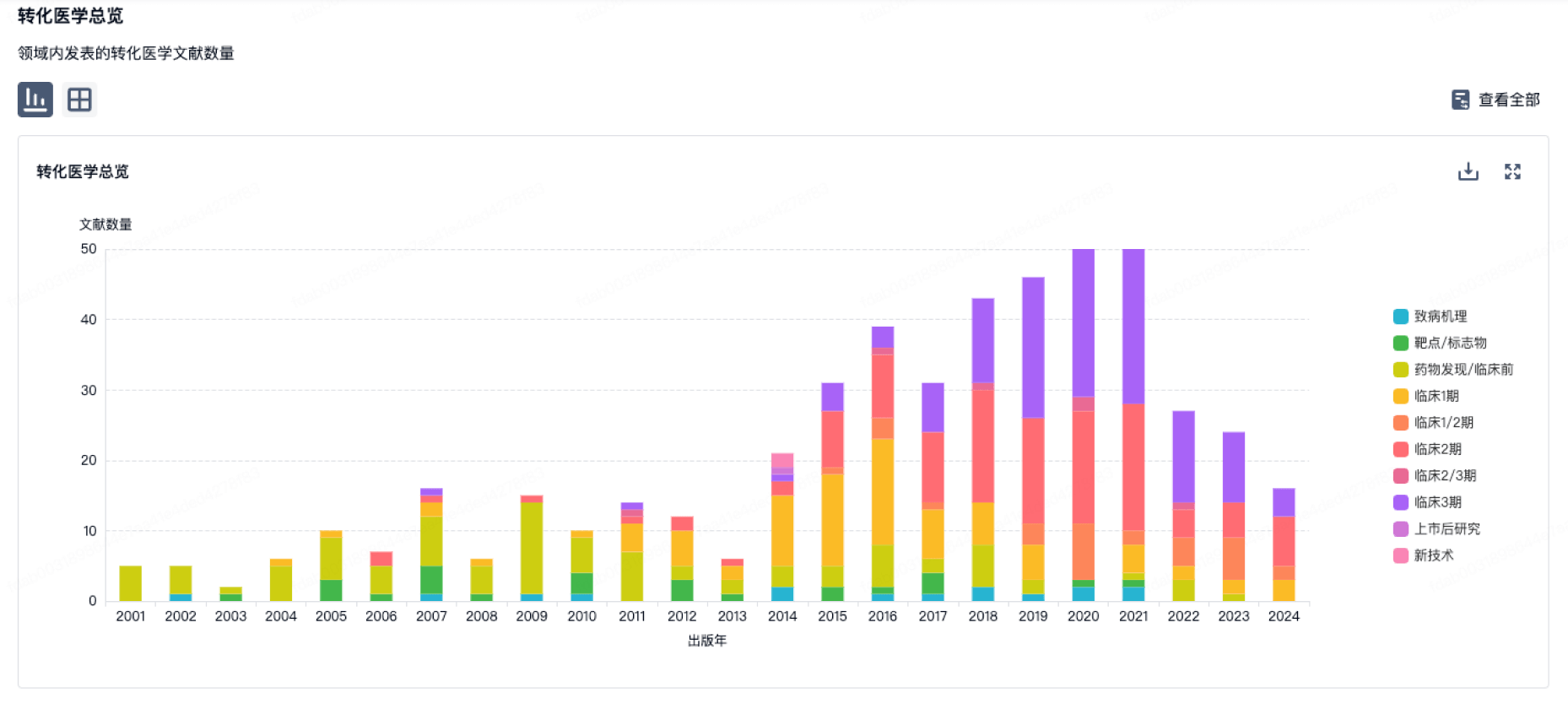
100 项与 江苏恩华药业股份有限公司 相关的转化医学
登录后查看更多信息
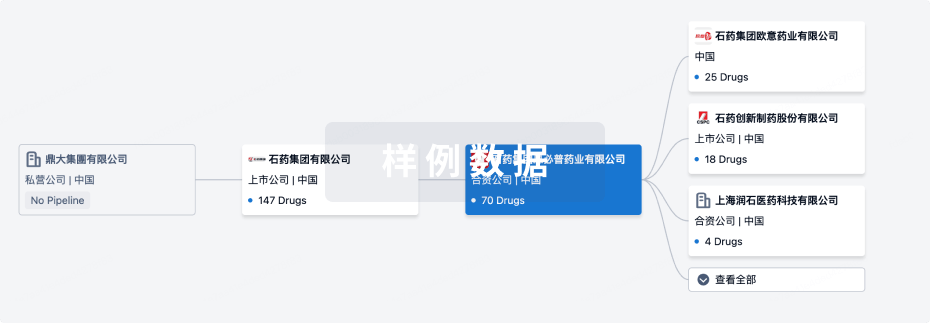
组织架构
使用我们的机构树数据加速您的研究。
登录
或
管线布局
2026年10月16日管线快照
管线布局中药物为当前组织机构及其子机构作为药物机构进行统计,早期临床1期并入临床1期,临床1/2期并入临床2期,临床2/3期并入临床3期
药物发现
5
20
临床前
临床申请
1
1
临床申请批准
临床1期
13
5
临床2期
临床3期
1
1
申请上市
批准上市
10
14
其他
登录后查看更多信息
当前项目
登录后查看更多信息
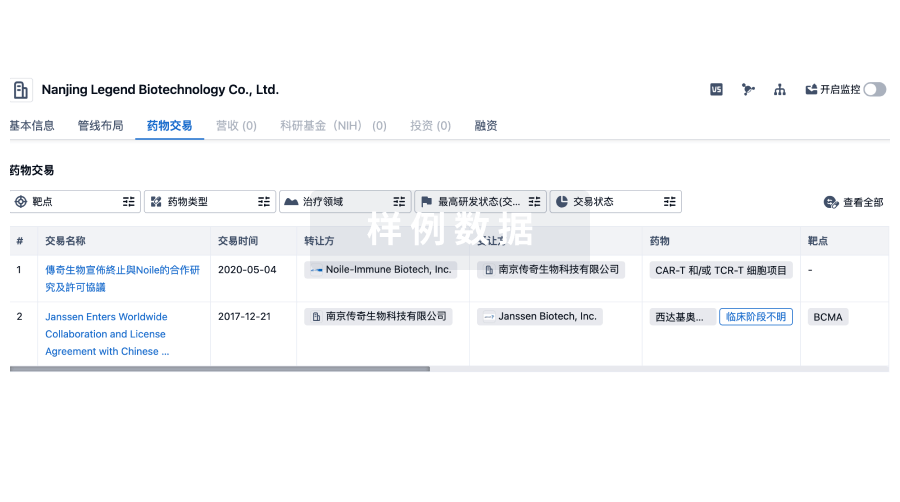
药物交易
使用我们的药物交易数据加速您的研究。
登录
或
转化医学
使用我们的转化医学数据加速您的研究。
登录
或
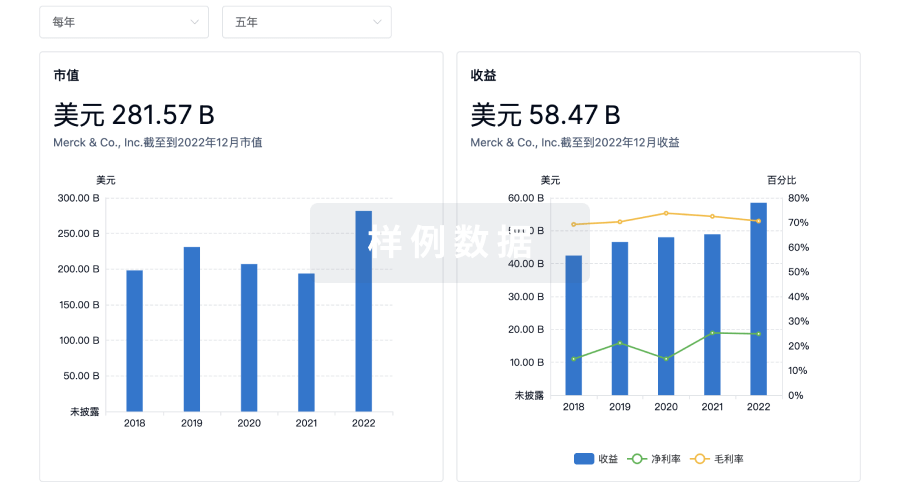
营收
使用 Synapse 探索超过 36 万个组织的财务状况。
登录
或
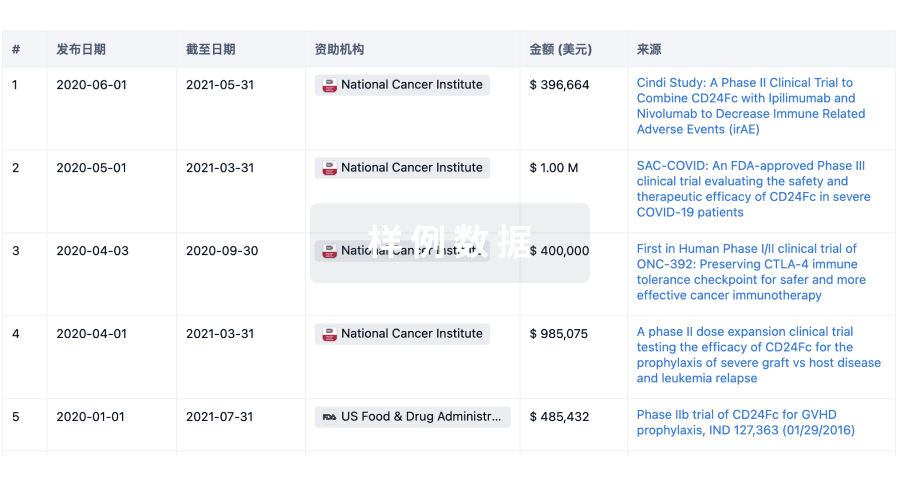
科研基金(NIH)
访问超过 200 万项资助和基金信息,以提升您的研究之旅。
登录
或
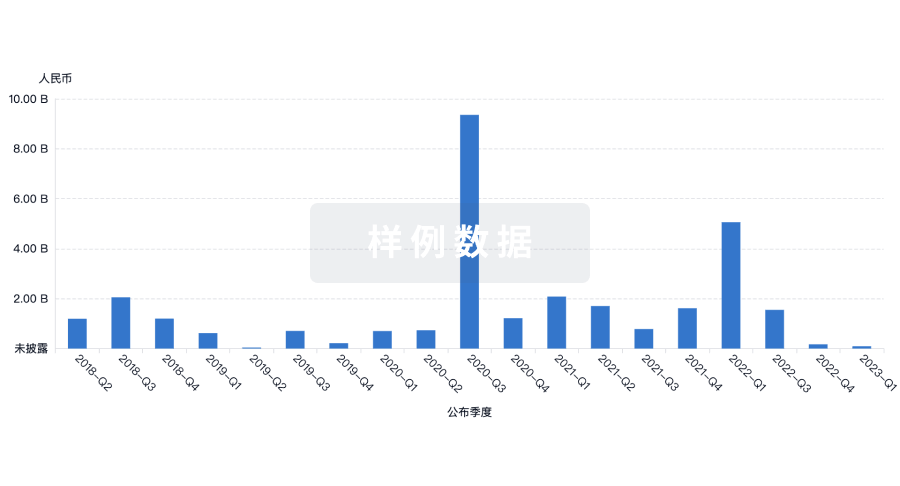
投资
深入了解从初创企业到成熟企业的最新公司投资动态。
登录
或
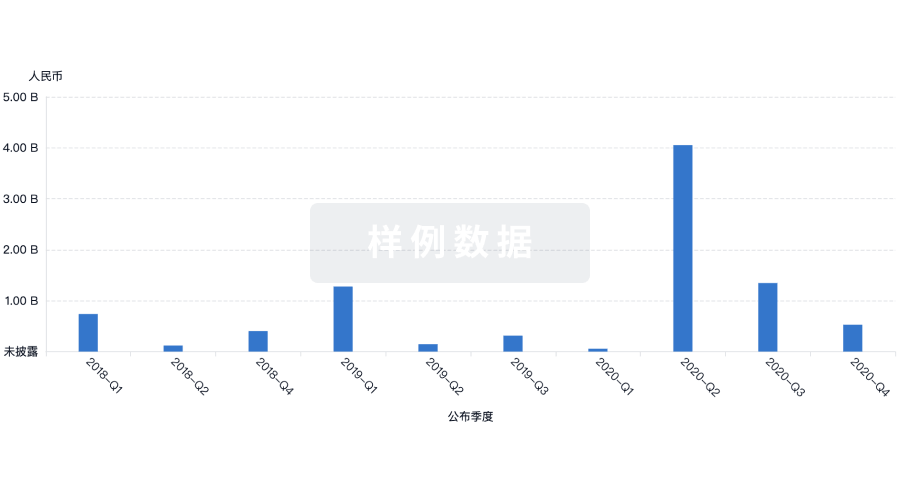
融资
发掘融资趋势以验证和推进您的投资机会。
登录
或
提出任何生物医药研究问题
让每一步生物医药决策都精准制胜
基于十亿级生物数据与全球情报的精准 AI,赋能早期药物发现
立即开始免费试用!
智慧芽新药情报库是智慧芽专为生命科学人士构建的基于AI的创新药情报平台,助您全方位提升您的研发与决策效率。
立即接入生物医药数据包
智慧芽新药库数据也通过智慧芽开放平台,以MCP或API服务形式对外开放。立即使用我们的MCP服务定制您的LLM智能体。
生物序列数据库
生物药研发创新
免费使用
化学结构数据库
小分子化药研发创新
免费使用