预约演示
更新于:2026-03-05
Warner Chilcott Ltd.
子公司|1996|Bermuda|
500-1,000
子公司|1996|Bermuda|
500-1,000
更新于:2026-03-05
概览
标签
心血管疾病
小分子化药

关联
2
项与 Warner Chilcott Ltd. 相关的药物靶点- |
作用机制 胰酶替代物 |
在研机构 |
原研机构 |
在研适应症 |
最高研发阶段批准上市 |
首次获批国家/地区 美国 |
首次获批日期2009-08-27 |
靶点 |
作用机制 ERs激动剂 [+1] |
最高研发阶段批准上市 |
首次获批国家/地区 美国 |
首次获批日期1973-04-30 |
61
项与 Warner Chilcott Ltd. 相关的临床试验NCT02670785
A Phase 2, Randomized, Multicenter, Double-blind, Vehicle-controlled Study to Evaluate Safety and Efficacy of Three Doses of Estradiol Vaginal Capsule in Postmenopausal Women With Vulvovaginal Atrophy
This study will access the safety and efficacy of three doses of estradiol vaginal capsules in postmenopausal women with vulvovaginal atrophy.
开始日期2016-02-15 |
申办/合作机构 |
NCT01939184
A Study to Assess the Safety and Efficacy of WC3055 in Men With Lower Urinary Tract Symptoms (LUTS) Secondary to Benign Prostatic Hyperplasia (BPH)
The purpose of this study is to evaluate the safety and efficacy of various fixed daily doses of WC3055 compared with placebo for the treatment of subjects with LUTS secondary to BPH.
开始日期2013-08-01 |
申办/合作机构 |
NCT01845649
A Randomized, Multicenter, Double-Blind, Vehicle-Controlled Study to Evaluate the Safety and Efficacy of WC3011 in Postmenopausal Women With Dyspareunia
The purpose of the study is to determine if WC3011 is safe and effective in treating the symptom of painful intercourse secondary to vulvovaginal atrophy as measured by participant self-assessment when compared to vehicle.
开始日期2013-04-12 |
申办/合作机构 |
100 项与 Warner Chilcott Ltd. 相关的临床结果
登录后查看更多信息
0 项与 Warner Chilcott Ltd. 相关的专利(医药)
登录后查看更多信息
3
项与 Warner Chilcott Ltd. 相关的文献(医药)2012-04-01·Journal of bone and mineral research : the official journal of the American Society for Bone and Mineral Research1区 · 医学
Influence of bone affinity on the skeletal distribution of fluorescently labeled bisphosphonates in vivo
1区 · 医学
Article
作者: McKenna, Charles E ; Stewart, Charlotte A ; Lundy, Mark W ; Sun, Shuting ; Roelofs, Anke J ; Rogers, Michael J ; Coxon, Fraser P ; Russell, R Graham G ; Błażewska, Katarzyna M ; Ebetino, Frank H ; Kashemirov, Boris A
Abstract:
Bisphosphonates are widely used antiresorptive drugs that bind to calcium. It has become evident that these drugs have differing affinities for bone mineral; however, it is unclear whether such differences affect their distribution on mineral surfaces. In this study, fluorescent conjugates of risedronate, and its lower-affinity analogues deoxy-risedronate and 3-PEHPC, were used to compare the localization of compounds with differing mineral affinities in vivo. Binding to dentine in vitro confirmed differences in mineral binding between compounds, which was influenced predominantly by the characteristics of the parent compound but also by the choice of fluorescent tag. In growing rats, all compounds preferentially bound to forming endocortical as opposed to resorbing periosteal surfaces in cortical bone, 1 day after administration. At resorbing surfaces, lower-affinity compounds showed preferential binding to resorption lacunae, whereas the highest-affinity compound showed more uniform labeling. At forming surfaces, penetration into the mineralizing osteoid was found to inversely correlate with mineral affinity. These differences in distribution at resorbing and forming surfaces were not observed at quiescent surfaces. Lower-affinity compounds also showed a relatively higher degree of labeling of osteocyte lacunar walls and labeled lacunae deeper within cortical bone, indicating increased penetration of the osteocyte canalicular network. Similar differences in mineralizing surface and osteocyte network penetration between high- and low-affinity compounds were evident 7 days after administration, with fluorescent conjugates at forming surfaces buried under a new layer of bone. Fluorescent compounds were incorporated into these areas of newly formed bone, indicating that “recycling” had occurred, albeit at very low levels. Taken together, these findings indicate that the bone mineral affinity of bisphosphonates is likely to influence their distribution within the skeleton. © 2012 American Society for Bone and Mineral Research.
1955-05-01·Journal of the American Chemical Society
The Decarboxylative Acylation of α-Substituted Acids
作者: King, John A. ; McMillan, Freeman H.
It was shown that the decarboxylative acylation of carboxylic acids having a suitable electron-attracting group in the α-position is a base-catalyzed condensation of an anhydride with the C:O group of the acylating agent.The scope and stoichiometry of the reaction have been further defined.Probable reaction sequences for the various acids undergoing the reaction are discussed.Me2C(NH2)CO2H (10.3 g.), 102. g. Ac2O, and 79 g. pyridine refluxed 6.5 hrs. and then distilled gave 4 fractions, b. 113-24°, 125-30°, 130-4°, and 134-8°, resp.CCl3CO2H (16.3 g.), 100 cc. Ac2O, and 100 cc. pyridine refluxed 2.5 hrs., the mixture distilled to 113°, the distillate extracted with three 10-cc. portions CH2Cl2, and the extract dried and fractionated gave 3.5 g. CHCl3, b. 56-60°, nD25 1.4403; the original pot residue neutralized with aqueous NaHCO3 and extracted with three 250-cc. portions CHCl3, and the extract dried and distilled gave no material boiling above 115° and left a negligible tarry residue.PhCH(NH2)CO2H (15.1 g.) and 100 cc. Ac2O refluxed 0.5 hr. and fractionated gave 3.0 g. distillate, b13 135-44°, and 3.2 g. distillate, b0.25 130-40°; the 1st fraction redistilled gave 1.5 g. 2,5-dimethyl-4-phenyloxazole, b0.2 68-84°, nD25 1.5500; HCl salt, m. 159-60° (from EtOH); picrate, m. 130-1° (from 95% EtOH); the higher boiling, more viscous fraction was AcNHCHPhAc, m. 98.5-9.5°.N-Benzoyl-DL-alanine (I) (19.3 g.), 100 cc. Ac2O, and 100 cc. pyridine refluxed until the CO2 evolution ceased, the excess reagents distilled off, and the pot residue recrystallized from CCl4-Skellysolve B gave 16.1 g. BzNHCHMeAc (II), m. 69-70°.I (19.3 g.), 20.4 g. Ac2O, and 100 cc. pyridine refluxed 40 min. (2040 cc. CO2 was evolved), the mixture distilled at 40 cc. from a bath below 120°, the head, condenser, and receiver rinsed with pyridine, the combined rinsings and distillate treated with 18.0 g. PhNH2, the mixture evaporated in vacuo on the steam bath, and the residue treated with 50 cc. H2O, acidified with HCl, and chilled gave 12.9 g. PhNHAc, m. 108-9°; the pot residue distilled gave 18.1 g. II, b0.15 105-16°, which crystallized in the receiver.I was converted by the method of Mohr and Stroschein (C.A. 3, 2579) to 84% 2-phenyl-4-methyl-oxazolin-5-one (III), b0.2 90-2°, nD25 1.5486.III (18.8 g.), 3.0 g. AcOH, and 50 cc. pyridine refluxed 2 hrs. and the mixture fractionated gave 9.2 g. II, b0.2 110-17°, and a lower boiling fraction, b35-40 up to 60°; the 1st fraction treated with 5.4 g. PhNH2, the mixture evaporated on the steam bath in vacuo, and the residue treated with dilute HCl and chilled gave 1.98 g. PhNHAc, m. 108-10°.The same amounts III, AcOH, and pyridine refluxed 1.5 hrs. with 5.2 g. Ac2O, and the product worked up with 10.24 g. PhNH2 gave 5.78 g. PhNHAc, m. 108-11°, and 9.2 g. II b0.2-0.3 123-5°.III (8.8 g.), 3.00 cc. AcOH, and 50 cc. pyridine refluxed 3 hrs. (760 cc. CO2 was evolved) and the mixture fractionated gave a small amount BzOH, m. 118-19°, and 7.1 g. II, b0.1-0.2 119-25°, m. 62-4.5°.PhCH2(Me)NCH2CO2H (17.9 g.), 100 cc. Ac2O, and 100 cc. pyridine refluxed about 5 hrs. until the CO2 evolution ceased (2400 cc. CO2 was evolved), and the mixture distilled gave 14.5 g. distillate, b0.4-0.5 114-21°, which fractionated yielded 3 fractions: 2.2 g., b0.1 97-9°; 7.8 g. b0.1 97-9°; and 1.0 g., b0.1 99-105°; the 2nd fraction, m. 42.5-44°, was AcNMeCH2Ph.In a similar run the reaction mixture fractionated at. atm. pressure could not be distilled up to 113°; Me2CO was thus not formed in the reaction.
1953-05-01·Journal of the American Chemical Society
The Resolution of Parsidol
作者: McMillan, Freeman H. ; Genzer, Jerome D. ; Lewis, Mary N. ; King, John A.
The optical isomers of 10-(2-diethylaminopropyl)phenothiazine (Parsidol and other trade names) were resolved for pharmacol. studies and clin. evaluation in Parkinsonism.The dl-base was resolved with d-tartaric acid in PrOH from which the d-base d-bitartrate crystallized more readily than did the l-base d-bitartrate.Comparative toxicity determinations of all the salts were made and evaluated statistically.Toxic symptoms following i.v. injection in mice were essentially the same for the dl-, d-, and l-base HCl salts and for the d- and l-bitartrates.The L.D.50 for mice was the same for the dl-, d-, and l-base HCl salts, but the d- and l-base d-bitartrates were less toxic; in terms of the free base, only the d-base d-bitartrate was significantly less toxic.The l-base has about twice the nicotinolytic activity of the d-base as the corresponding salt.For the compounds studied, the m.p. (uncorrected) and [α]D25 are: dl-bitartrate, 135-8°, about 7-8° (c 8, water); d-bitartrate, 156-8°, -4.6°, (c 8, water); l-bitartrate-2H2O, 93-5°, 19° (c 1, water); dl-base, oil, -; d-base, oil, 16.7° (c 4, EtOH); l-base, oil, -16.7° (c 4, EtOH); dl-HCl salt, 220-5°, -; d-HCl salt, 203-10°, 1° (c 6, EtOH); l-HCl salt, 203-10°, -1° (c 6, EtOH).
3
项与 Warner Chilcott Ltd. 相关的新闻(医药)2020-03-18
The consent decree, including the proposed purchasers, remains subject to further review and approval by the Commissioners of the FTC.
AbbVie
and
Allergan
are closer to completing the
$63 billion merger
of the two companies. On Tuesday, the companies announced they entered into a
consent decree agreement
with the Federal Trade Commission that commits them to a
previously announced divestiture
of products ahead of the merger.
Late Tuesday, AbbVie ad Allergan said they signed the agreement with the FTC confirming the sale of products to AstraZeneca and Nestle. In January, AbbVie and Allergan announced they planned to divest brazikumab, an investigational IL-23 inhibitor, to AstraZeneca and Zenpep, a treatment for exocrine pancreatic insufficiency due to cystic fibrosis and other conditions, to Nestle. Additionally, Nestle will also acquire Viokace, another pancreatic enzyme preparation as part of the deal.
Under the terms announced in January, AstraZeneca would regain the global rights to brazikumab. The two companies had a licensing agreement for the IL-23 inhibitor, but in order to meet the demands of regulators over concerns of a monopoly, the companies terminated that licensing agreement, which causes the drug to revert back to AstraZeneca. Brazikumab is in Phase IIb/II development for Crohn’s Disease and in Phase II development for ulcerative colitis. Mene Pangalos, head of BioPharmaceuticals R&D at AstraZeneca, said at the time the deal was announced that the company was pleased to have the asset back in its fold to support its expanding presence in immunology.
hbspt.cta.load(4413123, '92ebc33d-a4a8-4c10-b41e-a52c39dc69ea', {});
Greg Behar, chief executive officer of Nestlé Health Science, said that the acquisition of Zenpep is a strategic decision that will enhance the company’s growing medical nutrition portfolio.
When the divestiture was announced in January, financial deals were not disclosed, but analysts pegged the value at about $1 billion.
The consent decree, including the proposed purchasers, remains subject to further review and approval by the Commissioners of the FTC. Earlier this month, the European Commission
gave the green light
to the merger agreement. The EC’s support of the deal was contingent on the divestiture of these assets. The two companies anticipate closing the deal in May 2020.
While the companies are looking toward May to finalize the merger, some consumer groups have been vocal in their criticism of the two companies joining forces. The
groups opposed to the merger
of the companies have raised concerns over the creation of a monopoly that will stifle competition in the immunology market. The argument centers on brazikumab. The organizations argue that even with the divestiture of brazikumab, AbbVie and its powerhouse asset Humira dominate the immunology market through “a variety of exclusionary tactics to hamper rivals.” Even though the company has divested a potential rival to Humira to AstraZeneca, there is a chance that the drug, which is still in clinical trials, could fail and never make it to market as an alternative treatment.
临床2期引进/卖出并购
2020-01-27
As AbbVie and Allergan near completion of the $63 billion merger, the two companies are shedding some assets in order to meet demands of regulators over concerns of a monopoly.
As
AbbVie
and
Allergan
near completion of the
$63 billion merger
, the two companies are shedding some assets in order to meet demands of regulators over concerns of a monopoly.
This morning, AbbVie and Allergan announced plans to
divest two assets
, one to AstraZeneca and one to Nestle. U.K.-based AstraZeneca will regain the global rights to brazikumab, an investigational IL-23 inhibitor currently in Phase IIb/II development for Crohn’s Disease and in Phase II development for ulcerative colitis. The two companies have terminated their existing licensing agreement ahead of the merger, which brings all rights back to AstraZeneca.
“We’re pleased to
bring brazikumab back
into the AstraZeneca pipeline. With our expanding presence in immunology, there is an opportunity to address a significant unmet need in inflammatory bowel diseases where the majority of patients are unable to achieve clinical remission with current treatment options,” Mene Pangalos, head of BioPharmaceuticals R&D at AstraZeneca said in a statement.
Nestle will acquire Zenpep (pancrelipase), a treatment for exocrine pancreatic insufficiency due to cystic fibrosis and other conditions. Nestle will also acquire Viokace, another pancreatic enzyme preparation, as part of the same transaction, the companies said. Greg Behar, chief executive officer of Nestlé Health Science, said that the acquisition of Zenpep is a strategic decision that will enhance the company’s growing medical nutrition portfolio.
hbspt.cta.load(4413123, '92ebc33d-a4a8-4c10-b41e-a52c39dc69ea', {});
“This is a significant opportunity for our business in the United States to add a complementary product to our existing range of nutrition products that support food ingestion, digestion and absorption. We have extensive experience in Zenpep’s therapeutic areas of digestive diseases through our medical nutrition business and will leverage those capabilities as we grow this new business,” Behar said in a
statement
.
Financial details of the divestiture were not disclosed in the announcement, but analysts told
Reuters
that the
sale is worth more than $1 billion
. Zenpep, the asset acquired by Switzerland-based Nestle, had sales of $237 million in 2018,
Reuters
noted.
Richard A. Gonzales, chairman and chief executive officer of AbbVie, said the agreements with Nestle and AstraZeneca represent a “significant progress” toward the completion of the company’s acquisition of Allergan, which he had described as “transformational” when the deal was first announced in June 2019. The combined companies will have several strong franchises across immunology, hematologic oncology, medical aesthetics, neuroscience, women’s health, eye care and virology. Gonzales said the combined companies will be “well-positioned” to continue providing a broad portfolio of innovative therapies to patients.
The closings of the acquisitions of brazikumab and Zenpep are contingent upon receipt of U.S. Federal Trade Commission and European Commission approval, closing of AbbVie’s pending acquisition of Allergan and the satisfaction of other customary closing conditions, the companies said. On Jan. 10, AbbVie and Allergan received conditional approval of the transaction by the European Commission, subject to the approved divestiture of brazikumab and other conditions. The merger is expected to be finalized sometime in the first quarter of 2020.
Selling off assets to meet regulatory demands ahead of the merger of companies of significant size is not uncommon. Before merging with Bristol-Myers Squibb, Celgene
sold off
its psoriasis and psoriatic arthritis drug Otezla to Amgen for $13.4 billion.
“Today, we move another step closer to completing AbbVie’s acquisition of Allergan. Allergan’s commercial and R&D teams have invested so much of themselves into the development of brazikumab and the commercialization of Zenpep, and these divestiture agreements will enable that work to continue following the close of our planned acquisition,” said Brent Saunders, chairman and CEO of Allergan.
Earlier this month, AbbVie and Allergan announced plans or a new, stand-alone company called
Allergan Aesthetics
that will include Allergan’s blockbuster aesthetics treatment Botox as a tent pole.
并购临床2期引进/卖出
2008-03-17
ST. DAVID'S, Bermuda, March 14 /PRNewswire-FirstCall/ -- It is with a profound sense of loss that Warner Chilcott Limited reports today that Mr. James G. Andress, a director of the Company, died on Tuesday, March 11, 2008.
Roger Boissonneault, Chief Executive Officer, President and Director of Warner Chilcott Limited, issued the following statement:
"We report the loss of Jim Andress with great sadness. Jim was instrumental in the development of this Company. His thoughtful guidance and counsel will be sorely missed. Our deepest sympathies go out to Jim's family."
Mr. Andress was appointed to the Company's board of directors in August of 2006, and at the time of his passing he also served as the co-chairman of the audit committee of the board of directors. Mr. Andress was a former Chairman of the Pharmaceuticals Group, Beecham Group, plc, former Chairman, Healthcare Products and Services of SmithKline Beecham, plc and former President and Chief Operating Officer of Sterling Drug, Inc. From 1996 to 2000, Mr. Andress served as Chairman and Chief Executive Officer of Warner Chilcott PLC (acquired by the Company's predecessor in September 2000). Mr. Andress also served on the board of directors of Sepracor, Inc., XOMA Ltd. and Allstate Insurance Company.
About Warner Chilcott
Warner Chilcott is a leading specialty pharmaceutical company currently focused on the women's healthcare and dermatology segments of the U.S. pharmaceuticals market. We are a fully integrated company with internal resources dedicated to the development, manufacturing and promotion of our products. WCRX-G
Read more on
CONTACT: Rochelle Fuhrmann, Investor Relations, +1-973-442-3281, or
rfuhrmann@wcrx.com, Warner Chilcott Limited
Web site:
100 项与 Warner Chilcott Ltd. 相关的药物交易
登录后查看更多信息
100 项与 Warner Chilcott Ltd. 相关的转化医学
登录后查看更多信息
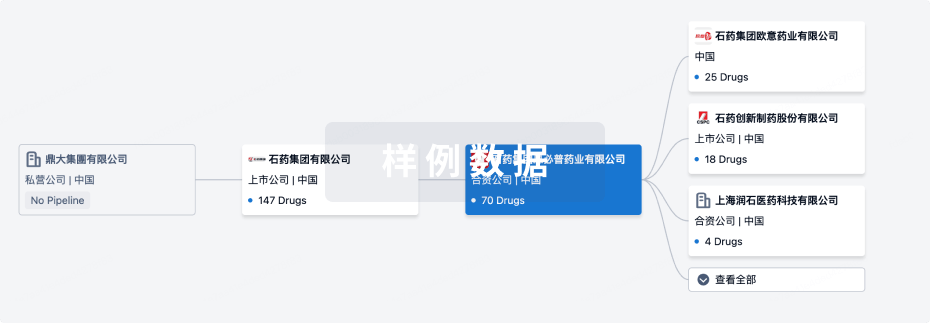
组织架构
使用我们的机构树数据加速您的研究。
登录
或
管线布局
2026年10月17日管线快照
管线布局中药物为当前组织机构及其子机构作为药物机构进行统计,早期临床1期并入临床1期,临床1/2期并入临床2期,临床2/3期并入临床3期
批准上市
2
10
其他
登录后查看更多信息
当前项目
| 药物(靶点) | 适应症 | 全球最高研发状态 |
|---|---|---|
醋酸炔诺酮/炔雌醇 ( ER x PR ) | 血管舒缩症 更多 | 批准上市 |
胰脂肪酶(Eurand) | 胰腺外分泌功能不全 更多 | 批准上市 |
睾酮 ( AR ) | 心理性性功能障碍 更多 | 撤市 |
美沙拉嗪 ( PP2A ) | 溃疡性结肠炎 更多 | 终止 |
氢溴酸达非那新 ( M3 receptor ) | 神经源性逼尿肌过度活动 更多 | 终止 |
登录后查看更多信息
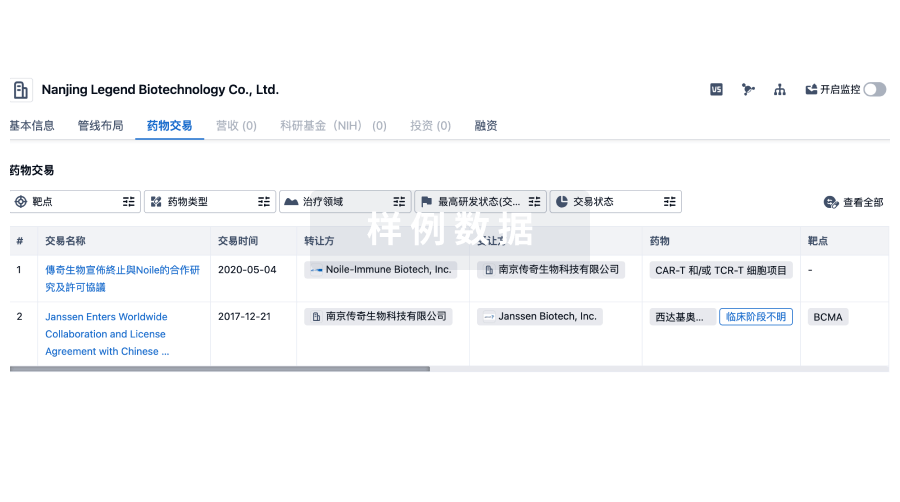
药物交易
使用我们的药物交易数据加速您的研究。
登录
或
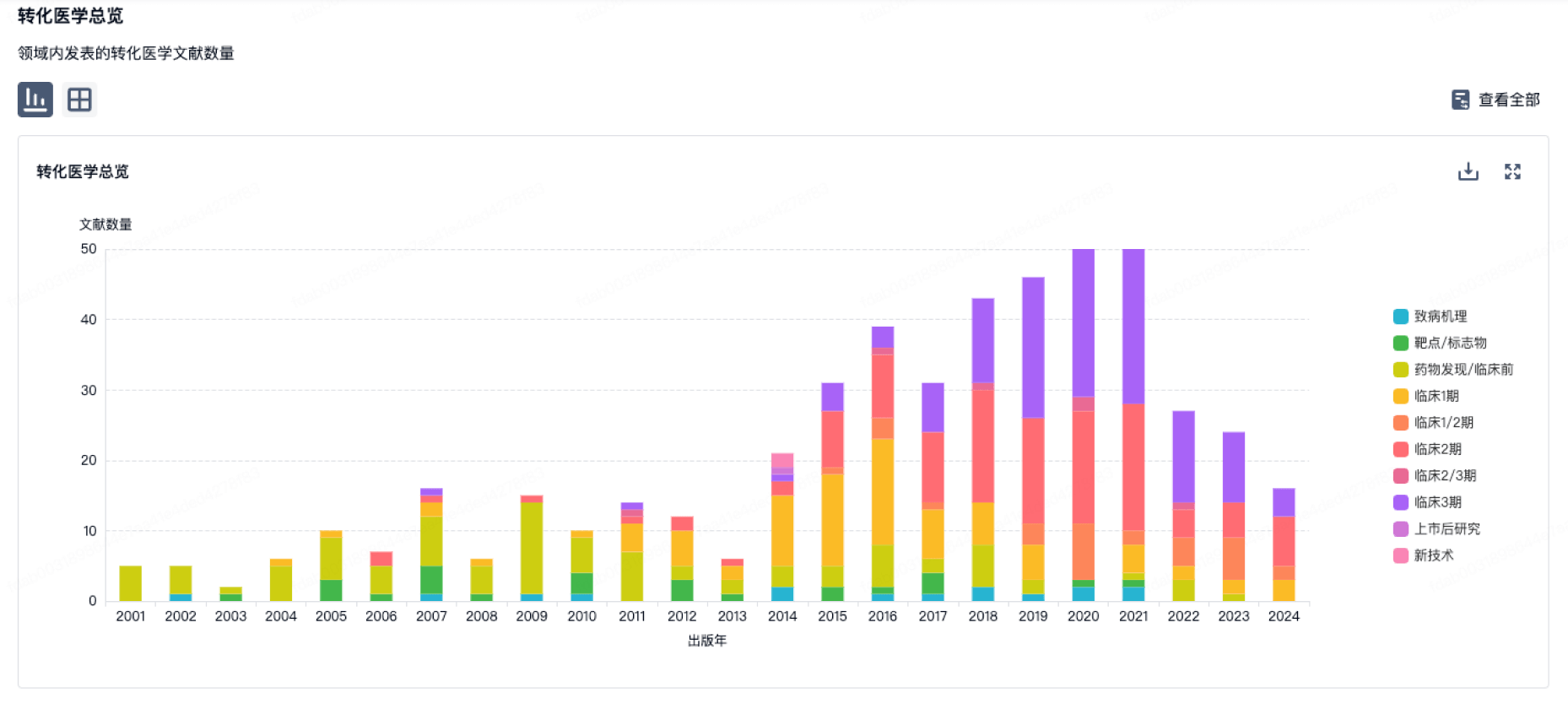
转化医学
使用我们的转化医学数据加速您的研究。
登录
或
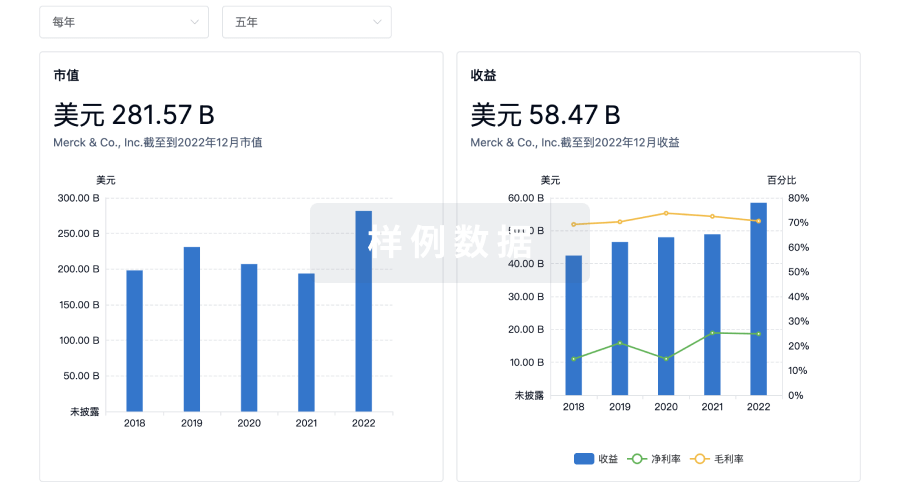
营收
使用 Synapse 探索超过 36 万个组织的财务状况。
登录
或
科研基金(NIH)
访问超过 200 万项资助和基金信息,以提升您的研究之旅。
登录
或
投资
深入了解从初创企业到成熟企业的最新公司投资动态。
登录
或
融资
发掘融资趋势以验证和推进您的投资机会。
登录
或
提出任何生物医药研究问题
让每一步生物医药决策都精准制胜
基于十亿级生物数据与全球情报的精准 AI,赋能早期药物发现
立即开始免费试用!
智慧芽新药情报库是智慧芽专为生命科学人士构建的基于AI的创新药情报平台,助您全方位提升您的研发与决策效率。
立即接入生物医药数据包
智慧芽新药库数据也通过智慧芽开放平台,以MCP或API服务形式对外开放。立即使用我们的MCP服务定制您的LLM智能体。
生物序列数据库
生物药研发创新
免费使用
化学结构数据库
小分子化药研发创新
免费使用