预约演示
更新于:2026-07-27

A.Menarini Industrie Farmaceutiche Riunite Srl
更新于:2026-07-27
概览
标签
皮肤和肌肉骨骼疾病
心血管疾病
感染
小分子化药
糖肽抗生素
环肽药物
疾病领域得分
一眼洞穿机构专注的疾病领域

暂无数据
技术平台
公司药物应用最多的技术
暂无数据
靶点
公司最常开发的靶点
暂无数据
| 排名前五的药物类型 | 数量 |
|---|---|
| 小分子化药 | 31 |
| 生物药 | 1 |
| ADC | 1 |
| 治疗性疫苗 | 1 |
| 糖肽抗生素 | 1 |
关联
36
项与 A.Menarini Industrie Farmaceutiche Riunite Srl 相关的药物靶点 |
作用机制 ERα拮抗剂 |
原研机构 |
最高研发阶段批准上市 |
首次获批国家/地区 美国 |
首次获批日期2023-01-27 |
作用机制 ACADS inhibitors [+1] |
非在研适应症 |
最高研发阶段批准上市 |
首次获批国家/地区 美国 |
首次获批日期2019-07-03 |

靶点 |
作用机制 CD123抑制剂 |
在研适应症 |
非在研适应症 |
最高研发阶段批准上市 |
首次获批国家/地区 美国 |
首次获批日期2018-12-21 |


168
项与 A.Menarini Industrie Farmaceutiche Riunite Srl 相关的临床试验NCT07634601
A Phase II Study of Elacestrant, an Oral Selective Estrogen Receptor Degrader (SERD) Combined With Everolimus in Patients With Recurrent or Metastatic ER-Positive (ER+) Endometrial Cancer (ELAVERA)
This phase II trial tests how well elacestrant with everolimus works for the treatment of estrogen receptor (ER) positive endometrial cancer that has come back after a period of improvement (recurrent), that may have spread from where it first started to nearby tissue, lymph nodes, or distant parts of the body (advanced) or that has spread from where it first started (primary site) to other places in the body (metastatic). Estrogen can cause the growth of cancer cells. Elacestrant lowers the amount of estrogen made by the body. This may help stop the growth of cancer cells that need estrogen to grow. Everolimus is in a class of medications called kinase inhibitors. It is also a type of angiogenesis inhibitor. Everolimus works by stopping cancer cells from reproducing and by decreasing blood supply to the cancer cells. Giving elacestrant with everolimus may be effective for treating patients with recurrent, advanced or metastatic ER positive endometrial cancer.
开始日期2026-12-18 |
申办/合作机构 |
NCT07563595
Elacestrant in Patients With ER+ HER2- ESR1-mutated Locally Advanced or Metastatic Breast Cancer: a Multicenter, National, Prospective Non-interventional Study
The objective of this non-interventional study (NIS) is to evaluate prevalence of ESR1 mutation after endocrine therapy in the palliative setting, quality of life, tolerability, and safety and to describe treatment detail and adverse event (AE) management in postmenopausal women with locally advanced and/or metastatic ER+ HER2- ESR1-mutated breast cancer and second line treatment with elacestrant according to SmPC (Summary of product characteristics) in a real-world setting.
开始日期2026-06-19 |
申办/合作机构 IOMEDICO AG [+1] |
JPRN-jRCT2071260044
A Phase 2 Open-Label, Single-Arm, Multicenter Trial to Evaluate the Efficacy and Safety of Elacestrant Monotherapy for the Treatment of Japanese Participants with ER+/HER2- Advanced or Metastatic Breast Cancer with ESR1-mutation Following CDK4/6 Inhibitor Therapy
开始日期2026-05-07 |
申办/合作机构 |
100 项与 A.Menarini Industrie Farmaceutiche Riunite Srl 相关的临床结果
登录后查看更多信息
0 项与 A.Menarini Industrie Farmaceutiche Riunite Srl 相关的专利(医药)
登录后查看更多信息
202
项与 A.Menarini Industrie Farmaceutiche Riunite Srl 相关的文献(医药)2026-04-16·Leukemia & Lymphoma
Durable post-transplant survival after first-line tagraxofusp for blastic plasmacytoid dendritic cell neoplasm
Article
作者: Rizzieri, David A. ; Stein, Anthony S. ; Lane, Andrew A. ; Pemmaraju, Naveen ; Wang, Eunice S. ; Vasu, Sumithira ; Qazilbash, Muzaffar ; Gupta, Ira ; Konopleva, Marina
2026-03-26·Cureus Journal of Medical Science
Safety and Tolerability of Edoxaban in Filipino Patients With Non-valvular Atrial Fibrillation: A Pilot Post-marketing Surveillance Study
作者: Santos, Augusto Gabriel V ; Bernan, Alisa P
[This corrects the article DOI: 10.7759/cureus.104713.].
2025-12-06·Leukemia & Lymphoma
Optimizing capillary leak syndrome prevention and management in patients receiving tagraxofusp for blastic plasmacytoid dendritic cell neoplasm
Review
作者: McCloskey, James ; Nagarwala, Yasir ; Montesinos, Pau ; Papayannidis, Cristina ; Schiller, Gary J. ; Pemmaraju, Naveen ; Mannis, Gabriel ; Herling, Marco ; Lane, Andrew A. ; de la Fuente Burguera, Adolfo ; Angelucci, Emanuele
Blastic plasmacytoid dendritic cell neoplasm (BPDCN) is an aggressive, orphan hematologic malignancy characterized by cells expressing CD123 and other markers. The only drug approved for BPDCN is tagraxofusp, a first-in-class CD123-targeted therapy. Tagraxofusp has a boxed warning for capillary leak syndrome (CLS) in the US prescribing information. CLS symptoms include hypoalbuminemia, weight gain, edema, and in severe cases, hypotension and hemodynamic instability. In the tagraxofusp registrational trial, 21% of patients receiving 12 µg/kg/day developed CLS. Most events were grade 2; higher grade CLS events including 2% grade 3, 2% grade 4, and two deaths occurred. During tagraxofusp treatment, strict monitoring for early recognition of CLS symptoms and directed intervention is essential for managing CLS; with this approach CLS is typically mild and occurs mostly in cycle 1, without recurrence. We discuss patient selection and optimization, monitoring, and early intervention for successful identification and optimized management of CLS in real-world practice.
1,337
项与 A.Menarini Industrie Farmaceutiche Riunite Srl 相关的新闻(医药)2026-07-27
ROCKVILLE, Md., July 24, 2026
(GLOBE NEWSWIRE)
-- NovaBridge Biosciences (Nasdaq: NBP) (“NovaBridge” or the “Company”), a clinical-stage biopharmaceutical company advancing innovative medicines for areas of significant unmet need, today announced that it will hold its annual general meeting of shareholders (the “AGM”) at NovaBridge Biosciences Shanghai office, 38F, AIA Tower, No. 866 Dongchangzhi Road, Shanghai, China on September 8, 2026 at 10:00 a.m. (Shanghai time).
Holders of record of ordinary shares of a par value of US$0.0001 each of the Company at the close of business on July 27, 2026 (Shanghai time) are entitled to notice of, to attend and to vote at, the AGM or any adjournment(s) or postponement(s) thereof. Holders of the Company’s American depositary shares (“ADSs”) as of the close of business on July 27, 2026 (New York time) who wish to exercise their voting rights for the underlying ordinary shares must act through the depositary of the Company’s ADSs, Citibank, N.A.
The Notice of AGM, which sets forth the resolution to be submitted to shareholder approval at the AGM, and the form of proxy for the AGM are available on the Company’s website at
.
The Company has filed its annual report on Form 20-F (as amended by Amendment No. 1 to the annual report on Form 20-F, the “Annual Report”), including its audited financial statements, for the fiscal year ended December 31, 2025, with the U.S. Securities and Exchange Commission (“SEC”). The Annual Report can be accessed on the Company’s website at as well as on the SEC’s website at
.
ezstandalone.cmd.push(function () {
ezstandalone.showAds(131);
});
About NovaBridge Biosciences
NovaBridge is a clinical-stage biopharmaceutical company advancing innovative medicines for areas of significant unmet need. The Company combines deep business development expertise with agile translational clinical development to identify, accelerate, and advance breakthrough assets, enabling transformative therapies to progress rapidly from discovery toward patients in need.
The Company’s differentiated pipeline is led by givastomig, a potential first-in-class Claudin 18.2-Targeted Immuno Amplifier (CTIA) — a Claudin 18.2 × 4-1BB bispecific antibody — and VIS-101, a purpose-designed, potential best-in-class dual VEGF-A × ANG-2 inhibitor.
Givastomig conditionally activates T cells via the 4-1BB signaling pathway in the tumor microenvironment where Claudin 18.2 is expressed, and is being developed to treat Claudin 18.2-positive gastric cancer and other gastrointestinal malignancies. It is being evaluated in a global, randomized Phase 2 study, following positive topline results from a Phase 1b, multicenter, open-label study in first-line gastric cancer. NovaBridge is also collaborating with its partner, ABL Bio, on ragistomig, a bispecific antibody combining PD-L1 as a tumor engager with 4-1BB as a conditional T-cell activator, in solid tumors. In addition, NovaBridge holds worldwide rights outside of China to uliledlimab, an anti-CD73 antibody targeting adenosine-driven immunosuppression in cancer.
VIS-101 targets VEGF-A and ANG-2 to provide more rapid, robust, and durable treatment responses for patients with retinal vascular diseases, including wet age-related macular degeneration, diabetic macular edema, and retinal vein occlusion. It has completed a randomized, dose-ranging Phase 2a study in wet AMD and expects to initiate a dose-determining Phase 2b study in the second half of 2026. NovaBridge is the majority shareholder of Visara, Inc., which controls global rights to VIS-101 outside of Greater China and certain countries in Asia.
For more information, visit
and follow NovaBridge on LinkedIn.
Forward-Looking Statements
This announcement contains forward-looking statements. These statements are made under the “safe harbor” provisions of the U.S. Private Securities Litigation Reform Act of 1995. These forward-looking statements can be identified by terminology such as “will,” “expects,” “believes,” “designed to,” “anticipates,” “future,” “intends,” “plans,” “potential,” “estimates,” “confident,” “look forward” and similar terms or the negative thereof. NovaBridge may also make written or oral forward-looking statements in its periodic reports to the SEC, in its annual report to shareholders, in press releases and other written materials and in oral statements made by its officers, directors or employees to third parties. Statements that are not historical facts, including statements about the Company’s beliefs and expectations, are forward-looking statements. Forward-looking statements in this press release include, without limitation, statements regarding: the Company’s expectations regarding the AGM; the strategic and clinical development of the Company’s drug candidates, including givastomig, VIS-101, ragistomig, and uliledlimab; the potential for these product candidates to receive regulatory approval from the FDA or equivalent foreign regulatory agencies, and whether, if approved, these product candidates will be successfully distributed and marketed and the potential market opportunity for these product candidates; and anticipated clinical milestones and results, and related timing. Forward-looking statements involve inherent risks and uncertainties that may cause actual results to differ materially from those contained in these forward-looking statements, including but not limited to the following: the Company’s ability to demonstrate the safety and efficacy of its drug candidates; the clinical results for its drug candidates, which may or may not support further development or New Drug Application/Biologics License Application (NDA/BLA) approval or eligibility for or achievement of Accelerated Approval Pathway; the content and timing of decisions made by the relevant regulatory authorities, including the FDA, regarding regulatory approval of the Company’s drug candidates; the Company’s ability to achieve commercial success for its drug candidates, if approved; the Company’s ability to obtain and maintain protection of intellectual property for its technology and drugs; the Company’s reliance on third parties to conduct drug development, manufacturing and other services; the Company’s limited operating history and the Company’s ability to obtain additional funding for operations and to complete the development and commercialization of its drug candidates; the impact of macroeconomic conditions, including inflation, tariffs, volatile interest rates, regulatory uncertainty, potential government shutdowns, volatility in the capital markets, and regional and other global events, including ongoing armed conflicts in different regions of the world; and those risks more fully discussed in the “Risk Factors” section in the Company’s annual report on Form 20-F filed with the SEC on April 7, 2026 as well as the discussions of potential risks, uncertainties, and other important factors in the Company’s subsequent filings with the SEC. All forward-looking statements are based on information currently available to the Company. The Company undertakes no obligation to publicly update or revise any forward-looking statements, whether as a result of new information, future events, or otherwise, except as may be required by law.
NovaBridge Investor & Media Contacts
NovaBridge Biosciences
+1-240-745-6330
IR@novabridge.com
Bill Begien, VP, Investor Relations
bill.begien@novabridge.com
Jessica Zhang, Director, Public Relations
jessica.zhang@novabridge.com
临床2期免疫疗法
2026-07-26
·同写意
日本医药市场发展成熟,基于日本具有与我国地理相近性、病种相似性以及日本当地药品定价高等优势1,相较于其他地区,日本作为全球第三大医药市场,具有完善的医疗保障体系、较高的人均医疗支出以及对创新药较强的支付意愿2,因此,在全球医药产业格局中具有重要地位。近年来,越来越多中国医药企业将日本及韩国视为重要的出海目的地,例如,海和药物两款药物MET抑制剂谷美替尼片和甲磺酸瑞索利塞片分别于2024年6月及2026年3月获得日本厚生劳动省批准上市3;又如,复宏汉霖通过设立全资日本子公司的形式发展日本市场,并已于2026年2月获得由东京都颁发的第一类医药品制造销售业许可证4。
对于中国医药企业而言,日本不仅意味着具有潜力的商业化市场,也代表着进入全球高标准监管体系的重要节点。然而,日本医药监管制度成熟且要求严格,在药品注册审批、生产质量管理、技术引进、数据保护及投资监管等方面均设有较为完善的法律框架。企业在进入日本市场前,需要系统理解相关监管要求并进行充分的合规规划,以在实现市场拓展的同时有效控制法律风险。
本文作为“医药企业出海实务系列文章”之十,将聚焦日本市场准入需关注的外商投资限制、数据跨境监管、技术进口等合规重点领域以及人用药品的全生命周期监管合规要点,旨在为中国医药企业出海日本提供法律合规相关参考。
TONACEA
01
日本人用药品准入宏观法律风险要点总结
(一)
涉及药品的外商投资限制主要规定和合规要点
日本的外商投资准入制度主要通过《外汇及外国贸易法》(“《外汇法》”)及其各项行政令(以下合称“外汇法”)加以规定。
1
“外商”及“对内直接投资”等的定义
《外汇法》第26条针对“外商”、“对内直接投资”及“特定取得”作出了定义:
2
监管方式
对于对内直接投资和特定取得,日本主要采用事前申报与事后报告结合的监管方式5。对于涉及国家安全、公共秩序、公众安全、因日本国情而受到限制的部分行业的对内直接投资或特定取得,应进行事前申报,其他对内直接投资原则上应进行事后报告,其他特定取得行为则不需要进行事后报告。
3
需要事前申报的产业及豁免
(1)事前申报产业
日本《外汇法》等相关规定针对以下产业提出需要履行事前申报的要求,对应的产业类型及其具体内容如下表所示:
此外,根据日本经济产业省等主管部门对内直接投资需事前申报行业的追加等事项发布的相关公告8,若疫苗产品被归入“病原生物医药品”类别,则其生产和销售活动也可能被认定为核心产业,从而需适用《外汇法》等相关规定的事前申报要求。
因此,在医药领域,尤其是涉及疫苗、传染病相关药品或高风险医疗器械的投资项目,外国投资者通常需要履行事前申报义务。
(2)事前申报豁免制度
同时,日本在外商投资领域建立了事前申报豁免制度,在遵守不参与目标公司实际经营管理、不接触非公开技术信息等豁免标准、追加标准的前提下,可以豁免事前申报手续,主要分为面向外国金融机构的“总括性豁免”9及面向其他投资者的“一般豁免”10。
而对于中国医药企业而言,出海日本通常以开展生产、研发或销售等实质性经营活动为目的,故可能无法避免需要参与公司治理或接触技术与产品信息。因此,在实践中较难满足事前申报手续的豁免条件,相关投资项目通常仍需履行事前申报程序。
综上而言,日本通过降低上市公司投资申报门槛、扩大指定产业及核心产业范围等方式,加强了对外商投资的安全审查。在生物医药领域,涉及传染病相关药品、生物制剂及高度管制医疗器械等业务的投资,较可能被认定为指定产业或核心产业,从而需要履行事前申报程序。同时,由于医药企业出海通常以开展研发、生产或销售等实质性经营活动为目的,较难满足事前申报手续的豁免条件,因此相关投资项目在实践中通常需要重点关注外汇法项下的申报与审查要求,并履行对应的申报等相关手续。
(二)
患者和医疗数据跨境监管主要规定以及合规要点
1
主要规定及主管机关
日本个人信息保护及数据跨境传输主要由《个人信息保护法》及其相关施行令、施行规则予以规制。在《个人信息保护法》层面,日本设立了个人信息保护委员会,以确保个人信息得到妥善处理,以保护个人的权利和利益,同时考虑个人信息的效用11。
2
适用范围
根据《个人信息保护法》第16条,“个人信息处理业务经营者”是指为商业目的提供个人信息数据库等的实体。对于在日本开展研发、生产、销售或临床试验等业务的医药企业而言,如在业务过程中收集、存储或使用患者信息、受试者信息或员工信息等个人信息数据,则该等行为通常亦会落入该法的适用对象。
3
合规要点
(1)目的限制和通知义务
根据《个人信息保护法》第17、18及21条,个人信息处理经营者在处理个人信息时,应当遵循利用目的特定原则和利用目的限制原则。
基于上述规定,个人信息处理经营者在收集和处理个人信息时,应当尽可能具体地确定并告知个人信息的利用目的。若个人信息处理经营者通过合同、申请表或其他书面形式直接从个人处取得个人信息,则应当事先明确告知利用目的。同时,在未经本人事先同意的情况下,个人信息处理经营者不得将个人信息用于实现既定利用目的所必需范围以外的用途。当利用目的发生变更时,个人信息处理经营者应当及时向信息主体进行通知或公开。
(2)跨境传输
根据《个人信息保护法》第28条的规定,个人信息处理经营者在向境外第三方提供个人数据时,需要满足一定的合规条件。总体而言,跨境数据提供主要存在三种合法路径:
• 个人信息处理经营者可在取得信息主体同意的基础上向境外第三方提供个人数据。在此情况下,企业在取得同意之前,应当向信息主体提供必要信息,例如接收国家或地区的个人信息保护制度、境外接收方采取的个人信息保护措施等,以便信息主体能够据此作出判断。
• 如个人数据被提供至被认定为具有与日本相当个人信息保护水平的国家或地区,则个人信息处理经营者可以在无需取得信息主体同意的情况下进行跨境提供。具体而言,从日本向英国及欧盟在内的共计31个国家转移个人数据时,不需要事先取得日本个人信息主体的同意12。
• 如果境外接收方已经建立符合监管要求的个人信息保护措施,例如通过合同安排或取得亚太经合组织(Asia-Pacific Economic Cooperation, “APEC”)跨境隐私规则体系(Cross Border Privacy Rules, “CBPR”)认证13等确保其持续采取与日本法律要求相当的数据保护措施,则个人信息处理经营者也可以在不取得信息主体同意的情况下进行跨境数据传输。但在此情况下,个人信息处理经营者仍需采取必要措施确保相关保护措施持续有效,并在信息主体提出请求时向其说明相关情况。
对于中国医药企业而言,在日本开展临床试验、药物研发合作或数据分析等业务时,可能涉及患者信息、受试者数据或员工信息等个人信息数据的跨境传输。因此,在将相关个人信息数据提供给日本境外关联公司、研发机构或数据处理服务商时,应重点关注《个人信息保护法》项下的跨境数据传输要求,例如取得信息主体同意或通过合同、集团内部规则等方式确保境外接收方采取与日本法律要求相当的个人信息保护措施,以降低数据合规风险。
(三)
药品相关技术进口管理主要规定及合规要点
日本对技术引进活动的管理同样主要依据《外汇法》规定。根据该法第30条,日本“居民”与“非居民”之间就工业产权或其他技术相关权利的转让、技术许可使用或与经营相关的技术指导等签订或更新合同的,原则上属于“技术导入契约”。
对于可能涉及国家安全、公共秩序或对日本经济运行产生重大影响的技术导入合同,相关企业在签订前需向财务大臣及相关行业主管大臣进行事前申报,并原则上在申报受理后30日内不得签署合同;如主管机关认为有必要进行审查,该期限可延长至最长四个月。经审查认为存在风险的,主管机关可建议企业变更合同条款或中止相关交易14。
对于不属于事前申报范围的技术导入合同,根据《外汇法》第55条之6的规定,企业仍需按照政令要求向主管机关进行事后报告。
对中国医药企业而言,在日本开展研发合作、对外授权(license-out)、生产工艺技术转移等情形时,均可能构成技术导入契约,应根据技术内容及交易对象判断是否触发事前申报或事后报告义务,并在合同签署前进行合规评估,以减少可能的合同变更或中止交易等法律风险。
TONACEA
02
日本人用药品全生命周期监管合规要点总结
(一)
人用药品定义
在日本,“药品”(医薬品)通常指以下物品:
(1)收载于《日本药典》(日本薬局方)的物品。
(2)以用于人或动物疾病的诊断、治疗或预防为目的的物品,但不包括机械器具等;同时排除准药品(医薬部外品)和再生医疗等制品。
其中,“机械器具等”包括:机械器具、牙科材料、医疗用品、卫生用品,以及程序(即向电子计算机发出指令、经组合后能够实现特定结果的内容)及其记录载体。
(3)以影响人或动物身体结构或机能为目的的物品,但不包括机械器具等;同时排除医药部外品、化妆品和再生医疗等制品。
据此,日本法上的“人用药品”系上述“药品”概念中以人为使用对象的部分,即围绕人的疾病诊断、治疗、预防或对人体结构、机能产生影响而设定的药品范畴。下文所称“药品”,除特别说明外,均指人用药品。
(二)
人用药品分类
在日本,人用药品根据其安全性和用途分为三类15,具体如下:
(三)
人用药品监管机构
日本人用药品的监管主要由厚生劳动省(Ministry of Health, Labour and Welfare,“MHLW”)负责16,实施从生产到销售以及上市后安全措施的统一法规。MHLW下辖医药局(医薬局)、总务课(総務課)、药品审查管理课(医薬品審査管理課)等内部部局,负责确保药品等的质量、有效性和安全性、与药品生产相关的技术指导和监督事宜等具体监管事务17。
此外,独立行政法人药品医疗器械综合机构(Pharmaceuticals and Medical Devices Agency,“PMDA”)于2004年4月1日成立,是MHLW管辖的涉及药品和医疗器械的独立行政法人18。MHLW负责政策和行政的最终决策等,而PMDA则负责根据MHLW的方针实施和推行政策。具体来说,PMDA主要负责开展药品、医疗器械等生产销售注册申请的审评、安全对策、健康损害救济、监管科学、标准制定研究等业务。
(四)
人用药品监管法律
日本人用药品监管法律体系主要如下:
(五)
人药全生命周期合规要点
1
研发
(1)临床前研究
《药械法》明确要求生产商和分销商与上市许可申请等相关文件所附的非临床安全性研究均按照良好实验室规范(Good Laboratory Practice, “GLP”)进行19,相关规范文件为GLP省令。PMDA开展GLP检查主要有三种形式:
例行检查(Routine inspection):由PMDA应国内试验机构的申请定期进行,与是否已提交上市许可申请无关。检查内容包括设施审查和研究审核,合格机构将获得为期三年的GLP证书。目前例行检查仅适用于日本国内的试验机构。
产品检查(Product-based inspection):在药品上市许可申请提交后进行,对相关研究及必要的生产设施进行审核。如果临床前研究是在尚未获得PMDA有效GLP证书的国内试验机构进行,或试验机构不在经合组织(OECD)数据相互承认(Mutual Acceptance of Data, “MAD”)规定范围内,则会启动产品检查。
特别检查(Special inspection):针对已持有PMDA颁发有效GLP证书的国内试验设施进行的检查,可基于PMDA审查办公室要求或相关举报等情况启动,无论是否与具体上市许可申请相关。
同时,日本明确,对海外试验机构产生的临床前数据采用严格分级管理20:
来自经合组织(OECD)成员国或完全遵循MAD的机构:需提交由该国GLP监管机构颁发的GLP证书或等效文件(如检查报告),以用于上市许可申请。如果提交时无法确认,PMDA会要求由该机构所属MAD成员国的GLP监管机构进行研究审查。
来自MAD临时遵循国的机构:这些国家虽遵守经合组织(OECD)相关MAD条款,但尚未完成正式评估。这些国家必须接受经合组织(OECD)成员国的数据,但经合组织(OECD)成员国无需接受位于临时遵循国境内的试验机构生成的数据。因此,PMDA将拒绝接受位于暂定成员国境内的测试机构的数据,或对该机构进行产品检查。
来自经合组织(OECD)MAD体系之外的机构:PMDA将拒绝接受其数据,或进行产品检查以决定是否认可。
因此,中国医药企业在药品出海日本启动产品上市许可申请时,可关注临床前研究项目是否符合免于GLP检查的条件。一般而言,如相关研究项目在持有有效PMDA GLP合规证书的日本试验机构开展,或在纳入OECD MAD且符合相关要求的海外试验机构开展,其研究数据在一定条件下可被直接接受,从而免于进行产品检查。
(2)临床试验
日本《药械法》要求,临床试验申办者(制药公司等)和医生或牙医(亲自进行临床试验的人)向厚生劳动大臣提交临床试验计划,以便从健康和卫生角度了解临床试验的实际情况,并确保临床试验的安全21,其具体审查由PMDA负责22。
具体而言,针对属于不同调查类型的临床试验,PMDA明确了不同的申报时限要求23:
• 30日调查:对于属于30日调查对象的临床试验,申办者原则上应在预计从试验药物提供方获取试验药物之日或计划开始实施临床试验之日前至少30日提交临床试验计划备案;且自PMDA受理该备案之日起未满30日不得获取试验药物或启动临床试验。具体而言,属于30日调查对象的临床试验通常包括:在日本首次用于人体的以下试验(无论该药物是否有海外使用经验)。
与已批准药物等活性成分不同的药物。
与已批准药物等活性成分相同但给药途径不同的药物。
与已批准药物等活性成分比例不同的药物。
• 14日调查:除上述情形外的其他临床试验计划,原则上应在预计获取试验药物或开始实施临床试验之日前约两周提交临床试验计划备案。若该试验属于I期临床试验等情形,建议申办者就具体申报时间事先与PMDA进行咨询。
2
注册
当企业完成III期临床试验并积累足够的安全性与有效性数据后,可向PMDA提交新药上市申请(New Drug Application, “NDA”)。PMDA随即启动技术审评程序,评估内容涵盖临床数据、药学研究资料(CMC)、统计方法、安全性总结及风险控制方案等。通常,新药的常规审评周期约为12个月24。
对于创新性强或社会需求迫切等符合特定要求的药品,PMDA设有多种加速审查机制,可将审评周期缩短至6-9个月,具体如下:
优先审评制度(Priority Review)25:适用于具有较高医疗需求或明显临床优势的产品,例如孤儿药、特定用途药品以及用于严重疾病且相较现有治疗方法在有效性或安全性方面具有明显临床优势的新药等。
先锋制度(Sakigake Designation)26:主要适用于具有全新作用机制、用于严重或危及生命疾病或严重影响患者生活质量且缺乏有效治疗手段的慢性疾病,并预计较现有治疗方法具有更高疗效的创新药物。该制度以日本作为首个上市申请国家为前提,并要求相关研发在日本开展首次人体试验或概念验证研究中的至少一项。
附条件提前批准制度(Conditional Early Approval)27:适用于用于严重疾病、具有较高临床获益且在现实条件下难以或需要较长时间完成确证性临床试验的药品。在此情形下,如现有临床研究已能够显示一定程度的有效性和安全性,监管机构可在附带条件的情况下提前批准上市,并要求上市后进一步开展研究以补充证据。
此外,针对再生医疗产品(如细胞疗法等),PMDA设立了附条件批准机制(Conditional and Time-limited Approval)。如果临床试验初步证实产品具有潜在疗效且风险可控,即可获批有条件上市资格,附加确保该产品正确使用的必要条件,并给予不超过七年的期限28。
3
生产
根据日本《药械法》第13条,从事医药品、医药部外品或化妆品生产业务的主体,应依法取得相应的生产资质。其中,在日本境内开展生产活动的企业须取得制造业许可;而位于海外、拟向日本出口相关产品的生产商,则需取得外国制造业者认定。同时,《药械法》第14条明确,生产设施的生产控制或质量控制方法符合相关标准是获得生产许可/认定的必要条件。
具体而言,在生产质量管理方面,日本通过GMP省令对药品生产活动进行规制。GMP省令对药品生产过程中的质量管理体系提出系统性要求,例如要求生产企业建立完善的质量管理组织和责任体系,对原材料采购、生产过程控制、设备与设施管理、文件记录管理以及产品质量检验等关键环节进行规范,并确保生产记录的完整性与可追溯性。PMDA在审评或监管过程中,会通过GMP适合性调查确认相关生产活动是否符合上述GMP要求。
因此,对于计划进入日本市场的中国药品生产企业而言,除满足产品注册及审评要求外,还需关注相关生产活动是否符合日本GMP省令的要求,并确保相关生产商已取得相应生产资质,以避免影响产品的上市审评或后续市场供应。
4
经营
(1)销售
根据日本《药械法》第24条,医药品的销售实行许可管理制度。除法律规定的特定情形外,只有药局开设者或取得医药品销售业许可的主体,方可作为经营活动销售、赠与医药品,或以销售、赠与为目的储存、陈列相关产品。该许可有效期为6年,期满需申请更新。
在申请医药品销售业许可时,申请人需满足一定条件,例如经营设施和设备符合相关标准、配备具备相应资质的专业人员(如药剂师或注册销售人员),并建立必要的药品管理制度,以确保药品能够被适当储存和销售29。
根据《药械法》第25条,医药品销售业许可根据销售方式不同分为以下三类:
因此,对于计划进入日本市场的企业而言,如需在日本开展药品销售活动,应根据其业务模式取得相应类别的销售许可,并确保销售对象及销售方式符合其对应监管要求。
(2)广告
日本《药械法》对医药品广告实行严格监管。根据《药械法》第66条规定,任何主体在医药品名称、制造方法、功效或性能等方面,不得发布虚假或夸大内容的广告;同时,不得发布可能使公众误认为医师或其他专业人士对药品功效作出保证的宣传内容。此外,法律还禁止使用暗示堕胎或具有淫秽性质的文字或图像进行宣传。
针对某些用于癌症等特定疾病的药品,如在医师或牙医指导下使用以外可能对人体造成较大风险的,依据《药械法》第67条,监管部门可以通过省令对其广告进行进一步限制,例如限制面向普通公众的广告形式,以确保相关药品的合理使用。
此外,根据《药械法》第68条规定,未经批准的药品不得进行广告宣传。对于尚未取得上市批准或认证的药品,任何主体均不得就其名称、制造方法、功效或性能等内容进行广告宣传。
因此,对于计划进入日本市场的中国医药企业而言,在开展市场推广活动时,应确保广告内容真实、准确且不具有误导性,并特别注意未经批准的药品不得进行宣传,以减少违反日本药品广告监管规定的可能性。
5
使用
在药品上市后使用阶段,日本通过不良反应报告制度与产品召回制度对药品安全进行持续监管,以防止或减少药品使用可能带来的公共卫生风险。
首先,根据《药械法》第68条之10,药品制造销售企业以及取得认定的外国主体,在其上市销售或取得承认的药品发生疑似副作用、感染、疾病、障碍或死亡等与产品安全性或有效性相关的情况时,应按照厚生劳动省令规定的方式,向厚生劳动大臣报告相关信息。此外,药局开设者、医院或诊疗所的开设者,以及医师、牙医、药剂师、注册销售人员、兽医等医疗相关人员,如发现药品使用过程中出现疑似副作用或感染等情况,并认为有必要防止公共卫生危害的发生或扩大时,也应向厚生劳动大臣报告。在实际运行中,上述安全信息的收集与分析工作通常由PMDA负责。根据《药械法》第68条之13,厚生劳动大臣可以委托PMDA对相关安全信息进行整理和调查,并将结果报告厚生劳动省,以支持后续监管决策。
其次,《药械法》第68条之11规定,当药品制造销售企业或相关主体对其上市药品实施自主召回时,应按照厚生劳动省令规定,向厚生劳动大臣报告召回的启动情况及实施进展。
此外,《药械法》第68条之12规定,厚生劳动大臣每年需将不良反应报告及召回情况报告至药事·食品卫生审议会(Pharmaceutical Affairs and Food Sanitation Council)。该审议会负责对药品安全相关事项进行审议,并在必要时就防止公共卫生风险扩大所需采取的监管措施向厚生劳动大臣提出意见。在该审议会框架下,还设有药品和医疗器械安全监管监督委员会(Committee on Oversight of Pharmaceuticals and Medical Devices Safety Regulation),专门负责对药品和医疗器械安全监管工作的实施情况进行监督和评估30。
因此,在日本药品上市后使用监管体系中,通过不良反应监测、信息报告、召回管理以及专家审议机制等制度,形成了持续的药品安全监测与风险控制框架,以保障药品在实际使用中的安全性与有效性。
6
保险
日本的医疗保险制度根据年龄和就业状况分为三大类:雇员健康保险(EHI),涵盖雇员及其家属;国民健康保险(NHI),涵盖自雇人士、农民、退休人员及其家属;以及老年人晚期医疗保健计划31。
根据日本《健康保险法》第52、63条,医疗保险可向被保险人提供包括药品或医疗用品在内的医疗费用给付,参保人在医疗机构就诊时,一般仅需承担法定比例的医疗费用,其余由医疗保险基金支付;对于个人医疗费用超过一定标准的情形,日本还建立了高额医疗费制度,以进一步减轻患者医疗负担。
在药品支付方面,日本医疗保险制度将药品费用纳入保险给付范围,但对于保险诊疗中可使用的药品范围设有相应限制。根据《健康保险法》第72条、第73条规定,在保险医疗机构从事医疗服务的医生或在保险药房从事药品配发的药剂师,必须按照厚生劳动省令的规定进行医疗服务或药品配发,并接受厚生劳动大臣的相关指导。《保险医疗机构和保险医疗服务提供者条例》(《保険医療機関及び保険医療養担当規則》)32和《保险药房和保险药剂师条例》(《保険薬局及び保険薬剤師療養担当規則》)33进一步明确,在保险医疗机构从事医疗服务的医生或在保险药房从事药品配发的药剂师仅可使用或调剂厚生劳动大臣规定的药品。
具体而言,相关药品范围及医保支付价格由厚生劳动大臣通过《药价基准》(《使用薬剤の薬価(薬価基準)》)及其修订告示确定,并以《药品价格标准项目和通用名药品清单信息》(薬価基準収載品目リスト及び後発医薬品に関する情報について)(“《清单》”)的形式向社会公布。因此,药品在取得上市批准后,如完成药价基准收载,可作为医疗保险支付对象适用于日本医疗保险制度。根据厚生劳动省公布的截至2026年7月15日生效的《清单》,目前日本医保覆盖的医疗机构及其他设施使用的药品已超过13,000种34。
总体而言,日本医疗保险覆盖范围广、支付能力稳定。因此,中国医药企业在进入日本市场时,除关注药品上市审批外,也应重视药品定价及医保支付相关政策,以提升产品的市场可及性。
(六)
违规法律责任
日本的《药械法》《产品责任法》(Product Liability Act)以及《民法》(Civil Code),针对不同情形和情节的药品违法行为,设置了相应的刑事责任、行政责任以及民事责任:
— 尾言 —
总体而言,日本作为全球重要医药市场之一,具备成熟的医疗体系、稳定的支付能力以及对创新药较高的市场接受度,对中国医药企业具有重要的战略价值。与此同时,日本与中国地理位置相近,在人种、疾病谱及部分临床研究环境方面具有一定相似性,同时其药品研发、注册及监管体系与国际主流监管体系具有较高衔接性。因此,对于中国医药企业而言,日本不仅是具有商业潜力的海外市场,也可作为开展国际临床开发以及探索全球化布局的重要试点市场。
然而,与中国监管体系相比,日本在制度设计及监管执行层面具有明显特点,企业在进入日本市场时需要充分关注相关差异。首先,在宏观监管层面,日本对于外资投资及技术引进实施一定程度的安全审查机制,其外汇法对外资投资及技术引进活动设置申报或审查制度,企业在开展技术许可、研发合作或投资并购等交易时,应评估是否触发相关合规要求。其次,在药品监管方面,日本药品上市许可持有人需满足制造销售业许可和制造业许可的双重认证,境外医药企业在进入日本市场时,需要相关认定程序。同时,日本监管体系对生产质量管理、药品安全监测以及产品召回等环节设有较为完善的制度安排,企业在产品获批上市后仍需持续履行相应的合规义务。此外,日本针对再生医疗产品等创新领域建立了具有特色的监管机制,例如针对再生医疗产品设置附条件、期限限定批准机制,为创新疗法提供了更为灵活的商业化路径。
总体来看,日本市场具有较高的商业价值,但意味着其存在较高的合规门槛。对于中国医药企业而言,进入日本市场不仅需要在产品研发和商业模式上具备竞争力,还需要在投资结构、技术合作、数据合规以及药品全生命周期监管等方面进行系统性的法律与合规安排,从而在复杂的监管环境中合规稳步推进其国际化布局。除日本外,东南亚市场近年来也逐渐成为中国医药企业海外拓展的重要方向。其中,凭借成熟的医疗基础设施、相对完善的药品监管体系以及辐射东盟的区位优势——泰国正逐渐成为中国医药企业布局东南亚的重点市场。在下一篇文章中,笔者团队将深入分析泰国医药市场宏观准入环境及其人用药品全生命周期合规要点,旨在为企业探索东南亚市场提供参考。
本文作者:刘婷婷 黄冠鸿 赵依红
作者简介
刘婷婷
(上下滑动查看更多)
刘婷婷律师是上海市锦天城律师事务所生命科学和医药健康领域合伙人律师,现为中国生物医药产业链创新与转化联合体(CBIITA联合体)商务拓展和出海专委会副主委等。刘律师被知名法律评级机构LEGALBAND评为2023年度中国律界俊杰三十强,刘律师还被国际权威法律评级机构《The Legal 500》评为2024年、2026年中国大陆生命科学与大健康领域重点推荐律师。
刘婷婷律师自执业以来精耕于生命科学和医药健康领域,主要为跨国药械企业(包括但不限于拜耳医药、阿斯利康、雅培、西门子医疗、默沙东、勃林格殷格翰、罗氏、百济神州、爱施健、美纳里尼、石药集团、华润三九、康哲药业、贝达药业、万泰生物、银诺医药、鞍石生物、英派药业等)、医疗机构(包括但不限于国内首家外资三甲综合性医院和顶级公立三甲医院)、医疗(生)集团、互联网医疗健康企业、保险公司及专投医疗药械项目的专业基金公司等企业机构提供境内外投融资并购、跨境药械技术交易和合作、监管合规及公司日常等法律服务,包括协助国内外多家知名药企开展多个跨境License in/out技术交易和合作开发项目等。
刘婷婷律师毕业于华东政法大学,获得法学学士学位。刘婷婷律师在中国医药报、上海律协、威科先行、LexisNexis、E药经理人等专业法律和医药行业平台发表医药健康领域法律实务总结文章和报告近百篇,包括但不限于:《医药企业跨境技术交易实务系列文章(合辑)》(中英文版本,2023年,联合E药经理人发布);《医疗机构新设并购及合规管理实务手册》(2023年,联合威科先行法律数据库发布);《医药行业行政处罚风险提示与防范解析报告》(2020年,联合威科先行法律数据库发布);《医疗AI法律及监管报告》行业发展与现状和医疗AI产品责任章节(2019年,联合腾讯健康发布,国内首份医疗AI法律研究报告)等。
联系电话:15216738527(同微信)
联系邮箱:tinaliu@allbrightlaw.com
黄冠鸿
(上下滑动查看更多)
黄冠鸿律师是上海市锦天城律师事务所生命科学和医药健康领域资深律师,他在生命科学和医药健康领域具有深厚的专业积累和丰富的执业经验。他与团队持续深耕于生命科学和医药健康领域的法律实务,并且持续保持着对疑难与前沿法律问题的研究与实践,他们在跨境技术/产品许可与BD合作、投融资等帮助了众多生命科学和医药健康领域企业达成了经营发展里程碑,以及共同应对和解决日益复杂和多变的日常监管等复杂法律事务。
黄律师与团队曾服务的客户包括但不限于拜耳医药、鞍石生物、西比曼生物、Gracell、勤浩医药、银诺医药、英派药业、罗氏诊断、美纳里尼、华润三九、万泰疫苗、石药集团、贝达药业、圣博玛生物、众安互联网医院、翰森云互联网医院等,为他们提供的法律服务范围涵盖企业跨境BD交易、研发及临床、日常运营和数据合规、境内外投资、股权融资等方面的法律服务。
黄冠鸿律师毕业于华东政法大学,同时获得法学学士、经济学(金融方向)学士学位。黄冠鸿律师还是国际公认反洗钱师(CAMS),企业合规师(高级)。
联系电话:18817836896(同微信)
联系邮箱:hgh@allbrightlaw.com
赵依红
赵依红律师是上海市锦天城律师事务所律师助理。赵依红律师毕业于华东政法大学,获得法学及英语(涉外法商)双本科学位;并于香港中文大学获得国际经济法硕士学位。赵依红律师在锦天城律师事务所生命科学与医药健康团队长期实习。赵依红律师主要就医疗健康和医药、投融资及公司合规提供法律服务。
参考文献:(上下滑动查看更多)
1.弗若斯特沙利文,《2025中国生物药出海趋势蓝皮书》,第96页第1-2行。
2.弗若斯特沙利文,《2025中国生物药出海趋势蓝皮书》,第96页第23行。
3.https://mp.weixin.qq.com/s/J_rVtcGgVx_sonwcZZmpUg。
4.https://mp.weixin.qq.com/s/6QG6x_SShvHv98a-zYB1OQ。
5.《外汇法》第27条。
6.https://www.mof.go.jp/policy/international_policy/gaitame_kawase/fdi/attached_table3.pdf。
7.https://www.mof.go.jp/english/policy/international_policy/fdi/Laws_and_Regulations/core_sectors_fdi.pdf。
8.https://www.mof.go.jp/policy/international_policy/gaitame_kawase/gaitame/recent_revised/20200615.html。
9.https://www.mof.go.jp/english/policy/international_policy/fdi/Laws_and_Regulations/exemption_conditions_specified_acquisition.pdf。
10.https://www.mof.go.jp/english/policy/international_policy/fdi/Laws_and_Regulations/exemption_conditions_fdi.pdf。
11.https://www.ppc.go.jp/en/aboutus/roles/。
12.https://www.ppc.go.jp/files/pdf/h31kokuji1_rev2023April18.pdf。
13.https://www.ppc.go.jp/personalinfo/legal/guidelines_offshore/#a4。
14.《外汇法》第30条第(2)-(4)款。
15.《药械法》第4条。
16.厚生劳动省官网,https://www.mhlw.go.jp/stf/seisakunitsuite/bunya/kenkou_iryou/iyakuhin/index.html。
17.厚生劳动省官网,https://www.mhlw.go.jp/content/001280485.pdf。
18.https://www.pmda.go.jp/about-pmda/outline/0001.html。
19.《GLP合规性调查(药品、医疗器械和再生医学产品)》(GLP適合性調査(医薬品、医療機器及び再生医療等製品))。本文件无官方英文译本,笔者团队根据官方日语原文进行翻译后而梳理总结,下同。
20.《GLP合规性调查(药品、医疗器械和再生医学产品)》。
21.《药械法》第80条之2。
22.《药械法》第80条之3。
23.《关于个人拟开展自身临床试验时提交的药物相关临床试验计划通知的处理问题》(自ら治験を実施しようとする者による薬物に係る治験の計画の届出等に関する取扱いについて),第3-4页。本文件无官方英文译本,笔者团队根据官方日语原文进行翻译后而梳理总结,下同。
24.《新药审批审查标准流程时间表》(新医薬品に係る承認審査の標準的プロセスにおけるタイムラインについて)。
25.《关于优先审查等事宜》(優先審査等の取扱いについて),第1条。本文件无官方英文译本,笔者团队根据官方日语原文进行翻译后而梳理总结,下同。
26.《关于先锋药物认定的处理》(先駆的医薬品の指定に関する取扱いについて),第1条。
27.《药品有条件提前批准制度的实施》(医薬品の条件付き早期承認制度の実施について),第1条。
28.《药械法》第23条之26。
29.《药械法》第26-30条。
30.https://www.mhlw.go.jp/english/policy/other/CoPMed/index.html。
31.https://www.mhlw.go.jp/stf/seisakunitsuite/bunya/kenkou_iryou/iryouhoken/index.html。
32.《保险医疗机构和保险医疗服务提供者条例》第19条。
33.《保险药房和保险药剂师条例》第9条。
34.https://www.mhlw.go.jp/topics/2026/04/tp20260401-01.html。
35.《药械法》第84条。
相关阅读:
医药企业出海实务系列文章之九——哈萨克斯坦人用药品业务准入和全生命周期监管合规要点总结
医药企业出海实务系列文章之八——英国人用药品业务准入和全生命周期监管合规要点总结
医药企业出海实务系列文章之七——德国人用药品业务准入和全生命周期监管合规要点总结
医药企业出海实务系列文章之六——法国人用药品业务准入和全生命周期监管合规要点总结
医药企业出海实务系列文章之五——台湾地区人用药品全生命周期和重点领域监管合规要点总结
医药企业出海实务系列文章之四——沙特阿拉伯人用药品布局准入和全生命周期监管合规要点总结
医药企业出海实务系列文章之三——新加坡人用药品业务准入和全生命周期监管合规要点总结
医药企业出海实务系列文章之二——巴西人用药品全生命周期和重点领域监管合规要点总结
医药企业出海实务系列文章之一——澳大利亚人用药品全生命周期和重点领域监管合规要点
上市批准疫苗
2026-07-26
Landmark FDA Approval Is an Important Milestone in Retina Care, Bringing Patients and Physicians an Ophthalmic Bevacizumab Developed Specifically for the Eye Following Years of Rigorous Clinical and Regulatory Evaluation
Company Launches Commercial Franchise Positioned to Establish a New Standard as an FDA-Approved Bevacizumab Therapy Across the Approximately $8.5 Billion U.S. Retina Market
Anticipated 12 Years of Market Exclusivity Under the Biologics Price Competition and Innovation Act (BPCIA)
ISELIN, N.J., July 24, 2026
(GLOBE NEWSWIRE)
--
Outlook Therapeutics, Inc.
(Nasdaq: OTLK), a biopharmaceutical company focused on the development and commercialization of ONS-5010/LYTENAVA™ (bevacizumab-vikg, bevacizumab gamma) for the treatment of retinal diseases, today announced that the U.S. Food and Drug Administration (FDA) has approved LYTENAVA™ (bevacizumab-vikg) for the treatment of neovascular age-related macular degeneration (nAMD), commonly known as wet AMD.
ezstandalone.cmd.push(function () {
ezstandalone.showAds(131);
});
The approval establishes LYTENAVA™ as the first and only FDA-approved ophthalmic formulation of bevacizumab for the treatment of wet AMD in the United States. For the first time, retina specialists and patients have access to an FDA-approved ophthalmic bevacizumab developed specifically for the eye and supported by rigorous clinical evidence, validated manufacturing, approved labeling, comprehensive quality systems, and ongoing FDA regulatory oversight. Additionally, the Company anticipates that the approval will provide LYTENAVA
TM
with 12 years of Reference Product Exclusivity under the BPCIA.
Outlook Therapeutics believes this FDA approval establishes a new benchmark for ophthalmic bevacizumab and positions LYTENAVA™ to become the new FDA-approved standard for bevacizumab therapy in patients with wet AMD. Bevacizumab already accounts for the majority of first-line anti-VEGF treatment in wet AMD, underscoring its important role in retina care.
1
“For more than two decades, bevacizumab has served as one of the most widely utilized anti-VEGF therapies in retina care despite the absence of an FDA-approved ophthalmic formulation. LYTENAVA™ fundamentally changes that landscape. Rather than relying on repackaged formulations originally intended for intravenous use, physicians now have access to a purpose-built ophthalmic formulation of bevacizumab designed specifically for intravitreal administration that delivers the manufacturing consistency, product quality, and regulatory oversight patients deserve.” said Bob Jahr, Chief Executive Officer of Outlook Therapeutics.
Mr. Jahr continued by saying, "Today's approval represents a defining moment for Outlook Therapeutics and, more importantly, for the physicians and patients we have been working to serve. With the approval of LYTENAVA™, physicians now have access to the first FDA-approved ophthalmic bevacizumab developed specifically for the eye. We believe this approval has the potential to meaningfully advance patient care and establish LYTENAVA™ as an important new treatment option for retina specialists and wet AMD patients across the United States."
“The retina community has been waiting a long time for access to an FDA-approved, ophthalmic formulation of bevacizumab to treat patients suffering from wet AMD in the United States,” added Firas M. Rahhal, MD, Chairman of Ophthalmology at Good Samaritan Hospital, Los Angeles, California. “It is exciting news that LYTENAVA™ will soon be an option for patients suffering from this disease.”
Wet AMD is a chronic, progressive retinal disease and one of the leading causes of severe vision loss among older adults worldwide.
2
Patients often require treatment over many years to preserve vision, making manufacturing consistency, product quality, and long-term reliability especially important throughout treatment.
LYTENAVA™ enters one of the world's largest ophthalmology markets. The U.S. anti-VEGF retina market is estimated at approximately $8.5 billion annually, with millions of intravitreal injections administered every year.
2
The Company is now executing the commercial launch of LYTENAVA™, including expanding reimbursement and patient support access, building an industry-leading, specialized retina commercial organization, supporting physicians nationwide, and establishing LYTENAVA™ as the trusted FDA-approved ophthalmic bevacizumab across the United States.
"FDA approval is the outcome we have been waiting for. Immediate commercial execution is our next mission," added Mr. Jahr. "Everything we do from this point forward is focused on delivering LYTENAVA™ to physicians and patients, expanding access, and building what we believe can become the leading retina care franchise. We are incredibly excited about the opportunity ahead, not only for Outlook Therapeutics, but most importantly for the patients whose vision we strive to protect."
Outlook Therapeutics expects to make LYTENAVA™ available to eligible patients in the United States before year-end. The Company is committed to providing broad patient access support services through comprehensive reimbursement and patient assistance programs designed to help physicians integrate LYTENAVA™ into routine clinical practice for wet AMD.
1. Citeline (2023), Global Data (2023) and Market Scope (2022).
2. National Eye Institute.
Age-Related Macular Degeneration (AMD).
National Institutes of Health.
About LYTENAVA™ (bevacizumab-vikg, bevacizumab gamma)
LYTENAVA™ is an ophthalmic formulation of bevacizumab produced in the United States for the treatment of wet AMD. In the United States, ONS-5010/LYTENAVA™ (bevacizumab-vikg) is the first ophthalmic formulation approved by the FDA. LYTENAVA™ (bevacizumab gamma) is also the subject of a centralized Marketing Authorization granted by the European Commission in the EU and Marketing Authorization granted by the Medicines and Healthcare products Regulatory Agency (MHRA) in the UK for the treatment of wet AMD. In certain European Union Member States, LYTENAVA™ must receive pricing and reimbursement approval before it can be sold.
Bevacizumab-vikg (bevacizumab gamma in the EU and UK) is a recombinant humanized IgG1 monoclonal antibody specific for human vascular endothelial growth factor (VEGF). Bevacizumab binds VEGF and prevents the interaction of VEGF to its receptors (Flt-1 and KDR) on the surface of endothelial cells. LYTENAVA binds to all isoforms of VEGF-A, thereby preventing interaction with receptors VEGFR-1 and VEGFR-2. By inhibiting VEGF-A, LYTENAVA suppresses endothelial cell proliferation, neovascularization, and vascular permeability. Inhibition of such activity targets a pathophysiologic process that contributes to vision loss.
Important Safety Information and Indication
LYTENAVA (bevacizumab-vikg) is a vascular endothelial growth factor (VEGF) inhibitor indicated for the treatment of patients with neovascular (wet) age-related macular degeneration (nAMD).
Contraindications
LYTENAVA is contraindicated in patients with ocular or periocular infections, in patients with active intraocular inflammation, and in patients with a known hypersensitivity to bevacizumab products or any of the ingredients in LYTENAVA. Hypersensitivity reactions may manifest as severe intraocular inflammation.
Warnings and Precautions
Intravitreal injections have been associated with endophthalmitis and retinal detachments. Proper aseptic injection technique must always be used when administering LYTENAVA. In addition, patients should be monitored following the injection to permit early treatment should an infection occur.
Increases in intraocular pressure have been noted post-injection (up to 60 minutes) while being treated with LYTENAVA. Monitor intraocular pressure prior to and following intravitreal injection with LYTENAVA and manage appropriately.
Although there was a low rate of arterial thromboembolic events (ATEs) observed in the LYTENAVA clinical trials, there is a potential risk of ATEs following intravitreal use of VEGF inhibitors. ATEs are defined as nonfatal stroke, nonfatal myocardial infarction, or vascular death (including deaths of unknown cause).
Adverse Reactions
The most common adverse reaction (≥1%) reported in patients receiving LYTENAVA was conjunctival hemorrhage (4%), eye pain (2%), and vitreous floaters (2%). These are not all the possible side effects of LYTENAVA.
You are encouraged to report side effects of prescription drugs to the FDA.
Visit or call 1-800-FDA-1088. You may also report side effects to Outlook Therapeutics at 1-833-999-OTLK (6855).
Please see the full US Prescribing Information for LYTENAVA
here
.
About Outlook Therapeutics, Inc.
Outlook Therapeutics is a biopharmaceutical company focused on the development and commercialization of LYTENAVA™ (bevacizumab-vikg (U.S.), bevacizumab gamma (E.U.)). LYTENAVA™ is the first ophthalmic formulation of bevacizumab to receive U.S. FDA approval and European Commission and MHRA Marketing Authorization for the treatment of wet AMD. Outlook Therapeutics commenced commercial launch of LYTENAVA™ (bevacizumab gamma) in Germany, Austria, and the UK as a treatment for wet AMD.
Forward-Looking Statements
This press release contains statements that may or are considered “forward-looking statements”. All statements other than statements of historical facts are “forward-looking statements,” including those relating to future events. In some cases, you can identify forward-looking statements by terminology such as “anticipate,” “believe,” “can,” “could,” “continue,” “expect,” “may,” “on track,” “plan,” “potential,” “target,” “will,” or “would”, the negative of terms like these or other comparable terminology, and other words or terms of similar meaning. These include, among others, express or implied discussions regarding potential marketing approvals, Outlook Therapeutics plans to launch ONS-5010/LYTENAVA; expectations regarding the potential impact of LYTENAVA in the retina community, new indications or labeling for LYTENAVA, Outlook Therapeutics development or future revenue plans for LYTENAVA generally, and other statements that are not historical fact. Although Outlook Therapeutics believes that it has a reasonable basis for the forward-looking statements contained herein, they are based on current expectations about future events affecting Outlook Therapeutics and are subject to risks, uncertainties, and factors relating to its operations and business environment, all of which are difficult to predict and many of which are beyond its control. These risk factors include those risks associated with developing and commercializing pharmaceutical product candidates, risks in obtaining necessary regulatory approvals, the content and timing of decisions by regulatory bodies, as well as those risks detailed in Outlook Therapeutics’ filings with the Securities and Exchange Commission (the SEC), including the Annual Report on Form 10-K for the fiscal year ended September 30, 2025, filed with the SEC on December 19, 2025, as supplemented by the Quarterly Report on Form 10-Q for the fiscal quarter ended December 31, 2025 and future reports Outlook Therapeutics files with the SEC, which include uncertainty of market conditions and future impacts related to macroeconomic factors, including as a result of the ongoing overseas conflicts, tariffs, and trade tensions, fluctuations in interest rates and inflation, and potential future bank failures on the global business environment. These risks may cause actual results to differ materially from those expressed or implied by forward-looking statements in this press release. All forward-looking statements included in this press release are expressly qualified in their entirety by the foregoing cautionary statements. You are cautioned not to place undue reliance on these forward-looking statements, which speak only as of the date hereof. Outlook Therapeutics does not undertake any obligation to update, amend, or clarify these forward-looking statements, whether as a result of new information, future events, or otherwise, except as may be required under applicable securities law.
Investor Inquiries:
Jenene Thomas
Chief Executive Officer
JTC Team, LLC
T: 908.824.0775
OTLK@jtcir.com
上市批准临床结果
100 项与 A.Menarini Industrie Farmaceutiche Riunite Srl 相关的药物交易
登录后查看更多信息
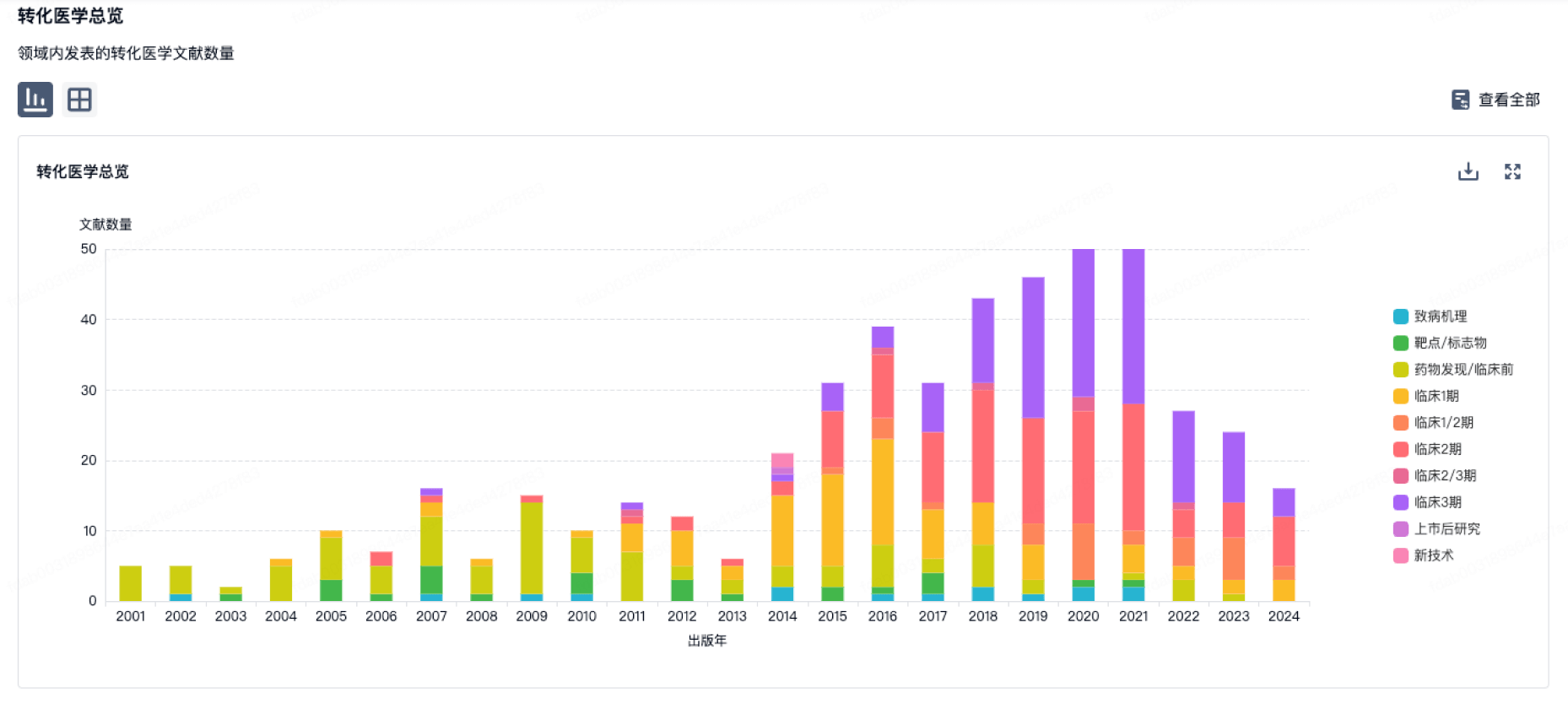
100 项与 A.Menarini Industrie Farmaceutiche Riunite Srl 相关的转化医学
登录后查看更多信息
组织架构
使用我们的机构树数据加速您的研究。
登录
或
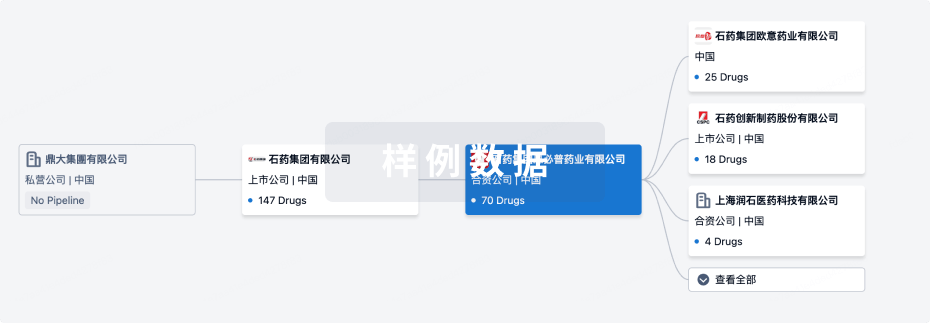
管线布局
2026年10月10日管线快照
管线布局中药物为当前组织机构及其子机构作为药物机构进行统计,早期临床1期并入临床1期,临床1/2期并入临床2期,临床2/3期并入临床3期
临床前
2
5
临床1期
临床2期
5
1
临床3期
批准上市
23
58
其他
登录后查看更多信息
当前项目
| 药物(靶点) | 适应症 | 全球最高研发状态 |
|---|---|---|
右酮洛芬氨丁三醇/盐酸曲马多 ( COX-1 x COX-2 x μ opioid receptor ) | 急性疼痛 更多 | 批准上市 |
盐酸达泊西汀 ( SERT ) | 早泄 更多 | 批准上市 |
盐酸奈必洛尔 ( β1-adrenergic receptor ) | 原发性高血压 更多 | 批准上市 |
雷诺嗪 ( Nav1.5 ) | 稳定型心绞痛 更多 | 批准上市 |
Tagraxofusp-ERZS ( CD123 ) | Blastic浆细胞样树突状细胞肿瘤 更多 | 批准上市 |
登录后查看更多信息
药物交易
使用我们的药物交易数据加速您的研究。
登录
或
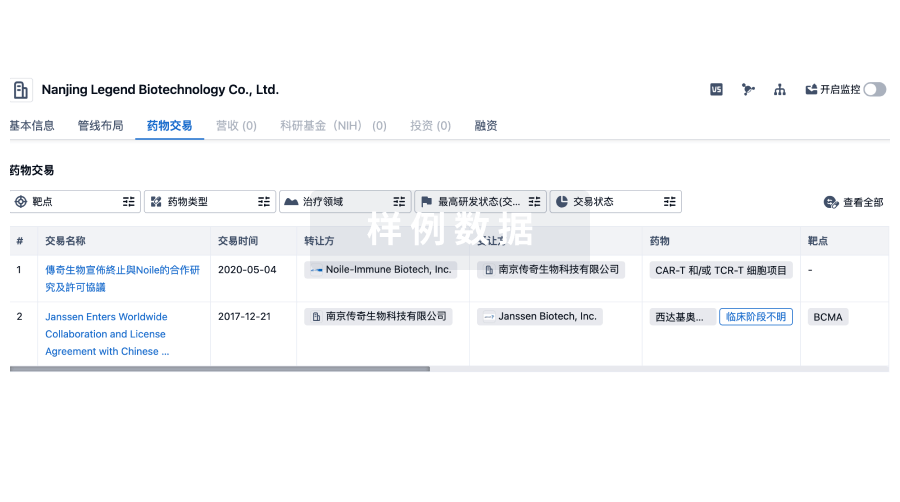
转化医学
使用我们的转化医学数据加速您的研究。
登录
或
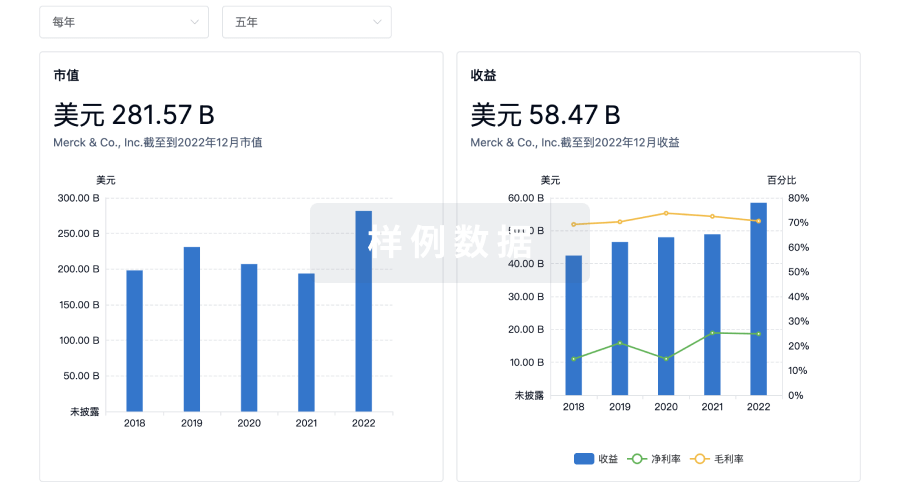
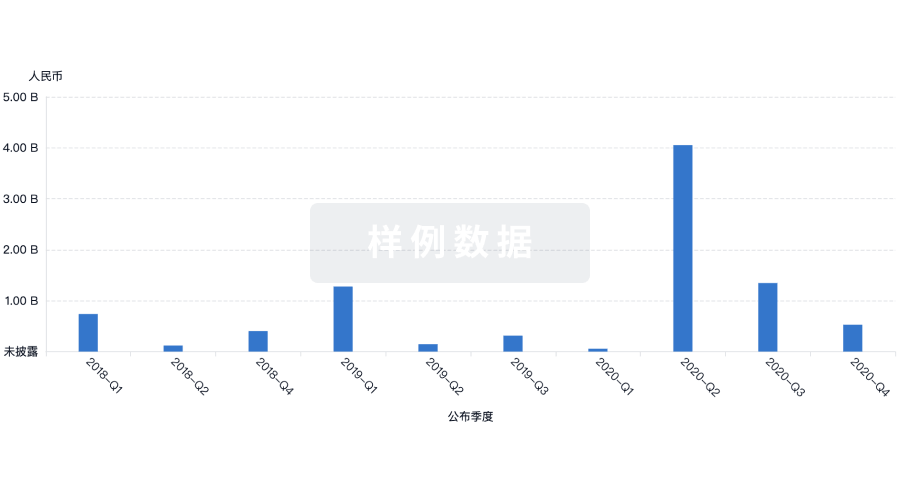
营收
使用 Synapse 探索超过 36 万个组织的财务状况。
登录
或
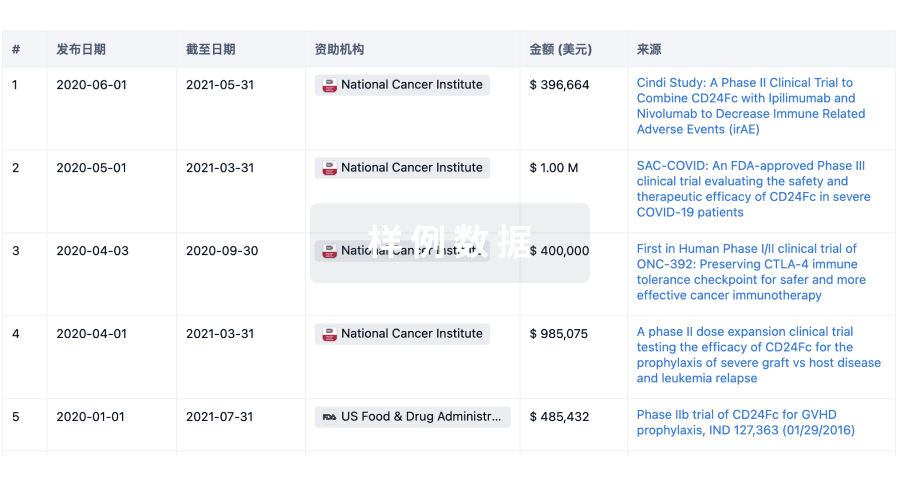
科研基金(NIH)
访问超过 200 万项资助和基金信息,以提升您的研究之旅。
登录
或
投资
深入了解从初创企业到成熟企业的最新公司投资动态。
登录
或
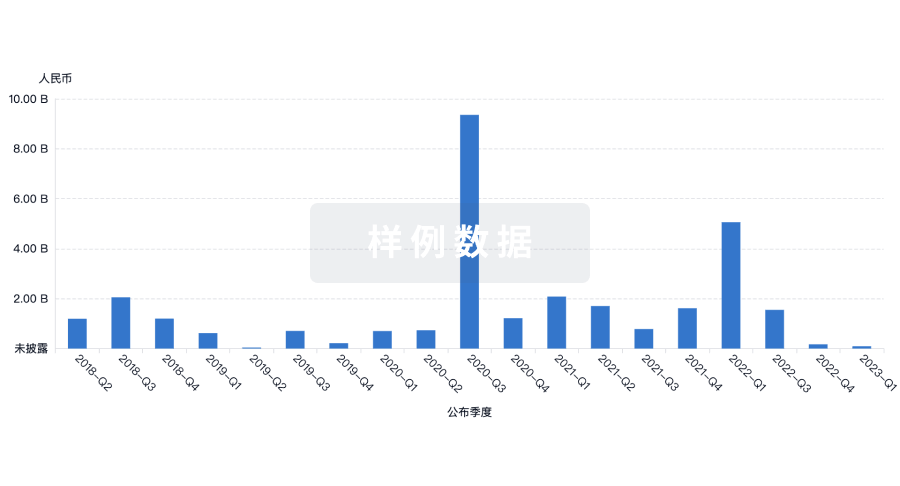
融资
发掘融资趋势以验证和推进您的投资机会。
登录
或
提出任何生物医药研究问题
让每一步生物医药决策都精准制胜
基于十亿级生物数据与全球情报的精准 AI,赋能早期药物发现
立即开始免费试用!
智慧芽新药情报库是智慧芽专为生命科学人士构建的基于AI的创新药情报平台,助您全方位提升您的研发与决策效率。
立即接入生物医药数据包
智慧芽新药库数据也通过智慧芽开放平台,以MCP或API服务形式对外开放。立即使用我们的MCP服务定制您的LLM智能体。
生物序列数据库
生物药研发创新
免费使用
化学结构数据库
小分子化药研发创新
免费使用