预约演示
更新于:2026-08-20

Sarepta Therapeutics, Inc.
更新于:2026-08-20
概览
标签
神经系统疾病
其他疾病
遗传病与畸形
ASO
腺相关病毒基因治疗
siRNA
疾病领域得分
一眼洞穿机构专注的疾病领域

技术平台
公司药物应用最多的技术
靶点
公司最常开发的靶点
关联
靶点 |
作用机制 |
在研机构 |
原研机构 |
在研适应症 |
非在研适应症 |
最高研发阶段 |
首次获批国家/地区 |
首次获批日期 |

靶点 |
作用机制 |
在研机构 |
原研机构 |
在研适应症 |
非在研适应症 |
最高研发阶段 |
首次获批国家/地区 |
首次获批日期 |
靶点 |
作用机制 |
在研机构 |
原研机构 |
在研适应症 |
非在研适应症 |
最高研发阶段 |
首次获批国家/地区 |
首次获批日期 |
NCT07542314
Phase 4 Study to Evaluate the Safety and Effectiveness of ELEVIDYS in Patients With Duchenne Muscular Dystrophy Treated in a Post-Marketing Setting (ENHANCE)
NCT07536061
A Randomized, Double-Blind, Placebo-Controlled, Dose Escalation Study to Evaluate the Effect of SRP-1005 in Subjects With Huntington's Disease (INSIGHTT)
NCT06952686
A Seamless Phase 1/3, Multicenter, Single Dose Systemic Gene Transfer Study to Evaluate the Safety, Tolerability, and Efficacy of SRP-9005 in Limb Girdle Muscular Dystrophy Type 2C/R5 Subjects (COMPASS)
100 项与 Sarepta Therapeutics, Inc. 相关的临床结果
登录后查看更多信息
登录后查看更多信息
2026-05-01Journal of Comparative Effectiveness Research
Advancements from the EVOLVE study for assessing real-world experience with eteplirsen, golodirsen and casimersen for the treatment of DMD
Article
作者: Tian, Cuixia ; Santra, Sourav ; Veerapandiyan, Aravindhan ; Sehinovych, Ihor ; Waldrop, Megan ; Scharf, Rebecca J ; Drummond, Kerri ; Hornibrook, Shane ; Grabich, Shannon
Aim:
Eteplirsen, golodirsen and casimersen are phosphorodiamidate morpholino oligomers (PMOs) that have received, based on biomarker data, accelerated approval from the US FDA for the treatment of Duchenne muscular dystrophy (DMD) in patients with pathogenic variants amenable to 51, 53 and 45 exon skipping, respectively. The objectives of this study were to describe patient demographic and baseline functional characteristics, safety and treatment continuation in patients with DMD who were treated with a commercially available PMO in the US from the ongoing phase IV, multicenter, prospective, observational EVOLVE study.
Patients & methods:
Patients who received or initiated treatment with a PMO at the time of study enrollment as prescribed by treating physicians as part of routine care were included. Approximately 300 patients will be enrolled across the three PMOs.
Results:
As of this 2023 interim data report, 161 patients were enrolled: 126 were treated with eteplirsen (enrollment complete), mean (standard deviation [SD]) age 14.0 (5.51) years; 23 received golodirsen, mean (SD) age 13.3 (4.25) years; and 12 were treated with casimersen, mean (SD) age 16.1 (7.21) years. Mean (SD) total duration of treatment was 6.2 (1.92) years for eteplirsen, 2.4 (0.83) years for golodirsen and 1.7 (0.62) years for casimersen. All PMOs demonstrated favorable safety profiles, with no treatment-emergent serious adverse events related to treatment. Most patients taking eteplirsen (95.2%, n = 120) continued treatment. Among the 85 patients who were ambulatory at treatment initiation, 37 patients lost ambulation, 34 (91.9%) of whom remained on eteplirsen.
Conclusion:
Consistent with the safety findings from previous clinical trials, eteplirsen, golodirsen and casimersen showed favorable safety profiles in patients with DMD in routine clinical practice. EVOLVE will continue to describe long-term clinical outcomes.
Clinical Trial Registration Number:
NCT06606340
2026-03-01Molecular Therapy-Nucleic Acids
PPMO-based exon skipping therapy improves respiratory function in the mdx mouse model of Duchenne muscular dystrophy
Article
作者: Abdelbarr, Mariam ; Levin, Emerson ; El Haddad, Lea ; Biswas, Debolina D ; Chen, Olivia ; Copson, Elena ; Jose, Julia ; Lang, Sydney ; Slyne, Aoife ; Rodriguez, Maran Y Hernandez ; Hoffmann, Gwendolyn ; Dela Pena, Andrea ; Mayman, Sloane ; ElMallah, Mai K
2025-10-01Disease Models & Mechanisms
Characterization of a humanized mouse model of Duchenne muscular dystrophy to support the development of genetic medicines
Article
作者: Kabadi, Ami Meda ; Kempton, Amber ; Fedoce, Alessandra ; Haile, Alex ; Mejia-Guerra, Maria Katherine ; Murray, Andrew ; Baine, Stephen ; Braunreiter, Kara ; Kumar Ahuja, Suruchi Jai ; Burch, Peter ; Adegboye, Kaitlin ; Liu, Chang
2026-08-20
2026-08-19
2026-08-18
100 项与 Sarepta Therapeutics, Inc. 相关的药物交易
登录后查看更多信息
100 项与 Sarepta Therapeutics, Inc. 相关的转化医学
登录后查看更多信息
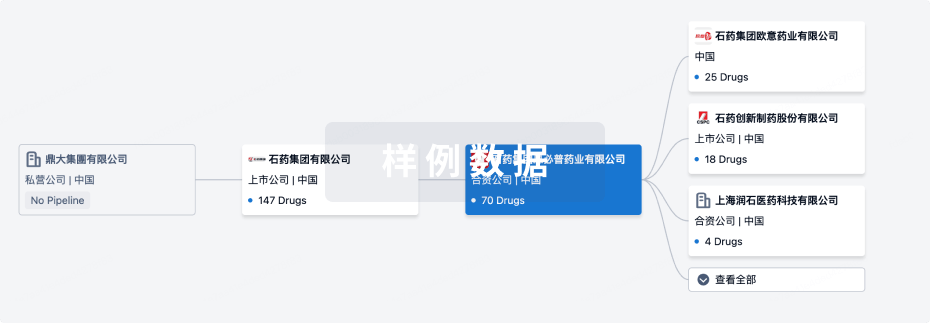
组织架构
使用我们的机构树数据加速您的研究。
登录
或
管线布局
2026年10月22日管线快照
管线布局中药物为当前组织机构及其子机构作为药物机构进行统计,早期临床1期并入临床1期,临床1/2期并入临床2期,临床2/3期并入临床3期
药物发现
8
13
临床前
临床1期
1
1
临床2期
临床3期
2
3
批准上市
其他
41
登录后查看更多信息
当前项目
登录后查看更多信息
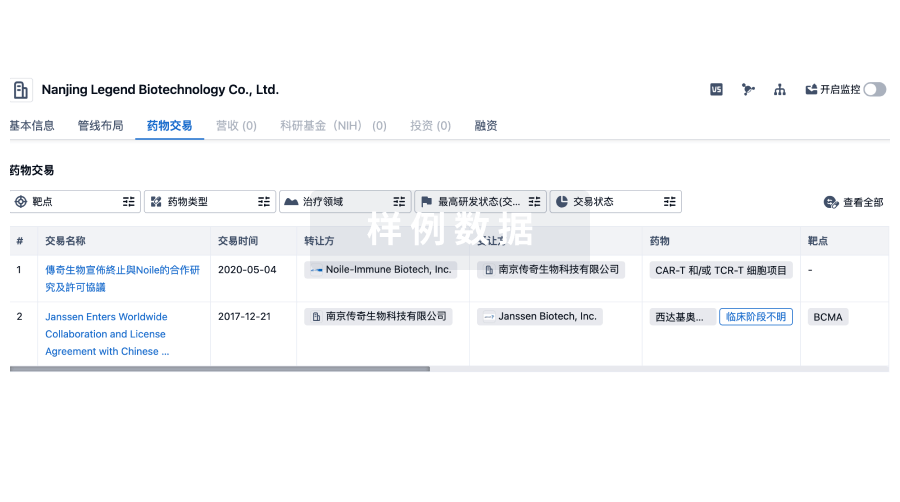
药物交易
使用我们的药物交易数据加速您的研究。
登录
或
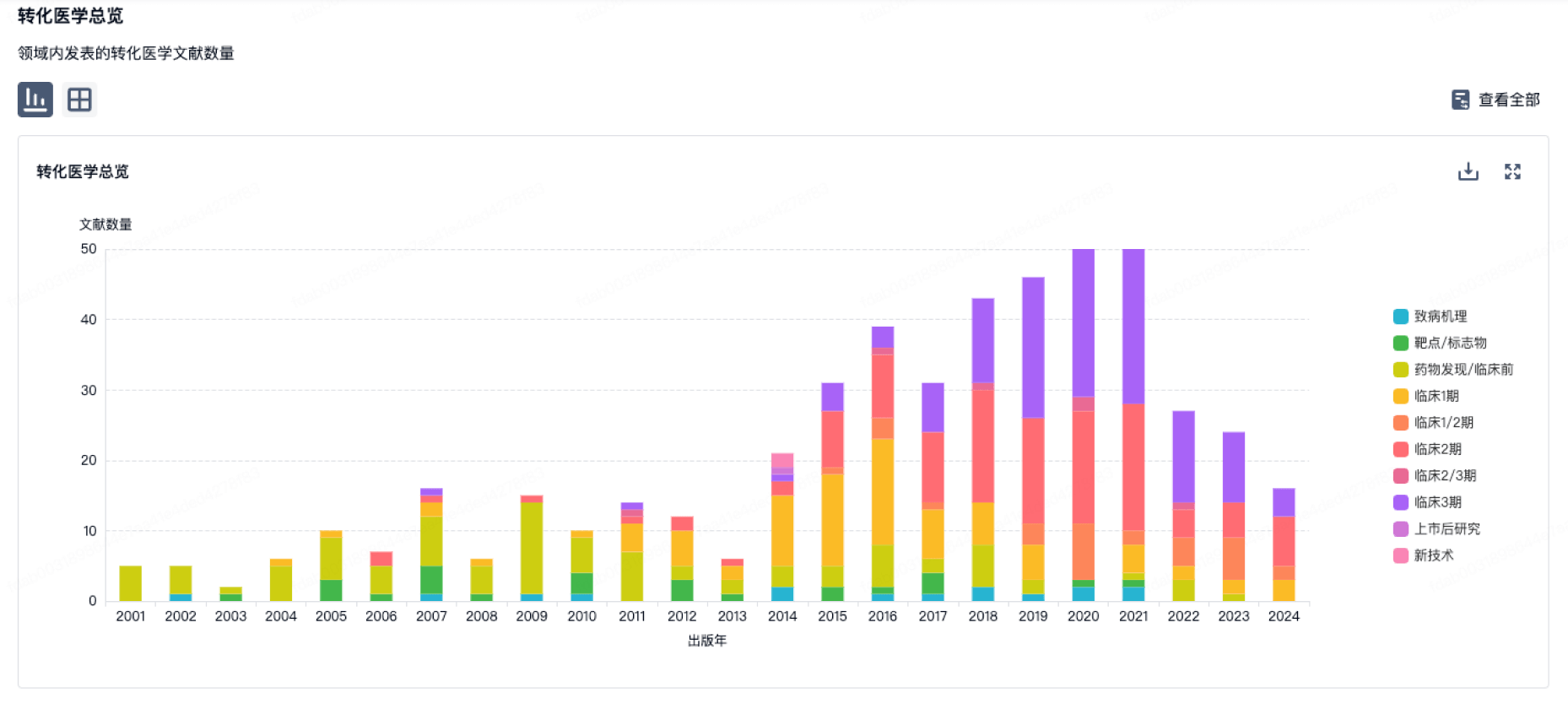
转化医学
使用我们的转化医学数据加速您的研究。
登录
或
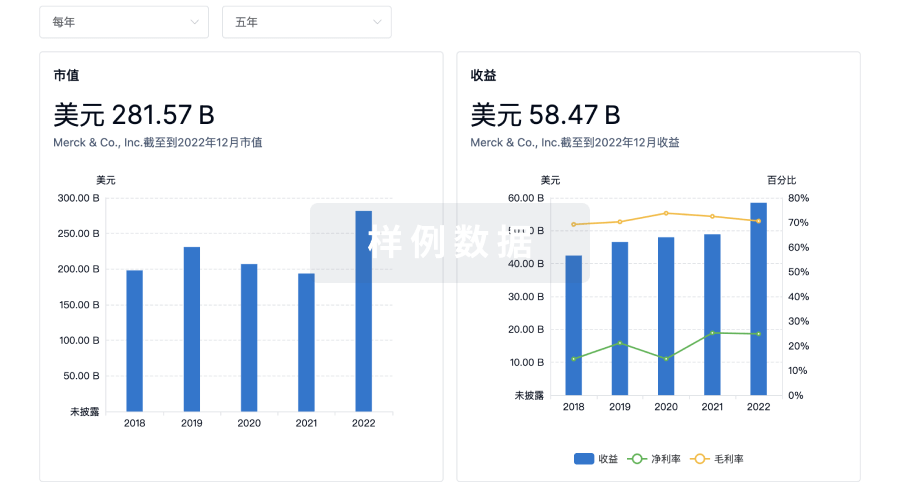
营收
使用 Synapse 探索超过 36 万个组织的财务状况。
登录
或
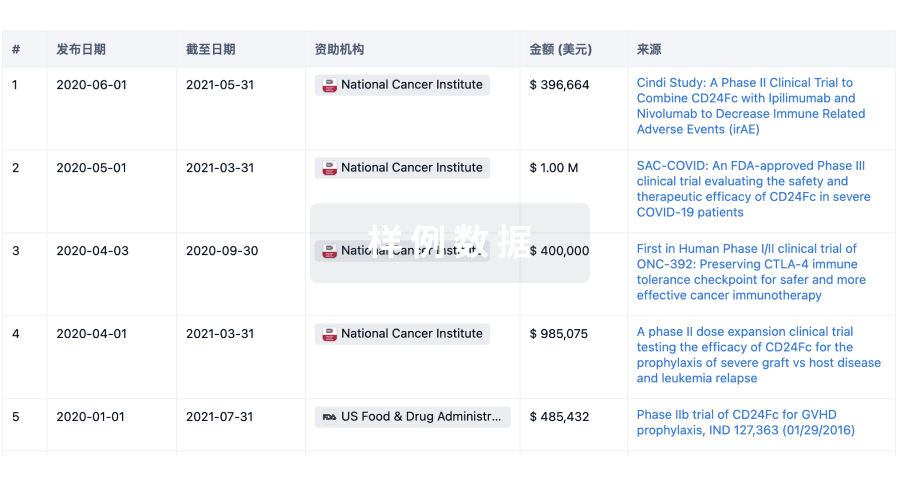
科研基金(NIH)
访问超过 200 万项资助和基金信息,以提升您的研究之旅。
登录
或
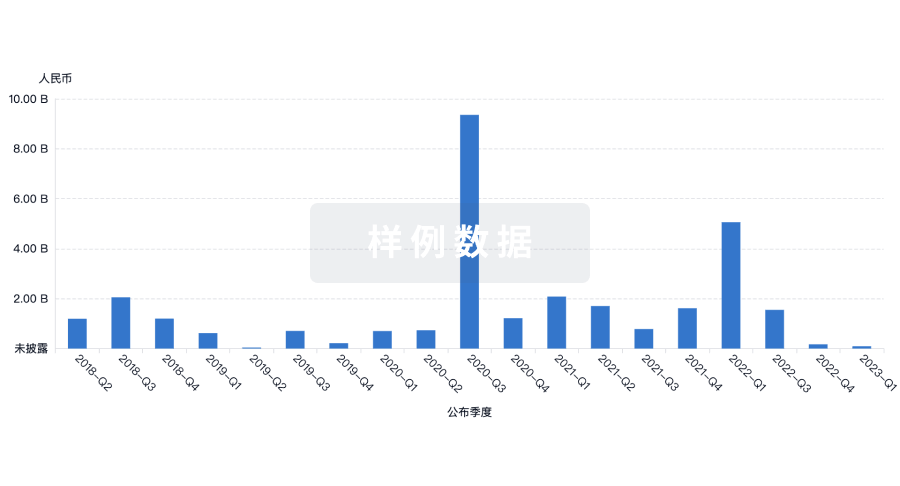
投资
深入了解从初创企业到成熟企业的最新公司投资动态。
登录
或
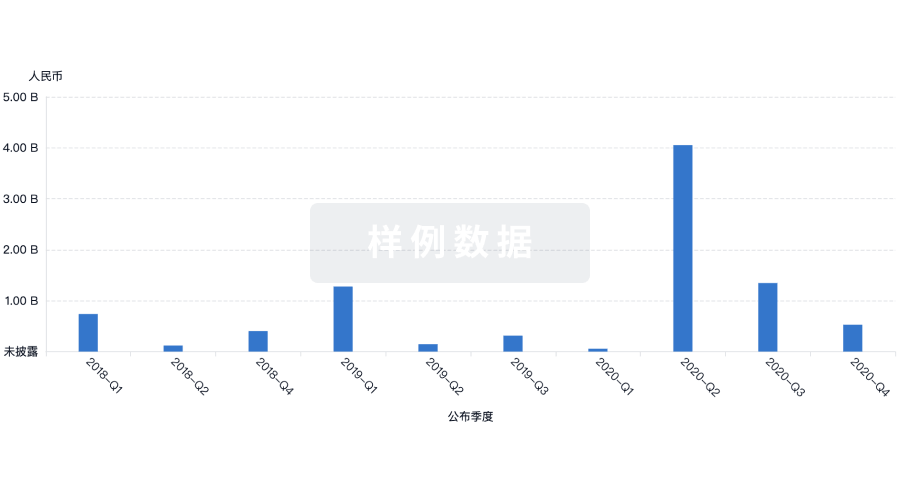
融资
发掘融资趋势以验证和推进您的投资机会。
登录
或
提出任何生物医药研究问题
让每一步生物医药决策都精准制胜
基于十亿级生物数据与全球情报的精准 AI,赋能早期药物发现
立即开始免费试用!
智慧芽新药情报库是智慧芽专为生命科学人士构建的基于AI的创新药情报平台,助您全方位提升您的研发与决策效率。
立即接入生物医药数据包
智慧芽新药库数据也通过智慧芽开放平台,以MCP或API服务形式对外开放。立即使用我们的MCP服务定制您的LLM智能体。
生物序列数据库
生物药研发创新
免费使用
化学结构数据库
小分子化药研发创新
免费使用