预约演示
更新于:2026-02-08

Oncoinvent ASA
更新于:2026-02-08
概览
标签
肿瘤
呼吸系统疾病
内分泌与代谢疾病
小分子化药
抗体偶联核素
单克隆抗体
疾病领域得分
一眼洞穿机构专注的疾病领域

技术平台
公司药物应用最多的技术
靶点
公司最常开发的靶点
关联
靶点 |
作用机制 |
在研机构 |
原研机构 |
在研适应症 |
非在研适应症 |
最高研发阶段 |
首次获批国家/地区 |
首次获批日期 |

靶点 |
作用机制 |
在研机构 |
原研机构 |
在研适应症 |
非在研适应症 |
最高研发阶段 |
首次获批国家/地区 |
首次获批日期 |


靶点 |
作用机制 |
在研机构 |
原研机构 |
在研适应症 |
非在研适应症 |
最高研发阶段 |
首次获批国家/地区 |
首次获批日期 |

NCT05469178
Phase 1b/2a Safety and Tolerability Study of Bemcentinib With Pembrolizumab/Carboplatin/Pemetrexed in Subjects With Untreated Advanced or Metastatic Non-squamous Non-small Cell Lung Cancer (NSCLC) Without/With a STK11 Mutation
ISRCTN14340698
Phase I trial: Labcorp Drug Development Study: 8479217 [The full scientific title will be published within 30 months after the end of the trial]
NCT06469138
A Phase 1, Open-label, Nonrandomized Study to Investigate the Mass Balance Recovery and Metabolic Profile of 14C-bemcentinib Following Single Oral Administration in Healthy Male Subjects
100 项与 Oncoinvent ASA 相关的临床结果
登录后查看更多信息
登录后查看更多信息
2025-10-05BRITISH JOURNAL OF CANCER
A phase 1b, multicentre, dose escalation, safety and pharmacokinetics study of tilvestamab (BGB149) in relapsed, platinum-resistant, high-grade serous ovarian cancer (PROC) patients
Article
作者: Tan, Tuan Zea ; Sooi, Kenneth ; Jackson, Akil ; Gourley, Charlie ; Kristeleit, Rebecca ; Micklem, David ; Pinato, David J ; Bjorge, Line ; Tan, David Shao Peng ; Kim, Jae-Weon ; Kim, Byoung-Gie ; Lee, Jung Yun ; Blagden, Sarah P
Abstract:
Background:
Tilvestamab is a highly selective humanised immunoglobulin G1 anti-AXL monoclonal antibody. This phase 1 study evaluated its optimal dose, safety, tolerability, immunogenicity and pharmacokinetics (PK) in relapsed platinum-resistant HGSOC patients.
Methods:
Patients received tilvestamab in three dose levels (1 mg/kg, 3 mg/kg and 5 mg/kg) via IV infusion every 2 weeks. Primary objectives included safety, tolerability and PK. Exploratory objectives included overall response, progression-free survival (PFS) and quality-of-life measures. Pharmacodynamic included AXL expression, gene and protein changes by transcriptomic and proteomic analysis.
Results:
Between 25 February 2021 and 4 February 2022, 16 patients were enroled across 8 sites in Singapore, Korea, United Kingdom, and Norway. Median treatment duration was 6.1 weeks. Grade 3 or higher treatment-emergent adverse events occurred in 62.5% patients, but none were tilvestamab-related. Common events included fatigue (38%), anorexia (38%) infections (31%), anaemia (25%) and dyspnoea (25%). No objective responses were observed, but 7 (44%) had stable disease at 6 weeks. PK showed dose-proportional exposure and steady-state by the second dose. Pharmacodynamic analyses revealed reduced fibrosis-related gene signatures and AXL protein expression. Epithelial-mesenchymal transition reversal was seen in 2 patients.
Conclusion:
Tilvestamab was well-tolerated and further studies to examine the efficacy of AXL inhibition in other indications are required.
Clinical trial registration:
This trial is registered at https://clinicaltrials.gov. Registration number: NCT04893551. EudraCT Number: 2020-001382-36
Nature Communications
Bemcentinib as monotherapy and in combination with low-dose cytarabine in acute myeloid leukemia patients unfit for intensive chemotherapy: a phase 1b/2a trial
Article
作者: Sutamtewagul, Grerk ; Micklem, David ; Lemoli, Roberto ; Kapp-Schwoerer, Silke ; Heuser, Michael ; Mattei, Daniele ; Oliva, Cristina ; Di Renzo, Nicola ; Imbusch, Charles D ; Beumer, Niklas ; Rieckmann, Lisa-Marie ; Chromik, Jörg ; Alvarado-Valero, Yesid ; Madeleine, Noëlly ; Janning, Melanie ; H Nilsson, Linn ; Ben-Batalla, Isabel ; Crugnola, Monica ; Gjertsen, Bjørn T ; Waizenegger, Jonas ; Fiedler, Walter ; Gorcea-Carson, Claudia ; Collienne, Maike ; McCracken, Nigel ; Loges, Sonja
Abstract:
Beyond first line, the prognosis of relapsed/refractory (R/R) acute myeloid leukemia (AML) patients is poor with limited treatment options. Bemcentinib is an orally bioavailable, potent, highly selective inhibitor of AXL, a receptor tyrosine kinase associated with poor prognosis, chemotherapy resistance and decreased antitumor immune response. We report bemcentinib monotherapy and bemcentinib+low-dose cytarabine combination therapy arms from the completed BerGenBio-funded open-label Phase 1/2b trial NCT02488408 (www.clinicaltrials.gov), in patients unsuitable for intensive chemotherapy. The primary objective in the monotherapy arm was identification of maximum tolerated dose with secondary objectives to identify dose-limiting toxicities, safety and efficacy, and bemcentinib pharmacokinetic profile. In the combination arm, the primary objective was safety and tolerability, with efficacy and pharmacokinetics as secondary objectives. Safety and tolerability were based on standard clinical laboratory safety tests and Common Terminology Criteria for Adverse Events version 4. Bemcentinib monotherapy (32 R/R, 2 treatment-naïve AML and 2 myelodysplasia patients) was well-tolerated and a loading/maintenance dose of 400/200 mg was selected for combination treatment, comprising 30 R/R and 6 treatment-naïve AML patients. The most common grade 3/4 treatment-related adverse events were cytopenia, febrile neutropenia and asymptomatic QTcF prolongation, with no grade 5 events reported. In conclusion, bemcentinib+low-dose cytarabine was safe and well tolerated.
Frontiers in Immunology
Targeting AXL cellular networks in kidney fibrosis
Article
作者: Nilsson, Linn I H ; Rayford, Austin J. ; Lorens, James B. ; Grøndal, Sturla M. ; Rayford, Austin J ; Jackson, Akil ; Nilsson, Linn I. H. ; Blø, Magnus ; Lorens, James B ; Gausdal, Gro ; Grøndal, Sturla M
Introduction:
The incidence of chronic kidney disease (CKD) is increasing, in parallel with risk factors including obesity and diabetes mellitus. AXL plays a central role in CKD, providing a rationale to evaluate clinical AXL targeting agents.
Methods:
To determine the efficacy and underlying molecular mechanisms of AXL inhibition in CKD, we employed a murine unilateral ureteral obstruction (UUO) model preventively treated with a selective AXL kinase inhibitor (bemcentinib) during disease progression. We isolated kidneys at an early (3 days) or late (15 days) timepoint and profiled the cell populations using mass cytometry.
Results:
Preventive treatment with bemcentinib significantly attenuated fibrosis in the UUO model. The anti-fibrotic effect correlated with a decrease in mesangial cells and inhibition of innate immune cell infiltration, while the proportion of epithelial cells increased. We mapped AXL expression to a unique network of cells in the kidney: mesangial cells, pericytes, macrophages and dendritic cells.
Discussion:
We propose that AXL targeting affects an important cellular interaction network underlying fibrotic progression. These results support the clinical application of AXL targeting agents to treat CKD.
2025-12-09
2025-12-01
·网易号
疫苗抗体药物偶联物放射疗法突破性疗法加速审批
100 项与 Oncoinvent ASA 相关的药物交易
登录后查看更多信息
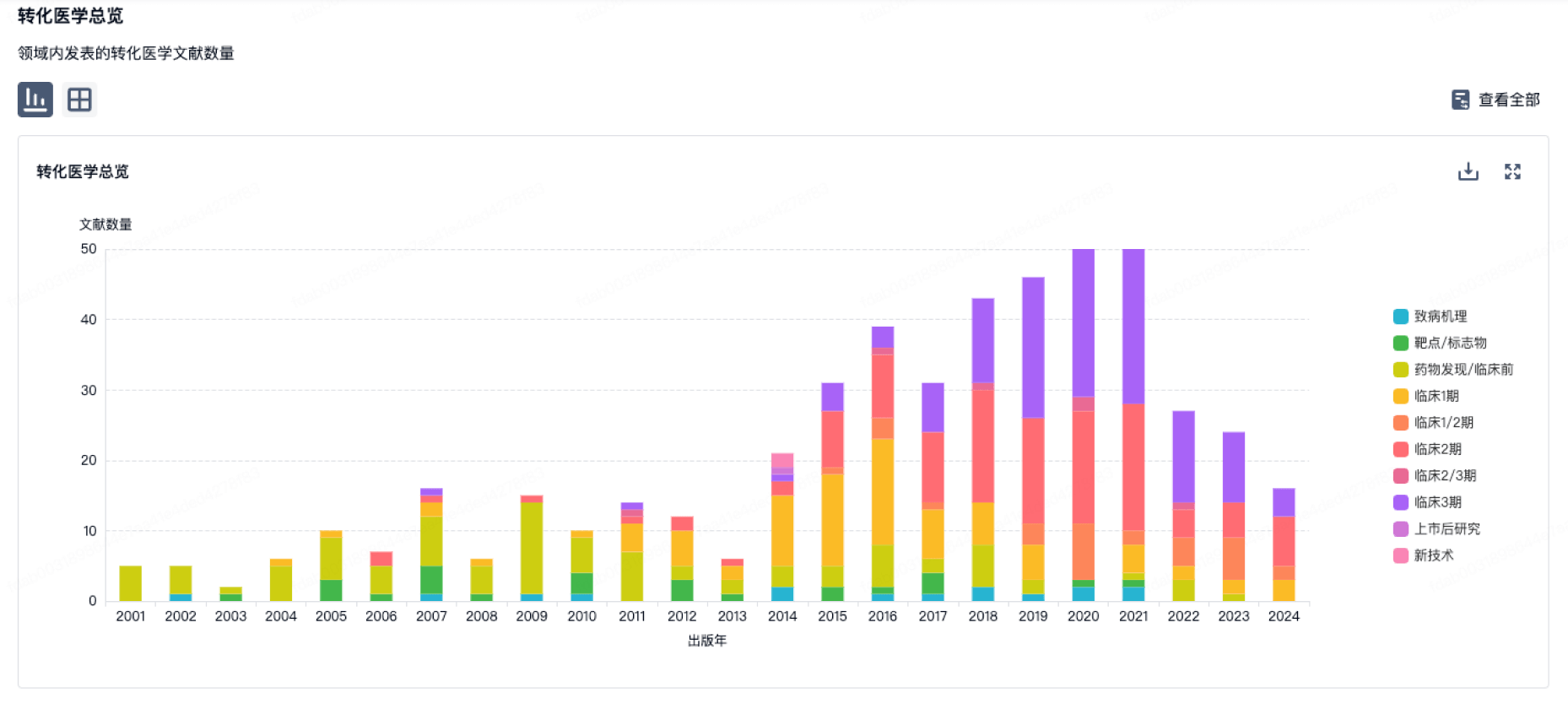
100 项与 Oncoinvent ASA 相关的转化医学
登录后查看更多信息
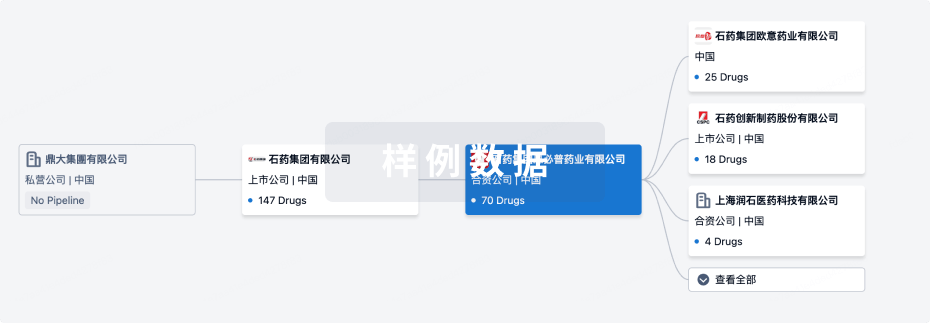
组织架构
使用我们的机构树数据加速您的研究。
登录
或
管线布局
2026年10月16日管线快照
管线布局中药物为当前组织机构及其子机构作为药物机构进行统计,早期临床1期并入临床1期,临床1/2期并入临床2期,临床2/3期并入临床3期
药物发现
1
6
临床前
临床2期
3
2
其他
登录后查看更多信息
当前项目
登录后查看更多信息
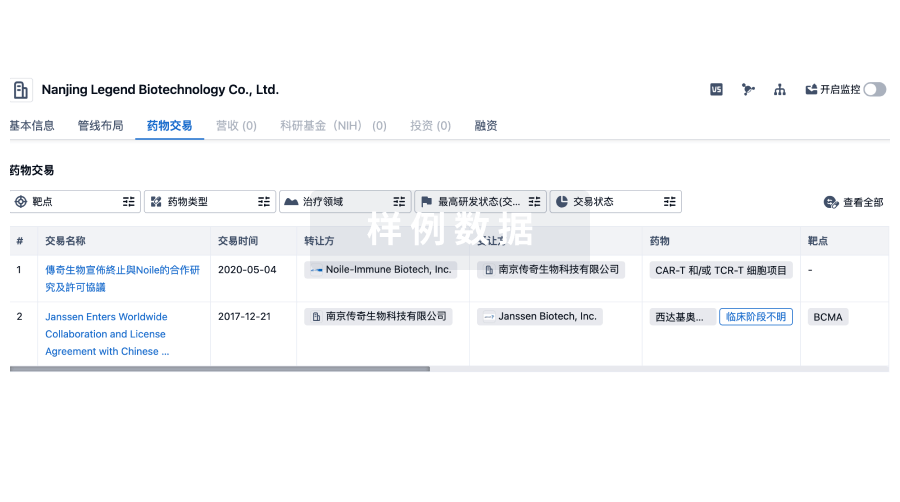
药物交易
使用我们的药物交易数据加速您的研究。
登录
或
转化医学
使用我们的转化医学数据加速您的研究。
登录
或
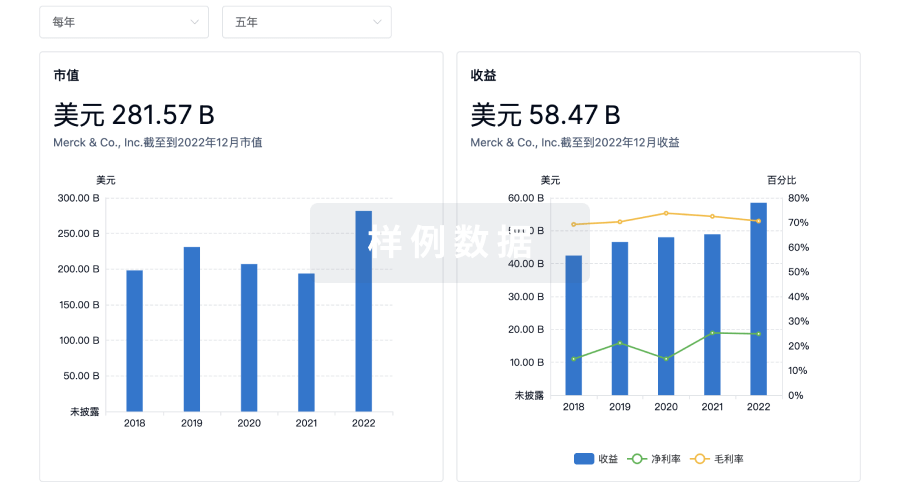
营收
使用 Synapse 探索超过 36 万个组织的财务状况。
登录
或
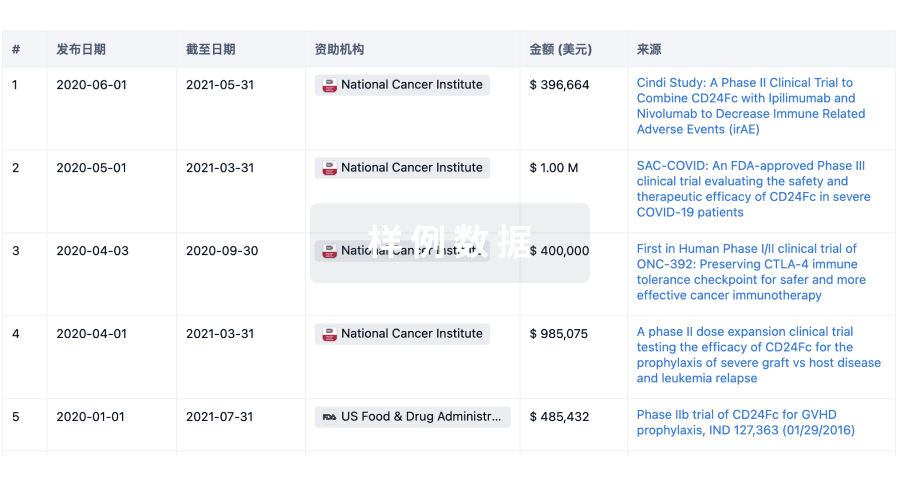
科研基金(NIH)
访问超过 200 万项资助和基金信息,以提升您的研究之旅。
登录
或
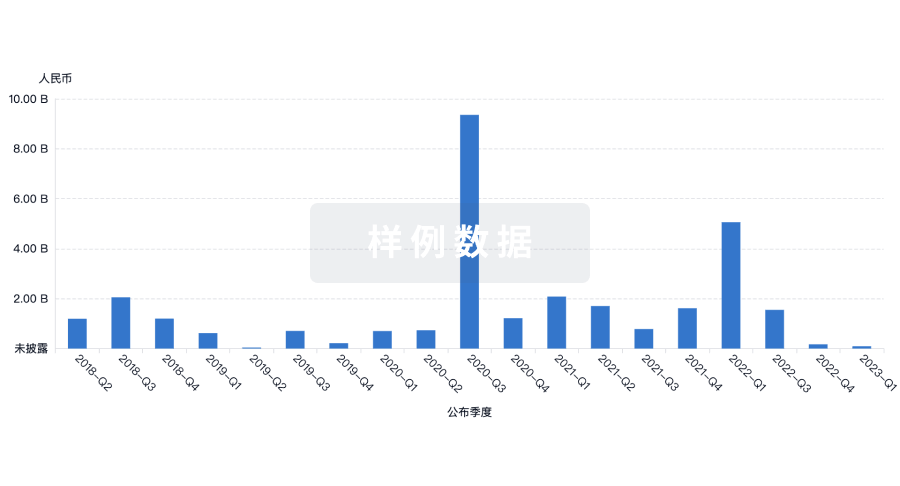
投资
深入了解从初创企业到成熟企业的最新公司投资动态。
登录
或
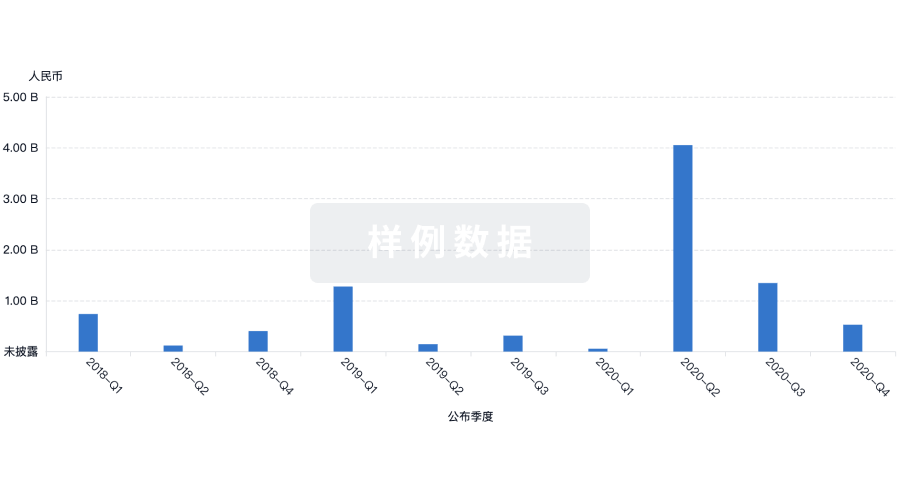
融资
发掘融资趋势以验证和推进您的投资机会。
登录
或
提出任何生物医药研究问题
让每一步生物医药决策都精准制胜
基于十亿级生物数据与全球情报的精准 AI,赋能早期药物发现
立即开始免费试用!
智慧芽新药情报库是智慧芽专为生命科学人士构建的基于AI的创新药情报平台,助您全方位提升您的研发与决策效率。
立即接入生物医药数据包
智慧芽新药库数据也通过智慧芽开放平台,以MCP或API服务形式对外开放。立即使用我们的MCP服务定制您的LLM智能体。
生物序列数据库
生物药研发创新
免费使用
化学结构数据库
小分子化药研发创新
免费使用