预约演示
更新于:2026-08-29

OPKO Health, Inc.
更新于:2026-08-29
概览
标签
内分泌与代谢疾病
神经系统疾病
肿瘤
合成多肽
小分子化药
CAR-T
疾病领域得分
一眼洞穿机构专注的疾病领域

技术平台
公司药物应用最多的技术
靶点
公司最常开发的靶点
关联
靶点 |
作用机制 |
在研机构 |
原研机构 |
在研适应症 |
非在研适应症 |
最高研发阶段 |
首次获批国家/地区 |
首次获批日期 |

靶点 |
作用机制 |
在研机构 |
原研机构 |
在研适应症 |
非在研适应症 |
最高研发阶段 |
首次获批国家/地区 |
首次获批日期 |

靶点 |
作用机制 |
在研机构 |
原研机构 |
在研适应症 |
非在研适应症 |
最高研发阶段 |
首次获批国家/地区 |
首次获批日期 |

NCT07494045
An Open-Label, Randomized, Multiple-Dose, Multi-Center Study to Evaluate the Pharmacokinetics, Pharmacodynamics, Safety and Tolerability of CTAP101 Extended-release Capsules in Pediatric Participants <18 Years of Age With Secondary Hyperparathyroidism, Stage 3 or 4 Chronic Kidney Disease and Vitamin D Insufficiency
NCT07512427
Safety, Tolerability, Pharmacokinetic and Pharmacodynamic Study of OPK-88006 in Healthy and Presumed Metabolic Dysfunction-associated Steatohepatitis (MASH) Participants
NCT07249905
A Phase 1/2 Clinical Study Evaluating MDX2003 in Participants With Relapsed, Progressive, or Refractory B-Cell Malignancies

100 项与 OPKO Health, Inc. 相关的临床结果
登录后查看更多信息
登录后查看更多信息
2026-07-01Clinical Kidney Journal
Extended-release calcifediol identifies a therapeutic vitamin D range in chronic kidney disease stages 3 and 4
Article
作者: Choe, John ; Bishop, Charles W ; Ashfaq, Akhtar
ABSTRACT:
Background:
Secondary hyperparathyroidism (SHPT) is a common complication of chronic kidney disease (CKD) driven by dysregulated vitamin D metabolism. The serum 25-hydroxyvitamin D (25D) levels required for targeted intact parathyroid hormone (iPTH) reductions are poorly defined, and conventional sufficiency thresholds of 20 or 30 ng/ml are inadequate. Exposure–response (E–R) modeling was used to define a 25D range associated with a 30% iPTH reduction during treatment with extended-release calcifediol (ERC).
Methods:
E–R relationships between 25D and iPTH were evaluated using pooled data from randomized clinical trials of ERC in participants with SHPT, CKD stage 3–4, and vitamin D insufficiency (VDI). Mixed-effects models characterized percent change in iPTH as a function of concurrent 25D. Mechanistic analyses evaluated associations between 25D, its key metabolites, and iPTH. Associations between achieved 25D and markers of mineral metabolism were assessed.
Results:
E–R modeling demonstrated a nonlinear relationship between 25D and iPTH reduction with a population-average of 84 ng/ml associated with 30% iPTH reduction (ER30), ranging from 67 to 103 ng/ml across the range of kidney function. Baseline body weight and sex significantly influenced achieved 25D concentrations. Higher achieved 25D was not associated with adverse changes in calcium, phosphorus, or fibroblast growth factor 23. Circulating 1,25-dihydroxyvitamin D was not independently associated with iPTH response.
Conclusions:
Elevation of 25D to 84 ng/ml (range: 66.9–102.6 ng/ml) during ERC treatment was associated with a 30% iPTH reduction in participants with SHPT, CKD stage 3–4, and VDI. This range was unassociated with adverse changes in mineral metabolism.
2026-04-01Pituitary
Efficacy and safety of once-weekly somatrogon in adults with growth hormone deficiency: a randomized phase 3 study
Article
作者: Yuen, Kevin C J ; Webb, Susan M ; Manners, Allison ; Strasburger, Christian J ; Wang, Christina ; Fleseriu, Maria ; Bidlingmaier, Martin ; Biller, Beverly M K ; Carlsson, Martin ; Taylor, Carrie Turich ; Choe, John ; Georgescu, Carmen E ; Baciu, Ionela ; Bar-Ilan, Ahuva ; Casanueva, Felipe F ; Hart, Gili ; Torre, Daria La ; Gilis-Januszewska, Aleksandra
PURPOSE: This study assessed the efficacy and safety of once-weekly somatrogon, a long-acting growth hormone, in adults with growth hormone deficiency (aGHD). METHODS: A phase 3 randomized, double-blind, placebo-controlled study consisted of a 26-week double-blind period (Period 1), a 26-week open-label extension (OLE; Period 2), and a multi-year OLE (Period 3). Patients were randomized 2:1 to somatrogon or placebo in Period 1, with dosing adjusted for gender, age, and estrogen therapy. All patients received somatrogon in Periods 2 and 3. Primary endpoint was change in trunk fat mass (FM; baseline-Week 26). Secondary endpoints included changes in total FM, lean body mass (LBM), percentage change in trunk FM, and trunk FM. Changes in percent trunk FM relative to total trunk mass (FM + LBM), trunk LBM, and appendicular skeletal muscle mass were also evaluated in a post-hoc supplemental analysis. Safety assessments included adverse events (AEs) and laboratory evaluations. RESULTS: Of 389 patients screened, 202 were randomized, and 198 received treatment (somatrogon:133; placebo:65). Mean IGF-I SDS normalized following somatrogon initiation. There was no significant difference between somatrogon and placebo in change in trunk FM from baseline to Week 26 (-0.37 vs 0.03 kg; p=0.0821; primary endpoint) or in total FM. However, somatrogon significantly improved LBM, trunk FM as a percentage of total FM and the three supplemental endpoints. AE incidence was similar between groups, with most being mild to moderate in severity. CONCLUSION: Somatrogon significantly improved several body composition parameters and was well tolerated overall in adults with GHD. CLINICALTRIALS.GOV: NCT01909479; registration date: 25/07/2013
2026-02-01JOURNAL OF STEROID BIOCHEMISTRY AND MOLECULAR BIOLOGY
Effect of race, gender and age on intrinsic diurnal variation of serum calcifediol: Insights into vitamin D toxicity
Article
作者: Tabash, Samir ; Strugnell, Stephen A ; Ashfaq, Akhtar ; Bishop, Charles W ; Choe, John
Intrinsic diurnal variation of serum calcifediol (25-hydroxyvitamin D3) was evaluated in healthy United States (US) adults by race, gender and age. Eligible participants (18-55 years old, body mass index 18-30 kg/m2, body weight ≥ 50 kg) were enrolled with gender balance into two groups by race: first generation Japanese (n = 35) and non-Japanese (n = 32). "First generation Japanese" was defined as having Japanese parents and grandparents and residing outside Japan for < 5 years without major lifestyle or dietary changes. "Non-Japanese" were of non-Asian descent and included 14 African-Americans, 16 Caucasians and 2 of "Other" race. Vitamin D supplementation during the prior 28 days was an exclusion criterion. Participants were housed for two days in a phase 1 unit shielded from sunlight and fed timed standardized meals devoid of vitamin D. Serum calcifediol, measured by LC-MS/MS on Day 2 at 0, 2, 4, 6, 8, 10, 12, 14, 16, 20 and 24 h, had a minor circadian rhythm (p = 0.0081) having a midline statistic of rhythm (MESOR) of 21.5 ng/mL, an amplitude of 0.19 ng/mL and an acrophase at 5:24 a.m. Mean inter-participant variation was high (CV of 30.89 %) while intra-participant variation was low (5.54 %), only nominally exceeding the assay precision (4.10 %). No significant differences in rhythmicity were observed between subgroups based on race, gender or age. These data show that intrinsic diurnal variation of circulating calcifediol is low, suggesting that avoidance of abrupt iatrogenic changes in serum total 25-hydroxyvitamin D concentrations may be important for minimizing the risk of toxicity.
2026-08-27
100 项与 OPKO Health, Inc. 相关的药物交易
登录后查看更多信息
100 项与 OPKO Health, Inc. 相关的转化医学
登录后查看更多信息
组织架构
使用我们的机构树数据加速您的研究。
登录
或
管线布局
2026年10月09日管线快照
管线布局中药物为当前组织机构及其子机构作为药物机构进行统计,早期临床1期并入临床1期,临床1/2期并入临床2期,临床2/3期并入临床3期
药物发现
3
10
临床前
临床1期
3
4
临床2期
临床3期
2
1
批准上市
其他
46
登录后查看更多信息
当前项目
登录后查看更多信息
药物交易
使用我们的药物交易数据加速您的研究。
登录
或
转化医学
使用我们的转化医学数据加速您的研究。
登录
或
营收
使用 Synapse 探索超过 36 万个组织的财务状况。
登录
或
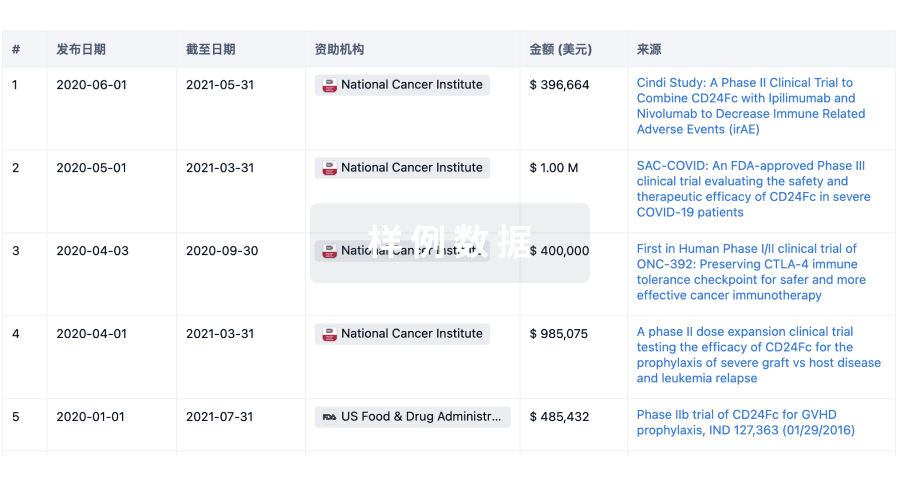
科研基金(NIH)
访问超过 200 万项资助和基金信息,以提升您的研究之旅。
登录
或
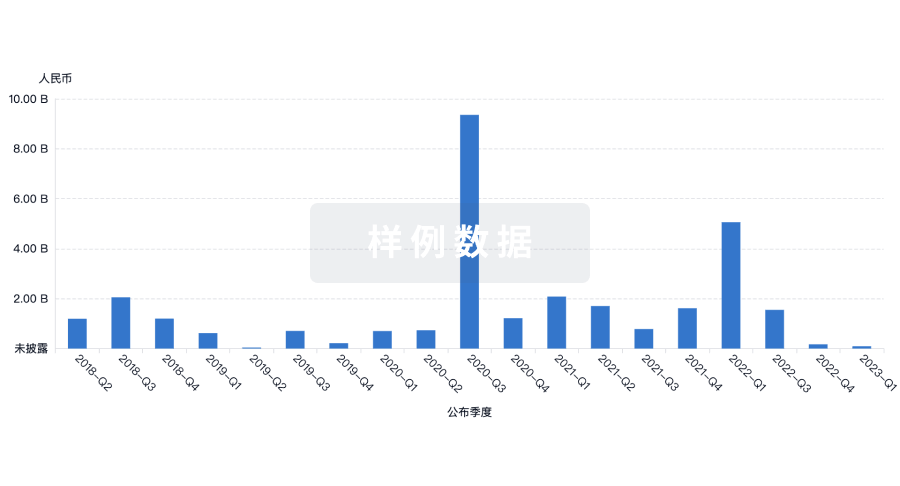
投资
深入了解从初创企业到成熟企业的最新公司投资动态。
登录
或
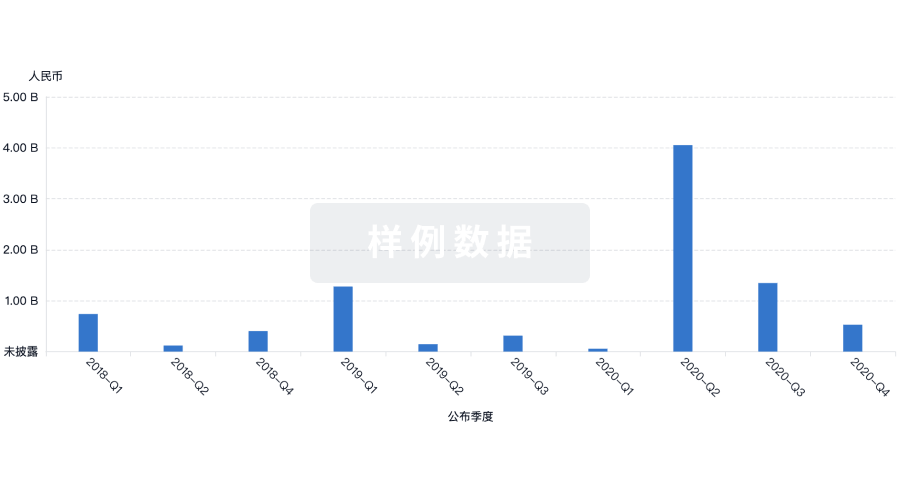
融资
发掘融资趋势以验证和推进您的投资机会。
登录
或
提出任何生物医药研究问题
让每一步生物医药决策都精准制胜
基于十亿级生物数据与全球情报的精准 AI,赋能早期药物发现
立即开始免费试用!
智慧芽新药情报库是智慧芽专为生命科学人士构建的基于AI的创新药情报平台,助您全方位提升您的研发与决策效率。
立即接入生物医药数据包
智慧芽新药库数据也通过智慧芽开放平台,以MCP或API服务形式对外开放。立即使用我们的MCP服务定制您的LLM智能体。
生物序列数据库
生物药研发创新
免费使用
化学结构数据库
小分子化药研发创新
免费使用