预约演示
更新于:2026-09-24

Shandong Xinhua Pharmaceutical Co., Ltd.
更新于:2026-09-24
概览
标签
其他疾病
神经系统疾病
内分泌与代谢疾病
小分子化药
化学药
聚合物
疾病领域得分
一眼洞穿机构专注的疾病领域

技术平台
公司药物应用最多的技术
靶点
公司最常开发的靶点
关联
靶点 |
作用机制 |
在研机构 |
原研机构 |
在研适应症 |
非在研适应症 |
最高研发阶段 |
首次获批国家/地区 |
首次获批日期 |


靶点 |
作用机制 |
在研机构 |
原研机构 |
在研适应症 |
非在研适应症 |
最高研发阶段 |
首次获批国家/地区 |
首次获批日期 |
靶点 |
作用机制 |
在研机构 |
原研机构 |
在研适应症 |
非在研适应症 |
最高研发阶段 |
首次获批国家/地区 |
首次获批日期 |
CTR20262712
莫达非尼片人体生物等效性预试验
CTR20262211
茶碱缓释片在健康试验参与者中的单中心、随机、开放、单次给药、两制剂、两序列、四周期、完全重复交叉、空腹及餐后状态下的生物等效性预试验
CTR20262261
LXH-1211片在中国健康研究参与者中单次、多次给药剂量递增的安全性、耐受性、药代动力学、药效学以及食物影响的I期临床研究
100 项与 山东新华制药股份有限公司 相关的临床结果
登录后查看更多信息
登录后查看更多信息
2026-08-05ACS Chemical Neuroscience
Alzheimer’s
Disease: A Review of Molecular
Mechanisms and Interventions Targeting Aβ-Binding Receptors
Review
作者: Ai, Hongqi ; Wang, Zhi ; Mei, Jinfei ; Jia, Mengke ; Guan, Yvning
Abstract:
In the pathogenesis of Alzheimer’s disease (AD), the aggregation of Aβ peptides into Aβ oligomers (AβOs) plays a critical neurotoxic role. By binding to various cell membrane receptors, AβOs can trigger abnormal intracellular signaling transduction, leading to neuronal damage. This article systematically summarizes the interaction mechanisms of nearly ten AβO-binding receptors and focuses on reviewing recent therapeutic strategies aimed at neuroprotection through interventions in AβO–receptor interactions or by blocking/modulating relevant receptor signaling pathways. The discussed content provides a molecular theoretical foundation and research perspectives for the rational design of anti-AD drugs targeting AβO receptors.
2026-07-31JOURNAL OF ORGANIC CHEMISTRY
Article
作者: Hu, Libo ; Ju, Kun ; Song, Ran ; Lv, Jian ; Yang, Daoshan ; Hu, Zhiqiang ; Lyu, Meixuan ; Qiu, Huixin
Abstract:
The 1,2-reduction of β,γ-unsaturated α-keto esters 1 with InCl is markedly promoted by azelaic acid, delivering β,γ-unsaturated α-hydroxy esters 2 in up to 84% yield. By employing azelaic acid, this system can reduce carbonyl groups and eliminate the requirement for stoichiometric indium-based reducing reagents.
2025-12-01BIOORGANIC & MEDICINAL CHEMISTRY LETTERS
Article
作者: Xu, Qing ; Wang, Qin ; Jia, Zi-Han ; Liu, Yun-Hao ; Xia, Ya-Mu ; Gao, Wei-Wei ; Yu, Ri-Lei
In this study, 40 anthraquinone-triazene derivatives were designed, and AT-9 and AT-10 were screened out as potential antitumor candidates based on their strong binding affinities to DNA and topoisomerase II using molecular docking and molecular dynamics simulations. Antiproliferative assays revealed that AT-9 and AT-10 exhibited significantly stronger inhibitory effects on A549 and HeLa cell lines compared to the reference mitoxantrone. The binding modes of AT-9 and AT-10 with DNA were confirmed by spectra and gel electrophoresis. Metabolic pathway investigations showed that AT-9 and AT-10 were susceptible to nucleophilic attack by water molecules, leading to the release of nitrogen and degradation into an anthraquinone-amide compound. Thus, the synergistic antitumor mechanism arises from the DNA intercalation of the anthraquinone ring and the alkylating effect mediated by the triazene moiety. Furthermore, ADME analysis revealed that AT-9 and AT-10 possessed favorable drug-likeness and pharmacokinetic properties, indicating strong potential for further development.
100 项与 山东新华制药股份有限公司 相关的药物交易
登录后查看更多信息
100 项与 山东新华制药股份有限公司 相关的转化医学
登录后查看更多信息
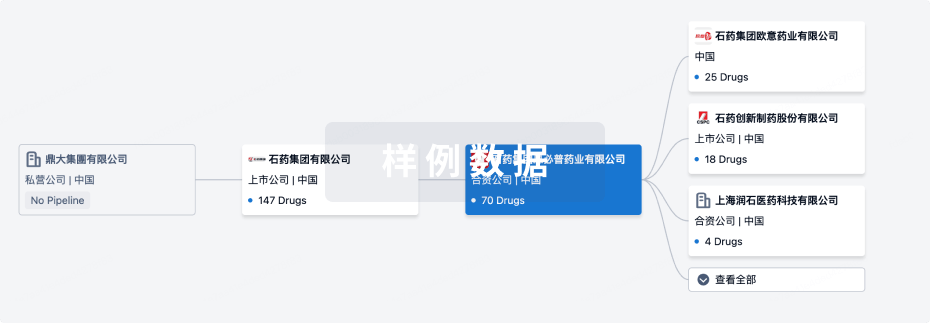
组织架构
使用我们的机构树数据加速您的研究。
登录
或
管线布局
2026年09月25日管线快照
管线布局中药物为当前组织机构及其子机构作为药物机构进行统计,早期临床1期并入临床1期,临床1/2期并入临床2期,临床2/3期并入临床3期
临床1期
3
2
临床2期
临床3期
1
8
批准上市
其他
1
登录后查看更多信息
当前项目
登录后查看更多信息
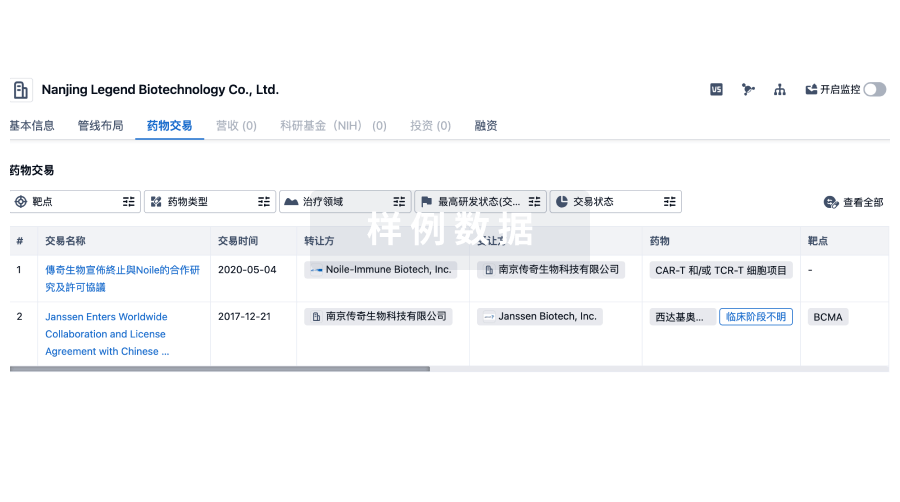
药物交易
使用我们的药物交易数据加速您的研究。
登录
或
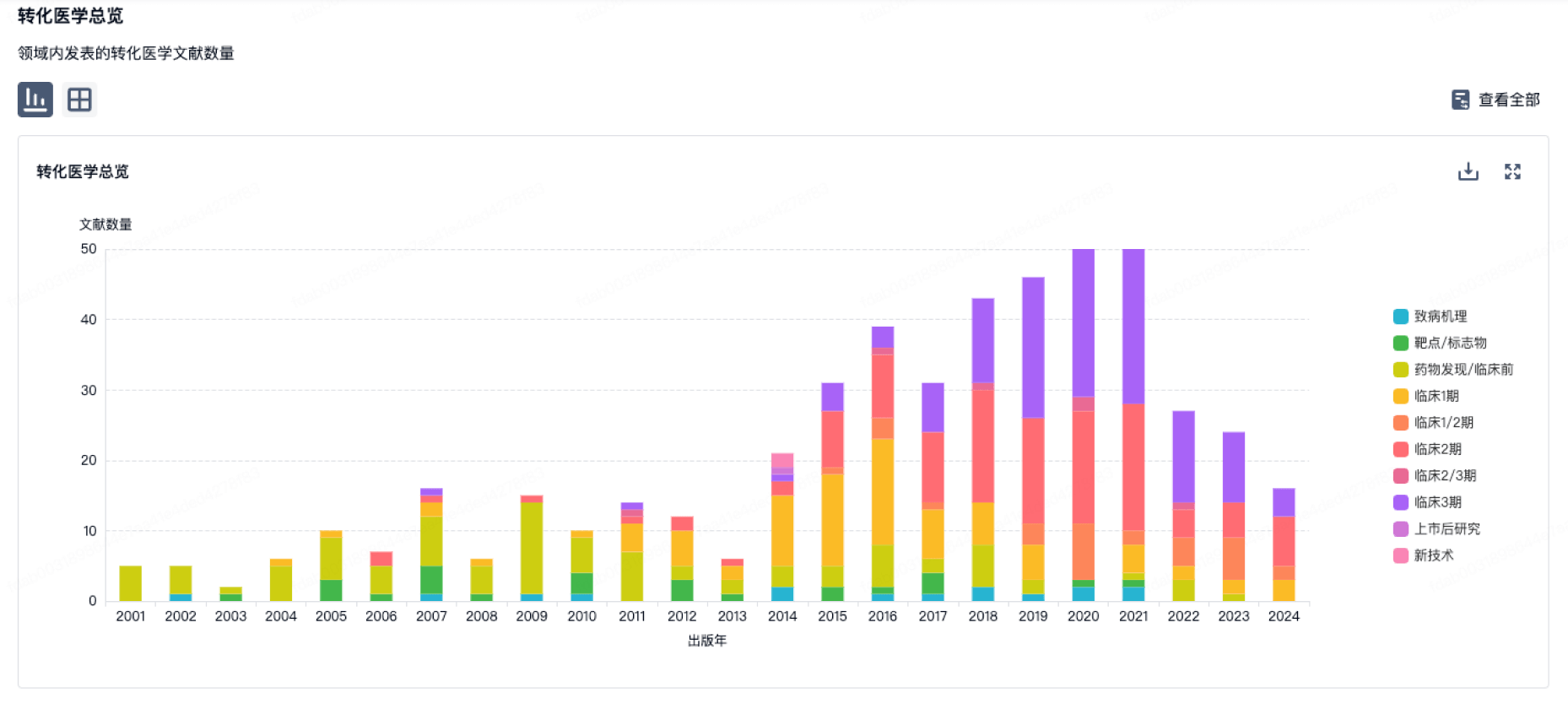
转化医学
使用我们的转化医学数据加速您的研究。
登录
或
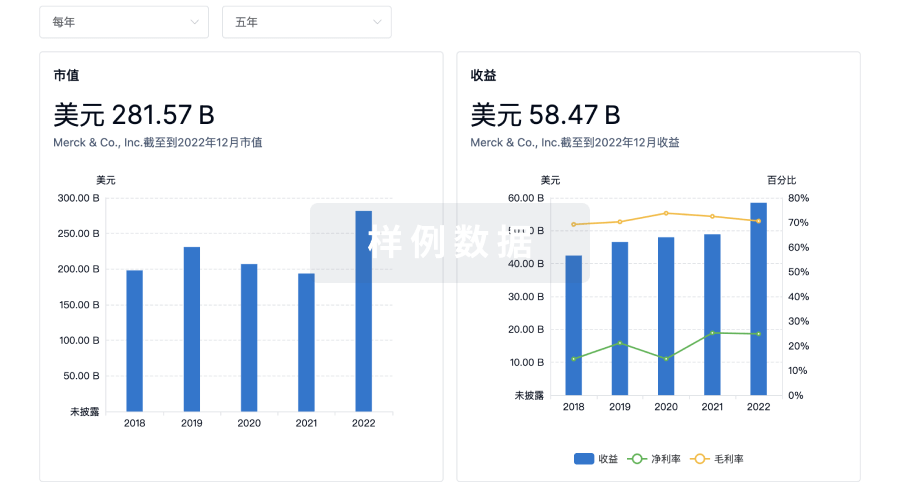
营收
使用 Synapse 探索超过 36 万个组织的财务状况。
登录
或
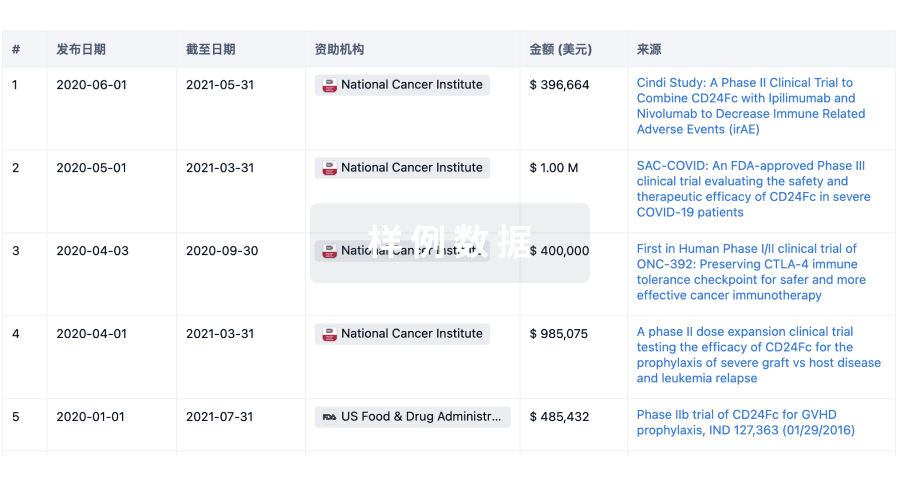
科研基金(NIH)
访问超过 200 万项资助和基金信息,以提升您的研究之旅。
登录
或
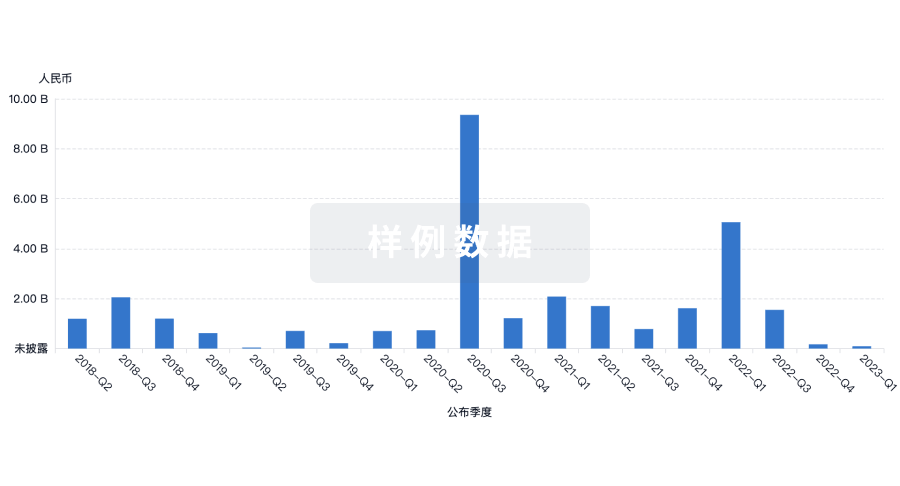
投资
深入了解从初创企业到成熟企业的最新公司投资动态。
登录
或
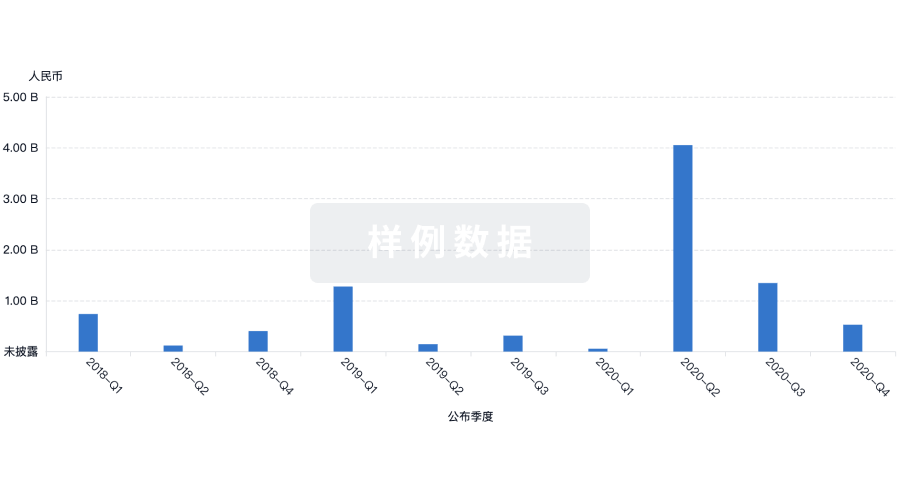
融资
发掘融资趋势以验证和推进您的投资机会。
登录
或
提出任何生物医药研究问题
让每一步生物医药决策都精准制胜
基于十亿级生物数据与全球情报的精准 AI,赋能早期药物发现
立即开始免费试用!
智慧芽新药情报库是智慧芽专为生命科学人士构建的基于AI的创新药情报平台,助您全方位提升您的研发与决策效率。
立即接入生物医药数据包
智慧芽新药库数据也通过智慧芽开放平台,以MCP或API服务形式对外开放。立即使用我们的MCP服务定制您的LLM智能体。
生物序列数据库
生物药研发创新
免费使用
化学结构数据库
小分子化药研发创新
免费使用