预约演示
更新于:2026-08-30

Angelini Pharma Italia Aziende Chimiche Riunite Angelini Franc
更新于:2026-08-30
概览
标签
感染
泌尿生殖系统疾病
呼吸系统疾病
小分子化药
疾病领域得分
一眼洞穿机构专注的疾病领域

技术平台
公司药物应用最多的技术
靶点
公司最常开发的靶点
关联
靶点 |
作用机制 |
在研机构 |
原研机构 |
在研适应症 |
非在研适应症 |
最高研发阶段 |
首次获批国家/地区 |
首次获批日期 |


靶点 |
作用机制 |
在研机构 |
原研机构 |
在研适应症 |
非在研适应症 |
最高研发阶段 |
首次获批国家/地区 |
首次获批日期 |


靶点 |
作用机制 |
在研机构 |
原研机构 |
在研适应症 |
非在研适应症 |
最高研发阶段 |
首次获批国家/地区 |
首次获批日期 |

NCT07474285
Evaluation of the Efficacy and Safety of Cenobamate in Individuals With Autoimmune Epilepsy: a Real-world Study
NCT07377682
Observational Prospective Study in Patients With Major Depressive Disorder and Mild Cognition Impairment Treated With Trazodone in a Real-world Setting (TRACOMDD)
NCT07199543
Palatability Study of Five Formulations of Benzydamine HCl Lozenges
100 项与 Angelini Pharma Italia Aziende Chimiche Riunite Angelini Franc 相关的临床结果
登录后查看更多信息
登录后查看更多信息
2026-06-01Epilepsia Open
Perspectives on the burden of drug‐resistant epilepsy and treatment priorities: Findings from a multistakeholder survey
Article
作者: John Paul Leach ; Nuno Canas ; Elena Álvarez-Barón ; Daniela Pierucci ; Simona Lattanzi ; Bettina Schmitz ; Caroline Benoist
Abstract:
Objective:
Drug‐resistant epilepsy (DRE) imposes a significant burden on patients and their caregivers. This study aimed to explore the concerns and perceptions of healthcare providers (HCPs), patients, and caregivers regarding the burden of disease and quality of life (QoL) in patients with DRE.
Methods:
This was a multinational, cross‐sectional, online, survey‐based study. Participants were HCPs managing at least 30–50 epilepsy patients per month, including ≥10 patients with DRE; patients aged ≥18 years with DRE; and caregivers aged ≥18 years supporting patients with DRE. Data collection was carried out between March and August 2024.
Results:
In total, 213 stakeholders took part in the survey (146 HCPs, 42 patients, and 25 caregivers); 58% of the HCPs were neurologists and 42% were epileptologists. Caregivers were mainly parents (79%). Patients represented by caregivers were younger (84% vs. 29% aged 18–34 years) and had a higher incidence of seizures (20 vs. 5 seizures per month;
p
< 0.05) than patient participants. According to all stakeholders, DRE had a significant impact on multiple components of patient QoL, with work capability, psychological well‐being, and daily management and logistics the most affected. Significantly fewer HCPs regarded “achieving complete seizure freedom” as of high importance for patients compared with patient participants (
p
< 0.05) and caregivers (
p
< 0.05). High satisfaction with current treatment was reported by only 35% of HCPs, 33% of patient participants, and 4% of caregivers. Most stakeholders reported insufficient time during consultations to investigate patients' concerns, and different topics for discussion were prioritized by HCPs and patients/caregivers.
Significance:
This survey highlighted the continued and multifaceted burden of disease among patients with DRE. While seizure freedom is the ultimate goal of treatment, disparities exist among key stakeholders regarding aims and outcomes of treatment as well as management of expectations.
Plain Language Summary:
Patients with DRE have epileptic seizures despite receiving medicines to reduce their seizures. This survey shows that DRE places a heavy strain on patients and their carers. Satisfaction with current treatments is low, especially among carers. Patients and carers see stopping all seizures as very important, but doctors tend to rate this as less of a priority; patients and carers are also more open than doctors to using digital tools to improve communication with their doctor. Overall, the differences in expectations and approaches between patients, carers, and doctors may create barriers to improving seizure control.
2026-02-01Neurology and Therapy
Long-term Impact of Cenobamate on Cognition in Patients with Drug-Resistant Focal Epilepsy: Outcomes from an Exploratory Real-World Study
Article
作者: Garcia-Martin, Guillermina ; Cabezudo-Garcia, Pablo ; De La Parra, Juan ; Serrano-Castro, Pedro J ; Sanchez-Guijo, Alvaro ; Lopez-Moreno, Yolanda ; Ramirez-Garcia, Teresa
INTRODUCTION:
Cognitive adverse events are a common issue in patients receiving later-generation antiseizure medications (ASMs). In this study, we assessed the long-term effects of cenobamate on cognitive endpoints in patients with drug-resistant focal epilepsy.
METHODS:
In this retrospective, observational study, the clinical records of adult patients who received cenobamate as part of the Spanish Expanded Access Program were reviewed. Seizure frequency, concomitant ASM usage, and data from 20 neuropsychological tests were collected at 6 and 18 months after cenobamate initiation.
RESULTS:
Among 14 patients included in the study, eight (57%) had daily seizures at baseline, three (21%) had seizures at least weekly, and three (21%) had seizures at least monthly. The median number of prior ASMs was 10; the median number of concomitant ASMs was three. The median cenobamate dose was 12.5 mg/day at baseline, 200 mg/day at month 6, and 250 mg/day at month 18. At month 18, 10 patients (71%) had at least a 50% reduction in seizure frequency, seven (50%) had at least a 90% reduction, and two (14%) achieved seizure freedom. Significant improvements in cognitive scores from baseline to month 18 were observed for verbal episodic memory (two measures; p = 0.016 and p = 0.0013), visuospatial episodic memory (p = 0.014), and processing speed (p = 0.0018). The mean number of concomitant ASMs (p = 0.0018) and the concomitant ASM drug load (p = 0.0001) decreased significantly between baseline and month 18. The sum of the ratios of prescribed daily dose/daily defined dose (total ratio of defined daily dose) for all concomitant ASMs (p < 0.0001), for perampanel (p = 0.017), and for sodium channel blockers (p = 0.0003) also decreased between baseline and month 18.
CONCLUSION:
In this exploratory, real-world study, we observed significant improvements in seizure frequency, concomitant ASM usage, and cognition at up to 18 months of cenobamate treatment in patients with drug-resistant focal epilepsy.
2025-12-31JOURNAL OF MEDICAL ECONOMICS
Budget impact analysis of cenobamate, a novel adjunctive therapy for the treatment of drug resistant focal onset seizures, from the Belgian healthcare payer perspective
Article
作者: Weckhuysen, Sarah ; Van den Bergh, Lynn ; Legros, Benjamin ; Callebaut, Britt ; Verdonck, Caroline ; Tanghe, Ann ; Vonck, Kristl ; Bodart, Olivier
OBJECTIVE:
Cenobamate has recently been introduced as new anti-seizure medication (ASM) for patients with focal onset seizures (FOS) who are insufficiently controlled despite the use of three previous ASMs. To date, few evaluations have addressed the budgetary impact for the healthcare payer of add-on ASMs in patients with drug-resistant epilepsy (DRE). This study aims to assess the budgetary implications for the Belgian health insurer, the National Institute for Health and Disability Insurance (NIHDI), if cenobamate were reimbursed for the adjuvant treatment of FOS in adults with DRE.
METHODS:
A prevalence-based budget impact model (BIM) was developed from the perspective of the Belgian NIHDI, considering all direct healthcare costs over a 3-year time horizon. A standardized expert elicitation process with experienced epileptologists was conducted to collect data on Belgian clinical practice. Source data uncertainty impact was investigated through a one-way sensitivity analysis (OWSA).
RESULTS:
Over a 3-year period, considering the cumulative drug costs of cenobamate, replacement of other third-generation ASMs, and savings generated at medical cost level, the introduction of cenobamate as adjunctive treatment for the target population was estimated to reduce the NIHDI budget by -€8,105,616. The robustness of these savings was confirmed through an OWSA.
CONCLUSION:
The savings at medical cost level fully offset the impact of cenobamate on the drug budget, leading to an overall healthcare budget saving of -€8,105,616 for NIHDI. This favourable outcome is largely due to cenobamate's high efficacy reflected in its high response rate and significant effect on reducing seizure frequency.
2026-05-07
100 项与 Angelini Pharma Italia Aziende Chimiche Riunite Angelini Franc 相关的药物交易
登录后查看更多信息
100 项与 Angelini Pharma Italia Aziende Chimiche Riunite Angelini Franc 相关的转化医学
登录后查看更多信息
组织架构
使用我们的机构树数据加速您的研究。
登录
或
管线布局
2026年10月13日管线快照
管线布局中药物为当前组织机构及其子机构作为药物机构进行统计,早期临床1期并入临床1期,临床1/2期并入临床2期,临床2/3期并入临床3期
临床前
1
1
临床1期
批准上市
4
9
其他
登录后查看更多信息
当前项目
登录后查看更多信息
药物交易
使用我们的药物交易数据加速您的研究。
登录
或
转化医学
使用我们的转化医学数据加速您的研究。
登录
或
营收
使用 Synapse 探索超过 36 万个组织的财务状况。
登录
或
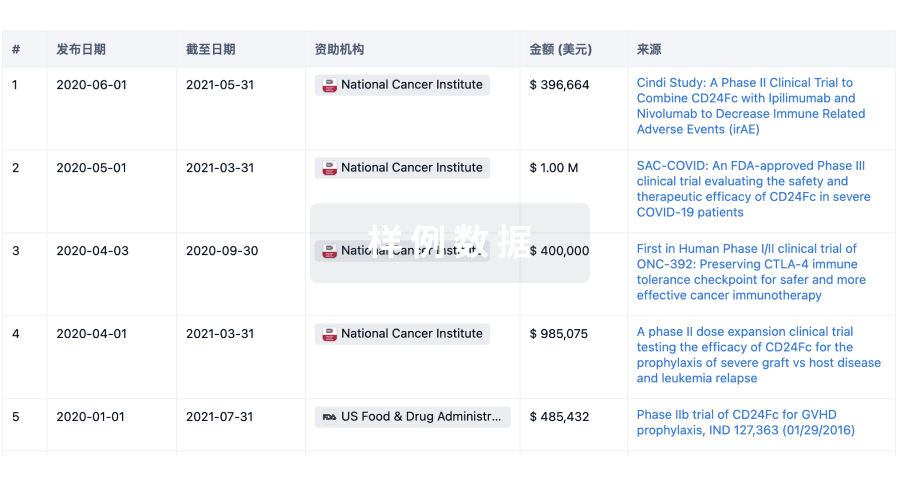
科研基金(NIH)
访问超过 200 万项资助和基金信息,以提升您的研究之旅。
登录
或
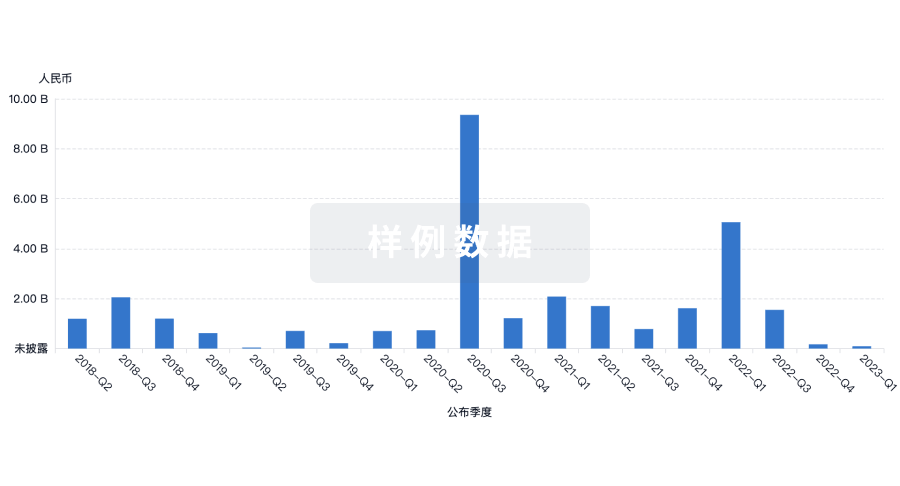
投资
深入了解从初创企业到成熟企业的最新公司投资动态。
登录
或
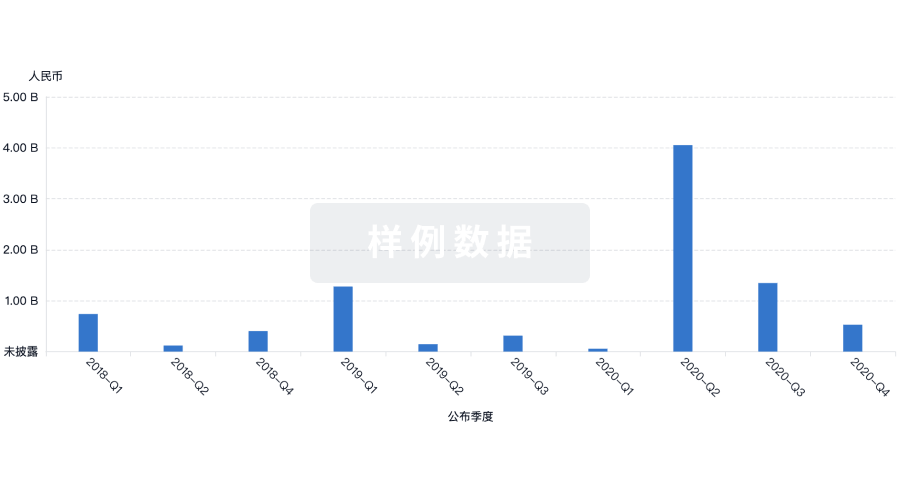
融资
发掘融资趋势以验证和推进您的投资机会。
登录
或
提出任何生物医药研究问题
让每一步生物医药决策都精准制胜
基于十亿级生物数据与全球情报的精准 AI,赋能早期药物发现
立即开始免费试用!
智慧芽新药情报库是智慧芽专为生命科学人士构建的基于AI的创新药情报平台,助您全方位提升您的研发与决策效率。
立即接入生物医药数据包
智慧芽新药库数据也通过智慧芽开放平台,以MCP或API服务形式对外开放。立即使用我们的MCP服务定制您的LLM智能体。
生物序列数据库
生物药研发创新
免费使用
化学结构数据库
小分子化药研发创新
免费使用