预约演示
更新于:2026-03-12

Agilent Technologies, Inc.
更新于:2026-03-12
概览
标签
肿瘤
皮肤和肌肉骨骼疾病
其他疾病
抗体
蛋白水解靶向嵌合体(PROTAC)
单克隆抗体
疾病领域得分
一眼洞穿机构专注的疾病领域

技术平台
公司药物应用最多的技术
靶点
公司最常开发的靶点
关联
靶点 |
作用机制 |
在研机构 |
原研机构 |
在研适应症 |
非在研适应症 |
最高研发阶段 |
首次获批国家/地区 |
首次获批日期 |


靶点 |
作用机制 |
在研机构 |
原研机构 |
在研适应症 |
非在研适应症 |
最高研发阶段 |
首次获批国家/地区 |
首次获批日期 |

靶点 |
作用机制 |
在研机构 |
原研机构 |
在研适应症 |
非在研适应症 |
最高研发阶段 |
首次获批国家/地区 |
首次获批日期 |

NCT07413523
Randomized Trial of stAndard of Care With or Without Metastases-directed Stereotactic Body Radiation Therapy in Patients Affected by Oligometastatic uRothelial carcinomA: ASTRA Trial

NCT07354594
Adaptive External Beam and Radioligand Radiotherapy for MEtaSTatic Castration Resistant Prostate Cancer (ARREST): a Phase II Registry-based RCT

NCT07132190
A Double-Blind Phase II Randomized Study of Adaptively Delivered LINAC-Based Stereotactic Radiation for Volatile Brain Metastases With Same-Day Planning and Margin Reduction

100 项与 Agilent Technologies, Inc. 相关的临床结果
登录后查看更多信息
登录后查看更多信息
2026-02-01CANADIAN JOURNAL OF OPHTHALMOLOGY-JOURNAL CANADIEN D OPHTALMOLOGIE
Mutations with prognostic value in uveal melanoma: analytical study of variants detected by targeted next-generation sequencing
Article
作者: de Sola-Llamas, Carmen García ; García-Escudero, Antonio ; Relimpio-López, M Isabel ; Ruvolo, Michael ; Ríos-Martín, Juan J ; Vilches-Arenas, Angel ; Pérez-Pérez, Manuel ; Agostino, Alessandro ; De Miguel-Rodríguez, Manuel ; Macías-García, Laura ; Idoate, Miguel A ; Umbria-Jimenez, Sebastian
OBJECTIVE:
To identify genetic variants with prognostic value in uveal melanoma (UM) using targeted next-generation sequencing (NGS) and evaluate their association with metastasis and histologic subtype.
DESIGN:
A retrospective observational study.
METHODS:
Targeted NGS was performed on tumour samples from 69 patients with choroidal melanoma treated by enucleation. Histopathological features and clinical outcomes were reviewed. Cox regression and multivariable logistic regression analyses were used to assess the relationship between genetic variants and metastatic risk and histological subtype, respectively. Internal model validation was performed using bootstrap resampling.
RESULTS:
A total of 231 pathogenic variants were identified across 28 genes. In multivariable Cox analysis, larger tumour size (HR = 3.07), and higher mitotic index (HR = 1.31) were significantly associated with increased metastatic risk, along with mutations in BAP1, CHEK2, and DICER1. Internal validation yielded a corrected Harrell's C-index score of 0.801. Logistic regression showed that BAP1 and LRP1B mutations were associated with epithelioid/mixed histology, while SF3B1 mutation was associated with spindle cell morphology.
CONCLUSIONS:
Mutations in BAP1, CHEK2, and DICER1 are independently associated with poorer prognosis in UM, while SF3B1 defines a distinct histologic subgroup. Routine mutational profiling by targeted NGS may aid in risk stratification and follow-up of UM patients.
2026-01-07JOURNAL OF THE AMERICAN SOCIETY FOR MASS SPECTROMETRY
Laser Ablation APCI-HRMS Method for the Analysis of Cultural Heritage Materials
Article
作者: Vahur, Signe ; Treshchalov, Alexey ; Lohmus, Rynno ; Hiiop, Hilkka ; Xavier da Silveira, Victor Augusto ; Haljasorg, Tõiv ; Leissoo, Martin ; Teearu, Anu
Analyzing cultural heritage (CH) materials, particularly organic substances, is challenging due to their complex chemical composition. A key requirement in such analyses is the use of analytical techniques that cause minimal damage to the artifact while providing the maximum amount of chemical information about the materials. Chromatographic and mass spectrometric (MS) techniques give valuable information about components of the organic materials, but these typically require a microsample from the object, along with specific preparation and instrumental conditions. For CH artifacts, techniques that work directly on the surface, thereby causing minimal damage, are far more desirable. We have developed a 355 nm optical fiber-coupled laser ablation (LA) atmospheric pressure chemical ionization (APCI)-MS system that enables the analysis of organic material directly from the solid surface of the artifact under ambient conditions with minimal surface damage. In this study, we coupled LA with APCI-Fourier transform ion cyclotron resonance (FT-ICR)-MS. The main aim was to evaluate the effectiveness of the developed LA-APCI high-resolution (HR)MS system for the analysis of five handmade mock-up materials of different paint and varnish layers and one real-life sample. The results demonstrate the analytical potential of the LA-APCI-HRMS technique, as high-quality and identifiable mass spectra were obtained for most of the analyzed materials. In the future, the developed LA-APCI-HRMS technique could be applied not only to cultural heritage but also to other fields (e.g., forensics, material science, etc.).
2025-12-01EUROPEAN JOURNAL OF PHARMACEUTICAL SCIENCES
Enabling the personalisation of 3D printed extended-release oral drug products: Transmission Raman spectroscopy as a rapid quality control tool
Article
作者: Wills, Robert ; Goyanes, Alvaro ; Jørgensen, Anna Kirstine ; Parhizkar, Maryam ; Griffen, Julia ; Basit, Abdul W
Decentralised manufacture (DM) of personalised medicines via 3D printing (3DP) is now viable in the United Kingdom under new legislation with regulatory agencies across the globe working to follow suit. Quality control (QC) and ensuring dose accuracy for small-batch production of extended-release (ER) printlets (3DP tablets) remains a challenge. We demonstrate, for the first time, a non-destructive, volumetric method for drug quantification using Transmission Raman spectroscopy (TRS) combined with partial least squares regression (PLSR), suitable for high-throughput QC of individual ER printlets in DM settings. A simple theophylline-based pharma-ink was developed for direct powder extrusion (DPE) 3DP of cylindrical ER printlets in 3 sizes, maintaining a constant surface area-to-volume (SA/V) ratio to ensure comparable release profiles. In vitro dissolution confirmed equivalent ER profiles across all sizes, meeting pharmacopeial requirements. A PLSR model calibrated with only the smallest and largest printlet TRS spectra accurately predicted drug content in all 3 printlet sizes (R² = 0.9948, RMSEP = 0.5611% w/w) with no statistical differences compared to the reference method. These findings establish TRS as a rapid, non-destructive drug content QC tool for personalised, dose-flexible 3DP medicines and support its implementation in decentralised pharmaceutical manufacturing workflows.
100 项与 Agilent Technologies, Inc. 相关的药物交易
登录后查看更多信息
100 项与 Agilent Technologies, Inc. 相关的转化医学
登录后查看更多信息
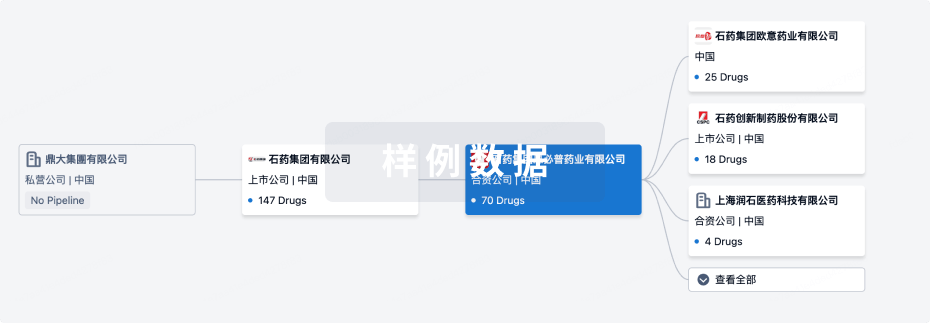
组织架构
使用我们的机构树数据加速您的研究。
登录
或
管线布局
2026年09月18日管线快照
管线布局中药物为当前组织机构及其子机构作为药物机构进行统计,早期临床1期并入临床1期,临床1/2期并入临床2期,临床2/3期并入临床3期
药物发现
1
5
临床前
临床3期
1
7
其他
登录后查看更多信息
当前项目
登录后查看更多信息
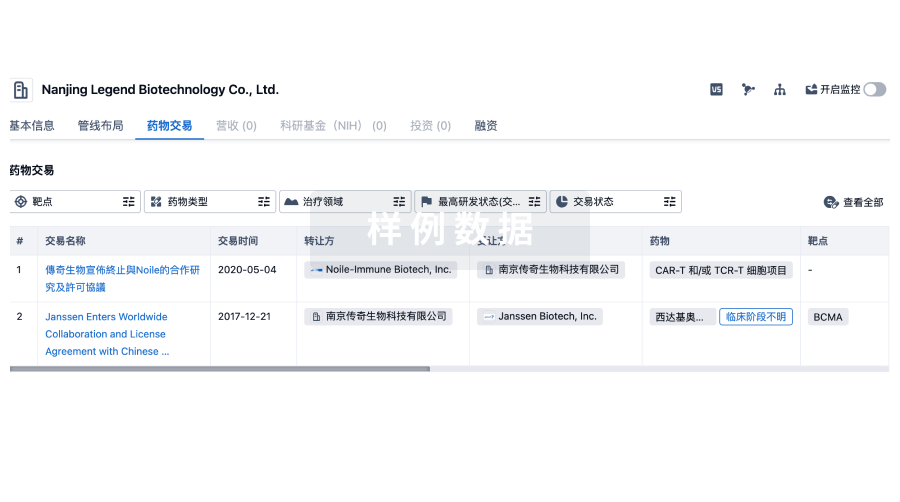
药物交易
使用我们的药物交易数据加速您的研究。
登录
或
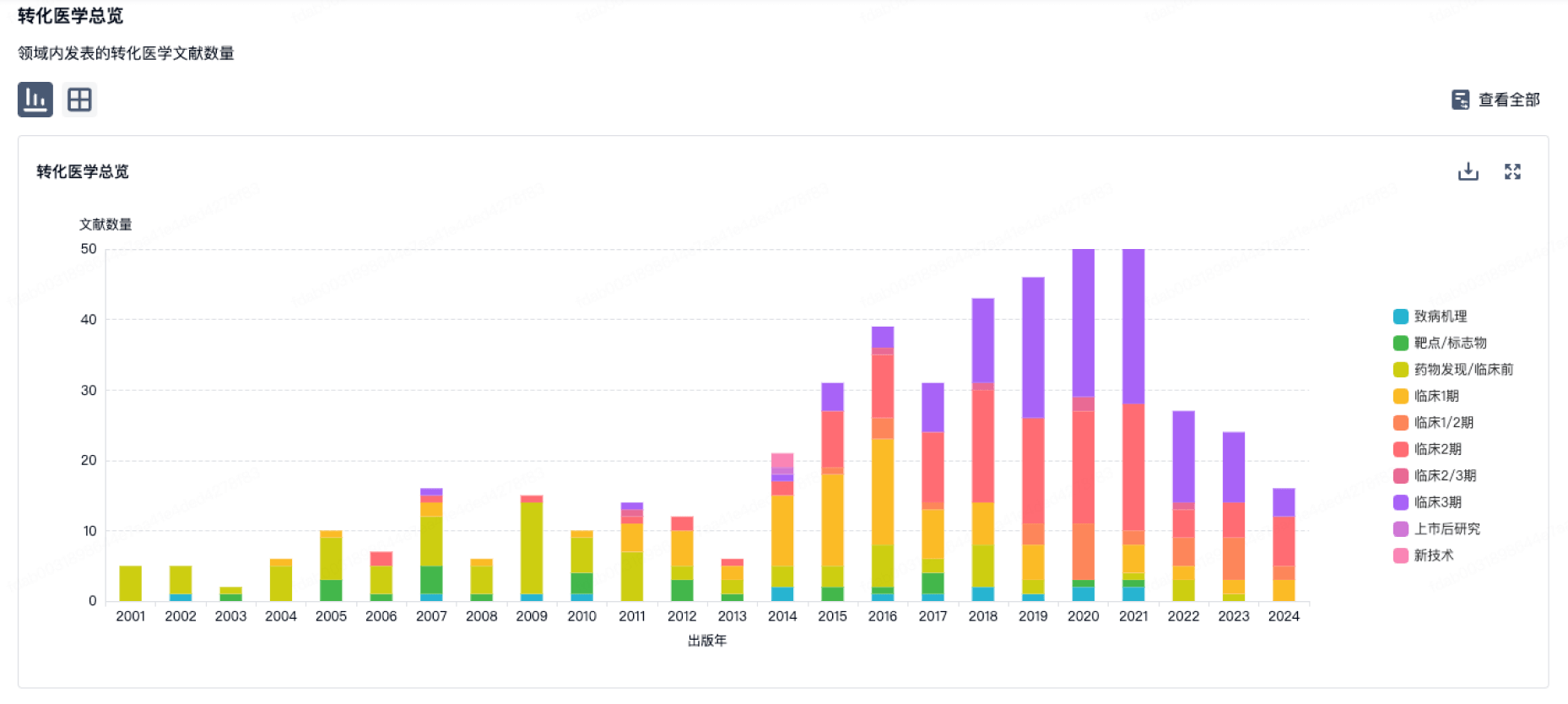
转化医学
使用我们的转化医学数据加速您的研究。
登录
或
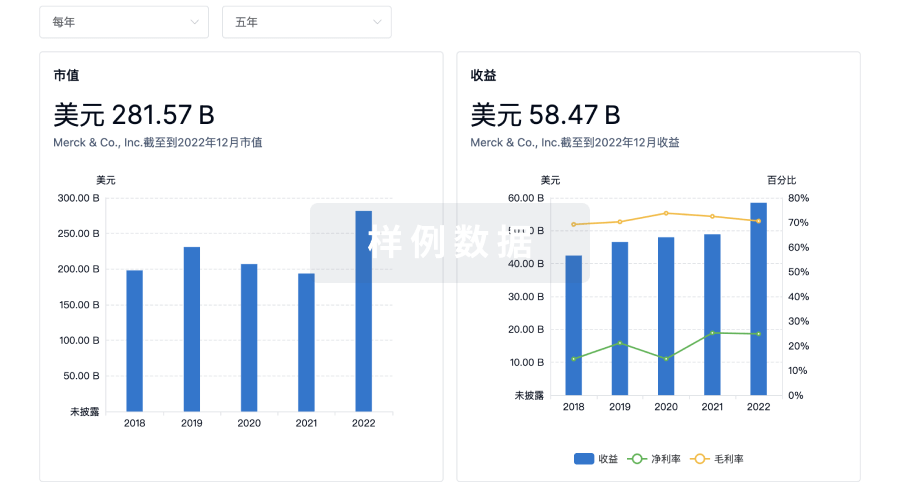
营收
使用 Synapse 探索超过 36 万个组织的财务状况。
登录
或
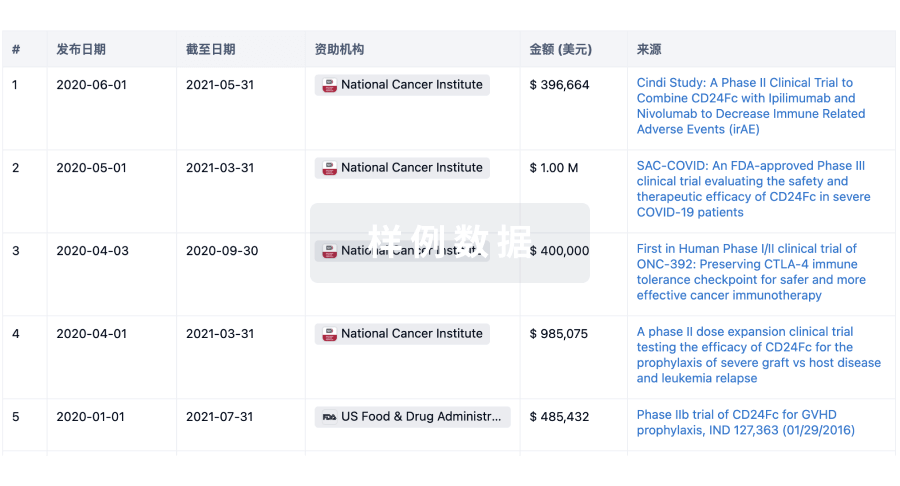
科研基金(NIH)
访问超过 200 万项资助和基金信息,以提升您的研究之旅。
登录
或
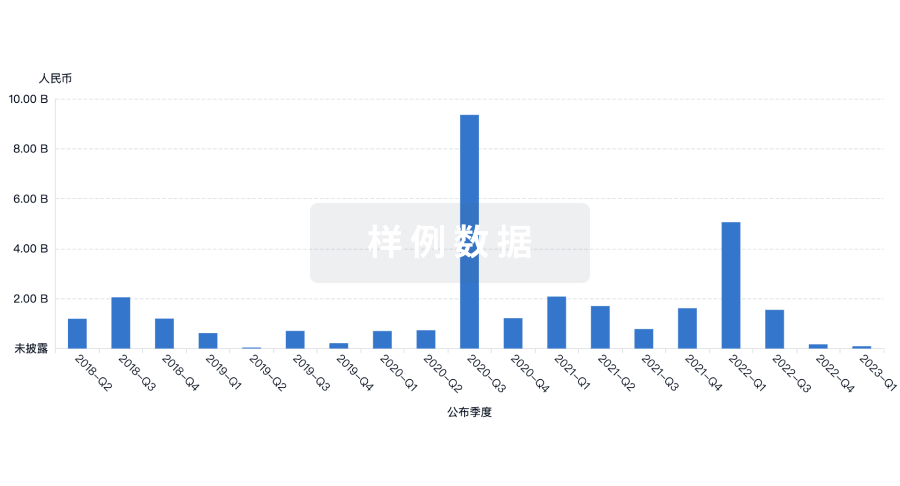
投资
深入了解从初创企业到成熟企业的最新公司投资动态。
登录
或
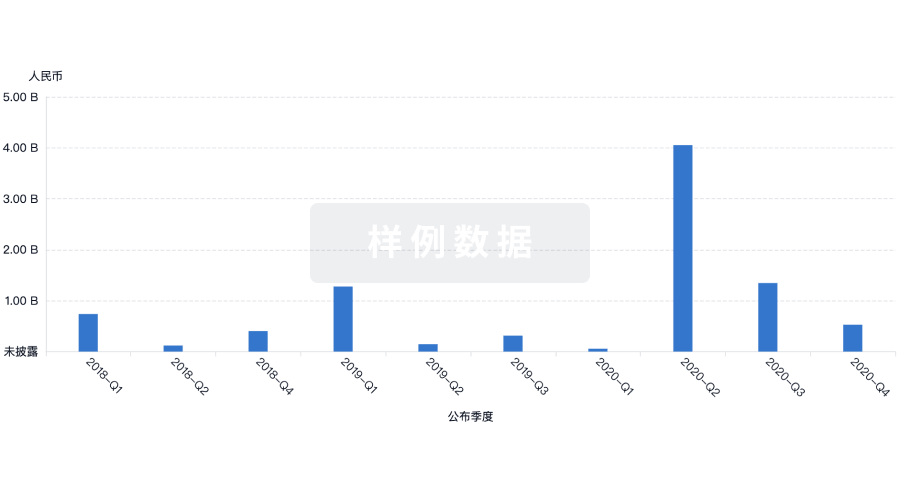
融资
发掘融资趋势以验证和推进您的投资机会。
登录
或
提出任何生物医药研究问题
让每一步生物医药决策都精准制胜
基于十亿级生物数据与全球情报的精准 AI,赋能早期药物发现
立即开始免费试用!
智慧芽新药情报库是智慧芽专为生命科学人士构建的基于AI的创新药情报平台,助您全方位提升您的研发与决策效率。
立即接入生物医药数据包
智慧芽新药库数据也通过智慧芽开放平台,以MCP或API服务形式对外开放。立即使用我们的MCP服务定制您的LLM智能体。
生物序列数据库
生物药研发创新
免费使用
化学结构数据库
小分子化药研发创新
免费使用