预约演示
更新于:2026-10-28

Daiichi Sankyo Europe GmbH
更新于:2026-10-28
概览
标签
心血管疾病
肿瘤
皮肤和肌肉骨骼疾病
小分子化药
ADC
疾病领域得分
一眼洞穿机构专注的疾病领域

技术平台
公司药物应用最多的技术
靶点
公司最常开发的靶点
关联
靶点 |
作用机制 |
在研机构 |
原研机构 |
在研适应症 |
非在研适应症 |
最高研发阶段 |
首次获批国家/地区 |
首次获批日期 |


靶点 |
作用机制 |
在研机构 |
原研机构 |
在研适应症 |
非在研适应症 |
最高研发阶段 |
首次获批国家/地区 |
首次获批日期 |

靶点 |
作用机制 |
在研机构 |
原研机构 |
在研适应症 |
非在研适应症 |
最高研发阶段 |
首次获批国家/地区 |
首次获批日期 |

NCT07867470
A Prospective Non-Interventional Study (NIS) of Dato-DXd (Datopotamab Deruxtecan) in Adult Patients With Unresectable or Metastatic Triple-negative Breast Cancer in the First Line Setting.
NCT07440381
triPle Oral thERapy With Bempedoic Acid vs uSual Care in Early Lipid Management of Patients With acUte coronAry synDromE (PERSUADE) Trial

NCT06686615
Effectiveness and Safety of Bempedoic Acid in Combination With Ezetimibe and Either Rosuvastatin or Atorvastatin in Patients With Primary Hypercholesterolemia or Mixed Dyslipidemia: an Observational Study
100 项与 Daiichi Sankyo Europe GmbH 相关的临床结果
登录后查看更多信息
登录后查看更多信息
2026-12-01BREAST
Chemotherapy outcomes in human epidermal growth factor receptor 2-low, hormone receptor-positive metastatic breast cancer: Insights from the French multicenter ESME database
Article
作者: Mailliez, Audrey ; Zhang, Suyuan ; Arnedos, Monica ; Byng, Danalyn ; Jacot, William ; Pérol, David ; Bachelot, Thomas ; Diéras, Véronique ; Bosquet, Lise ; Brain, Etienne ; Frenel, Jean-Sébastien ; Macouillard, Pauline ; Hunter, Shannon ; Massard, Vincent
BACKGROUND:
The human epidermal growth factor receptor 2 (HER2)-targeted therapy trastuzumab deruxtecan has demonstrated significantly improved efficacy versus chemotherapy in HER2-low or -ultralow, hormone receptor (HR)-positive metastatic breast cancer (mBC) following endocrine therapy (ET). This study describes current real-world characteristics and outcomes for this population in France to inform optimized treatment sequencing, including the potential benefits of novel treatments.
METHODS:
Data were obtained from the Unicancer Epidemiological Strategy and Medical Economics (ESME) MBC database of adult patients with mBC. Patients were diagnosed with HER2-low, HR-positive mBC between 2008 and 2022 and initiated a chemotherapy-based regimen (index line of therapy [LOT]) after ≥1 qualifying line of ET. Real-world overall survival (rwOS) and progression-free survival (rwPFS) were assessed from the start of index LOT.
RESULTS:
Among 326 patients selected, index LOT was third line (3L) or greater ("index 3L+ group") for 202 (62.0%) patients and second line for 124 (38.0%) patients; 101 (31.0%) patients initiated index LOT after progression within 6 months of first-line ET + cyclin-dependent kinase 4/6 inhibitor ("rapid progressors"). Median rwOS (95% confidence interval [CI]) for the overall cohort, index 3L+ group, and rapid progressors was 23.1 (19.7, 27.5), 27.6 (22.7, 31.3), and 18.6 (14.3, 23.0) months, respectively. Median rwPFS (95% CI) for the overall cohort, index 3L+ group, and rapid progressors was 5.1 (4.8, 5.7), 5.2 (4.7, 6.0), and 5.6 (4.6, 6.3) months, respectively.
CONCLUSIONS:
These real-world data suggest limited long-term efficacy of chemotherapy-based treatments for patients with ET-resistant HER2-low, HR-positive mBC, emphasizing high unmet need in this population.
2026-06-01BMJ Open
Low-density lipoprotein cholesterol management and goal attainment at 1 year in patients with diabetes, pre-diabetes and normoglycaemia: results from the European, prospective, observational SANTORINI study
Article
作者: Catapano, Alberico L ; Bardet, Aurélie ; Komen, Joris J ; Ray, Kausik K ; Toplak, Hermann
Objective:
To assess changes in lipid-lowering therapy (LLT) use and low-density lipoprotein cholesterol (LDL-C) goal attainment through 1-year follow-up in patients stratified by diabetes status in SANTORINI (Treatment of High and Very High riSk Dyslipidemic pAtients for the PreveNTion of CardiOvasculaR Events in Europe – a MultInatioNal ObservatIonal study).
Design:
Prospective, observational study.
Setting:
623 primary (general practitioners, internal medicine specialists or internists) and secondary (cardiologists, diabetologists, lipidologists or neurologists) care sites in 14 European countries.
Participants:
A total of 7210 high- and very high-cardiovascular risk adults recruited from 17 March 2020 to 11 February 2021. At baseline, patients were grouped as having diabetes, pre-diabetes or normoglycaemia and analysed if they had LDL-C measurement at baseline and 1-year follow-up.
Primary and secondary outcome measures:
The following were assessed by diabetes status at baseline and 1 year: use of LLT, including assessment of monotherapy and combination therapy; LDL-C values and the proportion of patients with LDL-C goal attainment based on the absolute values in the 2019 European Society of Cardiology/European Atherosclerosis Society guidelines (high risk: <1.8 mmol/L (55 mg/dL); very high risk: <1.4 mmol/L (70 mg/dL)); and levels of other lipid profile parameters, including non-high-density lipoprotein cholesterol (non-HDL-C), HDL-C, triglycerides and total cholesterol.
Results:
Of 7210 patients, 3181 (44.1%) had diabetes, 1202 (16.7%) pre-diabetes and 2827 (39.2%) normoglycaemia. The majority (72.1%) were male; mean (SD) age was 65.0 (10.9) years. From baseline to 1 year, use of combination therapy increased across all groups, with a smaller increase for patients with diabetes (25.9% to 37.9%) compared with pre-diabetes (28.5% to 43.7%) and normoglycaemia (28.9% to 45.1%). The change in LDL-C levels over 1 year was −0.3 mmol/L in patients with diabetes, −0.4 mmol/L in pre-diabetes and −0.4 mmol/L in normoglycaemia. At 1 year, LDL-C goal attainment increased in each group (diabetes: 26.6% to 34.8%; pre-diabetes: 18.3% to 29.0%; normoglycaemia: 16.4% to 27.3%).
Conclusions:
LDL-C goal attainment over 1 year was higher for patients with diabetes than for those with pre-diabetes and normoglycaemia. However, two-thirds of patients with diabetes did not attain their LDL-C goals, which may be attributable to low rates of combination therapy use, highlighting the need to improve lipid management in this high-risk population.
Trial registration number:
NCT04271280
.
2026-04-01BREAST
Real-world treatment patterns and outcomes in HER2-low, HR+ metastatic breast cancer patients previously treated with endocrine therapy in the United States
Article
作者: Zhang, Suyuan ; Harding, Tara ; Jacot, William ; Xiong, Yan ; Modi, Shanu ; Byng, Danalyn ; Hunter, Shannon ; Dunton, Kyle
BACKGROUND:
Up to 60% of metastatic breast cancer (mBC) cases historically classified as human epidermal growth factor receptor 2 (HER2)-negative may be HER2-low, expanding options towards new HER2 targeted treatments. Greater understanding of the current therapeutic journey of this population can help with assessing the potential impact of these novel therapies.
METHODS:
We conducted a real-world retrospective database study using a United States-based cohort to describe the characteristics, treatment patterns, and outcomes among HER2-low, hormone receptor-positive mBC patients who initiated chemotherapy (index line of therapy [ILOT]) in the metastatic setting either within 6 months of 1 line (L) endocrine therapy (ET) + cyclin-dependent kinase 4/6 inhibitor ("rapid ILOT initiators") or after ≥2L of ET ("index 3L+ group").
RESULTS:
Of the 963 patients included, 131 (13.6%) were rapid ILOT initiators and 832 (86.4%) were in the index 3L+ group. Most (80.0%) received single-agent chemotherapy as ILOT, and either a chemotherapy-based regimen (57.0%) or ET ± targeted therapy (26.2%) as a subsequent line (N = 702). Median real-world overall survival (rwOS) from start of ILOT was 18.7 months (95% CI: 17.3, 20.2). Median real-world time to treatment discontinuation or death (rwTTD/D) and real-world time to next treatment or death (rwTTNT/D) were 4.9 (95% CI: 4.6, 5.2) and 5.6 months (95% CI: 5.3, 6.0), respectively. Outcomes were particularly poor among rapid ILOT initiators (median rwOS, rwTTD/D and rwTTNT/D of 15.2, 4.3 and 4.9 months, respectively).
CONCLUSIONS:
Patients receiving chemotherapy following ET had limited benefit from available treatments, highlighting unmet treatment needs in this population.
100 项与 Daiichi Sankyo Europe GmbH 相关的药物交易
登录后查看更多信息
100 项与 Daiichi Sankyo Europe GmbH 相关的转化医学
登录后查看更多信息
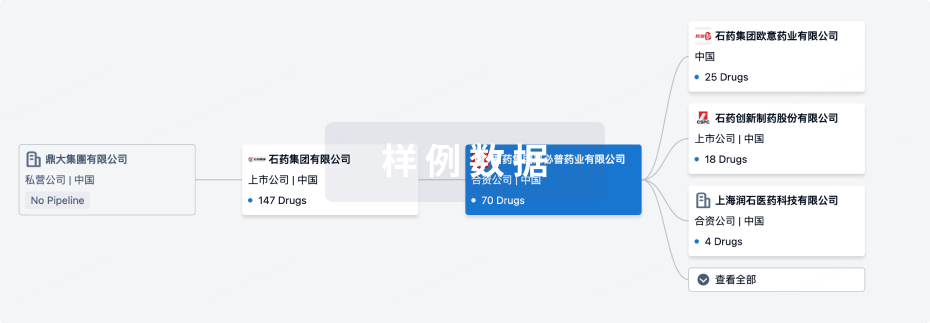
组织架构
使用我们的机构树数据加速您的研究。
登录
或
管线布局
2026年10月30日管线快照
管线布局中药物为当前组织机构及其子机构作为药物机构进行统计,早期临床1期并入临床1期,临床1/2期并入临床2期,临床2/3期并入临床3期
批准上市
7
2
其他
登录后查看更多信息
当前项目
登录后查看更多信息
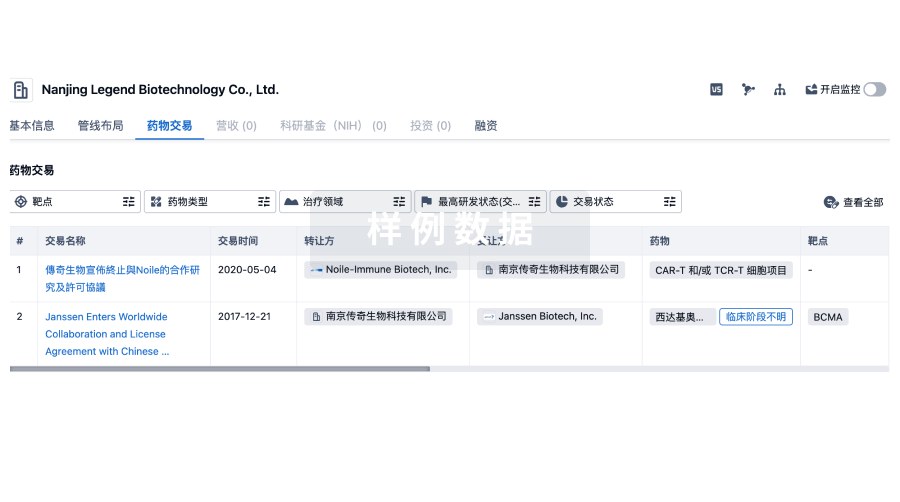
药物交易
使用我们的药物交易数据加速您的研究。
登录
或
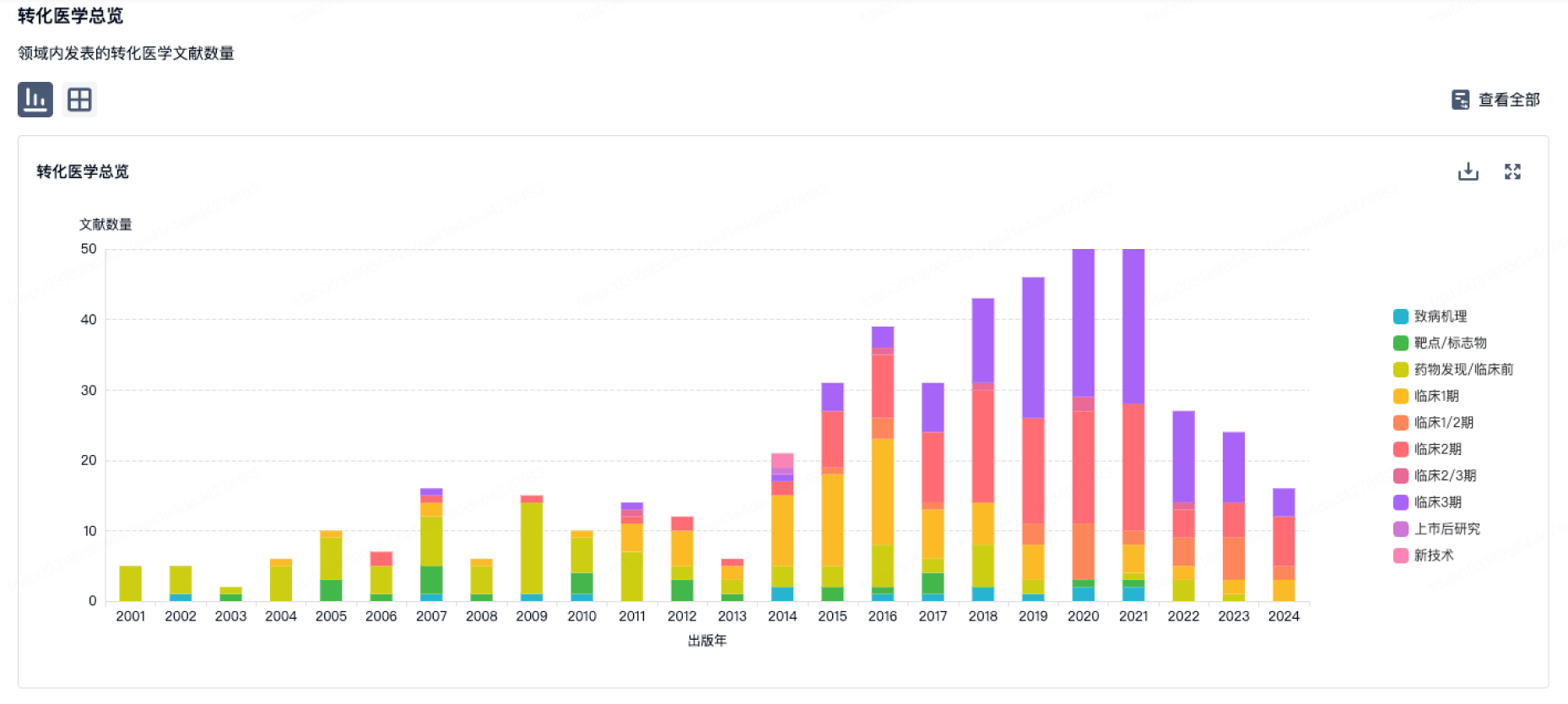
转化医学
使用我们的转化医学数据加速您的研究。
登录
或
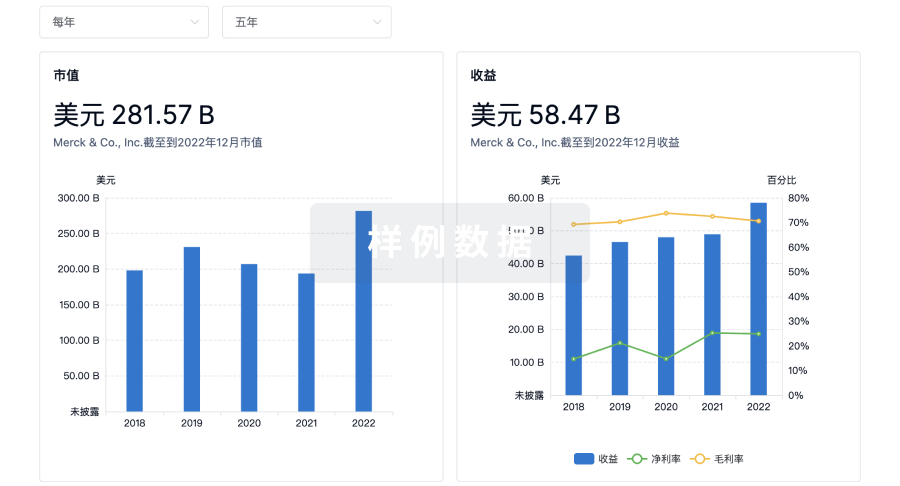
营收
使用 Synapse 探索超过 36 万个组织的财务状况。
登录
或
科研基金(NIH)
访问超过 200 万项资助和基金信息,以提升您的研究之旅。
登录
或
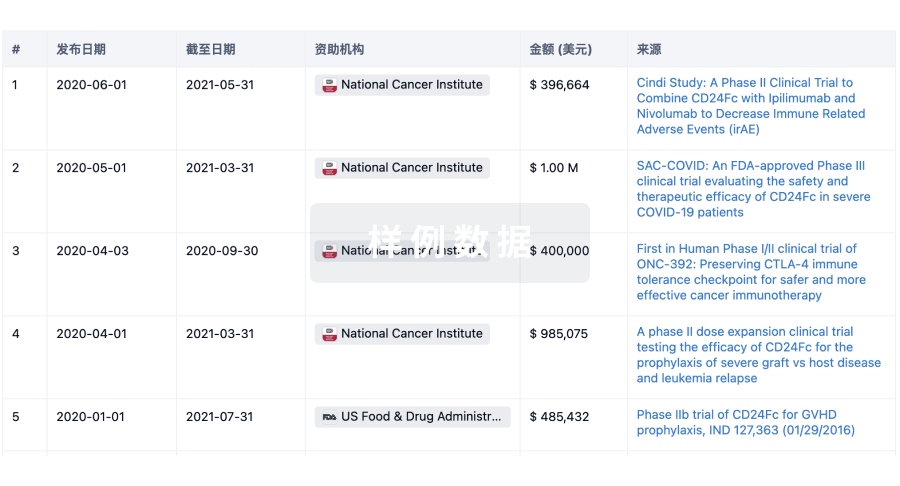
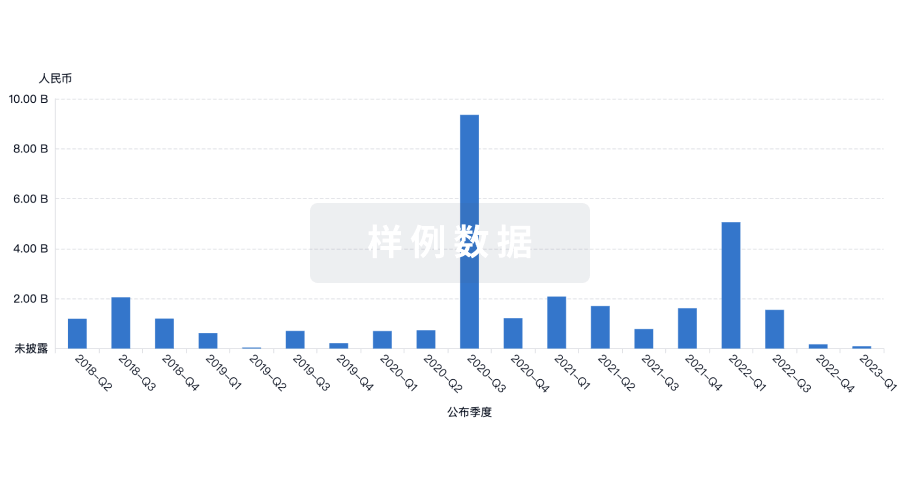
投资
深入了解从初创企业到成熟企业的最新公司投资动态。
登录
或
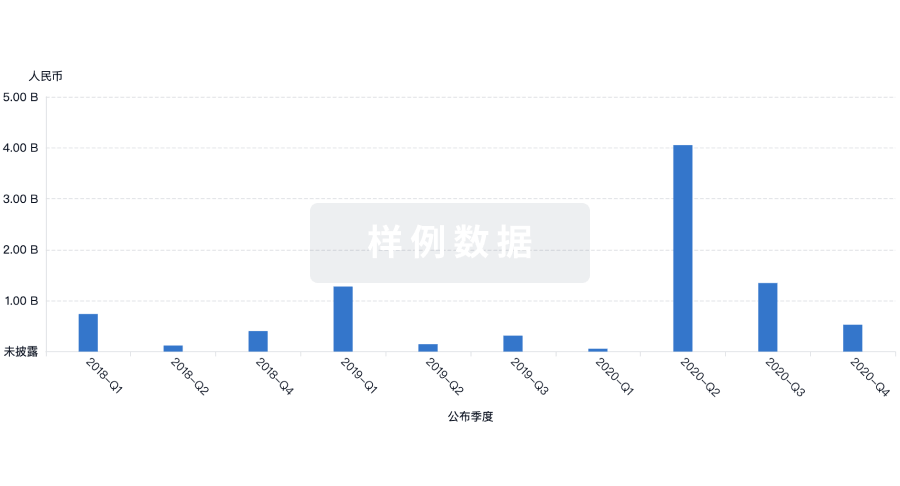
融资
发掘融资趋势以验证和推进您的投资机会。
登录
或
提出任何生物医药研究问题
让每一步生物医药决策都精准制胜
基于十亿级生物数据与全球情报的精准 AI,赋能早期药物发现
立即开始免费试用!
智慧芽新药情报库是智慧芽专为生命科学人士构建的基于AI的创新药情报平台,助您全方位提升您的研发与决策效率。
立即接入生物医药数据包
智慧芽新药库数据也通过智慧芽开放平台,以MCP或API服务形式对外开放。立即使用我们的MCP服务定制您的LLM智能体。
生物序列数据库
生物药研发创新
免费使用
化学结构数据库
小分子化药研发创新
免费使用