预约演示
更新于:2026-11-08

3SBio, Inc.
更新于:2026-11-08
概览
标签
免疫系统疾病
肿瘤
泌尿生殖系统疾病
单克隆抗体
小分子化药
双特异性抗体
疾病领域得分
一眼洞穿机构专注的疾病领域

技术平台
公司药物应用最多的技术
靶点
公司最常开发的靶点
关联
靶点 |
作用机制 |
在研机构 |
原研机构 |
在研适应症 |
非在研适应症 |
最高研发阶段 |
首次获批国家/地区 |
首次获批日期 |

靶点 |
作用机制 |
在研机构 |
原研机构 |
在研适应症 |
非在研适应症 |
最高研发阶段 |
首次获批国家/地区 |
首次获批日期 |

靶点 |
作用机制 |
在研机构 |
原研机构 |
在研适应症 |
非在研适应症 |
最高研发阶段 |
首次获批国家/地区 |
首次获批日期 |
NCT07900867
A Phase 2, Multicenter, Randomized, Double-Blind, Placebo-Controlled Study to Evaluate the Efficacy, Safety, Pharmacokinetics, and Immunogenicity of SSGJ-626 in Participants With Active Cutaneous Lupus Erythematosus
NCT07874984
A Phase 2 Study of SPGL008 in Combination With SSGJ-706 ± Chemotherapy for Advanced Non-small Cell Lung Cancer
NCT07815002
Phase I Clinical Study to Evaluate the Safety, Tolerability, and Initial Efficacy of 3SC009 Monotherapy for Patients With Advanced Solid Tumors
100 项与 三生製藥 相关的临床结果
登录后查看更多信息
登录后查看更多信息
2026-11-01AMERICAN JOURNAL OF CLINICAL DERMATOLOGY
Efficacy and Safety of SSGJ-608 in Moderate-to-Severe Plaque Psoriasis: A Pivotal Multicenter, Double-Blind, Placebo-Controlled, Randomized, Phase III Clinical Trial
Article
作者: Liu, Yanli ; Shan, Yunyun ; Qin, Haihong ; Duan, Xinsuo ; Meng, Zudong ; Feng, Wenli ; Zhang, Litao ; Ci, Chao ; Zhang, Xiaoli ; Guo, Qing ; Zhang, Min ; Wang, Huiping ; Zhang, Guoqiang ; Xu, Jinhua ; Wang, Jinyan ; Zhu, Jianjian ; Han, Xiuping ; Chen, Rixin ; Zhang, Jing ; Tao, Xiaohua ; Zhu, Xiaofang ; Sun, Dongjie ; Ding, Yangfeng ; Ren, Hong ; Ji, Chao ; Wang, Xiaohua ; Han, Hongfang ; Dong, Xiuqin ; Yang, Xueyuan ; Fang, Ruihua ; Cheng, Hao ; Zeng, Tongxiang ; Lu, Xiaonian ; Han, Ling ; Wu, Liming ; Liu, Zhijun ; Yin, Wenhao ; Yu, Chunshui ; Lou, Jing ; Xiao, Rong ; Li, Linfeng ; Wang, Yu ; Yang, Wenlin ; Lei, Tiechi
BACKGROUND:
SSGJ-608 is a recombinant, humanized, immunoglobulin G1 monoclonal antibody that targets human interleukin-17A with high specificity and high affinity.
OBJECTIVE:
We aimed to evaluate the efficacy and safety of SSGJ-608 in patients with moderate-to-severe psoriasis in China.
METHODS:
Adult patients aged 18 years or older with moderate-to-severe plaque psoriasis were randomly assigned (2:2:1) to receive subcutaneous injections of placebo (placebo group), 80 mg of SSGJ-608 every 2 weeks after a starting dose of 160 mg at week 0 (608A group), or 160 mg of SSGJ-608 every 4 weeks (608B group). At week 12, patients in the 608A group received SSGJ-608 80 mg every 4 weeks, patients in the 608B group received SSGJ-608 160 mg every 8 weeks, and patients in the placebo group were re-allocated (1:1) to either the 608A or 608B group to receive 608 80 mg every 4 weeks (with an additional 160-mg loading dose of SSGJ-608 at week 12) or 160 mg every 8 weeks. All patients received treatment until week 48. The primary endpoints were a ≥75% improvement from baseline in the Psoriasis Area and Severity Index score (PASI75) and a static Physicians Global Assessment score of 0/1 (sPGA 0/1) at week 12.
RESULTS:
A total of 458 patients were randomly assigned to either the 608A group (n = 184), the 608B group (n = 183), or the placebo group (n = 91). At week 12, compared with those in the placebo group, a greater proportion of patients in the 608A group and in the 608B group achieved the primary endpoints of PASI75 (95.1% vs 93.4% vs 8.8%) and sPGA of 0 or 1 (76.1% vs 67.2% vs 1.1%). At week 52, PASI75 was maintained by 93.7% in the 608A group and 93.6% in the 608B group, sPGA of 0 or 1 was maintained by 89.3% in the 608A group and 89.4% in the 608B group, PASI90 was maintained by 92.6% in the 608A group and 92.5% in the 608B group, respectively. Both treatment groups demonstrated a favorable safety profile, with no increase in risk observed with longer drug exposure.
CONCLUSIONS:
SSGJ-608 showed rapid and robust clinical response at week 12 and through week 52, and was well tolerated in Chinese patients with moderate-to-severe plaque psoriasis.
CLINICAL TRIAL REGISTRATION:
ClinicalTrials.gov Identifiers: NCT05536726.
2026-08-01Ophthalmology Retina
SSGJ-601 versus Ranibizumab for Macular Edema Secondary to Branch Retinal Vein Occlusion
Article
作者: Zhang, Hong ; Cui, Ling ; Zhang, Wenfang ; Wang, Xian ; An, Liangbao ; Zhong, Jingxiang ; Peng, Jianjun ; Gao, Jianlu ; Chen, Changzheng ; Yang, Mochi ; Yuan, Songtao ; Wang, Linni ; Li, Mingxin ; Zhang, Qing ; Li, Zhuo ; Zhang, Tonghe ; Song, Zongming ; Tan, Liangzhang ; Song, Yanping ; You, Zhipeng ; Li, Xiaorong ; Hao, Jilong ; Zhang, Ming ; Xiong, Wei ; Jin, Yu ; Zhang, Jinglin ; Xu, Xinyan ; Peng, Xiaoyan ; Zhang, Ximei ; Zhou, Zixia ; Wang, Hailin ; Shen, Ye ; Tao, Liming ; Zhuang, Wenjuan ; Wang, Jianfeng ; Dai, Hong ; Ren, Xinjun ; Li, Zhiqing ; Wang, Hong ; Lou, Jing ; Liu, Xiaoling ; Liu, Yanli ; Tan, Wei ; Shi, Huijun ; Han, Quanhong ; Chen, Lixun ; Pan, Xuemei ; Zhao, Shuo ; Wu, Miaoqin ; Wang, Yanling ; Lu, Yingyi ; Li, Jun ; Lei, Chunling ; Ren, Qian
PURPOSE:
To evaluate the clinical efficacy, safety, and immunogenicity of biosimilar SSGJ-601 compared with ranibizumab in patients with macular edema secondary to branch retinal vein occlusion (BRVO).
DESIGN:
A multicenter, randomized, double-masked, active-controlled phase III clinical study.
PARTICIPANTS:
A total of 351 patients with macular edema secondary to BRVO were enrolled.
METHODS:
Evaluable patients (N = 351) were randomized to receive intravitreal SSGJ-601 (1.25 mg per eye, every 4 weeks) or intravitreal ranibizumab (0.5 mg per eye, every 4 weeks) from day 1 through week 20 (6 injections in total), and treatment transitioned to a pro re nata (PRN) schedule based on investigator-assessed retreatment criteria from weeks 24 to 48. All patients completed their end-of-study visit at week 52.
MAIN OUTCOME MEASURES:
The primary efficacy end point was the least squares (LS) mean difference in change in best-corrected visual acuity (BCVA), measured by ETDRS letter score, from baseline to week 24. Secondary efficacy end points, safety, pharmacokinetics, immunogenicity, and changes in VEGF concentration of SSGJ-601 were also analyzed.
RESULTS:
Demographic and baseline characteristics and exposure to treatment were similar between groups. In the study eye, SSGJ-601 was noninferior to ranibizumab in improving the LS mean in BCVA letter count from baseline to week 24 (17.6 [0.66] vs. 18.2 [0.65] letters, -0.6 with 95% confidence interval: -2.4 to 1.3, P for noninferiority <0.0001); thus, the primary clinical efficacy end point was met. At each time point, the proportions of patients achieving BCVA gains of ≥5, ≥10, and ≥15 letters in the SSGJ-601 group were noninferior to those in the ranibizumab group. Drug-related treatment-emergent adverse events (11.4% vs. 12.5%) and serious adverse events (6.9% vs. 9.1%) were comparable in the 2 treatment groups. A low incidence of binding antidrug antibodies was observed in the SSGJ-601 group.
CONCLUSIONS:
This study supports the conclusion of no clinically meaningful differences in efficacy, safety, and immunogenicity between SSGJ-601 and ranibizumab in patients with macular edema secondary to BRVO. Additionally, treatment transitioned to a PRN schedule based on investigator-assessed retreatment criteria resulted in sustained benefits in visual and anatomical outcomes.
FINANCIAL DISCLOSURE(S):
The authors have no proprietary or commercial interest in any materials discussed in this article.
2025-04-01JOURNAL OF IMMUNOLOGICAL METHODS
The generation of a novel HER2-targeting nano PE25 immunotoxin with superior anti-tumor activity and high productivity
Article
作者: Chen, Xianfei ; Wan, Yibin ; Ren, Xiu ; Guo, Zhenhua ; Xiao, Jianguo ; Huang, Haomin
Immunotoxins have the potential to be developed into anti-tumor drugs due to their targeting and strong tumor-killing activity. However, at present, issues such as dose limitations due to off-target toxicity and immunogenicity hinder the clinical use of immunotoxins. A novel HER2-targeted immunotoxin F02 was devised in this study. F02 links an anti-HER2 single-domain camelid antibody to a domain III mutant of PE toxin via a cleavable linker. The PE domain III mutant has seven point-mutations, which potentially remove B-cell and T-cell binding epitopes, thus reducing immunogenicity risks. F02 maintains anti-tumor activity in vivo and in vitro. In animals, F02 effectively inhibited the growth of NCI-N87 tumors at 1.0 mg/kg, and showed a dose-effect relationship, as the effect of completely removing tumors could be achieved at doses above 2.5 mg/kg. F02 also has low toxicity. In cynomolgus monkey models, good tolerability was observed even at 5 mg/kg, a much higher dose than the effective dose. In addition, the molecule has good druggability and can achieve soluble expression in E. coli with a high expression level. Thus, this new molecule has the potential to become a new option for treatment of HER2-positive tumors.
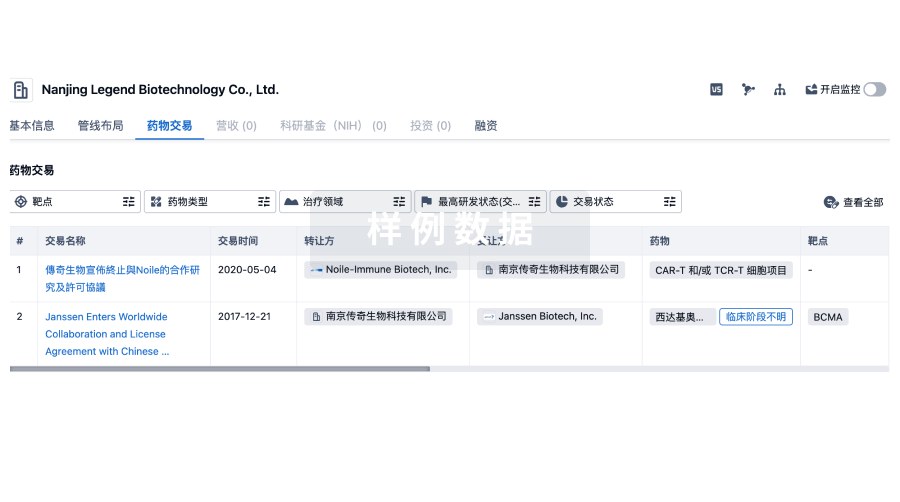
100 项与 三生製藥 相关的药物交易
登录后查看更多信息
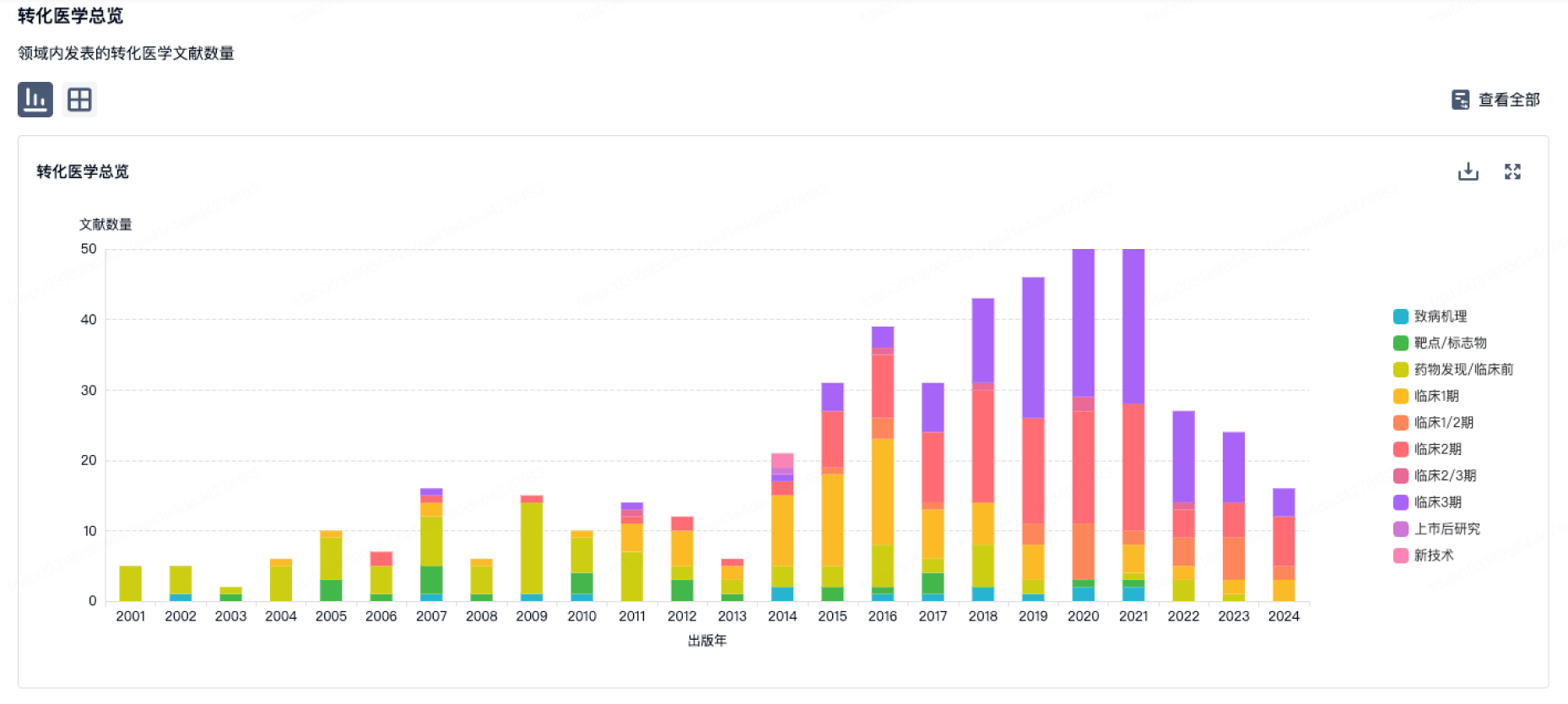
100 项与 三生製藥 相关的转化医学
登录后查看更多信息
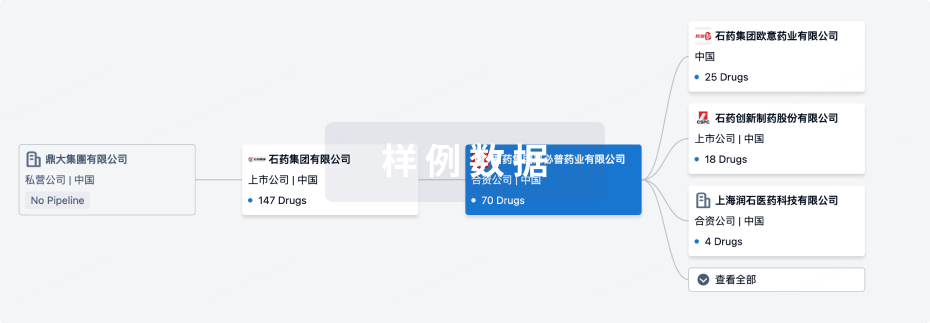
组织架构
使用我们的机构树数据加速您的研究。
登录
或
管线布局
2026年11月08日管线快照
管线布局中药物为当前组织机构及其子机构作为药物机构进行统计,早期临床1期并入临床1期,临床1/2期并入临床2期,临床2/3期并入临床3期
药物发现
4
19
临床前
临床申请
2
5
临床申请批准
临床1期
16
11
临床2期
临床3期
4
8
申请上市
批准上市
14
28
其他
登录后查看更多信息
当前项目
登录后查看更多信息
药物交易
使用我们的药物交易数据加速您的研究。
登录
或
转化医学
使用我们的转化医学数据加速您的研究。
登录
或
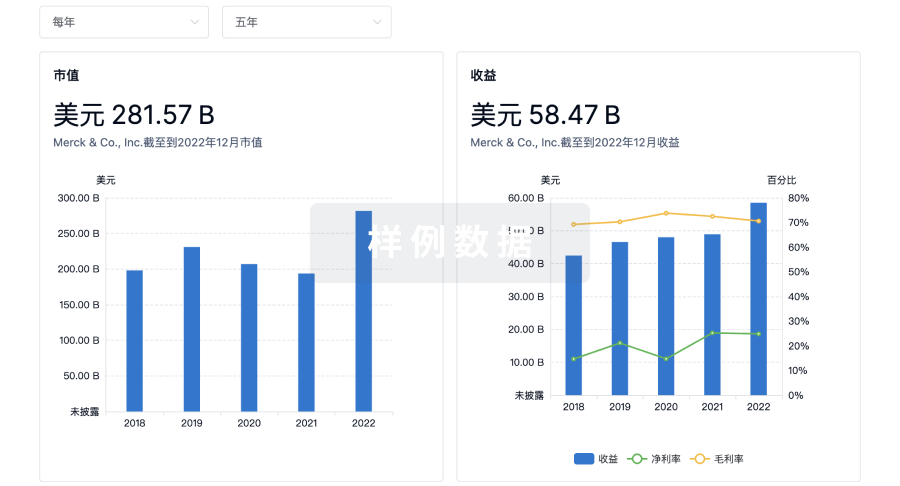
营收
使用 Synapse 探索超过 36 万个组织的财务状况。
登录
或
科研基金(NIH)
访问超过 200 万项资助和基金信息,以提升您的研究之旅。
登录
或
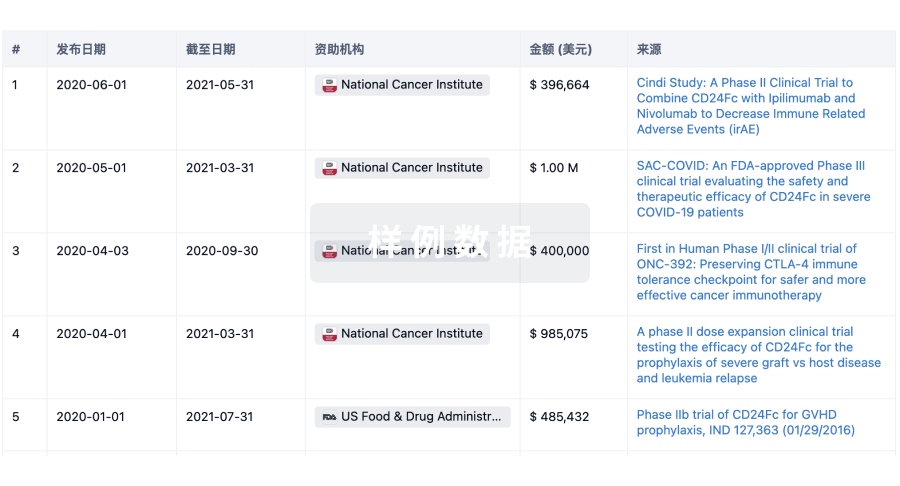
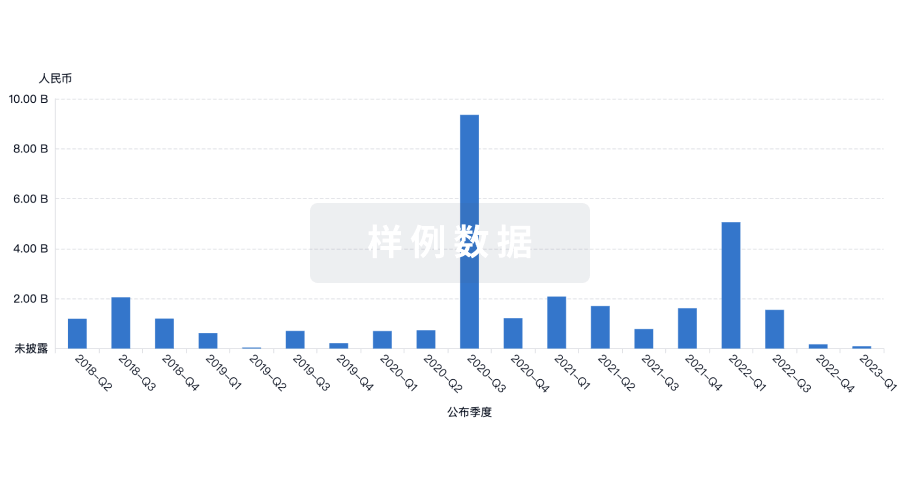
投资
深入了解从初创企业到成熟企业的最新公司投资动态。
登录
或
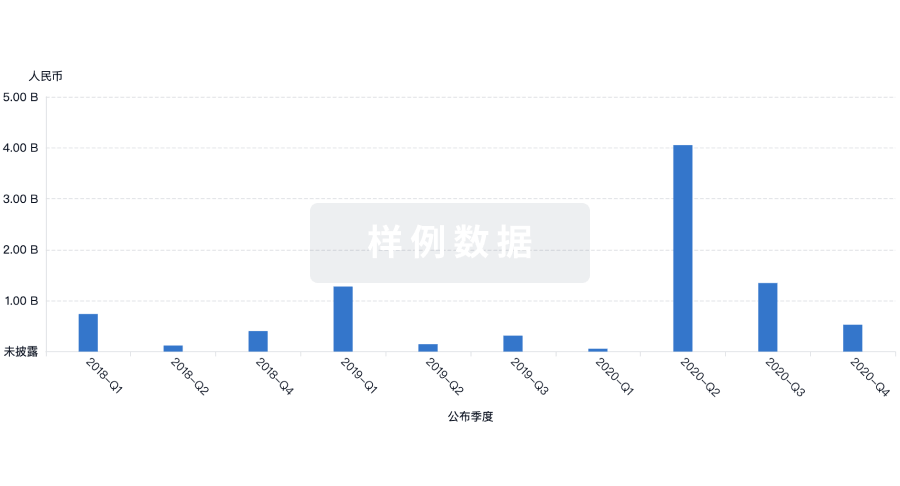
融资
发掘融资趋势以验证和推进您的投资机会。
登录
或
提出任何生物医药研究问题
让每一步生物医药决策都精准制胜
基于十亿级生物数据与全球情报的精准 AI,赋能早期药物发现
立即开始免费试用!
智慧芽新药情报库是智慧芽专为生命科学人士构建的基于AI的创新药情报平台,助您全方位提升您的研发与决策效率。
立即接入生物医药数据包
智慧芽新药库数据也通过智慧芽开放平台,以MCP或API服务形式对外开放。立即使用我们的MCP服务定制您的LLM智能体。
生物序列数据库
生物药研发创新
免费使用
化学结构数据库
小分子化药研发创新
免费使用