预约演示
更新于:2026-03-04
FUJIFILM Corp.
更新于:2026-03-04
概览
标签
肿瘤
皮肤和肌肉骨骼疾病
血液及淋巴系统疾病
小分子化药
单克隆抗体
间充质干细胞疗法
疾病领域得分
一眼洞穿机构专注的疾病领域

技术平台
公司药物应用最多的技术
靶点
公司最常开发的靶点
关联
靶点 |
作用机制 |
在研机构 |
原研机构 |
在研适应症 |
非在研适应症 |
最高研发阶段 |
首次获批国家/地区 |
首次获批日期 |


靶点 |
作用机制 |
在研机构 |
原研机构 |
在研适应症 |
非在研适应症 |
最高研发阶段 |
首次获批国家/地区 |
首次获批日期 |

靶点 |
作用机制 |
在研机构 |
原研机构 |
在研适应症 |
非在研适应症 |
最高研发阶段 |
首次获批国家/地区 |
首次获批日期 |
JPRN-UMIN000055075
A systematic review of the antioxidant effects of Astaxanthin on blood lipids - A systematic review of the antioxidant effects of Astaxanthin on blood lipids
JPRN-UMIN000055049
A systematic review of the effects of Astaxanthin on skin moisture and elasticity - A systematic review of the effects of Astaxanthin on skin moisture and elasticity
JPRN-UMIN000055048
A systematic review of the skin moisturizing effects of Astaxanthin. - A systematic review of the skin moisturizing effects of Astaxanthin.
100 项与 FUJIFILM Corp. 相关的临床结果
登录后查看更多信息
登录后查看更多信息
2026-03-01ULTRASONICS
Optimized Apodizations with Training Simulations (OATS): Learned depth-dependent apodizations via differentiable beamforming for reduced operator tuning
Article
作者: Nahas, Hassan ; Yu, Alfred C H ; Xiao, Di ; Kishimoto, Aya ; Hiroshima, Misaki
Ultrasound is a point-of-care imaging modality that allows for real-time operation. While real-time capabilities are advantageous, one potential concern is the operator dependency of the modality as settings selected by the operator can alter the image appearance. Improvement of the B-mode image to necessitate fewer adjustments can reduce the operator dependency. Here, we propose a supervised learning framework (Optimal Apodizations with Training Simulations - OATS) to devise new apodization weights for image quality improvement. Our framework relies on the use of a differentiable beamformer to iteratively optimize apodization weights by comparing differences between simulated ground truth images and the corresponding post-beamformed images (simulated training set of over 200 images). We experimentally verified that these apodization weights resulted in higher quality B-mode images on both simulated and real-world data for focused and unfocused imaging scenarios. In the focused imaging scenario, the OATS-apodized images demonstrated reduced sidelobe artifact, improved lateral resolution (11 %), and improved signal equalization across depth when compared to a conventional Hanning apodization. In the unfocused imaging scenario, we observed reduced sidelobe artifacts and improved tissue-to-lesion contrast by up to 13 dB when compared against fixed F-number beamforming. Additionally, the OATS apodization weights were physically interpretable and learned to emulate image formation parameters such as time-gain compensation, F-number limited aperture, and transmit focus through the supervised learning procedure. Overall, the proposed framework successfully learned generalizable receive apodizations to improve image quality.
2026-01-01JOURNAL OF ORTHOPAEDIC SCIENCE
Medial meniscus tears in early-stage medial knee osteoarthritis: Prevalence and type in a Japanese cohort
Article
作者: Tomita, Makoto ; Katano, Hisako ; Okanouchi, Noriya ; Sekiya, Ichiro ; Ozeki, Nobutake ; Masumoto, Jun ; Koga, Hideyuki
BACKGROUND:
Medial meniscus (MM) tears are closely associated with medial knee osteoarthritis (OA); however, their relationship in early-stage OA remains poorly understood. The purpose of this study was to elucidate the prevalence and types of MM tears in relation to age, gender, Kellgren-Lawrence (KL) grade, and MM extrusion among participants in the Kanagawa Knee Study, with the aim of potentially capturing the transition from healthy knees to early-stage medial knee OA.
METHODS:
The study analyzed 469 subjects (227 women, 242 men) aged 30-79 years. MM morphology was classified into six types using 3 T magnetic resonance imaging (3 T MRI): signal, horizontal tear, longitudinal tear, radial tear, complex tear, and root tear. The KL grades were automatically evaluated using KOALA software. The MM extrusion was measured on coronal MRI images.
RESULTS:
MM tears were present in 18.2 % of the subjects, with complex (7.9 %) and horizontal (7.7 %) tears being the most common. The prevalence of MM tears increased with age, with women in their sixties and seventies showing a significant increase compared to younger age groups. A marked gender difference was observed in patients in their sixties, with women showing a 45 % prevalence of MM tears compared to 19 % in men. The prevalence of MM tears increased with KL grade: 7 % in KL0, 14 % in KL1, 51 % in KL2, and 100 % in KL3-4. The prevalence was significantly higher in knees with MM extrusion ≥3 mm (90 %) than in those with MM extrusion <3 mm (11 %).
CONCLUSIONS:
MM tears become more prevalent with advancing age, higher KL grade, and increased MM extrusion. The risk of MM tears appears to be considerably higher in women in their sixties than in men of the same age group.
2026-01-01Magnetic Resonance in Medical Sciences
Evaluation of Blood Flow Energy Loss before and after Endovascular Aneurysm Repair Using Four-dimensional Flow MR Imaging
Article
作者: Ito, Hirotaka ; Ikeda, Shimpei ; Happoh, Seigoh ; Sekine, Tetsuro ; Abe, Masashi ; Ueshima, So ; Fujii, Masahiro ; Tomoda, Takahiro ; Okada, Ko ; Mine, Takahiko ; Hayashi, Hiromitsu ; Kumita, Shin-ichiro
PURPOSE:
To evaluate hemodynamic changes associated with aortic stiffness after endovascular aneurysm repair (EVAR) for abdominal aortic aneurysm using 4-dimensional flow MRI (4D Flow MRI), with a focus on blood flow energy loss (EL).
METHODS:
Thirty-five patients underwent 4D Flow MRI before and after EVAR. Flow velocity, volume, and reflux ratio were measured at the juxtarenal aorta, aneurysmal orifice, and distal iliac landing zone. EL was assessed at the neck and treatment segments, and its relationship with pulse wave velocity (PWV) was analyzed.
RESULTS:
Post-EVAR velocity and volume increased across all segments, whereas reflux ratio decreased at the aneurysmal orifice. EL significantly increased at the neck (6.3 [4.0-9.7] vs 16.7 [5.4-29.9] mW, P < 0.001) and treatment segments (29.0 [21.8-45.2] vs 265.6 [182.7-443.6] mW, P < 0.001). Patients with increased PWV showed a greater EL rise at the neck (6.8 [4.2-11.5] vs 16.9 [7.9-30.4] mW, P = 0.001). When stratified by pre-EVAR brachial-ankle PWV, the high-risk group (≥ 1800 cm/s) had a higher post-/pre-EL ratio (6.7 [4.0-10.6] vs 10.4 [7.0-15.8], P = 0.018).
CONCLUSION:
EVAR induces specific hemodynamic alterations. The post-operative rise in flow velocity, volume, and EL indicates increased aortic stiffness, suggesting elevated cardiac afterload in patients with advanced arterial stiffness.
100 项与 FUJIFILM Corp. 相关的药物交易
登录后查看更多信息
100 项与 FUJIFILM Corp. 相关的转化医学
登录后查看更多信息
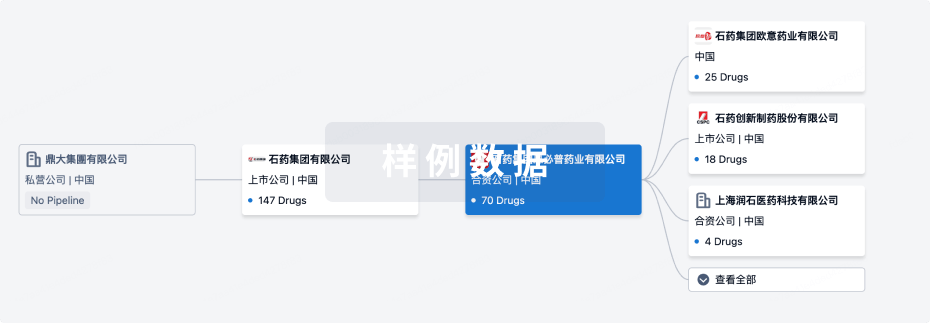
组织架构
使用我们的机构树数据加速您的研究。
登录
或
管线布局
2026年10月07日管线快照
管线布局中药物为当前组织机构及其子机构作为药物机构进行统计,早期临床1期并入临床1期,临床1/2期并入临床2期,临床2/3期并入临床3期
药物发现
3
10
临床前
临床1期
2
3
临床2期
临床3期
1
17
批准上市
其他
12
登录后查看更多信息
当前项目
登录后查看更多信息
药物交易
使用我们的药物交易数据加速您的研究。
登录
或

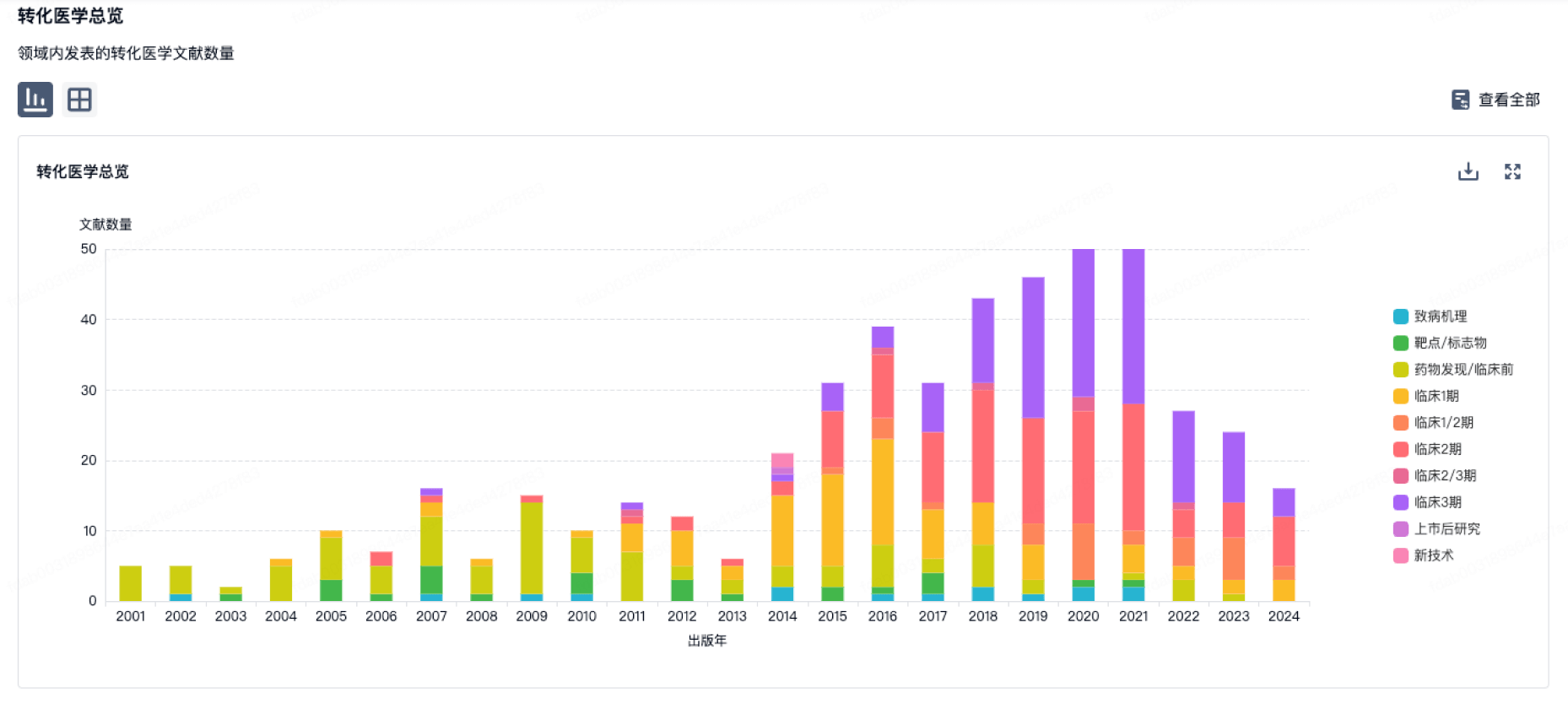
转化医学
使用我们的转化医学数据加速您的研究。
登录
或
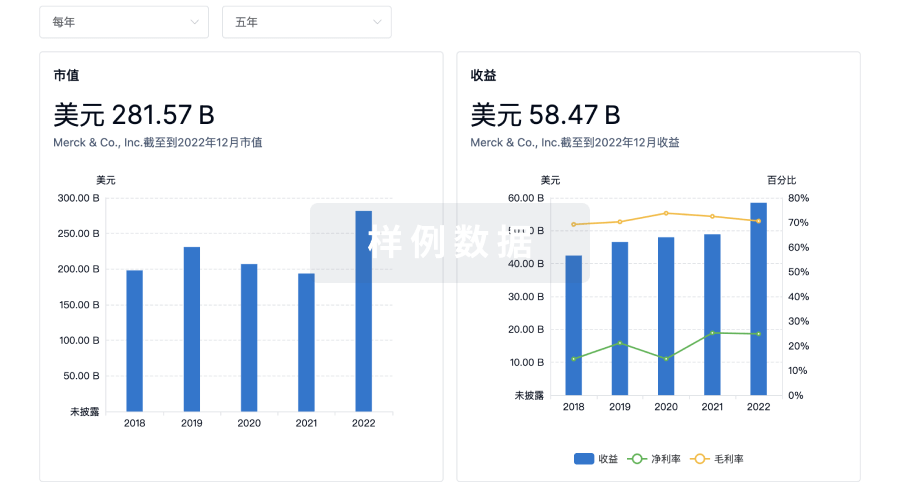
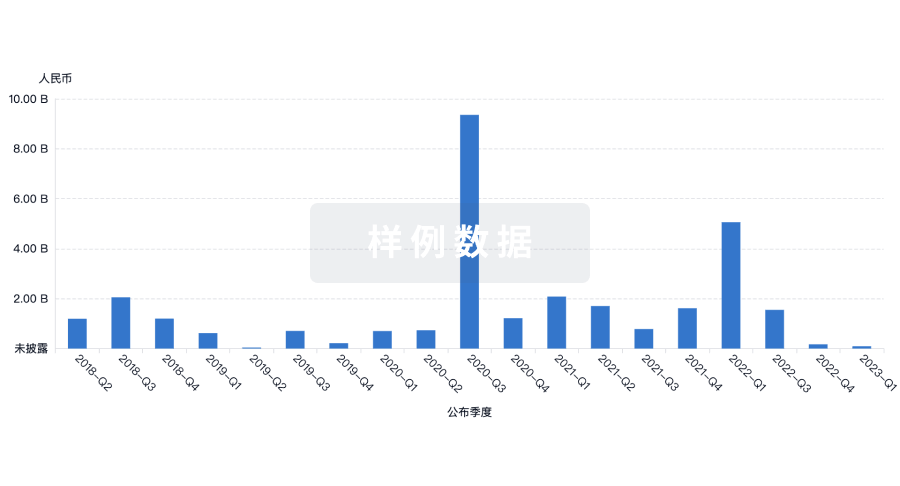
营收
使用 Synapse 探索超过 36 万个组织的财务状况。
登录
或
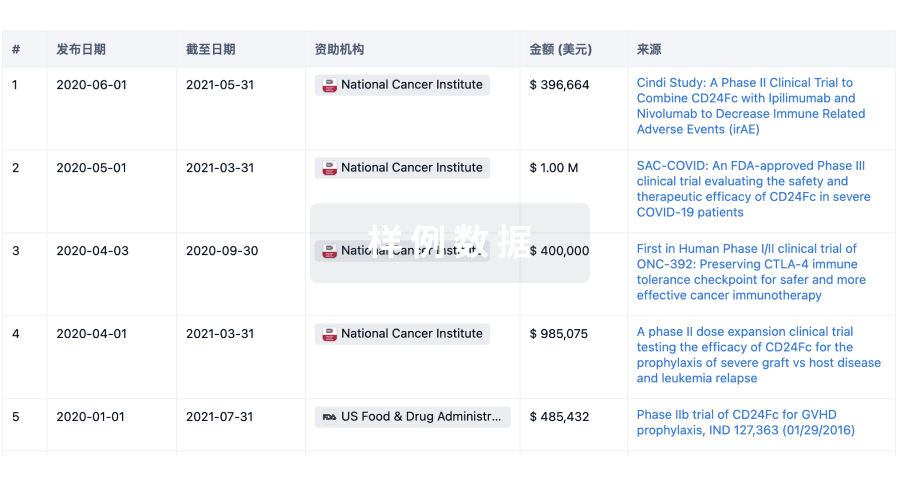
科研基金(NIH)
访问超过 200 万项资助和基金信息,以提升您的研究之旅。
登录
或
投资
深入了解从初创企业到成熟企业的最新公司投资动态。
登录
或
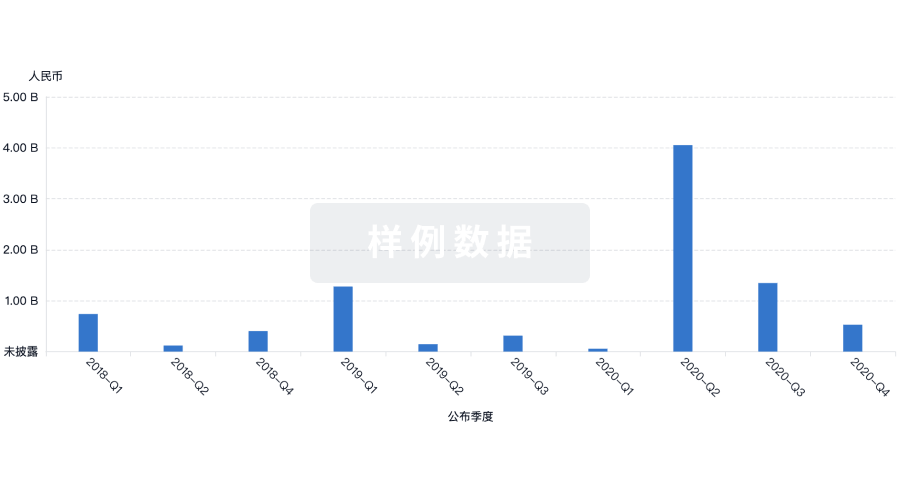
融资
发掘融资趋势以验证和推进您的投资机会。
登录
或
提出任何生物医药研究问题
让每一步生物医药决策都精准制胜
基于十亿级生物数据与全球情报的精准 AI,赋能早期药物发现
立即开始免费试用!
智慧芽新药情报库是智慧芽专为生命科学人士构建的基于AI的创新药情报平台,助您全方位提升您的研发与决策效率。
立即接入生物医药数据包
智慧芽新药库数据也通过智慧芽开放平台,以MCP或API服务形式对外开放。立即使用我们的MCP服务定制您的LLM智能体。
生物序列数据库
生物药研发创新
免费使用
化学结构数据库
小分子化药研发创新
免费使用