预约演示
更新于:2026-07-01

China National Biotec Group Co., Ltd.
更新于:2026-07-01
概览
标签
感染
其他疾病
神经系统疾病
预防性疫苗
减毒活疫苗
mRNA疫苗
疾病领域得分
一眼洞穿机构专注的疾病领域

技术平台
公司药物应用最多的技术
靶点
公司最常开发的靶点
关联
靶点 |
作用机制 |
在研机构 |
原研机构 |
在研适应症 |
非在研适应症 |
最高研发阶段 |
首次获批国家/地区 |
首次获批日期 |

靶点 |
作用机制 |
在研机构 |
原研机构 |
在研适应症 |
非在研适应症 |
最高研发阶段 |
首次获批国家/地区 |
首次获批日期 |
靶点 |
作用机制 |
在研机构 |
原研机构 |
在研适应症 |
非在研适应症 |
最高研发阶段 |
首次获批国家/地区 |
首次获批日期 |


CTR20261511
评价冻干 b 型流感嗜血杆菌结合疫苗接种于 2 月龄及以上健康人群安全性和免疫原性的单中心、随机、盲法、平行对照的Ⅲ期临床试验

ChiCTR2600118695
A Real-World Study on the Safety and Efficacy of Adalimumab Injection in Patients with Rheumatoid Arthritis, Ankylosing Spondylitis, and Psoriasis
NCT07445815
A Phase II, Single-Center, Randomized, Blinded, Controlled Clinical Trial to Evaluate the Safety, Tolerability, and Pharmacodynamics of a Recombinant Human Anti-Rabies Virus Monoclonal Antibody Injection in Healthy Subjects
100 项与 中国生物技术股份有限公司 相关的临床结果
登录后查看更多信息
登录后查看更多信息
2026-12-31Human Vaccines & Immunotherapeutics
Comparison of safety and immunogenicity between high-dose and low-dose quadrivalent influenza vaccines in children aged 6–35 months in China: A randomized, double-blind clinical study
Article
作者: Zhao, Chenyan ; Dong, Xufeng ; Xing, Kunpeng ; Qiu, Ye ; Xu, Wen ; Guo, Xue ; Li, Jingyu ; Xu, Xiaoteng ; Xu, Weijiao ; Guo, Zhanlong ; Liu, Xiaoqiang ; Li, Guohua ; Wu, Yehong ; Ma, Yuanjia ; Li, Kexin ; Wang, Cangning ; Gao, Xuefen
Influenza vaccines for children aged 6-35 months are typically low-dose (0.25 mL, 7.5 μg hemagglutinin per strain). However, studies have shown that high-dose influenza vaccines (0.5 mL, 15 μg hemagglutinin per strain) can enhance protective efficacy without increasing the risk of adverse reactions. We conducted a randomized, double-blind clinical study in children aged 6-35 months in China. A total of 3,000 participants were randomized (1:1:1) to receive two doses of either an investigational high-dose quadrivalent influenza vaccine (H-QIV), an investigational low-dose quadrivalent influenza vaccine (LQIV-01) or a commercially available low-dose quadrivalent influenza vaccine (LQIV-02). Hemagglutination inhibition (HI) antibody titers 30 d post-vaccination were measured and vaccine safety and tolerability within 6 months post-vaccination were evaluated in these participants. The primary objectives were to demonstrate the non-inferiority of investigational vaccines to the commercially available vaccine in immunogenicity and to compare the H-QIV to L-QIVs. Both investigational vaccines demonstrated non-inferiority, with their seroprotection rates (SPRs), seroconversion rates (SCRs) and geometric mean titers (GMTs) meeting immunogenicity criteria. The H-QIV exhibited >11-fold increases in GMTs against H1N1, H3N2, B/Yamagata and B/Victoria strains compared to pre-vaccination levels, with SPRs exceeding 95% and SCRs exceeding 89%. The H-QIV was superior to both L-QIVs as it induced a stronger immune response to influenza viruses. All vaccines showed comparable safety profiles. The H-QIV can provide greater protection and benefits to this high-risk population.
2026-06-01Advanced Healthcare Materials
Spiky Nanoparticle‐Gel Composite for Efficient Intravesical Botulinum Toxin A Delivery and Treatment of Overactive Bladder
Article
作者: Cong, Huiling ; Liu, Xin ; Wang, Linna ; Zhu, Meikai ; Sun, Haoyu ; Liao, Limin ; Zhou, Yongheng ; Liu, Yixi ; Liu, Tao ; Xiang, Tianyu ; Liu, Qinggang
ABSTRACT:
Overactive bladder (OAB) is a symptomatic disease that is difficult to treat. This study developed APTES‐functionalized spiky titanium dioxide nanoparticles (ASNPs) loaded with botulinum toxin A (ASNP@BA), which is coated with P407/HA (HP) thermosensitive gel to treat OAB. Spiky nanoparticles exhibited a spiky nanostructure and were APTES‐functionalized to exhibit enhanced drug‐loading capacity. The optimal HP gel changed from liquid to gel near body temperature. In vitro, ASNPs enter cells via MYH9‐mediated endocytosis. The expression of ZO‐1 and E‐cadherin proteins, along with changes in TEER, indicates that ASNPs entering cells do not compromise the integrity of the bladder barrier. In vivo, ASNP@HP showed excellent biocompatibility. Following bladder instillation of ASNP@HP, no significant toxicity was observed in major organs. The bladder barrier integrity was not significantly compromised. In a rat model, pretreatment of the bladder with ASNP@HPBA significantly reduced the excessive contraction induced by acetic acid, markedly reducing the intercontraction interval decline to 41.83% ± 17.78% compared to controls (∼75%) and free BTX‐A (71.72%). The downregulation of SNAP‐25 and SNAP‐23 in the ASNP@HPBA group demonstrated successful targeted delivery and bioactivity. This platform combines macromolecular drug delivery with effective therapeutic efficacy and safety profile, representing a promising strategy for the treatment of OAB.
2026-04-01VIROLOGY
Combination immunization with mRNAs encoding PRRSV antigens enhances immune responses and confers protective immunity against highly pathogenic PRRSV in piglets
Article
作者: Hou, Fengping ; Teng, Zhidong ; Mehdi, Muhammad Muntazir ; Jiang, Lixin ; Sun, Shiqi ; Yin, Shuanghui ; Qiao, Lu ; Guo, Huichen ; Liu, Haiyun ; Ma, Yuqing
Porcine reproductive and respiratory syndrome virus (PRRSV) has caused significant economic losses in the livestock industry. Due to high genetic variability and limited cellular immunity induction by traditional vaccines, current options offer insufficient protection. In contrast, mRNA vaccines offer flexibility in antigen design and enhanced cellular immune response, presenting a promising solution for PRRSV vaccination. In this study, multiple mRNAs encoding PRRSV structural proteins GP3, GP4, GP5, M, and N, as well as the fusion proteins GP345 and GP5MN, were constructed, encapsulated in lipid nanoparticles (LNPs), and administered to mice either with individual fusion protein mRNA-LNPs or a combination immunization of structural protein mRNA-LNPs formulations to evaluate their immunogenicity in vivo. To further assess protective efficacy, we compared GP5+M+N and GP3+4+5 with a commercial inactivated vaccine in piglets. Notably, GP5+M+N not only achieved a humoral immune response comparable to that of the inactivated vaccine but also induced significantly higher levels of IFN-γ secretion and conferred effective protection in piglets. The results showed that GP5+M+N could induce a stronger specific antibody response and cellular immune response than GP5MN; the cellular immune response induced by GP3+GP4+GP5 (GP3+4+5) was also significantly better than that of GP345. These results not only verified the application potential of PRRSV mRNA vaccines but also indicated that the combination immunization of mRNAs expressing individual antigens was superior to that of mRNAs expressing multiple antigen fusions. This study provides both theoretical support and practical guidance for the rational design of PRRSV mRNA vaccines.
100 项与 中国生物技术股份有限公司 相关的药物交易
登录后查看更多信息
100 项与 中国生物技术股份有限公司 相关的转化医学
登录后查看更多信息
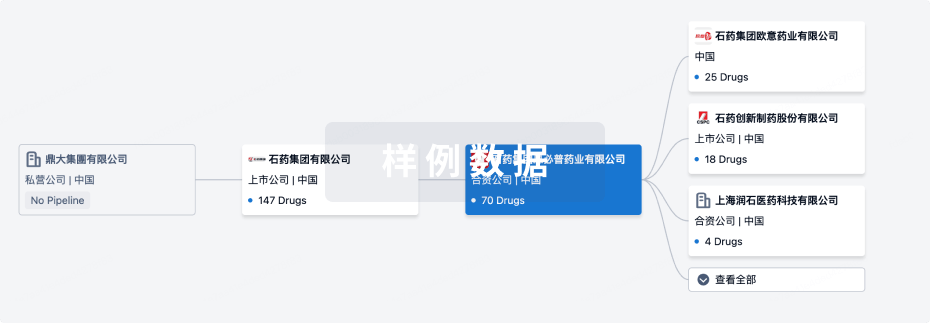
组织架构
使用我们的机构树数据加速您的研究。
登录
或
管线布局
2026年10月16日管线快照
管线布局中药物为当前组织机构及其子机构作为药物机构进行统计,早期临床1期并入临床1期,临床1/2期并入临床2期,临床2/3期并入临床3期
药物发现
2
23
临床前
临床申请
2
11
临床申请批准
临床1期
25
9
临床2期
临床3期
12
5
申请上市
批准上市
151
31
其他
登录后查看更多信息
当前项目
登录后查看更多信息
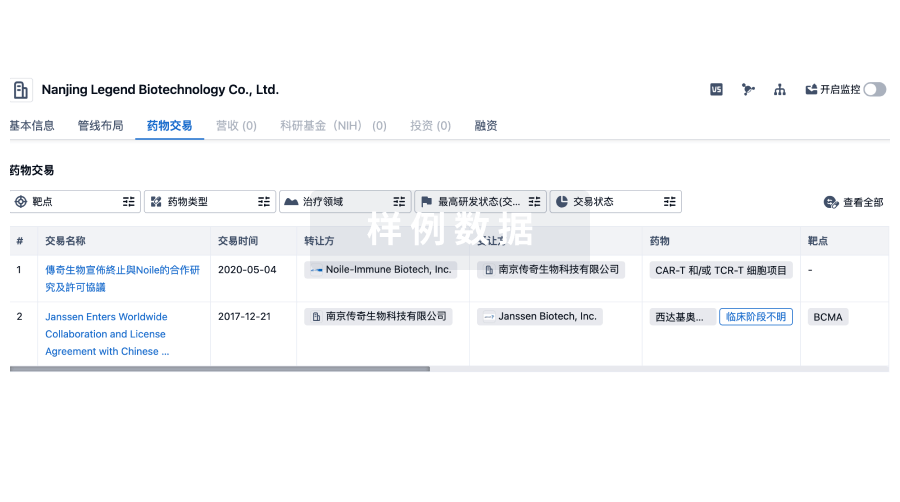
药物交易
使用我们的药物交易数据加速您的研究。
登录
或
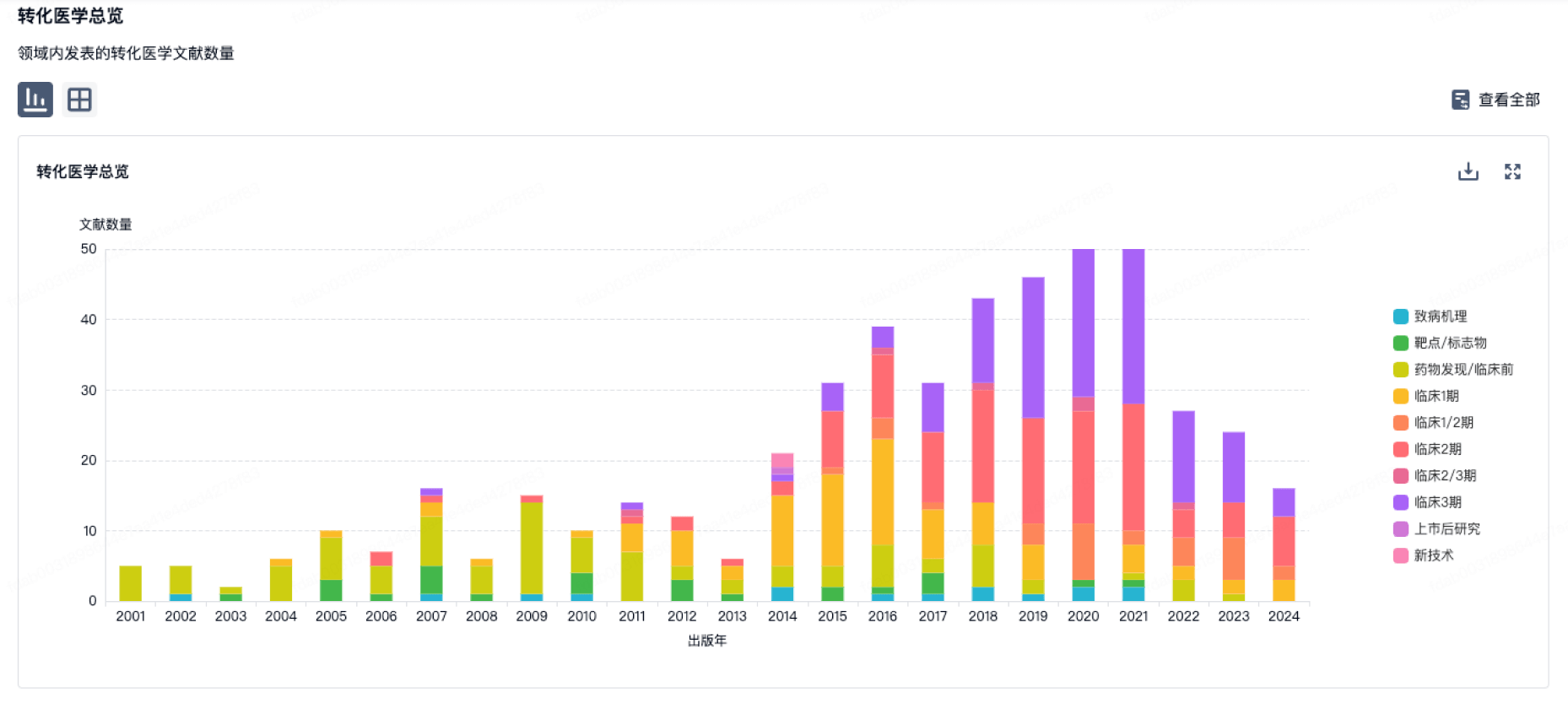
转化医学
使用我们的转化医学数据加速您的研究。
登录
或
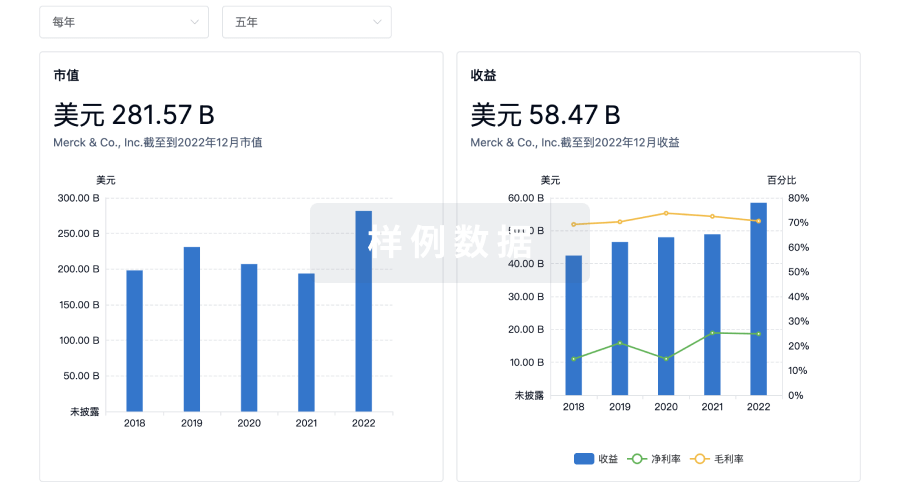
营收
使用 Synapse 探索超过 36 万个组织的财务状况。
登录
或
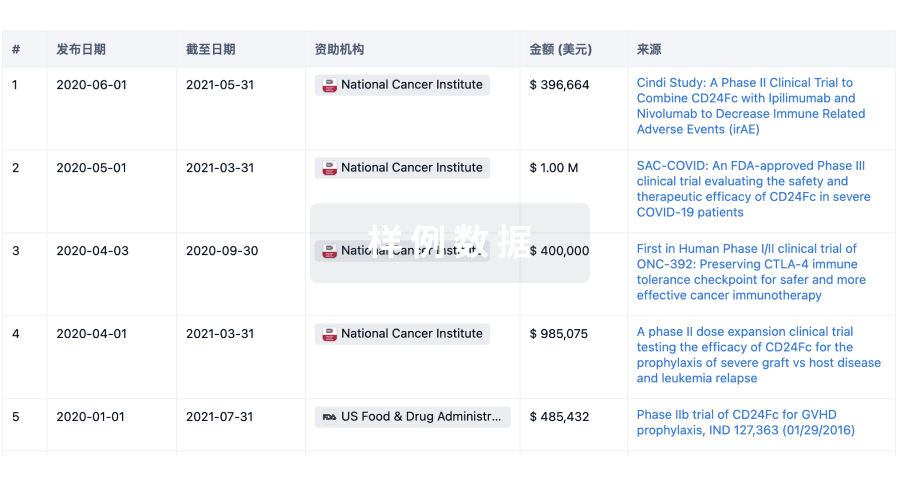
科研基金(NIH)
访问超过 200 万项资助和基金信息,以提升您的研究之旅。
登录
或
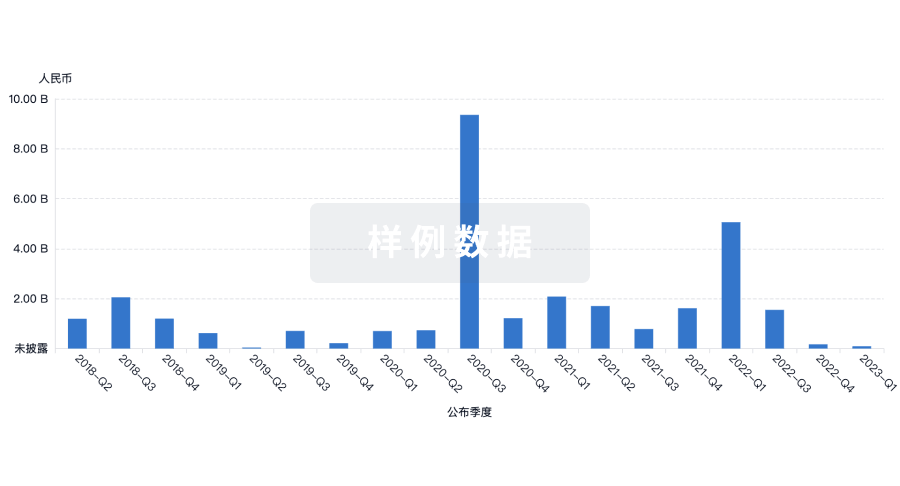
投资
深入了解从初创企业到成熟企业的最新公司投资动态。
登录
或
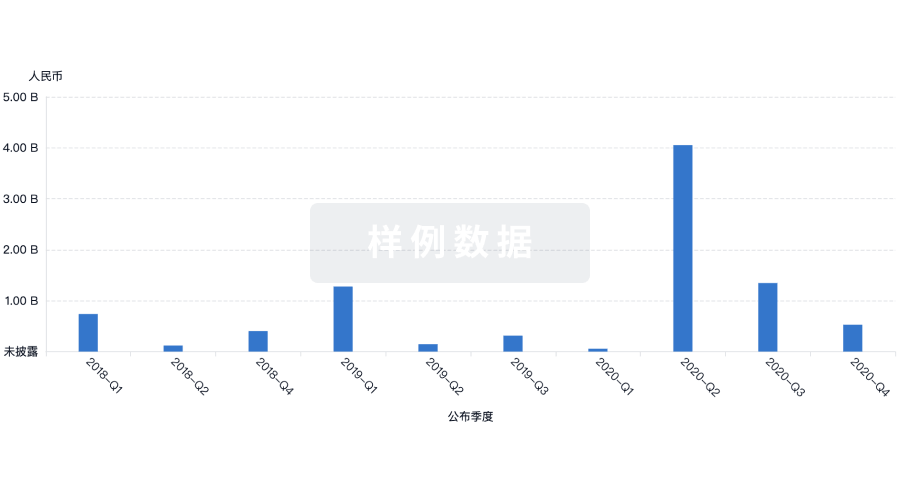
融资
发掘融资趋势以验证和推进您的投资机会。
登录
或
提出任何生物医药研究问题
让每一步生物医药决策都精准制胜
基于十亿级生物数据与全球情报的精准 AI,赋能早期药物发现
立即开始免费试用!
智慧芽新药情报库是智慧芽专为生命科学人士构建的基于AI的创新药情报平台,助您全方位提升您的研发与决策效率。
立即接入生物医药数据包
智慧芽新药库数据也通过智慧芽开放平台,以MCP或API服务形式对外开放。立即使用我们的MCP服务定制您的LLM智能体。
生物序列数据库
生物药研发创新
免费使用
化学结构数据库
小分子化药研发创新
免费使用