预约演示
更新于:2026-09-20

Rutgers State University of New Jersey
更新于:2026-09-20
概览
标签
肿瘤
其他疾病
感染
小分子化药
白细胞介素
TCR-T细胞疗法
疾病领域得分
一眼洞穿机构专注的疾病领域

暂无数据
技术平台
公司药物应用最多的技术
暂无数据
靶点
公司最常开发的靶点
暂无数据
| 排名前五的药物类型 | 数量 |
|---|---|
| 小分子化药 | 35 |
| 化学药 | 2 |
| ASO | 1 |
| 双特异性NK细胞接合器 | 1 |
| 白细胞介素 | 1 |
关联
52
项与 Rutgers State University of New Jersey 相关的药物靶点 |
作用机制 VEGF-A抑制剂 [+1] |
原研机构 |
最高研发阶段批准上市 |
首次获批国家/地区 美国 |
首次获批日期2004-02-26 |


靶点- |
作用机制 铁螯合剂 |
在研机构 |
原研机构 |
最高研发阶段批准上市 |
首次获批国家/地区 欧盟 [+4] |
首次获批日期1999-08-25 |

靶点 |
作用机制 微管蛋白抑制剂 |
最高研发阶段批准上市 |
首次获批国家/地区 美国 |
首次获批日期1992-12-29 |


780
项与 Rutgers State University of New Jersey 相关的临床试验NCT05928247
Manualized Assessment and Treatment Model of Challenging Behavior
Despite decades of mounting single-case-design evidence for the efficacy of applied behavior analysis (ABA) and other approaches for the assessment and treatment of challenging behavior, an evidence-based comprehensive approach remains to exist. The current study will collect test the efficacy of a standardized manual for assessing and treating challenging behavior for individuals with severe and mild challenging behavior.
开始日期2026-12-31 |
申办/合作机构 |
NCT04414917
Reducing Opioid Use/Misuse Through Better Pain Control and Active Pill Dispensing
Reducing opioid prescription related use and misuse is a major focus for countering the national epidemic of opioid overdose and death. Annually, over 3.5 million predominantly young and healthy individuals undergo outpatient third molar ('wisdom tooth') tooth extractions under sedation and routinely receive postoperative opioid prescriptions. This procedure is among the most prevalent instances of opioid prescriptions dispensed to adolescents, a vulnerable population. This overuse can be minimized by bringing about immediate and sustained pain relief following extractions and by proper monitoring to regulate post-operative opioid usage.
The investigators developed the Twin block, a local anesthetic nerve block that rapidly eases pain from the 'closer' muscles of the jaw and showed its long-term effectiveness in patients with chronic jaw muscle pain. Administering the Twin block immediately following third molar extractions will be an innovative and effective modality to alleviate acute post-procedure pain experienced by the patient and hence reduce the need for post-operative opioid pain medication.
In order to tightly regulate when, how many and to whom the prescribed opioid pill is accessible, this study will utilize the iPill Dispenser®, an active pill dispenser. The iPill device, designated as a Class I 510(k) exempt device by the FDA, includes an App that utilizes biometric user authentication to operate a portable tamper-resistant, pre-calibrated device to regulate, deliver, and monitor opioid usage for pain, preventing overconsumption and diversion. The investigators further plan to 'track' pill swallowing by encapsulating the medication with an ingestible event marker (IEMs, FDA approved Class II device). The hypothesis of this study is that reduction in opioid prescription and its unwarranted use following third molar extractions can be achieved by a combination of Twin block, an active pill dispenser and ingestion tracking. The Specific Aims are:
Specific Aim 1. Compare highest pain after third molar tooth extractions, in patients with and without the twin block.
Specific Aim 2. Compare postoperative opioid consumption during the first 4 days following third molar tooth extractions between patients who got the twin block, with those who do not. Using the iPill dispenser and app and the IEM, the investigators will track opioid consumption for severe pain.
The investigators developed the Twin block, a local anesthetic nerve block that rapidly eases pain from the 'closer' muscles of the jaw and showed its long-term effectiveness in patients with chronic jaw muscle pain. Administering the Twin block immediately following third molar extractions will be an innovative and effective modality to alleviate acute post-procedure pain experienced by the patient and hence reduce the need for post-operative opioid pain medication.
In order to tightly regulate when, how many and to whom the prescribed opioid pill is accessible, this study will utilize the iPill Dispenser®, an active pill dispenser. The iPill device, designated as a Class I 510(k) exempt device by the FDA, includes an App that utilizes biometric user authentication to operate a portable tamper-resistant, pre-calibrated device to regulate, deliver, and monitor opioid usage for pain, preventing overconsumption and diversion. The investigators further plan to 'track' pill swallowing by encapsulating the medication with an ingestible event marker (IEMs, FDA approved Class II device). The hypothesis of this study is that reduction in opioid prescription and its unwarranted use following third molar extractions can be achieved by a combination of Twin block, an active pill dispenser and ingestion tracking. The Specific Aims are:
Specific Aim 1. Compare highest pain after third molar tooth extractions, in patients with and without the twin block.
Specific Aim 2. Compare postoperative opioid consumption during the first 4 days following third molar tooth extractions between patients who got the twin block, with those who do not. Using the iPill dispenser and app and the IEM, the investigators will track opioid consumption for severe pain.
开始日期2026-11-01 |
申办/合作机构 |
NCT07115199
Remote Patient Monitoring for Chronic Hypertension During Pregnancy (REACH)
We hypothesize that frequent remote monitoring of blood pressure and real-time antihypertensive medication titration will optimize pregnancy outcomes in a clinically meaningful and cost-effective manner compared to the current standard of care. Therefore, this pilot study, as part of the K12 training support, will evaluate the feasibility of a randomized clinical trial to treat mild chronic hypertension with medication therapy to a blood pressure goal of less than 140/90 mmHg based on remote daily patient monitoring compared to in-office blood pressure readings.
开始日期2026-11-01 |
申办/合作机构 |
100 项与 Rutgers State University of New Jersey 相关的临床结果
登录后查看更多信息
0 项与 Rutgers State University of New Jersey 相关的专利(医药)
登录后查看更多信息
31,969
项与 Rutgers State University of New Jersey 相关的文献(医药)2026-10-01·JOURNAL OF PSYCHIATRIC RESEARCH
The frequency of negative automatic thoughts may predict near-term suicide attempt in high-risk patients
Article
作者: Chesin, Megan S ; Myers, Catherine E ; Interian, Alejandro
Negative automatic thoughts feature centrally in psychiatric disorder but are rarely studied in the prediction of suicide attempts. This study tested whether negative automatic thoughts could prospectively predict suicide attempt or other suicide event (aborted or self-interrupted attempt, preparatory behavior or suicidal ideation resulting in hospitalization) within a 90-day window among high suicide risk patients. Sixty Veterans at high risk of suicide completed assessments of negative automatic thoughts at multiple timepoints over a 1-year period. Each assessment session was then coded according to whether the participant made a suicide attempt or had an other suicide event in the following 90 days. Generalized Estimating Equations (GEE) were used to evaluate the incremental utility of (1) negative automatic thoughts and (2) acquired capability for suicide on predicting 90-day suicide attempt or other suicide event over established suicide risk factors, including lifetime number of suicide attempts, concurrent suicidal ideation, depressive symptom severity and hopelessness. The odds of a 90-day suicide attempt were significantly greater with more frequent negative automatic thoughts (OR = 1.06 [95% CI 1.03-1.09], p < .001); however, negative automatic thoughts did not significantly predict a near-term other suicide event (excluding an actual attempt). Acquired capability did not add to the near-term prediction of either suicide attempt or other suicide event. The study was a secondary analysis of data collected from a small sample, and thus, findings require replication. Near-term suicide attempts were rare even in this high-risk sample. Nevertheless, findings provide preliminary evidence for depressionogenic thought content in suicide attempt risk, and suggest a more direct link between negative automatic thoughts and suicide attempt than posited in contemporary theories.
2026-09-01·ENVIRONMENTAL RESEARCH
Associations of Placental Oxidative Stress with Exposure to Gestational Air Pollution: Evidence from the UPSIDE Cohort
Article
作者: Enkhtaivan, Otgondelger ; Barrett, Emily S ; Harrington, Don K ; Ge, Yihui ; Hopke, Philip K ; Murphy, Susan K ; Lin, Yan ; O'Connor, Thomas G ; Thurston, Sally W ; Craig, Emily A ; Zhang, Junfeng Jim ; Rich, David Q ; Miller, Richard K ; Wang, Xiangtian
BACKGROUND:
Increased placental oxidative stress is frequently documented in pregnant women with adverse maternal outcomes such as preeclampsia. However, environmental determinants of placental oxidative stress remain poorly understood.
OBJECTIVES:
To determine whether exposure to air pollution and polycyclic aromatic hydrocarbons (PAHs) are associated with placental levels of malondialdehyde (MDA), a biomarker of oxidative stress; to assess whether placental MDA reflects short-term (lag days 0-7) or longer-term (trimester-specific) exposure; and to evaluate whether these associations differ by fetal sex.
METHODS:
Participants were drawn from the UPSIDE ECHO BABIES cohort (n = 222). Placental MDA concentrations were quantified using an HPLC method. The ambient PM2.5 and NO2 exposures were estimated using high-resolution random forest models. PAH exposure was assessed using trimester-specific maternal blood concentration of PAH-hemoglobin adducts. Associations between exposure and placental MDA were evaluated using multivariable linear regression and distributed lag non-linear models (DLNMs), adjusting for maternal and demographic covariates.
RESULTS:
A 1-IQR increase in the second trimester, specifically month 5 p.m.2.5, was associated with a 24.8% (95% CI: 3.3-50.7), and 13.7% (95% CI: 0.1-29.16) increase in MDA concentration, respectively. Similarly, the second-trimester hemoglobin adduct of benzo [a]pyrene showed a positive, non-significant association with MDA. Although week-specific DLNM estimates were not statistically significant, the analysis showed that exposure to PM2.5 during gestational weeks 16-20 was positively associated with MDA concentration. When stratified by placenta sex, female placentas had increased MDA in the second trimester associated with PM2.5, and male placentas had increased MDA in the second trimester associated with PAH-hemoglobin adducts. No significant associations were observed for either pollutant when estimated one lag week before birth. No significant associations were observed for NO2 exposure.
CONCLUSIONS:
Second-trimester PM2.5 exposure was linked to elevated placental MDA concentration at delivery, indicating that placental MDA may reflect longer-term air pollution exposure. These findings emphasize the importance of investigating specific gestational windows through which air pollution induces oxidative injury to the placenta.
2026-09-01·JOURNAL OF RECONSTRUCTIVE MICROSURGERY
Relative Donor Site Morbidity and Complication Rates of Gracilis Myocutaneous and Muscle Flaps in Reconstructive Surgery
Article
作者: Levine, Jamie P. ; Thai, Sydney ; Agrawal, Nikhil A. ; Barrera, Janos A. ; Hacquebord, Jacques H. ; Montgomery, Samuel R. ; Sobba, Walter D.
Abstract:
The gracilis flap is a versatile muscle flap that can be utilized as a muscle-only or myocutaneous flap for soft tissue coverage, as well as for reconstruction of facial animation or extremity function. Few studies have compared donor site complications of free and pedicled gracilis flaps, including the effect of skin paddle harvest on donor site morbidity.We performed a retrospective review of patients who underwent a free or pedicled gracilis flap at our institution from 2013 to 2023. Gracilis flaps were categorized as: pedicled gracilis muscle flaps, free gracilis muscle flaps, and free gracilis myocutaneous flaps. Outcome variables were duration of drain placement and complications, including seroma, hematoma, infection, dehiscence, and persistent numbness.We identified 128 gracilis flaps, including 19 free myocutaneous flaps, 35 free muscle flaps, and 74 pedicled muscle flaps. Free myocutaneous flaps required longer drain placement as compared to free muscle flaps or pedicled flaps (13.6 days vs. 8.4 days vs. 7.4 days, respectively, p = 0.002). Free myocutaneous flaps displayed a higher complication rate (36.8%) as compared to pedicled muscle flaps (10.8%) or free muscle flaps (11.4%, p = 0.020). After adjusting for age, BMI, and ASA status, free myocutaneous flaps demonstrated higher odds of major donor site complications as compared to pedicled muscle flaps (OR: 1.23, p < 0.001), while free muscle flaps were not associated with increased odds of major complications (OR: 1.08, p = 0.117). Of the documented complications, the most common were surgical site infection (36.8%), hematoma (21.1%), and seroma (21.1%).The inclusion of a skin paddle during gracilis flap harvest is associated with increased duration of drain placement and donor site complications, including surgical site infection, hematoma, and seroma. These factors should be carefully considered in the context of patients' reconstructive needs and other risk factors.
598
项与 Rutgers State University of New Jersey 相关的新闻(医药)2026-09-17
第38周 · 2026.09.17
全球新药专利情报追踪
一、本周看点
1. 本周整体情况:本周共公开专利 474 件,其中小分子 130 件,占 27.4%。小分子中有 70 件为分子实体,占 53.8%;其余主要为方法/用途、组合物/制剂、晶型/盐型和制备方法专利。
2. 靶点情况:按本周小分子及降解剂 / 分子胶专利中的单个靶点计数,STAT6 有 10 件,5-HT2A 有 4 件,EGFR 和 AKT1 各有 3 件;多靶点专利分别计入各靶点。分子降解剂 / PROTAC 方向共公开 17 件,其中 13 件为分子实体。
查看全部专利:www.cisightai.com
二、数据统计
三、本周靶点专利数量
四、热门靶点专利
专利号WO2026189405
公开日 2026.09.17优先权 2025.03.10
STAT6分子实体降解剂(非分子胶)
STAT6蛋白降解剂的制备及其在医药中的用途
申请人甘李药业
疾病Th2型炎症性疾病(哮喘、特应性皮炎、COPD);类风湿关节炎/自身免疫性疾病
机制双功能PROTAC化合物通过其PTM部分结合STAT6,并通过其CLM部分招募CRBN E3泛素连接酶;连接基团使STAT6与E3连接酶相互接近,促进STAT6的多聚泛素化及蛋白酶体降解。
专利号WO2026189406
公开日 2026.09.17优先权 2025.03.11
STAT6分子实体降解剂(非分子胶)
STAT6降解剂及其用途
申请人联瑞制药 · 一品红 · 润霖医药
疾病炎症性疾病;过敏性疾病
机制双功能PROTAC分子,与STAT6结合并将其招募至E3泛素连接酶,促进STAT6的泛素化和蛋白酶体降解,从而阻断IL-4/IL-13介导的STAT6信号通路。
专利号WO2026189484
公开日 2026.09.17优先权 2025.03.12
STAT6分子实体降解剂(非分子胶)
STAT6降解剂及其用途
申请人联瑞制药 · 一品红 · 润霖医药
疾病炎性疾病;过敏性疾病
机制双功能PROTAC化合物同时结合STAT6和E3泛素连接酶,招募STAT6进行泛素化和蛋白酶体降解,从而阻断IL-4/IL-13介导的STAT6信号通路。
专利号WO2026189510
公开日 2026.09.17优先权 2025.03.13
STAT6分子实体降解剂(非分子胶)
化合物、其制备方法及其用途
申请人Inventisbio
疾病免疫和炎症性疾病;癌症
机制式A的双功能化合物结合STAT6,并通过降解部分(优选为cereblon E3泛素连接酶结合部分)招募CRBN E3连接酶,诱导STAT6的泛素化和降解,从而调节STAT蛋白/STAT6活性。
专利号WO2026189569
公开日 2026.09.17优先权 2025.03.14
STAT6分子实体降解剂(非分子胶)
STAT6蛋白降解剂及其医药用途
申请人甘李药业
疾病哮喘;特应性皮炎;慢性阻塞性肺疾病(COPD)
机制双功能PROTAC化合物通过PTM部分结合STAT6,并通过ULM部分募集CRBN E3泛素连接酶,使STAT6与E3连接酶相互接近,从而诱导STAT6泛素化及蛋白酶体降解。
专利号WO2026189548
公开日 2026.09.17优先权 2025.03.14
STAT6分子实体小分子抑制剂;降解剂
四环化合物、其制备方法及制药用途
申请人恒瑞医药
疾病2型炎症性疾病;哮喘;特应性皮炎
机制通式(I)的四环化合物直接作用于STAT6,作为STAT6抑制剂或降解剂,用于治疗或预防STAT6介导的或依赖性的疾病。
专利号WO2026193007
公开日 2026.09.17优先权 2025.03.10
STAT6分子实体小分子抑制剂
杂环化合物及其用途
申请人金桔生物科学
疾病癌症;炎症性疾病;免疫性疾病
机制所述杂环化合物直接结合并抑制STAT6,降低STAT6蛋白水平、STAT6活性、STAT6信号输出以及STAT6信号通路活性(例如,pSTAT6降低、Th2应答减少以及IL-4/IL-13/IL-5细胞因子水平降低)。某些实施方式包含任选的降解增强子(DG)部分,且某些化合物对STAT6的结合优先于STAT3(至少2…
专利号WO2026193011
公开日 2026.09.17优先权 2025.03.10
STAT6分子实体小分子抑制剂;调节剂
杂环化合物及其用途
申请人金桔生物科学
疾病癌症;炎性疾病;免疫性疾病
机制所述杂环小分子化合物直接调节或抑制STAT6,从而阻断与癌症、炎性疾病和免疫性疾病相关的STAT6依赖性信号传导和基因转录。
专利号WO2026193124
公开日 2026.09.17优先权 2025.03.13
STAT6 / STAT3分子实体小分子抑制剂
抗炎化合物
申请人Enanta Pharmaceuticals
疾病炎症性疾病;过敏性疾病;哮喘;特应性皮炎
机制式(I)化合物结合STAT家族成员,特别是STAT3和STAT6,从而抑制由STAT蛋白介导的基因转录,包括参与2型炎症的IL-4驱动的STAT6信号传导。
专利号WO2026193125
公开日 2026.09.17优先权 2025.03.13
STAT3 / STAT6分子实体小分子抑制剂
抗炎化合物
申请人Enanta Pharmaceuticals
疾病炎症性疾病;变应性疾病;哮喘;特应性皮炎
机制式(I)化合物直接结合STAT家族成员,特别是STAT3和STAT6,抑制STAT介导的基因转录,从而阻断IL-4/IL-13驱动的2型炎症信号传导。
专利号WO2026193091
公开日 2026.09.17优先权 2025.03.11
Amylin Receptor / CALCR分子实体小分子激动剂MNC
作为胰淀素受体激动剂的取代6,7-二氢-5H-吡咯并[3,4-b]吡啶化合物及其作为治疗药物的用途
申请人Lilly
疾病糖尿病;肥胖;MASH(代谢功能障碍相关脂肪性肝炎)和血脂异常
机制式(I)的非肽类小分子化合物直接激动胰淀素和/或降钙素受体,从而降低食物摄入量、体重、葡萄糖和/或甘油三酯。
专利号WO2026193092
公开日 2026.09.17优先权 2025.03.11
Amylin Receptor / CALCR分子实体小分子激动剂MNC
作为胰淀素受体激动剂的取代稠合吡咯并[3,4-b]吡啶化合物及其作为疗法的用途
申请人Lilly
疾病糖尿病;肥胖;代谢功能障碍相关脂肪性肝炎(MASH);血脂异常
机制式(I)化合物直接激动胰淀素受体(和/或降钙素受体);受体激活可降低食物摄入量、体重、血糖和/或甘油三酯。
专利号WO2026189037
公开日 2026.09.17优先权 2025.03.13
EGFR分子实体降解剂(非分子胶)
EGFR降解剂、药物组合物及其治疗用途
申请人捷孚生物
疾病癌症;EGFR介导的病症
机制靶向EGFR并诱导其降解的小分子降解剂,从而调节EGFR介导的信号传导,并应对与EGFR靶向抑制剂治疗相关的耐药性。
专利号WO2026189038
公开日 2026.09.17优先权 2025.03.13
EGFR分子实体降解剂(非分子胶)
取代的咪唑并[4,5-c]吡啶EGFR降解剂、药物组合物及其治疗应用
申请人捷孚生物
疾病癌症;EGFR介导的病症
机制该化合物为取代的咪唑并[4,5-c]吡啶小分子降解剂,其直接靶向EGFR(包括临床相关的突变形式)并诱导其降解,从而抑制EGFR驱动的增殖信号传导,旨在克服对EGFR抑制剂的获得性耐药。
专利号WO2026189425
公开日 2026.09.17优先权 2025.03.11
EGFR分子实体小分子抑制剂
稠环衍生物抑制剂及其制备方法和用途
申请人翰森生物
疾病癌症;非小细胞肺癌
机制所述稠环衍生物化合物是直接作用于EGFR L858R突变蛋白的小分子抑制剂,旨在抑制EGFR L858R单突变以及与L858R相关的耐药突变,例如T790M和C797S;本发明还考虑了其单独使用或与第三代EGFR抑制剂联合使用。
专利号WO2026193220
公开日 2026.09.17优先权 2025.03.12
5-HT2A分子实体小分子激动剂
新型苯基烷基胺及其在治疗精神疾病中的用途
申请人Gilgamesh Pharmaceuticals
疾病精神疾病;抑郁症;焦虑症
机制式(I)的苯基烷基胺化合物作为5-HT2A受体调节剂,用于在温血动物中激活5-HT2A,旨在治疗精神疾病或障碍;该设计旨在在保留与5-羟色胺能活性相关的治疗获益的同时,表现出减弱的或无致幻效应。所提供的文本未包含所述化合物的直接受体结合或功能性测定数据。
专利号WO2026193420
公开日 2026.09.17优先权 2025.03.14
AKT1分子实体小分子抑制剂
取代的氨基吡啶化合物及其用于治疗疾病的方法
申请人Atavistik Bio
疾病血管异常;血管畸形;遗传性出血性毛细血管扩张症(HHT)
机制式I化合物直接结合AKT1并抑制其激酶活性。本发明明确要求保护通过使AKT1与所述化合物接触来抑制AKT1活性的方法,且体内数据显示,一种代表性化合物(化合物44)在HHT1模型中抑制失调的内皮AKT1信号传导(pS6降低),恢复驱动AVM(动静脉畸形)形成的内皮细胞大小、迁移和增殖缺陷。
专利号WO2026193443
公开日 2026.09.17优先权 2025.03.14
AKT1分子实体小分子抑制剂
取代的氨基吡啶化合物、其衍生物及使用其治疗疾病的方法
申请人Atavistik Bio
疾病癌症;血管异常;遗传性出血性毛细血管扩张症(HHT)
机制所要求保护的氨基吡啶基咪唑并[4,5-b]吡啶化合物直接抑制AKT1激酶活性,如权利要求43所限定(使AKT1与有效量的该化合物接触以抑制AKT1活性),从而治疗与AKT1信号转导异常相关的疾病,包括由AKT1 E17K突变驱动的癌症和血管异常。
专利号WO2026193445
公开日 2026.09.17优先权 2025.03.14
AKT1分子实体小分子抑制剂
取代的氨基吡啶化合物、其衍生物及使用其治疗疾病的方法
申请人Atavistik Bio
疾病癌症;血管异常和血管畸形;遗传性出血性毛细血管扩张症(HHT)
机制所述化合物通过直接接触AKT1(包括AKT1 E17K突变体)抑制AKT1激酶活性,从而阻断与癌症以及遗传性出血性毛细血管扩张症(HHT)等血管异常相关的异常AKT1信号传导。
专利号WO2026189159
公开日 2026.09.17优先权 2025.03.13
CHRM4分子实体小分子调节剂
化合物、包含其的药物组合物、其制备方法及其用途
申请人科伦药业
疾病精神分裂症;阿尔茨海默病;精神病
机制该化合物作为毒蕈碱型乙酰胆碱受体M4的正向变构调节剂(M4 PAM)发挥作用,增强M4对内源性乙酰胆碱的反应;据称其在M4介导的中枢神经系统疾病中可减少纹状体多巴胺释放和海马过度刺激。
专利号WO2026189556
公开日 2026.09.17优先权 2025.03.14
CHRM4分子实体小分子激动剂
噻二唑衍生物及其制备方法和用途
申请人上海科技大学
疾病精神分裂症;阿尔茨海默病
机制式I的噻二唑衍生物作为毒蕈碱型乙酰胆碱M4受体(一种GPCR)的激动剂,具有优异的激动活性和亚型选择性,从而治疗M4受体相关疾病,例如精神分裂症和阿尔茨海默病。
专利号WO2026193252
公开日 2026.09.17优先权 2025.03.13
IL-17A分子实体小分子抑制剂
IL-17A抑制剂
申请人DICE
疾病银屑病;类风湿性关节炎;多发性硬化症
机制式I茚满/四氢萘化合物直接结合并抑制IL-17A,IL-17A是一种促炎性细胞因子,通过IL-17受体传导信号并驱动自身免疫性疾病中的慢性炎症。作为一种小分子IL-17A抑制剂,其阻断原本会刺激角质形成细胞、内皮细胞、成纤维细胞及其他靶细胞产生炎症介质的IL-17A活性。
专利号WO2026193261
公开日 2026.09.17优先权 2025.03.13
IL-17A分子实体小分子抑制剂
IL-17A抑制剂
申请人DICE
疾病银屑病;类风湿性关节炎;多发性硬化症;银屑病关节炎
机制式I的四氢吡喃-咪唑并三嗪化合物作为IL-17A的直接小分子抑制剂发挥作用,IL-17A是由Th17细胞分泌的促炎细胞因子,通过IL-17受体(IL-17RA/IL-17RC)传导信号,驱动慢性炎症和组织损伤;通过抑制IL-17A,这些化合物可抑制银屑病、类风湿性关节炎和多发性硬化症等自身免疫性疾病中由IL-17A驱…
五、全部专利明细表
上下、左右滑动查看完整表格;多类别专利按第一个类别归组。
小分子133 件
专利号
专利标题
申请人
靶点
专利类型
适应证
公开日
优先权日
WO2026189052
作为GLP-1受体激动剂的小分子化合物及其用途
海创药业
GLP-1R
分子实体
糖尿病;肥胖;脂肪肝;多囊卵巢综合征
2026.09.17
2025.03.14
WO2026189425
稠环衍生物抑制剂及其制备方法和用途
翰森生物
EGFR
分子实体
癌症;非小细胞肺癌
2026.09.17
2025.03.11
WO2026189548
四环化合物、其制备方法及制药用途
恒瑞医药
STAT6
分子实体
2型炎症性疾病;哮喘;特应性皮炎
2026.09.17
2025.03.14
WO2026193007
杂环化合物及其用途
金桔生物科学
STAT6
分子实体
癌症;炎症性疾病;免疫性疾病
2026.09.17
2025.03.10
WO2026193011
杂环化合物及其用途
金桔生物科学
STAT6
分子实体
癌症;炎性疾病;免疫性疾病
2026.09.17
2025.03.10
WO2026193124
抗炎化合物
Enanta Pharmaceuticals
STAT6;STAT3
分子实体
炎症性疾病;过敏性疾病;哮喘;特应性皮炎
2026.09.17
2025.03.13
WO2026193125
抗炎化合物
Enanta Pharmaceuticals
STAT3;STAT6
分子实体
炎症性疾病;变应性疾病;哮喘;特应性皮炎
2026.09.17
2025.03.13
WO2026189442
喜树碱衍生物及其制备方法和用途
上海森辉医药;恒瑞医药
TOP1
分子实体
癌症;拓扑异构酶I相关疾病
2026.09.17
2025.03.11
WO2026193220
新型苯基烷基胺及其在治疗精神疾病中的用途
Gilgamesh Pharmaceuticals
5-HT2A
分子实体
精神疾病;抑郁症;焦虑症
2026.09.17
2025.03.12
WO2026189524
氮杂多环化合物、其制备方法及用途
瀚辰星泰
TNF-α
分子实体
炎症性疾病;自身免疫性疾病;神经退行性疾病
2026.09.17
2025.03.13
WO2026192853
用于治疗神经退行性疾病的化合物
Cognitive Synergy
Aβ
分子实体
阿尔茨海默病;神经退行性疾病;退行性认知障碍
2026.09.17
2025.03.11
WO2026193212
特定化学实体、组合物及方法
QIAN, Xiangping
KIT
分子实体
c-Kit介导的疾病;癌症
2026.09.17
2025.03.12
WO2026189523
含硒三嗪化合物及其用途和制备方法
人福医药
NLRP3
分子实体
NLRP3相关的炎症性疾病;冷吡啉相关周期性综合征(CAPS);非酒精性脂肪性肝炎(NASH)
2026.09.17
2025.03.14
WO2026189521
杂稠环衍生物、其制备方法及其在医药中的用途
齐鲁制药
CDK4
分子实体
CDK相关疾病;癌症
2026.09.17
2025.03.14
WO2026193420
取代的氨基吡啶化合物及其用于治疗疾病的方法
Atavistik Bio
AKT1
分子实体
血管异常;血管畸形;遗传性出血性毛细血管扩张症(HHT)
2026.09.17
2025.03.14
WO2026193443
取代的氨基吡啶化合物、其衍生物及使用其治疗疾病的方法
Atavistik Bio
AKT1
分子实体
癌症;血管异常;遗传性出血性毛细血管扩张症(HHT)
2026.09.17
2025.03.14
WO2026193445
取代的氨基吡啶化合物、其衍生物及使用其治疗疾病的方法
Atavistik Bio
AKT1
分子实体
癌症;血管异常和血管畸形;遗传性出血性毛细血管扩张症(HHT)
2026.09.17
2025.03.14
WO2026193444
Μ-阿片受体选择性部分激动剂及其使用方法
威斯康星医学院
MOR
分子实体
疼痛管理;阿片类药物成瘾
2026.09.17
2025.03.14
WO2026193091
作为胰淀素受体激动剂的取代6,7-二氢-5H-吡咯并[3,4-b]吡啶化合物及其作为治疗药物的用途
Lilly
Amylin Receptor;CALCR
分子实体
糖尿病;肥胖;MASH(代谢功能障碍相关脂肪性肝炎)和血脂异常
2026.09.17
2025.03.11
WO2026193092
作为胰淀素受体激动剂的取代稠合吡咯并[3,4-b]吡啶化合物及其作为疗法的用途
Lilly
Amylin Receptor;CALCR
分子实体
糖尿病;肥胖;代谢功能障碍相关脂肪性肝炎(MASH);血脂异常
2026.09.17
2025.03.11
WO2026189159
化合物、包含其的药物组合物、其制备方法及其用途
科伦药业
CHRM4
分子实体
精神分裂症;阿尔茨海默病;精神病
2026.09.17
2025.11.28
WO2026189556
噻二唑衍生物及其制备方法和用途
上海科技大学
CHRM4
分子实体
精神分裂症;阿尔茨海默病
2026.09.17
2025.03.14
WO2026192899
用于治疗急性淋巴细胞白血病的STAMP抑制剂
Terns
ABL1;BCR-ABL1
分子实体
急性淋巴细胞白血病(ALL);费城染色体阳性ALL(Ph+ ALL);Ph样ALL
2026.09.17
2025.03.10
WO2026189298
苯甲酰胺化合物、药物组合物、其制备方法及用途
金赛药业
KIF18A
分子实体
KIF18A介导的肿瘤;结直肠癌;卵巢癌
2026.09.17
2025.03.10
WO2026189337
脂蛋白(a)抑制剂及其用途
联邦生物科技
Apo(a)
分子实体
心血管疾病;动脉粥样硬化;血栓形成
2026.09.17
2025.03.13
WO2026189514
作为NAV1.8阻断剂的硼酸化合物、其制备方法及其用途
济煜
Nav1.8
分子实体
疼痛;神经病理性疼痛;急性疼痛
2026.09.17
2025.03.13
WO2026190165
作为TEAD结合剂和/或YAP-TEAD及TAZ-TEAD蛋白-蛋白相互作用抑制剂的取代1H,4H,5H-吡咯并[3,2-b]吡啶-5-酮化合物
Merck
TEAD
分子实体
癌症;纤维化;心血管疾病
2026.09.17
2025.03.14
WO2026190220
TREM2激动剂
Roche
TREM2
分子实体
神经退行性疾病;TREM2功能缺失相关病症
2026.09.17
2025.03.14
WO2026190748
抑制环氧化酶的双重化合物——血栓素受体拮抗剂及其用途
都灵大学
COX-1;COX-2;TBXA2R
分子实体
炎症相关的疾病和病症;炎症性疼痛;慢性炎症性疾病(例如骨关节炎、类风湿性关节炎)
2026.09.17
2025.03.14
WO2026193236
TREM2的吡啶酮和吡嗪酮激动剂
Merck Sharp & Dohme
TREM2
分子实体
阿尔茨海默病;神经退行性疾病;神经系统疾病
2026.09.17
2025.03.14
WO2026189549
酪氨酸酶TYR抑制剂及其用途
迈英诺
Tyrosinase
分子实体
皮肤色素过度沉着;黄褐斑;皮肤美白
2026.09.17
2025.03.14
WO2026192566
具有体外抗糖尿病作用的3-氨基苯基-5-三氟甲基苯基取代吡唑啉化合物
黑海技术大学
Amylase;alpha-glucosidase
分子实体
糖尿病(抗糖尿病)
2026.09.17
2025.11.03
WO2026193233
KCC2增效剂及其用途
Axonis Therapeutics
KCC2
分子实体
神经系统疾病
2026.09.17
2025.03.12
WO2026193252
IL-17A抑制剂
DICE
IL-17A
分子实体
银屑病;类风湿性关节炎;多发性硬化症
2026.09.17
2025.03.13
WO2026193261
IL-17A抑制剂
DICE
IL-17A
分子实体
银屑病;类风湿性关节炎;多发性硬化症;银屑病关节炎
2026.09.17
2025.03.13
WO2026193370
作为VRK1抑制剂的稠合双环化合物
Incyte;DAS, Dipendu;HOANG, Gia;HU, Bin
VRK1
分子实体
癌症
2026.09.17
2025.03.13
WO2026193375
作为VRK1抑制剂的吡唑并环化合物
Incyte
VRK1
分子实体
癌症
2026.09.17
2025.03.13
WO2026193408
APOL1抑制剂及其使用方法
Maze Therapeutics
APOL1
分子实体
APOL1介导的肾病;慢性肾病;糖尿病视网膜病变
2026.09.17
2025.03.14
WO2026188716
吲哚啉酮化合物及其在治疗急性和慢性肝病与促进组织修复中的用途
中国药科大学
MFN2
分子实体
急性和慢性肝病;药物性肝损伤;代谢性脂肪肝病/MASH
2026.09.17
2025.03.13
WO2026189397
低分子量硫酸右旋糖酐衍生物、其制备方法及其用途
北京大学
HPSE
分子实体
癌症(抗肿瘤转移,例如乳腺癌肺转移、黑色素瘤);病毒感染(SARS-CoV-2);炎症
2026.09.17
2025.03.10
WO2026189462
四氢喹啉化合物、其制备方法及其在miRNA上调中的用途
信立泰
miR-124
分子实体
炎症性疾病;MASH(代谢功能障碍相关性脂肪性肝炎);早衰(例如HGPS)
2026.09.17
2025.03.13
WO2026189464
2-{2-[(E)-(5-苯基呋喃-2-基)亚甲基]肼基}-4-苯基-1,3-噻唑衍生物及其制备方法和用途
军事科学院
eIF4E
分子实体
肺癌;结肠癌;宫颈癌;卵巢癌
2026.09.17
2025.03.12
WO2026189946
DHX8/16抑制剂
Merck;Cancer Research Horizons;The Institute of Cancer Research
DHX8;DHX16
分子实体
癌症;剪接相关的遗传性疾病;自身免疫性和炎症性疾病
2026.09.17
2025.03.10
WO2026189966
用于促进肝再生或减少或预防肝细胞死亡的选择性MKK4抑制剂
Heparegenix
MAP2K4
分子实体
肝再生;肝细胞死亡/肝损伤;肝脏疾病
2026.09.17
2025.03.11
WO2026190409
调节整合素连接激酶的配体及其在治疗疾病中的用途
阿尔卡拉大学
ILK
分子实体
2型糖尿病;肾源性尿崩症
2026.09.17
2025.03.14
WO2026192557
用于阿尔茨海默病的半合成大麻酚氨基甲酸酯衍生物分子及其合成方法
博佐克大学
AChE
分子实体
阿尔茨海默病
2026.09.17
2025.03.12
WO2026193158
一种上调致病基因SYNGAP1神经元表达的小分子
佛罗里达大学
CLK1;CLK2;CLK3
分子实体
神经发育障碍;癌症
2026.09.17
2025.03.12
WO2026193175
取代的吡啶酰胺
Architect Therapeutics
SLC15A4
分子实体
系统性红斑狼疮;自身免疫性疾病;炎症性疾病
2026.09.17
2025.03.12
WO2026193181
用于治疗普拉德-威利综合征(PWS)、代谢综合征及其他疾病和失调的5-HT2C激动剂
Park City Bio
5-HT2C
分子实体
普拉德-威利综合征;肥胖;2型糖尿病
2026.09.17
2025.03.12
WO2026193198
选择性α-2C肾上腺素能受体激动剂及其用途
Alpherabio
ADRA2C
分子实体
TNF-α介导的炎症性疾病;自身免疫性疾病
2026.09.17
2025.03.12
WO2026193387
用于治疗疼痛的新型治疗组合物及其使用方法
天普大学;托莱多大学
SLC1A2;xCT
分子实体
慢性疼痛;慢性炎症性疼痛;神经病理性疼痛
2026.09.17
2025.03.14
WO2026189340
取代吡咯并嘧啶化合物、药物组合物及其用途
人福医药
M4R
分子实体
精神分裂症;认知障碍;阿尔茨海默病
2026.09.17
2025.03.10
WO2026189453
抗癌化合物及其制备方法和用途
恩康药业
MCM
分子实体
癌症
2026.09.17
2025.03.11
WO2026189461
双环化合物及其用途
先声
GCase
分子实体
神经退行性疾病;帕金森病;戈谢病
2026.09.17
2025.03.12
WO2026190697
取代的吡啶酮化合物及其用途
Pfizer
APLNR
分子实体
肥胖;心力衰竭
2026.09.17
2025.03.14
WO2026190749
KCNQ 2/3 钾通道开放剂及其使用方法
Clexio Biosciences
KCNQ2/3
分子实体
癫痫;神经性疼痛;偏头痛
2026.09.17
2025.03.13
WO2026189247
紫杉醇磷酸酯化合物及其合成方法
合利成生物医药
Unknown
分子实体
未标注
2026.09.17
2025.03.10
WO2026189249
紫杉醇异构体化合物及其合成方法
合利成生物医药
Unknown
分子实体
未标注
2026.09.17
2025.03.10
WO2026189493
半胱氨酸衍生物、其作为祛痰剂的用途及其药物组合物
赛诺哈勃药业
Unknown
分子实体
慢性阻塞性肺疾病(COPD);囊性纤维化;哮喘
2026.09.17
2025.03.13
WO2026190516
用于治疗原虫疾病的化合物及其生产方法
希腊国家研究基金会;波尔图大学
Unknown
分子实体
利什曼病;非洲人类锥虫病;恰加斯病(美洲锥虫病);疟疾
2026.09.17
2025.03.14
WO2026192924
氮杂高立方烷化合物及其用途
Rubix Therapeutics;谭大志
Unknown
分子实体
未标注
2026.09.17
2025.03.10
WO2026193080
针对致病性细菌的抗生素
东北大学
Unknown
分子实体
细菌感染;细菌性阴道病;莱姆病
2026.09.17
2025.03.10
WO2026193322
半合成皂苷化合物
Inimmune
Unknown
分子实体
癌症;感染性疾病;免疫介导的紊乱
2026.09.17
2025.03.12
WO2026188605
用于预防脱发或促进毛发生长的甘草香豆素提取物、组合物及用途
诺为泰生物科技
VEGF;CTNNB1;DKK-1;TGFB2;AR
方法/用途专利
脱发(预防脱发);雄激素性脱发;促进毛发生长
2026.09.17
2025.03.13
WO2026189363
5-HT2AR激动剂及其药物组合物在结直肠癌预防、抑制或治疗中的用途
中科院;上海科技大学
5-HT2A
方法/用途专利
结直肠癌
2026.09.17
2025.03.10
WO2026193320
1-(4-ALLYL-2,5-DIMETHOXYPHENYL)BUTAN-2-AMINE的结晶盐
Gilgamesh Pharmaceuticals
5-HT2A
晶型/盐型
精神疾病;重性抑郁障碍
2026.09.17
2025.03.12
WO2026193329
1-(2,5-二甲氧基-4-丙基苯基)-3-甲氧基丙-2-胺的结晶盐
Gilgamesh Pharmaceuticals
5-HT2A
晶型/盐型
精神障碍;重度抑郁症;焦虑症
2026.09.17
2025.03.12
WO2026190538
一种PARP1抑制剂盐的晶型及其制备方法
英派药业
PARP-1
晶型/盐型
癌症;中枢神经系统肿瘤;脑癌
2026.09.17
2025.03.12
WO2026190465
NLRP3抑制剂的药物制剂及其使用方法
Nodthera
NLRP3
药物组合物/制剂
NLRP3相关疾病和紊乱;炎症性和自身炎症性疾病;自身免疫性疾病
2026.09.17
2025.03.11
WO2026158727
2,4-二取代嘧啶衍生物盐、晶型、制备方法、药物组合物及用途
成都赜灵生物医药
JAK2;FLT3
晶型/盐型
骨髓增殖性肿瘤;急性髓系白血病;骨髓纤维化
2026.07.30
2025.01.24
WO2026161104
使用激酶抑制剂进行辐射防护和辐射损伤缓解的方法与组合物
Incyte
JAK1;JAK2;PI3Kδ
方法/用途专利
辐射暴露相关疾病;急性辐射综合征;辐射性损伤
2026.07.30
2024.09.03
WO2026189284
化合物及其作为WRN抑制剂的用途
Allorion Therapeutics;LI, Fang
WRN
分子实体
癌症;微卫星不稳定性高(MSI-H)癌症;错配修复缺陷型癌症
2026.09.17
2025.03.10
WO2026193440
四甲氧基木犀草素(TETRAMETHOXYLUTEOLIN)组合物及其用于治疗炎症、神经炎症性疾病、年龄相关疾病以及促进寿命和健康寿命的方法
CAS Properties
mTOR
药物组合物/制剂,联合用药
神经炎症性疾病;年龄相关疾病;炎症
2026.09.17
2025.03.14
WO2026193088
用于特发性肺纤维化的吸入用尼达尼布(AP02)
Avalyn Pharma
VEGFR1;VEGFR2;VEGFR3;FGFR1;FGFR2
方法/用途专利
特发性肺纤维化;肺纤维化;间质性肺疾病
2026.09.17
2025.03.10
WO2026189227
厄达替尼前药和缓释制剂
Keowee Pharma
FGFR
分子实体
具有FGFR改变的晚期实体瘤;尿路上皮癌
2026.09.17
2025.03.12
WO2026192964
PPAR-γ/δ联合疗法
Loyal Animal Health
PPARγ;PPARD
方法/用途专利,联合用药
衰老相关病症;胰岛素抵抗;脂肪组织功能障碍
2026.09.17
2025.03.11
WO2026193107
麻醉剂与支气管扩张剂的组合物
WARRINGTON, Steven
ADRB2;Muscarinic Receptors;TAS2R;PDE;ROCK
联合用药
呼吸系统疾病,包括细支气管炎、儿童间质性肺病和慢性阻塞性气道疾病;哮喘、咳嗽及气道高反应性相关病症;疼痛、神经痛和神经病理性病症
2026.09.17
2025.03.11
WO2026190269
用于治疗睡眠障碍的低剂量大麻素
Avextra
CB1R;CNR2
方法/用途专利
睡眠障碍;失眠;睡眠呼吸暂停
2026.09.17
2025.03.12
WO2026190272
用于治疗化疗诱导的神经病理性疼痛(CINP)的大麻素
Avextra
CB1R;CNR2
方法/用途专利
化疗诱导的神经病理性疼痛;难治性化疗诱导的神经病理性疼痛;癌症疼痛及相关的睡眠损害
2026.09.17
2025.03.12
WO2026192365
包含大麻二酚和茶氨酸的用于缓解咖啡因诱导的睡眠障碍的组合物
全北大学
GABA-AR
联合用药
咖啡因诱导的睡眠障碍;睡眠障碍
2026.09.17
2025.03.12
WO2026193082
AGRP神经元调节剂与MC4R激动剂的组合及其相关使用方法
Rhythm Pharmaceuticals;GARFIELD, Alastair;Grujic, Danica;DE RIENZO, Gianluca
MC4R
联合用药
肥胖;食欲过盛;代谢性疾病
2026.09.17
2025.03.10
WO2026193101
用于治疗或预防水生物种焦虑行为的大麻二酚
玛氏
CB1R;CNR2;5-HT1A
方法/用途专利
焦虑行为(水生物种);运输应激;动物福利
2026.09.17
2025.03.11
WO2026192347
以PLK1抑制剂为活性成分的治疗肥胖症和睑板腺功能障碍的药物组合物
延世大学
PLK1
方法/用途专利
肥胖症;睑板腺功能障碍;干眼症;脂肪肝疾病
2026.09.17
2025.03.11
WO2026192956
64-ZINC用于治疗血液系统恶性肿瘤
ISM生物
TNFAIP3;PPARA;BAX;BCL2
方法/用途专利
血液系统恶性肿瘤;白血病;多发性骨髓瘤
2026.09.17
2025.03.11
WO2026189357
包含β-内酰胺酶抑制剂的药物组合物及其用途
信诺维
β-lactamase
联合用药
细菌感染;β-内酰胺类抗生素耐药细菌感染
2026.09.17
2025.03.10
WO2026189377
RIPK1调节剂在治疗阿尔茨海默病中的用途
中科院
RIPK1
方法/用途专利
阿尔茨海默病;神经炎症;痴呆
2026.09.17
2025.03.10
WO2026190683
包含杂芳基化合物的用于治疗癌症的组合疗法
GT增益治疗
ABCG2
联合用药
癌症
2026.09.17
2025.03.11
WO2026192316
包含作为活性成分的USP1抑制剂的用于预防或治疗囊性肾病的组合物
延世大学
USP1
方法/用途专利,诊断/生物标志物
囊性肾病;多囊肾病;常染色体显性多囊肾病
2026.09.17
2025.03.10
WO2026193195
治疗肝炎的方法
Aspera Biomedicines
ADAR
方法/用途专利
丁型肝炎病毒感染;乙型肝炎病毒感染;慢性乙型肝炎
2026.09.17
2025.03.11
WO2026189513
磺酰胺化合物的药物盐、盐的晶型、组合物及用途
汇伦
PR3;NE
晶型/盐型
脓毒症;急性肺损伤;急性呼吸窘迫综合征
2026.09.17
2025.03.14
WO2026190736
使用PI3K/AKT/mTOR通路抑制剂治疗癌症的方法
Faeth Therapeutics
mTORC1;mTORC2;PI3Kα
联合用药
癌症;乳腺癌;子宫内膜癌
2026.09.17
2025.03.12
WO2026190828
他匹那罗(TAPINAROF)的新型协同外用药物组合物
Medrenova
AHR
药物组合物/制剂
银屑病
2026.09.17
2025.03.12
WO2026192631
化妆品和非化妆品组合物及其使用方法
K&K Biotech
NF-κB;NRF2
方法/用途专利
皮肤伤口;烧伤;皮肤年轻化及皮肤科病症(皱纹、瘢痕、脂肪团)
2026.09.17
2025.03.12
WO2026192804
通过干预过氧化物酶体β-氧化增强造血干细胞和祖细胞功能
哥伦比亚大学
ACOX1;ELOVL1;PEX5
方法/用途专利
增强造血干细胞和祖细胞的自我更新;骨髓移植;血液疾病,包括白血病、淋巴瘤、再生障碍性贫血和免疫缺陷
2026.09.17
2025.03.10
WO2026192905
整合素α5β1的多晶型物
Lilly
Integrin α5β1
晶型/盐型
高血压;肺动脉高压;肺高血压
2026.09.17
2025.03.12
WO2026192941
用于治疗NK淋巴瘤的SIK抑制剂
丹娜-法伯癌症研究所
SIK2;SIK3
方法/用途专利
自然杀伤细胞(NK)淋巴瘤;非霍奇金淋巴瘤
2026.09.17
2025.03.10
WO2026188402
6,7-二氢-5H-吡咯并[3,4-d]嘧啶化合物及其制备方法、药物组合物和用途
天津匠新致成科技
USP5
分子实体
癌症(与USP5相关的癌症);白血病;肺癌
2026.09.17
未知
WO2026188791
BCL3抑制剂在制备治疗青光眼药物中的用途
中南大学
BCL3
方法/用途专利
青光眼;视网膜神经节细胞损伤;视神经损伤
2026.09.17
2025.03.05
WO2026188852
三种选择性H1FX抑制剂的合成方法及其在制备抗肿瘤药物中的用途
山东大学
H1FX
分子实体
前列腺癌;癌症/肿瘤
2026.09.17
2025.03.11
WO2026189517
用米氮平治疗肌萎缩侧索硬化症
福贝;北京大学
ADRA2B
方法/用途专利
延髓起病的肌萎缩侧索硬化症(ALS);肌萎缩侧索硬化症;神经退行性疾病
2026.09.17
2025.03.14
WO2026190263
一种用于治疗高血压的组合物
克尔卡
ACE;Calcium Channel
联合用药
高血压;原发性高血压;与高血压相关的病症
2026.09.17
2025.03.14
WO2026190359
VISMODEGIB(维莫德吉)制剂
Synthon
Hedgehog
药物组合物/制剂
晚期基底细胞癌;牙源性角化囊肿;髓母细胞瘤
2026.09.17
2025.03.14
WO2026190382
用于治疗或预防注意缺陷/多动障碍的S-氨氯地平
3Z
L-type Calcium Channel;CaV2.2
方法/用途专利
注意缺陷/多动障碍(ADHD)
2026.09.17
2025.12.19
WO2026192070
干扰素λ3表达诱导剂
东京慈惠会医科大学;自治医科大学
IFNAR2
联合用药
乙型肝炎;慢性乙型肝炎
2026.09.17
2025.03.14
WO2026192404
新型组织蛋白酶S抑制剂
CHA大学;Ewha Drugdesignhouse
CTSS
分子实体
纤维化;癌症;自身免疫性疾病
2026.09.17
2025.03.13
WO2026193164
用作运动模拟物的香豆雌酚类化合物(GLYCEOLLINS)
佛罗里达大学
ERRα;ESRRG;REV-ERBα;NR1D2
联合用药
肥胖;代谢综合征;肌少症/肌肉功能障碍
2026.09.17
2025.03.11
WO2026193323
用于中枢神经系统修复的组合物和方法
加州大学
MME
方法/用途专利
脊髓损伤;CNS损伤(包括创伤性脑损伤);卒中
2026.09.17
2025.03.13
WO2026190100
一种用于在神经肌肉疾病治疗中产生疾病修饰效果的氯离子通道1抑制剂
NMD Pharma
CLCN1
方法/用途专利
神经肌肉疾病
2026.09.17
2026.01.09
WO2026190490
用于治疗克罗恩病的吡啉(pyrin)激活剂
Pyrinome Therapeutics
Pyrin
方法/用途专利
克罗恩病
2026.09.17
2025.03.14
WO2026190653
无溶剂化依他普仑龙胆酸盐
428制药
SLC6A4
晶型/盐型
精神障碍;重度抑郁症;广泛性焦虑障碍
2026.09.17
2025.03.09
WO2026193122
用于选择患者接受翻译延伸抑制剂治疗的生物标志物
科罗拉多大学医学院
EF-2
方法/用途专利,诊断/生物标志物
癌症;白血病;实体瘤
2026.09.17
2025.03.11
WO2026193280
用于治疗神经病原体所致感染的鲁塔霉素B及其衍生物
加州大学
Mtb ATP synthase
方法/用途专利
福氏耐格里阿米巴(Naegleria fowleri)感染;原发性阿米巴脑膜脑炎(PAM);神经病原体感染
2026.09.17
2025.03.12
WO2026158735
新的苯扎贝特盐及其用途
百思佳医药
Unknown
晶型/盐型
血脂异常;原发性胆汁性胆管炎;胆汁淤积
2026.07.30
2025.01.26
WO2026188297
晶型及其生产方法
Alterity Therapeutics
Unknown
晶型/盐型
多系统萎缩;帕金森病
2026.09.17
2025.08.11
WO2026189288
氰基取代含氮杂环化合物的用途
嘉越
Unknown
方法/用途专利
瘙痒;慢性痒疹;结节性痒疹
2026.09.17
2025.03.10
WO2026189480
酰胺衍生物及其制备方法和在医药中的用途
轻胜谦远生物科技
Unknown
分子实体
癌症
2026.09.17
2025.03.13
WO2026189518
N-β-丙酰多巴胺或其盐在制备预防和治疗肝纤维化药物中的用途
首都医科大学
Unknown
方法/用途专利
肝纤维化
2026.09.17
2025.03.14
WO2026189558
治疗或预防HR+/HER2-乳腺癌的方法
福沃药业
Unknown
方法/用途专利
HR阳性/HER2阴性乳腺癌;ER阳性/HER2阴性乳腺癌;伴有ESR1突变的乳腺癌
2026.09.17
2025.03.13
WO2026189586
硝基咪唑衍生物药物组合物在制备预防和治疗耐药结核病的药物中的用途
威斯克
Unknown
联合用药
耐药结核病;耐多药结核病;结核病
2026.09.17
2025.03.11
WO2026189632
尼莫拉唑联合化疗和放疗用于治疗或预防癌症
Afyx Development
Unknown
方法/用途专利
喉部鳞状细胞癌;下咽部鳞状细胞癌;口咽部鳞状细胞癌
2026.09.17
未知
WO2026189634
尼莫拉唑联合化疗和放射疗法用于治疗或预防癌症
Afyx Development
Unknown
联合用药
头颈部鳞状细胞癌;喉部/下咽部/口咽部鳞状细胞癌;癌症复发预防
2026.09.17
2025.03.14
WO2026189681
用于对抗口腔和咽部炎症性疾病的组合物
克洛斯特弗劳
Unknown
药物组合物/制剂
口腔和咽部的炎症性疾病;口咽部炎症
2026.09.17
2025.03.13
WO2026190833
抗凝组合物及其方法
Meril生命科学
Unknown
药物组合物/制剂
用于再生疗法的富血小板血浆制备;伤口愈合;皮肤年轻化和毛发治疗
2026.09.17
2025.03.13
WO2026191545
药物组合物
加藤丈夫
Unknown
药物组合物/制剂
突触核蛋白病;帕金森病
2026.09.17
2025.03.13
WO2026191955
用于维持或改善肌肉力量的组合物、用于调节体内水分含量的组合物、肌肉力量评估方法、诊断辅助方法以及水分含量评估方法
Kagami;香川大学
Unknown
方法/用途专利,诊断/生物标志物
肌肉减少症;肌肉力量维持;体内水分含量调节
2026.09.17
2025.03.11
WO2026192204
用于改善或抑制抗肥胖药物肌肉流失副作用的拉西坦类化合物,以及包含拉西坦类化合物和抗肥胖药物作为活性成分的用于预防或治疗肥胖的药物组合物
KSB Tugen
Unknown
联合用药
肥胖;肌肉萎缩(肌肉流失)
2026.09.17
2025.03.14
WO2026192537
包含赖右苯丙胺(lisdexamfetamine)的胶囊组合物
Humanis Saglik
Unknown
药物组合物/制剂
注意缺陷多动障碍(ADHD);中重度暴食障碍(BED)
2026.09.17
未知
WO2026192953
用于治疗癌或肉瘤的64-锌或63-铜
ISM生物
Unknown
方法/用途专利
癌;肉瘤
2026.09.17
2025.03.11
WO2026192984
用于牙科和外科手术中非侵入性局部麻醉的口服药物化合物
KNABLE, Jason
Unknown
分子实体
牙科手术的局部麻醉;外科手术的局部麻醉
2026.09.17
2025.03.10
WO2026193385
使用鼻内地西泮治疗早期癫痫持续状态和延长性发作
Neurelis
Unknown
方法/用途专利
急性重复性发作;早期癫痫持续状态;延长性发作
2026.09.17
2025.03.13
WO2026193196
诱导MAIT细胞用于治疗炎症性皮肤和全身性疾病
达特茅斯学院;玛丽希区柯克纪念医院
MR1
方法/用途专利
技术领域:小分子,平台与制药技术
皮肤红斑狼疮;系统性红斑狼疮;炎症性皮肤病
2026.09.17
2025.03.11
WO2026190119
包含酪氨酸激酶抑制剂和自噬诱导剂的药物组合产品
杜伊斯堡-埃森大学
EGFR;HER2;ALK
联合用药
技术领域:小分子,多肽
癌症;非小细胞肺癌;乳腺癌
2026.09.17
2025.03.11
WO2026189132
GPR55抑制剂在制备增强对肿瘤免疫效果的药物中的用途
大健康研究院;中国科学技术大学
GPR55
方法/用途专利,细胞及生物产品
技术领域:小分子,细胞疗法
癌症;结直肠癌;黑色素瘤
2026.09.17
2025.03.12
降解剂(非分子胶)8 件
专利号
专利标题
申请人
靶点
专利类型
适应证
公开日
优先权日
WO2026189037
EGFR降解剂、药物组合物及其治疗用途
捷孚生物
EGFR
分子实体
癌症;EGFR介导的病症
2026.09.17
2025.03.13
WO2026189038
取代的咪唑并[4,5-c]吡啶EGFR降解剂、药物组合物及其治疗应用
捷孚生物
EGFR
分子实体
癌症;EGFR介导的病症
2026.09.17
2025.03.13
WO2026189405
STAT6蛋白降解剂的制备及其在医药中的用途
甘李药业
STAT6
分子实体
Th2型炎症性疾病(哮喘、特应性皮炎、COPD);类风湿关节炎/自身免疫性疾病
2026.09.17
2025.03.10
WO2026189406
STAT6降解剂及其用途
联瑞制药;一品红;润霖医药
STAT6
分子实体
炎症性疾病;过敏性疾病
2026.09.17
2025.03.11
WO2026189484
STAT6降解剂及其用途
联瑞制药;一品红;润霖医药
STAT6
分子实体
炎性疾病;过敏性疾病
2026.09.17
2025.03.12
WO2026189510
化合物、其制备方法及其用途
Inventisbio
STAT6
分子实体
免疫和炎症性疾病;癌症
2026.09.17
2025.03.13
WO2026189569
STAT6蛋白降解剂及其医药用途
甘李药业
STAT6
分子实体
哮喘;特应性皮炎;慢性阻塞性肺疾病(COPD)
2026.09.17
2025.03.14
WO2026190172
包含Y116或CFT8634作为BRD9双功能化合物的组合物,用于治疗癌症
Amphista
BRD9
联合用药
癌症
2026.09.17
2025.03.21
平台与制药技术87 件
专利号
专利标题
申请人
靶点
专利类型
适应证
公开日
优先权日
WO2026192063
利用NKT细胞分离抗肿瘤T细胞及其T细胞受体信息的方法
千叶大学;理化学研究所
CD19;EGFR;B7H6
制备方法
癌症;癌症免疫治疗
2026.09.17
2025.03.14
WO2026192222
包含表皮生长因子和植物乳杆菌的伤口愈合组合物、包含其的水凝胶及其制备方法
亚洲大学
EGFR
药物组合物/制剂
伤口愈合;糖尿病伤口;感染预防
2026.09.17
2025.03.13
WO2026192259
包含治疗性抗体和透明质酸酶的皮下给药药物制剂
休恩斯
PD-1;VEGF;CD20;KDR;Aβ
药物组合物/制剂
癌症;阿尔茨海默病;银屑病
2026.09.17
2025.03.14
WO2026193263
基于选择的鉴定蛋白质降解剂的高通量筛选平台
纽约大学
KRAS;KRAS G12C;SKP1;CCND1;SKP2
筛选与评价
癌症
2026.09.17
2025.03.13
WO2026193074
用于检测抗CD19抗体、抗体样结构域或嵌合抗原受体的蛋白质
奥古斯塔
CD19
研究工具/试剂
未标注
2026.09.17
2025.03.11
WO2025198371
包含含Brexpiprazaole(brexpiprazole)的缓释微球的长效注射组合物
G2G生物
DRD2;5-HT2A;ADRA1
药物组合物/制剂
精神分裂症;重性抑郁障碍;持续性抑郁障碍;阿尔茨海默病痴呆相关的激越
2025.09.25
2024.03.21
WO2026190706
FCRN抗体的药物组合物
莫门塔制药
FcRn
药物组合物/制剂
重症肌无力;温抗体型自身免疫性溶血性贫血;慢性炎性脱髓鞘性多发性神经病
2026.09.17
2025.03.12
WO2026193291
取代三环化合物的合成
英派药业;Eikon Therapeutics
PARP-1
制备方法
未标注
2026.09.17
2025.03.12
WO2026190307
用于鉴定适合治疗癌症或促进再生的药剂的方法
SUR, Inderpreet;TAIPALE, Jussi
MYC
筛选与评价
癌症;组织再生障碍
2026.09.17
2025.03.13
WO2026193171
用于递送RAS抑制剂疗法的脂质纳米颗粒
马萨诸塞大学
MEK;CDK4/6;RAS
药物组合物/制剂
胰腺导管腺癌(PDAC);KRAS突变癌症;癌症
2026.09.17
2025.03.11
WO2026190532
使用HDAC抑制剂改善哺乳动物细胞中慢病毒颗粒的产量
Virocell Biologics
HDAC
制备方法
用于基因治疗的慢病毒载体生产
2026.09.17
2025.03.12
WO2026189278
血细胞化学重编程方法
北京大学
BRM;SMARCA4
平台技术,细胞及生物产品
再生医学;个性化细胞疗法;器官移植
2026.09.17
2025.03.09
WO2026192907
用于产生原始生殖细胞的组合物和方法
Vitrolabs
ROCK1;ROCK2
制备方法
不孕不育;生殖毒性研究;体外受精
2026.09.17
2025.03.14
WO2026191969
用于将核酸递送至脑细胞的配体修饰脂质纳米颗粒
东北大学;日油
TFR1
平台技术
脑部疾病;中枢神经系统疾病
2026.09.17
2025.03.13
WO2026193206
脂质纳米颗粒介导的治疗剂向小梁网的递送及其应用
加州大学
MYOC;OPTN;TBK1
平台技术
青光眼;原发性开角型青光眼;青少年发病的开角型青光眼
2026.09.17
2025.03.11
WO2026169818
通过调节维甲酸信号通路生产树突状细胞的方法
富士胶片
RAR
制备方法
免疫治疗;疫苗接种
2026.08.13
2025.02.05
WO2026190187
一种处理样品的方法
Minervax
IgM
筛选与评价
B族链球菌(GBS)的疫苗效力评估;新生儿B族链球菌感染(替代终点情境)
2026.09.17
2025.03.11
WO2026192441
用于肺选择性药物递送的纳米颗粒组合物
三养
CAV1;VEGFR2
平台技术
肺部疾病
2026.09.17
2025.03.13
WO2026190691
包括多佐胺的眼科组合物
泰俊制药
CA
药物组合物/制剂
青光眼;眼压升高
2026.09.17
2025.03.12
WO2026189351
颗粒剂型、其制备方法及其用途
科赴
COX;H1R
药物组合物/制剂
普通感冒症状;流感症状;季节性过敏
2026.09.17
2025.03.10
WO2026190630
SUZETRIGINE的固体形式
Lee Pharma Limited;GANDE, Laxman;SUNKARA, Bhujanga Rao;Saladi, Venkata Narsayya;VASCURI, Janardhan Rao;Raghumitra ALLA;KOTHAKONDA, Kiran Kumar
Sodium channel
药物组合物/制剂
未标注
2026.09.17
2025.03.08
WO2026193029
用于产生抗原提呈细胞的组合物和方法
Reprogram Biosciences
ZEB2;MAFB;SPI1
分子实体
癌症免疫治疗;感染性疾病;自身免疫性疾病
2026.09.17
2025.03.11
WO2026142523
一种制备高纯度罗沙司他的改进工艺
德瓦控股
HIF-PHD
制备方法
与慢性肾脏病相关的贫血;缺血;缺氧
2026.07.02
未知
WO2026190206
药物组合物
Serca制药
AKAP18δ
药物组合物/制剂
心脏疾患;心肌梗死后的再灌注损伤;梗死后慢性心力衰竭
2026.09.17
2025.03.11
WO2026190541
昂丹司琼缓释注射用混悬液及其使用方法
Shilpa Medicare
5-HT3R
药物组合物/制剂
化疗引起的恶心和呕吐;放疗引起的恶心和呕吐;术后恶心和呕吐
2026.09.17
2025.03.11
WO2026191936
NOTCH配体–颗粒复合物及其用途
富士胶片
Notch
研究工具/试剂
癌症(过继性T细胞/CAR-T疗法);免疫缺陷(包括原发性免疫缺陷);自身免疫性疾病
2026.09.17
2025.03.11
WO2026192422
包含生物相容性聚合物的水凝胶,以及使用其的用于药物递送或肌腱病治疗的药物组合物
库罗姆生物科学
NQO1
药物组合物/制剂
肌腱病;药物递送
2026.09.17
2025.03.13
WO2026192729
癌症的评估与治疗
约翰霍普金斯大学
γ-secretase
诊断/生物标志物,方法/用途专利
胰腺癌;胰腺导管腺癌(PDAC);癌症评估
2026.09.17
2025.03.12
WO2026193163
DNA构建体的表达增强
Flagship Pioneering Innovations
SMC5;SMC6
平台技术
未标注
2026.09.17
2025.03.13
WO2026190170
用于制备布拉卡美辛(BLARCAMESINE)的中间体、其获得方法及其在获得布拉卡美辛中的用途
Moehs Iberica
S1R
研究工具/试剂,制备方法
抗惊厥;神经保护;抗抑郁
2026.09.17
2025.03.11
WO2026190250
抗病毒解旋酶-引物酶抑制剂的肠胃外给药制剂
Innovative Molecules
HSV Helicase-Primase
药物组合物/制剂
疱疹感染;单纯疱疹病毒感染;水痘-带状疱疹病毒感染
2026.09.17
2025.03.13
WO2026193286
醋酸锌缓释组合物
Eton Pharmaceuticals
Metallothionein
药物组合物/制剂
Wilson病
2026.09.17
2025.03.13
WO2025207879
基于有机光氧化还原催化的生物活性羧酸的通用同位素标记及其用途
北卡罗来纳大学教堂山分校
Unknown
制备方法
分子成像(PET/MRI)
2025.10.02
2024.03.27
WO2026161605
辐射防护组合物及其用途
赛瑞恩特制药;盖伊·莱维知识产权律师事务所
Unknown
药物组合物/制剂
辐射诱导的直肠损伤(放疗期间的预防);前列腺癌(外照射放疗期间的支持性治疗)
2026.07.30
2025.01.22
WO2026165374
工程化腺相关病毒衣壳
Sanofi;ADAMS, Johanna;CAO, Yumeng;CHOUDHURY, Sourav Roy;HENNESSY, Margaret;LYASHENKO, Eugenia;Manek, Rachna;QUI, Yu;RAMACHANDRAN, Pavitra;TORREGROSA, Tess;WU, Jinzi Jason
Unknown
分子实体
基因治疗(病毒载体递送);眼部疾病
2026.08.06
2025.01.31
WO2026188497
金属螯合剂-生物大分子偶联物及其制备方法
思灵生物
Unknown
分子实体
癌症诊断;癌症治疗
2026.09.17
未知
WO2026189109
高灵敏度免疫测定方法及系统
迈克生物
Unknown
诊断/生物标志物
未标注
2026.09.17
2025.03.10
WO2026189157
胃滞留型中药益生菌双层漂浮片及其制备方法
皖西学院
Unknown
药物组合物/制剂
急性胃黏膜损伤;肠道菌群调节/益生菌增殖;胃黏膜保护
2026.09.17
2025.03.12
WO2026189184
用于生产逆转录病毒的细胞系及其制备和使用方法
镔铁生物科技
Unknown
细胞及生物产品
免疫治疗;细胞治疗(CAR-T/TCR-T);基因治疗
2026.09.17
2025.03.13
WO2026189248
7位修饰的紫杉醇衍生物及其合成方法
合利成生物医药
Unknown
分子实体
癌症;乳腺癌
2026.09.17
2025.03.10
WO2026189532
一种用于治疗过敏性鼻炎的中药丸剂的制备方法
扬子江药业集团;海陵
Unknown
制备方法
过敏性鼻炎
2026.09.17
2025.03.14
WO2026189636
含不同速释和延迟释放尼古丁形式的可溶性固体口服剂型
Fertin Pharma
Unknown
药物组合物/制剂
尼古丁渴求
2026.09.17
2025.03.10
WO2026189637
具有双形式尼古丁释放的口溶性尼古丁片剂/锭剂
Fertin Pharma
Unknown
药物组合物/制剂
尼古丁渴求;戒烟;尼古丁依赖
2026.09.17
2025.03.10
WO2026189667
用于慢病毒载体生产的工程化细胞
BioNTech
Unknown
细胞及生物产品
未标注
2026.09.17
未知
WO2026189948
GEPOTIDACIN组合物及其制备方法
GlaxoSmithKline
Unknown
药物组合物/制剂,制备方法
单纯性尿路感染;淋病;细菌感染
2026.09.17
2025.03.10
WO2026189974
细胞间相互作用的酶法核酸条形码标记
帕多瓦大学;威尼托肿瘤研究所
Unknown
筛选与评价
未标注
2026.09.17
2025.03.10
WO2026189980
环戊并噻吩衍生物的制备工艺
Boehringer Ingelheim
Unknown
制备方法
未标注
2026.09.17
2025.03.12
WO2026190033
用于转染细胞的含硫化合物
Screenfect
Unknown
分子实体
遗传性疾病;基因治疗;疫苗接种
2026.09.17
2025.03.09
WO2026190053
对内皮细胞具有特异性的新型肽
汉堡大学医学中心;吕贝克大学;奥格斯堡大学
Unknown
分子实体
血管性病症;代谢性病症
2026.09.17
2025.03.10
WO2026190134
生产免疫球蛋白制剂的方法
基立福
Unknown
制备方法
免疫缺陷;炎症性疾病;自身免疫性疾病
2026.09.17
2025.03.10
WO2026190288
用于单cargo或多cargo纳米颗粒的单体核蛋白平台
巴塞罗那自治大学;CONICET;布宜诺斯艾利斯大学
Unknown
分子实体
呼吸道合胞病毒疫苗;SARS-CoV-2感染
2026.09.17
2025.03.12
WO2026190297
制备甲基尿嘧啶化合物的方法
巴斯夫
Unknown
制备方法
未标注
2026.09.17
2025.03.13
WO2026190326
基于海藻酸盐的水凝胶组合物及其用途
巴斯克政府;巴斯克大学
Unknown
药物组合物/制剂
实体瘤
2026.09.17
2025.03.14
WO2026190472
寡核苷酸引物
牛津大学
Unknown
分子实体
疫苗
2026.09.17
2025.03.11
WO2026190667
包含活性氧(ROS)的粘性组合物
Swiss.318
Unknown
药物组合物/制剂
细菌和真菌感染;皮肤和粘膜感染;炎症
2026.09.17
2025.03.11
WO2026190699
可注射型高压利多卡因溶液
贝朗
Unknown
药物组合物/制剂
局部麻醉;神经阻滞;疼痛管理
2026.09.17
2025.03.12
WO2026190732
化学修饰的聚(A)尾序列
CRISPR Therapeutics
Unknown
分子实体
疫苗;蛋白质替代疗法;基因编辑
2026.09.17
2025.03.12
WO2026190772
一种使用双深度法稳定微工程化可穿透分子的基质组合物:制备与应用
H. Zingboim化妆品
Unknown
药物组合物/制剂
伤口愈合;银屑病;特应性皮炎
2026.09.17
2025.03.09
WO2026190775
通过靶向粘膜摄取位点加速渗透和吸收的微工程分子技术,用于增强人类和动物体内的生物利用度
H. Zingboim化妆品
Unknown
药物组合物/制剂
伤口愈合;炎症;皮肤老化
2026.09.17
2025.03.09
WO2026190777
用于递送疏水性药物或对快速水解敏感的药物的制剂及其用途
Vidac Pharma
Unknown
药物组合物/制剂
中枢神经系统疾病;脑肿瘤;中枢神经系统过度增殖性疾病
2026.09.17
2025.03.09
WO2026190787
脂质纳米颗粒及其用于靶向T细胞的用途
玛娜生物
Unknown
平台技术
过继性细胞疗法;癌症;自身免疫性疾病
2026.09.17
2025.03.13
WO2026190788
脂质纳米颗粒及其用于靶向T细胞的用途
玛娜生物;Sheba Impact
Unknown
药物组合物/制剂
过继细胞疗法;癌症
2026.09.17
2025.03.13
WO2026190795
一种聚维酮碘口服溶液组合物、其制备方法及其稳定化方法
Omray, Awdhesh K.;GUPTA, Vishal;AGRAWAL, Rajesh;KHATTAR, Rakesh Kumar;SHARMA, Kamakshi
Unknown
药物组合物/制剂
咽喉痛;口咽部感染;牙龈炎和口腔溃疡
2026.09.17
未知
WO2026190796
赖斯德安非他明(Lisdexamphetamine)的制备工艺
EMBIO
Unknown
制备方法
注意缺陷多动障碍(ADHD)
2026.09.17
2025.03.11
WO2026190832
缓释外用制剂及其制备方法
Eaffocare Innovation
Unknown
药物组合物/制剂
疼痛管理;痤疮;玫瑰痤疮
2026.09.17
2025.03.11
WO2026190970
4-亚烷基-1,3-二噁烷-5-酮及其生产方法
花王
Unknown
分子实体
未标注
2026.09.17
未知
WO2026191435
硫醚化合物的生产方法及硫代磷酸酯
钟化
Unknown
制备方法,研究工具/试剂
未标注
2026.09.17
2025.03.11
WO2026191453
细胞外囊泡的制备方法
东洋纺
Unknown
制备方法
未标注
2026.09.17
2025.03.13
WO2026191812
潜在活化酯
东京科学大学;东京都健康长寿医疗中心;大阳日酸
Unknown
分子实体
癌症;放射诊疗一体化(PET成像);靶向α治疗(TAT)
2026.09.17
2025.03.11
WO2026191914
还原型辅酶Q的制备方法
钟化
Unknown
制备方法,晶型/盐型
未标注
2026.09.17
2025.03.12
WO2026191916
共晶制备方法
钟化
Unknown
制备方法
未标注
2026.09.17
2025.03.12
WO2026191922
单链多核苷酸生产方法及经修饰的多核苷酸
东海国立大学
Unknown
制备方法,研究工具/试剂
未标注
2026.09.17
2025.03.10
WO2026192039
用于预测造血干细胞移植预后的方法
东北大学
Unknown
诊断/生物标志物
造血干细胞移植预后;移植物抗宿主病(GVHD);移植后非复发死亡率与总生存期
2026.09.17
2025.03.13
WO2026192065
生产具有基因修饰的基因组细胞的方法
Logomix
Unknown
平台技术
再生医学;移植物抗宿主病
2026.09.17
2025.03.14
WO2026192130
整合蛋白扩增技术的酶联免疫吸附测定
忠南大学
Unknown
诊断/生物标志物
蛋白生物标志物的体外诊断;急性心肌梗死的诊断(心肌肌钙蛋白I);癌症和炎症生物标志物的检测(AFP、IL-6)
2026.09.17
2025.03.12
WO2026192328
通过全息断层人工智能图像分析对干细胞和细胞治疗产品进行非侵入式质量评估的方法
韩国科学技术院;CTX;Tomocube
Unknown
筛选与评价
再生医学;细胞治疗;药物开发与毒性评估
2026.09.17
2025.03.10
WO2026192517
PEG化肽凝聚物及其使用方法
南洋理工大学
Unknown
分子实体
未标注
2026.09.17
2025.03.11
WO2026192538
口崩片组合物
Humanis Saglik
Unknown
药物组合物/制剂
过敏性鼻炎
2026.09.17
未知
WO2026192541
一种包含苯培多酸的固体药物组合物
Humanis Saglik
Unknown
药物组合物/制剂
原发性高胆固醇血症;混合型血脂异常
2026.09.17
未知
WO2026192930
连接有包含标记的聚合物的抗体
Nautilus;ROBINSON, Julia K.;KOTA, Rajesh;GRILLO, Samuel Hyde;Maureen Newman;LEANO, Jonathan B.;ZHANG, Zhengjian;TABAKMAN, Scott Michael;BAIN, Fletcher;Filip Bartnicki;MCVEY, Kevin;VILLANUEVA, Jacinto;SANDEI, Ilaria;BJORNSON, Keith;Steven Tan;CHOI, Seok Ki;CHANG, Terren R.
Unknown
研究工具/试剂
未标注
2026.09.17
2025.03.10
WO2026193031
治疗剂的口服递送
约翰霍普金斯大学;延世大学
Unknown
药物组合物/制剂
与肠道菌群失调相关的疾病
2026.09.17
2025.03.14
WO2026193089
快速活性分析
巴特尔
Unknown
诊断/生物标志物
病原体检测;感染性疾病诊断
2026.09.17
2025.03.12
WO2026193203
用于扩展免疫荧光检测动态范围的方法
Access Medical Systems
Unknown
诊断/生物标志物
未标注
2026.09.17
2025.03.13
WO2026193218
用于AAV生产的衣壳(CAPSID)突变
Shape Therapeutics
Unknown
平台技术
未标注
2026.09.17
2025.03.12
WO2026193423
肽偶联试剂的纯化
Merck;HARRIS, Douglas;ST. PIERRE, Bib;GHORAI, Subir;MACQUEEN, Preston;MALLAREDDY, Jayapal Reddy
Unknown
制备方法
未标注
2026.09.17
2025.03.14
WO2026193453
氨基酸的受保护α-Me-L类似物或N-烷基类似物及其使用方法
哥伦比亚大学;芝加哥大学;塔夫茨大学;Virginia Cornish;GARAKANI, Kiavash;KUMAR, Krishna;斯科特·斯奈德;KHAMRAEV, Vladislav;Thomas Tao;王义文;PANDIRI, Sanjay;KHAMRAEVA, Ekaterina
Unknown
分子实体
2型糖尿病;肥胖;心血管事件风险降低
2026.09.17
2025.03.13
WO2026193485
用于增殖T细胞和治疗肿瘤的方法
莫菲特癌症中心;HWU, Patrick;SAWYER, W. Gregory;Alfonso Pepe
Unknown
平台技术
癌症
2026.09.17
2025.03.14
细胞疗法36 件
专利号
专利标题
申请人
靶点
专利类型
适应证
公开日
优先权日
WO2026191987
嵌合靶因子受体
东海国立大学
MSLN;EGFR
分子实体
癌症;自身免疫性疾病;过敏性疾病;感染性疾病
2026.09.17
2025.03.12
WO2026192064
一种用于治疗肿瘤的组合物,其包含导入了嵌合抗原受体或Fcγ受体的NKT细胞
千叶大学;理化学研究所
CD19;EGFR;NCR;CD16
细胞及生物产品
癌症;B细胞恶性肿瘤
2026.09.17
2025.03.14
WO2026189306
过表达免疫抑制分子和/或免疫抑制细胞因子的树突状细胞及其在制备预防和/或治疗肺纤维化和肝纤维化药物中的用途
Inmucell Therapy
FAP;PD-1
细胞及生物产品
肺纤维化;肝纤维化
2026.09.17
2025.03.11
WO2026193014
抗MARCO抗体与免疫检查点抑制剂联合过继细胞疗法用于治疗癌症的组合物和方法
莫菲特癌症中心;MULÉ, James;TAKAHASHI, Hidenori
MARCO;CTLA-4;PD-1;PD-L1;LAG3
联合用药
癌症;黑色素瘤;转移性黑色素瘤
2026.09.17
2025.03.11
WO2026189491
适用于调节CAR-T信号传导的嵌合抗原受体
中科院
CD133;CD19;CD22;HER2;GD2
分子实体
癌症;实体瘤;血液系统恶性肿瘤
2026.09.17
2025.03.13
WO2026190478
轻链淀粉样变性的治疗
Autolus;UCL
BCMA;CD19
方法/用途专利
轻链(AL)淀粉样变性;复发/难治性AL淀粉样变性;伴器官受累(心脏、肾脏)的AL淀粉样变性
2026.09.17
2025.03.12
WO2026192921
用于自身免疫性疾病的嵌合抗原受体和细胞疗法
Gilead
CD19;CD20
细胞及生物产品
自身免疫性疾病;B细胞恶性肿瘤
2026.09.17
2025.03.10
WO2026193394
由内向外嵌合抗原受体
纽约大学;丹娜-法伯癌症研究所;YARMARKOVICH, Mark;PALAMENGHI, Michele;Robbie Majzner
IGFBPL1;PHOX2B;CD19;GPC2
细胞及生物产品
癌症;实体瘤
2026.09.17
2025.03.13
WO2026189262
免疫抑制性树突状细胞及其制备方法和用途
霁因生物医药
FAP
细胞及生物产品
心脏纤维化;心肌梗死;心肌缺血再灌注损伤
2026.09.17
2025.03.11
WO2026190367
免疫调节剂与活化Treg联合用于治疗自身免疫性疾病
ActiTrexx
IL-6R;IL-17;TNF-α;PDE4
联合用药
自身免疫性疾病;类风湿关节炎;多发性硬化症
2026.09.17
2025.03.14
WO2026192996
用于治疗癌症的方法和组合物
加州大学
NY-ESO-1;GD2;HPV
细胞及生物产品
癌症;实体瘤
2026.09.17
2025.03.10
WO2026193010
用于增强免疫逃逸的同种异体CAR-T细胞的基因编辑组合
Gilead
CD58;FAS;ICAM-1;RFX5;TGFBR2
细胞及生物产品
癌症;自身免疫病;移植物抗宿主病
2026.09.17
2025.03.12
WO2026193450
通过调节金属蛋白酶或组织蛋白酶改变免疫细胞在癌症中的侵袭
乔治城大学
MMP14;MMP15;MMP16;MMP17;MMP24
细胞及生物产品
癌症
2026.09.17
2025.03.14
WO2026192134
包含缺氧反应元件和缺氧稳定性区域的缺氧特异性基因表达系统、使用其的用于预防或治疗实体瘤的细胞治疗剂组合物、以及细胞治疗剂组合物与过继细胞转移疗法的联合疗法
高丽大学
CD122
细胞及生物产品
实体瘤;癌症
2026.09.17
2025.03.13
WO2026192135
过表达NQO1和CXCL10-FC的间充质干细胞及其用途
高丽大学
CXCR3
细胞及生物产品
实体瘤
2026.09.17
2025.03.13
WO2026193194
靶向CD70的嵌合抗原受体
希望之城
CD70
细胞及生物产品
肾细胞癌;胶质母细胞瘤;表达CD70的癌症
2026.09.17
2025.03.11
WO2026189130
一种促进树突状细胞抗原交叉呈递的方法及其用途
系统医学研究所
ESR1
细胞及生物产品
癌症;免疫疗法
2026.09.17
2025.03.12
WO2026189539
工程化免疫细胞及其用途
成都优赛洛生物
HLA-B
细胞及生物产品
宿主抗移植物反应;同种异体通用型细胞疗法
2026.09.17
2025.03.14
WO2026117350
识别MAGEA4免疫原性肽的结合蛋白及其用途
TSCAN Therapeutics
MAGE-A4
分子实体
黑色素瘤;头颈癌;肺癌
2026.06.04
2024.11.07
WO2026122867
用于重编程肿瘤浸润淋巴细胞的组合物和方法
杜克大学
RELB
细胞及生物产品
癌症;实体瘤
2026.06.11
2024.12.04
WO2026190372
靶向肌动蛋白样蛋白8(ACTL8)用于治疗的T细胞受体(TCR)
伊拉斯姆斯医学中心
ACTL8
分子实体
实体瘤;结肠癌;卵巢癌
2026.09.17
2025.03.14
WO2026192413
用于稳定干细胞体外培养及治疗肝纤维化的抑制miR-210-3p的干细胞治疗剂
峨山;蔚山大学
miR-210
细胞及生物产品
肝纤维化;肝脏疾病
2026.09.17
2025.03.13
WO2026192454
KLK4抗原结合蛋白及其用途
莱顿大学
KLK4
分子实体
前列腺癌;转移性前列腺癌
2026.09.17
2025.03.11
WO2026193167
改进的细胞植入物及其使用方法
Seraxis
BNC2
细胞及生物产品,分子实体
糖尿病;胰腺细胞替代疗法
2026.09.17
2025.03.11
WO2026193193
增强CAR T细胞持久性与扩增的方法
费城儿童医院;宾夕法尼亚大学;Andy Minn;SHI, Junwei
ATXN7L3;USP22
细胞及生物产品
癌症
2026.09.17
2025.03.11
WO2026193381
抑制IFITM3并治疗骨髓衰竭综合征的方法
犹他大学
IFITM3
细胞及生物产品
骨髓衰竭综合征
2026.09.17
2025.03.14
WO2026117756
合成肿瘤抗原和细胞因子受体的表达系统及方法
Dispatch Bio
Unknown
细胞及生物产品
癌症;实体瘤;血液系统恶性肿瘤
2026.06.04
2024.11.27
WO2026152010
永生化间充质基质细胞及其制备方法
加州大学
Unknown
细胞及生物产品
癌症;自身免疫性疾病;神经退行性疾病
2026.07.16
2025.01.10
WO2026189007
鞘脂代谢物在抗肿瘤细胞培养中的用途
大健康研究院
Unknown
制备方法,细胞及生物产品
癌症;黑色素瘤;血液系统恶性肿瘤
2026.09.17
2025.03.11
WO2026190778
含有细胞物质的改进型水凝胶组合物
LiveKidney.Bio
Unknown
细胞及生物产品
炎症性疾病;代谢综合征;纤维化
2026.09.17
2025.03.11
WO2026192556
一种通过自体和/或单倍体相同自然杀伤(NK)细胞与远UVC光减毒的自体癌细胞共培养及免疫而获得的癌症疫苗
博阿齐奇大学
Unknown
细胞及生物产品
癌症
2026.09.17
2025.03.12
WO2026192827
平滑肌细胞祖细胞产品及方法
斯坦福大学
Unknown
细胞及生物产品
盆腔器官脱垂;压力性尿失禁
2026.09.17
2025.03.10
WO2026192962
治疗肌营养不良蛋白病的方法
Secretome Therapeutics
Unknown
细胞及生物产品
杜氏肌营养不良;贝克肌营养不良;肌营养不良蛋白病相关性扩张型心肌病
2026.09.17
2025.03.10
WO2026192965
治疗射血分数保留型心力衰竭的方法
Secretome Therapeutics
Unknown
方法/用途专利
射血分数保留型心力衰竭(HFpEF);扩张型心肌病(DCM);肾脏病
2026.09.17
2025.03.10
WO2026193435
用于生成功能性螺旋神经节神经元的方法
斯坦福大学
Unknown
细胞及生物产品
感音神经性听力损失
2026.09.17
2025.03.13
WO2026193479
用于异基因造血干细胞移植的方法
奥卡生物系统
Unknown
细胞及生物产品
移植物抗宿主病;血液系统恶性肿瘤
2026.09.17
2025.03.14
抗体35 件
专利号
专利标题
申请人
靶点
专利类型
适应证
公开日
优先权日
WO2026189407
抗γδTCR抗体和双特异性抗体及其用途
南京圣和药业
γδ TCR;EGFR
分子实体
癌症;结直肠癌;非小细胞肺癌
2026.09.17
2025.03.12
WO2026189439
包含抗EpCAM和CD3双特异性抗体的药物组合物
友芝友生物
EPCAM;CD3
药物组合物/制剂
恶性上皮肿瘤;恶性胸腔积液;恶性腹水
2026.09.17
2025.03.13
WO2026192887
靶向CD79B、CD20和CD3的三特异性抗体
Janssen
CD79B;CD20;CD3
分子实体
非霍奇金淋巴瘤;弥漫性大B细胞淋巴瘤(DLBCL);B细胞淋巴瘤
2026.09.17
2025.03.10
WO2026193123
用于治疗阿尔茨海默病的抗CD3抗体联合疗法
Tiziana;布莱根妇女医院
CD3
方法/用途专利
阿尔茨海默病
2026.09.17
2025.03.12
WO2026193403
癌症靶向双体抗体(DIABODIES)
3T Biosciences
CD3
分子实体
癌症
2026.09.17
2025.03.14
WO2026189672
包含靶向PD-1/PD-L1和VEGF/VEGFR的多特异性结合剂与靶向EpCAM和4-1BB的多特异性结合剂的用于癌症治疗的联合疗法
BioNTech
PD-1;PD-L1;VEGF;VEGFR;EPCAM
联合用药
癌症
2026.09.17
未知
WO2026190350
包含靶向PD-1/PD-L1和VEGF/VEGFR的多特异性结合剂以及靶向EPCAM和4-1BB的多特异性结合剂的用于癌症治疗的联合疗法
BioNTech
PD-1;PD-L1;VEGF;VEGFR;EPCAM
联合用药
癌症
2026.09.17
2025.03.14
WO2026193371
包含抗癌药物和抗TGFPR2/PD-L双特异性抗体的联合治疗
Incyte
PD-1;TGFBR2
方法/用途专利
非小细胞肺癌;头颈部鳞状细胞癌;结直肠癌
2026.09.17
2025.03.14
WO2026190361
具有内化能力的成纤维细胞活化蛋白(FAP)结合剂、其方法及用途
Fimmcyte
FAP
分子实体
癌症;纤维化疾病;子宫内膜异位症
2026.09.17
2025.03.14
WO2026190707
用于治疗慢性炎性脱髓鞘性多发性神经病的组合物和方法
莫门塔制药
FcRn
方法/用途专利
慢性炎性脱髓鞘性多发性神经病(CIDP)
2026.09.17
2025.03.12
WO2026190710
FCRN抗体及其使用方法
莫门塔制药;CARATZAS, Eleni;周杰;熊远;FAELENS, Ruben;CHO, Yu Kyoung;VUPPALA, Pradeep Kumar;PEASE, Sheryl;SHU, Cathye;ZELASKY, Michael Thomas;METUKURI, Mallikarjuna;王庆民;ANAKOR, Amuche Judith;Lisa Ford;SUN, Hong;WASEF, Eriene Ann;RUPNOW, Rawan Allozi;ROONEY, Terrence;CELLA, Ricardo Rojo
FcRn
方法/用途专利
自身免疫病;全身型重症肌无力;温抗体型自身免疫性溶血性贫血(wAIHA)
2026.09.17
2025.03.12
WO2026035942
用于阿尔茨海默病的联合疗法
内布拉斯加大学
Aβ
联合用药
阿尔茨海默病;神经退行性疾病;与淀粉样蛋白β相关的疾病和病症
2026.02.12
2024.08.07
WO2026192947
用于治疗心力衰竭的方法和组合物
贝勒医学院
IL-6;TNF-α
方法/用途专利
射血分数保留型心力衰竭(HFpEF);心力衰竭
2026.09.17
2025.03.10
WO2026190786
抗MET抗体及其用途
特拉维夫大学;Sheba Impact
MET
分子实体
癌症
2026.09.17
2025.03.12
WO2026151705
用于治疗哮喘的白介素-13抗体剂量与给药方案
Apogee Therapeutics
IL-13
方法/用途专利
哮喘
2026.07.16
2025.01.07
WO2026190347
CD38抗体及其片段
哥廷根大学
CD38
分子实体
多发性骨髓瘤;血液系统癌症
2026.09.17
2025.03.14
WO2026193335
结合ROR1的单结构域抗体及其用途
西雅图儿童医院
ROR1
分子实体
癌症;ROR1阳性癌症;癌症成像与诊断
2026.09.17
2025.03.12
WO2026191963
间皮素靶向试剂
小野药品工业;东北大学
MSLN
分子实体
MSLN阳性癌症;恶性间皮瘤;卵巢癌
2026.09.17
2025.03.12
WO2026161123
用于治疗食物蛋白诱导性小肠结肠炎综合征和肠易激综合征的方法、试剂盒和组合物
Amerimmune
IL-4R;OX40;OX40L
方法/用途专利,诊断/生物标志物
食物蛋白诱导性小肠结肠炎综合征(FPIES);食物触发的肠易激综合征(IBS);肠易激综合征(IBS)
2026.07.30
2025.08.28
WO2026189528
抗CDH17纳米抗体及其用途
百诚医药
CDH17
分子实体
胃癌;结直肠癌;胰腺癌;肝细胞癌
2026.09.17
2025.03.13
WO2026192783
抗人CD98hc抗体及其使用方法
Medabome;LU, Mason;马勤红;XU, Mary;LI, Daizong;ZHAO, Ke-Wei
CD98;SLC3A2
分子实体
癌症;实体瘤;血液系统恶性肿瘤
2026.09.17
2025.03.12
WO2026189354
RSV结合蛋白及其药物用途
拓界医药
RSV F
分子实体
呼吸道合胞病毒(RSV)感染
2026.09.17
2025.03.10
WO2026189494
新型抗LY6G6D抗体及其用途
德琪医药
LY6G6D
分子实体
结直肠癌
2026.09.17
2025.03.13
WO2026190264
靶向髓鞘少突胶质细胞糖蛋白的单结构域抗体
鲁汶大学;VIB
MOG
分子实体
神经系统疾病;多发性硬化症;阿尔茨海默病
2026.09.17
2025.03.13
WO2026192355
新型血清白蛋白结合单域抗体
达安生物治疗
ALB
分子实体
蛋白质治疗剂的半衰期延长;癌症
2026.09.17
2025.03.10
WO2026193055
人源化APOE抗体或其结合部分及其用途
眼耳;综合医院
APOE
分子实体
阿尔茨海默病;神经退行性疾病(痴呆、tau蛋白病、淀粉样蛋白病);心血管/脑血管疾病(动脉粥样硬化、脑淀粉样血管病)
2026.09.17
2025.03.11
WO2026193438
抗GP350和抗GP42爱泼斯坦-巴尔病毒抗体及其用途
弗雷德·哈钦森癌症研究中心
gp350;EBV gp42
分子实体
爱泼斯坦-巴尔病毒感染;传染性单核细胞增多症;EBV相关的淋巴细胞增殖性疾病和癌
2026.09.17
2025.03.13
WO2026189557
靶向Claudin 1的抗体或其抗原结合片段及其用途
映恩生物
CLDN1
分子实体
癌症;炎症性疾病
2026.09.17
2025.03.14
WO2026190230
用于诊断性检测和α-突触核蛋白病治疗的α-突触核蛋白抗体
灵北
αS
分子实体
帕金森病;多系统萎缩;α-突触核蛋白病
2026.09.17
2025.03.13
WO2026190322
用于治疗和诊断的ASC结合分子
AC Immune
ASC
分子实体
ASC依赖性炎症性疾病;CNS疾病(例如帕金森病、阿尔茨海默病、ALS);外周炎症性和代谢性疾病(例如MASLD、痛风、类风湿关节炎、IBD)
2026.09.17
2025.03.13
WO2026190356
针对RAP1A和RAP1B活性形式的单结构域抗体
艾克斯-马赛大学;INSERM;马赛公立医院;INRAE
RAP1A;RAP1B
分子实体
止血障碍;血小板病理
2026.09.17
2025.03.13
WO2026190377
IL-20细胞因子拮抗剂用于治疗暴露于空气污染患者的肺部感染
INSERM;CNRS;巴斯德研究所;里尔第二大学;地区大学医院中心
IL20RB;IL20RA;IL-19;IL-20;IL24
方法/用途专利
肺部感染;肺炎链球菌肺炎;细菌性呼吸道感染
2026.09.17
2025.03.14
WO2026192170
特异性结合LRRC15糖链的抗体及其抗癌用途
檀国大学
LRRC15
分子实体
癌症;转移性癌症;伴有癌相关成纤维细胞(CAF)的癌症
2026.09.17
2025.03.14
WO2026189469
肺炎克雷伯菌菌株及其用途
感染与免疫科技创新
Klebsiella pneumoniae Capsular Polysaccharide
细胞及生物产品,分子实体
肺炎克雷伯菌感染;细菌性肠道感染
2026.09.17
2025.03.12
WO2026193392
抗GH/GL EB病毒抗体及其用途
弗雷德·哈钦森癌症研究中心
EBV gH/gL complex
分子实体
EB病毒感染;传染性单核细胞增多症;淋巴增殖性疾病
2026.09.17
2025.03.13
其他技术33 件
专利号
专利标题
申请人
靶点
专利类型
适应证
公开日
优先权日
WO2026192598
用于成像标记细胞的方法和系统
贝克曼库尔特
CD3;CD4;CD8;CD19;CD14
诊断/生物标志物
B细胞急性淋巴细胞白血病;慢性淋巴细胞白血病;弥漫性大B细胞淋巴瘤
2026.09.17
2024.05.22
WO2026189282
重组人透明质酸酶组合物的储存方法
齐鲁制药
HA
其他
局部麻醉增强;皮下药物扩散;眼科手术
2026.09.17
2025.03.10
WO2026189398
低分子量硫酸右旋糖酐衍生物在制备抗凝药物中的用途
北京大学;中科院
FIXa;FVIIIa
分子实体
血栓栓塞性疾病;静脉血栓栓塞;缺血性脑卒中
2026.09.17
2025.03.10
WO2026192564
用于检测唾液或血清样本中Wnt信号通路抑制剂的免疫传感器
加齐大学;DINCEL, Veysel Ercan;ERGUNOL, Erdal
DKK-1;Sclerostin
诊断/生物标志物
骨代谢紊乱;骨质疏松症;癌症
2026.09.17
2025.03.13
WO2026190014
依拉环达的固体分散体
OncoBayes Alpha
P-gp;BCRP
药物组合物/制剂
癌症;神经系统疾病;口服药物吸收增强
2026.09.17
2025.03.10
WO2026192713
利用VDAC2抑制治疗癌症的方法
圣裘德
VDAC2
方法/用途专利,诊断/生物标志物
癌症;对免疫疗法耐药的癌症;实体瘤
2026.09.17
2025.03.14
WO2026193177
用于透明细胞肾细胞癌诊断和治疗反应监测的血清生物标志物
斯坦福大学
PPIB;Gal-1;MIF;GPI
诊断/生物标志物
透明细胞肾细胞癌;肾癌;肾癌的治疗反应监测
2026.09.17
2025.03.12
WO2026139664
使用单核苷酸多态性确定肝病发生风险的方法
卡洛斯三世健康研究所;CNIO
Unknown
诊断/生物标志物
肝病;非酒精性脂肪性肝病;肝硬化
2026.07.02
2024.12.27
WO2026161666
用于测序的样品处理方法及系统,包括宿主细胞去除
Next Labs
Unknown
其他
感染性疾病诊断;病原体检测
2026.07.30
2025.01.25
WO2026188428
细胞聚集体分子标记方法及其应用
清华大学
Unknown
平台技术
未标注
2026.09.17
未知
WO2026188495
基于小型Cas蛋白的肠道拟杆菌基因编辑方法及其用途
中科院
Unknown
平台技术
未标注
2026.09.17
未知
WO2026188733
基于高通量测序的肺泡灌洗液样本中病原微生物鉴定与基因突变状态联合检测方法
复旦大学附属中山医院 ZHONGSHAN HOSPITAL, FUDAN UNIVESITY [CN]/[CN]
Unknown
诊断/生物标志物
肺部感染;肺癌
2026.09.17
2025.03.14
WO2026188834
接头寡核苷酸、连接寡核苷酸及测序文库构建方法
诺唯赞
Unknown
研究工具/试剂
未标注
2026.09.17
2025.03.11
WO2026188924
胶原蛋白酶突变体、基因片段、重组质粒、重组表达系统及其用途,以及制备胶原蛋白酶突变体和胶原三肽的方法
锴泰生物
Unknown
其他
皮肤抗皱与修护;伤口愈合;骨与关节健康
2026.09.17
2025.03.12
WO2026189999
用于治疗性眼科方法、诊断性眼科方法以及眼科外科治疗方法的组合物
Albomed
Unknown
方法/用途专利
干眼综合征;眼科外科治疗;眼科诊断
2026.09.17
2025.03.12
WO2026190192
基于表观遗传生物标志物的子宫内膜异位症诊断方法及用于鉴定这些生物标志物的方法
Endogene.Bio
Unknown
诊断/生物标志物
子宫内膜异位症
2026.09.17
2025.03.11
WO2026190253
样品中靶RNA的富集
ZYTCA
Unknown
研究工具/试剂
未标注
2026.09.17
2025.03.12
WO2026190255
用于核酸检测的报告探针
汉堡大学医学中心
Unknown
研究工具/试剂
未标注
2026.09.17
2025.03.13
WO2026190313
基于串联重复的X染色体失活鉴定(TRIXI)
NESTOR, Colm Eamonn
Unknown
诊断/生物标志物
X连锁疾病;克隆性造血
2026.09.17
2025.03.13
WO2026190339
蕈样肉芽肿、湿疹或银屑病的鉴别诊断、方法及系统
Dermagnostix;慕尼黑工业大学;亥姆霍兹慕尼黑
Unknown
诊断/生物标志物
蕈样肉芽肿;湿疹;银屑病
2026.09.17
2025.03.13
WO2026190526
基于目标核酸标志物制备和富集条形码化cDNA文库
维尔纽斯大学
Unknown
平台技术
未标注
2026.09.17
2025.03.11
WO2026190728
一种治疗外阴白斑或外阴瘙痒的中药组合物及其制备方法
数真医疗科技
Unknown
药物组合物/制剂
外阴白斑;外阴瘙痒
2026.09.17
2025.03.14
WO2026191533
用于辅助诊断CUBN相关肾病的方法及CUBN相关肾病诊断试剂盒
神户大学
Unknown
诊断/生物标志物
CUBN相关肾病;慢性良性蛋白尿;蛋白尿诊断
2026.09.17
2025.03.13
WO2026191890
结直肠癌辅助诊断方法、以及用于结直肠癌辅助诊断方法的检测组合物和试剂盒
荣研化学;山口大学
Unknown
诊断/生物标志物
结直肠癌;结直肠腺瘤;早期结直肠癌
2026.09.17
2025.03.11
WO2026191915
还原型辅酶Q稳定晶体的制备方法
钟化
Unknown
制备方法
未标注
2026.09.17
2025.03.12
WO2026192282
用于预测转化为阿尔茨海默型痴呆的蛋白质生物标志物及使用其选择早期痴呆治疗最佳患者组的伴随诊断组合物
Erom
Unknown
诊断/生物标志物
阿尔茨海默型痴呆;轻度认知障碍;认知障碍
2026.09.17
2025.03.10
WO2026193009
癌症复发监测
Pleno
Unknown
诊断/生物标志物
癌症复发监测;微小残留病
2026.09.17
2025.03.10
WO2026193026
长新冠的分析物特征签名及其用途
免疫科学中心
Unknown
诊断/生物标志物
长新冠(long COVID);纤维肌痛;间质性膀胱炎
2026.09.17
2025.03.12
WO2026193200
用于预测自发性早产风险的方法和生物标志物组合
MProbe;斯坦福大学
Unknown
诊断/生物标志物
自发性早产风险预测;早产;产科风险分层
2026.09.17
2025.03.12
WO2026193293
用于确定风险和诊断免疫相关不良事件的呼吸生物标志物
费城儿童医院;德克萨斯大学
Unknown
诊断/生物标志物
免疫相关不良事件;细胞因子释放综合征;癌症
2026.09.17
2025.03.13
WO2026193298
用于检测、治疗、改善和/或预防认知衰退的方法
天普大学
Unknown
诊断/生物标志物
认知衰退
2026.09.17
2025.03.12
WO2026193367
顺式-2-[4-(1-甲基-1H-吡唑-5-基)-1-哌啶基]-6-氮杂螺[3.4]辛烷-6-甲酸乙酯的晶型
神经内分泌
Unknown
晶型/盐型
认知障碍;精神病性障碍
2026.09.17
2025.03.14
WO2026190091
表面SRRM2作为AML预后生物标志物及免疫治疗分子靶点
Zeno Therapeutics
SRRM2
诊断/生物标志物
技术领域:其他技术,抗体
急性髓系白血病(AML)
2026.09.17
2025.03.10
偶联药物31 件
专利号
专利标题
申请人
靶点
专利类型
适应证
公开日
优先权日
WO2026189350
HER3靶向抗体偶联药物联合抗EGFR抗体在肿瘤治疗中的用途
科伦药业
HER3;EGFR
联合用药
癌症;实体瘤;结直肠癌
2026.09.17
2025.03.13
WO2026189421
抗体-药物偶联物及其用途
清华大学
CLDN18.2;EGFR;HER2;AXL;VEGFR2
分子实体
癌症;自身免疫性疾病;炎症
2026.09.17
2025.03.11
WO2026190011
抗体药物偶联物给药的给药方案
AstraZeneca
EGFR;MET
方法/用途专利
癌症;非小细胞肺癌;伴c-MET介导耐药的EGFR突变阳性NSCLC
2026.09.17
2025.03.10
WO2026189531
双环[6,1,0]壬炔(BICYCLO[6,1,0]NONYNE)衍生物及其抗体-药物偶联物、其制备方法和用途
齐鲁制药
HER2
分子实体
癌症;乳腺癌;卵巢癌
2026.09.17
2025.03.14
WO2026192359
用于蛋白质稳定的肽及包含该肽的抗体-药物偶联物
光州科学技术院
HER2
分子实体
癌症
2026.09.17
2025.03.12
WO2026189383
靶向B7-H3的抗体偶联药物与PARP-1抑制剂的联合疗法
迈威康
B7-H3;PARP-1;TOP1
联合用药
B7-H3过表达或B7-H3阳性的肿瘤;癌症
2026.09.17
2025.03.11
WO2026190009
FAP靶向双重成像用于引导手术的癌症切除
因斯布鲁克医科大学;帕拉茨基大学
FAP
分子实体
癌症;实体瘤图像引导手术;肿瘤成像
2026.09.17
2025.03.10
WO2026190380
抗体-药物偶联物的新用途
BioNTech;Duality Biologics
TROP2;TOP1
方法/用途专利
卵巢癌;三阴性乳腺癌;非小细胞肺癌
2026.09.17
2025.03.14
WO2026189349
喜树碱衍生物及其偶联物、以及其用途
泰励生物
TOP1
分子实体
癌症;实体瘤;血液系统恶性肿瘤
2026.09.17
2025.03.11
WO2026193225
叶酸受体α抗体药物偶联物
AbbVie
FRα;TOP1
分子实体
卵巢癌;子宫内膜癌;宫颈癌
2026.09.17
2025.03.14
WO2026193333
与连接子-药物偶联以减轻抗药物抗体形成的治疗剂
OncoC4
TOP1
分子实体
高尿酸血症;痛风;蛋白或酶替代疗法的免疫原性
2026.09.17
2025.03.12
WO2026193168
荧光标记抗体
希望之城;卫生与公众服务部
CEA;TAG-72;PSMA
分子实体
实体瘤成像;荧光图像引导手术;结直肠癌
2026.09.17
2025.03.11
WO2026189418
生物活性化合物及其用途
科伦药业
THRβ
分子实体
代谢功能障碍相关性脂肪性肝炎(MASH);代谢功能障碍相关性脂肪变性肝病(MASLD);2型糖尿病及肥胖相关代谢性疾病
2026.09.17
2025.03.12
WO2026189438
蛋白质-药物偶联物及其用途
科伦药业
THRβ;FGFR1c;FGFR4;HKlb
分子实体
代谢功能障碍相关性脂肪性肝炎(MASH/MASLD);糖脂代谢疾病;与糖脂代谢相关的心脑血管疾病
2026.09.17
2025.03.12
WO2026189444
抗体-药物偶联物及其用途
科伦药业
THRβ;HKlb;FGFR
分子实体
代谢功能障碍相关脂肪性肝炎(MASH);糖脂代谢疾病;心脑血管疾病
2026.09.17
2025.03.12
WO2026189739
TLR激动剂化合物及其偶联物
Philochem
TLR7
分子实体
癌症;癌症免疫治疗
2026.09.17
2025.03.11
WO2026190679
TLR激动剂化合物及其偶联物
Philochem
TLR7
分子实体
癌症;癌症免疫治疗
2026.09.17
2025.03.11
WO2026189212
抗GD2抗体及其抗体药物偶联物
博安生物
GD2
分子实体
癌症;神经母细胞瘤
2026.09.17
2025.03.12
WO2026189356
氟维司群聚赖氨酸偶联物
弼领生物
ER
分子实体
乳腺癌
2026.09.17
2025.03.10
WO2026193334
用于减轻抗药物抗体的聚乙二醇化尿酸酶-药物偶联物的组合物与合成方法及其治疗用途
OncoC4
Uric acid
分子实体
痛风;高尿酸血症
2026.09.17
2025.03.12
WO2026193036
抗体药物偶联物的开发
贝勒医学院
BRD2;BRD3;BRD4
分子实体
BET相关疾病;B细胞相关疾病;癌症
2026.09.17
2025.03.10
WO2026190849
包含适配体与通过间隔基团偶联的ADAR1 siRNA的产品及其医学用途
耶稣圣婴儿童医院
ADAR
分子实体
癌症;脑肿瘤(胶质母细胞瘤);自身免疫性炎症性疾病
2026.09.17
2025.03.13
WO2026191893
适配体与免疫球蛋白Fc区的偶联物
Ribomic
FGF2;ENPP2
分子实体
新生血管性疾病,包括年龄相关性黄斑变性;纤维化疾病;骨与软骨疾病,包括疼痛
2026.09.17
2025.03.11
WO2026192999
新型治疗性递送部分及其用途
Lilly
ASGPR
分子实体
肝脏疾病;脂肪组织相关疾病
2026.09.17
2025.03.13
WO2026190369
用于医疗治疗的基于纳米颗粒的化合物
汉诺威医学院;莱布尼茨-汉诺威大学
miR-21
分子实体
纤维化;心肌梗死;心脏重构
2026.09.17
2025.03.13
WO2026189241
抗体药物偶联物、其制备方法及其用途
科伦药业
NR3C1
分子实体
炎症性疾病;类风湿性关节炎;免疫性疾病
2026.09.17
2025.03.14
WO2026189515
抗GPC1抗体或其抗原结合片段、其药物偶联物及其用途
优洛生物
GPC1
分子实体
肺鳞状细胞癌;实体瘤
2026.09.17
2025.03.13
WO2026190718
一种ERK5抑制剂偶联物
锡耶纳大学
ERK5
分子实体
恶性间皮瘤;癌症(抗肿瘤)
2026.09.17
2025.03.12
WO2026189535
抗CD3L1抗体-药物偶联物及其在制备抗肿瘤药物中的用途
柏全生物
ITPRIPL1
分子实体
癌症(抗肿瘤治疗)
2026.09.17
2025.03.14
WO2026190201
抗体-药物偶联物
BioNTech
Unknown
分子实体
癌症
2026.09.17
2025.07.24
WO2026193244
小细胞肺癌的联合疗法
Amgen
DLL3;CD3;B7-H3;TOP1
联合用药
技术领域:偶联药物,抗体
小细胞肺癌(SCLC)
2026.09.17
2025.03.13
多肽26 件
专利号
专利标题
申请人
靶点
专利类型
适应证
公开日
优先权日
WO2026189575
含有肽和取代基的化合物
甘李药业
GLP-1R
分子实体
2型糖尿病;肥胖症;高血糖症
2026.09.17
2025.03.14
WO2026190789
经修饰的胃泌酸调节素双重激动剂的用途
Opko
GCGR;GLP-1R
方法/用途专利
NASH;NAFLD;肝纤维化
2026.09.17
2025.03.13
WO2026192792
靶向GLP1R、PAC1R和PTH1R的从头设计蛋白质
Novo Nordisk;University of Washington
GLP-1R;PAC1R;PTH1R
分子实体
糖尿病;肥胖症;偏头痛
2026.09.17
2025.03.14
WO2026193405
GLP-1R和GCGR双重激动剂用于治疗肥胖或超重受试者的酒精使用障碍(AUD)
Spitfire Pharma;ROBERTS, M. Scot;BROWNE, Sarah K.;HARRIS, Matthew Scott;SUSCHAK, John J., III
GLP-1R;GCGR
方法/用途专利
酒精使用障碍;酒精依赖;肥胖或超重
2026.09.17
2025.03.13
WO2026193447
GLP-1R和GCGR在治疗肥胖或超重人群中酒精相关肝脏疾病中的应用
Spitfire Pharma
GLP-1R;GCGR
方法/用途专利
酒精相关肝病(ALD);酒精相关脂肪性肝炎(ASH);酒精相关肝硬化(AC)
2026.09.17
2025.03.13
WO2026190536
包含β-氨基酸的胰高血糖素类似物、其药学上可接受的盐及其治疗应用
薛玲;LIANG, Guibai
GCGR
分子实体
糖尿病;肥胖症;高血糖症
2026.09.17
2025.03.13
WO2026192959
对AMY1受体具有选择性的化合物
Lilly
AMY1R
分子实体
糖尿病;肥胖症及减轻体重;非酒精性脂肪性肝病(NAFLD)
2026.09.17
2025.03.10
WO2026156252
使用P3肽治疗阿尔茨海默病
罗格斯大学
Aβ
方法/用途专利
阿尔茨海默病;脑淀粉样血管病;神经退行性疾病
2026.07.23
2025.01.17
WO2026192476
用于治疗精神和行为障碍的AC-HIS-ALA-GLU-GLU-NH2肽
Vse
Aβ
方法/用途专利
精神和行为障碍
2026.09.17
2025.03.14
WO2026192478
用于治疗精神和行为障碍的肽氨基酸络合物
科津, 谢尔盖·亚历山德罗维奇
Aβ
分子实体
精神障碍;行为障碍
2026.09.17
2025.03.14
WO2026192082
用于治疗血管纤维化的β-1整合素激动肽
NIBEC
ITGB1
方法/用途专利
肺动脉高压;血管纤维化;高血压
2026.09.17
未知
WO2026192083
用于治疗纤维化或肠道疾病的β-1整合素激动肽
NIBEC
ITGB1
分子实体
纤维化;炎症性肠病
2026.09.17
未知
WO2026192370
具有皮肤美白活性的肽及其用途
凯尔根
PAR2;KGFR;TLR3
分子实体
色素过度沉着;黄褐斑;日光性黑子
2026.09.17
2025.03.13
WO2026192373
具有皮肤美白活性的肽及其用途
凯尔根
PAR2
分子实体
皮肤色素沉着过度疾病;皮肤美白;黄褐斑
2026.09.17
2025.03.13
WO2026192790
靶向G蛋白偶联受体CXCR4的从头设计微型蛋白激动剂和拮抗剂
华盛顿大学;约翰霍普金斯大学
CXCR4
分子实体
癌症;病毒感染(HIV感染);造血干细胞动员(WHIM综合征)
2026.09.17
2025.03.14
WO2026189417
用于抑制TBK1和炎症的多肽及其用途
中科院
TBK1
分子实体
炎症性疾病;自身免疫性疾病;炎症性肠病(结肠炎)
2026.09.17
2025.03.12
WO2026189486
环肽、环肽偶联物及其用途
禾泰健宇
uPAR
分子实体
uPAR过表达的肿瘤;乳腺癌;前列腺癌
2026.09.17
2025.03.14
WO2026192227
具有皮肤美白活性的肽及其用途
凯尔根
CREB
分子实体
黑色素过度色素沉着性疾病;黄褐斑;日光性黑子
2026.09.17
2025.03.11
WO2026192791
靶向G蛋白偶联受体的从头设计微蛋白激动剂和拮抗剂
华盛顿大学
CGRPR;MRGPRX1
分子实体
偏头痛;疼痛;瘙痒;肥胖;糖尿病
2026.09.17
2025.03.14
WO2026192998
END结合蛋白3抑制性肽及其在肺损伤治疗中的使用方法
伊利诺伊大学
EB3
分子实体
急性肺损伤;急性呼吸窘迫综合征;脓毒症;肺纤维化
2026.09.17
2025.03.11
WO2026188314
来自塞拉多社会性胡蜂毒液的肽用于治疗痤疮的用途
佰因泰
Unknown
药物组合物/制剂
痤疮
2026.09.17
2025.03.14
WO2026192220
具有皮肤美白活性的肽及其用途
凯尔根
Unknown
分子实体
黑色素过度色素沉着疾病;黄褐斑;日光性黑子
2026.09.17
2025.03.11
WO2026192221
具有皮肤美白活性的肽及其用途
凯尔根
Unknown
分子实体
黄褐斑;雀斑;日光性黑子
2026.09.17
2025.03.11
WO2026192477
用于治疗精神和行为障碍的肽氨基酸络合物
科津, 谢尔盖·亚历山德罗维奇
Unknown
分子实体
精神和行为障碍
2026.09.17
2025.03.14
WO2026193331
用于免疫细胞工程的方法和组合物
Aadigen
Unknown
分子实体
癌症;自身免疫性疾病
2026.09.17
2025.03.12
WO2026189487
UPAR靶向肽化合物、多肽偶联物及其用途
禾泰健宇
uPAR
分子实体
技术领域:多肽,核药
乳腺癌;前列腺癌;结直肠癌
2026.09.17
2025.03.14
核酸药物24 件
专利号
专利标题
申请人
靶点
专利类型
适应证
公开日
优先权日
WO2026188324
可诱导人工微RNA(amiRNA)表达构建体及其使用方法
英属哥伦比亚大学
MAD2;WEE1;PLK1;CDK4;CDK6
分子实体
癌症
2026.09.17
2025.03.11
WO2026189385
编码多特异性T细胞接合器的环状RNA及其使用方法
Therorna
CD3;CD19;CD20;BCMA
分子实体
癌症;自身免疫性疾病;B细胞恶性肿瘤
2026.09.17
2025.03.10
WO2026189559
用于抑制AR基因表达的siRNA及其用途
辰欣药业
AR
分子实体
雄激素性脱发
2026.09.17
2025.03.14
WO2026189471
用于抑制LP(A)基因表达的核酸分子
石药集团
LPA
分子实体
高脂血症;动脉粥样硬化;血栓形成
2026.09.17
2025.03.12
WO2026193338
抑制素亚基β E相关双链寡核苷酸组合物及其相关方法
Wave;刘伟;杨秀琼;VARGEESE, Chandra;岩本直树;LUU, Khoa Ngoc Dang;MARAPPAN, Subramanian;Adriana Lourdes Owen
INHBE
分子实体
INHBE相关疾病;体重减轻的维持
2026.09.17
2025.03.13
WO2026193339
抑制素亚基β E相关双链寡核苷酸组合物及其相关方法
Wave;刘伟;杨秀琼;VARGEESE, Chandra;岩本直树;LUU, Khoa Ngoc Dang;MARAPPAN, Subramanian;Adriana Lourdes Owen
INHBE
分子实体
体重减轻的维持;INHBE相关代谢性疾病;血脂异常
2026.09.17
2025.03.13
WO2026193013
人源化尿酸酶、3'链终止尾部、连接及其用途
Convergence Bio
Uric acid
分子实体
高尿酸血症;痛风
2026.09.17
2025.03.10
WO2026189409
用于抑制APOC3基因表达的siRNA及其用途
东阳光药业
APOC3
分子实体
高甘油三酯血症;心血管疾病;急性胰腺炎
2026.09.17
2025.03.12
WO2026189565
靶向PLG基因的寡核苷酸及其用途
安龙生物医药
PLG
分子实体
月经过多;遗传性出血性毛细血管扩张症;PLG相关出血性疾病
2026.09.17
2025.03.13
WO2026192020
RNA核酸分子、脂质-核酸复合物、药物组合物以及诱导目的基因表达的方法
AceRNA生物技术;京都大学
miR-223;miR-122;miR-126-3p
分子实体
未标注
2026.09.17
2025.03.12
WO2026192021
RNA核酸分子、脂质-核酸复合物、药物组合物以及诱导目的基因表达的方法
AceRNA生物技术;京都大学
miR-142-3p;miR-155
分子实体
未标注
2026.09.17
2025.03.12
WO2026192033
RNA核酸分子、脂质核酸复合物、药物组合物以及使用miRNA诱导目的基因表达的方法
AceRNA生物技术
miR-223;miR-122;miR-126-3p;miR-142-3p;miR-155
分子实体
遗传性疾病;心肌梗死
2026.09.17
2025.03.12
WO2026189473
DDX6抑制剂在制备用于治疗胆固醇和/或甘油三酯升高相关疾病的药物中的用途
南方科技大学
DDX6
方法/用途专利
高胆固醇血症;高甘油三酯血症;血脂异常
2026.09.17
2025.03.13
WO2026190663
用于应对衰老的方法和化合物
Resalis Therapeutics
miR-22
方法/用途专利
衰老;认知衰退;代谢应激抵抗力
2026.09.17
2025.03.10
WO2026192068
用于近端为主型遗传性运动感觉神经病的核酸药物
京都大学
TFG
分子实体
近端为主型遗传性运动感觉神经病(HMSN-P);神经退行性疾病;运动神经元病
2026.09.17
2025.03.14
WO2026192889
用于调节和剪接重定向MLH3的组合物和方法
路易斯安那州立大学
MLH3
分子实体
弗里德赖希共济失调;重复扩增疾病
2026.09.17
2025.03.10
WO2026193313
寡核苷酸组合物及其方法
Wave;SHIVALILA, Chikdu Shakti;HARDING, Ian Chandler;Lu, Genliang;VARGEESE, Chandra;坎达萨米·帕奇马图;Standley, Stephany Michelle;YIN, Yuan;Padmakumar Narayanan;崔正勋;ZHANG, Fengjiao;CHICKLAS, Sharon Lee;Shimizu, Mamoru;BOWMAN, Keith Andrew
PNPLA3
分子实体
与PNPLA3 I148M突变相关的肝脏疾病;肝脂肪变性;脂质蓄积性障碍
2026.09.17
2025.03.12
WO2026188318
靶向LINC01929以增加抗原提呈的方法和组合物
Oncolinc Therapeutics
LINC01929
分子实体
癌症;癌症免疫治疗
2026.09.17
未知
WO2026189562
用于抑制F11的siRNA及其修饰物和应用
吉玛基因
F11
分子实体
血栓栓塞;深静脉血栓;肺栓塞
2026.09.17
2025.03.14
WO2026190232
利用mRNA疗法靶向视蛋白表达以控制近视和治疗近视
卡尔蔡司
OPN1LW;OPN1MW;OPN1SW
分子实体
近视
2026.09.17
2025.03.14
WO2026192579
编码鸟氨酸氨甲酰基转移酶多肽的环状多核糖核苷酸
Sail
OTC
分子实体
OTC缺乏症;尿素循环障碍;高氨血症
2026.09.17
未知
WO2026193452
连接细胞穿透基序的γ肽核酸
匹兹堡大学;卡内基梅隆大学
mtDNA
分子实体
线粒体疾病;MELAS(线粒体脑肌病伴高乳酸血症和卒中样发作);MIDD(母系遗传糖尿病和耳聋)
2026.09.17
2025.03.14
WO2026192034
RNA核酸分子、脂质-核酸复合物、药物组合物以及利用miRNA诱导目的基因表达的方法
AceRNA生物技术
Unknown
分子实体
遗传性疾病;心肌梗死
2026.09.17
2025.03.12
WO2026193191
经修饰的寡核苷酸
Empirico
Unknown
分子实体
未标注
2026.09.17
2025.03.13
蛋白类药物21 件
专利号
专利标题
申请人
靶点
专利类型
适应证
公开日
优先权日
WO2026193442
靶向PDL1的IL-12融合蛋白
希望之城;南加州大学
PD-L1
分子实体
实体瘤;癌症
2026.09.17
2025.03.14
WO2026193296
合成降解受体及其使用方法
加州大学
TNF-α;IL-6;VEGF;GH1;IgE
分子实体
自身免疫性疾病;过敏性疾病;炎症性疾病
2026.09.17
2025.03.13
WO2026193454
治疗眼部疾病的方法
Kalaris Therapeutics
VEGF
方法/用途专利
VEGF相关疾病;眼部疾病
2026.09.17
2025.03.14
WO2026190366
用于治疗自身免疫性疾病和自身炎症性疾病的免疫调节剂与Treg激活剂的组合
ActiTrexx
CD4
联合用药
自身免疫性疾病;自身炎症性疾病
2026.09.17
2025.03.14
WO2026193162
用于抗原特异性免疫治疗的IL-31类似物-Fc融合蛋白及其使用方法
Akston Biosciences
IL-31
分子实体
特应性皮炎;伴侣动物中IL-31相关的炎性疾病
2026.09.17
2025.03.14
WO2026193165
用于抗原特异性免疫治疗的IL-31类似物-Fc融合蛋白及其使用方法
Akston Biosciences
IL-31
分子实体
特应性皮炎;伴侣动物中IL-31相关的炎症性疾病
2026.09.17
2025.03.14
WO2026193077
用于治疗耐药性癌症的丝氨酸蛋白酶
Onchilles Pharma
FAS
方法/用途专利
耐药性癌症;交叉耐药性癌症;难治性癌症
2026.09.17
2025.03.10
WO2026193330
用于体内治疗的方法和组合物
Aadigen
TP53
分子实体
癌症;p53异常的肿瘤
2026.09.17
2025.03.12
WO2026189460
新型ACTRIIA变体及其制备方法和用途
三生制药
ACVR2A
分子实体
肺动脉高压;肺高压;间质性肺疾病
2026.09.17
2025.03.13
WO2026193325
基于抗原无关性干扰素诱导的癌症治疗方法及化合物
达特茅斯学院;玛丽希区柯克纪念医院
CD25;CD122;IL-17R;IL17RC
联合用药
癌症;肿瘤免疫治疗
2026.09.17
2025.03.12
WO2026193144
肽治疗剂及其用途
Aevum Therapeutics
αvβ5
分子实体
神经变性疾病;帕金森病
2026.09.17
2025.03.12
WO2026188369
药物组合物在制备治疗帕金森综合征的制剂中的用途
海极因生物技术
αS
分子实体
帕金森综合征;神经退行性疾病
2026.09.17
未知
WO2026188968
重组抗血小板溶栓蛋白及其核苷酸序列、制备方法和用途
兆科
GPIb
分子实体
血栓形成;心血管疾病;缺血性脑卒中
2026.09.17
2025.03.13
WO2026189533
用于免疫治疗的工程化细胞因子
Westlake Phasex Therapeutics
IL-18R
分子实体
癌症;癌症免疫治疗
2026.09.17
2025.03.14
WO2026193111
双功能蛋白及其用途
MLAB生物科学
LAMA2;Notch
分子实体
心肌梗死;肌营养不良症;肌肉减少症
2026.09.17
2025.03.12
WO2026162595
氨基酸连接子
AAX Biotech
Unknown
分子实体
未标注
2026.08.06
2025.01.29
WO2026189183
重组XVII型人源化胶原在预防脱发和促进毛发生长中的用途
锦波生物
Unknown
方法/用途专利
脱发(脱发症);雄激素性脱发;斑秃
2026.09.17
2025.03.12
WO2026190237
NGF用于改善青光眼患者视觉功能的用途
Dompe
Unknown
方法/用途专利
青光眼;视神经病变;视觉障碍
2026.09.17
2025.03.12
WO2026190244
NGF用于减缓青光眼进展和/或延迟青光眼发病的用途
Dompe
Unknown
方法/用途专利
青光眼;视功能损害;视网膜神经节细胞变性
2026.09.17
2025.03.12
WO2026193273
改造的猪胰腺弹性蛋白酶蛋白
Onchilles Pharma;芝加哥大学
Unknown
分子实体
癌症
2026.09.17
2025.03.12
WO2026193469
用于改善早产儿结局的蛋白质治疗
科罗拉多大学医学院
Unknown
药物组合物/制剂
早产;早产的新生儿并发症
2026.09.17
2025.03.14
基因与病毒疗法18 件
专利号
专利标题
申请人
靶点
专利类型
适应证
公开日
优先权日
WO2026192929
用于编辑与苯丙酮尿症(PKU)相关的内含子突变的方法和组合物
Beam
PAH
方法/用途专利,药物组合物/制剂
苯丙酮尿症(PKU);高苯丙氨酸血症;先天性代谢缺陷
2026.09.17
2025.03.10
WO2026193411
功能获得性CFTR变体用于增强治疗囊性纤维化的基因疗法的疗效
全国儿童医院
CFTR
分子实体
囊性纤维化
2026.09.17
2025.03.14
WO2026193253
用于治疗骨关节炎的组合物及用途
Pacira
IL-1R1
方法/用途专利
膝骨关节炎;膝骨关节炎疼痛
2026.09.17
2025.03.14
WO2026193276
靶向神经发育疾病中的脂质代谢缺陷
Children's Hospital Medical Center
ACSL4;PKC
方法/用途专利
智力障碍;自闭症谱系障碍;ACSL4相关神经发育疾病
2026.09.17
2025.03.14
WO2026193294
用于提高CRISPR基因编辑安全性的可诱导CRISPR开关(InCRIS)
全国儿童医院
Cas9
分子实体
未标注
2026.09.17
2025.03.12
WO2026193302
癌症中靶向融合致癌基因的方法
全国儿童医院
KIAA1549-BRAF;PAX5-ETV6;ETV6-RUNX1;ETV6-NTRK3;NTRK1-TPR
分子实体
癌症;肉瘤;腺泡状横纹肌肉瘤
2026.09.17
2025.03.12
WO2026193319
用于治疗常染色体显性多囊肾病的组合物和方法
Torque Bio;REIM RODRIGUEZ, Natalia I.;GULLEDGE, Travis;Trevor Gonzalez
PKD2
分子实体
2型常染色体显性多囊肾病(ADPKD2);常染色体显性多囊肾病(ADPKD)
2026.09.17
2025.03.13
WO2026193412
腺病毒基因疗法的方法
Ensoma
CYBB
细胞及生物产品
慢性肉芽肿病
2026.09.17
2025.03.14
WO2026193437
用于基因靶向表达CaV1.3以治疗帕金森病的组合物和方法
Dignity Health;密歇根州立大学
CaV1.3
分子实体
帕金森病;左旋多巴诱导的运动障碍;帕金森病运动障碍
2026.09.17
2025.03.14
WO2026190785
一种治疗DLG4相关疾病的方法
耶路撒冷希伯来大学
PSD-95
分子实体
DLG4相关突触病(SHINE综合征);智力障碍和发育迟缓;癫痫及癫痫发作相关的神经发育障碍
2026.09.17
2025.03.14
WO2026193441
甲硫氨酸酶的重组表达及其在癌症管理中的用途
埃默里大学;亚特兰大儿童医疗保健
Methionine
分子实体
癌症
2026.09.17
2025.03.14
WO2026189926
用于基因治疗的反式剪接方法
意大利国家研究委员会
Unknown
分子实体
共济失调毛细血管扩张症;遗传性神经系统疾病;遗传性疾病
2026.09.17
2025.03.10
WO2026193287
修饰的寡核苷酸
Ionis
Unknown
分子实体
未标注
2026.09.17
2025.03.13
WO2026193288
不依赖同源性的配对引导编辑(PRIME EDITING)基因编辑定向方法,用于编程大片段DNA插入
西奈山伊坎医学院
Unknown
平台技术
遗传性疾病;囊性纤维化;杜氏肌营养不良(Duchenne muscular dystrophy)
2026.09.17
2025.03.13
WO2026193290
多肽及其用途
Ionis
Unknown
分子实体
未标注
2026.09.17
2025.03.13
WO2026193348
包含血清型分化AAV的组合物及其使用方法
杜克大学
Unknown
分子实体,细胞及生物产品
蛋白质或酶缺失、缺乏或突变的遗传性疾病或病症;庞贝病(Pompe病)
2026.09.17
2025.03.13
WO2026193398
杜氏肌营养不良症的基因治疗
佛罗里达大学
Unknown
分子实体
杜氏肌营养不良症;骨骼肌疾病
2026.09.17
2025.03.14
WO2026189818
ICER、GPCR65和/或GPCR132的诱导剂及其在预防或治疗心力衰竭中的用途
TRON
ICER;GPR65;GPR132
方法/用途专利
技术领域:基因与病毒疗法,核酸药物
心力衰竭;缺血性心力衰竭;心肌梗死
2026.09.17
2025.03.10
疫苗9 件
专利号
专利标题
申请人
靶点
专利类型
适应证
公开日
优先权日
WO2026190492
黄瓜花叶病毒属病毒嵌合衣壳蛋白
Glen Clova Scientific
IL-31;IL-13
分子实体
特应性皮炎;炎症性肠病;过敏
2026.09.17
2025.03.14
WO2026190493
包含IL-6表位的嵌合蛋白
Glen Clova Scientific
IL-31
分子实体
瘙痒;特应性皮炎;过敏
2026.09.17
2025.03.14
WO2026190494
包含细胞因子表位的嵌合蛋白
Glen Clova Scientific
IL-31
分子实体
瘙痒;特应性皮炎;过敏;炎症性肠病
2026.09.17
2025.03.14
WO2026193256
增强型禽流感免疫原
卫理公会医院
H5N1 HA;NA
分子实体
禽流感(H5N1);流感;流感预防/防治
2026.09.17
2025.03.12
WO2026193201
包含丙型肝炎病毒E1和E2糖蛋白抗原的核酸构建体及组合物
普渡研究基金会
HCV E1;HCV E2
分子实体
丙型肝炎病毒感染;HCV预防性疫苗接种
2026.09.17
2025.03.11
WO2026190357
具有犬流感病毒株异源交叉保护的犬流感病毒疫苗
英特威
CIV H3N2 HA
细胞及生物产品
犬流感(H3N2);犬流感(H3N8);犬传染性呼吸道疾病
2026.09.17
2025.03.14
WO2026129384
RSV pre-F突变体及其制备方法和用途
聚微生物
Unknown
分子实体
呼吸道合胞病毒(RSV)感染;下呼吸道感染(毛细支气管炎和肺炎)
2026.06.25
2024.12.18
WO2026190687
疫苗组合物及其使用方法
BioNTech
PRAME
方法/用途专利,联合用药
技术领域:疫苗,细胞疗法
癌症
2026.09.17
2025.03.10
WO2026193455
用于治疗癌症的方法和组合物
转化基因组学研究所
MHC-I
方法/用途专利
技术领域:疫苗,细胞疗法
卵巢小细胞癌高钙血症型(SCCOHT);SWI/SNF缺陷型肿瘤/癌症
2026.09.17
2025.03.13
核药6 件
专利号
专利标题
申请人
靶点
专利类型
适应证
公开日
优先权日
WO2026193304
靶向成纤维细胞激活蛋白的化合物的使用方法
Immunome
FAP
方法/用途专利
癌症
2026.09.17
2025.03.14
WO2026190636
治疗方法
Novartis
PSMA
方法/用途专利
前列腺癌;高风险局限性前列腺癌;癌症
2026.09.17
2025.03.10
WO2026193416
CD38靶向放射性示踪剂
华盛顿大学
CD38
分子实体
多发性骨髓瘤;CD38相关癌症
2026.09.17
2025.03.13
WO2026193326
TAU-PET显像剂的稳定化制剂
Cerveau Technologies
Tau
药物组合物/制剂,诊断/生物标志物
阿尔茨海默病;神经退行性疾病;tau PET成像
2026.09.17
2025.03.12
WO2026192480
用于治疗肝细胞癌的放射性药物
俄罗斯放射学研究中心
Unknown
药物组合物/制剂
肝细胞癌;肝转移瘤
2026.09.17
2025.03.13
WO2026193039
放射性核素标记的锌螯合成像探针及其成像用途
俄克拉荷马大学
Unknown
分子实体
胰腺炎;糖尿病;胰腺功能成像
2026.09.17
2025.03.11
微生物与微生态疗法3 件
专利号
专利标题
申请人
靶点
专利类型
适应证
公开日
优先权日
WO2026188704
凝固芽孢杆菌BC99在制备用于辅助降低尿酸水平的益生菌制剂中的用途
微康益生菌
Unknown
方法/用途专利
高尿酸血症;痛风
2026.09.17
2025.03.13
WO2026189445
青春双歧杆菌、其培养方法及鉴定方法
赛增医疗
Unknown
细胞及生物产品
睡眠障碍/失眠;精神类疾病(如焦虑、抑郁、自闭症谱系障碍);儿童促生长
2026.09.17
2025.03.12
WO2026192543
适用于皮肤科对抗皮肤损伤的生物制剂及其生产方法
Yeniçağ Ecza Sanayi
Unknown
细胞及生物产品
皮肤癣菌病;皮肤损伤;兽医和人类皮肤科疾病
2026.09.17
2025.03.11
分子胶2 件
专利号
专利标题
申请人
靶点
专利类型
适应证
公开日
优先权日
WO2026190633
作为GSPT1降解剂的杂环化合物及其衍生物
Aurigene Oncology
GSPT1
分子实体
癌症;自身免疫性疾病;炎症性疾病;神经退行性疾病
2026.09.17
2025.03.10
WO2026193281
用于调节RBM39和/或MSH3表达的方法和组合物
Transcripta Bio;MOXHAM, Christopher;LEONE HADITSCH, Ursula;MELLINA, Clayton E.
RBM39
分子实体
癌症;亨廷顿病;1型强直性肌营养不良
2026.09.17
2025.03.13
细胞外囊泡疗法2 件
专利号
专利标题
申请人
靶点
专利类型
适应证
公开日
优先权日
WO2026190681
用于治疗神经退行性疾病和/或精神病症的红细胞脂质体
麦克马斯特大学
TfR
细胞及生物产品
神经退行性疾病;精神病症;记忆障碍
2026.09.17
2025.03.10
WO2026189051
用于递送生物活性蛋白的重组细胞外囊泡及其用途
Aesomed Bioscience
Unknown
分子实体,细胞及生物产品
技术领域:细胞外囊泡疗法,蛋白类药物
皮肤光老化;氧化应激相关的皮肤老化;皮肤皱纹和色素沉着异常
2026.09.17
2025.03.11
查看全部专利:www.cisightai.com
蛋白降解靶向嵌合体专利到期
2026-09-15
The collaboration establishes one of the nation's first technology innovation hubs that brings together a medical school, academic health system and cloud technology leader to advance patient care and medical education
NEW BRUNSWICK, N.J., Sept. 15, 2026 /PRNewswire/ -- Rutgers University and RWJBarnabas Health today announced the launch of the Rutgers/RWJBarnabas Health Innovation Hub, powered by Amazon Web Services.
This collaboration will provide opportunities for students studying medicine, engineering, computer science, business and other fields to work at the forefront of technology-driven discovery. By bringing together students, clinicians, researchers and technology experts, the hub will accelerate advancements in medical education, clinical innovation and patient care throughout New Jersey.
Continue Reading
Executives from Amazon Web Services, Rutgers Robert Wood Johnson Medical School and RWJBarnabas Health gather at the AWS Imagine Summit in Chicago after announcing the launch of the Rutgers/RWJBarnabas Health Innovation Hub, powered by AWS, one of the nation’s first technology innovation hubs that brings together a medical school, academic health system and cloud technology leader to advance patient care and medical education.
The hub combines Rutgers' academic and research abilities, RWJBarnabas Health's clinical expertise and patient reach as New Jersey's largest academic health system, and AWS cloud and artificial intelligence (AI) technology to tackle real-world health care challenges from the classroom to the hospital bedside. It also mirrors the state's efforts to ensure New Jersey maintains its legacy as a leader in innovation and invention.
"As we build the future Rutgers School of Medicine, we have an unprecedented opportunity to embed innovation into the foundation of how we educate and deliver care," said Amy Murtha, founding dean of the future Rutgers School of Medicine. "This collaboration with RWJBarnabas Health and AWS means our students won't just learn about the future of health care – they'll build solutions that can reach real patients in real communities across New Jersey."
"As New Jersey continues to lead in being a home for innovation, RWJBarnabas Health will lead by bringing to New Jersey a new model for integrating technologies that can change the way we deliver care, educate tomorrow's clinicians, and save lives," said Mark E. Manigan, president and chief executive officer of RWJBarnabas Health. "Along with our partners at Rutgers, this hub will allow us to take new technologies from ideation to implementation. We are ready to carry on our state's legacy of healthcare innovation leadership that Robert Wood Johnson began more than a century ago."
The long-term goal is a self-sustaining innovation model in which successful projects advance into Rutgers' academic enterprise and RWJBarnabas Health's clinical innovation efforts, attracting new collaborators, research support and industry partnerships that create opportunities for future student teams.
"What Rutgers and RWJBarnabas Health are building together is exactly the kind of bold, mission-driven collaboration we champion at AWS, bringing world-class cloud and AI technology to bear on challenges that truly matter," said Kim Majerus, vice president of global education and local government at Amazon Web Services. "They're creating an engine that will deliver real solutions for the people of New Jersey while preparing the next generation of health care professionals to lead with AI. When institutions come together like this – shoulder to shoulder, across disciplines – that's when we see the kind of transformation that changes lives."
Students throughout Rutgers, from undergraduates to doctoral students, will have the chance to participate in four- to 10-week rapid prototyping projects, which are short and intensive collaborations that design and test ideas.
The inaugural cohort is expected to include up to five interdisciplinary teams working on needs identified by Rutgers faculty and RWJBarnabas Health clinicians. Potential areas of focus may include technology tools that support clinical decision-making, medical and interprofessional education, student health and wellness, streamlined hospital operations and efforts to advance health equity.
Rutgers faculty and RWJBarnabas Health clinicians will mentor the teams and evaluate their projects as they develop and test their ideas. Students will have access to AWS technology, cloud computing credits, operational support, technical mentorship from AWS engineers and the broader AWS Cloud Innovation Centers network.
Housed in the Health and Life Science Exchange (HELIX) in New Brunswick, N.J., the hub will provide a dedicated home for interdisciplinary collaboration, where teams will develop solutions to pressing issues in health care education and delivery. The goal is to help move promising student ideas from prototypes toward real-world applications in research, medical education and patient care, including technologies that streamline hospital operations, strengthen care coordination and improve patient experience.
The HELIX also will be home to the New Brunswick campus of the future Rutgers School of Medicine, which will unite Robert Wood Johnson Medical School and New Jersey Medical School. Pending accreditation in 2027 from the Liaison Committee on Medical Education, the accrediting body for medical education programs, the first class of the unified school is expected to enroll in 2028 at what would become one of the nation's largest public medical schools based on enrollment.
Rutgers has seen the potential of interdisciplinary health care innovation through the Rutgers Health Hack, where students, faculty and industry partners including RWJBarnabas Health and AWS collaborate to address health care priorities during a 48-hour "hackathon."
One recent project involves developing an intelligent coaching system that uses students' academic progress to provide personalized AI-generated feedback and guidance alongside one-on-one coaching. The technology is being developed to support students at both Robert Wood Johnson Medical School and New Jersey Medical School as the schools integrate.
The Rutgers/RWJBarnabas Health Innovation Hub, powered by AWS, extends that model year-round, providing a structured pathway for promising projects to evolve from identified clinical needs to tested solutions.
Operations are expected to begin in the fall.
ABOUT RUTGERS, THE STATE UNIVERSITY OF NEW JERSEY
Rutgers, The State University of New Jersey, is a leading national research university and the state of New Jersey's preeminent, comprehensive public institution of higher education. Established in 1766, the university is the eighth-oldest higher education institution in the United States. More than 71,000 students and 27,000 faculty and staff learn, work, and serve the public at Rutgers University-New Brunswick, Rutgers University-Newark, Rutgers University-Camden and Rutgers Health.
ABOUT RWJBARNABAS HEALTH
RWJBarnabas Health is New Jersey's largest and most comprehensive academic health system, caring for more than five million people annually. Nationally renowned for quality and safety, the system includes 14 hospitals and 9,000 affiliated physicians integrated to provide care at more than 700 patient care locations.
RWJBarnabas Health partners with its communities to build and sustain a healthier New Jersey. It provides patient-centered care in a compassionate manner and is the state's largest safety-net provider and leader in addressing the social determinants of health. RWJBarnabas Health provides food to the hungry, housing for the homeless and economic opportunities to those most vulnerable.
RWJBarnabas Health's commitment to enhancing access to care includes a transformative partnership with Rutgers University, including the Rutgers Cancer Institute — the state's only NCI-designated Comprehensive Cancer Center, and Rutgers Robert Wood Johnson Medical School.
RWJBarnabas Health is among New Jersey's largest private employers, with more than 45,000 employees, contributing more than $7 billion to the state economy every year. For more information, visit .
ABOUT AMAZON WEB SERVICES
Amazon Web Services (AWS) is guided by customer obsession, pace of innovation, commitment to operational excellence, and long-term thinking. By democratizing technology for nearly two decades and making cloud computing and generative AI accessible to organizations of every size and industry, AWS has built one of the fastest-growing enterprise technology businesses in history. Millions of customers trust AWS to accelerate innovation, transform their businesses, and shape the future. With the most comprehensive AI capabilities and global infrastructure footprint, AWS empowers builders to turn big ideas into reality. Learn more at aws.amazon.com and follow @AWSNewsroom.
SOURCE RWJBarnabas Health
21%
more press release views with
Request a Demo
2026-09-09
2026年9月16-18日,CPHI &PMEC制药工业展(深圳)将在深圳会展中心(福田)盛大召开,立足粤港澳大湾区创新生态,辐射亚太及一带一路沿线市场。
本次展会汇聚全球制药产业链前沿资源,覆盖智能制造、合规提质、AI制药、新药研发、天然产物合成、跨境核查六大核心赛道,集结院士专家、行业领军企业家、技术大牛、资本大咖,拆解行业痛点、分享落地案例、预判产业趋势,干货满满、实战性极强!
观众预登记入口
码上登记预约门票
温馨提示:专业展会,仅面向18岁以上业内/专业人士开放;参会请实名填写个人信息,携带身份证原件,现场通过实名验证入场。
PART.01
原料药绿色合成、AI制药与合成生物学专场
9月16-17日,CPHI深圳2026制药高质量发展大会暨第五届天然产物合成和药物先进制造方法国际研讨会将在深圳会展中心(福田)重磅启幕。双会联动,依托深圳区位优势,搭建覆盖医药全产业链的高端交流、技术对接与产业合作平台。
为期一天半的【原料药绿色合成、AI制药与合成生物学专场】重磅登场,专场围绕绿色催化工艺、合成生物制造、AI药物研发三大前沿赛道,聚焦原料药绿色催化合成新工艺开发、合成生物学赋能医药中间体、AI赋能新药设计与早期靶点发现,推动前沿科研成果落地转化、供需资源精准对接,赋能药企与CXO 企业提速创新布局,夯实产业高质量发展根基。
会议时间:2026年9月16-17日
会议地点:深圳会展中心(福田)5-6楼
会议框架
点击图片放大查看
原料药绿色合成、AI制药与合成生物学专场
专场时间:9月16日下午、9月17日全天
专场地点:5楼荷花厅
9月16日
14:00-14:10
开场&嘉宾介绍
14:10-14:30
主旨报告:数智融合,开启制药产业新范式
D Data-AI Convergence,Redefining the Pharmaceutical Industry
樊杰
华为技术有限公司华为制药军团总裁
曾任华为数据存储产品线副总裁,华为荷兰政企解决方案部部长,华为西欧技术服务部部长。
21年ICT从业经验,华为工作18年经历,其中8年欧洲常驻工作经历,长期专注于数据存储产业战略、市场拓展与行业解决方案落地。深度推动AI算力/存力、全闪存数据中心、高性能数据分析及金融、医疗、教育等关键行业ICT方案的规模化应用。
14:30-14:50
主旨报告:从多肽到TIDES:全球化CRDMO 的原料药先进制造之路
From Peptides to TIDES:Advanced API Manufacturing in a Global CRDMO
李湘
中肽生化董事长、创始人,泰德医药(03880.HK)联合创始人、执行董事
李湘博士,中肽生化创始人兼董事长,泰德医药(03880.HK)联合创始人、执行董事。1989年创立美国American Peptide Company,2001年创立中肽生化,2005年创立CPC Scientific Inc.,深耕多肽领域逾30年,推动百余个多肽药物临床与产业化进程,在复杂多肽合成、国际法规注册及新药创制领域具有丰富经验。2024年创立中肽创新与技术研究院(CITRI)。中国科学院理学博士,加州大学伯克利分校博士后。
14:50-15:10
主旨报告:Advancing Peptide Synthesis: Enzymatic Cascades and Continuous N-C Elongation for Sustainable Peptide Manufacturing
肖开炯
Merck Sharp & Dohme LLC,Rahway,NJ,USA Principal Scientis
肖开炯博士现任默沙东公司小分子工艺研发部首席科学家,负责多个处于不同临床阶段项目的原料药开发与生产。加入默沙东之前,他曾任职于Incyte Corporation,担任药物化学家,并参与推动多个项目发展至临床开发阶段。他师从黄培强教授,于厦门大学获得学士和博士学位,随后在The Scripps Research Institute余金权教授课题组完成博士后研究。迄今为止,他已发表超过45篇论文和专利。
15:10-15:30
主旨报告:公斤级通用合成装备,无返混立式动态微反
Kilogram‑Scale General‑Purpose Synthesis Equipment:Vertical Dynamic Microreactor with Zero Back‑Mixing
欧志安
中山致安化工科技有限公司总经理
现任中山致安化工科技有限公司总经理,长期专注农药相关工作,拥有近10年从事微通道连续流装备创新开发与工业化落地经验,主推3D打印微通道、高通量微通道,深耕连续流装备差异化技术创新,取得四项微通道、微反应器、立式动态管反结构发明专利。深耕精细化工连续流产业化工程领域,凭借自主核心技术体系,为客户实现近20万m³/年连续流工业化生产能力。
专注各种规模连续流成套装备的非标设计与工业落地,微通道工业化项目实现100%成功交付,单套微通道连续流装置通量实现6万m³/年。工程应用场景广泛,涵盖一硝化、二硝化、三硝化、氧化、环化、加成、卤代、胺化等高危复杂合成工艺,微反装备在转化率、副产控制、收率具显著技术优势。
15:35-15:50
茶歇
15:50-16:10
主旨报告:精细化学品的合成生物绿色制造
Green Biomanufacturing of Fine Chemicals via Synthetic Biology
魏东芝
华东理工大学教授
从事生物催化与合成生物研究,6次主持国家科技重大专项、重点研发计划及颠覆性技术项目。开发自主酶及其催化产品,产业化成果应用于200多家企业;发明生物催化多元醇定向转化技术,获得糖尿病药物-瑞舒新药证书并产业化;创建细胞工厂革新甾体/萜烯生产工艺,实现大规模产业化;创新绿色生物制造L-草铵膦技术。成果应用于医药、化工、食品等领域近300家企业,近3年创造产值超1500亿。以第一完成人获国家技术发明二等奖1项,省部级科学技术特等奖、一等奖6项。
16:10-16:30
主旨报告:提高产率和选择性的关键:手性配体中的取代基效应
Keys to Enhancing Yield and Selectivity: Substituent Effects in Chiral Ligands
张俊良
复旦大学化学系教授
张俊良,复旦大学教授,国家杰青,合肥先导功能分子研究院执行院长,创立安徽凯泰莱铂科技有限公司,专注于配体和催化剂的工艺开发和生产。基于Sadphos的不对称催化获得上海市自然科学一等奖。
16:30-16:50
主旨报告:二聚生物碱调控家族式全合成
Regulated Collective Total Synthesis of Dimeric Alkaloids
姜雪峰
华东师范大学教授
姜雪峰,中国化学会会士,英国皇家化学会会士,上海市政协委员(第十三、十四届),上海市青联副主席,上海市青科协副主席。国务院政府特殊津贴专家、国家杰青、国家优青、国家万人,教育部青年长江学者、新世纪优秀人才、霍英东基金,上海市优秀学术带头人、东方学者及优秀跟踪、五四青年奖章、青年岗位能手。曾获全国创新争先奖(2023),上海市自然科学一等奖(2024),上海市青年科技杰出贡献奖(2023),中国化学会菁青卓越奖(2024),中国青山科技奖(2025),中国石油和化学工业联合会青年创新奖(2025),中美化学与化学生物学教授协会杰出教授奖(2020),中国均相催化青年奖(2019),亚洲联合化学会Rising Stars Lectureship Award(2019),药明康德生命化学研究奖(2017),中国发明创业奖人物奖(2025),全国颠覆性技术创新大赛优胜奖(2024),中国生物医药产业创新U45影响力青年奖(2024),长三角国创中心创新创业大赛清洁能源领域金奖(2025),上海市海聚英才全球创新创业大赛金奖(2023),上海市未来产业风云奖(2023),上海市科学技术普及一等奖(2023),上海市科普贡献个人一等奖(2020),上海市大众科学传播杰出人物(2022),IUPAC元素周期表青年科学家硫元素代言人(2018),德国Thieme Chemistry Journal Award,日本ACP Lectureship Award,连续5年Elsevier中国高被引学者。
16:50-17:10
主旨报告:新型大位阻氮杂环卡宾-钯配合物的设计、合成及其在C-N/C-C键形成反应中的高效应用
Design and Synthesis of Novel Bulky NHC-Pd Complexes and Their Efficient Application in C-N/C-C Bond Formation Reactions
邱立勤
中山大学教授
邱立勤,香港理工大学博士,中山大学教授,博士生导师。研究领域:有机化学,药物化学。主要研究方向:不对称催化,速效抗抑郁药物研发,抗AD药物研发,C-N/C-C偶联高效Pd-NHC催化剂研发。
17:10-17:30
主旨报告:面向含苯分子成药性优化的双环丁烷环加成化学
Unlocking Drug-Likeness in Arenes Through Bicyclo[1.1.0]butane Cycloaddition Chemistry
冯见君
湖南大学教授
冯见君,湖南大学化学化工学院教授,国家高层次人才青年项目(海外)入选者,德国洪堡学者,《Chinese Chemical Letters》第七届编委会委员。聚焦“小环环加成反应及其在含苯分子成药性优化中的应用研究”,发表高水平论文近60余篇。
9月17日全天
09:00-09:05
开场&嘉宾介绍
09:05-09:25
主旨报告:糖基化药物
Glycosylated Drugs
王鹏
南方科技大学讲席教授
王鹏,南方科技大学讲席教授、博导。他本科毕业于南开大学,获加州大学伯克利分校博士。曾任美国多所名校终身教授及系主任,并创办南开药学院、山大国家糖工程中心。
他长期深耕糖科学、核酸及药物递送等交叉领域,发表论文495篇(H指数79)。因卓越贡献,他荣获美国总统绿色化学奖、美国化学会Hudson奖(首位中国大陆出生获奖者)及AAAS会士等多项海内外殊荣。
09:25-09:45
主旨报告:手性胺医药化学品生物催化合成
Biocatalytic Synthesis of Chiral Amines for Pharmaceuticals
王亚军
浙江工业大学药学院院长/教授
王亚军,教授、博导,浙江工业大学二级教授,国家级科技创新领军人才。从事生物制药、生物催化研究。承担国家级科研项目9项,企业委托项目5项。发表学术论文130余篇,授权国家发明专利34件。获国家科技进步二等奖1项,省部级科技奖励6项。
09:45-10:05
主旨报告:手性螺环铱络合物催化不对称氢化反应研究进展
Progress in Asymmetric Hydrogenations Catalyzed by Chiral Spiro Iridium Complexes
谢建华
南开大学化学学院教授
谢建华,南开大学化学学院教授。2003年在南开大学元素有机化学研究所获得博士学位,随后留校工作至今。2007-2008年在美国马里兰大学M.P.Doyle教授课题组做博士后研究。主要开展不对称催化反应、手性药物及天然产物合成研究。
10:05-10:35
主旨报告:可再生钯催化
Recyclable Palladium Catalysis
汤文军
中国科学院上海有机化学研究所研究员
汤文军,中科院上海有机化学研究所研究员,博士生导师,国家“杰青”。美国宾夕法尼亚州立大学博士;美国斯克利普斯研究所博士后;曾任美国勃林格殷格翰公司高级和主任科学家。长期从事不对称催化和药物绿色制造。
10:35-10:50
茶歇
10:50-11:10
主旨报告:氢溴酸樟柳碱的不对称全合成
Asymmetric Total Synthesis of Anisodamine Hydrobromide
邓金根
四川好医生药业集团首席科学家
邓金根,博士。现任好医生集团研发首席科学家,曾任四川大学药学院教授、博导,中国科学院成都有机化学有机所研究员、博导。2000年国家杰出青年基金获得者。长期从事不对称催化、多肽合成及手性药物等相关基础和技术的研究工作,现主要从事天然药物及多肽新药的研发。曾获四川省科学技术进步一等奖1项、二等奖2项,申请国内外专利40余项,发表科技论著140余篇;作为负责人承担和完成国家及省部级科技项目20余项。
11:10-11:30
主旨报告:小分子原料药工艺与生产先进技术的综合性应用
Comprehensive Application of Advanced Technologies as a Solution for Small Molecule Drug Process and Manufacturing
史峰
九洲药业股份有限公司副总裁
史峰博士2007年毕业于美国密歇根州立大学,拥有超过16年的职业生涯,曾担任河南大学教授、药明康德高级总监、博腾股份小分子事业部副总经理、腾迈医药高级副总裁,现任九洲药业副总裁。其深耕药物发现服务、路线设计与早期工艺(DPC)、二代路线开发、CMC技术平台建设与业务整合等领域,在多家企业带领近200人的专业研发团队,为海内外客户提供高品质的医药研发服务。史峰博士目前任中国化学会工艺化学委员会委员。
11:30-11:50
主旨报告:独特鹅膏毒肽衍生的有效载荷与新型HER2-ADCs:高效全合成及临床前研究结果
Unique Amatoxin-derived Payloads and Novel HER2-ADCs:Efficient Total Syntheses and Preclinical Results
刘国都
内蒙古大学,内蒙古都鹤创研科技发展有限公司,内蒙古科学技术研究院特聘研究员
刘国都,内蒙古大学特聘研究员、博导。内蒙古都鹤创研科技发展有限公司董事长。罗格斯大学联培博士(张绪穆院士),中科院上海有机所博士后(汤文军杰青),莱斯大学博士后(K.C. Nicolaou院士)。研究聚焦于Amatoxins类天然产物全合成及其ADCs靶向抗癌新药研发。
11:50-12:00
提问讨论环节
12:00-13:30
2层7/8/9号馆巡展
14:00-14:10
开场&嘉宾介绍
14:10-14:30
主旨报告:基于大人群多组学数据的AI模型与精准医学应用
Genomic Foundation Model and Precision Medicine Application Based on Population Big Data
徐讯
深圳华大生命科学研究院研究员
徐讯,博士,华大集团首席研究员,基因组多维解析技术全国重点实验室主任,中国科学院大学博士生导师,在CNS主刊发文50篇,他引超8万次,10次入选全球高被引科学家。获“广东省科学技术奖”一等奖、“深圳市科学技术奖”一等奖等。
14:30-14:50
主旨报告:构建推动药物研发智能的AI基础设施
Build AI infrastructure to advance intelligence‑driven drug R&D
陈勇攀
深圳晶泰科技有限公司副总裁/数字智能事业部负责人
陈勇攀,现任晶泰科技副总裁、数字智能事业部负责人,兼中国生物医药创新转化联合体数据要素专委会副主委。在晶泰科技期间长期从事内部数智化和AI技术平台搭建、产品化和商业转化等工作。
14:50-15:10
主旨报告:HA-Pep™智能体平台:赋能环肽和 RDC 核药研发
HA Pep™ Agent Platform:Empowering Cyclic Peptides and Radionuclide Drug Conjugates (RDCs) R&D
文军
深圳恒爱药业有限公司CEO
文军博士,深圳恒爱药业联合创始人,CEO,美国路易斯维尔大学博士,耶鲁大学Craig Crews教授博士后,英国剑桥分子生物实验室研究助理,美国药典公司资深科学家,派金生物执行副总,莱博瑞辰高级副总,有着多年丰富的药物研发和管理经验。
15:10-15:30
主旨报告:AI for Science驱动的生命科学智能化研发体系与实践
AI4S-Driven Intelligent R&D Framework and Applications in Life Sciences
朱正诞
深势科技药物发现事业部联席总裁
朱正诞博士现任深势科技药物发现事业部联席总裁,负责药物早期发现与优化工作。本博分别毕业于南京大学、中科院上海药物研究所,并于北京大学从事联合博后,曾发表论文30余篇,引用超1400次,h指数21,拥有多项分子专利。专注于AI for Science技术在药物发现领域的应用。
15:35-15:50
茶歇
15:50-16:10
主旨报告:AI重塑新药研发:从趋势到实践
AI Reshaping Drug Discovery:From Trends to Practice
陆洪福
英矽智能科技(上海)有限公司药物化学高级总监
陆洪福博士,英矽智能药物化学高级总监,复旦大学药物化学博士(2011年)。拥有逾15年工业界新药研发经验,曾任职葛兰素史克、济煜医药。主导设计的AR PROTAC分子JMKX002992于2022年以6000万美元首付款授权给基因泰克。发表论文20余篇,获国际专利40余件。
16:10-16:30
主旨报告:DEL+AI助力先导化合物的优化及PCC的确证
DEL+AI Accelerates Optimization of Lead Compounds and Validation of PCC
张水华
Shen New-Del biotechnology Limited company副总经理/VP
张水华,男,毕业于武汉大学、上海交通大学生物系,高级工程师,现任广东省小分子新药创新中心&深圳新樾生物副总经理,深圳市生命科学与生物技术协会副会长,“药说药语俱乐部发起人”,先后在海王生物、奥萨医药、正中医药、未名集团拥有23年的医药生产、质量、研发、拓展、产业投资经验。
在医药产业职业生涯中,有多年的研发、产业投资、企业并购经验,近年主要从事创新药相关的项目孵化及技术成果转化(其中5个I类新药获得中美双报的IND,并完成I期临床),成功完成了若干个技术转化项目(1类、3类、6类新药项目)。
16:30-16:50
主旨报告:AI辅助药物开发技术及抗病毒药物研发
AI-Assisted Drug Development Technologies and Antiviral Drug Discovery
周启璠
深圳安泰维生物医药有限公司首席技术官
周启璠,深圳安泰维生物医药有限公司CTO,南方科技大学研究副教授,生物技术副高级工程师。针对病毒共性靶点,结合AI设计手段开发广谱抗病毒药物,并推动临床前研究和临床转化。发表SCI论文40余篇,申请专利26项,17项授权。
16:50-17:30
圆桌讨论
周启璠(主持),深圳安泰维生物医药有限公司首席技术官
徐讯,深圳华大生命科学研究院研究员
陈勇攀,深圳晶泰科技有限公司副总裁数字化负责人
文军,深圳恒爱药业有限公司CEO
朱正诞,深势科技药物发现事业部联席总裁
陆洪福,英矽智能科技(上海)有限公司药物化学高级总监
张水华,深圳市新樾生物科技有限公司副总经理
*话题陆续更新中,实际议程以当天现场为准
大会主席团
观众预登记入口
码上登记预约门票
温馨提示:专业展会,仅面向18岁以上业内/专业人士开放;参会请实名填写个人信息,携带身份证原件,现场通过实名验证入场。
END
往期回顾
2026武汉智能工业及自动化技术展9月启幕,聚焦自动化技术、智能控制、工业机器人等领域!
2026-07-21
【汉诺威上海工业联展】CeMAT ASIA 2026亚洲国际物流技术与运输系统展览会预告!
2026-07-21
SENSOR CHINA 2026上海传感器展预告(门票+时间地点+展品范围)
2026-07-20
上海9月AI人工智能、机器人相关展会/活动排期!
2026-08-30
100 项与 Rutgers State University of New Jersey 相关的药物交易
登录后查看更多信息
100 项与 Rutgers State University of New Jersey 相关的转化医学
登录后查看更多信息
组织架构
使用我们的机构树数据加速您的研究。
登录
或
管线布局
2026年10月13日管线快照
管线布局中药物为当前组织机构及其子机构作为药物机构进行统计,早期临床1期并入临床1期,临床1/2期并入临床2期,临床2/3期并入临床3期
药物发现
7
38
临床前
临床1期
2
5
临床2期
其他
32
登录后查看更多信息
当前项目
登录后查看更多信息
药物交易
使用我们的药物交易数据加速您的研究。
登录
或
转化医学
使用我们的转化医学数据加速您的研究。
登录
或
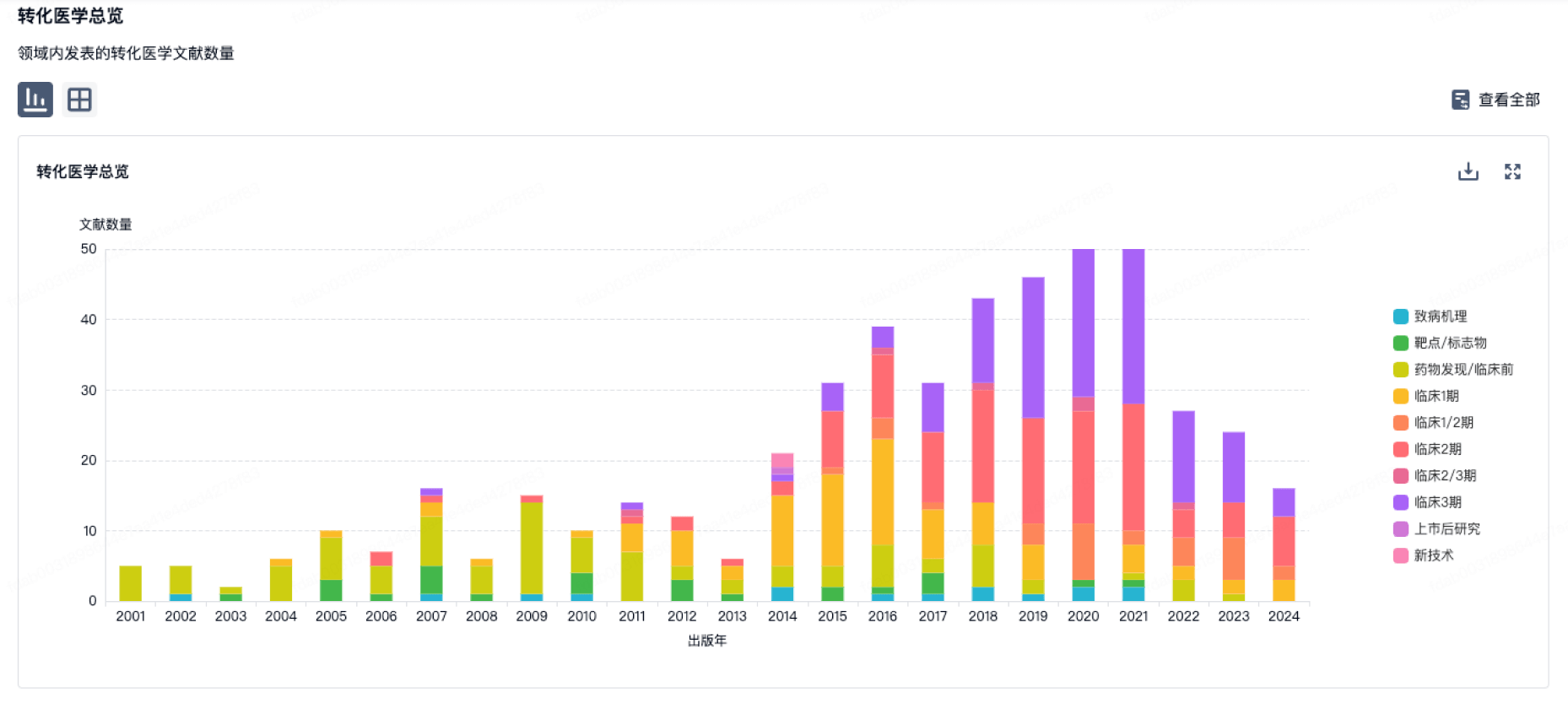
营收
使用 Synapse 探索超过 36 万个组织的财务状况。
登录
或
科研基金(NIH)
访问超过 200 万项资助和基金信息,以提升您的研究之旅。
登录
或
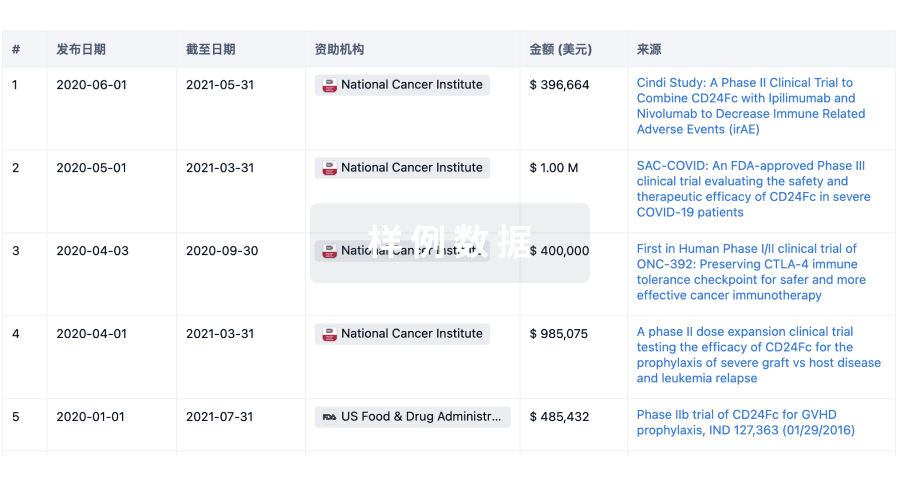
投资
深入了解从初创企业到成熟企业的最新公司投资动态。
登录
或
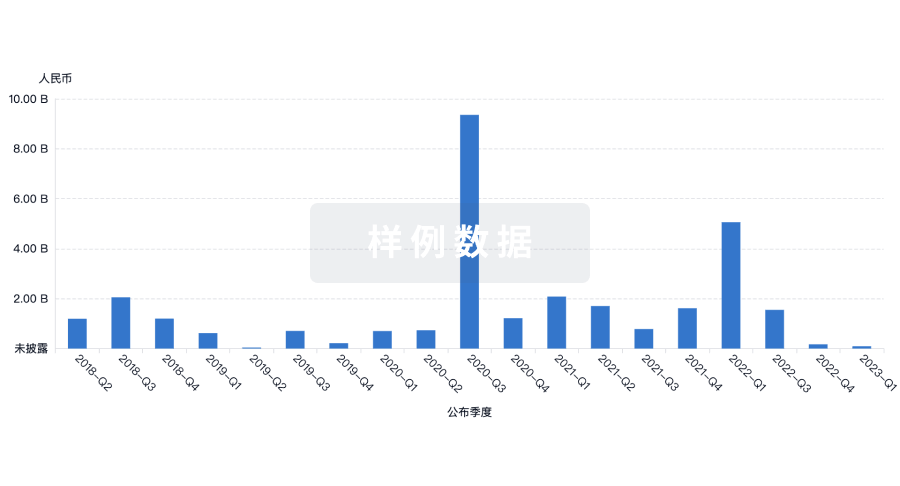
融资
发掘融资趋势以验证和推进您的投资机会。
登录
或
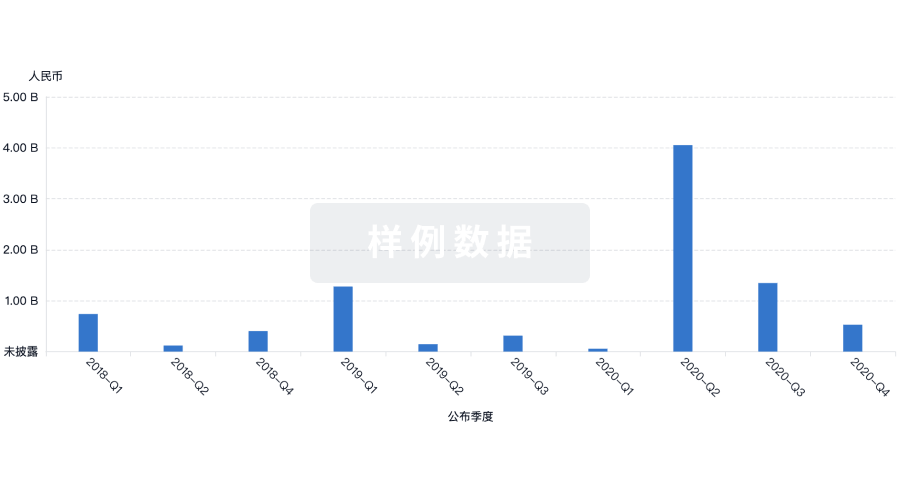
提出任何生物医药研究问题
让每一步生物医药决策都精准制胜
基于十亿级生物数据与全球情报的精准 AI,赋能早期药物发现
立即开始免费试用!
智慧芽新药情报库是智慧芽专为生命科学人士构建的基于AI的创新药情报平台,助您全方位提升您的研发与决策效率。
立即接入生物医药数据包
智慧芽新药库数据也通过智慧芽开放平台,以MCP或API服务形式对外开放。立即使用我们的MCP服务定制您的LLM智能体。
生物序列数据库
生物药研发创新
免费使用
化学结构数据库
小分子化药研发创新
免费使用