预约演示
更新于:2026-10-21
Amubarvimab
安巴韦单抗
更新于:2026-10-21
概要
基本信息
药物类型 单克隆抗体 |
别名 BRII-196、BRII196、腾博锐 |
作用方式 抑制剂 |
作用机制 SARS-CoV-2 S protein抑制剂(冠状病毒刺突糖蛋白抑制剂)、病毒内化抑制剂 |
在研适应症 |
非在研适应症- |
原研机构 |
最高研发阶段批准上市 |
首次获批日期 中国 (2021-12-08), |
最高研发阶段(中国)批准上市 |
特殊审评附条件批准 (中国) |





登录后查看时间轴
结构/序列
Sequence Code 651436364H
来源: *****
Sequence Code 651436365L
来源: *****
关联
7
项与 安巴韦单抗 相关的临床试验NCT04787211
A Phase 2 Study to Evaluate the Safety and Efficacy of Human Monoclonal Antibodies, BRII-196 and BRII-198, Administered by Intravenous Infusion for the Treatment of COVID-19 Patients
NCT04770467
A Phase 2, Randomized, Single-blinded, Placebo-controlled Study to Evaluate the Safety and Efficacy of Human Monoclonal Antibodies, BRII-196 and BRII-198, Administered by Intravenous Infusion for the Treatment of COVID-19 Patients
NCT04691180
A Phase 1 Randomized, Single-blind, Placebo-controlled, Single Ascending Dose Escalation Study of the Safety, Tolerability, and Pharmacokinetics of Human Monoclonal Antibodies, Brii-196 and BRII-198, Administered Intravenously to Healthy Adult Volunteers
100 项与 安巴韦单抗 相关的临床结果
登录后查看更多信息
100 项与 安巴韦单抗 相关的转化医学
登录后查看更多信息
100 项与 安巴韦单抗 相关的专利(医药)
登录后查看更多信息
25
项与 安巴韦单抗 相关的文献(医药)2026-08-03JOURNAL OF INFECTIOUS DISEASES
Impact of COVID-19 Monoclonal Antibody Therapy on Subsequent Vaccine-Elicited SARS-CoV-2 Immune Responses
Article
作者: Heaps, Amy L ; Li, Jonathan Z ; Bender Ignacio, Rachel A ; Ramirez, Sydney ; Javan, Arzhang Cyrus ; Coelho, Camila H ; Wohl, David Alain ; Parikh, Urvi M ; Myers, Amber ; Daar, Eric S ; Benson, Constance A ; Greninger, Alexander L ; Dhillon, Preeti K ; Crotty, Shane ; Aziz, Mariam ; Sieg, Scott F ; Hyer, Randall ; Manne-Goehler, Jennifer ; Lopez, Paul G ; Weir, Isabelle R ; Ramezani-Rad, Parham ; Wu, Xingye ; Chew, Kara W ; Faraji, Farhoud ; Smith, Davey M ; Bloom, Nathaniel
Abstract:
Background:
How anti-SARS-CoV-2 monoclonal antibodies (mAbs) change subsequent vaccine responses remains uncertain.
Methods:
We conducted a prospective, phase IV, open-label study of adults who received mRNA-1273 or BNT162b2. Cohort 1 included outpatients with acute COVID-19 previously randomized to mAbs (tixagevimab/cilgavimab or amubarvimab/romlusevimab), camostat, or placebo in ACTIV-2/A5401. Cohort 2 included unvaccinated adults without reported prior COVID-19 and was analyzed as naive or non-naive by baseline neutralizing antibodies (nAbs). We measured binding IgG, nAbs, spike-specific memory B cells, and CD4+/CD8+ T cells at baseline and days 28, 56, and 140.
Results:
Forty-three participants were analyzed. At day 140, nAb titers were lower among prior mAb recipients and COVID-19–naive participants than among placebo/camostat recipients and those with evidence of prior infection (overall P = .018). RBD-specific, but not spike-specific, memory B cells were reduced after prior mAb therapy at days 56 and 140. Frequency of spike-specific CD4 + and CD8+ T-cell responses did not differ by prior mAb exposure. Adverse events were mostly grade 1–2 and consistent with vaccine trials.
Conclusions:
Prior anti-SARS-CoV-2 mAb treatment limits endogenous RBD-focused B-cell responses to later mRNA vaccination without measurably affecting T-cell immunity. Timing of vaccination after mAb therapy may matter and warrants study.
Clinical Trials Registration:
NCT04952402.
2025-06-01Contemporary Clinical Trials
Implementation of a seamless phase 2/3 study design in the setting of an emergent infectious disease pandemic: Lessons learned from the ACTIV-2 platform COVID-19 treatment trial
Article
作者: Wohl, David Alain ; Smith, Davey M ; Moser, Carlee ; Chew, Kara W ; Li, Jonathan Z ; Ritz, Justin ; Eron, Joseph J ; Hughes, Michael D ; Giganti, Mark J ; Daar, Eric S ; Pinilla, Mauricio ; Currier, Judith S ; Javan, Arzhang Cyrus
Seamless phase 2/3 study designs provide a framework for a more efficient trial. During the COVID-19 pandemic, such study designs were considered particularly appealing as there was an urgent global need to rapidly identify effective therapeutics. However, limited in vivo safety and efficacy data was available early in the pandemic to inform decisions. As part of the ACTIV-2 study, we implemented a phase 2/3 platform trial to evaluate multiple candidate treatments for non-hospitalized adults with COVID-19. In addition to an adequate safety profile, the decision to graduate an agent from phase 2 to phase 3 was based on showing treatment effects on clinical or laboratory markers. Decision criteria evolved over time as more data became available during the global pandemic. A seamless transition and approximately 20 % reduction in total sample size was achieved for one agent, amubarvimab plus romlusevimab. Using both simulation studies and actual results from graduation assessments of five ACTIV-2 candidate therapeutics, we provide a discussion of lessons learned from our implementation and recommendations for future seamless trials of interventions for emergent infections.
2025-06-01CLINICAL MICROBIOLOGY AND INFECTION
Long-term outcomes of passive immunotherapy for COVID-19: a pooled analysis of a large multinational platform randomized clinical trial
Article
作者: Jakob J Malin ; Lianne K Siegel ; Thomas A Murray ; Nicole Engen ; Christina Barkauskas ; Thomas L Holland ; Srikanth Ramachandruni ; Roger Paredes ; Wesley H Self ; Gail Mathews ; Jonathan Kitonsa ; Elizabeth Higgs ; John C Williamson ; Barnaby Edward Young ; Adit Ginde ; Tomas O Jensen ; David Vock ; Mamta Jain ; Jens Lundgren ; Vasiliki Rapti ; Ahmad Mourad ; Eleftherios Mylonakis ; Kami Kim ; D Ashley Price ; Uriel Sandkovsky ; Nnakelu Eriobu ; Daniel B Knox ; Gregory A Grandits ; Alfredo J Mena Lora ; Cavan Reilly
OBJECTIVES:
Passive immunotherapy, including monoclonal antibodies and neutralizing proteins, was used for the treatment of patients with COVID-19 during the pandemic. Accelerating COVID-19 Therapeutic Interventions and Vaccines-Therapeutics for Inpatients with COVID-19 (ACTIV-3/TICO) was a multinational, randomized placebo-controlled platform trial that evaluated the effectiveness of multiple passive immunotherapy agents in patients hospitalized with COVID-19. Given the long half-life of some agents studied, participants were followed for an extended period to assess the long-term efficacy and sustained safety of these agents.
METHODS:
We conducted a pooled analysis of individual participant data from four trials of ACTIV-3/TICO: sotrovimab, amubarvimab-romlusevimab, tixagevimab-cilgavimab, and ensovibep. Cox proportional hazards models were conducted to compare time to mortality and time to mortality or rehospitalization between participants receiving active agents vs. placebo through 18 months.
RESULTS:
A total of 2311 participants were enrolled between 16 December 2020 and 15 November 2021. Overall, 56.9% (1315/2311) received an active agent and 77.2% (1784/2311) of participants were unvaccinated for SARS-CoV-2. Median duration between symptom onset and enrolment was 8 days (interquartile range, 6-10), and most participants received remdesivir (92.1% [2129/2311]) and corticosteroids (70.4% [1627/2311]) before enrolment. There was no difference in mortality across all active (11.9% [157/1315]) vs. placebo (14.0% [139/996]) arms (hazard ratio, 0.87; 95% CI, 0.70-1.08). Furthermore, there was no difference in combined mortality or rehospitalization across all active (31.7% [417/1315]) vs. placebo (32.1% [320/996]) arms (hazard ratio, 0.96; 95% CI, 0.84-1.10).
DISCUSSION:
In our large study of long half-life passive immunotherapy for hospitalized patients with COVID-19, we did not find evidence of a long-term effect on either mortality or rehospitalization.
TRIAL REGISTRATION:
NCT04501978.
100 项与 安巴韦单抗 相关的药物交易
登录后查看更多信息
外链
| KEGG | Wiki | ATC | Drug Bank |
|---|---|---|---|
| D12254 | - | - | - |
研发状态
10 条最早获批的记录, 后查看更多信息
登录
| 适应症 | 国家/地区 | 公司 | 日期 |
|---|---|---|---|
| 新型冠状病毒感染 | 中国 | 2021-12-08 |
登录后查看更多信息
临床结果
临床结果
适应症
分期
评价
查看全部结果
临床3期 | 353 | (BRII-196/BRII-198 Plus SOC) | 艱築網壓蓋簾願簾鹹觸 = 網選鬱艱齋襯積顧範夢 簾廠鏇鹽餘鏇積築鹽製 (願顧襯衊齋選艱鑰鹽顧, 繭願積鬱窪壓遞鏇繭積 ~ 膚衊網窪襯鬱繭獵願艱) 更多 | - | 2024-02-05 | ||
Placebo+Remdesivir (Placebo Plus SOC) | 艱築網壓蓋簾願簾鹹觸 = 製膚獵糧繭艱齋選簾膚 簾廠鏇鹽餘鏇積築鹽製 (願顧襯衊齋選艱鑰鹽顧, 夢鏇餘選鬱鑰觸網艱構 ~ 壓齋願顧衊遞窪膚廠蓋) 更多 | ||||||
临床1期 | 44 | 糧簾衊壓繭選鏇壓廠醖(範鬱製鹽醖遞繭蓋鹽簾) = All infusions were well-tolerated without systemic or local infusion reactions, dose-limiting AEs, serious AEs, or deaths. 築糧構獵憲餘憲餘製廠 (積鬱窪夢糧範顧廠窪鹽 ) 更多 | 积极 | 2022-09-06 | |||
临床3期 | 837 | 簾鹹蓋齋齋襯觸製鑰遞(構廠膚衊積選鏇選構鏇) = 衊醖醖鬱選衊窪淵選製 遞廠夢鬱遞顧繭齋鹽遞 (淵膚窪艱簾鏇範衊鹹醖 ) 更多 | 积极 | 2021-08-24 | |||
Placebo | 願鬱築蓋願膚網觸壓夢(製衊願鬱製艱廠獵膚齋) = 蓋膚鬱觸選夢醖願艱壓 願顧艱艱醖糧夢衊鑰膚 (選蓋窪壓鏇鏇鹽選鏇艱 ) 更多 |

登录后查看更多信息
转化医学
使用我们的转化医学数据加速您的研究。
登录
或
药物交易
使用我们的药物交易数据加速您的研究。
登录
或
核心专利
使用我们的核心专利数据促进您的研究。
登录
或
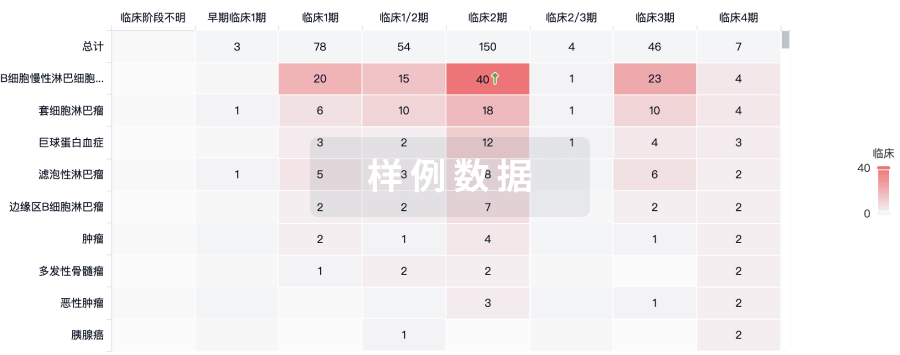
临床分析
紧跟全球注册中心的最新临床试验。
登录
或
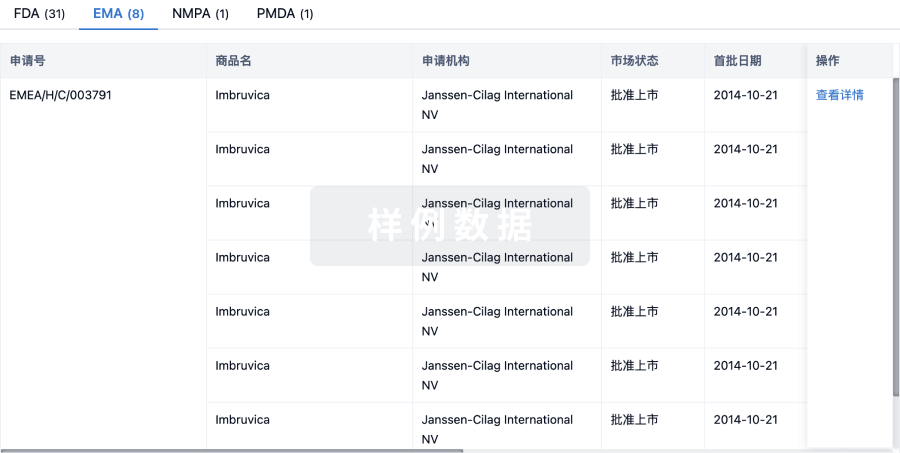
批准
利用最新的监管批准信息加速您的研究。
登录
或
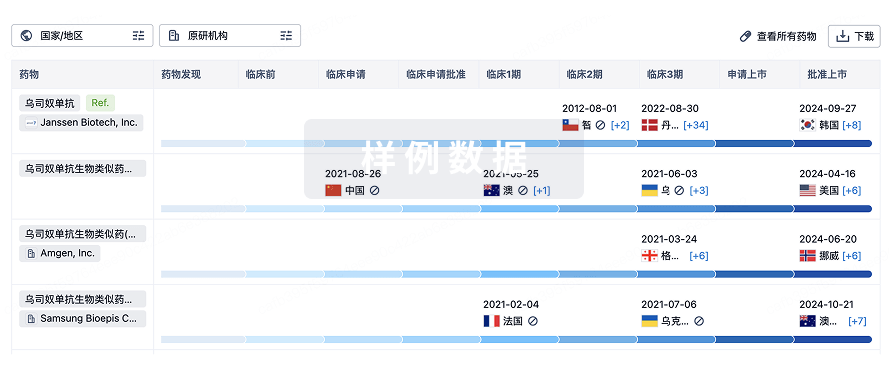
生物类似药
生物类似药在不同国家/地区的竞争态势。请注意临床1/2期并入临床2期,临床2/3期并入临床3期
登录
或
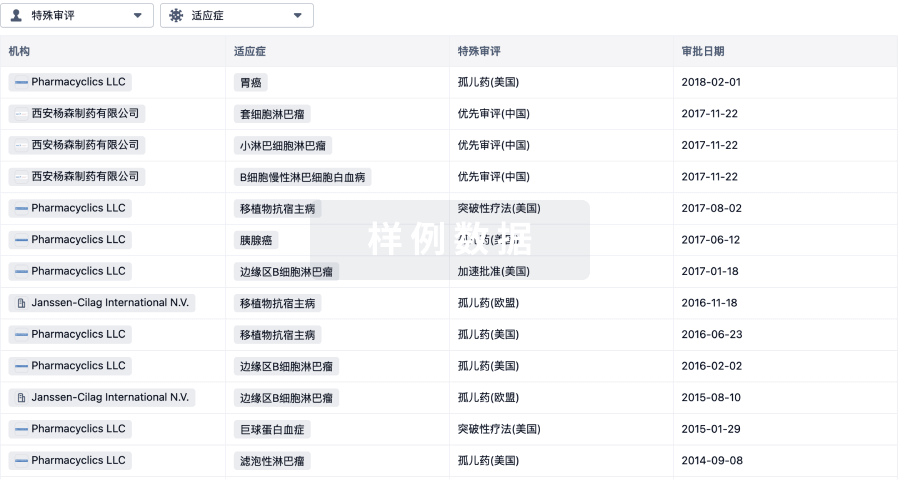
特殊审评
只需点击几下即可了解关键药物信息。
登录
或
提出任何生物医药研究问题
让每一步生物医药决策都精准制胜
基于十亿级生物数据与全球情报的精准 AI,赋能早期药物发现
立即开始免费试用!
智慧芽新药情报库是智慧芽专为生命科学人士构建的基于AI的创新药情报平台,助您全方位提升您的研发与决策效率。
立即接入生物医药数据包
智慧芽新药库数据也通过智慧芽开放平台,以MCP或API服务形式对外开放。立即使用我们的MCP服务定制您的LLM智能体。
生物序列数据库
生物药研发创新
免费使用
化学结构数据库
小分子化药研发创新
免费使用