预约演示
更新于:2026-10-09

Kissei Pharmaceutical Co., Ltd.
更新于:2026-10-09
概览
标签
内分泌与代谢疾病
其他疾病
泌尿生殖系统疾病
小分子化药
化学药
聚合物
疾病领域得分
一眼洞穿机构专注的疾病领域

技术平台
公司药物应用最多的技术
靶点
公司最常开发的靶点
关联
靶点 |
作用机制 |
在研机构 |
原研机构 |
在研适应症 |
非在研适应症 |
最高研发阶段 |
首次获批国家/地区 |
首次获批日期 |

靶点 |
作用机制 |
在研机构 |
原研机构 |
在研适应症 |
非在研适应症 |
最高研发阶段 |
首次获批国家/地区 |
首次获批日期 |
靶点 |
作用机制 |
在研机构 |
原研机构 |
在研适应症 |
非在研适应症 |
最高研发阶段 |
首次获批国家/地区 |
首次获批日期 |

JPRN-jRCT2031260257
Bioequivalence study of KDT-3594 tablets and capsules
NCT07604064
A Phase II Clinical Trial of Olutasidenib in Patients With Relapsed or Refractory IDH1 Mutation-Positive Acute Myeloid Leukemia
JPRN-jRCT2071260010
A phase I clinical trial of KSP-0930
100 项与 Kissei Pharmaceutical Co., Ltd. 相关的临床结果
登录后查看更多信息
登录后查看更多信息
2026-09-01HUMAN REPRODUCTION
Linzagolix versus leuprorelin in Japanese women with uterine leiomyomas: a phase 3, randomized, active-controlled, non-inferiority trial
Article
作者: Urabe, Mamoru ; Arakane, Futoshi ; Nishikawa, Akira ; Yamanaka, Akiyoshi ; Sawada, Mari ; Tanabe, Akiko ; Yoshida, Shohei ; Hirai, Kozo ; Hashimoto, Masaki ; Oki, Akinori ; Iwasaki, Shinya ; Umayahara, Kenji ; Uchida, Rikako ; Kamiya, Takayuki ; Yoshioka, Masuo ; Shimamura, Fumiya ; Kitanaka, Takashi ; Hatta, Mariko ; Kawai, Asuka ; Nagai, Ryuji ; Utsugisawa, Yukari ; Yasuda, Teruko ; Nojima, Shunji ; Teramoto, Mizue ; Sano, Masatoshi ; Hanashi, Hideki ; Tei, Chisei ; Sumi, Yukari ; Hayakawa, Jun ; Kashiwazaki, Yuji ; Maruyama, Masanori ; Osuga, Yutaka ; Yukawa, Sumie ; Oku, Hisato ; Nishiguchi, Sonoe ; Tsushima, Ruriko ; Harada, Tasuku ; Hosoi, Nobuyuki ; Kitada, Fuminori ; Takahashi, Hideomi ; Fukuhara, Masao ; Hasegawa, Akitoshi
Abstract:
STUDY QUESTION:
How does the efficacy of linzagolix (a gonadotropin-releasing hormone [GnRH] receptor antagonist) compare with leuprorelin (a GnRH agonist) for the treatment of heavy menstrual bleeding (HMB) in patients with uterine leiomyomas?
SUMMARY ANSWER:
Reductions in menstrual bleeding with linzagolix were rapidly achieved, non-inferior to leuprorelin at Weeks 6–12, and maintained over 24 weeks of treatment.
WHAT IS KNOWN ALREADY:
GnRH agonists are commonly used to manage the symptoms of uterine leiomyomas; however, they are also associated with bone mineral density (BMD) loss, an initial worsening of symptoms (flare-up effect), and delayed pituitary recovery after treatment cessation. Linzagolix is a GnRH receptor antagonist that may overcome the limitations of GnRH agonists, though comparative safety and efficacy have not yet been evaluated.
STUDY DESIGN, SIZE, DURATION:
This was a phase 3, active-controlled, multicentre, randomized, double-blind, parallel-group, non-inferiority study, conducted in Japan between October 2022 and August 2024. In total, 287 patients were randomized 1:1 to oral linzagolix 200 mg once daily (plus leuprorelin placebo; n = 143) or subcutaneous leuprorelin 1.88 mg every 4 weeks (plus linzagolix placebo; n = 144) for 24 weeks. Patients were randomized using an interactive web response system, stratified by the presence of pain symptoms.
PARTICIPANTS/MATERIALS, SETTING, METHODS:
Eligible patients were premenopausal women (aged ≥20 years) with uterine leiomyomas and HMB. Key assessments throughout the treatment period included menstrual bleeding (measured using the Pictorial Blood Loss Assessment Chart [PBAC]), pain (measured using a numeric rating scale), blood haemoglobin, myoma and uterine volumes (measured by transvaginal ultrasound), patient-reported symptom severity and quality of life, plasma oestradiol, adverse events (AEs), and BMD. At the end of treatment, patients entered a follow-up period of up to 24 weeks, during which plasma oestradiol, BMD, and menstrual recovery were assessed. The primary endpoint was the proportion of patients with a total PBAC score <10 from Weeks 6 to 12 of the treatment period (non-inferiority margin, −15%).
MAIN RESULTS AND THE ROLE OF CHANCE:
From Weeks 6 to 12, the proportion of patients with a total PBAC score <10 was 89.9% (95% CI, 83.7, 94.4) in the linzagolix group, which was non-inferior to 90.8% (84.7, 95.0) in the leuprorelin group (difference, −0.9% [−8.6, 6.9]). Reductions in menstrual bleeding were rapidly achieved with linzagolix; median time to a total PBAC score <10 was significantly shorter in the linzagolix group versus leuprorelin (6.0 vs 20.0 days; P = 0.023). Improvements in pain, haemoglobin, myoma/uterine volumes, and patient-reported outcomes were comparable between groups over 24 weeks, with earlier reductions in pain and myoma/uterine volumes observed in the linzagolix group. Mean plasma oestradiol levels were rapidly reduced to <20 pg/ml by Week 2 in the linzagolix group (without the flare-up effect seen in the leuprorelin group) and were maintained through Week 24. The incidence of AEs was comparable between the linzagolix and leuprorelin groups (97.2% and 96.5%, respectively). The most common AE was hot flush in the linzagolix group (53.8%) and breakthrough bleeding in the leuprorelin group (55.6%), and the incidence of these events was highest during the first 28 days of treatment. Following the end of study treatment, mean plasma oestradiol levels tended to recover earlier in the linzagolix group versus leuprorelin, which coincided with earlier recovery of hot flush AEs, reductions in BMD, and menstruation.
LIMITATIONS, REASONS FOR CAUTION:
Further studies are warranted to compare linzagolix with other GnRH receptor antagonists, and to evaluate the longer-term safety and efficacy of linzagolix, with or without hormonal add-back therapy, in Japanese women with uterine leiomyomas and HMB.
WIDER IMPLICATIONS OF THE FINDINGS:
This phase 3 study met its primary endpoint, and demonstrated the 24-week efficacy, safety, and pharmacodynamic effects of linzagolix in Japanese women with symptomatic uterine leiomyomas. While linzagolix offered comparable efficacy to leuprorelin over 24 weeks of treatment, its earlier onset of action may make linzagolix a favourable treatment option. In particular, rapid reductions in myoma and uterine volumes suggest that linzagolix may be a useful preoperative treatment. Moreover, earlier recovery of oestradiol levels and menstruation following linzagolix may be an important consideration for women planning pregnancy after treatment. Overall, these findings support the use of linzagolix over 24 weeks for the signs and symptoms of uterine leiomyomas.
STUDY FUNDING/COMPETING INTEREST(S):
Funding for the study and third-party medical writing support was provided by Kissei Pharmaceutical Co., Ltd. The study sponsor participated in the design of the study; the collection, analysis, and interpretation of data; and the development of the manuscript. Y.O. and T.H. report medical writing and clinical trial advisory fees from Kissei Pharmaceutical Co., Ltd. H.T. reports patent applications with Kissei Pharmaceutical Co., Ltd. H.T., A.K., and F.S. are employees of Kissei Pharmaceutical Co., Ltd.
TRIAL REGISTRATION NUMBER:
NCT05440383.
TRIAL REGISTRATION DATE:
27 June 2022.
DATE OF FIRST PATIENT’S ENROLMENT:
11 October 2022.
2026-05-01British Journal of Pharmacology
Matsupexole: A novel nonergot dopamine receptor agonist with sustained efficacy in a rat model of Parkinson's disease and limited off‐target activity
Article
作者: Masaki Oota ; Yuma Handa ; Osamu Kaminuma ; Takayuki Suzuki ; Fumiki Oana
Background and Purpose:
Dopamine receptor agonists, particularly targeting the dopamine D
2L
receptor (D
2L
R), have been used to treat Parkinson's disease (PD). However, valvular heart disease and somnolence, mainly caused by activating the serotonin 5‐HT
2B
receptor (5‐HT
2B
R) and dopamine D
3
receptor (D
3
R), respectively, currently challenge their clinical use. Here, we aimed to develop a novel dopamine receptor agonist with superior therapeutic efficacy for PD, while minimising adverse reactions.
Experimental Approach:
Matsupexole, a novel nonergot dopamine receptor agonist, was evaluated by agonist activity for D
2L
R and a 6‐hydroxydopamine‐lesioned male rat PD model. To explore its adverse effects, the agonist activity for other receptors, including 5‐HT
2B
R and D
3
R, and the resulting porcine heart valve interstitial cell (PHVIC) proliferation and non‐rapid eye movement (REM) sleep induction in male rats were evaluated, in comparison with existing dopamine receptor agonists.
Key Results:
Matsupexole exhibited potent agonist activity for D
2L
Rs without inducing 5‐HT
2B
R activation or promoting PHVIC proliferation. Matsupexole demonstrated sustained efficacy in the PD model. In contrast, despite its strong D
2L
R agonist activity, cabergoline, an ergot dopamine receptor agonist, significantly evoked PHVIC proliferation. Reflecting its higher D
2L
R/D
3
R selectivity, matsupexole did not affect non‐REM sleep induction. Although pramipexole, a D
3
R‐favouring nonergot agonist, showed efficacy in the rat PD model, its effect was shorter in duration, and it strongly promoted non‐REM sleep. The stabilised interaction between Val190
5.39
in D
2L
R and matsupexole, but not pramipexole, further supports the higher D
2L
R/D
3
R selectivity of matsupexole.
Conclusion and Implications:
Matsupexole is a promising future, potentially best‐in‐class dopamine receptor agonist for treating PD.
2026-05-01JOURNAL OF GASTROENTEROLOGY
Correction: Optimising carotegrast methyl use in ulcerative colitis: patient profiling, predictive biomarkers, and timing of efficacy evaluation (ASPECT study)
作者: Nakase, Hiroshi ; Matsuoka, Katsuyoshi ; Hibi, Toshifumi ; Suzuki, Takahiro ; Hokari, Ryota ; Yamazaki, Gakuto ; Saruta, Masayuki ; Hirai, Fumihito ; Watanabe, Mamoru ; Kobayashi, Taku ; Watanabe, Kenji ; Hisamatsu, Tadakazu
100 项与 Kissei Pharmaceutical Co., Ltd. 相关的药物交易
登录后查看更多信息
100 项与 Kissei Pharmaceutical Co., Ltd. 相关的转化医学
登录后查看更多信息
组织架构
使用我们的机构树数据加速您的研究。
登录
或
管线布局
2026年10月09日管线快照
管线布局中药物为当前组织机构及其子机构作为药物机构进行统计,早期临床1期并入临床1期,临床1/2期并入临床2期,临床2/3期并入临床3期
药物发现
3
8
临床前
临床1期
2
4
临床2期
临床3期
1
21
批准上市
其他
42
登录后查看更多信息
当前项目
登录后查看更多信息
药物交易
使用我们的药物交易数据加速您的研究。
登录
或
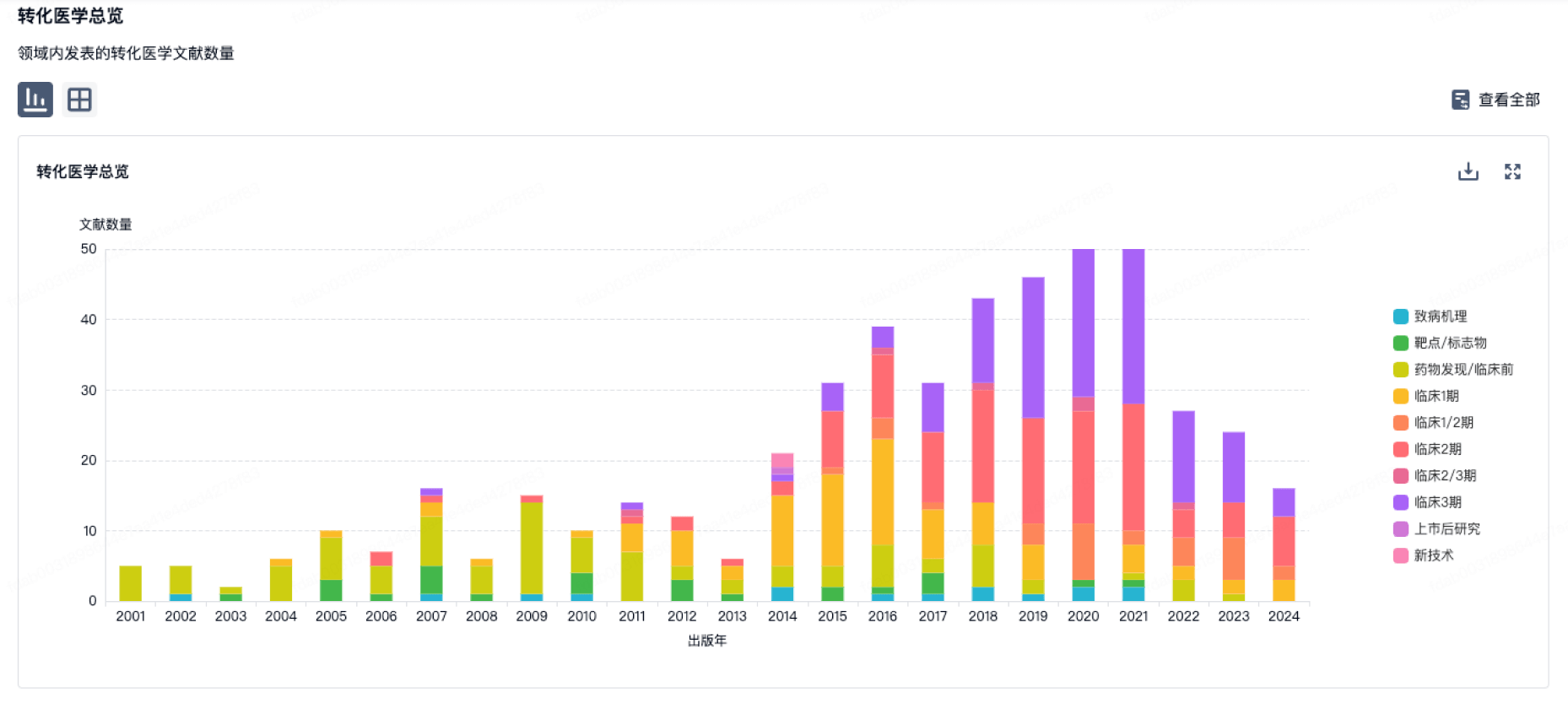
转化医学
使用我们的转化医学数据加速您的研究。
登录
或
营收
使用 Synapse 探索超过 36 万个组织的财务状况。
登录
或
科研基金(NIH)
访问超过 200 万项资助和基金信息,以提升您的研究之旅。
登录
或
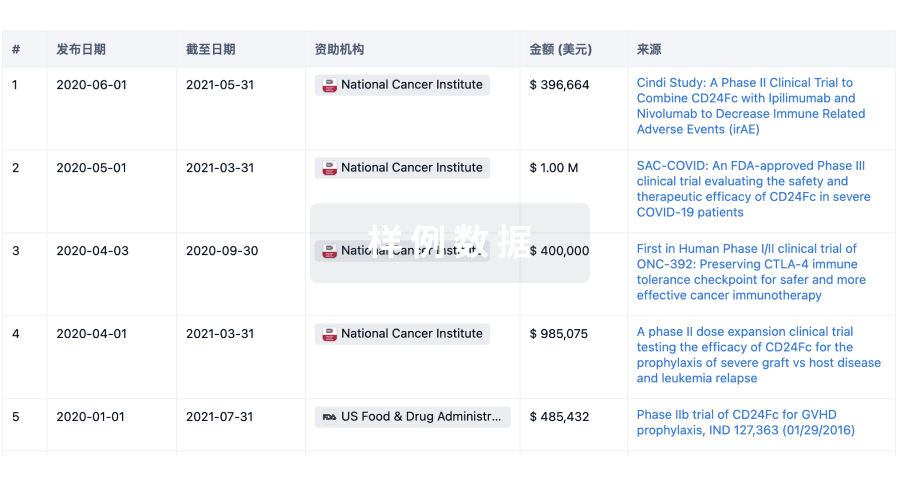
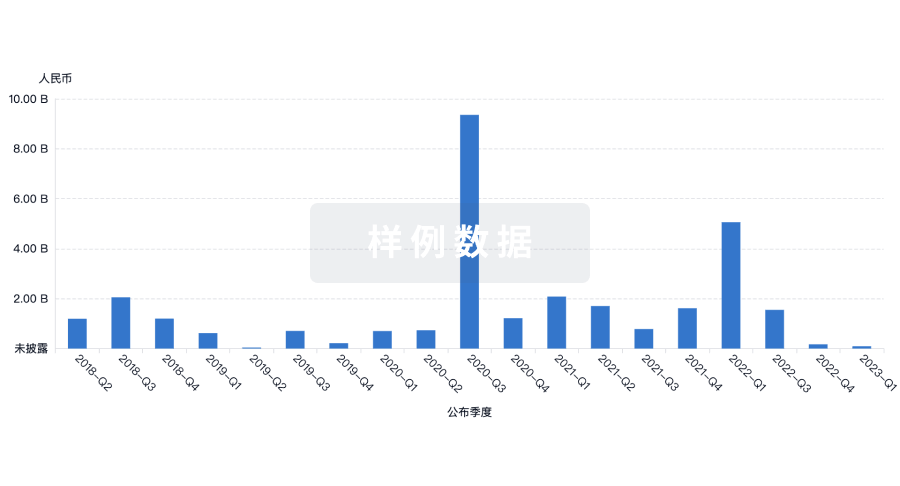
投资
深入了解从初创企业到成熟企业的最新公司投资动态。
登录
或
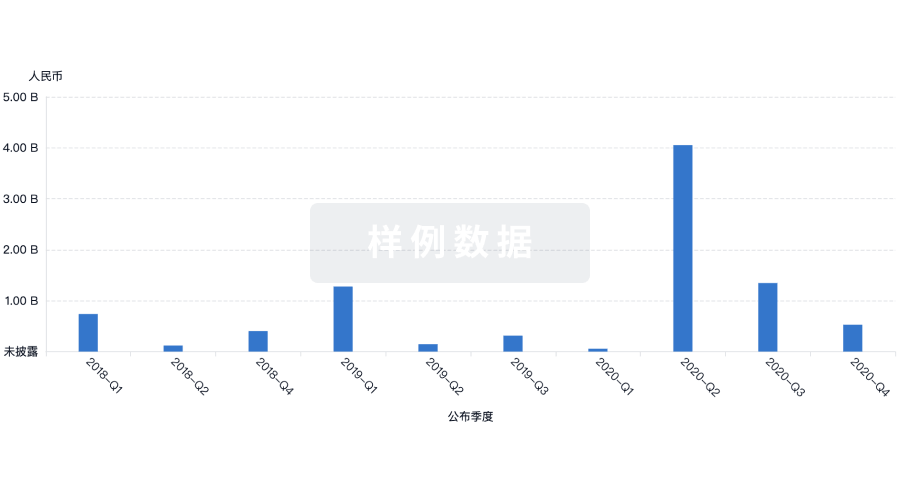
融资
发掘融资趋势以验证和推进您的投资机会。
登录
或
提出任何生物医药研究问题
让每一步生物医药决策都精准制胜
基于十亿级生物数据与全球情报的精准 AI,赋能早期药物发现
立即开始免费试用!
智慧芽新药情报库是智慧芽专为生命科学人士构建的基于AI的创新药情报平台,助您全方位提升您的研发与决策效率。
立即接入生物医药数据包
智慧芽新药库数据也通过智慧芽开放平台,以MCP或API服务形式对外开放。立即使用我们的MCP服务定制您的LLM智能体。
生物序列数据库
生物药研发创新
免费使用
化学结构数据库
小分子化药研发创新
免费使用