预约演示
更新于:2026-03-27

Yakult Honsha Co., Ltd.
更新于:2026-03-27
概览
标签
肿瘤
消化系统疾病
内分泌与代谢疾病
小分子化药
集落刺激因子
疾病领域得分
一眼洞穿机构专注的疾病领域

技术平台
公司药物应用最多的技术
靶点
公司最常开发的靶点
关联
靶点 |
作用机制 |
在研机构 |
原研机构 |
在研适应症 |
非在研适应症 |
最高研发阶段 |
首次获批国家/地区 |
首次获批日期 |

靶点 |
作用机制 |
在研机构 |
原研机构 |
在研适应症 |
非在研适应症 |
最高研发阶段 |
首次获批国家/地区 |
首次获批日期 |
靶点 |
作用机制 |
在研机构 |
原研机构 |
在研适应症 |
非在研适应症 |
最高研发阶段 |
首次获批国家/地区 |
首次获批日期 |

NCT07341087
Skin Inflammation in Perimenopause: A Probiotic Intervention Proof of Concept Trial (SIPPI)

JPRN-UMIN000060631
A Comparative Study on the Effects of Single Ingestion of High-Purity Galactooligosaccharides and OLIGOMATE 55N on Post-Ingestion Blood Glucose Levels - A Comparative Study on the Effects of Single Ingestion of High-Purity Galactooligosaccharides and OLIGOMATE 55N on Post-Ingestion Blood Glucose Levels
NCT07083596
The Efficacy of Fermented Milk Drink With Lacticaseibacillus Paracasei Strain Shirota (LcS) on Relieving Constipation-Related Symptoms of Filipino Adults

100 项与 Yakult Honsha Co., Ltd. 相关的临床结果
登录后查看更多信息
登录后查看更多信息
2026-03-01SURGERY TODAY
Effectiveness of introducing a health care application for prehabilitation in patients undergoing major hepatobiliary-pancreatic surgery: a pilot study
Article
作者: Mizuno, Yota ; Hayashi, Naoki ; Nishida, Yoshihiro ; Ebata, Tomoki ; Yokoyama, Yukihiro ; Tanaka, Shinya ; Inoue, Takayuki ; Nagaya, Motoki ; Yano, Ryoya ; Nakajima, Hiroki
PURPOSE:
Prehabilitation is known to improve outcomes of gastrointestinal surgery; however, the issue of low adherence during the waiting period for surgery remains unresolved. This study evaluated the effectiveness and feasibility of a newly developed mobile health application, "Preha," designed to support home-based prehabilitation.
METHODS:
A single-group pilot study involving patients scheduled for major hepatobiliary-pancreatic (HBP) surgery for malignancy between March 2023 and September 2024 was conducted. The patients downloaded the Preha application, and there was no direct intervention from the medical staff during the preoperative period. The application recorded step counts, moderate-intensity exercise times, and squat counts. Adherence was defined as meeting at least one of the following: ≥ 5,000 steps/day, ≥ 10 min/day of ≥ 3 METS activities, or ≥ 30 squats/day, for more than three days per week.
RESULTS:
Among 30 eligible patients, 21 (median age, 67 years) were included in the analysis. During prehabilitation, 52% achieved the step goal, 67% met the exercise time target, and 33% completed the squat goal.
CONCLUSIONS:
The "Preha" application facilitated good adherence to home-based prehabilitation without direct intervention, indicating its feasibility and potential as a perioperative support tool for patients undergoing HBP surgery. Trial registration https://jrct.niph.go.jp/ ; registration number: jRCTs042220106.
2026-01-01ANNALS OF SURGICAL ONCOLOGY
ASO Author Reflections: Preoperative Gut Microbiota Disturbance in Gastrointestinal Cancer Surgery is Associated with Postoperative Infectious Complications
Article
作者: Mizuno, Takashi ; Sugimoto, Takuya ; Yokoyama, Yukihiro ; Yamaguchi, Junpei ; Onoe, Shunsuke ; Asahara, Takashi ; Ebata, Tomoki ; Kado, Yukiko ; Yamamoto, Shuta
2026-01-01ANNALS OF SURGICAL ONCOLOGY
ASO Visual Abstract: Association of Preoperative Gut Microbiota Disturbances with Postoperative Infectious Complications in Major Gastrointestinal Cancer Surgery—A Large-scale Exploratory Study
Article
作者: Mizuno, Takashi ; Sugimoto, Takuya ; Yokoyama, Yukihiro ; Yamaguchi, Junpei ; Onoe, Shunsuke ; Asahara, Takashi ; Ebata, Tomoki ; Kado, Yukiko ; Yamamoto, Shuta
2026-03-22
抗体药物偶联物临床结果临床研究
2025-11-05
·美通社
微生物疗法临床研究
100 项与 Yakult Honsha Co., Ltd. 相关的药物交易
登录后查看更多信息
100 项与 Yakult Honsha Co., Ltd. 相关的转化医学
登录后查看更多信息
组织架构
使用我们的机构树数据加速您的研究。
登录
或
管线布局
2026年10月10日管线快照
管线布局中药物为当前组织机构及其子机构作为药物机构进行统计,早期临床1期并入临床1期,临床1/2期并入临床2期,临床2/3期并入临床3期
临床前
1
1
临床2期
批准上市
4
11
其他
登录后查看更多信息
当前项目
登录后查看更多信息
药物交易
使用我们的药物交易数据加速您的研究。
登录
或
转化医学
使用我们的转化医学数据加速您的研究。
登录
或
营收
使用 Synapse 探索超过 36 万个组织的财务状况。
登录
或
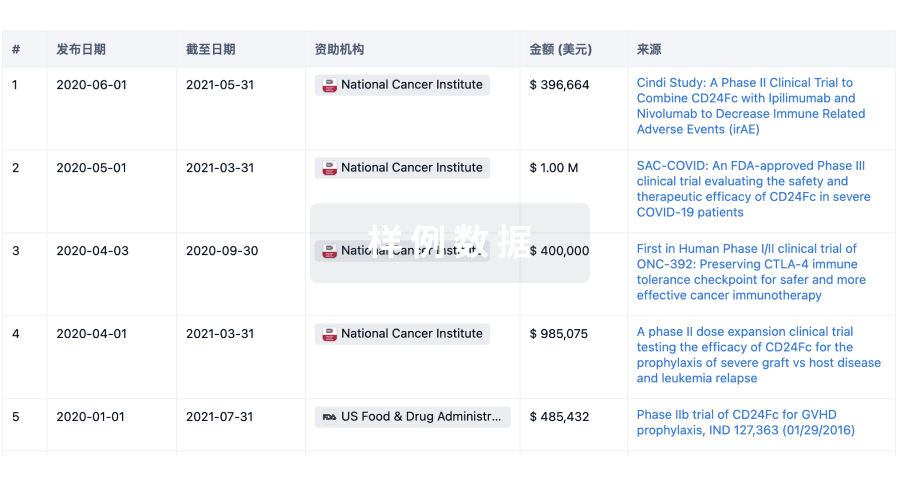
科研基金(NIH)
访问超过 200 万项资助和基金信息,以提升您的研究之旅。
登录
或
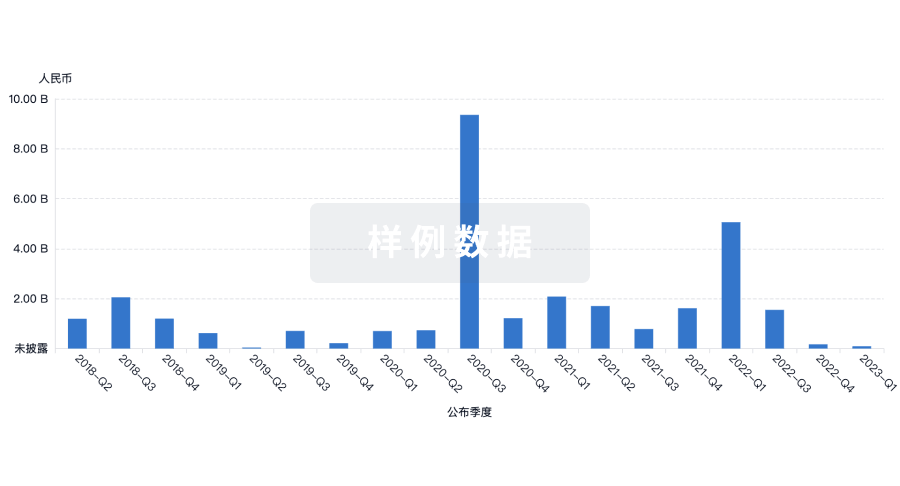
投资
深入了解从初创企业到成熟企业的最新公司投资动态。
登录
或
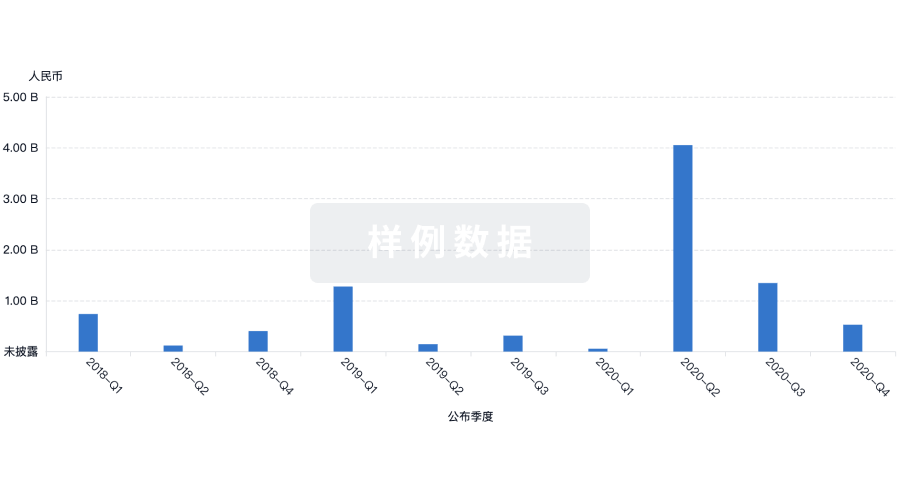
融资
发掘融资趋势以验证和推进您的投资机会。
登录
或
提出任何生物医药研究问题
让每一步生物医药决策都精准制胜
基于十亿级生物数据与全球情报的精准 AI,赋能早期药物发现
立即开始免费试用!
智慧芽新药情报库是智慧芽专为生命科学人士构建的基于AI的创新药情报平台,助您全方位提升您的研发与决策效率。
立即接入生物医药数据包
智慧芽新药库数据也通过智慧芽开放平台,以MCP或API服务形式对外开放。立即使用我们的MCP服务定制您的LLM智能体。
生物序列数据库
生物药研发创新
免费使用
化学结构数据库
小分子化药研发创新
免费使用