预约演示
更新于:2026-09-23

Shanghai Shyndec Pharmaceutical Co., Ltd.
更新于:2026-09-23
概览
标签
神经系统疾病
消化系统疾病
心血管疾病
小分子化药
疾病领域得分
一眼洞穿机构专注的疾病领域

技术平台
公司药物应用最多的技术
靶点
公司最常开发的靶点
关联
靶点 |
作用机制 |
在研机构 |
原研机构 |
在研适应症 |
非在研适应症 |
最高研发阶段 |
首次获批国家/地区 |
首次获批日期 |
靶点 |
作用机制 |
在研机构 |
原研机构 |
在研适应症 |
非在研适应症 |
最高研发阶段 |
首次获批国家/地区 |
首次获批日期 |

靶点 |
作用机制 |
在研机构 |
原研机构 |
在研适应症 |
非在研适应症 |
最高研发阶段 |
首次获批国家/地区 |
首次获批日期 |


CTR20262115
米氮平片在健康参与者中的生物等效性试验
CTR20262258
青霉素V钾片在健康研究参与者中的生物等效性研究

CTR20261913
琥珀酸美托洛尔缓释胶囊在健康研究参与者中的随机、开放、单次给药、两制剂、两周期、自身交叉及餐后药代动力学研究
100 项与 上海现代制药股份有限公司 相关的临床结果
登录后查看更多信息
登录后查看更多信息
2026-01-01JOURNAL OF PHARMACEUTICAL AND BIOMEDICAL ANALYSIS
Characterization of related substances of 6-Aminopenicillanic acid using UPLC-Q-Exactive Orbitrap-MS/MS and NMR
Article
作者: Zhou, Ben ; Liu, Ju ; Lu, Jing ; Yi, Huimin ; Chang, Hua ; Pan, Hongjuan ; Wu, Jiajie
6-Aminopenicillanic acid (6-APA), a key intermediate in the synthesis of semi-synthetic penicillin antibiotics, was subjected to forced degradation under thermal, alkaline, acidic, oxidative, and photolytic conditions. The resulting degradation products were identified by ultra high-pressure liquid chromatography-quadrupole-Exactive Orbitrap mass/mass spectrometry (UPLC-Q-Exactive Orbitrap-MS/MS) and nuclear magnetic resonance (NMR) techniques. An oxidative forced degradation of 6-APA, designated RS7, was isolated and purified using semi-preparative liquid chromatography (semi-Prep-LC). Structural characterization confirmed RS7 as penicillamine disulfide. A total of 18 related substances were identified, comprising three process-related substances (including 2 pairs of isomers), and 14 degradation products (including 5 pairs of isomers). The degradation pathways of 6-APA were proposed and summarized. For the first time, the oxidative and reductive degradation products of 6-APA were identified, including the new detection of penicillamine disulfide among its forced degradation products.
2026-01-01TALANTA
A novel chromatographic-sensory-spectral method combined with multivariate algorithms for the identification of differently processed Trionycis Carapax
Article
作者: Wu, Hongju ; Liu, Yanju ; Cao, Huangliang ; Xiao, Yangxin ; Tu, Jiyuan ; Wei, Youguang ; Nie, Wenlv ; Zhong, Lijiao ; Chen, Gaoyuan
Trionycis Carapax is a commonly used health food, often consumed after processing. Its quality varies considerably depending on the degree of processing. This study constructed a comprehensive analysis framework combining multiple techniques to accurately distinguish different processing levels. The relationships between dynamic changes in amino acids, the Maillard reaction, and protein hydrolysis during processing were elucidated. Surface color parameters a∗ (back) and b∗ (front/back), and powder color parameters b∗ and L∗, were identified as key differentiation indices. An electronic nose (E-nose) was used to distinguish raw from processed products. Using near-infrared (NIR) spectroscopy combined with a normalization pretreatment method, different processing degrees of Trionycis Carapax were effectively distinguished. Fusion analysis revealed dynamic correlations between color and chemical composition. A backpropagation (BP) neural network model achieved a high discrimination rate of 91.7 %. These findings provide a valuable reference for quality control and digital transformation during food processing.
2025-05-01ANALYTICA CHIMICA ACTA
Application of chemical pattern recognition and similarity evaluation in electrochemical and HPLC-DAD fingerprints for quality consistency study of herbal medicines
Article
作者: Sun, Guoxiang ; Zhang, Liuwei ; Zhang, Jianglei ; Lan, Lili ; Hu, Yanlei ; Cai, Ming
BACKGROUND:
Herbal medicines and their preparations play a significant role in healthcare systems, yet concerns remain about their quality consistency. Chemical fingerprinting and multi-component quantitative analysis are the commonly used analytical methods and are widely applied in the quality analysis of herbal medicines. The study uses Gegen Qinlian tablets (GQTs) as a case to propose a comprehensive quality consistency evaluation system.
RESULTS:
Initially, the evaluation system is based on three quality components and three mixtures representing RPL, RS, and RC, categorizing all samples into eight levels. Subsequently, a four-wavelength fusion HPLC profiling (FWFP) method was established, yielding a relative standard deviation (RSD) of 0.43 % for mean relative retention times (RRA) and 21.12 % for relative retention area using the normalized fingerprint method (NFM). The systematically quantified fingerprint method (SQFM) was employed, resulting in qualitative similarity (Sm) and quantitative similarity (Pm) ranges of 0.878-0.978 and 74.9%-120.4 %, respectively. Concurrently, the Electrochemical Fingerprint method (ECFM) was applied for joint evaluation with FWFP, producing SE and projection quantitative similarity (CE) ranges of 0.962-1.000 and 70.6-155.2 %, respectively. Ultimately, the series spectra from FWFP and ECFM were used to comprehensively assess sample quality, with SFW-EC and CEW-EC ranges of 0.891-0.979 and 87.5-120.9 %, leading to the classification of the 22 GQT batches into five grades.
SIGNIFICANCE:
The study first proposes using characteristic parameters of the ECFM combined with SE and CE to evaluate the similarity of electrochemical fingerprints. It also comprehensively describes and uses SQFM to evaluate the quality of herbal medicines, including methodological validation, qualitative similarity (Sm), quantitative similarity (Pm), and reliability assessment. These methods may provide new insights for the similarity evaluation of different types of fingerprints, which can be applied in the quality consistency study of herbal medicines.
100 项与 上海现代制药股份有限公司 相关的药物交易
登录后查看更多信息
100 项与 上海现代制药股份有限公司 相关的转化医学
登录后查看更多信息
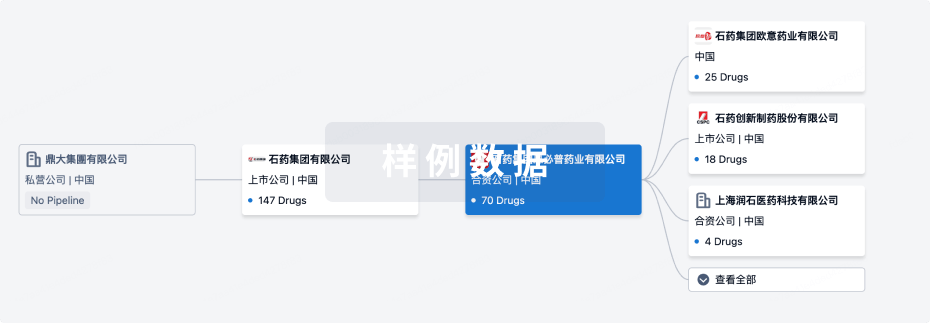
组织架构
使用我们的机构树数据加速您的研究。
登录
或
管线布局
2026年10月10日管线快照
管线布局中药物为当前组织机构及其子机构作为药物机构进行统计,早期临床1期并入临床1期,临床1/2期并入临床2期,临床2/3期并入临床3期
药物发现
1
2
临床1期
批准上市
16
13
其他
登录后查看更多信息
当前项目
登录后查看更多信息
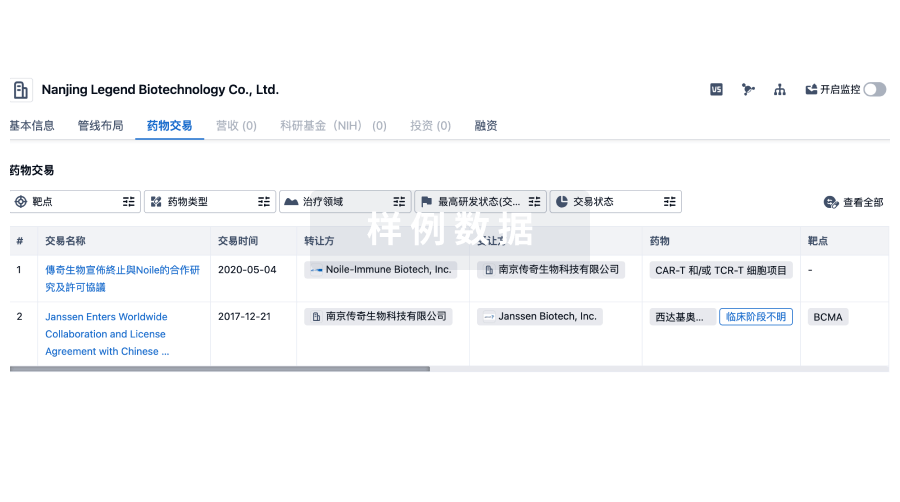
药物交易
使用我们的药物交易数据加速您的研究。
登录
或
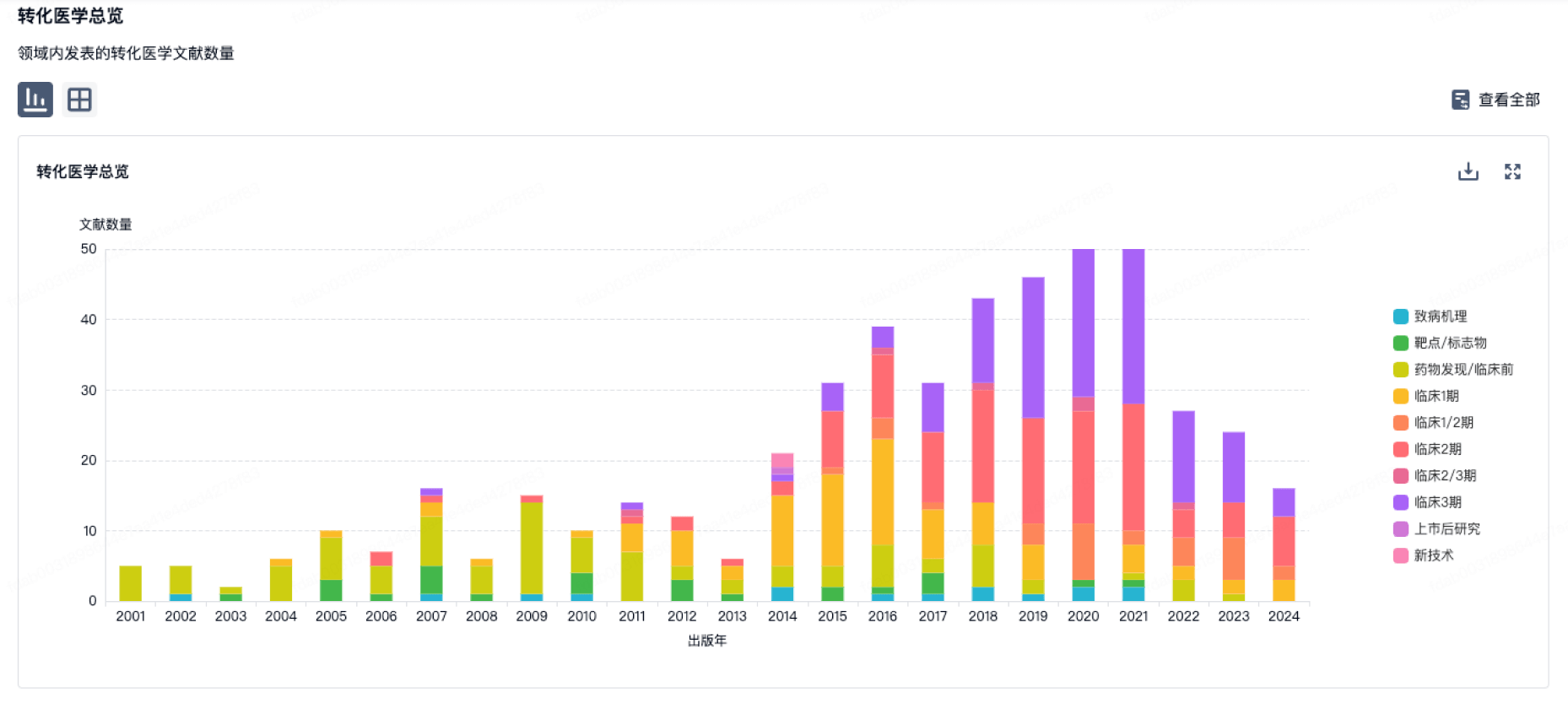
转化医学
使用我们的转化医学数据加速您的研究。
登录
或
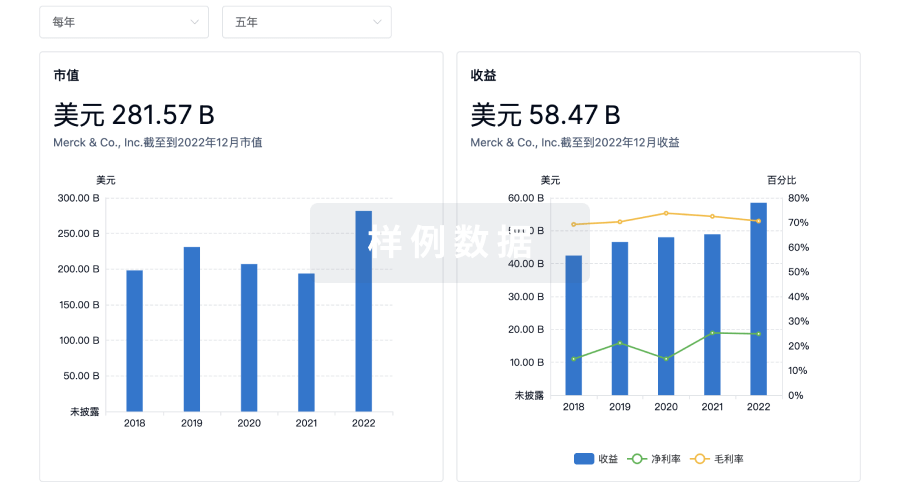
营收
使用 Synapse 探索超过 36 万个组织的财务状况。
登录
或
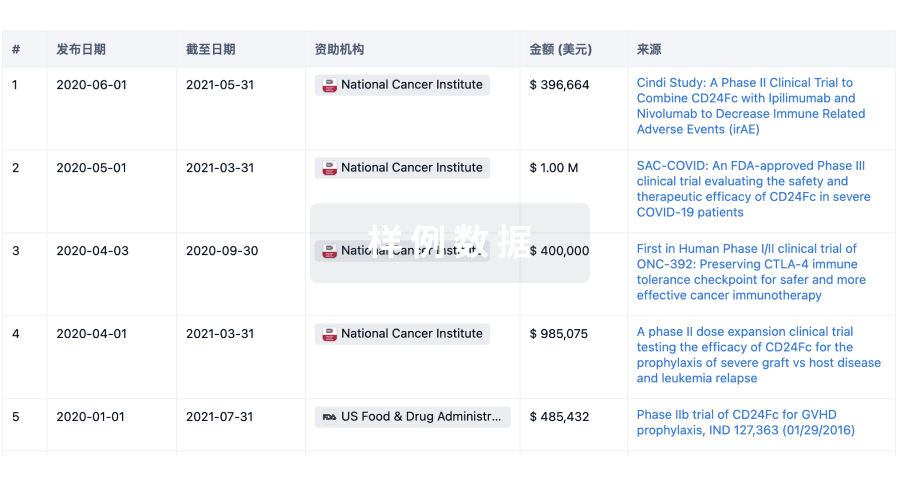
科研基金(NIH)
访问超过 200 万项资助和基金信息,以提升您的研究之旅。
登录
或
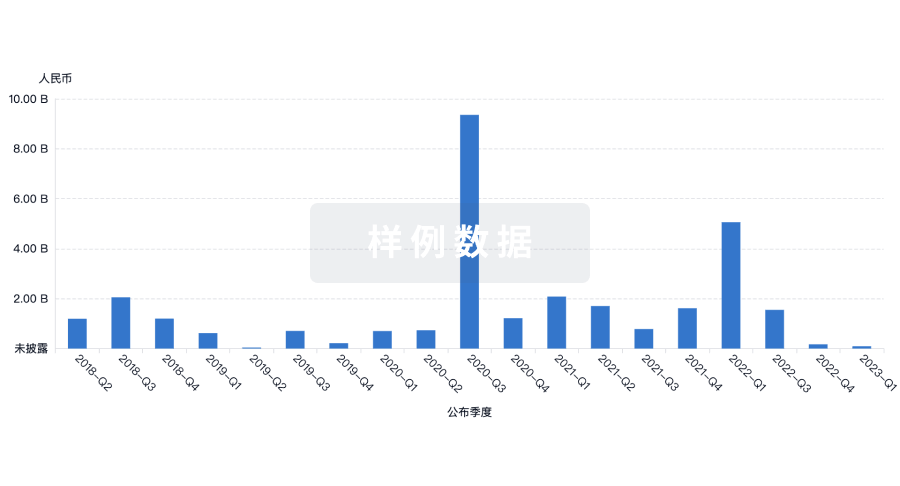
投资
深入了解从初创企业到成熟企业的最新公司投资动态。
登录
或
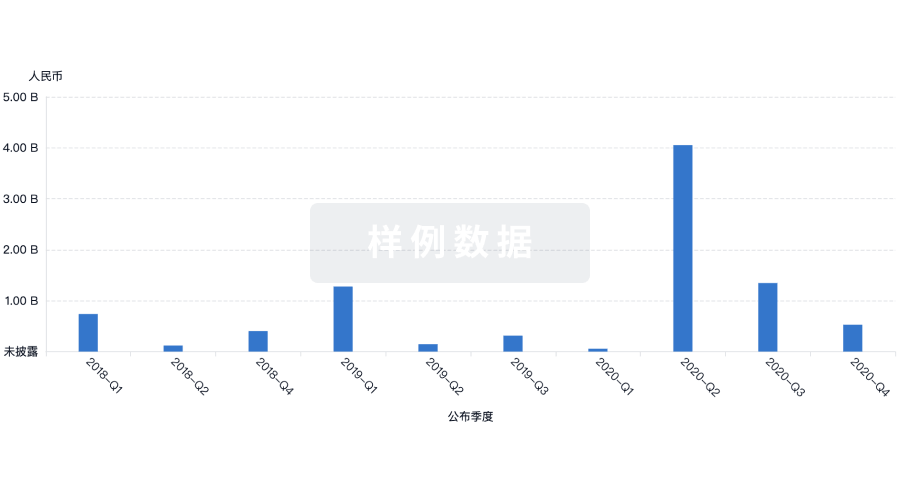
融资
发掘融资趋势以验证和推进您的投资机会。
登录
或
提出任何生物医药研究问题
让每一步生物医药决策都精准制胜
基于十亿级生物数据与全球情报的精准 AI,赋能早期药物发现
立即开始免费试用!
智慧芽新药情报库是智慧芽专为生命科学人士构建的基于AI的创新药情报平台,助您全方位提升您的研发与决策效率。
立即接入生物医药数据包
智慧芽新药库数据也通过智慧芽开放平台,以MCP或API服务形式对外开放。立即使用我们的MCP服务定制您的LLM智能体。
生物序列数据库
生物药研发创新
免费使用
化学结构数据库
小分子化药研发创新
免费使用