预约演示
更新于:2026-07-04

EpimAb Biotherapeutics, Inc.
更新于:2026-07-04
概览
标签
肿瘤
呼吸系统疾病
消化系统疾病
双特异性抗体
小分子化药
双特异性T细胞结合器
疾病领域得分
一眼洞穿机构专注的疾病领域

技术平台
公司药物应用最多的技术
靶点
公司最常开发的靶点
关联
靶点 |
作用机制 |
在研机构 |
原研机构 |
在研适应症 |
非在研适应症 |
最高研发阶段 |
首次获批国家/地区 |
首次获批日期 |

靶点 |
作用机制 |
在研机构 |
原研机构 |
在研适应症 |
非在研适应症 |
最高研发阶段 |
首次获批国家/地区 |
首次获批日期 |
靶点 |
作用机制 |
在研机构 |
原研机构 |
在研适应症 |
非在研适应症 |
最高研发阶段 |
首次获批国家/地区 |
首次获批日期 |

NCT07649655
A Phase Ib, Open-Label Study of EMB-01 in Combination With Chemotherapy in Patients With Unresectable or Metastatic Colorectal Cancer
NCT07607054
A First-in-Human, Phase I, Open-Label Study to Evaluate the Safety, Tolerability, Pharmacokinetic Characteristics, and Preliminary Antitumor Activity of EMB-15 in Patients With Locally Advanced or Metastatic Solid Tumors
NCT07432022
A Phase I/II, Open-label, Multicenter Study to Evaluate the Safety, Tolerability and Preliminary Efficacy of EMB-07 (a Bispecific Antibody Targeting CD3 and Receptor-tyrosine-kinase-like Orphan Receptor 1 [ROR1]) Combination Therapy in Patients With Aggressive B-cell Non-Hodgkin Lymphoma
100 项与 上海岸迈生物科技有限公司 相关的临床结果
登录后查看更多信息
登录后查看更多信息
2025-10-01MOLECULAR CANCER THERAPEUTICS
Optimization of a Novel 2 + 2 BCMA × CD3 Bispecific Antibody for Minimized Cytokine Release and Potent Efficacy
Article
作者: Naren, Gaowa ; Zhang, Rui ; Huang, Lini ; Gong, Shiyong ; Wu, Chengbin ; Wu, Danqing ; Wu, Xuan
Abstract:
Cytokine release syndrome remains a critical challenge for clinical use of bispecific T-cell engagers. We present the preclinical development of a novel B-cell maturation antigen × CD3 bispecific antibody with the aim of reducing cytokine release while maintaining potent efficacy in the treatment of multiple myeloma. Based on the Fabs-in-tandem (FIT) geometry, bispecific molecules with two target arms in cis-configuration were constructed. A panel of anti-CD3 mAbs with varying affinities was generated, and the impact of binding arm geometry, valency, and anti-CD3 affinity on the T-cell engager’s safety and efficacy profile was evaluated both in vitro and in vivo. By comparing with different formats, including a reference tandem scFv, we show that both binding arm valency and CD3 affinity determine redirected T-cell cytotoxicity in vitro. The FIT-Ig with 2 + 2 binding valencies and medium CD3 affinity (CD3med FIT-Ig) can achieve the same potent antitumor activity as the reference tandem scFv, but it induced much less cytokine release. Importantly, bivalent CD3 binding does not introduce target-irrelevant T-cell activation in the FIT-Ig format. The low cytokine release profile of the CD3med FIT-Ig was further validated in human peripheral blood mononuclear cells engrafted mice and cynomolgus monkeys. The CD3med FIT-Ig (also known as EMB-06) could offer a differentiated safety profile with effective antitumor activity.
2025-06-01BRITISH JOURNAL OF CANCER
First-in-human phase I study of EMB-02, a bispecific antibody targeting PD-1 and LAG-3 in patients with advanced solid tumors
Article
作者: Aghmesheh, Morteza ; Chung, Ki ; Ganju, Vinod ; Zeng, Shuqi ; Day, Daphne ; Si, Lu ; Guo, Jun ; Zhu, Yonghong ; Zhang, Mingfei ; Jiang, Chengjun ; Lu, Qiaoyang ; Brewin, Kim ; Mao, Lili ; Hoyer, Robert ; Ren, Fang
Abstract:
Background:
EMB-02 is a symmetric bispecific antibody targeting programmed cell death protein-1 and lymphocyte-activation gene 3 simultaneously. Here, we present the first-in-human study results of EMB-02 in patients with advanced solid tumors.
Methods:
Patients were treated with intravenous infusions of EMB-02 at doses of 6–900 mg. The primary objective was to evaluate the safety and tolerability and to determine the maximum tolerated dose and/or recommended phase II dose(s). Secondary objectives included characterizing the pharmacokinetic (PK) profile, assessing preliminary antitumor activity and the immunogenicity.
Results:
A total of 47 patients were enrolled. All grade and grade 3/4 treatment-emergent and treatment related adverse events occurred in 97.9%, 48.9%, 68.1% and 12.8% patients, respectively. The objective response rate (ORR) was 6.4% and clinical benefit rate at 24 weeks (CBR-24) was 25.5% in overall population. The CBR-24 was 33.3% in checkpoint inhibitor (CPI)-naïve patients, and 15% in CPI-treated. No clear relationship was observed between the efficacy and PD-L1, LAG-3, or MHC II expression level. Doses 360 mg or higher resulted in sustained saturation of PD-1 receptors on circulating CD3 + T cells.
Conclusions:
EMB-02 demonstrated a favorable safety profile and early efficacy signals in multiple solid tumors, warranting further development. (NCT04618393).
2025-03-04MOLECULAR CANCER THERAPEUTICS
A Novel Designed Anti–PD-L1/OX40 Bispecific Antibody Augments Both Peripheral and Tumor-Associated Immune Responses for Boosting Antitumor Immunity
Article
作者: Gaowa, Naren ; Wu, Xuan ; Wu, Chengbin ; Zhang, Yu ; Gong, Shiyong ; Lv, Zhou ; Li, Baocun ; Ganju, Vinod ; Dong, Liqin ; Wu, Danqing ; Wu, Jianfu ; Liu, Fan ; Shi, Beilei ; Zhang, Nianying ; Behzadigohar, Ramin ; Zhang, Rui
Abstract:
Bispecific antibodies (BsAb) combining simultaneous PD-L1 blockade and conditional costimulatory receptor activation have been developed to improve immune checkpoint therapy response. However, several PD-L1–based BsAbs have encountered clinical challenges, including insufficient activity or unexpected toxicity. In this study, we propose OX40 as a more suitable target partner for PD-L1–based BsAb design compared with ongoing clinical partners (CD27 and 4-1BB). We present a novel Fc-silenced tetravalent PD-L1/OX40 BsAb (EMB-09), which efficiently blocks PD-1/PD-L1 interactions and induces PD-L1–dependent OX40 activation, leading to enhanced T-cell activation. EMB-09 demonstrated improved antitumor activity compared with the anti–PD-L1 mAb. Significantly, EMB-09 activated effector memory T cells in the peripheral immune system and promoted the influx of stem-like CD8+ T cells into the tumor site, resulting in a more active phenotype of CD8+ tumor-infiltrating lymphocytes. In an ongoing first-in-human study in patients with advanced refractory solid tumors (NCT05263180), EMB-09 demonstrated a consistent pharmacodynamic response and early efficacy signals.
100 项与 上海岸迈生物科技有限公司 相关的药物交易
登录后查看更多信息
100 项与 上海岸迈生物科技有限公司 相关的转化医学
登录后查看更多信息
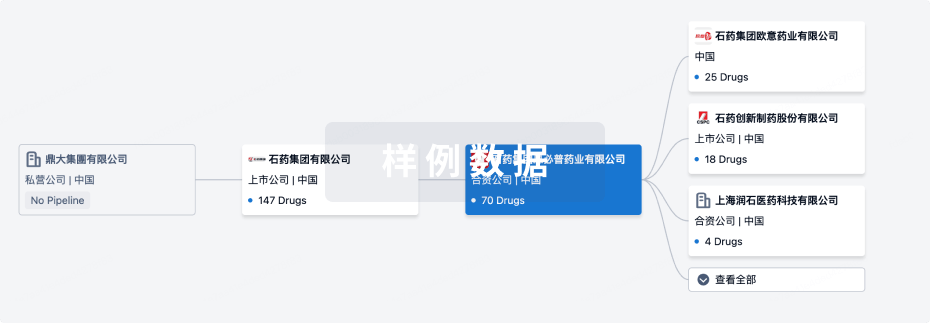
组织架构
使用我们的机构树数据加速您的研究。
登录
或
管线布局
2026年10月16日管线快照
管线布局中药物为当前组织机构及其子机构作为药物机构进行统计,早期临床1期并入临床1期,临床1/2期并入临床2期,临床2/3期并入临床3期
临床前
11
3
临床1期
临床2期
4
3
其他
登录后查看更多信息
当前项目
登录后查看更多信息
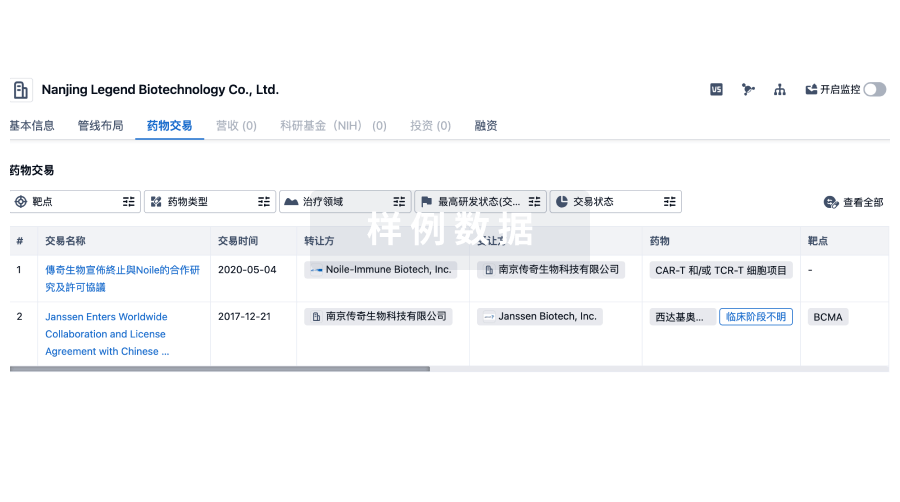
药物交易
使用我们的药物交易数据加速您的研究。
登录
或
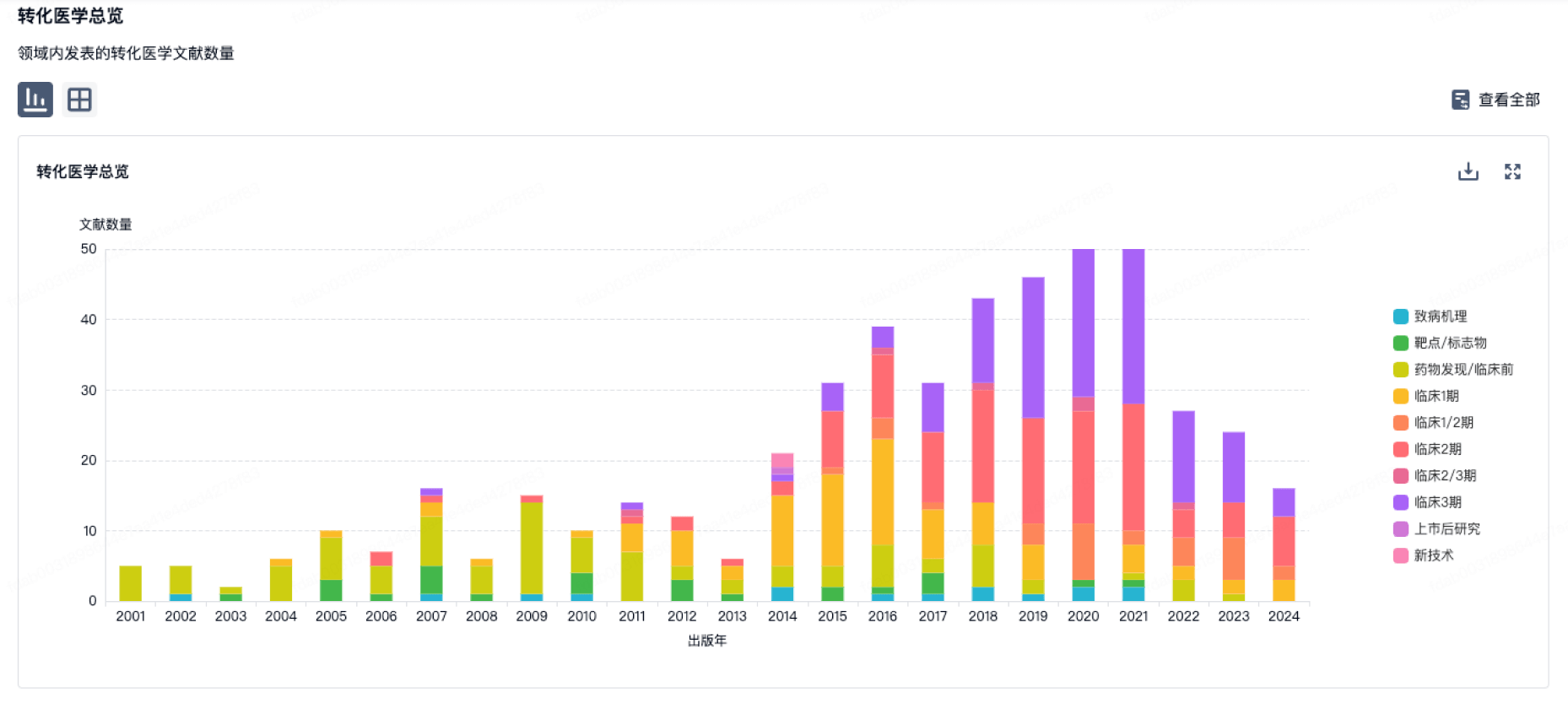
转化医学
使用我们的转化医学数据加速您的研究。
登录
或
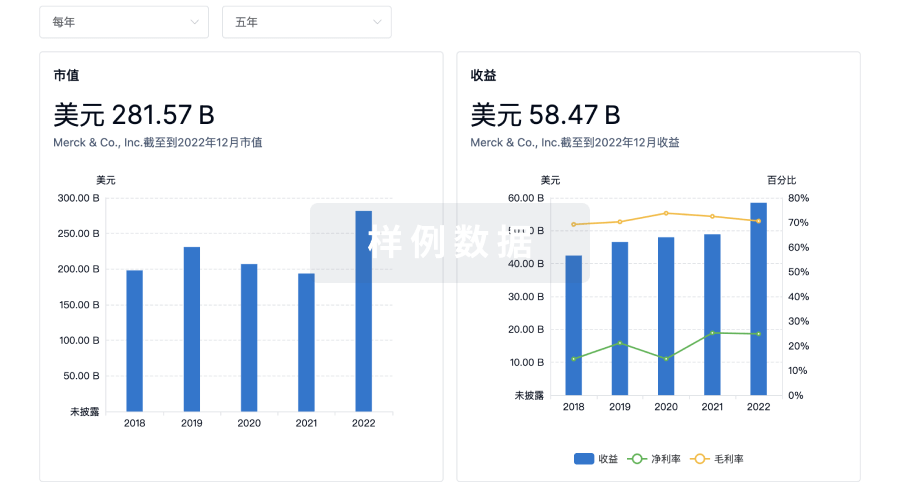
营收
使用 Synapse 探索超过 36 万个组织的财务状况。
登录
或
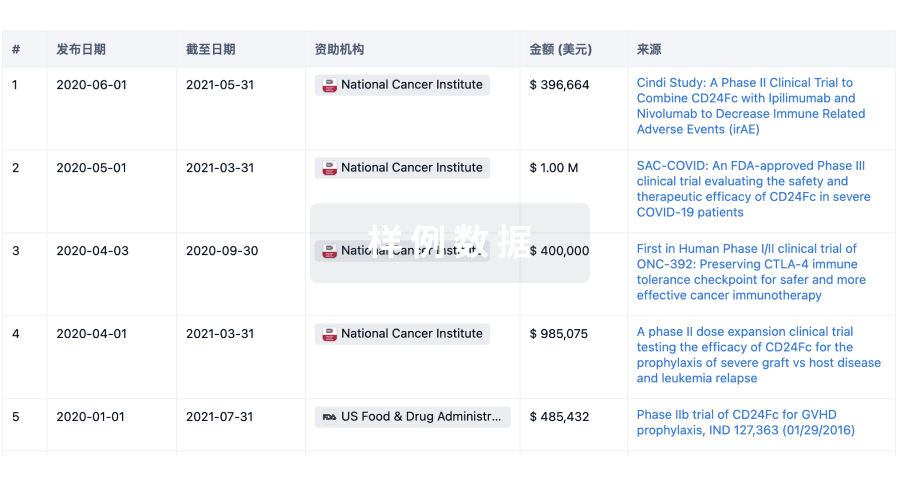
科研基金(NIH)
访问超过 200 万项资助和基金信息,以提升您的研究之旅。
登录
或
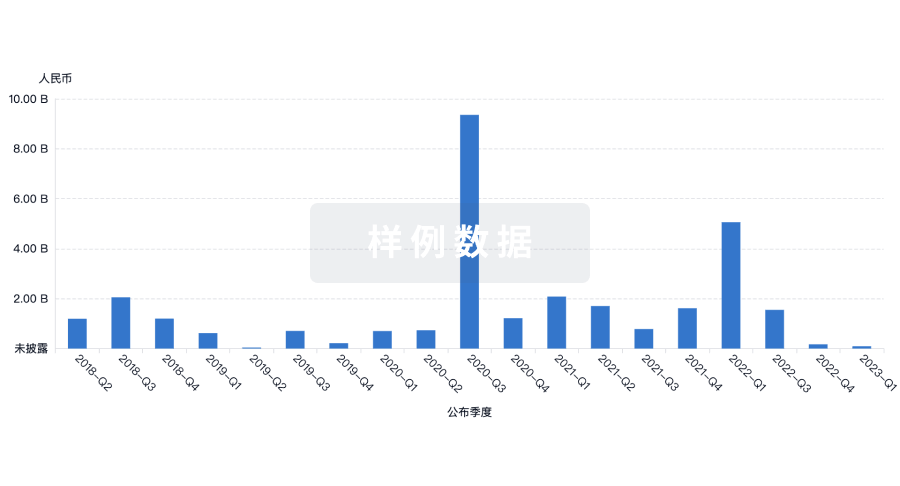
投资
深入了解从初创企业到成熟企业的最新公司投资动态。
登录
或
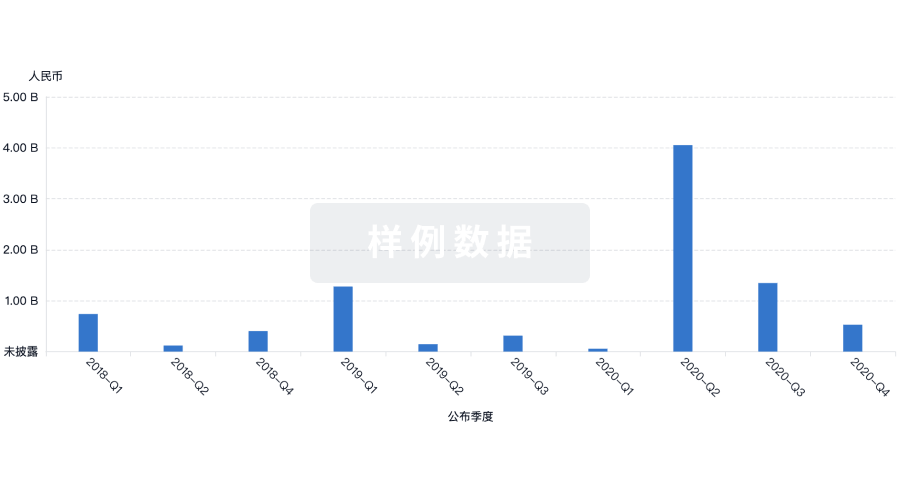
融资
发掘融资趋势以验证和推进您的投资机会。
登录
或
提出任何生物医药研究问题
让每一步生物医药决策都精准制胜
基于十亿级生物数据与全球情报的精准 AI,赋能早期药物发现
立即开始免费试用!
智慧芽新药情报库是智慧芽专为生命科学人士构建的基于AI的创新药情报平台,助您全方位提升您的研发与决策效率。
立即接入生物医药数据包
智慧芽新药库数据也通过智慧芽开放平台,以MCP或API服务形式对外开放。立即使用我们的MCP服务定制您的LLM智能体。
生物序列数据库
生物药研发创新
免费使用
化学结构数据库
小分子化药研发创新
免费使用