预约演示
更新于:2026-11-14

Huahui Health Ltd.
更新于:2026-11-14
概览
标签
肿瘤
消化系统疾病
感染
三特异性抗体
单克隆抗体
小分子化药
疾病领域得分
一眼洞穿机构专注的疾病领域

技术平台
公司药物应用最多的技术
靶点
公司最常开发的靶点
关联
靶点 |
作用机制 |
在研机构 |
原研机构 |
在研适应症 |
非在研适应症 |
最高研发阶段 |
首次获批国家/地区 |
首次获批日期 |
靶点 |
作用机制 |
在研机构 |
原研机构 |
在研适应症 |
非在研适应症 |
最高研发阶段 |
首次获批国家/地区 |
首次获批日期 |
靶点 |
作用机制 |
在研机构 |
原研机构 |
在研适应症 |
非在研适应症 |
最高研发阶段 |
首次获批国家/地区 |
首次获批日期 |
NCT07876440
A Randomized, Double-Blind, Placebo-Controlled Phase I Clinical Study to Evaluate the Safety, Tolerability, and Pharmacokinetic Characteristics of HH-1270 Tablets in Healthy Chinese Participants
NCT07623369
An Open-Label, Multicenter, Phase 1 Clinical Trial to Evaluate the Safety, Tolerability, Pharmacokinetics, Pharmacodynamics, Immunogenicity and Preliminary Antitumor Activity of HH160 Alone or in Combination With Other Antitumor Agents in Patients With Advanced or Metastatic Solid Tumors
NCT07547553
A Randomized, Open-Label, Multicenter, Phase Ib/II Registration Trial to Observe and Evaluate the Efficacy, Safety, Tolerability, Pharmacokinetics, and Pharmacodynamics of HH-009 Injection in FGF19-Positive Participants With Advanced or Unresectable Hepatocellular Carcinoma (HCC) Who Have Experienced Progressive Disease After Prior Systemic Therapy
100 项与 华辉安健(北京)生物科技有限公司 相关的临床结果
登录后查看更多信息
登录后查看更多信息
Hepatology Communications
Safety and efficacy of libevitug in patients with chronic hepatitis B and D virus coinfection: A single-center, open-label, phase IIa trial in China
Article
作者: Gu, Yumei ; Li, Guangyu ; Qi, Yonghe ; Chi, Xiumei ; Zou, Liangfeng ; Niu, Junqi ; Li, Wenhui ; Ye, Bin ; Wen, Jiaying ; Chen, Pan ; Zhou, Hao ; Zhou, Zhongmin ; Wang, Xinrui ; Zhang, Yin ; Kong, Fei ; Chen, Bin ; Sui, Jianhua ; Zhou, Xin ; Zhang, Yingyu
Background::
Chronic HBV and HDV coinfection represents the most severe form of viral hepatitis. This study aimed to assess the safety and efficacy of libevitug (HH-003), a novel human monoclonal antibody targeting the PreS1 domain of the HBV large envelope protein, in patients with chronic HBV and HDV coinfection.
Methods::
This single-center, open-label, proof-of-concept phase IIa clinical trial enrolled 9 participants who received i.v. infusion of 20 mg/kg libevitug every 2 weeks for 24 weeks, followed by a 24-week follow-up period.
Results::
At week 24, 8 participants (88.9%) exhibited a reduction in HDV RNA ≥1 log
10
from baseline, with 4 (44.4%) achieving undetectable levels. 7 participants (77.8%) achieved virological response (undetectable HDV RNA or ≥2 log
10
decline from baseline). Among the 5 participants with elevated baseline ALT, 3 (60.0%) achieved a combined virological and biochemical response (ALT normalization). At week 48, 6 participants (66.7%) maintained the virological response achieved at the end of treatment (week 24), with 3 (33.3%) maintaining undetectable HDV RNA levels. Among the 7 participants with quantifiable HBV DNA at baseline, 2 (28.6%) achieved undetectable HBV DNA or ≥1 log
10
reduction at week 24. Serum HBsAg levels remained unchanged throughout the study period. Treatment-emergent adverse events were reported in 8 participants (88.9%), with only 1 participant (11.1%) experiencing treatment-related adverse events. No grade 3 or serious adverse events were reported, and no discontinuations due to adverse events occurred.
Conclusions::
Libevitug demonstrated promising antiviral activity, achieving substantial HDV RNA reduction, a high rate of ALT normalization, and favorable safety and tolerability in participants with chronic HBV and HDV coinfection.
2026-11-12
2026-11-10
临床3期siRNA疫苗上市批准
100 项与 华辉安健(北京)生物科技有限公司 相关的药物交易
登录后查看更多信息
100 项与 华辉安健(北京)生物科技有限公司 相关的转化医学
登录后查看更多信息
组织架构
使用我们的机构树数据加速您的研究。
登录
或
管线布局
2026年11月20日管线快照
管线布局中药物为当前组织机构及其子机构作为药物机构进行统计,早期临床1期并入临床1期,临床1/2期并入临床2期,临床2/3期并入临床3期
药物发现
3
6
临床前
临床申请
1
2
临床1期
临床2期
2
1
批准上市
其他
4
登录后查看更多信息
当前项目
登录后查看更多信息
药物交易
使用我们的药物交易数据加速您的研究。
登录
或
转化医学
使用我们的转化医学数据加速您的研究。
登录
或
营收
使用 Synapse 探索超过 36 万个组织的财务状况。
登录
或
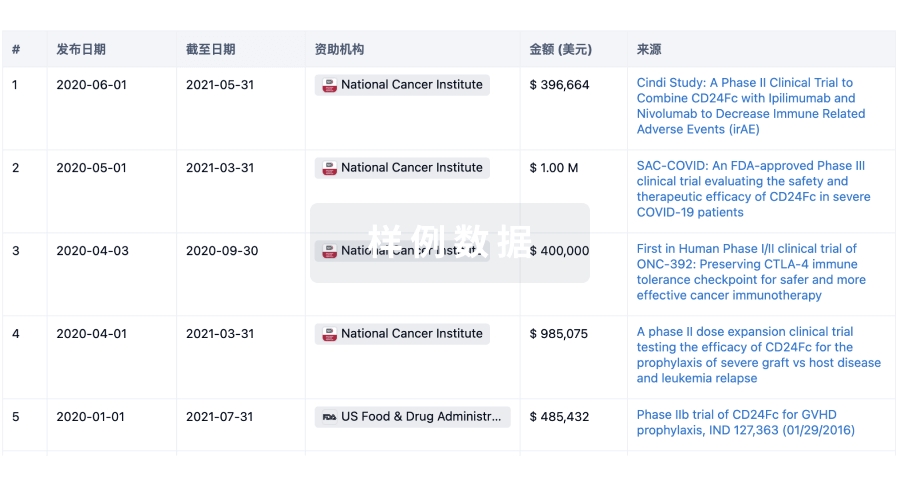
科研基金(NIH)
访问超过 200 万项资助和基金信息,以提升您的研究之旅。
登录
或
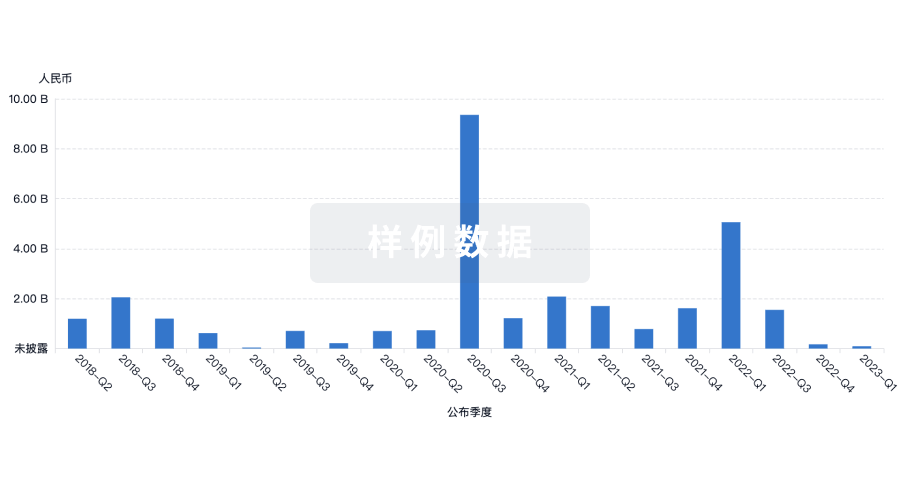
投资
深入了解从初创企业到成熟企业的最新公司投资动态。
登录
或
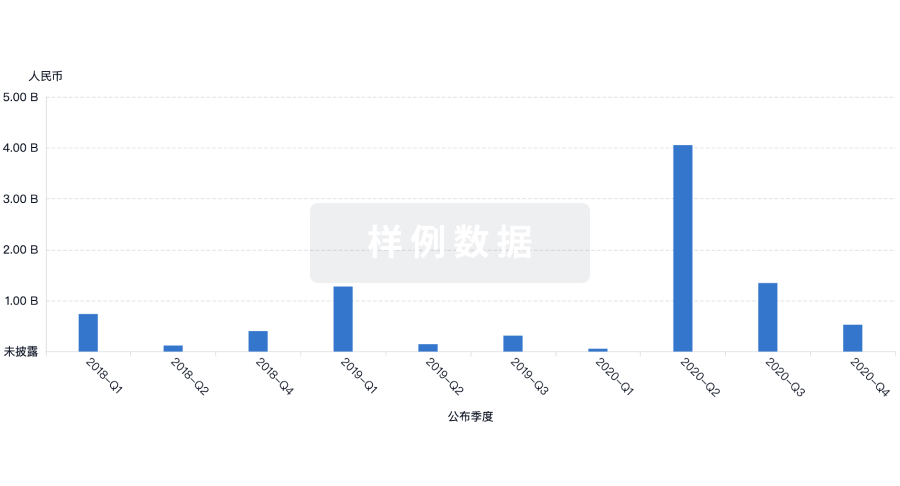
融资
发掘融资趋势以验证和推进您的投资机会。
登录
或
提出任何生物医药研究问题
让每一步生物医药决策都精准制胜
基于十亿级生物数据与全球情报的精准 AI,赋能早期药物发现
立即开始免费试用!
智慧芽新药情报库是智慧芽专为生命科学人士构建的基于AI的创新药情报平台,助您全方位提升您的研发与决策效率。
立即接入生物医药数据包
智慧芽新药库数据也通过智慧芽开放平台,以MCP或API服务形式对外开放。立即使用我们的MCP服务定制您的LLM智能体。
生物序列数据库
生物药研发创新
免费使用
化学结构数据库
小分子化药研发创新
免费使用