预约演示
更新于:2026-08-14
Novo Nordisk A/S
更新于:2026-08-14
概览
标签
内分泌与代谢疾病
其他疾病
心血管疾病
多肽激素
重组多肽
单克隆抗体
疾病领域得分
一眼洞穿机构专注的疾病领域

技术平台
公司药物应用最多的技术
靶点
公司最常开发的靶点
关联
靶点 |
作用机制 |
在研机构 |
原研机构 |
在研适应症 |
非在研适应症 |
最高研发阶段 |
首次获批国家/地区 |
首次获批日期 |
靶点 |
作用机制 |
在研机构 |
原研机构 |
在研适应症 |
非在研适应症 |
最高研发阶段 |
首次获批国家/地区 |
首次获批日期 |
靶点 |
作用机制 |
在研机构 |
原研机构 |
在研适应症 |
非在研适应症 |
最高研发阶段 |
首次获批国家/地区 |
首次获批日期 |
NCT07731256
A Randomized-Controlled Trial of Semaglutide for Patients With Chronic Low Back Pain and Obesity

NCT07668401
Efficacy and Safety of Zenagamtide s.c. Once-weekly in Asian Participants With Overweight or Obesity (AMAZE 13)
NCT06977438
GLOW (GLP-1 Plus Lifestyle for Overall Wellness)

100 项与 Novo Nordisk A/S 相关的临床结果
登录后查看更多信息
登录后查看更多信息
2026-12-31JOURNAL OF MEDICAL ECONOMICS
Calculating cost per event avoided using a composite number needed to treat
Article
作者: Wang, Julia ; Bhavsar, Jigish ; Toliver, Joshua ; Sullivan, Sean D.
OBJECTIVE:
Number needed to treat (NNT) and cost per event avoided (CPEA) are measures used to represent the clinical and economic value of chronic treatments and are commonly calculated based on primary endpoints from trials. This approach, although widely used, does not reflect the complete value of a treatment, as it does not consider outcomes beyond the primary endpoints. This research aims to overcome this limitation by developing multiple composite NNTs to derive the CPEA to estimate a total value of semaglutide and dulaglutide in people with established cardiovascular disease.
METHODS:
Two cardiovascular outcomes trials were selected, SELECT (NCT03574597, semaglutide 2.4 mg) and REWIND (NCT01394952, dulaglutide 1.5 mg). NNT was calculated as NNT = 1/ARR where ARR = control event rate - experimental event rate. NNT was estimated for 3-point major adverse cardiovascular events (MACE-3; primary endpoint of the trials), 5-point MACE (MACE-5), and cardiovascular-kidney-metabolic events (CKM). CPEA of MACE-3, MACE-5, and CKM was calculated as NNT*duration of mean follow-up (semaglutide) or duration of median follow-up (dulaglutide)*estimated net price.
RESULTS:
The NNT decreased as the number of outcomes in the composite endpoint increased, where NNTMACE-3, NNTMACE-5, and NNTCKM were 67, 49, and 8 for semaglutide, and 72, 64, and 23 for dulaglutide, respectively. Similarly, the CPEA decreased as the number of outcomes in the composite endpoint increased, where the CPEA for MACE-3, MACE-5 and CKM calculations were $1,662,001, $1,232,417, and $190,387 for semaglutide and $1,884,013, $1,670,366, and $607,886 for dulaglutide.
CONCLUSIONS:
This research illustrates the limitations of using a NNT focused only on the primary endpoint, as it does not capture the total benefit of the treatment. When considering the value of treatments through NNT or CPEA analyses, a composite endpoint capturing broader benefit should be utilized.
2026-10-01American journal of preventive cardiology
Clinical outcomes among individuals with systemic inflammation following myocardial infarction: Insights from the veterans affairs healthcare system
Article
作者: Nallamshetty, Shriram ; Skaar, Jeffrey R ; Kalwani, Neil ; Khachatourian, Kat ; Rodriguez, Fatima ; Furst, Adam ; Sandhu, Alexander T ; Din, Natasha ; Fan, Michael ; Tonnu-Mihara, Ivy ; Maron, David J
2026-07-01ADVANCES IN THERAPY
Cardiometabolic and Renal Outcomes in Semaglutide Users with Type 2 Diabetes Achieving Glycemic and Weight Goals: An Observational Cohort Study
Article
作者: Tsai, Wan-Lun ; Liang, Yuanjie ; Fang, Gang ; Muhammad, Chalak ; Tan, Xi ; de Havenon, Adam ; Swift, Caroline
INTRODUCTION:
Within the cardiovascular-kidney-metabolic syndrome (CKM) framework, semaglutide has demonstrated benefits beyond glycemic control and weight loss in clinical trials. However, most real-world studies in type 2 diabetes (T2D) have limited assessment of broader cardiometabolic and renal outcomes. We evaluated CKM-relevant outcomes among individuals with T2D who achieved substantial hemoglobin A1c (HbA1c) and weight improvements after initiating semaglutide in real-world settings.
METHODS:
This observational pre-post study used Optum's de-identified Market Clarity Data from January 1, 2007, to June 30, 2024. The primary cohort comprised individuals with T2D who achieved glycemic control (HbA1c < 7%) and weight loss (≥ 5%) goals after semaglutide initiation. We compared baseline (1 year before initiation) with 1st-year and 2nd-year follow-up for cardiometabolic endpoints (3-point and 5-point major adverse cardiovascular events [MACE]), cardiometabolic risk factors, and renal outcomes. Sensitivity analysis was performed in an exploratory cohort of patients in the top tertile of Hb1Ac reduction and weight loss.
RESULTS:
We identified 413 patients in the primary cohort (mean age 59.6 years and balanced sex distribution). Significant reductions were observed in low-density lipoprotein cholesterol (LDL-C), very-low-density lipoprotein cholesterol (VLDL-C), total cholesterol, triglycerides, systolic blood pressure, and diastolic blood pressure and high-density lipoprotein cholesterol (HDL-C) increased at both 1 and 2 years after semaglutide initiation (all p < 0.001). Fewer than 1% of patients experienced a ≥ 40% decline in estimated glomerular filtration rate (eGFR) during follow-up. Mean change in urine albumin-to-creatinine ratio (UACR) were - 20.13 mg/g in the 1st year (p < 0.001) and - 54.03 mg/g in the 2nd year (p < 0.001). The event rate of 3-point MACE decreased from 26.82 per 1000 person-years (PY) during baseline to 22.31 per 1000 PY in the 2nd year. The sensitivity analysis showed consistent results.
CONCLUSION:
In this real-world study, semaglutide users who achieved glycemic and weight goals exhibited marked improvements in cardiometabolic and renal outcomes over 2 years.
2026-08-14
·氨基观察
疫苗财报IPO引进/卖出siRNA
2026-08-13
引进/卖出免疫疗法细胞疗法抗体药物偶联物临床3期
100 项与 Novo Nordisk A/S 相关的药物交易
登录后查看更多信息
100 项与 Novo Nordisk A/S 相关的转化医学
登录后查看更多信息
组织架构
使用我们的机构树数据加速您的研究。
登录
或
管线布局
2026年09月23日管线快照
管线布局中药物为当前组织机构及其子机构作为药物机构进行统计,早期临床1期并入临床1期,临床1/2期并入临床2期,临床2/3期并入临床3期
药物发现
30
68
临床前
临床1期
38
8
临床2期
临床3期
8
2
申请上市
批准上市
26
153
其他
登录后查看更多信息
当前项目
登录后查看更多信息
药物交易
使用我们的药物交易数据加速您的研究。
登录
或
转化医学
使用我们的转化医学数据加速您的研究。
登录
或
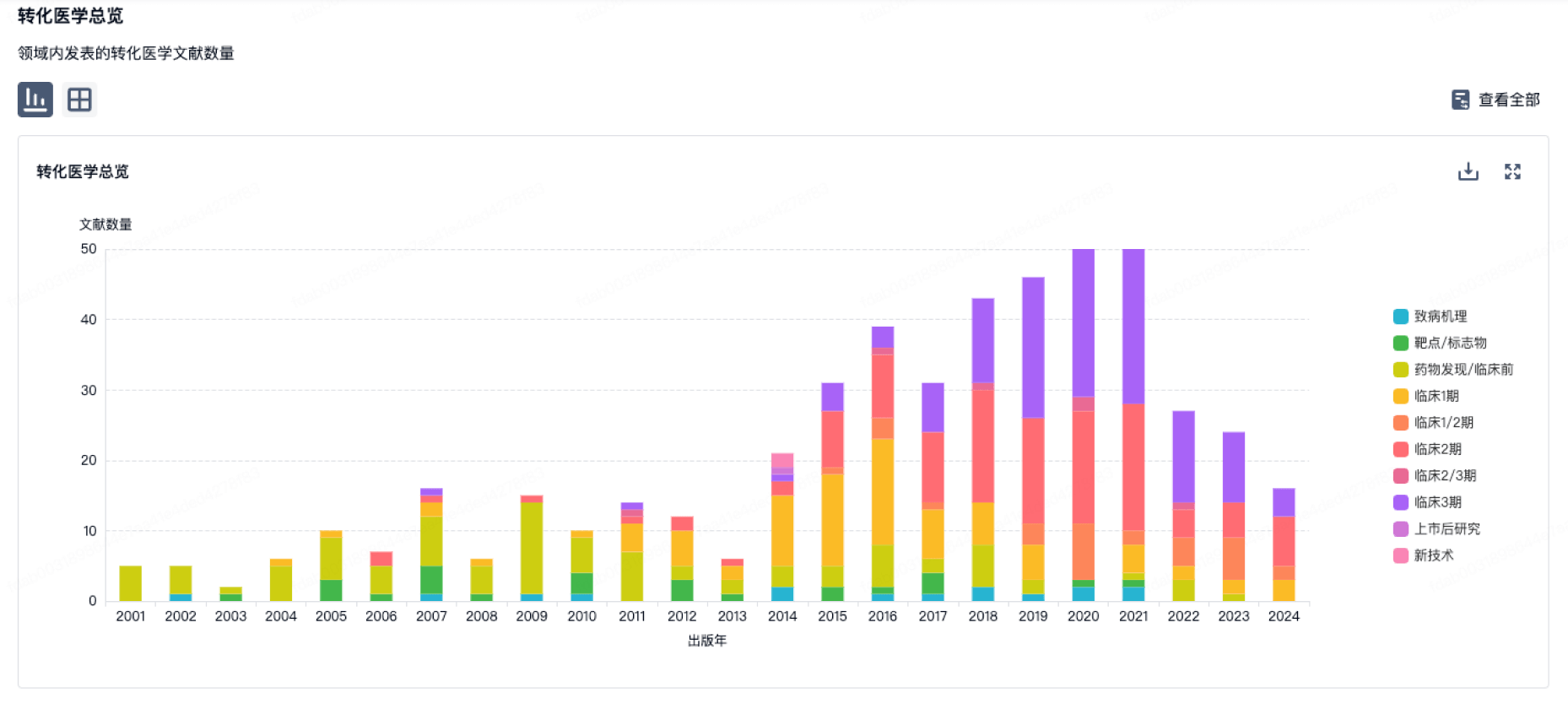
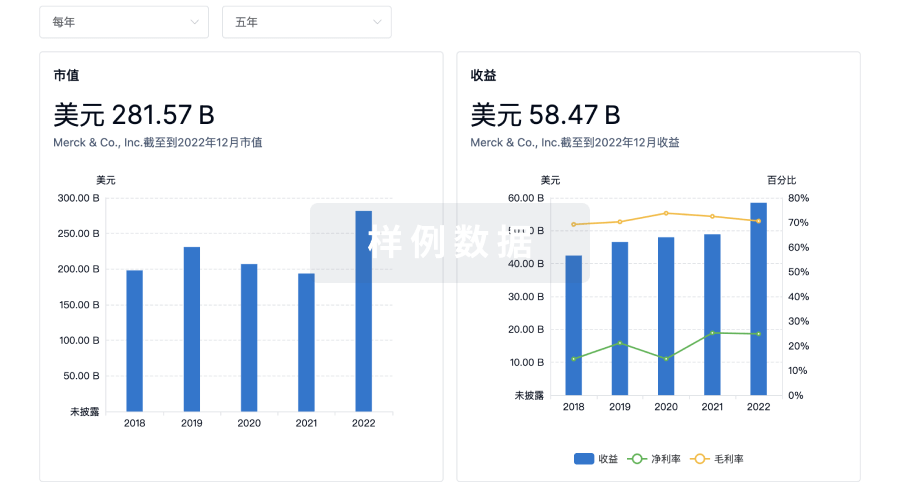
营收
使用 Synapse 探索超过 36 万个组织的财务状况。
登录
或
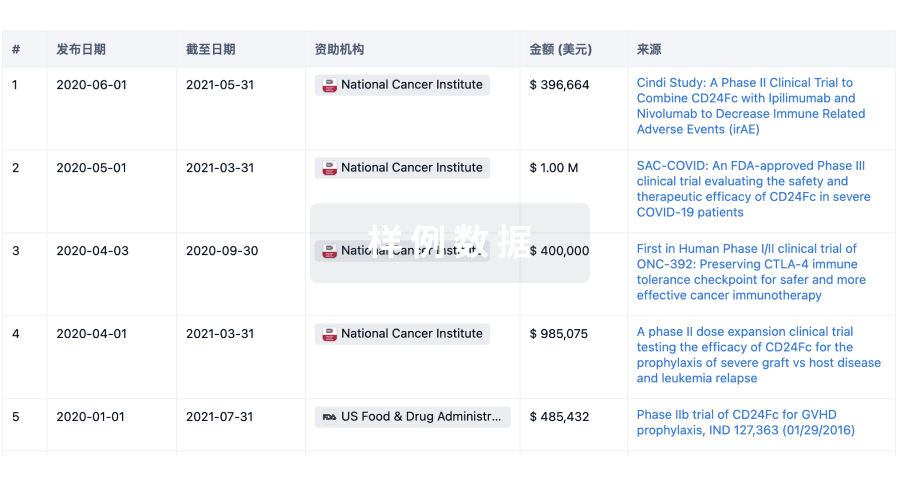
科研基金(NIH)
访问超过 200 万项资助和基金信息,以提升您的研究之旅。
登录
或
投资
深入了解从初创企业到成熟企业的最新公司投资动态。
登录
或
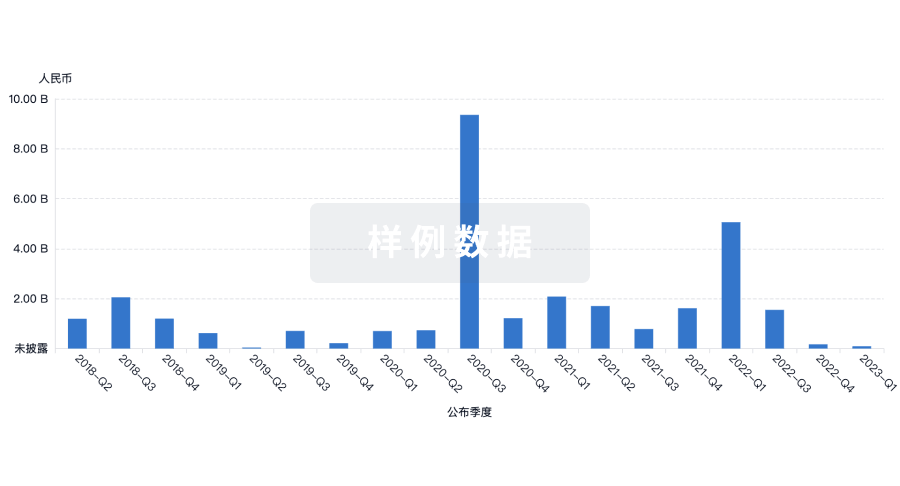
融资
发掘融资趋势以验证和推进您的投资机会。
登录
或
提出任何生物医药研究问题
让每一步生物医药决策都精准制胜
基于十亿级生物数据与全球情报的精准 AI,赋能早期药物发现
立即开始免费试用!
智慧芽新药情报库是智慧芽专为生命科学人士构建的基于AI的创新药情报平台,助您全方位提升您的研发与决策效率。
立即接入生物医药数据包
智慧芽新药库数据也通过智慧芽开放平台,以MCP或API服务形式对外开放。立即使用我们的MCP服务定制您的LLM智能体。
生物序列数据库
生物药研发创新
免费使用
化学结构数据库
小分子化药研发创新
免费使用