预约演示
更新于:2026-10-31

China National Pharmaceutical Group Co., Ltd.
更新于:2026-10-31
概览
标签
心血管疾病
感染
遗传病与畸形
生物药
预防性疫苗
疾病领域得分
一眼洞穿机构专注的疾病领域

技术平台
公司药物应用最多的技术
靶点
公司最常开发的靶点
关联
靶点 |
作用机制 |
在研机构 |
原研机构 |
在研适应症 |
非在研适应症 |
最高研发阶段 |
首次获批国家/地区 |
首次获批日期 |

靶点 |
作用机制 |
在研机构 |
原研机构 |
在研适应症 |
非在研适应症 |
最高研发阶段 |
首次获批国家/地区 |
首次获批日期 |
靶点 |
作用机制 |
在研机构 |
原研机构 |
在研适应症 |
非在研适应症 |
最高研发阶段 |
首次获批国家/地区 |
首次获批日期 |


CTR20263506
评估受试制剂乙酰半胱氨酸颗粒(规格:0.2 g)与参比制剂乙酰半胱氨酸颗粒(富露施®,规格:0.2 g)在健康成年试验参与者空腹和餐后状态下的单中心、开放、随机、单剂量、两周期、两序列、交叉生物等效性试验

CTR20262437
酒石酸唑吡坦片在健康参与者中的随机、开放、单次给药、两制剂、两周期、自身交叉的空腹条件下的药代动力学试验。

CTR20262891
DSC158A片在中国健康参与者中的安全性、耐受性和药代动力学特征的随机、双盲、安慰剂对照、单剂量递增及食物影响的I期临床试验
100 项与 中国医药集团有限公司 相关的临床结果
登录后查看更多信息
登录后查看更多信息
2027-02-01COMPUTATIONAL BIOLOGY AND CHEMISTRY
Integrative computational analysis of urinary PAH biomarkers and Parkinson’s disease-related molecular signatures
Article
作者: Lu, Jiao ; Jin, Hanyong ; Zhou, Changhui ; Cao, Siyuan ; Li, Zhenhua ; Piao, Xinmei ; Cao, Zhuohua ; Chang, Yan
Polycyclic aromatic hydrocarbons (PAHs) are widespread environmental contaminants with potential neurological effects, yet the molecular links between PAH-related internal exposure and Parkinson's disease (PD)-associated biology remain poorly characterized. We developed an integrative computational framework combining population biomonitoring, transcriptomics, machine-learning prioritization, single-nucleus transcriptomics, molecular docking, and molecular dynamics (MD) simulations. Five urinary PAH metabolites representing complementary biomarkers within the same PAH exposure domain were evaluated in 11,512 adults from NHANES 2005-2018 using complex survey-weighted models. Among 107 participants meeting a prescription-based, single-nucleus transcriptomics, molecular docking, and molecular dynamics (MD) simulations. Five urinary PAH metabolites representing complementary biomarkers within the same PAH exposure domain were evaluated in 11,512 adults from NHANES 2005-2018 using complex survey-weighted models. Among 107 participants meeting a prescription-based antiparkinson medication proxy, 1-hydroxynaphthalene was the only metabolite associated with the outcome after false-discovery-rate correction (OR per doubling, 1.16; 95% CI, 1.05-1.29; P = 0.005; q = 0.027), with similar estimates across sensitivity analyses. At the molecular level, the five-metabolite biomonitoring panel was retained to identify shared or convergent target features across PAH-related internal-exposure markers. Panel decomposition and leave-one-metabolite-out analyses showed that the prioritized candidates were not dependent on any single metabolite. Integration of 441 predicted PAH-associated targets with 624 PD-associated differentially expressed genes yielded 15 candidate genes. Integration of 441 predicted PAH-associated targets with 624 PD-associated differentially expressed genes yielded 15 candidates genes, from which full-data LASSO and SVM-RFE prioritized AKR1C1, CXCR2, GPRC5A, PGR, and PSPH as candidate features. Repeated nested cross-validation of the locked five-gene logistic model yielded an out-of-fold AUC of 0.731 (95% CI, 0.602-0.853), whereas resampling-based feature re-selection was unstable; independent substantia nigra datasets provided partial expression-level replication. Functional analyses implicated immune-inflammatory, neuroactive, metabolic, and cellular-stress pathways, while single-nucleus transcriptomics localized these genes across vascular, immune, neuronal, astrocytic, and oligodendroglial populations. Docking of 1-hydroxypyrene predicted interactions with all five prioritized proteins, and 100-ns MD simulations of AKR1C1, CXCR2, PGR, and PSPH characterized persistent ligand association and target-specific conformational behavior. Collectively, the study distinguishes a metabolite-specific population signal from a broader panel-level molecular landscape and identifies computationally prioritized PAH-related molecular features relevant to PD-associated biology.
2027-02-01Bioactive Materials
Oligosaccharide adjuvant-deferred antigen endocytosis promotes cross-presentation
Article
作者: Dong, Lei ; Li, Yixuan ; Xie, Daping ; Zhang, Ruohui ; Sun, Baogang ; Xu, Fangjingwei ; Chen, Jiaxi ; Wang, Chunming ; Niu, Yiming
Antigen cross-presentation by dendritic cells (DCs) is essential for inducing cytotoxic immune responses, which are crucial for eliminating infected or malignant cells. Although microbial signal processing reveals that the temporal relationship between DC activation and antigen uptake dictates cross-presentation efficiency, these two fundamental events are poorly coordinated in current vaccine design. Here, we report an oligosaccharide (OG) adjuvant that induces rapid DC activation but deferred antigen uptake, by sequentially activating two separate pathogen-recognition receptors on the same cells. Specifically, we synthesize a series of glucomannan hexasaccharides with varying degrees of acetylation (acOG6) and identify a low-acetylated candidate (0.6; acOG6-L) that could rapidly activate DCs into a pro-inflammatory state through toll-like receptor 2 (TLR2) signaling while, after 6 h, triggering cluster of differentiation 14 (CD14)-mediated antigen internalization. Molecular dynamics (MD) simulations provide structural insight into how acetylation affects the assembly of acOG6-L and its interaction with TLR2 pockets. This temporal deferment enables the trafficking of ovalbumin (OVA), which is readily conjugated with acOG6-L, into endosomal compartments, where the recruited nicotinamide adenine dinucleotide phosphate oxidase 2 (NOX2) contributes to the alkalization of the antigen-containing phagosome - a critical step for promoting cross-presentation. Comprehensive in vitro and in vivo tests validate that OVA-acOG6 elicits enhanced antigen-specific CD8+ T cell -mediated cellular immunity against tumor cells in a subcutaneous B16 ovalbumin-expressing (B16-OVA) melanoma model. This work demonstrates that temporally coordinating cellular activation and antigen uptake by an acetyl hexasaccharide effectively enhances antigen cross-presentation.
2026-12-31Human Vaccines & Immunotherapeutics
Evaluating a multi-vaccine respiratory immunization strategy involving SARS-CoV-2, pneumococcal, and influenza vaccines in adults: A randomized, open-label, multicenter, controlled, non-inferiority Phase IV trial in China
Article
作者: Wu, Cong ; Liu, Jun ; Wang, Chenhao ; Huang, Jiao ; Chen, Haiping ; Li, Qingliang ; Liu, Xiaoqin ; Shi, Xuanwen ; Wei, Sheng ; Guo, Xiang ; Wang, Shengyi ; Guo, Xue ; Han, Shasha ; Chen, Wei ; Zhang, Min ; Wang, Xuejuan ; Zhao, Wei
Co-administration of vaccines targeting multiple respiratory pathogens may enhance coverage and streamline adult immunization programs. We conducted a randomized, multicentre, open-label Phase IV trial registered at Chinese Clinical Trial Registry (ChiCTR2100046227) in China to evaluate the immunogenicity and safety of co-administering an inactivated SARS-CoV-2 vaccine (WIBP-CorV) with the 23-valent pneumococcal polysaccharide vaccine (PPV23) and a quadrivalent inactivated influenza vaccine (IIV4). A total of 1,404 adults aged ≥ 18 year, including equal numbers of adults aged 18-59 year and ≥60 year, were randomized 1:1:1 to receive WIBP-CorV + PPV23 on Day 0 followed by WIBP-CorV + IIV4 on Day 28, WIBP-CorV alone on Days 0 and 28, or PPV23 on Day 0 followed by IIV4 on Day 28. Co-administration preserved humoral immune responses across vaccine platforms. Non-inferiority in geometric mean titers or concentrations was demonstrated for SARS-CoV-2 neutralizing antibodies and pneumococcal serotype-specific IgG responses. Seroconversion rates were non-inferior to those following separate administration for all pneumococcal serotypes, though results were less consistent for SARS-CoV-2 (after the second dose) and influenza A(H1N1). Age-stratified analyses showed age- and strain-specific non-inferiority findings that should be interpreted cautiously. Co-administration demonstrated an acceptable safety profile, with only slightly higher rates of mild, transient local reactions and no vaccine-related serious adverse events (SAEs). These findings support the feasibility of co-administering WIBP-CorV with PPV23 and IIV4 while maintaining immunogenicity and safety in adults represented in this study.Trial registration The study was registered in the Chinese Clinical Trial Registry (ChiCTR) under registration number ChiCTR2100046227.
100 项与 中国医药集团有限公司 相关的药物交易
登录后查看更多信息
100 项与 中国医药集团有限公司 相关的转化医学
登录后查看更多信息
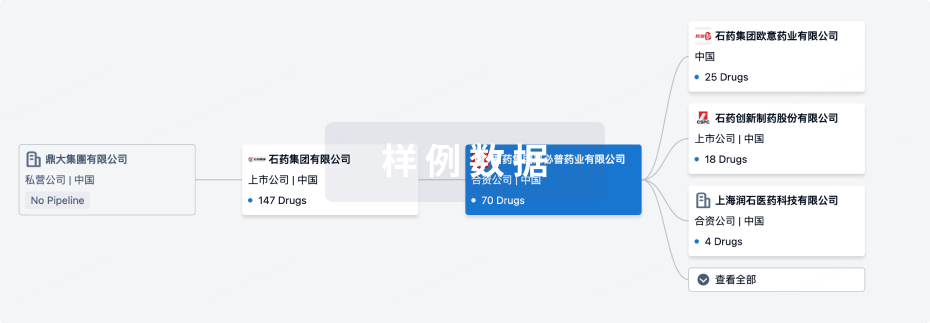
组织架构
使用我们的机构树数据加速您的研究。
登录
或
管线布局
2026年11月01日管线快照
管线布局中药物为当前组织机构及其子机构作为药物机构进行统计,早期临床1期并入临床1期,临床1/2期并入临床2期,临床2/3期并入临床3期
药物发现
15
51
临床前
临床申请
5
15
临床申请批准
临床1期
40
16
临床2期
临床3期
13
6
申请上市
批准上市
191
78
其他
登录后查看更多信息
当前项目
登录后查看更多信息
药物交易
使用我们的药物交易数据加速您的研究。
登录
或
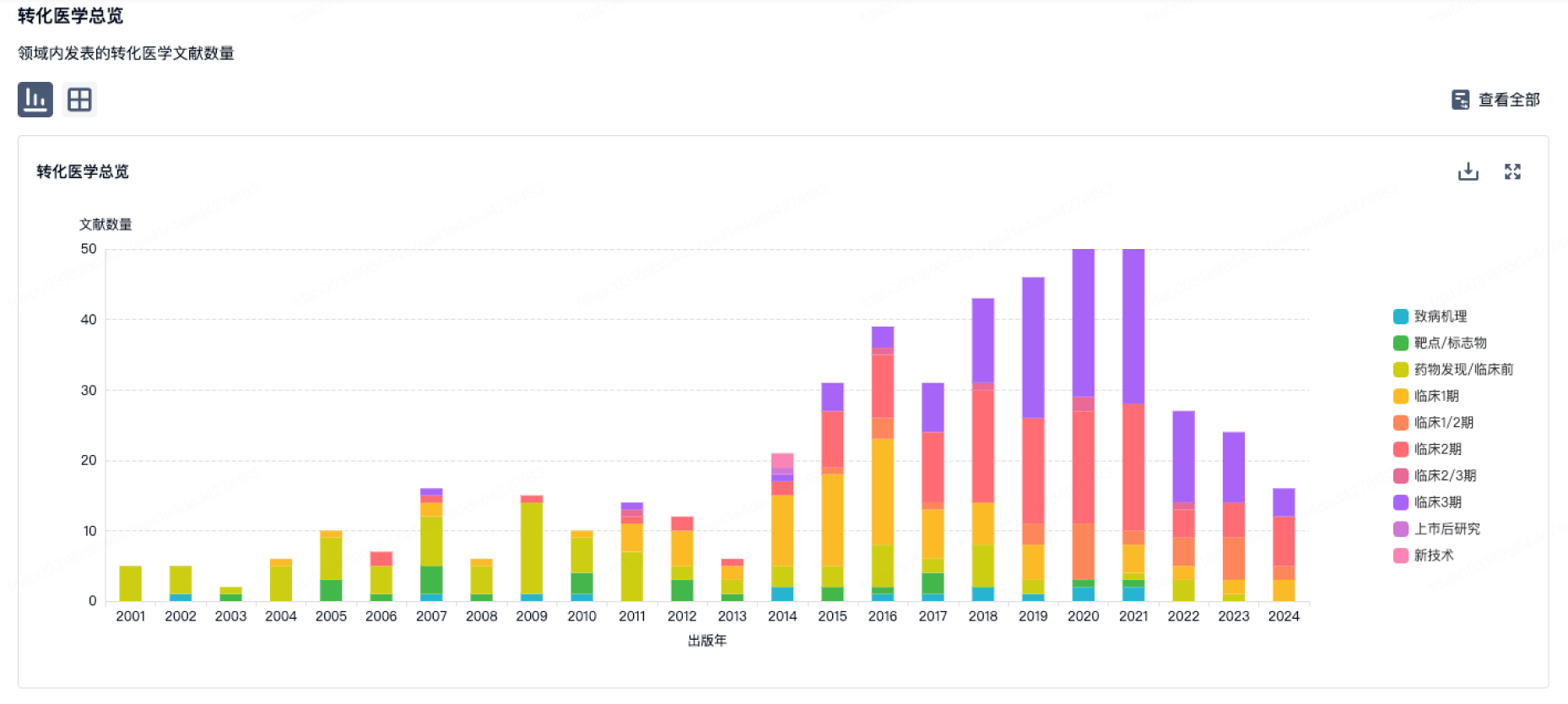
转化医学
使用我们的转化医学数据加速您的研究。
登录
或
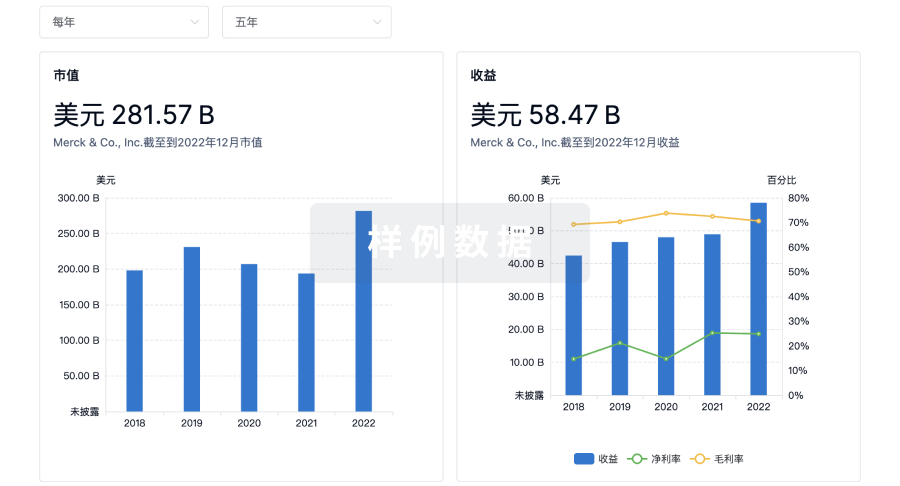
营收
使用 Synapse 探索超过 36 万个组织的财务状况。
登录
或
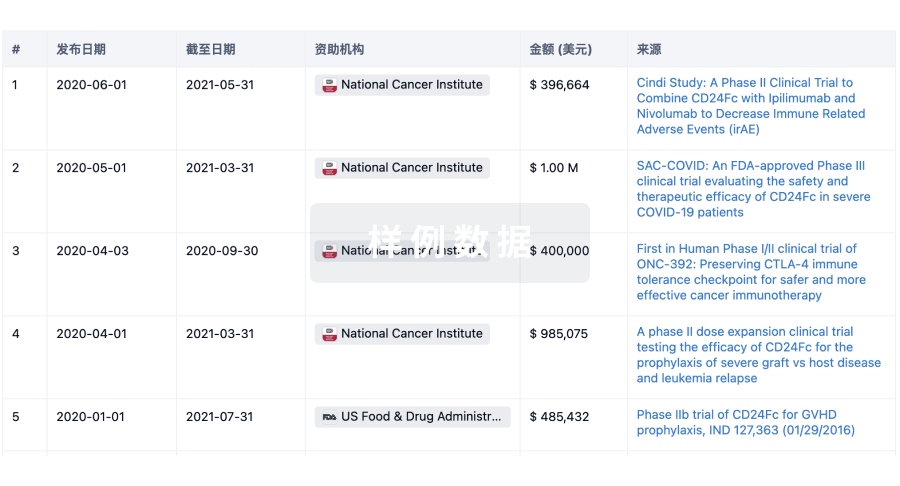
科研基金(NIH)
访问超过 200 万项资助和基金信息,以提升您的研究之旅。
登录
或
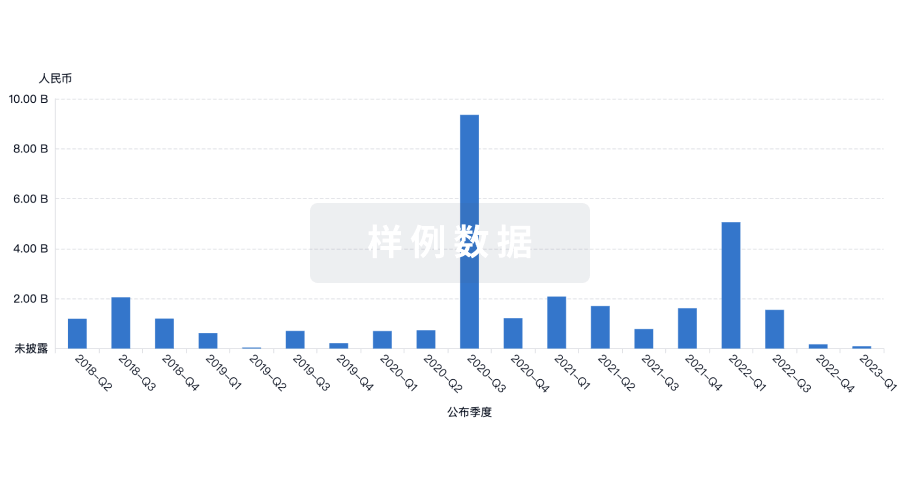
投资
深入了解从初创企业到成熟企业的最新公司投资动态。
登录
或
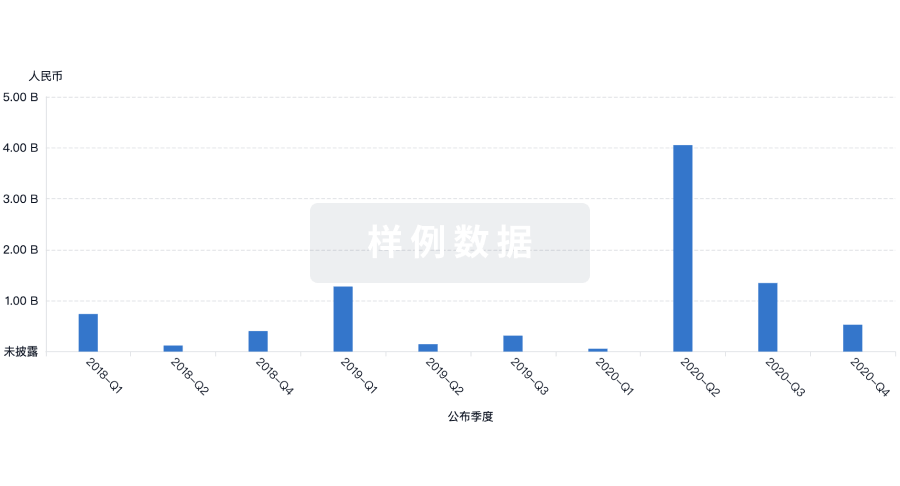
融资
发掘融资趋势以验证和推进您的投资机会。
登录
或
提出任何生物医药研究问题
让每一步生物医药决策都精准制胜
基于十亿级生物数据与全球情报的精准 AI,赋能早期药物发现
立即开始免费试用!
智慧芽新药情报库是智慧芽专为生命科学人士构建的基于AI的创新药情报平台,助您全方位提升您的研发与决策效率。
立即接入生物医药数据包
智慧芽新药库数据也通过智慧芽开放平台,以MCP或API服务形式对外开放。立即使用我们的MCP服务定制您的LLM智能体。
生物序列数据库
生物药研发创新
免费使用
化学结构数据库
小分子化药研发创新
免费使用