预约演示
更新于:2026-10-04

Colorado State University
更新于:2026-10-04
概览
标签
感染
神经系统疾病
呼吸系统疾病
小分子化药
asPNA
预防性疫苗
疾病领域得分
一眼洞穿机构专注的疾病领域

技术平台
公司药物应用最多的技术
靶点
公司最常开发的靶点
关联
靶点 |
作用机制 |
在研机构 |
原研机构 |
在研适应症 |
非在研适应症 |
最高研发阶段 |
首次获批国家/地区 |
首次获批日期 |


靶点 |
作用机制 |
在研机构 |
原研机构 |
在研适应症 |
非在研适应症 |
最高研发阶段 |
首次获批国家/地区 |
首次获批日期 |


靶点 |
作用机制 |
在研机构 |
原研机构 |
在研适应症 |
非在研适应症 |
最高研发阶段 |
首次获批国家/地区 |
首次获批日期 |
NCT07569991
Digitally Enhanced Cognitive-Behavioral Therapy for Adolescents With Depression and Obesity
NCT07799246
BLOOM Study: Investigation of Endometriosis Treatments on Brain and Cerebrovascular Health
NCT07816809
Phage-CLEAR: Phage-based Control and Limitation of Pathobionts for Microbiome Equilibrium and Resilience
100 项与 Colorado State University 相关的临床结果
登录后查看更多信息
登录后查看更多信息
2027-01-01JOURNAL OF EXPERIMENTAL CHILD PSYCHOLOGY
The relations between executive function, spatial skills, and building complexity during block play in young children
Article
作者: Schmitt, Sara ; Butler, Frankie ; Wilke, Emily ; Purpura, David J ; Devlin, Brianna ; Duncan, Robert J ; Kong, Eunji ; Zehner, Tracy ; Jiang, Yitong
This study investigated the associations between executive function (EF), spatial skills, and both the average levels and developmental trajectories of building complexity in preschoolers during block play, across two instructional contexts. Data were drawn from a large block play intervention study that included three conditions: free play, semi-structured, and business-as-usual (BAU). Intervention included 15-minute small group sessions that occurred twice per week for eight weeks. The present sample focused on 142 preschoolers (Mage = 54 months) who were randomly assigned to the free play and semi-structured conditions. Only participants in these two conditions engaged in block-play sessions, thereby yielding data on block-building complexity. Results indicated that children in both conditions generally showed a decline in building complexity scores over the 8-week intervention. However, after the introduction of picture prompts, children in the semi-structured condition exhibited an initial decline followed by subsequent improvement in block building complexity, whereas no clear patterns were observed in the free play condition. There was a significant positive association between children's baseline spatial skills and their average building complexity across the intervention, which aligned with the hypothesis. Marginally significant positive associations were observed between baseline aggregate EF and the developmental change of building complexity over the course of the intervention. Implications for future research are discussed.
2026-12-01Journal of Sport and Health Science
Fitness and exercise effects on brain age: A randomized clinical trial
Article
作者: Rasero, Javier ; Wan, Lu ; Kamarck, Thomas W ; Molina-Hidalgo, Cristina ; Scudder, Mark R ; Kang, Chaeryon ; Muldoon, Matthew F ; Erickson, Kirk I ; DeCataldo, Mia ; Crisafio, Mary E ; Leckie, Regina L ; Marsland, Anna L ; Grove, George ; Gianaros, Peter J
BACKGROUND:
Midlife lifestyle factors, including physical activity, are associated with late-life brain health, yet the role of aerobic exercise on structural brain health in early and mid-adulthood remains poorly understood. This study aimed to examine the effect of aerobic exercise on structural brain age and to explore potential mediators.
METHODS:
In a single-blind, 12-month randomized clinical trial, 130 healthy participants aged 26-58 years were randomized into a moderate-to-vigorous intensity aerobic exercise group or a usual-care control group. The exercise group attended two supervised 60-min sessions per week in a laboratory setting plus engaged in home-based exercise to achieve 150 min of exercise per week. Brain-predicted age difference (brain-PAD) and cardiorespiratory fitness (CRF) were assessed at baseline and 12 months. Both intention-to-treat (ITT) and completers analyses (including participants who completed post-intervention assessments) were performed.
RESULTS:
The 130 participants (67.7% female) had an age of 41.28 ± 9.93 years (mean ± SD). At baseline, higher CRF (peak oxygen uptake, VO2peak) was associated with smaller brain-PAD (β = -0.309, p = 0.012). After the intervention, the exercise group showed a decrease in brain-PAD (estimated mean difference (EMD) = -0.60; 95% confidence interval (95%CI): -1.15 to -0.04; p = 0.034) compared to the control group (EMD = 0.35; 95%CI: -0.21 to 0.92; p = 0.217); time × group interaction (between-group difference (BGD) = -0.95; 95%CI: -1.72 to -0.17; p = 0.019). VO2peak improved in the exercise group (EMD = 1.60; 95%CI: 0.29-2.90; p = 0.017) compared to the control group (EMD = -0.78; 95%CI: -2.17 to 0.60; p = 0.265); time × group interaction (BGD = 2.38; 95%CI: 0.52-4.25; p = 0.015). Body composition, blood pressure, and brain-derived neurotrophic factor levels were unaffected. None of the proposed pathways statistically mediated the effect of exercise on brain-PAD. The results from completers were similar.
CONCLUSION:
Engaging in 12 months of moderate-to-vigorous exercise reduced brain-PAD in early-to-midlife adults. The pathways by which these effects occur remain unknown.
2026-11-01ADDICTIVE BEHAVIORS
The prospective relationship between craving and the likelihood of “unknown” substance use motive endorsement
Article
作者: DeFalco, Angelica ; Richardson, Cassandra ; Emery, Noah N ; Boness, Cassandra L ; Mei, Sara
Previous research and theory on substance use motives suggest that there are moments during which individuals use substances without clarity about why. Preliminary work investigating this motivational state has demonstrated a non-linear predictive relationship between positive and negative affect. Given research on "unknown" motives is in its nascent stage, we sought to further expand the contextual predictive factors that may also give rise to unknown motive endorsement. Craving is considered a central process in the onset and maintenance of SUDs but may fall outside a person's awareness. As such, we investigated if craving predicted "unknown" motive endorsement above and beyond the effects of positive and negative affect. Forty-nine undergraduate students (observations = 286; 32.7% AUD, 36.7% CUD, 30.6% both) completed a 2-week EMA protocol comprising 5 random surveys per day. We used craving, positive, and negative affect at the previous moment and predicted next moment "unknown" motive endorsement using a multilevel logistic regression. Results demonstrated a significant linear relationship between craving and "unknown" motive endorsement above and beyond the effects of positive and negative affect. Notably, the non-linear effects of positive and negative affect remained significant, but a non-linear craving term was not significant. Results suggest that craving, positive, and negative affect all play unique predictive roles in "unknown" motive endorsement, each with varying patterns. Future work should continue to expand upon the phenomenology unknown motives in larger samples.
2026-09-21
2026-09-12
100 项与 Colorado State University 相关的药物交易
登录后查看更多信息
100 项与 Colorado State University 相关的转化医学
登录后查看更多信息
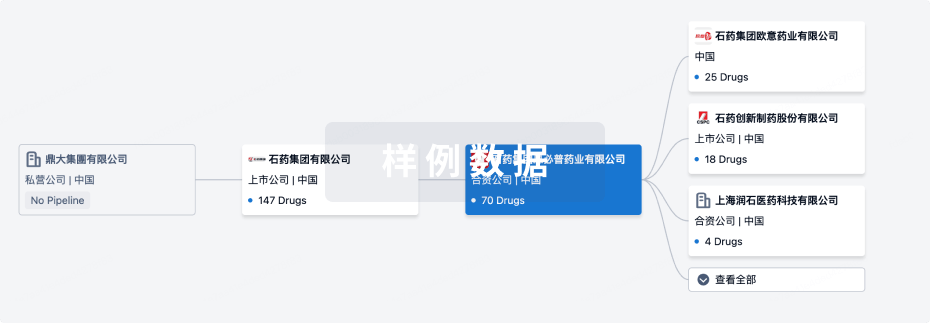
组织架构
使用我们的机构树数据加速您的研究。
登录
或
管线布局
2026年10月06日管线快照
管线布局中药物为当前组织机构及其子机构作为药物机构进行统计,早期临床1期并入临床1期,临床1/2期并入临床2期,临床2/3期并入临床3期
药物发现
3
13
临床前
临床2期
1
11
其他
登录后查看更多信息
当前项目
登录后查看更多信息
药物交易
使用我们的药物交易数据加速您的研究。
登录
或

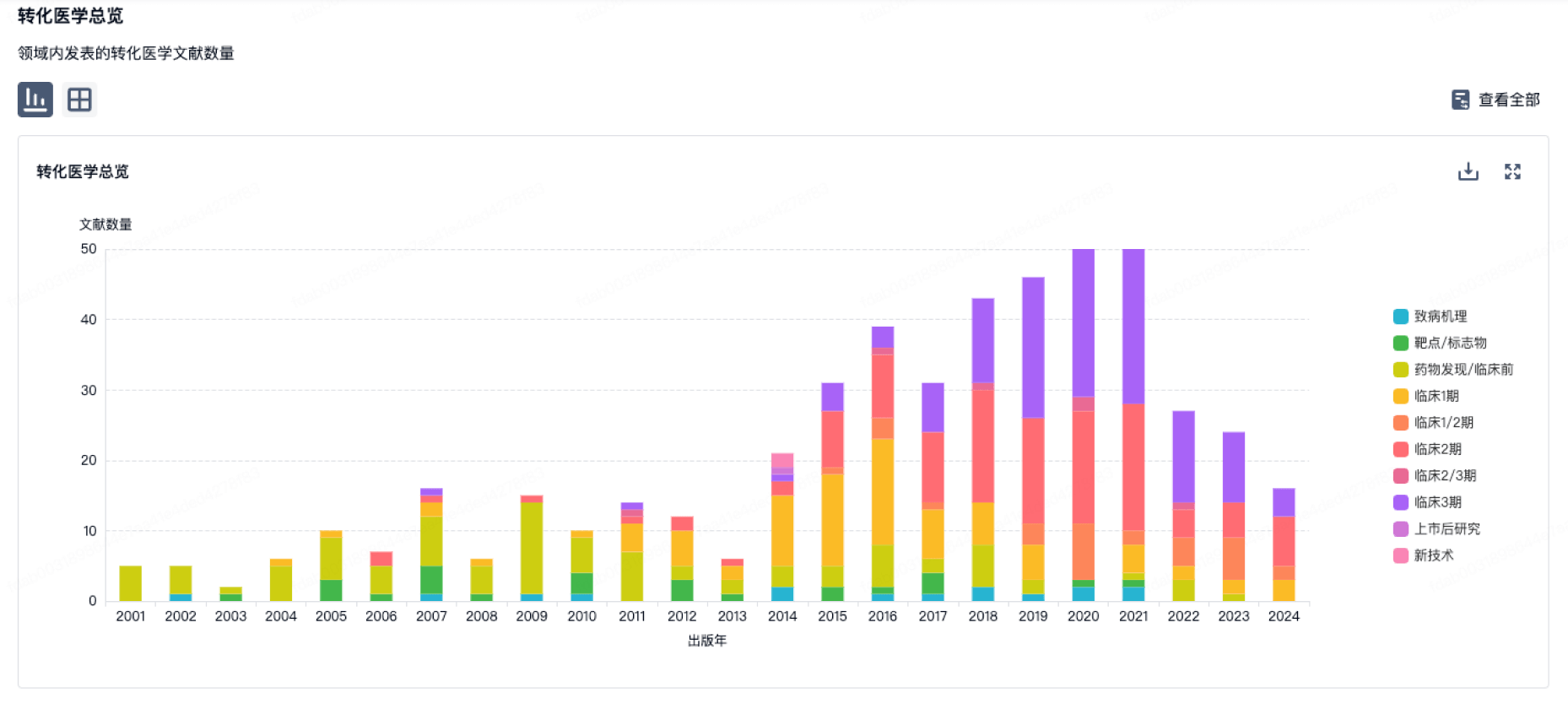
转化医学
使用我们的转化医学数据加速您的研究。
登录
或
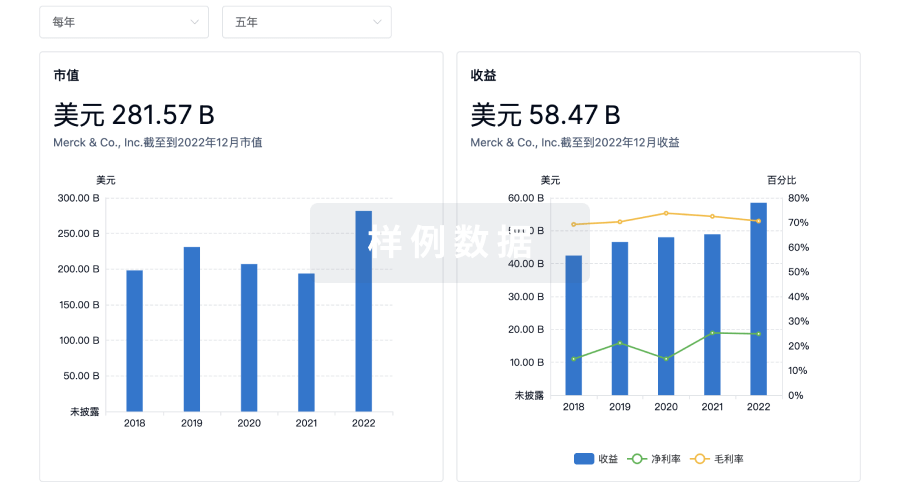
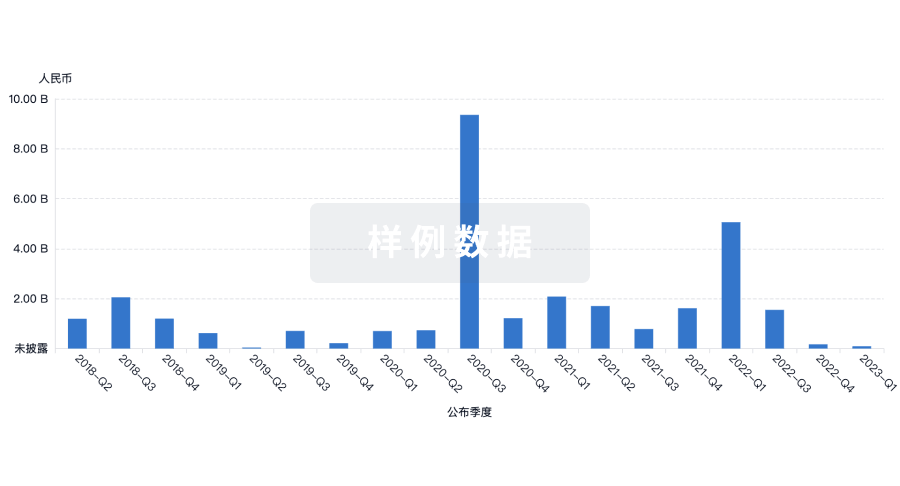
营收
使用 Synapse 探索超过 36 万个组织的财务状况。
登录
或
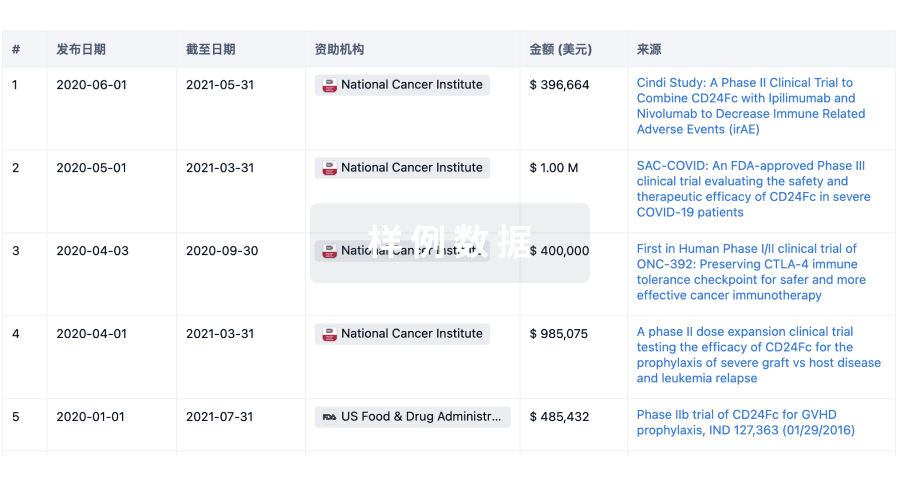
科研基金(NIH)
访问超过 200 万项资助和基金信息,以提升您的研究之旅。
登录
或
投资
深入了解从初创企业到成熟企业的最新公司投资动态。
登录
或
融资
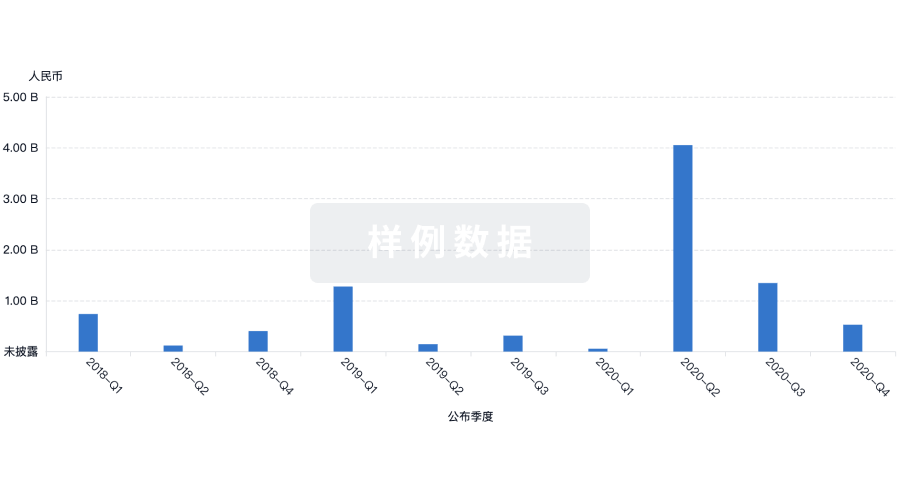
发掘融资趋势以验证和推进您的投资机会。
登录
或
提出任何生物医药研究问题
让每一步生物医药决策都精准制胜
基于十亿级生物数据与全球情报的精准 AI,赋能早期药物发现
立即开始免费试用!
智慧芽新药情报库是智慧芽专为生命科学人士构建的基于AI的创新药情报平台,助您全方位提升您的研发与决策效率。
立即接入生物医药数据包
智慧芽新药库数据也通过智慧芽开放平台,以MCP或API服务形式对外开放。立即使用我们的MCP服务定制您的LLM智能体。
生物序列数据库
生物药研发创新
免费使用
化学结构数据库
小分子化药研发创新
免费使用