预约演示
更新于:2026-10-16
Mabpharm Ltd.
更新于:2026-10-16
概览
标签
免疫系统疾病
皮肤和肌肉骨骼疾病
呼吸系统疾病
生物类似药
单克隆抗体
疾病领域得分
一眼洞穿机构专注的疾病领域

技术平台
公司药物应用最多的技术
靶点
公司最常开发的靶点
关联
靶点 |
作用机制 |
在研机构 |
原研机构 |
在研适应症 |
非在研适应症 |
最高研发阶段 |
首次获批国家/地区 |
首次获批日期 |

靶点 |
作用机制 |
在研机构 |
原研机构 |
在研适应症 |
非在研适应症 |
最高研发阶段 |
首次获批国家/地区 |
首次获批日期 |
靶点 |
作用机制 |
在研机构 |
原研机构 |
在研适应症 |
非在研适应症 |
最高研发阶段 |
首次获批国家/地区 |
首次获批日期 |
NCT07791745
A Prospective, Multicenter, Randomized, Controlled Phase II/III Study to Evaluate the Efficacy and Safety of Enlituo® Plus Anyouping® and Platinum-Based Chemotherapy Versus Anyouping® Plus Platinum-Based Chemotherapy as First-Line Treatment for Advanced, Recurrent or Metastatic of the Head and Neck Squamous Cell Carcinoma
CTR20263208
恩立妥®联合安佑平®和化疗对照安佑平®联合化疗一线治疗晚期复发/转移头颈鳞癌的疗效和安全性前瞻性、多中心、随机对照II/III期临床研究(注:目前为II期阶段)
NCT07595276
A Multicenter, Randomized, Double-blind, Phase III Clinical Study Evaluating the Efficacy and Safety of Enlituo® Plus FOLFOX Versus Erbitux® Plus FOLFOX as First-line Treatment for Locally Advanced/Metastatic Colorectal Cancer With RAS/BRAF Wild-type and MSS/pMMR Status.
100 项与 邁博藥業有限公司 相关的临床结果
登录后查看更多信息
登录后查看更多信息
2026-01-01JOURNAL OF PHARMACEUTICAL AND BIOMEDICAL ANALYSIS
Longitudinal profiling of cerebrospinal fluid N-glycome dynamics in glioblastoma patients treated with apatinib
Article
作者: Lin, Hao ; Xu, Jin ; Zhou, Xinli ; Ji, Xiaoyu ; Zheng, Chunguang ; Zhou, Chaoxin ; Wang, Xuekun ; Kong, Yiru ; Guo, Qingcheng ; Li, Zhixin ; Sun, Ziqiao ; Guo, Huaizu ; Zhang, Dapeng ; Liu, Tao
Glioblastoma (GBM) remains a therapeutically intractable central nervous system malignancy with limited treatment options. Apatinib, a selective vascular endothelial growth factor receptor-2 (VEGFR-2) tyrosine kinase inhibitor, shows emerging potential in recurrent or refractory glioblastoma, yet its impact on the cerebrospinal fluid (CSF) glycome remains unexplored. In this pioneering longitudinal study, we characterize the N-glycome dynamics in paired CSF specimens from GBM patients pre- and post-apatinib treatment using hydrophilic interaction-based ultra performance liquid chromatography (HILIC-UPLC)-fluorescence mass spectrometry-based glycan profiling. Our results highlight potential alterations in specific glycoforms, particularly an increase in GalNAcβ1-4GlcNAc (LacdiNAc or LDN), core fucosylation(a modification catalyzed by α1,6-fucosyltransferase (Fut8), which transfers L-fucose from GDP-fucose to the innermost GlcNAc residue), and bisecting glycans(a β1,4-linked GlcNAc attached to the core β-mannose residue), a decrease in sialylation and biantennary glycans among treatment responders. These shifts correlate with attenuated immunosuppressive signatures, suggesting enhanced immunomodulation that may contribute to apatinib's therapeutic efficacy. This work uncovers the remodeling of the CSF glycome driven by apatinib, providing a novel molecular lens for understanding its anti-angiogenic/immune-modulating mechanisms and proposing CSF N-glycans as dynamic biomarkers for treatment efficacy in GBM.
2025-12-01International Journal of Pharmaceutics-X
High-concentration L-methionine as a potent antioxidant for oxidation resistance and stability enhancement in high-concentration antibody therapeutics
Article
作者: Guo, Yajun ; Mao, Dan ; Wang, Xuekun ; Zhang, Weitao ; Xu, Shuhai ; Liu, Tao ; Huang, Keyuan ; Zheng, Chunguang ; Sun, Ziqiao ; Han, Fubo ; Li, Jun ; Guo, Qingcheng ; Zhang, Dapeng ; Guo, Huaizu ; Hou, Sheng ; Shen, Xinyi ; Zhang, Xinyu ; Xu, Jin ; Dong, Taimin ; Qian, Weizhu ; Li, Zhixin ; Yu, Wei ; Dai, Jianxin ; Ni, Qiaoling ; Cao, Jiawei ; Ji, Lusha
The development of high-concentration monoclonal antibody (mAb) formulations for subcutaneous administration is faces critical stability challenges, particularly oxidation and aggregation, which compromise efficacy and safety. While antioxidants are commonly employed, existing studies predominantly focus on low concentrations, leaving the potential of high-concentration antioxidants underexplored. Here, we present the first systematic evaluation of high-concentration L-methionine (L-Met,>20 mM) as a novel antioxidant to address these limitations. Through accelerated stability testing coupled with multi-dimensional analytical techniques, we demonstrated that L-Met at concentrations exceeding 20 mM surpasses conventional antioxidants in mitigating oxidation and aggregation. Synergy with 200 mM trehalose further enhanced stability by reducing oxidative degradation and inhibiting protein aggregation. Comprehensive biophysical analyses confirmed no adverse effects, with some aspects showing improved outcomes in structural integrity, colloidal stability, and thermal behavior. The optimized formulation (25 mM L-Met +200 mM trehalose) also exhibited robust protection against light-induced degradation and broad applicability across therapeutic antibodies. This work pioneers a high-concentration antioxidant strategy, addressing a critical gap in mAb formulation science and offering a translatable solution for stabilizing next-generation high-concentration biologics.
2025-10-01JOURNAL OF THE AMERICAN SOCIETY FOR MASS SPECTROMETRY
Feasibility of Rapid Regulatory Differentiation of TNF Receptor 2-Fc Fusion Protein Products from Various Manufacturers in the Chinese Market Using a Novel Mass Spectrometry-Based Multi-attribute Method (MAM)
Article
作者: Guo, Yajun ; Fang, Xinxin ; Zhuang, Huangzhen ; Zheng, Chunguang ; Ji, Lusha ; Yu, Wei ; Li, Jun ; Chen, Xi ; Shao, Hong ; Wang, Fugui ; Nie, Aiying ; Zhang, Dapeng ; Qian, Weizhu ; Song, Lankun ; Guo, Huaizu ; Hou, Sheng ; Mao, Dan ; Gao, Tianyu ; Ren, Yule ; Xu, Jin ; Pan, Zhiyuan ; Dong, Shanshan ; Li, Zhixin ; Zhu, Weifan ; Guo, Qingcheng ; Liu, Tao ; Xu, Mengjiao ; Xu, Mingming
Ensuring the quality of pharmaceutical products, particularly for complex recombinant protein drugs such as TNF receptor 2-Fc fusion proteins (TNFR2-Fc, Etanercept), poses significant public health challenges. These products, including biosimilars and follow-on versions, exhibit intricate glycosylation patterns and heterogeneous post-translational modifications, complicating their analytical assessment. The Chinese market, hosting four different TNFR2-Fc products, presents a unique regulatory challenge for rapid differentiation and quality control. This study developed a novel mass spectrometry-based multiattribute method (MAM) to address this challenge, enabling simultaneous monitoring of multiple quality attributes and effective differentiation among products from various manufacturers. Conventional techniques initially indicated high purity across all products, but these methods provided limited capabilities for differentiation. The improved MAM approach, involving desialylation, partial deglycosylation, and digestion steps, minimizes heterogeneity and simplifies analysis. This method successfully indicates differences in primary amino acid sequences and specific quality attributes, allowing for a clear differentiation among manufacturers. Notably, products from manufacturers A and B, as well as C and D, despite their high similarity, could be differentiated by their O-glycan profiles. Further activity evaluations revealed that the products from manufacturers C and D exhibited lower binding and biological activity, potentially due to differences in primary amino acid sequences or disulfide bond mismatches. Additionally, all products demonstrated similar Fc-effector functions. In conclusion, this study underscores the variability among TNFR2-Fc products in the Chinese market and the necessity for robust regulatory oversight. The MAM method developed herein serves as a rapid, accurate, and technologically advanced platform for quality control with significant implications for regulatory authorities, healthcare providers, and patients in ensuring access to safe and effective TNFR2-Fc products.
100 项与 邁博藥業有限公司 相关的药物交易
登录后查看更多信息
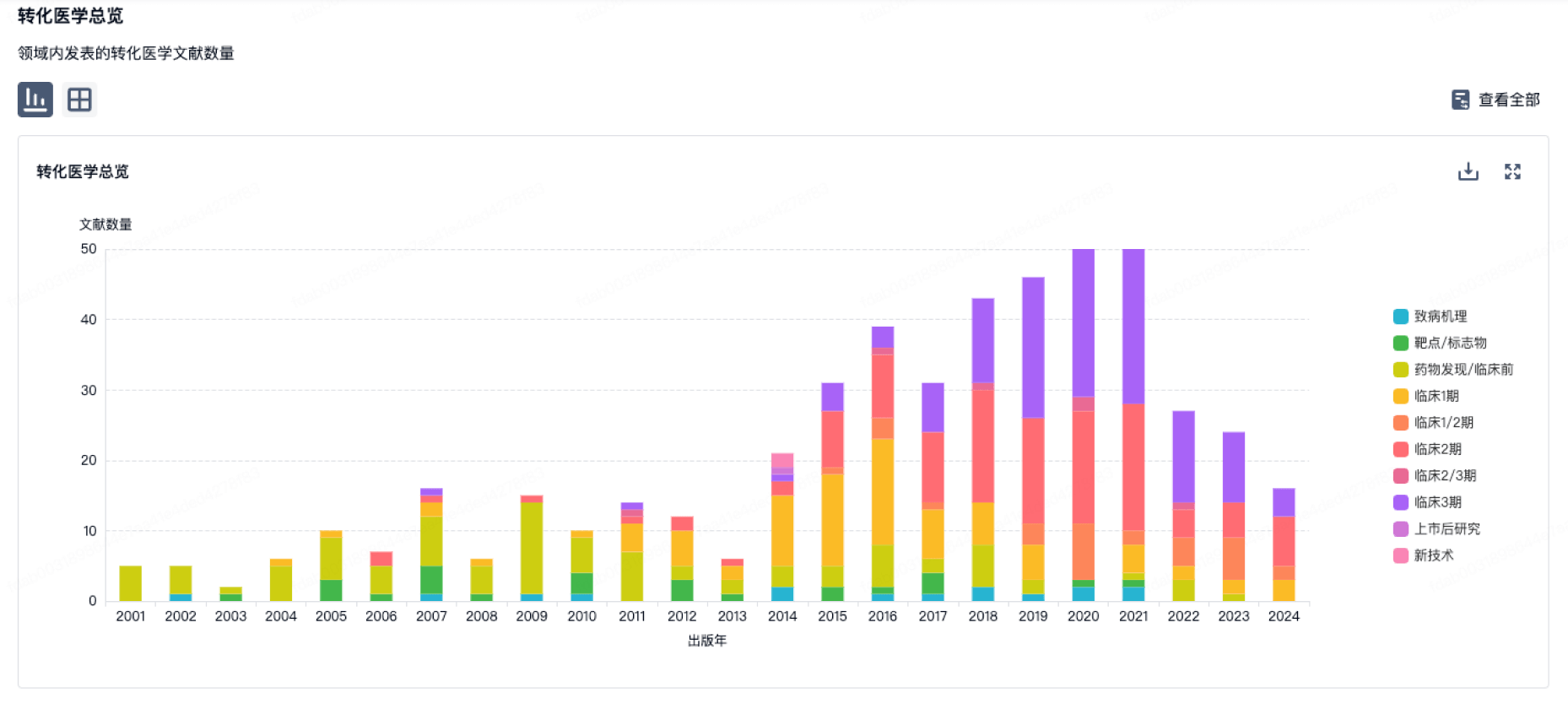
100 项与 邁博藥業有限公司 相关的转化医学
登录后查看更多信息
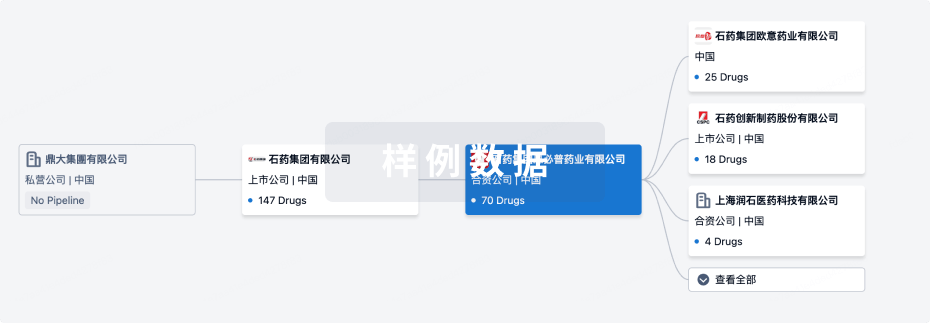
组织架构
使用我们的机构树数据加速您的研究。
登录
或
管线布局
2026年10月21日管线快照
管线布局中药物为当前组织机构及其子机构作为药物机构进行统计,早期临床1期并入临床1期,临床1/2期并入临床2期,临床2/3期并入临床3期
临床前
6
2
临床1期
临床3期
1
1
申请上市
批准上市
4
5
其他
登录后查看更多信息
当前项目
登录后查看更多信息
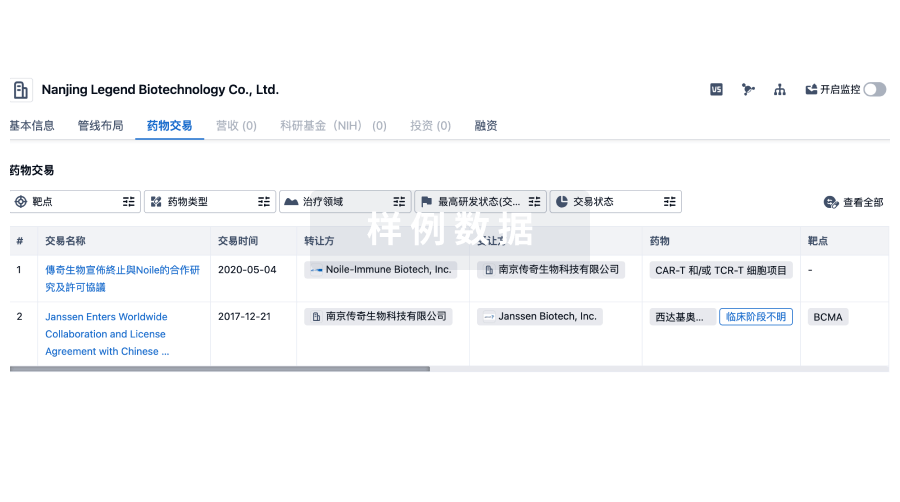
药物交易
使用我们的药物交易数据加速您的研究。
登录
或
转化医学
使用我们的转化医学数据加速您的研究。
登录
或
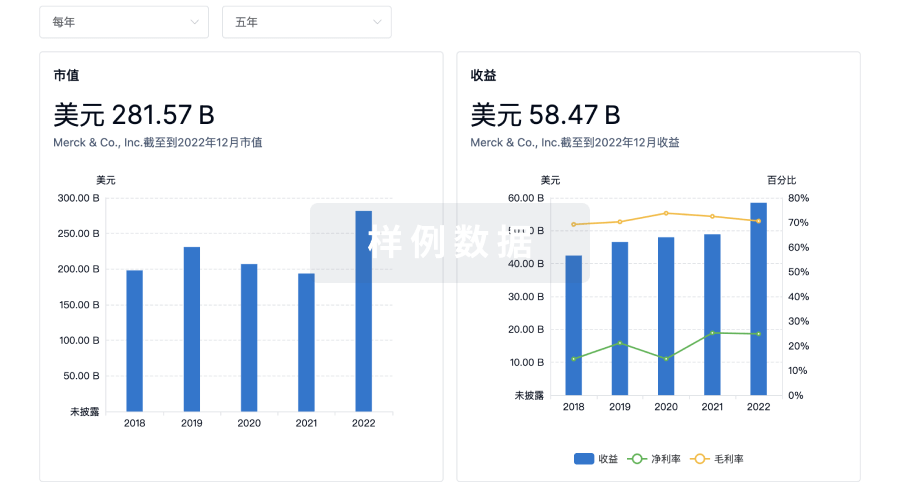
营收
使用 Synapse 探索超过 36 万个组织的财务状况。
登录
或
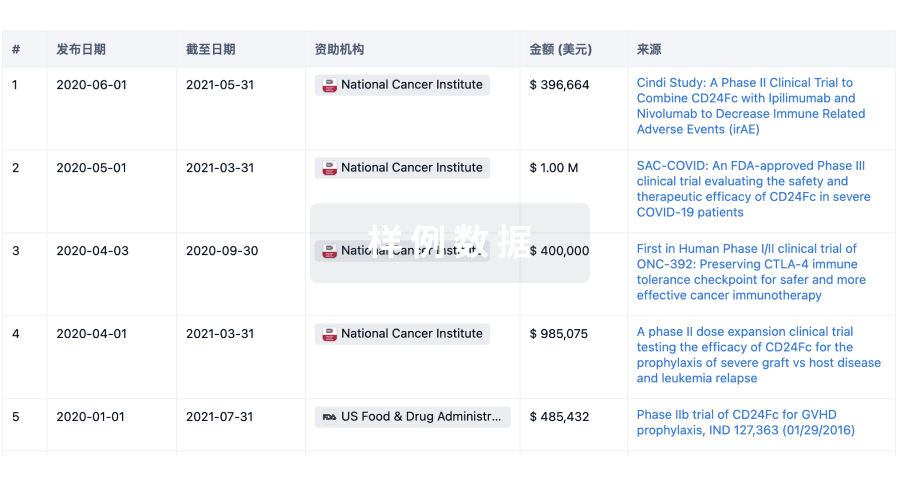
科研基金(NIH)
访问超过 200 万项资助和基金信息,以提升您的研究之旅。
登录
或
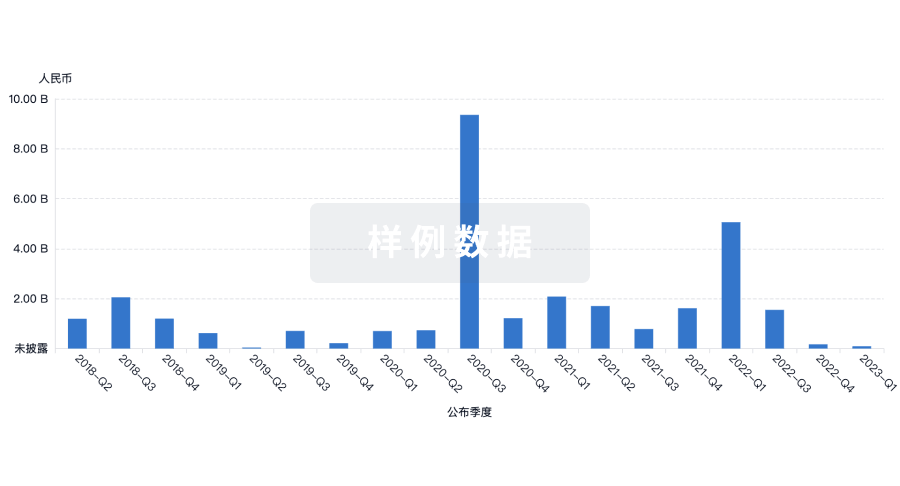
投资
深入了解从初创企业到成熟企业的最新公司投资动态。
登录
或
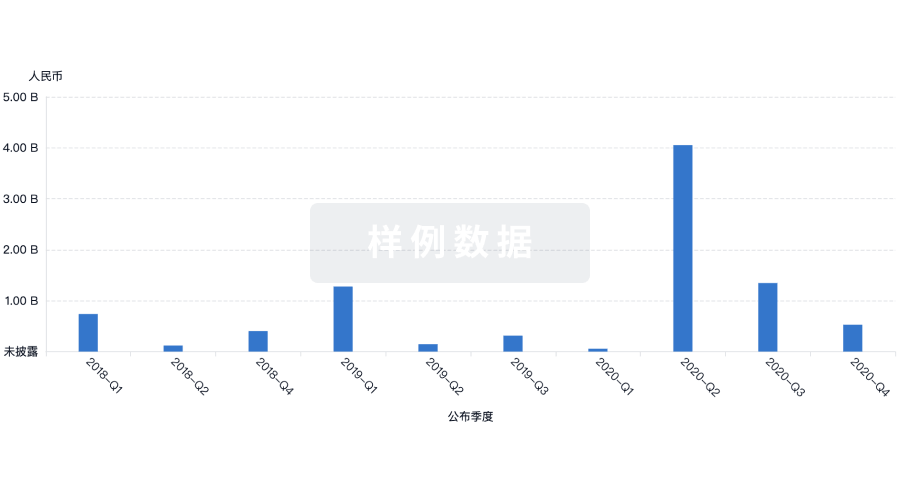
融资
发掘融资趋势以验证和推进您的投资机会。
登录
或
提出任何生物医药研究问题
让每一步生物医药决策都精准制胜
基于十亿级生物数据与全球情报的精准 AI,赋能早期药物发现
立即开始免费试用!
智慧芽新药情报库是智慧芽专为生命科学人士构建的基于AI的创新药情报平台,助您全方位提升您的研发与决策效率。
立即接入生物医药数据包
智慧芽新药库数据也通过智慧芽开放平台,以MCP或API服务形式对外开放。立即使用我们的MCP服务定制您的LLM智能体。
生物序列数据库
生物药研发创新
免费使用
化学结构数据库
小分子化药研发创新
免费使用