预约演示
更新于:2026-08-20
President & Fellows of Harvard College
更新于:2026-08-20
概览
标签
其他疾病
肿瘤
感染
小分子化药
寡核苷酸
siRNA
疾病领域得分
一眼洞穿机构专注的疾病领域

技术平台
公司药物应用最多的技术
靶点
公司最常开发的靶点
关联
靶点 |
作用机制 |
在研机构 |
原研机构 |
在研适应症 |
非在研适应症 |
最高研发阶段 |
首次获批国家/地区 |
首次获批日期 |

靶点 |
作用机制 |
在研机构 |
原研机构 |
在研适应症 |
非在研适应症 |
最高研发阶段 |
首次获批国家/地区 |
首次获批日期 |


靶点 |
作用机制 |
在研机构 |
原研机构 |
在研适应症 |
非在研适应症 |
最高研发阶段 |
首次获批国家/地区 |
首次获批日期 |

NCT06812208
Implementation Strategies to Decentralize Breast Ultrasound Services and Facilitate Timely Breast Cancer Diagnoses in Rwanda

NCT07159438
Multimodal Radiology Report to Improve Patient-centered Radiology
NCT07765693
MDMA-Assisted Psychotherapy for Posttraumatic Stress Disorder in Young Adults With Childhood Trauma: An Open-Label Pilot Study

100 项与 President & Fellows of Harvard College 相关的临床结果
登录后查看更多信息
登录后查看更多信息
2026-11-01AMERICAN HEART JOURNAL
Considerations for using atrial fibrillation burden as a surrogate endpoint: A report from the Cardiovascular Sciences Research Consortium
Article
作者: Pundi, Krishna ; Turakhia, Mintu P ; Seltzer, Jonathan ; Senatore, Fortunato ; Lubitz, Steven A ; Russo, Andrea ; Stein, Kenneth ; Piccini, Jonathan ; Andrade, Jason G ; Gibson, Charles Michael ; Sanders, William ; Kirchhof, Paulus ; Gandotra, Charu
PURPOSE:
Atrial fibrillation (AF) care has shifted dramatically, with a focus on early rhythm control to reduce AF-related morbidity and mortality and improve quality of life. However, clinical trials for AF rely on historical definitions of treatment failure, including freedom from recurrence of ≥30 seconds of AF/flutter/tachycardia, which is a poor predictor of AF severity, or traditional clinical endpoints (ie, stroke, heart failure, death) which have low incidence in contemporary AF populations. Therefore, a directly measurable and clinically meaningful measure for these clinical endpoints has the potential to accelerate clinical trials of rhythm control in AF while reducing overall trial overhead.
RESULTS:
The Cardiovascular Sciences Research Consortium hosted a Think Tank comprising scientists, clinicians, regulators, and industry representatives to develop a roadmap to establish AF burden as a valid surrogate clinical endpoint. This document reviews currently available data to support the use of AF burden as a surrogate endpoint, provides standards for measuring AF burden across measurement modalities and devices, and establishes a practical roadmap for a collaborative approach to validating the use of AF burden.
CONCLUSION:
Moving beyond historical definitions of AF treatment success and failure, AF burden has the potential to be a patient-centric endpoint that can leverage contemporary monitoring technologies while serving as an early signifier of AF-related risk.
2026-09-01JOURNAL OF AFFECTIVE DISORDERS
Mood switching in 1629 antidepressant-treated bipolar disorder patients
Article
作者: Tondo, Leonardo ; Pinna, Marco ; Contu, Martina ; Manchia, Mirko ; Miola, Alessandro ; Baldessarini, Ross J
Mood-switching from depression into [hypo]mania is prevalent in bipolar disorder (BD) patients, particularly during treatment with an antidepressant, but many characteristics associated with such responses require clarification. Using standard bivariate and multivariate measures we compared characteristics of 1629 prospectively evaluated BD patients who did or did not become [hypo]manic during antidepressant treatment. Mood-switching occurred in 27.6% of BD patients (type II [BD2]: 31.4%; type I [BD1]: 24.5%) observed prospectively for 4.98 years, most often (65.5%) with new hypomania. Factors preliminarily associated with switching, ranked by statistical significance, included: DMI course, depressive first-episode, BD2 diagnosis, rapid-cycling, family psychiatric history, intake depression score, lithium treatment, less substance abuse, married, general-medical comorbidity, suicide attempts, older at onset and currently, more years ill, more recurrences/year and greater %-time ill (especially in depression), less co-occurring ADHD, and more children. By multivariable logistic regression modeling five factors significantly and independently associated with switching, ranked: DMI-course, older age, more episodes/year, more psychiatric family history, and suicide attempts. Limited ethnic diversity, single-country setting, and observational design may affect the generalizability of these findings and limit causal inference. Switching was significantly and independently associated with: DMI course, older age, more episodes/year, psychiatric family history, and suicide attempts. It remains unclear how to distinguish reliably antidepressant-associated from spontaneous mood-switching.
2026-09-01JOURNAL OF PAIN
Peritraumatic C-reactive protein levels predict pain outcomes following traumatic stress exposure in a sex-dependent manner
Article
作者: Layne, Miranda N ; Stevens, Jennifer S ; Haran, John P ; Rauch, Scott L ; Hudak, Lauren A ; Ressler, Kerry J ; Harte, Steven E ; Branham, Erica M ; Punches, Brittany E ; McKibben, Lauren A ; Sheikh, Sophia ; Seamon, Mark J ; Germine, Laura T ; Neylan, Thomas C ; Albertorio-Sáez, Liz M ; Datner, Elizabeth M ; Domeier, Robert M ; Sanchez, Leon D ; Musey, Paul I ; McLean, Samuel A ; Hendry, Phyllis L ; Linnstaedt, Sarah D ; Lewandowski, Christopher ; Bruce, Steven E ; Kessler, Ronald C ; O'Neil, Brian J ; Rathlev, Niels K ; Koenen, Karestan C ; Pascual, Jose L ; Sheridan, John F ; Zhao, Ying ; An, Xinming ; Bollen, Kenneth A ; Storrow, Alan B ; Peak, David A ; Jones, Christopher W ; Clifford, Gari D ; Merchant, Roland C ; Swor, Robert A ; Beaudoin, Francesca L ; House, Stacey L
Chronic pain following traumatic stress exposure (TSE) is common. Increasing evidence suggests inflammatory and immune mechanisms are activated following TSE, play a role in the transition from acute to chronic pain, and may differ by sex. In this study, we tested the hypothesis that elevated levels of the inflammatory marker C-reactive protein (CRP) would be associated with acute and chronic pain in a sex-specific manner. We utilized blood-plasma samples and pain questionnaire data from men (n=116) and women (n=269) enrolled in AURORA, a multi-site emergency department (ED)-based longitudinal study of TSE survivors. CRP levels were measured by ELISA using plasma samples collected in the ED ('peritraumatic CRP') and six-months following TSE. Multivariate models were used to assess the relationship between CRP and pain. Men and women reported similar acute pain levels in the ED; however, pain resolved more rapidly in men over time. Peritraumatic CRP was not associated with acute pain severity in either men or women. However, six-month CRP levels were positively associated with six-month pain severity in both men (r=0.19, p=0.089, non-significant) and women (r=0.21, p=0.0015). In men only, higher peritraumatic CRP predicted lower chronic pain severity (β=-0.36, p=0.024) whereas no association was observed in women (β=0.04, p=0.628). Among men with elevated peritraumatic CRP, decreases in CRP over time were associated with decreases in pain over time (r=-0.38, p=0.0197). These findings suggest sex-specific relationships between CRP and chronic pain following TSE and highlight inflammation as a potential mechanism contributing to differential pain recovery trajectories in men and women. PERSPECTIVE: Longitudinal CRP levels following traumatic stress exposure showed sex-dependent associations with chronic pain outcomes. Unexpectedly, higher early CRP predicted lower chronic pain severity in men, suggesting inflammatory responses may differentially influence pain recovery trajectories in men and women.
100 项与 President & Fellows of Harvard College 相关的药物交易
登录后查看更多信息
100 项与 President & Fellows of Harvard College 相关的转化医学
登录后查看更多信息
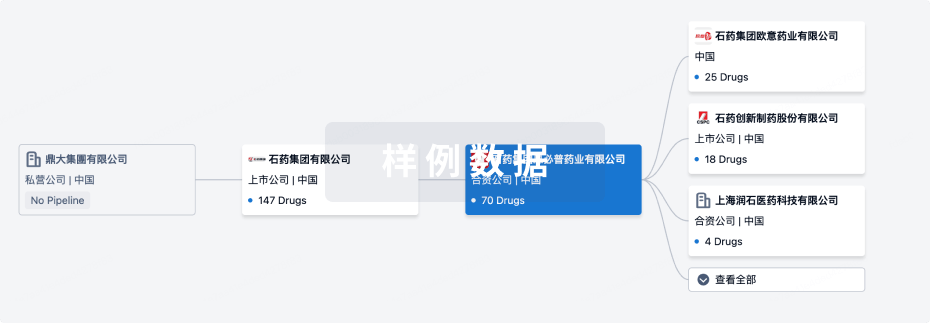
组织架构
使用我们的机构树数据加速您的研究。
登录
或
管线布局
2026年09月21日管线快照
管线布局中药物为当前组织机构及其子机构作为药物机构进行统计,早期临床1期并入临床1期,临床1/2期并入临床2期,临床2/3期并入临床3期
药物发现
31
180
临床前
临床1期
2
6
临床2期
临床3期
1
210
其他
登录后查看更多信息
当前项目
登录后查看更多信息
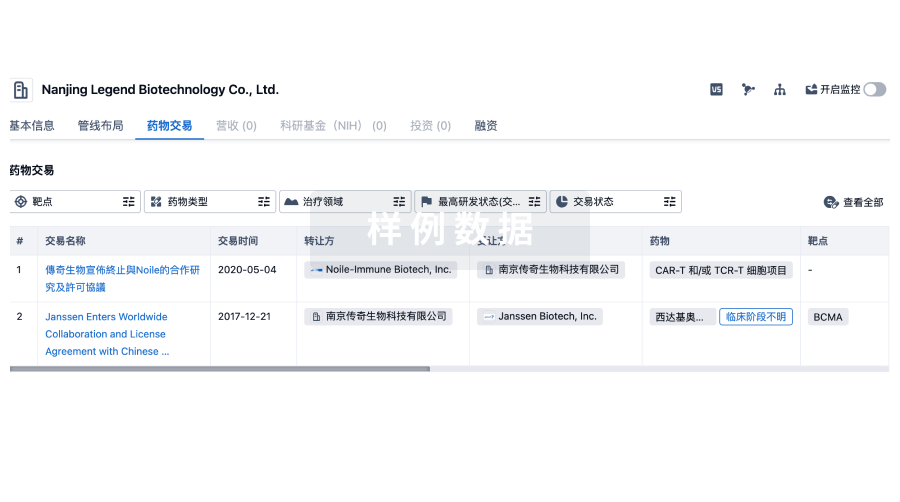
药物交易
使用我们的药物交易数据加速您的研究。
登录
或
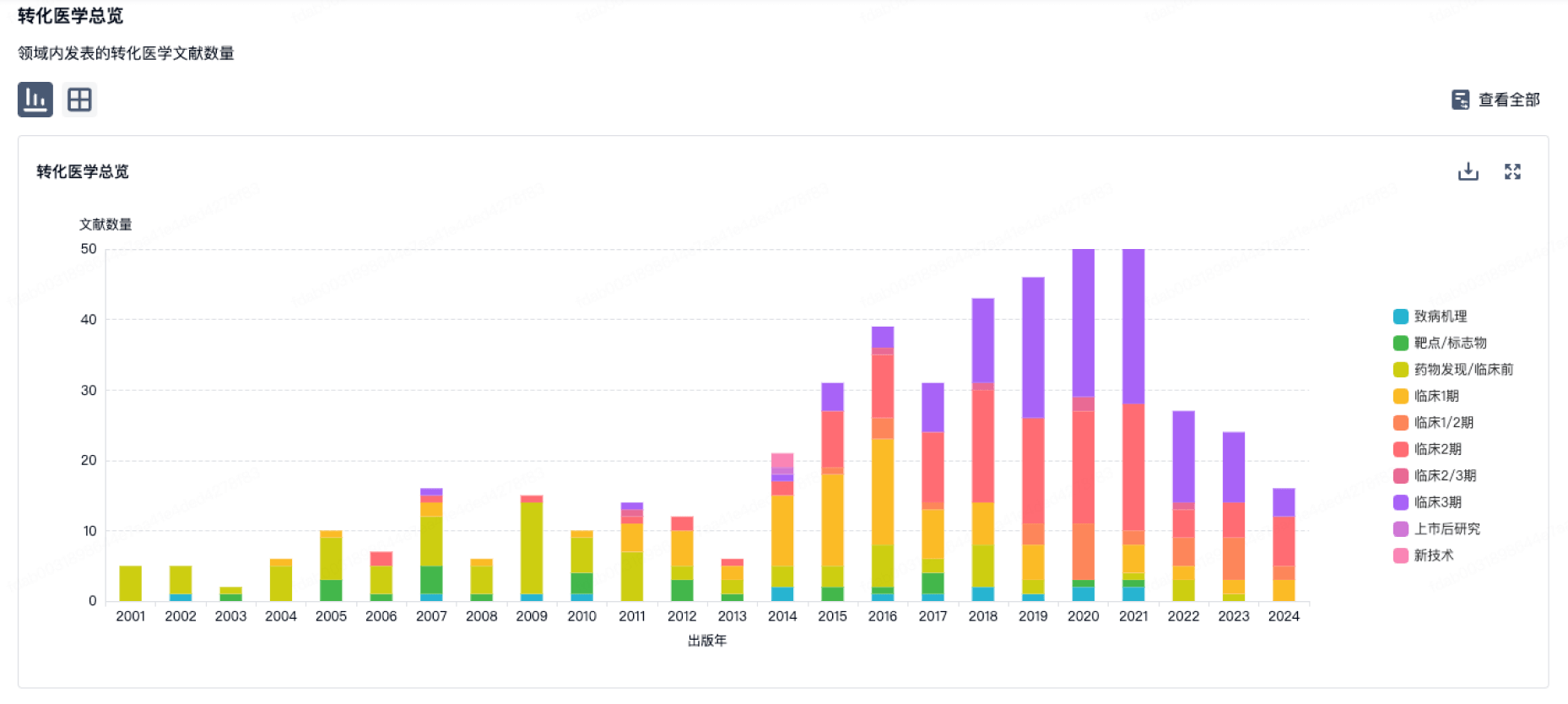
转化医学
使用我们的转化医学数据加速您的研究。
登录
或
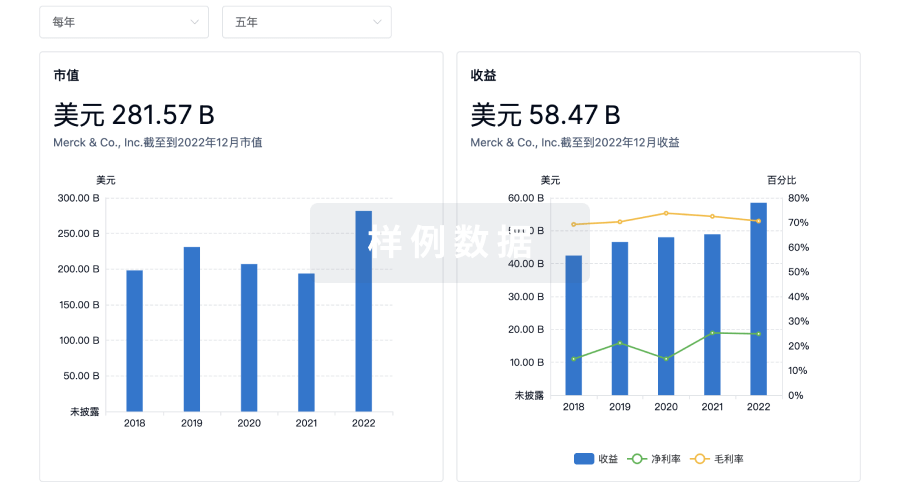
营收
使用 Synapse 探索超过 36 万个组织的财务状况。
登录
或
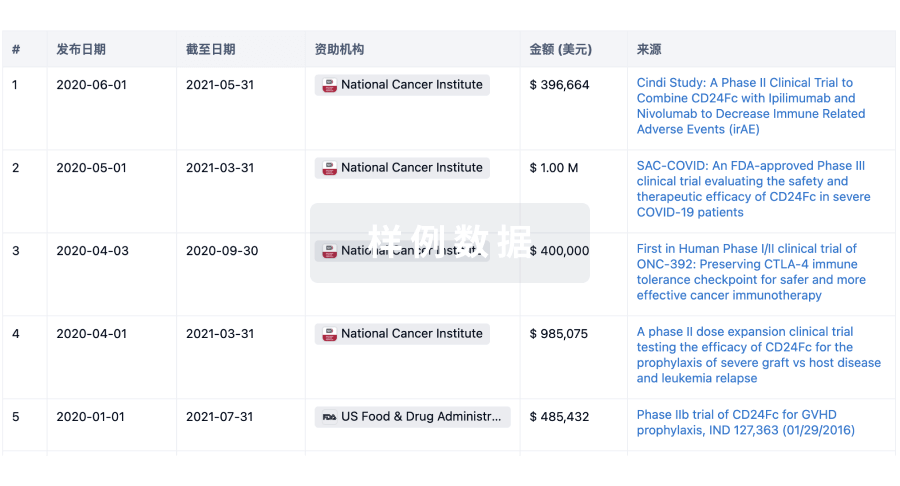
科研基金(NIH)
访问超过 200 万项资助和基金信息,以提升您的研究之旅。
登录
或
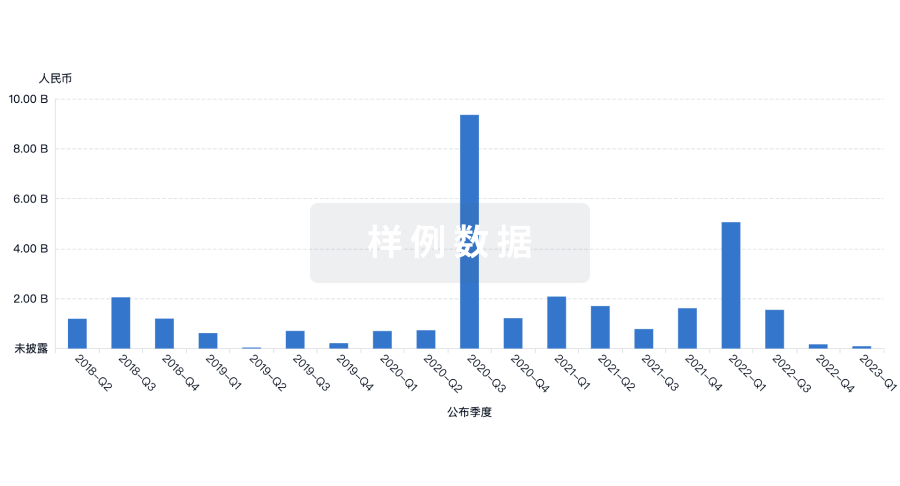
投资
深入了解从初创企业到成熟企业的最新公司投资动态。
登录
或
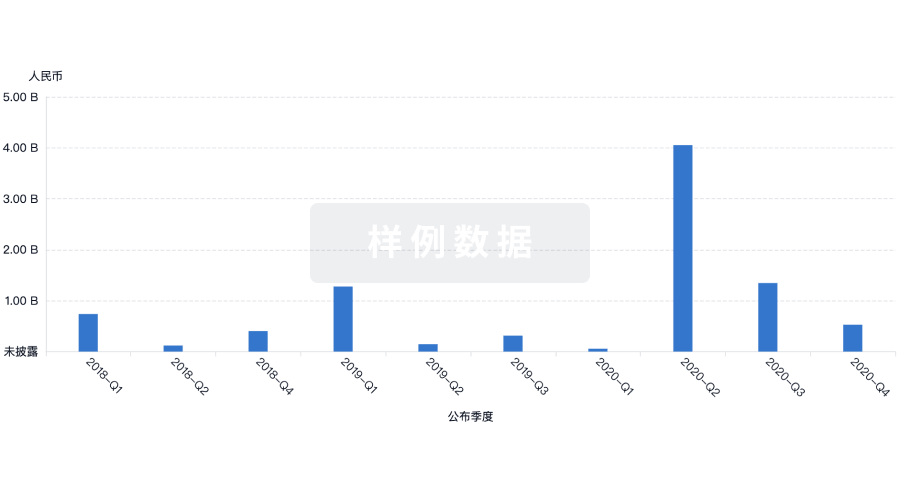
融资
发掘融资趋势以验证和推进您的投资机会。
登录
或
提出任何生物医药研究问题
让每一步生物医药决策都精准制胜
基于十亿级生物数据与全球情报的精准 AI,赋能早期药物发现
立即开始免费试用!
智慧芽新药情报库是智慧芽专为生命科学人士构建的基于AI的创新药情报平台,助您全方位提升您的研发与决策效率。
立即接入生物医药数据包
智慧芽新药库数据也通过智慧芽开放平台,以MCP或API服务形式对外开放。立即使用我们的MCP服务定制您的LLM智能体。
生物序列数据库
生物药研发创新
免费使用
化学结构数据库
小分子化药研发创新
免费使用