预约演示
更新于:2026-06-09

Biosion, Inc.
更新于:2026-06-09
概览
标签
肿瘤
免疫系统疾病
消化系统疾病
单克隆抗体
双特异性抗体
ADC
疾病领域得分
一眼洞穿机构专注的疾病领域

暂无数据
技术平台
公司药物应用最多的技术
暂无数据
靶点
公司最常开发的靶点
暂无数据
| 排名前五的药物类型 | 数量 |
|---|---|
| 单克隆抗体 | 11 |
| 双特异性抗体 | 10 |
| ADC | 5 |
| 三特异性抗体 | 1 |
| 偶联药物 | 1 |
关联
28
项与 博奥信生物技术(南京)有限公司 相关的药物靶点 |
作用机制 TSLP抑制剂 |
在研机构 |
原研机构 |
非在研适应症- |
最高研发阶段临床3期 |
首次获批国家/地区- |
首次获批日期- |
靶点 |
作用机制 CD40激动剂 |
在研机构 |
原研机构 |
最高研发阶段临床2期 |
首次获批国家/地区- |
首次获批日期- |

作用机制 TOP1抑制剂 [+1] |
在研机构 |
原研机构 |
非在研适应症- |
最高研发阶段临床1/2期 |
首次获批国家/地区- |
首次获批日期- |
3
项与 博奥信生物技术(南京)有限公司 相关的临床试验NCT07086768
A Phase Ia/Ib, 2-Part, Dose-Escalation and Dose-Expansion Study of BSI-082 Monotherapy and Combined Therapy in Patients With Advanced or Metastatic Solid Tumors
This is a study that will enroll patients with cancer who have tumors that may have spread. The patients will know what medication they are being given.
There will be 2 parts to the study. For the first part of the study only one medication will be taken, and the dose changed to a higher dose over time.
In the second part of the study tow medications will be taken and the dose of the medication may be changed to a higher dose.
There will be 2 parts to the study. For the first part of the study only one medication will be taken, and the dose changed to a higher dose over time.
In the second part of the study tow medications will be taken and the dose of the medication may be changed to a higher dose.
开始日期2026-01-26 |

NCT05932654
A Phase 2a, Multicenter, Proof-of-Concept Clinical Trial to Evaluate Efficacy and Safety of BSI-045B mAb Injection in Patients With Moderate to Severe Atopic Dermatitis
The study is a multicenter clinical trial and is designed as a proof-of-concept study to evaluate the efficacy, safety, tolerability, PK, immunogenicity, and PD of BSI-045B following SC injections.
The study will enroll patients with moderate to severe AD to receive the 300 mg treatment. BSI-045B wil be firstly given weekly during Week 1 to Week 4, and then every 2 weeks (Q2W) to Week 24.
The study will enroll patients with moderate to severe AD to receive the 300 mg treatment. BSI-045B wil be firstly given weekly during Week 1 to Week 4, and then every 2 weeks (Q2W) to Week 24.
开始日期2023-07-31 |
申办/合作机构 |
NCT05114889
A Randomized, Double-Blind, Placebo-Controlled Phase 1 Clinical Trial to Evaluate Safety and Tolerability of BSI-045B mAb Injection in Healthy Adult Subjects and Patients With Atopic Dermatitis
This randomized, double-blind, single center, placebo-controlled, phase 1 single ascending dose (SAD)/multiple ascending dose (MAD) study is designed to assess the safety, tolerability, PK, activity, immunogenicity, and PD of BSI-045B. Approximately 68 subjects will be enrolled. Subjects in this study include 56 healthy volunteers (HVs) and 12 patients with AD.
This study is divided into 3 parts:
1. Part A: Evaluate the safety, tolerability, PK, immunogenicity, and PD of single ascending doses of BSI-045B administered as a subcutaneous (SC) injection of 120, 240, 480, and 720 mg to HVs
2. Part B: Evaluate the safety, tolerability, PK, activity (as measured by the Eczema Area and Severity Index [EASI] score), immunogenicity, and PD of a single dose of BSI-045B administered as a SC injection of 480 mg to patients with AD
3. Part C: Evaluate the safety, tolerability, PK, immunogenicity, and PD of multiple ascending doses of BSI-045B administered as five (5) SC injections of 240, 480, and 600 mg every 7 days (Q7D) to HVs
This study is divided into 3 parts:
1. Part A: Evaluate the safety, tolerability, PK, immunogenicity, and PD of single ascending doses of BSI-045B administered as a subcutaneous (SC) injection of 120, 240, 480, and 720 mg to HVs
2. Part B: Evaluate the safety, tolerability, PK, activity (as measured by the Eczema Area and Severity Index [EASI] score), immunogenicity, and PD of a single dose of BSI-045B administered as a SC injection of 480 mg to patients with AD
3. Part C: Evaluate the safety, tolerability, PK, immunogenicity, and PD of multiple ascending doses of BSI-045B administered as five (5) SC injections of 240, 480, and 600 mg every 7 days (Q7D) to HVs
开始日期2021-10-25 |
申办/合作机构 博奥信生物技术(南京)有限公司 [+1] |
100 项与 博奥信生物技术(南京)有限公司 相关的临床结果
登录后查看更多信息
0 项与 博奥信生物技术(南京)有限公司 相关的专利(医药)
登录后查看更多信息
4
项与 博奥信生物技术(南京)有限公司 相关的文献(医药)2026-04-23·JOURNAL OF MEDICINAL CHEMISTRY
Dual-Functional Anti-SIRPα-cGAMP Conjugate Reprograms the Tumor Immune Microenvironment and Enhances Antitumor Immunity
Article
作者: Yu, Xiang ; Hao, Xiaoyao ; Baigude, Huricha ; Chen, Mingjiu
Therapeutic targeting of the CD47-SIRPα axis has emerged as a pivotal strategy for enhancing phagocytic clearance of tumor cells and overcoming immune evasion in solid malignancies, yet clinical outcomes with single-agent checkpoint blockade remain suboptimal due to limited activation of innate immunity and on-target toxicities. Administration of STING agonists is hampered by poor pharmacokinetics and nonspecific toxicity, highlighting the need for cell-selective delivery systems that can orchestrate immune activation and checkpoint inhibition. Herein, we conjugated cGAMP to an anti-SIRPα antibody, aiming to effectively reprogram the tumor immune microenvironment. Systemic administration of anti-SIRPα-cGAMP conjugate significantly inhibited tumor growth in a mouse model of colon adenocarcinoma and improved survival in vivo by simultaneously blocking the CD47-SIRPα "do not eat me" checkpoint and selectively delivering the STING agonist to myeloid cells. These findings suggest that targeted immunostimulatory ADCs may be an effective strategy for overcoming immune resistance in solid tumors.
2026-02-26·JOURNAL OF MEDICINAL CHEMISTRY
Modulation of Tumor Microenvironment via Antibody Mediated Precision Delivery of CpG to Myeloid Cell
Article
作者: Ma, Zemeng ; Ji, Liezhou ; Yu, Xiang ; Yang, Zhen ; Chen, Mingjiu ; Ma, Zhigang ; Hao, Xiaoyao ; Li, Hongyan ; Baigude, Huricha ; Wang, Jialong
CpG oligodeoxynucleotides (CpG ODNs) are short, synthetically produced DNA molecules that serve as classic agonists of Toll-like receptor 9 (TLR9). They are known for their ability to combat infection, alleviate allergic responses, and inhibit tumor growth. However, free CpG is rapidly degraded by nucleases, distributes poorly, and accumulates minimally in tumors. To overcome these limitations, CpG was tethered to tumor-associated antigens or antibodies that engage Fcγ receptors on immune cells in previous studies. Here we redirected CpG toward myeloid cells via SIRPα, an innate immune checkpoint expressed in dendritic cells and macrophages that transmits "don't-eat-me" signals upon binding tumor-expressed CD47. The conjugate potently matured bone marrow-derived dendritic cells in vitro and, after simple intraperitoneal delivery, safely suppressed tumor growth in vivo. This myeloid-targeted CpG platform broadens the design space for TLR9 agonists and offers an off-the-shelf strategy for integrating innate and adaptive immunity against cancer.
2020-10-01·EBioMedicine1区 · 医学
A novel HER2-targeting antibody 5G9 identified by large-scale trastuzumab-based screening exhibits potent synergistic antitumor activity
1区 · 医学
ArticleOA
作者: Chen, Mingjiu ; Gu, Wanjian ; Luo, Lan ; Ding, Xiaoyu ; Xia, Shukai ; Hao, Xiaoyao ; Zhang, Chunni ; Zhong, Yujie ; Liu, Jinyu
BACKGROUND:
Pertuzumab is currently used in combination with trastuzumab as the first-line treatment for HER2-positive metastatic breast cancer. However, pertuzumab was originally developed independently from trastuzumab and was later incidentally found to have synergistic efficacy when combined with trastuzumab, it remains to be seen whether a more potent synergistic efficacy partner exists for trastuzumab.
METHODS:
A trastuzumab-based functional assay was used to screen anti-HER2 antibodies harboring trastuzumab-synergistic antitumor activity. The lead candidate 5G9, in combination with trastuzumab, was further characterized for its bioactivities in cell proliferation, cell apoptosis, antigen-antibody endocytosis and HER2-mediated cell signaling pathway blocking. Finally, animal models were used to evaluate the in vivo synergistic antitumor efficacy of 5G9 in combination with trastuzumab.
FINDINGS:
Compared to pertuzumab, 5G9 demonstrated more potent synergistic cell growth inhibitory activity when combined with trastuzumab (85% vs. 55%, P<0.001). In addition, 5G9 exhibited a higher internalization rate than pertuzumab (20% vs. 9%, P<0.05), and was able to further synergize with trastuzumab to promote antigen-antibody endocytosis. The internalization rate of the combination of 5G9 and trastuzumab was higher than that of pertuzumab and trastuzumab (35% vs. 14%, P<0.001). In vivo animal studies demonstrated that 5G9 in combination with trastuzumab showed more potent synergistic antitumor efficacy than the combination of pertuzumab and trastuzumab.
INTERPRETATION:
5G9, together with trastuzumab, may provide a potential opportunity for more efficacious treatment of HER2-positive cancers.
FUNDING:
National Natural Science Foundation of China; State Key Laboratory of Analytical Chemistry for Life Science.
381
项与 博奥信生物技术(南京)有限公司 相关的新闻(医药)2026-06-05
随着技术的迭代升级和机制研究的不断深入,自免药物迎来新一波浪潮。一方面,新靶点、新疗法的持续探索将推动了自免疾病治疗理念的根本性变革——从“广谱抑制”向“精准靶向”乃至“免疫重塑”的范式转移。另一方面,BD出海事件更是推波助澜——仅在2025年,自免领域就催生了累计超过150亿美元的授权合作与并购交易,全球制药界对自免疾病的关注度呈现爆发式增长。
触界生物将于2026年7月2-3日在上海淳大万丽酒店召开《第二届自免药物创新开发及应用大会》 ,诚邀业内专家出席交流,共同助力自免药物的发展!
抗体药物的进化与超越
7 月 2 日 上午
09:00
To Address Unmet Medical Needs by Developing Specific or Tri-specific Antibody Drugs
朱向阳,华奥泰生物,总经理
09:25
种属交叉的 CD3 纳米抗体 -Fapon TCE 平台及应用
芦迪,菲鹏制药,研发 VP
09:50
VelaVigo: Generating First-In-Class Pipeline to Potently Deplete B-Cells for Autoimmune Diseases
李竞,橙帆医药,创始人 & CEO
10:15
题目待定
百普赛斯
10:40
茶歇&商务交流
11:00
题目待定
郭崇天,脉金生物,非临床研发负责人
11:25
题目待定
陶维红,溪长生物,CEO
11:50
圆桌讨论
不同类型自免药物的优劣对比与联用创新
1. 小分子药物、抗体、细胞治疗不同类型的药物在疗效起效速度、作用机制、安全性(如感染、肿瘤风险)以及给药便利性 / 成本方面各有何显著优势与局限?
2. 不同机制的药物各有优劣,药物联用的理论基础是什么?是否能实现“1+1>2”?其目标是追求“协同增效”还是“互补覆盖”以克服耐药?联用方案是否会导致安全性风险的叠加?如何监测和管理这些风险?
12:30
午餐&休息时刻
细胞与基因疗法的“降维打击”
7 月2 日 下午
14:00
脐带血来源 NK 细胞的技术开发及在自免领域的临床应用
朱亚青,荣谷生物,首席运营官
14:25
B 细胞耗竭疗法治疗自身免疫性疾病的进展与展望
姜丽翠,博生吉生物,通用型细胞药物研发负责人
14:50
题目待定
尹景雯 , 诺纳生物,研发总监
15:15
FOXP3+ 调节性 T 细胞与个体化免疫疗法
李斌,上海市免疫学研究所,科研副所长 & 资深 PI
15:40
茶歇&商务交流
16:00
CAR-Treg 自身免疫性疾病适应症的立项选择以及临床开发
夏珏妤,毕诺济生物,临床开发副总裁
16:25
题目待定
精诚智研
16:50
mRNA 技术治疗自身免疫性疾病进展
刘伟为,阿法纳生物,副总经理
17:15
重塑免疫稳态:全新靶点Treg疗法在自免疾病的突破探索
刘峰,博迪贺康,首席运营官
17:40
圆桌讨论
自免药物的临床转化与应用
1. 在自免领域,如何利用生物标志物、疾病分型模型和先进的临床前模型(如人源化动物模型)来验证新靶点的成药性,并预测其在特定患者亚群中的疗效与安全性?当前转化研究面临的最大瓶颈是什么?
2. 面对自免疾病病程长、异质性大的特点,传统的临床试验设计往往耗时耗力。如何创新试验设计(如适应性设计、篮子 / 伞式试验、主方案设计)以加速药物开发?
18:20
首天会议结束
新型小分子药物——从“广谱抑制”到“精准调控”
7 月 3 日 上午
09:00
Development of Oral PROTAC Drug for Inflammatory Bowel Disease
金建平,优济普世,联合创始人
09:25
免疫代谢与自免疾病新药研发
许柯,默达生物,创始人 & CEO
09:50
针对外周自免症病的高选择性 TYK2/JAK1 假激酶 (JH2) 结构域抑制剂 WD-890
王能辉,文达医药,董事长
10:15
题目待定
寿建勇,轶诺药业,创始人&CSO
10:35
茶歇&商务交流
11:00
NLRP3炎症小体:自免疾病的下一个明星靶点?
嘉宾确认中
11:25
蛋白降解新机制自免药物的研发
杨小宝,标新生物,董事长 & CEO
11:50
下一代自免小分子的靶点选择策略
嘉宾确认中
11:30
午餐&休息时刻
从机制到临床——转化医学与生物标志物
7 月 3 日 下午
14:00
题目待定
吴诸丽,宜明昂科,首席医学官
14:25
PROTACs: From Clinical Advances to Future Directions
郭勇,多域生物,首席医学官 & 资深副总裁
14:50
针对骨关节炎的药物研发及临床进展(拟)
王晓梅,凯复医药,临床开发副总裁
15:15
题目待定
杨彬,和黄医药,临床运营高级副总裁
15:40
题目待定
博锐生物
16:05
会议结束
排名不分先后,更多嘉宾确认中......
自免药物相关公司
ROVI
RoyaltyPharma
R-PHARM
Sandoz
Sanofi
Santa Ana Bio
Santhera Pharmaceuticals
SBI Biotech
Schering-Plough
Schrödinger
Sebela Pharmaceuticals
Servier
Shionogi
Sorriso Pharmaceuticals
Soterios Pharma
SPH Project BiocadLimited
SSP
Stada Arzneimittel AG
SteinCares
Strides Pharma
Sun Pharmaceutical
Sunovion Pharmaceuticals
Surrozen
Switzerland Serono Pharma Schweiz
Taro Pharmaceutical
Telavant
Tetherex Pharmaceuticals
Teva
TG Therapeutics
Theravance
Throne Biotechnologies
TopasTherapeutics GmbH
UCB
Uitra Pharma(UPL)
Union Therapeutics
Upstream Bio
Vanda Pharmaceuticals
Vant
Vedanta Biosciences
Ventus Therapeutics
Ventyx Biosciences
Vera Therapeutics
Verona Pharma
Vertex Pharmaceuticals
Vianex
vTv Therapeutics
Windward Bio
Wyeth
Xencor
Xoma
Zenas BioPharma
ZuraBio
ZylaLife Sciences
艾博生物
艾美斐生物
爱科诺生物
爱思迈生物
爱信智耀
安博泰克
安立玺荣
安源医药
岸迈生物
昂科免疫
奥倍生物
百奥泰生物
百济神州
百暨基因
百明信康
百缮药业
邦耀生物
宝船生物
宝济药业
必贝特医药
毕诺济生物
标新生物
伯汇生物
博安生物
博奥信生物
泰恩康
博迪贺康
博锐生物
博生吉生物
超阳药业
乘典生物
创胜医药
创响生物
丹码生物
德琪医药
迪哲医药
东阳光药业
多域生物
恩沐生物
恩瑞恺诺
范德里希
费米子
复宏汉霖
复星凯瑞
高诚生物
高光制药
国药集团
国药中生生物
海湃泰克
海思科
海正药业
翰森制药
瀚辰星泰
杭煜制药
豪森药业
合一生技
合源生物
和铂医药
和博医药
和黄医药
和美药业
和其瑞医药
和正医药
恒瑞医药
恒翼生物
衡泰生物
弘益药业
宏成医药(倍特旗下)
华奥泰生物
华博生物
华东医药
华健未来
华纳药厂
华夏英泰
华毅乐健
汇伦生物
惠和生物
基石药业
集萃崛创
剂泰医药
济煜医药
嘉和生物
嘉越医药
健艾仕生物
健康元
金华康恩贝
津曼特生物
精准生物
君实生物
开拓药业
凯复医药
凯思凯迪
凯屹医药
凯因科技
康方生物
康乃德生物
康诺亚生物
康朴生物
康缘药业
康源久远
康哲药业
柯菲平
科辉智药
科伦药业
科望医药
科兴制药
科越医药
莱芒生物
徕特康生物
蓝图生物
朗来科技
朗睿生物
礼邦医药
礼来
丽珠医药
励缔医药
联邦生物
联合生物
凌科药业
领诺医药
领泰生物
龙启生物
隆耀生物
麓鹏制药
罗欣药业
洛启生物
迈博药业
迈晋生物
迈诺威医药
迈威生物
迈英诺医药
麦济生物
麦肯锡
美悦生物
美志医药
明慧医药
明济生物
默达生物
诺博特生物
诺诚健华
湃鸿生物
普莱医药
普祺医药
普瑞金生物
普元生物
齐鲁制药
启函生物
启林生物
启愈生物
启元生物
强生创新中心
轻胜谦远
清辉联诺
曲欣生物
荃信生物
泉港药业
荣昌生物
荣谷生物
融捷康生物
瑞博生物
瑞顺生物
睿跃生物
偌妥生物
赛尔欣生物
赛金生物
赛特明强 | 赛特医药
赛途生命
三生国健
森朗生物
上海和博药物
上海交联
上海医药
上药帛康生物
上药信谊
上御生物
尚德药缘
尚健生物
神州细胞
生诺医药
盛禾生物
诗健生物
石药集团
世之源生物
舒泰神
曙方医药
双多医药
双鹭药业
斯迈旭生物
松鹤免疫
苏州沪云
苏州隆博泰
索智生物
拓领博泰
泰德制药
泰尔康生物
天辰生物
天广实生物
天境生物
万邦德制药集团
威凯尔医药
微芯生物
维健医药
维瑾柏鳌
维立志博
伟德杰生物
卫光生物
文达医药
我武生物
武田制药
西比曼生物
先声药业
小路生物
新时代药业
鑫康合生物
信达生物
星尘生物
兴盟生物
驯鹿生物
雅科生物
炎明生物
药捷安康
药明巨诺
烨辉医药
壹瑞医药
宜明凯尔
以慈生物
以岭药业
亿诺药业
亿腾医药
艺妙神州
轶诺药业
羿科医药
益方生物
益科思特
翊石医药
英诺湖医药
英矽智能
映恩生物
永泰生物
优卡迪生物
优锐医药
祐儿医药
祐森健恒
远大九和药业
云顶新耀
再鼎医药
再极医药
泽安生物
泽德曼医药
泽璟制药
长森药业
正大海丰
正大天晴
知易生物
知原药业
智康弘义
智翔金泰
智翔医药
中国抗体制药
中天生技集团
众格生物
上下滑动,查看更多
点击“阅读原文”立即报名参会!
2026-05-31
双靶点抗体药物偶联物(Bispecific Antibody-Drug Conjugate, BsADC)最近成为ADC领域的热门领域。在全球双抗ADC的研发版图中,中国生物医药企业(Biotech)已经占据了绝对的领导地位,展现出强大的源头创新能力。2026 年ASCO 全球首次披露临床数据的药物中,有 6 款双抗 ADC 在本届大会上首次公布了临床试验数据,其中 5 款是国产,来自百利天恒、思道医药、康宁杰瑞、正大天晴、多玛医药。
药物名称
靶点
适应症
核心披露内容
百利天恒BL-B01D1 (Iza-bren)EGFR×HER3
鼻咽癌、食管鳞癌、三阴性乳腺癌
全球首个申报上市的双抗ADC,已提交鼻咽癌、食管鳞癌上市申请。III期数据显示,二线治疗晚期食管鳞癌中,中位OS达9.8个月,中位PFS为4.2个月,ORR为35.3%,安全性可控。
康宁杰瑞JSKN016Trop2×HER3HER2阴性乳腺癌
全球首个进入临床阶段的Trop2×HER3双抗ADC。I期数据显示,在HER2阴性乳腺癌患者中,ORR达61.7%,中位PFS为7.9个月,安全性良好,未报告4级或5级不良事件。
思道医药DM002HER3×MUC1
晚期实体瘤(胰腺癌、前列腺癌、卵巢癌等)
全球首个HER3×MUC1双抗ADC。I期数据显示,在胰腺癌患者中,部分缓解率为12.5%,疾病控制率为62.5%,安全性可控,未观察到间质性肺病。
正大天晴TQB6411EGFR×C-Met
晚期实体瘤(非小细胞肺癌、食管癌、结直肠癌等)I期数据显示,在EGFR突变型非小细胞肺癌患者中,ORR为50.0%,DCR为100%,安全性较好,未发生间质性肺病。
多玛医药DM005EGFR×C-Met
晚期实体瘤(非小细胞肺癌、小细胞肺癌等)I期数据显示,在EGFR突变型非小细胞肺癌患者中,ORR为46.2%,DCR为84.6%,安全性可控,未观察到间质性肺病。
艾伯维ABBV-969PSMA×STEAP1
转移性去势抵抗性前列腺癌
全球首个PSMA×STEAP1双抗ADC。I期数据显示,在既往接受过大量治疗的前列腺癌患者中,PSA50缓解率达67%,ORR为45%,安全性可控,主要为贫血等血液学毒性。
表1:2026年ASCO披露临床数据的6款双抗ADC药物
数量与质量的双重领先
目前全球在研的双抗ADC项目中,超过70%来源于中国药企。在2026年AACR(美国癌症研究协会)年会上,双抗ADC成为绝对主角,中国药企在相关摘要和重磅突破研究中占据了绝大多数席位。
药物/项目名称
靶点组合
关键特点/备注
BCG016(百奥赛图)
5T4 × MUC1
新型双抗ADC,在PDX模型中显示出强大的临床前抗肿瘤活性。
BA1304(博安生物)
EGFR × B7H3
新型双靶点ADC,在CDX小鼠模型中比单靶点ADC更有效地抑制肿瘤生长。
HB0085(华博生物)
PTK7 × FAP
BsADC,同时靶向肿瘤细胞(PTK7)和癌症相关成纤维细胞(FAP),在肺癌和胰腺癌PDX模型中显示强效抗肿瘤活性。
BCG026(百奥赛图)
FAP × GPC1
双抗ADC,旨在同时靶向胰腺癌等实体瘤的基质细胞和肿瘤细胞。
BCG041(百奥赛图)
B7-H3 × MUC1
首创新药双抗ADC,靶向B7-H3和MUC1近膜区,在肺和乳腺癌PDX模型中显示出优越的抗肿瘤疗效。
BCG045(百奥赛图)
TROP2 × MUC1
首创新药双抗ADC,旨在提高疗效的同时降低靶点相关毒性。
BCG039(百奥赛图)
Nectin-4 × TROP2
双抗ADC,在尿路上皮癌和其他实体瘤模型中进行临床前研究。
BCG044(百奥赛图)
EpCAM × HER3
新型双抗ADC,用于治疗结直肠癌等肿瘤。
BCG017(百奥赛图)
PTK7 × EGFR
新型双抗ADC,靶向PTK7和EGFR。
IDE034(百奥赛图/IDEAYA)
PTK7 × B7-H3
双抗ADC,具有亲和力驱动的选择性,相较于单靶点ADC增强了抗肿瘤活性。基于其自主RenLite全人抗体共轻链平台筛选获得,专利技术归百奥赛图所有。2024年百奥赛图将该项目全球开发权益授权给IDEAYA Biosciences,目前由IDEAYA推进临床开发,潜在交易总额接近30亿元人民币。
SCR-A014(海南先声再明医药)
B7H3 × DLL3
新型双抗ADC,用于小细胞肺癌(SCLC)治疗,在临床前研究中显示出强效抗肿瘤疗效。
ATG-125(德琪医药)
B7-H3 × PD-L1
新型双抗ADC,设计用于同时实现细胞毒性杀伤和恢复抗肿瘤免疫。
GS24-B025(金赛药业)
CDH17 × CEA
双抗ADC,用于结直肠癌治疗。
GS24-B057(金赛药业)
Nectin-4 × Trop-2
潜在同类最佳双抗ADC,用于治疗尿路上皮癌和其他实体瘤。
DR319-DP(道尔生物)
Nectin-4 × Trop-2
双抗ADC,采用亲合力驱动的VHH设计,并搭载双机制载荷。
CAN017(AVEO Oncology/北海康成)
CLDN18.2 × PD-L1
基于StarLinker™技术的双抗双载荷ADC,旨在克服肿瘤异质性。
ACR335(爱科瑞思生物)
cMET × EGFR
首创新药双抗双载荷ADC,结合了Top1抑制剂和非Top/非Tubulin抑制剂。
DB-1421(映恩生物)
EGFR × MUC1
优化的双抗ADC,旨在提高肿瘤选择性,显示出有前景的疗效和安全性。
BSI-730(博奥信生物)
HER2 × PD-L1
首创新药双抗ADC,针对HER2低/阴性患者设计,兼具选择性杀伤和免疫调节功能。
BSI-737(博奥信生物)
B7H3 × PD-L1
潜在同类最佳双抗ADC,利用双靶点实现选择性肿瘤细胞杀伤并放大抗肿瘤免疫反应。
LUA006(齐鲁制药)
EGFR × B7-H3
双抗ADC,搭载双载荷以解决肿瘤异质性和耐药性问题。
BH4601(齐鲁制药)
PD-L1 × B7H3
新型四价双抗ADC,搭载Top1抑制剂,用于治疗实体瘤。
CS5008(基石药业)
SSTR2 × DLL3
双抗ADC,搭载Top1抑制剂,用于小细胞肺癌和神经内分泌肿瘤。
CS5007(基石药业)
EGFR × HER3
双靶点ADC,搭载Top1抑制剂。
表2:2026年AACR中国药企展示的双抗ADC药物汇总
标杆性的BD交易: 百利天恒将其首创的EGFR/HER3双抗ADC(BL-B01D1)授权给百时美施贵宝(BMS),达成了总金额高达84亿美元的合作,刷新了行业纪录,为此类药物的全球价值树立了标杆。2025年3月,合作协议生效,BMS支付了8亿美元首付款,并向百利天恒美国子公司SystImmune支付了5亿美元里程碑款。因此,百利天恒当时已收到 13亿美元。
百花齐放的研发梯队: 除了百利天恒,君实生物、正大天晴、恒瑞医药、荣昌生物、康宁杰瑞、信达生物、百奥赛图等众多中国药企均在快速推进各自的管线,形成了极具竞争力的研发矩阵。如正大天晴公布了全球首个EGFR/c-Met双抗ADC(TQB6411)的人体临床数据,ORR达到50%;恒瑞医药与甫弘生物联合申报了全球首个EGFR/B7-H3双靶ADC(FH-006),剑指难治性实体瘤。
目前在研的主要的双抗ADC药物见下表:
药物名称
研发公司
靶点
关键进展
BL-B01D1 (伦康依隆妥单抗)
百利天恒 (SystImmune) / BMS
EGFR × HER3
首个上市申请已递交,针对EGFR/ALK野生型经治NSCLC。目前正在开展多项全球III期临床。
JSKN003
康宁杰瑞 (Alphamab)
HER2双表位 (ECD2×ECD4)
针对HER2阳性乳腺癌的III期临床正在进行。结构上对标DS-8201但采用双表位设计,旨在提高内吞。
M1231
Sutro Biopharma / 默克 (Merck KGaA)
EGFR × MUC1
已进入I/II期临床,是最早进入临床的EGFR/MUC1双抗ADC之一。
Zanidatamab Zovodotin (ZW49)
Zymeworks / 百济神州 (部分权益已退回)
HER2双表位 (ECD4×ECD2)
曾为进展最快的双抗ADC之一。百济神州于2023年底退回权益,Zymeworks目前仍在推进,但进展相对放缓。
IBI3001
信达生物 (Innovent)
EGFR × B7-H3
采用新一代毒素,针对肺癌等多种实体瘤,临床数据初步显示良好疗效。
JSKN016
康宁杰瑞 (Alphamab)
HER3 × TROP2
同时抑制两条关键信号通路,针对非小细胞肺癌等。
PRO1286
普众发现 (ProFound) / 康宁杰瑞
EGFR × c-Met
针对非小细胞肺癌耐药突变等。
CBP-1018
同宜医药 (Coherent Biopharma)
PSMA × FRα (叶酸受体α)
同时靶向前列腺癌和卵巢癌等多个瘤种的抗原。
CBP-1008
同宜医药 (Coherent Biopharma)
FRα × TRPV6
独特的靶点组合,探索卵巢癌等适应症。
BCG022
百奥泰 (Bio-Thera)
HER3 × EGFR
对标BL-B01D1,采用不同的抗体骨架和毒素。
REGN5093-M114
再生元 (Regeneron)
c-Met双表位
采用双表位设计增强对c-Met靶点的结合和内吞。
MEDI4276
阿斯利康/MedImmune
HER2双表位
早期临床项目,探索乳腺癌和胃癌,曾因毒性问题调整剂量,目前进展不明。
注意:此表统计主要的双抗ADC药物,已开展向相关临床研究,早期项目未在统计之列。
注:文章内容整理自公开报道。
公众号已建立“生物药工艺开发技术交流”微信群,添加小编微信514099167 加入,加微信时备注姓名-单位-岗位,非生物制药行业人员勿扰。
生物制药合伙人
扫码关注我们
ID:zpt_Partner
W:514099167
分享,点赞,在看!为生物制药人三连击!
2026-05-22
·源微生物
胸腺基质淋巴细胞生成素(Thymic Stromal Lymphopoietin,TSLP)作为IL-2类多效能细胞因子,是二型免疫反应的关键上游调控因子,广泛参与过敏性疾病、慢性炎症性疾病及肿瘤等多种疾病的病理生理过程。TSLP作为炎症反应上游关键靶点,具有干预时机早、适用人群广、疗效互补性强等优势,在哮喘、特应性皮炎等过敏性疾病领域展现出显著的临床价值;全球范围内,Tezepelumab已实现商业化并快速放量,成为重磅炸弹药物,国内企业布局积极,BD交易频繁,管线呈现单克隆抗体、双特异性抗体、超长效制剂等多元化发展趋势;TSLP与IL-4R、IL-13等靶点的协同作用有望突破现有疗法瓶颈,双抗及超长效方向将成为未来研发重点;随着临床数据的持续积累及研发技术的不断进步,TSLP靶点市场空间将持续扩大本文全面梳理TSLP靶点的基础生物学特性、作用机制,深入分析其在哮喘、特应性皮炎、慢性阻塞性肺疾病(COPD)等核心适应症中的临床应用数据、现有治疗方案对比,详细盘点全球及国内TSLP靶点相关药物的研发管线布局、BD交易动态,探讨该靶点的临床价值、商业化潜力及未来发展趋势,旨在为医药行业研究者及相关从业者提供全面、精准的TSLP靶点研究参考。一、TSLP靶点基础生物学特性1.1 靶点定义与分子结构
胸腺基质淋巴细胞生成素(TSLP)是一种IL-2类多效能细胞因子,与IL-7旁系同源,于1994年首次从小鼠胸腺基质细胞中分离鉴定,随后在人类中被克隆发现。TSLP基因定位于人类染色体5q22.1,其编码的蛋白质通过可变剪接可产生两种不同的异构体,分别具有不同的生物学功能:
一是包含159个氨基酸的较长异构体(lfTSLP),该异构体具有明确的促炎作用,正常生理状态下不组成性表达或仅低水平表达,但在受到TLR配体(如鞭毛蛋白)、TNF-α等炎症因子诱导时,表达水平会显著上调,与过敏性疾病、慢性炎症等疾病的进展密切相关,是TSLP发挥病理作用的主要异构体。
二是包含63个氨基酸的较短异构体(sfTSLP),该异构体具有抗炎作用,组成性表达于角质细胞、上皮细胞和肺纤维细胞中,在炎症反应过程中表达水平无显著上调,其具体的抗炎机制及临床意义仍在进一步研究中。
TSLP的分子结构具有典型的细胞因子特征,包含四个α螺旋结构,通过与细胞表面的受体复合物结合发挥生物学作用。其受体复合物由TSLP受体(TSLPR)和IL-7受体α链(IL-7Rα)组成,其中TSLPR为TSLP特异性结合亚基,IL-7Rα为共受体,两者结合后形成异二聚体,激活下游信号通路,调控免疫细胞的活化、增殖与分化。1.2 作用机制
TSLP作为免疫反应的上游调控因子,其核心作用机制是通过激活下游信号通路,调控先天免疫和适应性免疫反应,尤其是二型免疫反应的启动与发展,哮喘、特应性皮炎、慢阻肺、慢性荨麻疹等多为二型炎症(Type 2 diseases)。Th2型炎症上游多涉及TSLP、IL-33/ST2、IL-25、IL-31等因子,下游一般涉及OX40/OX40L、IL-4、IL-13等。具体作用过程可分为以下几个环节:
首先,刺激信号触发TSLP释放:当机体上皮细胞(如气道上皮细胞、皮肤角质细胞)受到外界刺激时,如过敏原(花粉、尘螨、宠物皮屑等)、微生物感染、化学物质刺激或组织损伤,会启动TSLP的表达与释放,其中lfTSLP是主要的功能性异构体。
其次,TSLP与受体复合物结合:释放到胞外的TSLP首先与靶细胞表面的TSLPR特异性结合,随后招募IL-7Rα形成异二聚体受体复合物,该复合物的形成会触发受体胞内结构域的构象变化,激活下游的JAK/STAT信号通路(主要为JAK1/JAK2和STAT3/STAT5),同时也会激活PI3K/Akt、MAPK等辅助信号通路。激活的信号通路会进一步调控多种免疫细胞的活化、增殖与分化,具体包括:诱导树突状细胞(DC)成熟,成熟的DC细胞可呈递抗原,促进Th2细胞的分化与活化;直接激活Th2细胞,使其分泌IL-4、IL-5、IL-13等二型细胞因子,这些细胞因子会进一步促进嗜酸性粒细胞、肥大细胞的活化与募集,引发过敏反应和炎症反应;此外,TSLP还可调控中性粒细胞、巨噬细胞等先天免疫细胞的功能,参与炎症反应的放大与维持。
图:TSLP参与过敏性疾病及病毒感染对抗过程/资料来源:华福证券
值得注意的是,TSLP位于炎症反应信号通路的上游,其作用范围广泛,不仅参与二型免疫反应,还可调控非二型免疫反应,这也是其与IL-4、IL-5、IL-13等下游靶点相比的核心优势,可实现对炎症反应的早期干预,且适用人群不受特定表型(如嗜酸性粒细胞水平)的限制。1.3 靶点核心优势
与IL-4R、IL-5、IL-13等已广泛应用于临床的炎症相关靶点相比,TSLP靶点具有以下核心优势,使其成为近年来医药研发的热点,TSLP作为上游信号,在早期抑制TSLP产生的抗炎效果更全面,TSLP作为炎症反应的上游靶点,在炎症启动阶段即可发挥作用,能够从源头上抑制炎症反应的发生与发展,而IL-4R、IL-5等下游靶点仅能针对炎症反应的特定环节进行干预,无法实现对炎症的全面调控。因此,TSLP抑制剂有望在疾病早期实现有效干预,减少炎症对组织的损伤,改善患者长期预后。
TSLP适用人群广,无明显表型限制。现有多数生物制剂(如IL-5抑制剂、IL-4R抑制剂)对哮喘等疾病的治疗效果依赖于患者的特定表型,如嗜酸性粒细胞水平,对于嗜酸性粒细胞水平较低的患者,疗效往往不佳。而TSLP抑制剂不受患者嗜酸性粒细胞计数、FeNO水平等表型因素的限制,能够覆盖更广泛的患者群体,尤其适合那些对现有疗法反应不佳的患者。另有研究表明,在特应性皮炎领域,多数TSLP、IL-33单抗单用疗效并不出色,TSLP与IL-4R、IL-13、IL-5等下游靶点存在明确的协同作用,同时抑制TSLP与下游靶点,可实现对炎症反应的多环节调控,提升治疗效果,围绕上、下游靶点开发双抗是自免技术迭代的重要方向。此外,TSLP抑制剂与现有疗法(如糖皮质激素、长效β2受体激动剂)联合使用,也有望进一步改善患者的治疗结局,减少不良反应的发生。
从已有的临床数据来看,TSLP抑制剂(如Tezepelumab)的不良反应发生率较低,且多为轻度至中度,主要包括注射部位反应、头痛、鼻咽炎等,严重不良反应发生率极低,患者耐受性良好,适合长期使用。二、TSLP靶点相关疾病临床应用分析
TSLP参与多种疾病的病理生理过程,其中以过敏性疾病(如哮喘、特应性皮炎、过敏性鼻炎)和慢性炎症性疾病(如COPD、慢性鼻-鼻窦炎伴鼻息肉)最为常见。TSLP靶点相关的药物开发在哮喘、特应性皮炎、COPD三大核心适应症中的临床应用价值、现有治疗方案对比及TSLP抑制剂的临床数据表现。2.1 哮喘2.1.1 疾病概况与治疗现状
哮喘是一种以气道慢性炎症、气道高反应性和气道重塑为主要特征的慢性呼吸系统疾病,其发病机制复杂,与遗传因素、环境因素、免疫因素等密切相关。据世界卫生组织统计,全球哮喘患者人数已超过3亿且近年来发病率呈逐年上升趋势。据灼识咨询预计:2021 年中国哮喘患病人数约有 6380 万人,其中重度哮喘患者约有 405 万人,占比约6.3%。近年来我国哮喘患者患病率呈逐年上升趋势,预计 2025 年我国哮喘患病人数将达到约 7540万人,其中重度哮喘患者约 536 万人。且近年来哮喘平均患病率也呈上升趋势。
资料来源:华福证券
目前哮喘的治疗以控制症状、减少急性发作、延缓气道重塑为主要目标,治疗方案分为阶梯式治疗,具体包括:吸入性糖皮质激素(ICS)、长效β2受体激动剂(LABA)、白三烯调节剂、茶碱类药物等常规治疗药物,以及针对特定靶点的生物制剂。其中,常规治疗药物主要用于控制轻度至中度哮喘患者的症状,但对于重度哮喘患者,常规治疗效果往往不佳,急性发作风险较高,生活质量受到严重影响。
近年来,生物制剂的出现为重度哮喘患者提供了新的治疗选择,目前已获批用于哮喘治疗的生物制剂主要针对IL-5、IL-5Rα、IL-4Rα、IgE等靶点,如IL-5抑制剂美泊利单抗、IL-4Rα抑制剂度普利尤单抗、IgE抑制剂奥马珠单抗等。这些生物制剂在特定表型的重度哮喘患者中展现出良好的疗效,但存在明显的局限性——仅对特定表型(如嗜酸性粒细胞水平较高)的患者有效,对于嗜酸性粒细胞水平较低的患者,疗效有限,且部分患者在长期使用后可能出现疗效衰减、不良反应等问题。数据显示,Tezepelumab作为唯一上市的TSLP抗体,显著降低了年化哮喘急性加重率AAER。
图:主要生物制剂在哮喘方面的疗效对/资料来源:中信建投
全球已开展的针对哮喘适应症的药物开发:
通用名
剂型
集团
药品类别二
靶点
项目中国阶段
首次批准上市
奥马珠单抗
注射剂(皮下)
诺华
抗体
IgE
已上市
20170826
本瑞利珠单抗
注射剂(皮下)
协和麒麟;阿斯利康;康泰伦特药业
抗体
IL5Rα
已上市
20240819
度普利尤单抗
注射剂(皮下)
赛诺菲
抗体
IL4Rα
已上市
20200619
美泊利珠单抗
注射剂(皮下)
葛兰素史克
抗体
IL5
已上市
20211119
司普奇拜单抗
注射剂(皮下)
康诺亚生物
抗体
IL4Rα
已上市
20240912
德莫奇单抗
注射剂
葛兰素史克
抗体
IL5
申请上市
—
Tezepelumab
注射剂
安进;阿斯利康
抗体
TSLP
申请上市
—
610 抗 IL5 mAb
注射剂
三生制药;三生国健
抗体
IL5
Phase III
—
GR1802
注射剂
智飞生物
抗体
IL4Rα
Phase III
—
QX005N
注射剂(皮下)
江苏荃信生物医药股份有限公司
抗体
IL4Rα
Phase III
—
SHR1703
注射剂(皮下)
恒瑞医药
抗体
IL5
Phase III
—
bosakitug
注射剂
中国生物制药;正大集团;正大天晴
抗体
TSLP
Phase III
—
comekibart
注射剂(皮下)
湖南麦济生物技术股份有限公司
抗体
IL4Rα
Phase III
—
曼多奇单抗
注射剂
康方生物
抗体
IL4Rα
Phase III
—
人源化抗人IgE单克隆抗体 (天辰生物)
注射剂
天辰生物医药(苏州) 有限公司
抗体
IgE
Phase III
—
rocatinlimab
注射剂(皮下)
安进
抗体
OX40
Phase III
—
BA2101
注射剂
博安生物;绿叶制药
抗体
not available
Phase II
—
CM326
注射剂(皮下)
康诺亚生物
抗体
TSLP
Phase II
—
JKN2401
注射剂
健康元;丽珠医药
抗体
TSLP
Phase II
—
JYB1904
注射剂
江苏济烨生物制药有限公司
抗体
IgE
Phase II
—
SHR1905
注射剂
恒瑞医药
抗体
TSLP
Phase II
—
TQC2938
注射剂
中国生物制药;正大集团;正大天晴
抗体
IL33R
Phase II
—
lunsekimig
注射剂(皮下)
赛诺菲
抗体
TSLP;IL13
Phase II
—
重组抗IL4Rα 单域抗体 (毕赤酵母)
吸入剂
上海洛启生物医药技术有限公司
抗体
IL4Rα
Phase II
—
2.1.2 TSLP抑制剂在哮喘中的临床价值
TSLP作为哮喘气道炎症的上游调控因子,在哮喘的发病过程中发挥着关键作用:气道上皮细胞受到过敏原、微生物等刺激后,释放TSLP,激活下游的二型免疫反应,导致气道炎症、气道高反应性和气道重塑,最终引发哮喘症状。因此,抑制TSLP的活性,可从源头上阻断哮喘气道炎症的发生与发展,为哮喘患者提供新的治疗路径。
图:TSLP在哮喘中的作用机制/资料来源:浙商证券
与现有生物制剂相比,TSLP抑制剂在哮喘治疗中具有以下独特的临床价值,如前所述,TSLP抑制剂不受患者嗜酸性粒细胞计数、FeNO水平等表型因素的限制,无论是嗜酸性粒细胞水平较高还是较低的重度哮喘患者,均可从中获益,能够覆盖现有生物制剂无法覆盖的患者群体,已上市的Tezepelumab是目前唯一的针对非2型炎症患者有效的上游靶点药物,TSLP抑制剂能够全面抑制气道炎症,减少气道高反应性,从而显著降低患者的年化哮喘急性加重率,改善患者的长期预后。TSLP抑制剂可通过抑制气道炎症、延缓气道重塑,改善患者的肺功能(如FEV1水平),同时减轻哮喘症状(如咳嗽、喘息、胸闷等),提升患者的生活质量(如AQLQ评分改善)。从临床数据来看,TSLP抑制剂的不良反应发生率较低,且多为轻度至中度,与安慰剂相比无显著差异,适合长期使用,尤其适合需要长期维持治疗的重度哮喘患者。
图:TSLP哮喘单抗开发情况
药品名称
药品类别一
靶点
药理类型
研发机构
疾病
全球最高研发阶段
全球最高研发阶段开始日期
Tezepelumab
创新药
TSLP
单抗
Amgen (原研);AstraZeneca
哮喘
批准上市
20211217
Tezepelumab
创新药
TSLP
单抗
Amgen (原研);AstraZeneca
过敏性哮喘
II 期临床
20230223
bosakitug
创新药
TSLP
单抗
正大天晴;Aclaris Therapeutics; 博奥信 (原研)(无权益)
哮喘
III 期临床
20241203
ecleralimab
创新药
TSLP
抗体片段
Novartis (原研);MorphoSys (Novartis)
哮喘
II 期临床
20200601
CM326
创新药
TSLP
单抗
康诺亚(原研); 石药集团
哮喘
II 期临床
20230317
SHR1905
创新药
TSLP
单抗
Aiolos Bio (GSK); 恒瑞医药 (原研)
哮喘
II 期临床
20220929
lunsekimig
创新药
TSLP;IL13
单域抗体;双特异性抗体
Sanofi (原研)
哮喘
II 期临床
20231026
solrikitug
创新药
TSLP
单抗
Merck & Co.(原研);Uniquity Bio
哮喘
II 期临床
20240711
AZD8630
创新药
TSLP
抗体片段
Amgen (原研);AstraZeneca
哮喘
II 期临床
20240731
QX008N
创新药
TSLP
单抗
荃信生物(原研); 健康元
哮喘
I 期临床
20220708
HBM9378
创新药
TSLP
单抗
科伦博泰(原研); 和铂医药 (原研)
哮喘
I 期临床
20220829
MGZG122
创新药
TSLP
单抗
麦济生物(原研)
哮喘
I 期临床
20221212
LQ043H
创新药
TSLP
单域抗体
洛启生物(原研)
哮喘
I 期临床
20230113
LQ043H
创新药
TSLP
单域抗体
洛启生物(原研)
支气管哮喘
I 期临床
20230320
GR2002
创新药
TSLP
单抗
智阳金泰(原研)
哮喘
I 期临床
20230525
STSA1201
创新药
TSLP
单抗
舒泰神(原研)
哮喘
I 期临床
20230801
GB0895
创新药
TSLP
单抗
Generate Biomedicines (原研)
哮喘
I 期临床
20240104
IBI3002
创新药
TSLP;IL4Rα
双特异性抗体
信达生物(原研)
哮喘
I 期临床
20240119
CM512
创新药
TSLP;IL13
双特异性抗体
康诺亚(原研);Belenos Biosciences
哮喘
申报临床
20240823
HB0056
创新药
IL11;TSLP
双特异性抗体
华奥泰生物(原研)
哮喘
I 期临床
—
APG333
创新药
TSLP
单抗
Apogee Therapeutics (原研);Paragon Therapeutics
哮喘
I 期临床
20241113
2.1.3 TSLP抑制剂临床数据对比
目前全球范围内已获批上市的TSLP抑制剂仅有安进/阿斯利康联合开发的Tezepelumab(Tezepelumab),此外,正大天晴、康诺亚、恒瑞医药等企业的TSLP抑制剂也已进入临床后期阶段,相关临床数据陆续公布。Tezepelumab2024年收入达到12.19亿美元,同比增长87%表现出色,阿斯利康预计峰值将达到30亿美金,至2032年有望达到120亿美金,届时的市场份额将主要由DUPI和Tezepelumab占据,阿斯利康对TSLP产品寄予厚望。以下重点对比Tezepelumab与现有生物制剂的临床数据,以及国内在研TSLP抑制剂的临床进展。
1. Tezepelumab
Tezepelumab是一款全人源化抗TSLP单克隆抗体,于2021年12月获FDA批准上市,用于治疗年龄≥12岁的严重哮喘儿童患者和成人患者,2024年11月在国内申报上市,给药频率为每4周一次,皮下注射给药。其核心临床数据来自多项III期临床试验,具体如下:
在NAVIGATOR临床试验中,纳入了1061例重度哮喘患者,随机分为Tezepelumab组和安慰剂组,治疗52周。结果显示,Tezepelumab组患者的年化哮喘急性加重率较安慰剂组显著降低56%(IRR=0.44),且无论患者的嗜酸性粒细胞计数如何(≥150 cells/μL或<150 cells/μL),均能显著降低急性发作风险,这一优势是现有IL-5、IL-4R抑制剂所不具备的。
图:Tezepelumab哮喘临床数据/资料来源:浙商证券
在SIRIUS临床试验中,纳入了重度哮喘患者,结果显示,Tezepelumab组患者的ACQ-5评分(哮喘控制问卷)较安慰剂组显著改善,FEV1水平显著提升,生活质量(AQLQ评分)也得到明显改善。此外,Tezepelumab组的治疗相关不良反应发生率与安慰剂组相当,主要包括注射部位反应、头痛、鼻咽炎等,无严重不良反应发生,耐受性良好。
而在BEC ≥300的2型炎症人群中,度普利尤单抗和特泽鲁单抗均具有良好的疗效,非头对头数据,Tezepelumab略优于度匹利尤。
图:BEC ≥300的2型炎症哮喘治疗效果比较/资料来源:中信建投
2. 国内在研TSLP抑制剂临床数据
Tezepelumab在呼吸领域优异的数据也会后继管线开发提供了信心,国内多条靶向TSLP的管线在快速推进,目前国内处于研发进度第一梯队的管线包括Bosakitug、SHR-1905、CM326、MG-014。其中正大天晴的Bosakitug在2024年12月率先在国内启动重症哮喘的临床III期试验,在国内进度最快。根据公开数据,在II期临床试验中,bosakitug能够显著降低重度哮喘患者的年化急性加重率,改善患者的哮喘控制水平和肺功能,不良反应发生率较低,耐受性良好,其疗效与安全性与Tezepelumab相当。
康诺亚的CM326(TSLP单抗)目前处于II期临床阶段,针对哮喘、特应性皮炎等适应症。在I期临床试验中,CM326注射液组报告的给药期间不良反应事件(TEAE)发生率与安慰剂组相当,绝大部分为1级,均为短暂出现,未经医疗干预可自行恢复,具有较好的安全性。在II期临床试验中,CM326能够显著改善哮喘患者的症状,降低急性发作风险,具体数据有待进一步公布。
恒瑞医药的SHR-1905(TSLP单抗)是一款超长效制剂,可实现6个月给药一次,目前处于II期临床阶段。其临床数据显示,SHR-1905具有较长的半衰期,能够持续抑制TSLP活性,显著降低哮喘患者的急性发作风险,改善肺功能,且给药频率显著低于现有TSLP抑制剂,患者依从性更高,和铂医药HBM9378半衰期超过特泽鲁单抗的2-3倍。2.1.4 哮喘领域TSLP相关疗法对比
目前哮喘领域的生物制剂主要包括TSLP抑制剂、IL-4Rα抑制剂、IL-5抑制剂、IL-5Rα抑制剂、IgE抑制剂等,不同靶点的生物制剂在疗效、适用人群、给药频次等方面存在差异,具体对比如下(基于公开临床数据):
靶点
药物名称
年化哮喘急性加重率改善幅度
哮喘控制率
(ACQ)评分改善幅度
生活质量改善
(AQLQ)
肺功能改善
(FEV1,mL)
给药频次
适用人群限制
TSLP
Tezepelumab
-1.1(SoC 2.1),IRR=0.44
-0.33,控制率56%
+0.34,达MID(≥0.5分)
+130
Q4W
无表型限制
IL-4Rα
度普利尤单抗
-0.894(SoC1.57)IRR=0.44
-0.48,控制率56%
+0.42,达MID
+180
Q2W
嗜酸性细胞表型或糖皮质激素抵抗人群
IL-5
美泊利单抗
-0.8(SoC 1.7),IRR=0.49
-0.43,控制率51%
SGRQ:-7.14
+110.9
Q4W
嗜酸性细胞表型
IL-5Rα
贝那利珠单抗
-0.705(SoC1.5),IRR=0.53
-0.26,控制率47%
+0.23
-
Q4W/Q8W
嗜酸性细胞表型
IgE
奥马珠单抗
-0.2(SoC 0.66),IRR=0.56
-0.16,控制率44%
+0.13
改善比例+3.7%
Q2W/Q4W
IgE水平升高人群
从上述对比可以看出,TSLP抑制剂(Tezepelumab)在适用人群方面具有显著优势,无表型限制,能够覆盖更广泛的重度哮喘患者;在年化哮喘急性加重率改善幅度、哮喘控制率等核心疗效指标上,与IL-4Rα抑制剂、IL-5抑制剂相当,且在生活质量改善方面达到MID标准,表现出良好的综合疗效;给药频次为每4周一次,优于IL-4Rα抑制剂(每2周一次),患者依从性更好。
数据来源:中邮证券
呼吸疾病机制复杂,具有高度异质性,单一靶点疗效有限,围绕上下游靶点开发双抗或多抗是未来开发的主要策略,TSLP是上游的警报素,而IL-4、IL-5、IL-13等下游效应分子,单抗在部分疾病中阻断能力较弱,双靶点设计的核心在于实现抑制协同,既通过TSLP阻断炎症的源头,又通过IL-13、IL-4抑制已经产生的炎症效应。在下游靶点中,IL-4R靶点较为成熟,经典药物DUPI已上市且疗效出色,IL-4R适应症具有广谱性,所以在双抗药物开发中,IL-4R多为组合首选,实现TSLP/IL-4R的双抗组合,理论上能够取得较单药更好的响应。
表:哮喘领域开发的双抗
药品名称
靶点
研发机构
疾病
中国最高研发阶段
全球最高研发阶段
PF07275315
TSLP;IL4;IL13
Pfizer (Top20 MNC)(原研)
特应性皮炎;哮喘
II 期临床
II 期临床
lunsekimig
TSLP;IL13
Sanofi (Top20 MNC)(原研)
哮喘;慢性鼻鼻窦炎伴鼻息肉;特应性皮炎
II 期临床
II 期临床
CM512
TSLP;IL13
康诺亚(原研);Belenos Biosciences (NewCo)
慢性鼻鼻窦炎伴鼻息肉;特应性皮炎;慢性阻塞性肺病;哮喘
II 期临床
II 期临床
RC1416
IL4Rα;IL5
融捷康生物(原研)
哮喘;特应性皮炎(差异化疾病); 慢性阻塞性肺病
I 期临床
I 期临床
HB0056
IL11;TSLP
华奥泰生物(原研)
哮喘;慢性阻塞性肺病;特发性肺纤维化;特应性皮炎
申报临床
I 期临床
IBI3002
TSLP;IL4Rα
信达生物(原研)
哮喘;特应性皮炎
I 期临床
I 期临床
BET20601
TSLP;IL4Rα
邦恩泰生物(原研)
哮喘;特应性皮炎;鼻炎(差异化疾病)
临床前
临床前
HXN1012
TSLP;IL13
华深智药(原研)
皮肤病;哮喘;慢性阻塞性肺病
临床前
临床前
PX128
TSLP;IL13
Proteologix (Johnson & Johnson)(Top20 MNC)(原研)
哮喘;特应性皮炎
临床前
临床前
TEV56308
TSLP;IL13
Biologic Design (原研);Teva Pharmaceutical
特应性皮炎;哮喘
临床前
临床前
WO2025108394A1
TSLP;IL4Rα
联邦生物(原研)
慢性阻塞性肺病(差异化疾病); 哮喘;特应性皮炎
临床前
临床前
在联合靶点开发方面,之前在哮喘的研究中,Dupi单药和的Itepekimab单药都发挥出一定的疗效,但在Dupi与Itepekimab联合用药方面,其疗效却未能超过安慰剂组,在AD适应症上,也未能展现预期疗效,导致研究终止,上述研究证明,上游靶点的信号通路及代偿机制并不清晰,导致组合失效。
图:IL-4R、IL-33疗效分析/资料来源:中邮证券
越来越多的研究证明,在现有哮喘的各项表型指标证据上,Anti-TSLP能够和Anti-IL-4Rα在信号通路方面做到互补,而和IL-33/IL-5协同有限,在构建双抗的MOA中,上游靶点TSLP较IL-33可能是更优的选择。TSLP没有人群表型限制性,可以覆盖2型和非2型炎症通路,可以很好的解决患者异质性问题。
在Sanofi开展的Lunsekimig1期数据研究中,患者的FeNO下降了40.9%,高于Dupi的27%和TSLP的25%,同时嗜酸性粒细胞也下降了40%,但缺乏AAER指标结果,Lunsekimig对FeNO的下降能力高于特泽鲁单抗和度普利尤单抗,证实了TSLP与下游靶点的协同性。
图:Lunsekimig1b期FeNO降低数据2.2 特应性皮炎2.2.1 疾病概况与治疗现状
特应性皮炎(Atopic Dermatitis,AD)是一种常见的慢性炎症性皮肤病,以皮肤干燥、剧烈瘙痒、湿疹样皮疹为主要临床表现,其发病与遗传因素、环境因素、免疫因素等密切相关,核心发病机制是二型免疫反应过度激活。据统计,全球特应性皮炎患者人数超过2亿,我国特应性皮炎患者人数约6000万,其中儿童患者占比较高,且近年来发病率呈逐年上升趋势。
图片来源:华福证券
特应性皮炎的治疗目标是缓解症状、控制炎症、减少复发、改善生活质量,治疗方案分为基础治疗、局部治疗和系统治疗:基础治疗主要包括皮肤保湿、避免接触过敏原等;局部治疗以糖皮质激素(TCS)、钙调神经磷酸酶抑制剂(TCI)为主,是轻度至中度特应性皮炎的一线治疗方案;系统治疗主要包括口服糖皮质激素、免疫抑制剂(如环孢素、甲氨蝶呤)、生物制剂等,用于中重度特应性皮炎患者的治疗。
然而,现有治疗方案存在明显的局限性:局部糖皮质激素长期使用可能导致皮肤萎缩、毛细血管扩张等不良反应;免疫抑制剂存在肝肾功能损伤、感染风险等安全隐患;生物制剂方面,目前已获批的IL-4Rα抑制剂(如度普利尤单抗)、IL-13抑制剂(如lebrikizumab)等在部分患者中疗效有限,且存在瘙痒缓解不明显、结膜炎等不良反应,无法满足所有中重度特应性皮炎患者的治疗需求。2.2.2 TSLP抑制剂在特应性皮炎中的临床价值
TSLP在特应性皮炎的发病过程中发挥着关键作用:皮肤角质细胞受到过敏原、环境刺激后,释放TSLP,激活下游的二型免疫反应,导致Th2细胞活化,分泌IL-4、IL-5、IL-13等细胞因子,进而引发皮肤炎症、瘙痒、干燥等症状。因此,抑制TSLP的活性,可从源头上阻断特应性皮炎的炎症反应,为中重度特应性皮炎患者提供新的治疗选择。
图:TSLP在AD中的作用机制/资料来源:浙商证券
在特应性皮炎领域,Dupi通过临床试验和真实世界的长期反馈证明了自身的疗效和长期安全性,在AD领域壁垒极深,Dupi基本上实现了6个月以上人群的全覆盖,4年EASI评分改善大于70%,安全性良好,单药靶点极具竞争力。在疗效上,IL-4R目前仍是最优选,IL-13靶点次之,从EASI-75来看,IL-4R整体>IL-13>其他。Lebri和APG77在安慰剂修正后较为突出,好于Dupi,从同类而言其余IL-13单抗的3期数据依旧逊色于Dupi。
图:单药EASI-75临床数据对比/资料来源:中邮证券
联用TCI方面来看,IL-13和IL-4R靶点基本上维持了相当的水平;用安慰剂修正后,IL-4R依旧拉开了差距。作为更上游的靶点IL-31/TSLP较IL-13又更下降了一些,而OX-40维持相当的疗效水平。安全性方面,生物药普遍具有较高的耐受性。
针对AD的双抗开发上,以IL-4R为基石靶点,叠加其他靶点似乎在成药方面更具可行性。但当前针对2型炎症通路方面,并没有双抗组合展示出明确的临床疗效,现有药物开发模式看,更倾向向于上游信号靶点与下游信号靶点的组合机制。上游靶点以IL-31、IL33、TSLP为主,IL31在瘙痒缓解方面疗效出色,可以弥补Dupi在瘙痒缓解方面的不足。IL-31由Th2细胞分泌,直接激活感觉神经元上的IL-31RA/OSMRβ受体,通过TRPV1/TRPA1通道诱发神经源性瘙痒。此外IL-31单抗联用 TCS/TCI时亦能做到Q4W的给药,相比IL-4R的Q2W有较大的提升。TSLP一方面系TSLPXIL-13在其他二型炎症中对于两者的协同作用初步验证,有望在AD中同样发挥协同作用,另一方面依旧可以借助上游协同,实现减低给药频次的目的。在现有靶点组合的双抗机制方面,TSLP和IL-4R通路的双靶点抗体更值得关注。
药品名称
靶点
研发机构
疾病
中国最高研发阶段
全球最高研发阶段
PF07264660
IL33;IL4;IL13
Pfizer (Top20 MNC)(原研)
特应性皮炎
II 期临床
II 期临床
PF07275315
TSLP;IL4;IL13
Pfizer (Top20 MNC)(原研)
特应性皮炎;哮喘
II 期临床
II 期临床
lunsekimig
TSLP;IL13
Sanofi (Top20 MNC)(原研)
哮喘;慢性鼻鼻窦炎伴鼻息肉;特应性皮炎
II 期临床
II 期临床
CM512
TSLP;IL13
康诺亚(原研);Belenos Biosciences (NewCo)
慢性鼻鼻窦炎伴鼻息肉;特应性皮炎;慢性阻塞性肺病;哮喘
II 期临床
II 期临床
ND026
IL31;IL4Rα
KakenPharmaceutical;YellowJerseyTherapeutics (Johnson &Johnson)(Top20 MNC)(原研);Numab Therapeutics
特应性皮炎
临床前
II 期临床
HB0043
IL17;IL36R
华博生物(原研)
化脓性汗腺炎;狼疮性肾炎;脓疱型银屑病;慢性肾病;特应性皮炎;类风湿性关节炎;系统性红斑狼疮
I/I 期临床
I/I 期临床
donzakimig
IL22;IL13;albumin
UCB (原研)
特应性皮炎
临床前
I/II 期临床
galvokimig
IL17F;IL17A;IL13
UCB (原研)
特应性皮炎
临床前
I/II 期临床
RC1416
IL4Rα;IL5
融捷康生物(原研)
哮喘;特应性皮炎(差异化疾病); 慢性阻塞性肺病
I 期临床
I 期临床
HB0056
IL11;TSLP
华奥泰生物(原研)
哮喘;慢性阻塞性肺病;特发性肺纤维化;特应性皮炎
申报临床
I 期临床
IBI3002
TSLP;IL4Rα
信达生物(原研)
哮喘;特应性皮炎
I 期临床
I 期临床
BBT001
IL31;IL4Rα
Bambusa Therapeutics (原研)
特应性皮炎
申报临床
I 期临床
BBT002
not available
Bambusa Therapeutics (原研)
慢性阻塞性肺病;胃肠道疾病;呼吸系统疾病;特应性皮炎
临床前
I 期临床
CM536
not available
康诺亚(原研);Belenos Biosciences (NewCo)
特应性皮炎
申报临床
申报临床
ATTO002
IL31;IL13
Attovia Therapeutics (原研)
特应性皮炎
临床前
临床前
BET20601
TSLP;IL4Rα
邦恩泰生物(原研)
哮喘;特应性皮炎;鼻炎(差异化疾病)
临床前
临床前
CM572
not available
康诺亚(原研)
特应性皮炎
临床前
临床前
GB12
IL31;IL4Rα
科兴制药(原研)
特应性皮炎
临床前
临床前
PM1268
IL31;IL4Rα
普米斯(BioNTech)(原研)
特应性皮炎;结节性痒疹(差异化疾病)
临床前
临床前
PX128
TSLP;IL13
Proteologix (Johnson & Johnson)(Top20 MNC)(原研)
哮喘;特应性皮炎
临床前
临床前
PX130
IL22;IL13
Proteologix (Johnson & Johnson)(Top20 MNC)(原研)
特应性皮炎
临床前
临床前
TEV56308
TSLP;IL13
Biologic Design (原研);Teva Pharmaceutical
特应性皮炎;哮喘
临床前
临床前
WO2021123186A1
IL17F;IL17A;IL13;albumin
UCB (原研)
特应性皮炎
临床前
临床前
WO2023209568
IL18;IL13
Novartis (Top20 MNC)(原研)
特应性皮炎
临床前
临床前
WO2025049347A1
KLK7;KLK5;IL4
Triveni Bio (原研)
特应性皮炎
临床前
临床前
WO2025108394A1
TSLP;IL4Rα
联邦生物(原研)
慢性阻塞性肺病(差异化疾病); 哮喘;特应性皮炎
临床前
临床前
ZL1503
IL31;IL13
再鼎医药(原研)
特应性皮炎
临床前
临床前
表:关于特应性皮炎的双抗药物开发/资料来源:医药魔方
TSLP抑制剂在特应性皮炎治疗中具有以下临床价值:
一是全面改善皮损症状:TSLP抑制剂能够抑制皮肤炎症的发生与发展,显著改善特应性皮炎患者的皮损症状,如湿疹样皮疹、皮肤干燥、红斑等,提高患者的IGA评分(研究者总体评估)和EASI评分(湿疹面积和严重程度指数),帮助患者实现皮损清除或显著改善。
二是缓解瘙痒症状:瘙痒是特应性皮炎患者最核心的症状之一,严重影响患者的生活质量。TSLP抑制剂通过抑制二型免疫反应,减少炎症因子的释放,从而有效缓解患者的瘙痒症状,降低NRS瘙痒评分,改善患者的睡眠质量和生活质量。
三是减少复发,维持长期疗效:特应性皮炎具有反复发作的特点,现有治疗方案往往难以实现长期控制。TSLP抑制剂能够持续抑制皮肤炎症,减少疾病复发的风险,帮助患者实现长期病情控制,减少对糖皮质激素等药物的依赖。
四是安全性良好,耐受性佳:与现有系统治疗药物相比,TSLP抑制剂的不良反应发生率较低,且多为轻度至中度,无明显的肝肾功能损伤、感染风险等安全隐患,适合长期使用,尤其适合需要长期维持治疗的中重度特应性皮炎患者。2.2.3 TSLP抑制剂临床数据对比
目前全球范围内尚未有TSLP抑制剂获批用于特应性皮炎的治疗,但多款TSLP抑制剂(包括单药及双抗)已进入临床阶段,其中阿斯利康的tezepelumab、博奥信的BSI-045B(TSLP单抗)、康诺亚的CM326(TSLP单抗)、赛诺菲的lunsekimig(TSLP/IL-13双抗)等进展较快,相关临床数据陆续公布。
药品名称
靶点
药理类型
研发机构
疾病
全球最高研发阶段
Tezepelumab
TSLP
单抗
Amgen (原研);AstraZeneca
特应性皮炎
II 期临床
bosakitug
TSLP
单抗
正大天晴;Aclaris Therapeutics; 博奥信 (原研)(无权益)
特应性皮炎
II 期临床
CM326
TSLP
单抗
康诺亚(原研); 石药集团
特应性皮炎
II 期临床
PF07275315
TSLP;IL4;IL13
三特异性抗体
Pfizer (原研)
特应性皮炎
II 期临床
Tavo101
TSLP
单抗
拓创生物(原研)
特应性皮炎
II 期临床
GR2002
TSLP
单抗
智翔金泰(原研)
特应性皮炎
I 期临床
CM512
TSLP;IL13
双特异性抗体
康诺亚(原研);Belenos Biosciences
特应性皮炎
I 期临床
HB0056
IL11;TSLP
双特异性抗体
华奥泰生物(原研)
特应性皮炎
临床前
ATB1606
TSLP
抑制剂
AmtixBio (原研)
特应性皮炎
临床前
BET20601
TSLP;IL4Rα
单域抗体;双特异性抗体
邦恩泰生物(原研)
特应性皮炎
临床前
KINE201
TSLP
抑制剂
KINE SCIENCES (原研)
特应性皮炎
临床前
PX128
TSLP;IL13
双特异性抗体
Proteologix (Johnson & Johnson)(原研)
特应性皮炎
临床前
TEV56308
TSLP;IL13
双特异性抗体
Teva Pharmaceutical;Biologic Design (原研)(无权益)
特应性皮炎
临床前
WO2024152881A1
TSLP
抗体
甘李药业(原研)
特应性皮炎
临床前
WO2024226993A1
TSLP
trap
Prana Therapies (原研)
特应性皮炎
临床前
图:TSLP在AD适应症开发情况
1、阿斯利康-tezepelumab
TezepelumabIIa期数据显示,每2周皮下注射280mg或安慰剂,加TCS,在第12和16周时,tezepelumab组患者EASI 50、EASI 75、EASI 90应答率高于安慰剂组,但未到显著性差异。16周治疗后IGA应答率显著提升,预计在特应性皮炎中需要较长时间用药才能产生治疗效果。
图:Tezepelumab数据/资料来源:浙商证券
2、博奥信BSI-045B(TSLP单抗)
BSI-045B是一款全人源化抗TSLP单克隆抗体,目前处于II期临床阶段,用于治疗中重度特应性皮炎。根据博奥信公布的II期临床数据,BSI-045B能够显著改善中重度特应性皮炎患者的皮损症状,治疗16周后,EASI75(湿疹面积和严重程度指数改善≥75%)应答率达到60%以上,IGA 0/1(研究者总体评估为完全清除或几乎清除)应答率达到40%以上,显著高于安慰剂组。同时,BSI-045B能够显著缓解患者的瘙痒症状,NRS瘙痒评分较基线显著降低,且不良反应发生率较低,耐受性良好。
3、康诺亚CM326(TSLP单抗)
CM326目前处于II期临床阶段,针对特应性皮炎适应症。在I期临床试验中,CM326的安全性良好,不良反应发生率与安慰剂组相当。在II期临床试验中,CM326能够显著改善特应性皮炎患者的皮损症状和瘙痒症状,EASI75应答率、IGA 0/1应答率均达到预期目标,具体数据有待进一步公布。此外,CM326与TCS/TCI联合使用时,疗效更为显著,能够进一步提升皮损清除率,减少糖皮质激素的使用剂量。
4、赛诺菲lunsekimig(TSLP/IL-13双抗)
lunsekimig是一款靶向TSLP和IL-13的双特异性抗体,目前处于II期临床阶段,用于治疗中重度特应性皮炎。其临床数据显示,lunsekimig能够同时抑制TSLP和IL-13的活性,实现对二型免疫反应的双重调控,治疗16周后,EASI75应答率达到70%以上,IGA 0/1应答率达到50%以上,显著优于单一靶点抑制剂。同时,lunsekimig能够有效缓解患者的瘙痒症状,且结膜炎发生率显著低于IL-4Rα抑制剂,安全性良好。
5、辉瑞PF07275315(IL-4/IL-13/TSLP)和PF07264660(IL-4/IL-13/IL-33)三抗
辉瑞布局两款三特异性抗体,是全球首个同时靶向上游+ 下游全通路的大分子药物,实现源头阻断 + 下游清除双重作用,定位为下一代 2 型炎症 “全能型” 重磅药物,对标并迭代度普利尤单抗、Tezepelumab等现有标杆药物。PF07275315关键临床数据显示:II 期AD临床中,16周 EASI75 安慰剂校正后达 51.9%,疗效对标度普利尤单抗,且结膜炎副作用显著更低。PF07264660侧重瘙痒主导型 AD、过敏性哮喘,对夜间瘙痒、急性发作控制更优,与TSLP 三抗形成互补,TSLP 三抗主打全人群广谱抗炎,IL33 三抗主打瘙痒 / 急性发作精准控制。
图:辉瑞三抗研究数据/资料来源:中邮证券2.2.4 特应性皮炎领域TSLP相关疗法对比
目前特应性皮炎领域的生物制剂主要包括IL-4Rα抑制剂、IL-13抑制剂、TSLP抑制剂(在研)、双抗(在研)等,不同疗法在疗效、安全性、给药频次等方面存在差异,具体对比如下(基于公开临床数据):
靶点/疗法类型
药物名称
16周EASI75应答率
16周IGA0/1应答率
瘙痒缓解(NRS评分改善)
给药频次
主要不良反应
IL-4Rα
抑制剂
度普利尤单抗
60%-70%
40%-50%
显著改善,但部分患者缓解不明显
Q2W
结膜炎、注射部位反应
IL-13
抑制剂
lebrikizumab
65%-75%
45%-55%
显著改善
Q4W
注射部位反应、头痛
TSLP单抗
BSI-045B
60%以上
40%以上
显著改善
Q4W
注射部位反应、鼻咽炎
TSLP/IL-13双抗
lunsekimig
70%以上
50%以上
显著改善,优于单靶点
Q4W
注射部位反应、头痛,结膜炎发生率低
从上述对比可以看出,TSLP单抗在特应性皮炎治疗中的疗效与IL-4Rα抑制剂、IL-13抑制剂相当,且安全性更具优势,结膜炎发生率较低;而TSLP/IL-13双抗的疗效显著优于单靶点抑制剂,能够进一步提升皮损清除率和瘙痒缓解效果,且给药频次为每4周一次,患者依从性良好,有望成为未来特应性皮炎治疗的优选方案。2.3 慢性阻塞性肺疾病(COPD)2.3.1 疾病概况与治疗现状
慢性阻塞性肺疾病(Chronic Obstructive Pulmonary Disease,COPD)是一种以持续性气流受限为主要特征的慢性呼吸系统疾病,其发病与吸烟、空气污染、职业暴露、遗传因素等密切相关,核心发病机制是气道慢性炎症、气道重塑和肺功能下降。据统计,全球COPD患者人数超过2.5亿,我国COPD患者人数约1亿,是导致全球死亡的主要原因之一。
COPD的治疗目标是缓解症状、改善肺功能、减少急性加重、降低死亡率,治疗方案主要包括:戒烟(首要干预措施)、支气管扩张剂(长效β2受体激动剂、长效抗胆碱能药物)、吸入性糖皮质激素、祛痰药等常规治疗药物,以及针对特定靶点的生物制剂。其中,常规治疗药物主要用于控制COPD患者的症状,但对于中重度COPD患者,尤其是频繁急性加重的患者,常规治疗效果往往不佳,急性加重风险较高,肺功能持续下降,生活质量受到严重影响。
图:哮喘与COPD的主要区别/资料来源:中信建投
目前已获批用于COPD治疗的生物制剂主要针对IL-5、IL-4Rα等靶点,如IL-5抑制剂美泊利单抗、IL-4Rα抑制剂度普利尤单抗等,但这些生物制剂仅对特定表型(如嗜酸性粒细胞水平较高)的COPD患者有效,对于嗜酸性粒细胞水平较低的患者,疗效有限,且无法从源头上抑制气道炎症的发生与发展,难以实现长期病情控制。2.3.2 TSLP抑制剂在COPD中的临床价值
TSLP在COPD的发病过程中发挥着重要作用:气道上皮细胞受到吸烟、空气污染等刺激后,释放TSLP,激活下游的炎症反应,不仅包括二型免疫反应,还包括非二型免疫反应,导致气道炎症、气道重塑、肺功能下降,最终引发COPD症状和急性加重。因此,抑制TSLP的活性,可实现对COPD气道炎症的全面调控,为中重度COPD患者提供新的治疗路径。
图:2种炎症型COPD信号通路/资料来源:中信建投证券
中信建投证券研究指出,约70%~80%患者为中性粒细胞型炎症(Th1/Th17通路),痰中中性粒细胞、Th1、Th17细胞增多,针对性该通路的靶向药物 (IL-8、TNF-α等)研发均以失败告终,患者目前主要依赖传统支气管扩张剂和吸入激素治疗。约20%~30%患者嗜酸性粒细胞型炎症(Th2通路),痰中嗜酸性粒细胞、Th2、ILC2细胞增多,这类患者对度普利尤单抗(IL-4Rα)、美泊利珠单抗(IL-5)等生物制剂反应较好,需要对患者进行精准分层,但目前临床中生物标志物检测普及率不足,导致分层不精准。
在2型炎症中,环境刺激诱发气道上皮细胞释放警报素,如TSLP、IL-33、IL-25等,警报素激活ILC2、DC细胞、肥大细胞等,分泌2型炎症因子,如IL-4、IL-13、IL-5等,DC细胞激活后促进抗原提呈及驱动Th0向TH2分化,进一步增加2型炎症因子释放。
有研究指出,在上游警报素中,IL-33可以驱动2型和非2型免疫,TSLP多驱动2型免疫,在开发针对2型炎症引起的COPD中,TSLP有望获得更好的疗效。
TSLP抑制剂在COPD治疗中具有以下临床价值:
一是显著降低急性加重风险:COPD急性加重是导致患者住院、肺功能恶化甚至死亡的主要原因,TSLP抑制剂能够全面抑制气道炎症,减少气道高反应性,从而显著降低患者的年化COPD急性加重率,改善患者的长期预后。
二是改善肺功能与生活质量:TSLP抑制剂可通过抑制气道炎症、延缓气道重塑,改善患者的肺功能(如FEV1水平),同时减轻COPD症状(如咳嗽、咳痰、喘息等),提升患者的生活质量(如CAT评分改善)。
三是适用人群广泛:与现有生物制剂相比,TSLP抑制剂不受患者嗜酸性粒细胞计数、FeNO水平等表型因素的限制,能够覆盖更广泛的中重度COPD患者,尤其适合那些对现有疗法反应不佳的患者。
四是协同治疗潜力大:TSLP与IL-13等靶点在COPD的炎症反应中存在协同作用,通过同时抑制TSLP和IL-13的活性,可实现对气道炎症的多环节调控,进一步提升治疗效果,减少急性加重风险。
药品成分
研发机构
靶点
适应症
适应症全球最高状态
适应症中国内地最高状态
特泽鲁单抗
安进/ 阿斯利康
TSLP
慢性阻塞性肺疾病
临床III 期
临床III 期
JKN24011
荃信生物/ 健康元
TSLP
慢性阻塞性肺疾病
临床III 期
临床III 期
Lunsekimig
赛诺菲
IL13 | TSLP
嗜酸性粒细胞型慢性阻塞性肺疾病
临床II/III 期
临床II/III 期
特泽鲁单抗
安进/ 阿斯利康
TSLP
嗜酸性粒细胞型慢性阻塞性肺疾病
临床II 期
-
Bosakitug
博奥信/ 中国生物制药
TSLP
慢性阻塞性肺疾病
临床II 期
临床II 期
CM512
康诺亚/ Belenos
IL13 | TSLP
慢性阻塞性肺疾病
临床II 期
临床II 期
solrikitug
默沙东
TSLP
嗜酸性粒细胞型慢性阻塞性肺疾病
临床II 期
-
Verekitug
安斯泰来/ Upstream
TSLPR
慢性阻塞性肺疾病
临床II 期
-
CM326
康诺亚/ 石药集团
TSLP
慢性阻塞性肺疾病
临床II 期
临床II 期
MG014
麦济生物
TSLP
慢性阻塞性肺疾病
临床I 期
临床I 期
GB-0895
Generate
TSLP
慢性阻塞性肺疾病
临床I 期
-
APG333
Paragon
TSLP
慢性阻塞性肺疾病
临床I 期
-
GSK5784283
恒瑞医药/ 葛兰素史克
TSLP
慢性阻塞性肺疾病
批准临床
批准临床
HBM9378
科伦博泰/ 和铂医药
TSLP
慢性阻塞性肺疾病
批准临床
批准临床
表:TSLP靶点针对COPD药物开发情况/资料来源:医药魔方、中信建投2.3.3 TSLP抑制剂临床数据与进展
目前全球范围内尚未有TSLP抑制剂获批用于COPD的治疗,但多款TSLP抑制剂(包括单药及双抗)已进入临床阶段,其中安进/阿斯利康的AZD8630(TSLP抗体片段)、Apogee的APG333(TSLP单抗)、康诺亚的CM512(TSLP/IL-13双抗)等进展较快,相关临床数据陆续公布。
1. 安进/阿斯利康AZD8630(TSLP抗体片段)
AZD8630是一款靶向TSLP的抗体片段,采用吸入给药方式,每日一次,目前处于II期临床阶段,用于治疗中重度COPD。其临床数据显示,AZD8630能够显著降低COPD患者的FeNO水平(气道炎症生物标志物),改善患者的肺功能(FEV1水平),减少咳嗽、咳痰等症状,且吸入给药方式能够直接作用于气道,全身不良反应发生率较低,耐受性良好。
2. Apogee APG333(TSLP单抗)联合APG777(IL-13单抗)
Apogee在AST 2025上公布的In Vitro试验数据显示,APG777(IL-13单抗)+APG333(TSLP单抗)联合使用,能够显著抑制COPD相关的局部和中枢炎症:在局部炎症层面,能够抑制骨膜蛋白,保持气道屏障完整性,效果优于IL-13单抗、IL-4/IL-13单抗、TSLP单抗和TSLPR单抗;在中枢炎症层面,能够更好地抑制PBMC中的趋化因子(TARC和MDC),减少与2型和非2型炎症途径相关的细胞因子和趋化因子的分泌,效果与TSLP单抗相当,优于IL-4/IL-13单抗和IL-13单抗。此外,该联合疗法与赛诺菲的lunsekimig(TSLP/IL-13双抗)在抑制原代人类免疫细胞中的2型和非2型标志物方面相当,展现出良好的治疗潜力。
3. 国内在研TSLP抑制剂COPD适应症进展
康诺亚的CM512(TSLP/IL-13双抗)目前处于申报临床阶段,针对COPD适应症,其临床前数据显示,CM512能够同时抑制TSLP和IL-13的活性,实现对COPD气道炎症的双重调控,有望显著降低患者的急性加重风险,改善肺功能。
正大天晴的bosakitug(TSLP单抗)、恒瑞医药的SHR-1905(TSLP单抗)等也已布局COPD适应症,目前处于临床早期阶段,相关临床数据有待进一步公布。
图:COPD主要上市及在研药物数据对比/资料来源:中信建投证券2.4 其他适应症
除了上述三大核心适应症外,TSLP靶点还在慢性鼻-鼻窦炎伴鼻息肉、嗜酸性粒细胞性食管炎、过敏性鼻炎、慢性自发性荨麻疹等多种疾病中展现出潜在的临床价值,目前已有多款TSLP抑制剂进入相关适应症的临床阶段。
1. 慢性鼻-鼻窦炎伴鼻息肉:慢性鼻-鼻窦炎伴鼻息肉是一种常见的慢性鼻部炎症性疾病,以鼻塞、流涕、嗅觉减退、鼻息肉形成为主要临床表现,其发病与二型免疫反应过度激活密切相关。TSLP抑制剂能够抑制鼻部上皮细胞释放TSLP,阻断下游炎症反应,减少鼻息肉的形成和生长,缓解鼻塞、流涕等症状。目前,Tezepelumab、bosakitug、CM326等TSLP抑制剂已进入该适应症的临床阶段,临床数据显示,TSLP抑制剂能够显著缩小鼻息肉体积,改善患者的鼻部症状和生活质量。
2. 嗜酸性粒细胞性食管炎:嗜酸性粒细胞性食管炎是一种以食管壁嗜酸性粒细胞浸润为主要特征的慢性炎症性疾病,以吞咽困难、胸骨后疼痛、反酸等为主要临床表现,其发病与二型免疫反应密切相关。TSLP抑制剂能够抑制嗜酸性粒细胞的活化与募集,减少食管壁的炎症浸润,缓解患者的临床症状。目前,Tezepelumab、solrikitug(TSLP单抗)等已进入该适应症的临床阶段,展现出良好的治疗潜力。
3. 过敏性鼻炎:过敏性鼻炎是一种常见的过敏性疾病,以打喷嚏、流鼻涕、鼻塞、鼻痒等为主要临床表现,其发病与TSLP介导的二型免疫反应密切相关。TSLP抑制剂能够抑制TSLP的活性,阻断过敏原诱导的炎症反应,缓解患者的鼻部症状。目前,Tezepelumab等已进入该适应症的临床阶段,相关临床数据有待进一步公布。三、TSLP靶点药物研发管线布局
随着TSLP靶点临床价值的不断凸显,全球范围内越来越多的企业开始布局TSLP靶点相关药物的研发,管线类型涵盖单克隆抗体、双特异性抗体、三特异性抗体、抗体片段、超长效制剂等,适应症主要集中在哮喘、特应性皮炎、COPD、慢性鼻-鼻窦炎伴鼻息肉等领域。本文将从全球管线布局、国内管线布局、重点企业及管线分析三个维度,全面梳理TSLP靶点药物的研发现状。3.1 全球TSLP靶点药物研发管线布局
截至2026年1月,全球范围内共有超过30款TSLP靶点相关药物进入临床阶段或已上市,其中已上市1款,III期临床1款,II期临床7款,I期临床15款,临床前阶段多款。管线类型以单克隆抗体为主,同时双特异性抗体、三特异性抗体、抗体片段、超长效制剂等多元化布局趋势明显。
公司
药品名称
靶点
适应症
研发进度
赛诺菲
Lunsekimig(lunsekimig)
IL-13/TSLP
哮喘、慢性鼻- 鼻窦炎伴鼻息肉
II 期 / III 期
信达生物
IBI3002
IL-4Rα/TSLP
哮喘
I 期
洛启生物
LQ043 / LQ043H
TSLP
哮喘、慢性阻塞性肺病、支气管哮喘
I 期
苏州沪云
-
未公开
斑块状银屑病、特应性皮炎
I 期
华奥泰生物
HB0056
IL-11/TSLP
哮喘、慢性阻塞性肺病、特发性肺纤维化、特应性皮炎
I/II 期
辉瑞
PF-07275315
IL4/IL13/TSLP
特应性皮炎、哮喘
II 期
安进/ 阿斯利康 / MedImmune
Tezepelumab(Tezepelumab)
TSLP
哮喘、慢性鼻- 鼻窦炎伴鼻息肉、嗜酸性粒细胞性食管炎、特应性皮炎、慢性阻塞性肺病等
已上市
恒瑞医药/ GSK
GSK5784283 / SHR-1905
TSLP
哮喘、慢性鼻窦炎伴鼻息肉、慢性阻塞性肺病
II 期
康诺亚/ 石药
CM326
TSLP
特应性皮炎、哮喘、慢性鼻窦炎伴鼻息肉
II 期
康诺亚/ Belenos
CM512
TSLP/IL-13
特应性皮炎、哮喘、慢性阻塞性肺病、慢性鼻- 鼻窦炎伴鼻息肉
II 期
博奥信/ 正大天晴
bosakitug / BSI-045B
TSLP
哮喘、特应性皮炎、慢性鼻- 鼻窦炎伴鼻息肉、慢性阻塞性肺病
III 期
博奥信
BSI-502
IL4R/TSLP
炎症类疾病
临床前
阿斯利康/ 安进
AZD8630
TSLP
哮喘
I 期
荃信生物/ 健康元
QX008N
TSLP
哮喘、慢性阻塞性肺病
II 期
和铂医药/ 科伦博泰
HBM9378/SKB378
TSLP
哮喘
I 期
智翔金泰
GR2002
TSLP
哮喘、特应性皮炎、慢性鼻窦炎伴鼻息肉、自身免疫性疾病
I 期
诺华/ 默克
ecleralimab
TSLP
哮喘、慢性阻塞性肺病、过敏性哮喘
II 期
拓创生物
Tavo101
TSLP
特应性皮炎
II 期
Merck & Co
solrikitug
TSLP
慢性阻塞性肺病、哮喘、嗜酸性粒细胞性食管炎
II 期
麦济生物
MG-ZG122
TSLP
哮喘、慢性阻塞性肺病
I 期
舒泰神
STSA-1201
TSLP
哮喘
I 期
Generate Biomedicines
GB-0895
TSLP
哮喘、免疫相关疾病
I 期
Celldex
CDX-622
TSLP/SCF
炎症、过敏性疾病、纤维化
I 期 / 临床前
Apogee
APG333
TSLP
哮喘、慢性阻塞性肺病、免疫炎症疾病
I 期
联邦生物
-
TSLP/IL-4Rα
慢性阻塞性肺病、哮喘、特应性皮炎
临床前
邦恩泰生物
BET206-01
TSLP/IL-4Rα
哮喘、特应性皮炎、鼻炎
临床前
基石药业
CS2015
TSLP/OX40L
自身免疫性炎症疾病
临床前
强生Proteologix
PX128
TSLP/IL-13
特应性皮炎、哮喘
临床前
梯瓦/ Biolojic
TEV-56308/BD9
TSLP/IL-13
特应性皮炎、哮喘
临床前
华深智药
HXN-1011
TSLP
哮喘、慢性阻塞性肺病、炎症
临床前
华深智药
HXN-1012
TSLP/IL-13
皮肤病、哮喘、慢性阻塞性肺病
临床前
华深智药
HXN-1013
IL-33/TSLP
哮喘、慢性阻塞性肺病
临床前
表:TSLP重点产品适应症布局及临床进度3.1.1 已上市药物
目前全球范围内仅1款TSLP靶点药物获批上市,即安进/阿斯利康联合开发的Tezepelumab(Tezepelumab),具体信息如下:
药物名称
靶点
药理类型
研发机构
获批适应症
获批时间
给药频次
Tezepelumab(Tezepelumab)
TSLP
单克隆抗体
安进、阿斯利康
12岁及以上严重哮喘
2021年12月(FDA)
Q4W,皮下注射
Tezepelumab自上市以来,销售放量明显,2022年全球销售额为1.7亿美元,2023年达到5.7亿美元,2024年前三季度全球销售额达到8.4亿美元,假设四季度环比增速保持不变,2024年全年销售额有望超过10亿美元,成为重磅炸弹药物。此外,Tezepelumab目前正在拓展慢性鼻-鼻窦炎伴鼻息肉、特应性皮炎、COPD等多个适应症,相关临床数据陆续公布,有望进一步扩大市场份额。3.1.2国内管线布局特点
与全球管线布局相比,国内TSLP靶点药物研发管线具有以下特点:一是适应症布局高度集中,主要聚焦于哮喘、特应性皮炎、COPD三大核心适应症,与全球布局趋势一致,同时部分企业开始布局慢性鼻-鼻窦炎伴鼻息肉等潜在适应症;二是管线类型以单克隆抗体为主,双特异性抗体、超长效制剂等差异化布局逐步展开,但整体创新性仍有待提升,临床前阶段的多元化技术路线尚未形成规模;三是研发进度差距较大,头部企业已进入临床后期阶段,而多数中小企业仍处于临床前或I期临床阶段,行业集中度较高;四是BD交易活跃,国内企业通过授权引进、合作研发等方式,加快TSLP靶点药物的研发进度,如恒瑞医药与Aiolos Bio(GSK子公司)合作开发SHR-1905,康诺亚与石药集团合作推进CM326的研发。3.2重点企业及管线分析
全球范围内,TSLP靶点药物研发的重点企业主要包括安进/阿斯利康、赛诺菲、辉瑞、正大天晴、康诺亚、恒瑞医药等,这些企业凭借强大的研发实力、完善的管线布局和丰富的临床经验,引领着TSLP靶点药物的研发方向。以下重点分析全球及国内重点企业的管线布局及核心优势。3.2.1 全球重点企业
1. 安进/阿斯利康:作为TSLP靶点药物研发的先行者,安进与阿斯利康联合开发的Tezepelumab已实现全球上市,成为全球首款获批的TSLP抑制剂,且销售放量迅速,2024年全年销售额有望超过10亿美元,成为重磅炸弹药物。此外,两家企业还联合开发了AZD8630(TSLP抗体片段),采用吸入给药方式,目前处于II期临床阶段,针对哮喘、COPD适应症,差异化优势明显,有望进一步扩大市场份额。安进与阿斯利康凭借强大的临床研发能力和全球商业化网络,在TSLP靶点领域占据领先地位,未来将继续拓展Tezepelumab的适应症,同时推进AZD8630的临床进展。
2. 赛诺菲:赛诺菲在TSLP靶点领域的布局以双特异性抗体为主,其研发的lunsekimig(TSLP/IL-13双抗)目前处于II期临床阶段,针对哮喘、特应性皮炎、慢性鼻-鼻窦炎伴鼻息肉等适应症,临床数据显示其疗效显著优于单一靶点抑制剂,且安全性良好,尤其是结膜炎发生率显著低于IL-4Rα抑制剂,具有较强的市场竞争力。此外,赛诺菲还布局了临床前阶段的TSLP相关药物,形成了较为完善的管线布局,依托其在炎症性疾病领域的丰富经验,有望在TSLP双抗领域实现突破。
3. 辉瑞:辉瑞在TSLP靶点领域的布局具有创新性,其研发的PF-07275315是一款靶向TSLP、IL-4、IL-13的三特异性抗体,目前处于II期临床阶段,针对特应性皮炎、哮喘适应症,通过多靶点协同作用,有望实现更全面的抗炎效果,突破现有疗法的瓶颈。辉瑞凭借强大的抗体研发技术和全球研发资源,有望在三特异性抗体领域占据领先地位,为TSLP靶点药物的研发提供新的方向。3.2.2 国内重点企业
1. 正大天晴:正大天晴是国内TSLP靶点药物研发的领军企业,其研发的bosakitug目前处于III期临床阶段,是国内进度领先的TSLP抑制剂,同时布局多个适应症,有望成为国内首款获批的TSLP抑制剂。正大天晴依托其成熟的生物药研发平台和商业化能力,在TSLP靶点领域具有明显的先发优势,未来将重点推进bosakitug的临床进展,加快产品上市进程,同时拓展其他适应症,扩大市场份额。
2. 康诺亚:康诺亚在TSLP靶点领域的布局较为全面,拥有CM326(TSLP单抗)和CM512(TSLP/IL-13双抗)两款核心药物,分别处于II期和I期临床阶段,涵盖哮喘、特应性皮炎、COPD等多个适应症。CM512药物半衰期约70天,优于同类产品赛诺菲Lunsekimig(约10天),免疫原性低。CM326的临床数据展现出良好的疗效与安全性,CM512作为国内首款TSLP/IL-13双抗,具有较强的差异化优势,未来有望成为国内TSLP靶点领域的核心企业之一。
3. 恒瑞医药:恒瑞医药在TSLP靶点领域的布局以差异化为主,其研发的SHR-1905是国内首款超长效TSLP抑制剂,可实现6个月给药一次,患者依从性优势显著,目前处于II期临床阶段,针对哮喘、慢性鼻-鼻窦炎伴鼻息肉、COPD等适应症。恒瑞医药凭借强大的研发实力和国内领先的商业化网络,有望通过SHR-1905的差异化优势,在TSLP抑制剂市场占据一席之地,同时进一步拓展管线布局,提升市场竞争力。四、TSLP靶点BD交易动态与商业化潜力分析
随着TSLP靶点临床价值的不断凸显,全球范围内TSLP靶点相关的BD交易日益频繁,企业通过授权引进、合作研发、收购并购等方式,加快管线布局、提升研发实力、拓展市场份额。同时,随着Tezepelumab的商业化放量,TSLP靶点的市场空间逐步显现,商业化潜力持续提升。4.1 TSLP靶点BD交易动态
近年来,全球TSLP靶点相关的BD交易呈现快速增长趋势,交易类型主要以授权引进、合作研发为主,收购并购较少,交易金额逐年提升,反映出全球企业对TSLP靶点的高度关注。4.1.1 全球重点BD交易案例
1. 2022年9月,恒瑞医药与Aiolos Bio(后被GSK收购)达成合作协议,获得AIO-001(即SHR-1905)在大中华区的独家开发、生产和商业化权利,交易金额包括首付款、里程碑付款及销售提成,总金额最高可达1.5亿美元。该合作推动了恒瑞医药在TSLP靶点领域的布局,借助Aiolos Bio的研发技术,加快了SHR-1905的临床进展。
2. 2023年3月,Aclaris Therapeutics与博奥信达成合作协议,获得BSI-045B(TSLP单抗)在北美、欧洲、日本等地区的独家开发和商业化权利,博奥信保留该药物在大中华区的权利,交易金额包括首付款、里程碑付款及销售提成,总金额最高可达3.2亿美元。此次合作有助于BSI-045B的全球临床推进和商业化布局,同时提升了博奥信的国际影响力。
3. 2023年10月,赛诺菲与再生元达成合作协议,共同开发REGN657(TSLP单抗),赛诺菲获得该药物在全球范围内的独家开发和商业化权利,再生元获得首付款、里程碑付款及销售提成,交易金额未公开。此次合作结合了赛诺菲的全球商业化能力和再生元的抗体研发技术,加快了REGN657的临床进展。
4. 2024年7月,安进与阿斯利康进一步深化合作,扩大AZD8630(TSLP抗体片段)的研发和商业化合作范围,双方共同承担研发成本,共享商业化收益,旨在加快AZD8630的临床推进,抢占COPD、哮喘等适应症的市场份额。4.1.2 国内重点BD交易案例
1. 2022年8月,康诺亚与石药集团达成合作协议,石药集团获得CM326(TSLP单抗)在中国大陆地区的独家商业化权利,康诺亚保留该药物的研发权利和海外商业化权利,交易金额包括首付款、里程碑付款及销售提成,总金额最高可达2.5亿元人民币。此次合作借助石药集团的国内商业化网络,为CM326的后续上市推广奠定了基础。
2. 2023年5月,荃信生物与健康元达成合作协议,健康元获得QX008N(TSLP单抗)在全球范围内的独家开发、生产和商业化权利,荃信生物获得首付款、里程碑付款及销售提成,交易金额未公开。此次合作有助于QX008N的研发推进和全球商业化布局,提升了荃信生物的研发实力和资金实力。
3. 2024年3月,正大天晴与Aclaris Therapeutics达成合作协议,获得bosakitug在除北美、欧洲、日本以外地区的独家开发和商业化权利,Aclaris Therapeutics保留该药物在上述地区的权利,交易金额包括首付款、里程碑付款及销售提成,总金额最高可达2亿美元。此次合作推动了bosakitug的全球布局,同时提升了正大天晴的国际影响力。4.1.3 BD交易特点分析
从全球及国内TSLP靶点BD交易动态来看,主要呈现以下特点:一是交易类型以授权引进和合作研发为主,收购并购较少,反映出TSLP靶点药物研发仍处于快速发展阶段,企业更倾向于通过合作提升研发效率、降低研发风险;二是交易金额逐步提升,尤其是国内企业的授权引进交易金额显著增长,反映出国内市场对TSLP靶点药物的需求旺盛,企业对其商业化潜力充满信心;三是合作范围呈现全球化趋势,国内企业通过与海外企业合作,引进先进技术和管线,加快自身研发进度,海外企业则通过与国内企业合作,抢占中国市场份额;四是差异化管线成为交易热点,超长效制剂、双特异性抗体、三特异性抗体等差异化产品的BD交易较为频繁,反映出市场对差异化产品的需求较高。4.2 TSLP靶点商业化潜力分析
TSLP靶点药物主要应用于哮喘、特应性皮炎、COPD等慢性炎症性疾病,这些疾病患者群体庞大,且现有治疗方案存在明显局限性,TSLP抑制剂凭借其干预时机早、适用人群广、安全性良好等优势,具有广阔的商业化潜力。以下从市场规模预测、核心驱动因素、竞争格局三个维度,分析TSLP靶点的商业化潜力。4.2.1 市场规模预测
结合全球及国内哮喘、特应性皮炎、COPD等核心适应症的患者规模、现有治疗方案的市场份额、TSLP抑制剂的临床疗效及定价策略,预计全球TSLP靶点药物市场规模将呈现快速增长趋势:2024年全球市场规模约为10亿美元(主要由Tezepelumab贡献),2025年将达到18亿美元,2030年有望突破80亿美元,年复合增长率超过30%;国内TSLP靶点药物市场规模将随着bosakitug、CM326等药物的上市逐步扩大,2026年国内市场规模约为5亿元人民币,2030年有望突破30亿元人民币,年复合增长率超过40%。
分适应症来看,哮喘是TSLP抑制剂的核心适应症,预计2030年全球哮喘领域TSLP抑制剂市场规模将达到45亿美元,占全球TSLP靶点药物市场规模的56%;特应性皮炎是第二大核心适应症,预计2030年全球市场规模将达到25亿美元,占比31%;COPD及其他适应症预计2030年全球市场规模将达到10亿美元,占比13%。国内市场与全球市场趋势一致,哮喘、特应性皮炎仍是主要的市场增长点。4.2.2 核心驱动因素
TSLP靶点药物市场规模快速增长的核心驱动因素主要包括以下几点:一是患者群体庞大,哮喘、特应性皮炎、COPD等核心适应症的全球患者人数超过7.5亿,国内患者人数超过2亿,市场需求旺盛;二是现有治疗方案存在局限性,现有生物制剂仅针对特定表型患者,无法覆盖广泛人群,且部分患者存在疗效衰减、不良反应等问题,TSLP抑制剂能够弥补现有疗法的不足,满足未被满足的临床需求;三是临床数据表现优异,TSLP抑制剂在适用人群、疗效、安全性等方面均具有显著优势,随着临床数据的持续积累,其临床认可度将不断提升;四是商业化推进顺利,Tezepelumab自上市以来销售放量迅速,为后续TSLP抑制剂的商业化提供了良好的示范,同时国内企业的商业化能力不断提升,为产品上市后的推广奠定了基础;五是研发管线丰富,全球及国内有多款TSLP抑制剂处于临床后期阶段,未来将陆续上市,进一步扩大市场规模。4.2.3 竞争格局分析
目前TSLP靶点药物市场仍处于早期阶段,竞争格局相对宽松,主要竞争者包括安进/阿斯利康、正大天晴、康诺亚、恒瑞医药、赛诺菲、辉瑞等企业,未来随着更多药物的上市,竞争将逐步加剧,呈现“全球巨头引领、国内企业追赶”的竞争格局。
全球市场方面,安进/阿斯利康凭借Tezepelumab的先发优势,目前占据全球TSLP靶点药物市场的100%份额,未来随着AZD8630的上市,其市场份额将进一步提升;赛诺菲、辉瑞等企业的差异化管线(双抗、三抗)有望在未来几年上市,凭借其疗效优势,逐步抢占市场份额;其他企业的管线目前处于临床早期阶段,短期内难以对头部企业形成威胁。
国内市场方面,正大天晴的bosakitug有望成为国内首款获批的TSLP抑制剂,凭借其先发优势和完善的商业化网络,预计将占据国内市场的领先地位;康诺亚的CM326、恒瑞医药的SHR-1905等药物将陆续上市,凭借其差异化优势(多适应症、超长效),逐步抢占市场份额;其他国内企业的管线处于临床早期阶段,未来将逐步加入竞争,形成多元化的竞争格局。
此外,TSLP抑制剂与现有疗法(如糖皮质激素、IL-4Rα抑制剂、IL-5抑制剂)的联合使用,也将成为未来的竞争热点,企业通过开展联合治疗临床试验,提升疗效,进一步扩大市场份额。
TSLP的药物研发趋势:
1. 研发方向向差异化、多元化发展:未来TSLP靶点药物的研发将逐步摆脱单一单克隆抗体的布局,向双特异性抗体、三特异性抗体、超长效制剂、吸入制剂、纳米抗体等差异化方向发展。其中,双抗(如TSLP/IL-13双抗)、三抗(如TSLP/IL-4/IL-13三抗)通过多靶点协同作用,能够提升治疗效果,突破现有单靶点抑制剂的瓶颈,将成为研发重点;超长效制剂、吸入制剂能够提升患者依从性,减少不良反应,也将成为企业布局的热点;纳米抗体、小分子抑制剂等新型技术路线的研发,有望进一步丰富TSLP靶点药物的管线类型。
2. 适应症范围持续拓展:目前TSLP靶点药物的研发主要集中在哮喘、特应性皮炎、COPD三大核心适应症,未来随着临床研究的深入,适应症范围将持续拓展,慢性鼻-鼻窦炎伴鼻息肉、嗜酸性粒细胞性食管炎、过敏性鼻炎、慢性自发性荨麻疹等潜在适应症将逐步成为研发热点。此外,TSLP在肿瘤、自身免疫性疾病等领域的潜在临床价值也将逐步被挖掘,进一步扩大TSLP靶点的市场空间。
3. 联合治疗成为重要发展方向:TSLP与IL-4R、IL-13、IL-5等下游靶点存在明确的协同作用,未来TSLP抑制剂与现有生物制剂、常规治疗药物的联合治疗将成为重要发展方向。通过联合治疗,能够实现对炎症反应的多环节调控,提升治疗效果,减少急性发作风险,改善患者长期预后,同时也能够扩大适用人群,进一步提升TSLP抑制剂的临床价值和商业化潜力。
4. 国内企业逐步实现进口替代:国内TSLP靶点药物的研发进度逐步追赶全球水平,正大天晴、康诺亚、恒瑞医药等头部企业的管线已进入临床后期阶段,有望在未来几年陆续上市,逐步实现进口替代。同时,国内企业通过差异化布局(如超长效制剂、双抗),有望在全球市场中占据一席之地,提升我国在炎症性疾病生物制剂领域的国际竞争力。
5. BD交易持续活跃,行业整合加速:随着TSLP靶点临床价值的不断凸显,未来全球及国内TSLP靶点相关的BD交易将持续活跃,企业通过授权引进、合作研发、收购并购等方式,加快管线布局、提升研发实力、拓展市场份额。同时,随着研发竞争的加剧,行业整合将逐步加速,中小规模企业将逐步被淘汰或被头部企业收购,行业集中度将不断提升。五、展望
TSLP作为二型免疫反应的关键上游调控因子,具有干预时机早、适用人群广、疗效互补性强、安全性良好等核心优势,在哮喘、特应性皮炎、COPD等慢性炎症性疾病中展现出显著的临床价值,能够弥补现有治疗方案的不足,满足未被满足的临床需求。
全球范围内,Tezepelumab已实现商业化并快速放量,成为重磅炸弹药物,多款TSLP抑制剂(包括双抗、三抗、超长效制剂等)处于临床后期阶段,研发管线呈现多元化发展趋势;国内企业布局积极,正大天晴、康诺亚、恒瑞医药等头部企业的管线已进入临床后期阶段,有望在未来几年陆续上市,逐步实现进口替代。同时,全球及国内TSLP靶点相关的BD交易持续活跃,行业整合逐步加速,推动着TSLP靶点药物的研发和商业化进程。未来,TSLP靶点药物的研发将向差异化、多元化方向发展,双抗、三抗、超长效制剂等差异化产品将成为研发重点,适应症范围将持续拓展,联合治疗将成为重要发展方向。
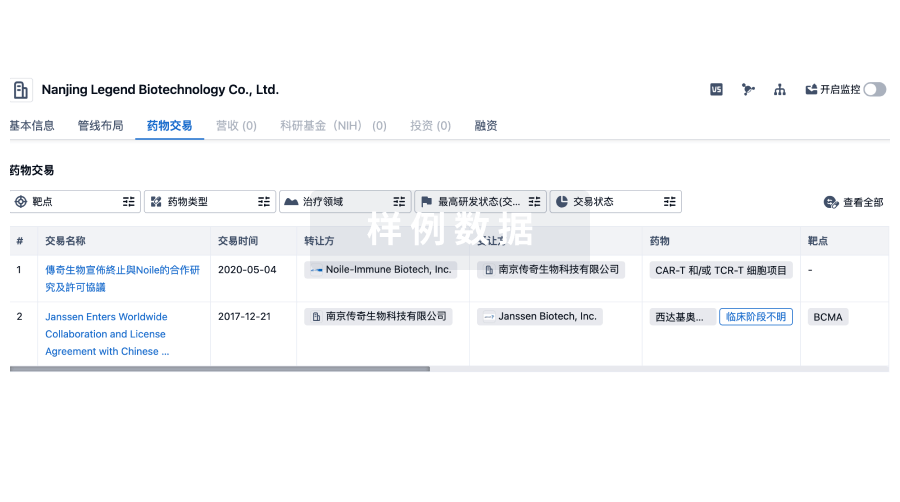
100 项与 博奥信生物技术(南京)有限公司 相关的药物交易
登录后查看更多信息
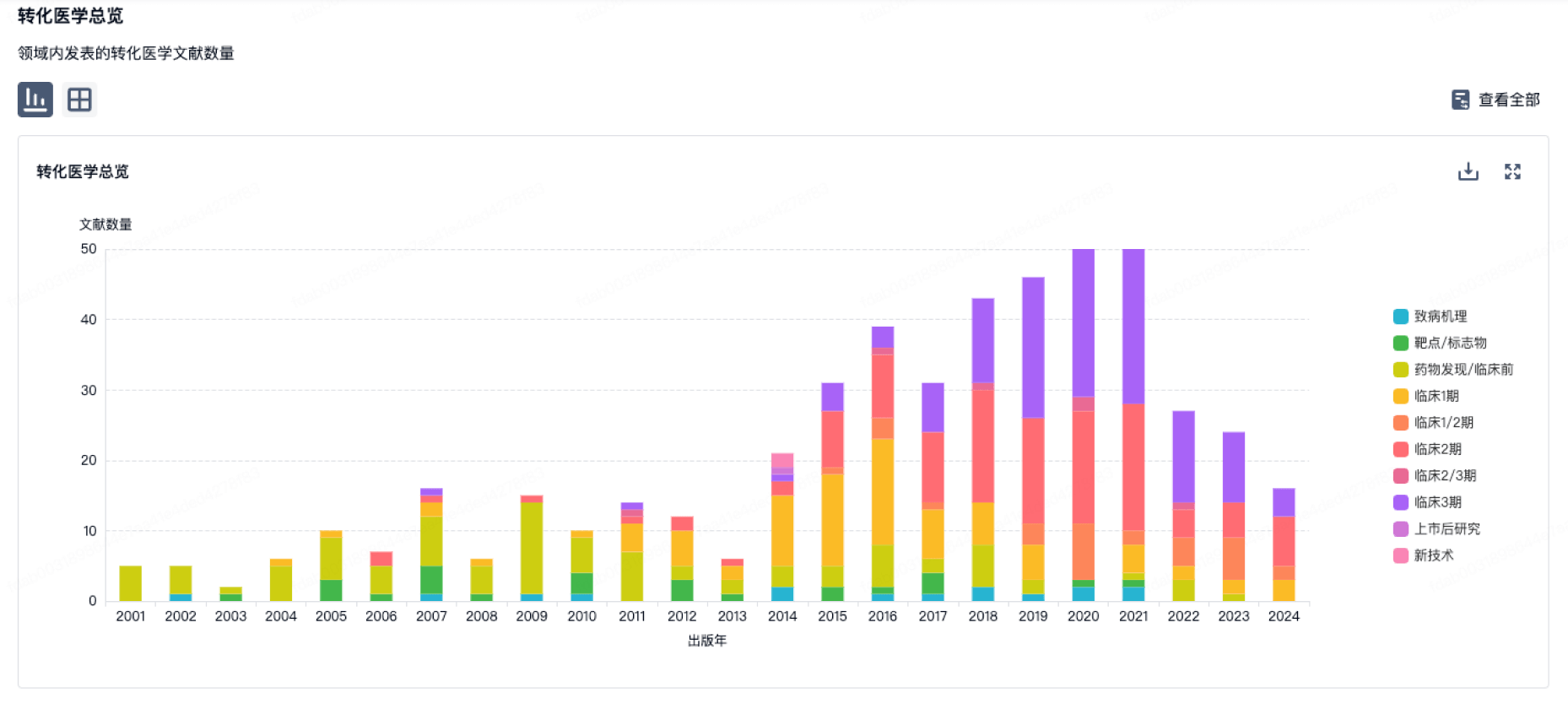
100 项与 博奥信生物技术(南京)有限公司 相关的转化医学
登录后查看更多信息
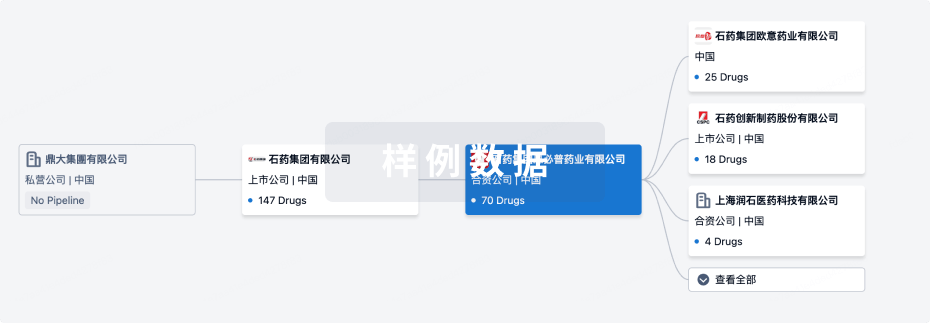
组织架构
使用我们的机构树数据加速您的研究。
登录
或
管线布局
2026年10月18日管线快照
管线布局中药物为当前组织机构及其子机构作为药物机构进行统计,早期临床1期并入临床1期,临床1/2期并入临床2期,临床2/3期并入临床3期
药物发现
2
22
临床前
临床申请
1
1
临床申请批准
临床1期
2
1
临床2期
其他
31
登录后查看更多信息
药物交易
使用我们的药物交易数据加速您的研究。
登录
或
转化医学
使用我们的转化医学数据加速您的研究。
登录
或
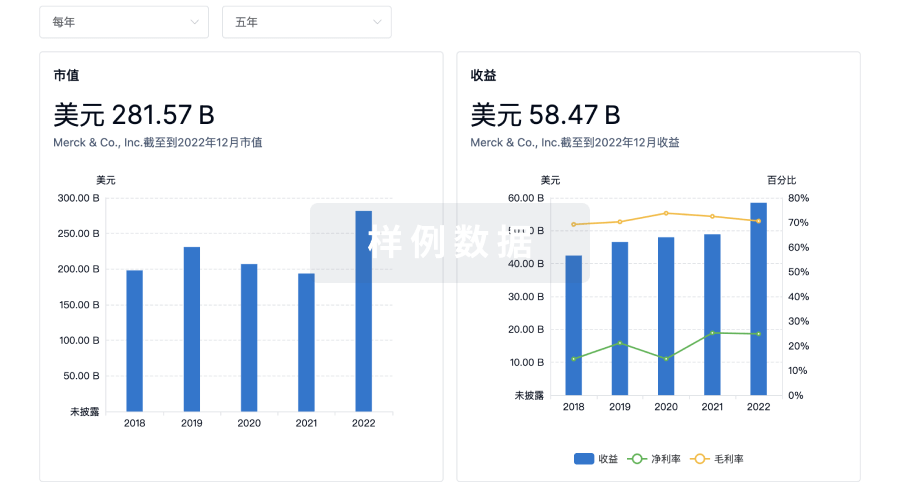
营收
使用 Synapse 探索超过 36 万个组织的财务状况。
登录
或
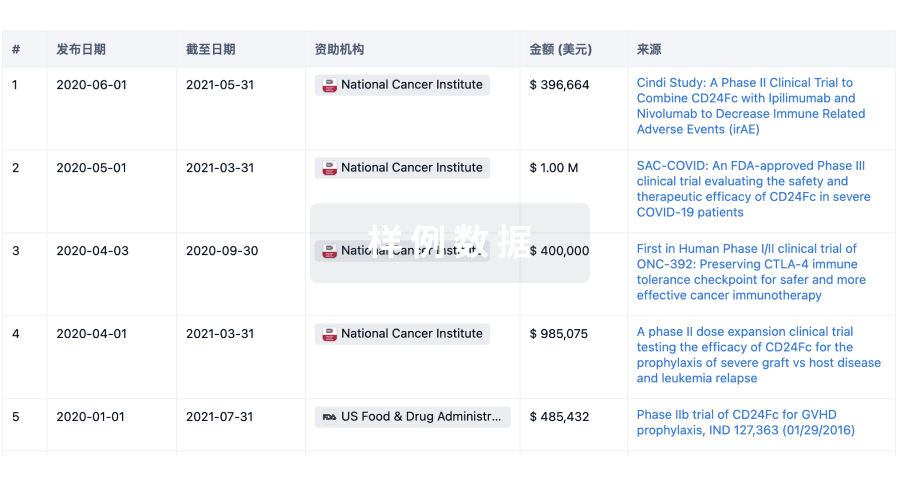
科研基金(NIH)
访问超过 200 万项资助和基金信息,以提升您的研究之旅。
登录
或
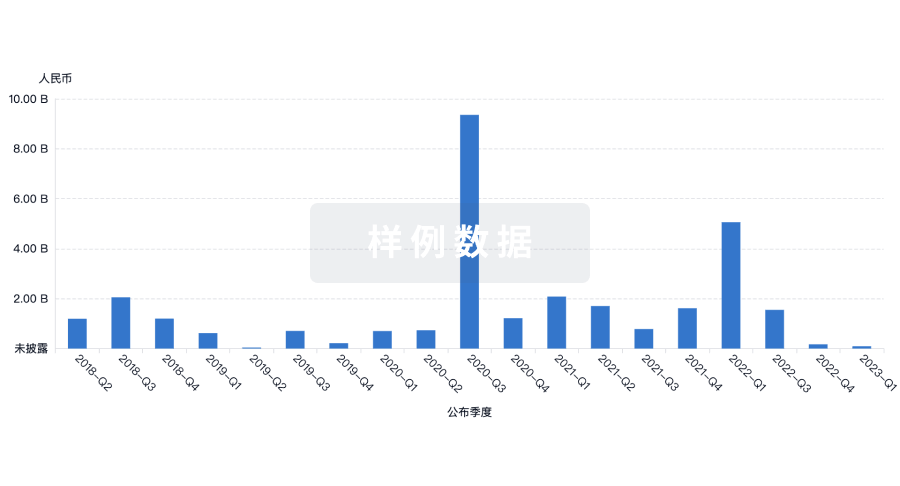
投资
深入了解从初创企业到成熟企业的最新公司投资动态。
登录
或
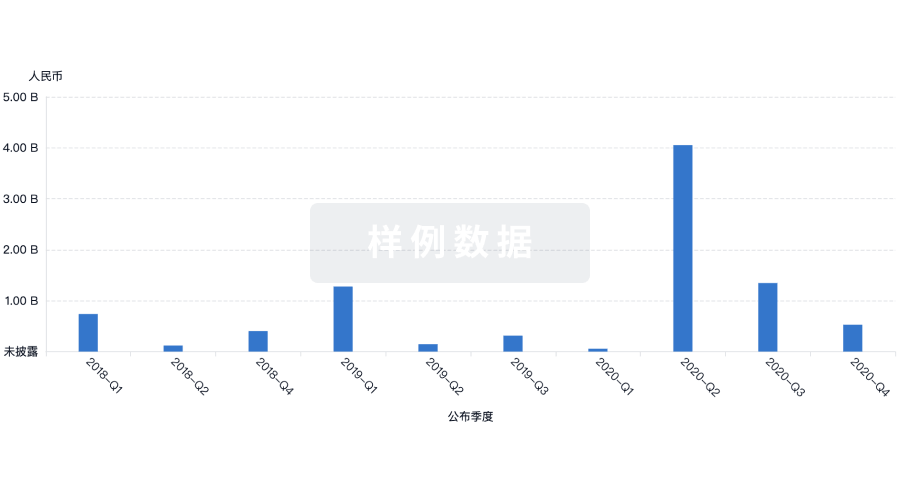
融资
发掘融资趋势以验证和推进您的投资机会。
登录
或
提出任何生物医药研究问题
让每一步生物医药决策都精准制胜
基于十亿级生物数据与全球情报的精准 AI,赋能早期药物发现
立即开始免费试用!
智慧芽新药情报库是智慧芽专为生命科学人士构建的基于AI的创新药情报平台,助您全方位提升您的研发与决策效率。
立即接入生物医药数据包
智慧芽新药库数据也通过智慧芽开放平台,以MCP或API服务形式对外开放。立即使用我们的MCP服务定制您的LLM智能体。
生物序列数据库
生物药研发创新
免费使用
化学结构数据库
小分子化药研发创新
免费使用