预约演示
更新于:2026-09-30

China State Institute of Pharmaceutical Industry
更新于:2026-09-30
概览
标签
其他疾病
内分泌与代谢疾病
肿瘤
小分子化药
合成多肽
中药
疾病领域得分
一眼洞穿机构专注的疾病领域

技术平台
公司药物应用最多的技术
靶点
公司最常开发的靶点
关联
靶点 |
作用机制 |
在研机构 |
原研机构 |
在研适应症 |
非在研适应症 |
最高研发阶段 |
首次获批国家/地区 |
首次获批日期 |
靶点 |
作用机制 |
在研机构 |
原研机构 |
在研适应症 |
非在研适应症 |
最高研发阶段 |
首次获批国家/地区 |
首次获批日期 |

靶点 |
作用机制 |
在研机构 |
原研机构 |
在研适应症 |
非在研适应症 |
最高研发阶段 |
首次获批国家/地区 |
首次获批日期 |

CTR20262115
米氮平片在健康参与者中的生物等效性试验

CTR20262258
青霉素V钾片在健康研究参与者中的生物等效性研究

CTR20261913
琥珀酸美托洛尔缓释胶囊在健康研究参与者中的随机、开放、单次给药、两制剂、两周期、自身交叉及餐后药代动力学研究
100 项与 中国医药工业研究总院有限公司 相关的临床结果
登录后查看更多信息
登录后查看更多信息
2026-06-01BIOORGANIC & MEDICINAL CHEMISTRY
Design, synthesis and evaluation of trofinetide prodrug based on diketopiperazine strategy
Article
作者: Bian, Jing ; Feng, Jun ; Lu, Jianguang ; Guo, Chen ; Xu, Zhiru ; Dong, Yuanzhen ; Feng, Xue ; Luo, Tao ; Peng, Wenjing
Trofinetide is the only drug approved worldwide for the treatment of Rett syndrome, a rare pediatric disease. However, its extremely short half-life, large oral dose, high incidence of gastrointestinal adverse reactions, and consequently high treatment costs pose formidable clinical and economic challenges. To address these issues, we employed a diketopiperazine strategy to design a novel class of trofinetide prodrugs, aiming to alter the administration route and optimize its pharmacokinetic properties. Through the determination of solubility and in vitro conversion half-life, and based on the established screening criteria, TFD 10 was selected from the series of qualified compounds as a representative for pharmacokinetic evaluation. TFD 10 exhibited efficient conversion to trofinetide both in vitro and in vivo. Compared to oral administration of trofinetide, subcutaneous injection of TFD 10 markedly prolonged the half-life (6-fold) and substantially increased systemic exposure (40-fold), successfully achieving the design objectives. This study validates the feasibility of this strategy, and TFD 10, as a proof-of-concept lead compound, demonstrates significant potential for further development.
2026-05-01Redox Biology
ACOD1-itaconate in macrophage attenuates oxidative stress and inflammation in benign airway stenosis by upregulating and transferring FTH1
Article
作者: Xu, ZhiRu ; Shi, Yue ; Xu, ChengFei ; Zhang, YiFei ; Yang, ChengCheng ; Shi, DongChen ; Zong, Zhe ; Luo, Tao ; Wang, XiaoMin ; Shi, Hui ; Huang, HaiDong ; Bai, Chong ; Dong, YuChao ; Guo, XinYi ; Han, ChaoFeng ; Chen, YiLin
The oxidative stress of macrophage plays pivotal roles of acute and chronic inflammation and chronic fibrotic phases, in which the metabolic mechanism needs to be further explored. In our research, multi-omics analyses of human and murine during Benign airway stenosis (BAS) biopsy identified ACOD1 as a hallmark of immunometabolic regulation during acute inflammation stage. ACOD1 knockout aggravated both acute and chronic inflammation, which increased the granulation tissue formation. The ACOD1-itaconate axis, along with its derivative, 4-octyl itaconate (4-OI), orchestrated acute and chronic inflammation, which attenuated the fibrosis of BAS. 4-OI upregulated FTH1 expression in macrophages by activating NRF2, which effectively suppressed oxidative stress and acute inflammation. Furthermore, 4-OI promoted the packaging of FTH1 into macrophage-derived exosomes, which were transferred to fibroblasts in a SCARA5-dependent manner, inducing fibroblast ferroptosis and alleviating chronic fibrosis. In sum, this study illustrates that the ACOD1-itaconate metabolic axis decreases oxidative stress and inflammation in macrophage, which attenuates fibrosis by inducing FTH1 transfer, offering a therapeutic target for fibrotic airway diseases.
2026-04-30Pharmaceuticals
ComTarget: Small-Molecule Target Prediction with Combinatorial Modeling.
Article
作者: Yeerken, Dilixiati ; Jin, Huizi ; Shi, Qingyi ; Li, Yuzhu ; Sun, Qingyan ; Lu, Xingjie ; Yang, Daiju
Background: Identifying potential targets for bioactive compounds is crucial for elucidating the mechanisms of action and drug development. Methods: This study presents ComTarget, a computational tool that integrates 3D molecular shape similarity analysis (based on combined 3D descriptors, C3DD) with reverse docking to predict protein targets for small molecules. ComTarget screens against a library of 4429 unique protein targets derived from 26,272 PDB complexes. Results: Validation on benchmark datasets (DEKOIS 2.0 and DUDE-Z) demonstrated that the C3DD molecular similarity calculation method effectively enriches active ligands by capturing critical 3D shape information not evident from chemical topology alone. It outperformed conventional 2D fingerprint methods and offered a favorable balance between shape sensitivity and computational efficiency, serving as a rapid pre-screening filter within the integrated workflow. For FDA-approved drugs (e.g., Imatinib, Aspirin) and natural products (e.g., Berberine). ComTarget identified targets consistent with reported therapeutic targets or putative off-targets in the literature, while also revealing potential targets aligned with the compounds' pharmacological mechanisms. Conclusions: As a local program, ComTarget offers flexibility in computational resources customization and is freely available for polypharmacology studies, drug repurposing, and adverse reaction prediction.
2026-09-29
·微信
100 项与 中国医药工业研究总院有限公司 相关的药物交易
登录后查看更多信息
100 项与 中国医药工业研究总院有限公司 相关的转化医学
登录后查看更多信息
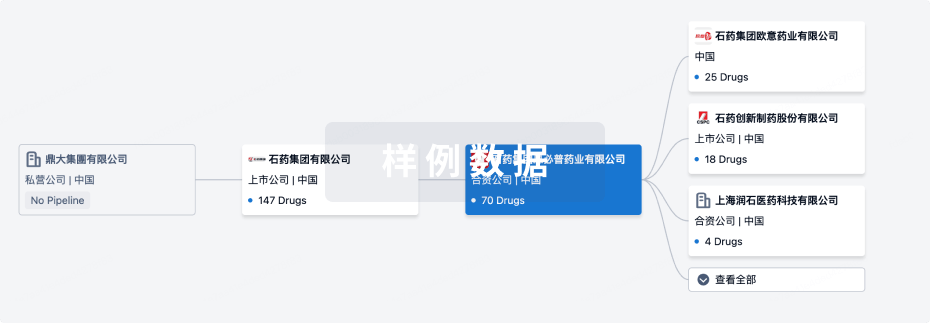
组织架构
使用我们的机构树数据加速您的研究。
登录
或
管线布局
2026年10月10日管线快照
管线布局中药物为当前组织机构及其子机构作为药物机构进行统计,早期临床1期并入临床1期,临床1/2期并入临床2期,临床2/3期并入临床3期
药物发现
13
21
临床前
临床申请
1
1
临床申请批准
临床1期
11
6
临床2期
临床3期
1
16
批准上市
其他
35
登录后查看更多信息
当前项目
登录后查看更多信息
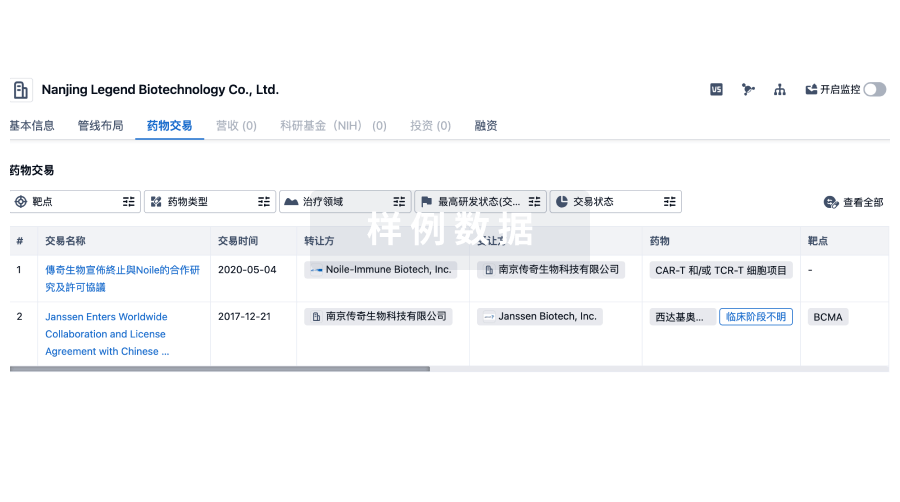
药物交易
使用我们的药物交易数据加速您的研究。
登录
或
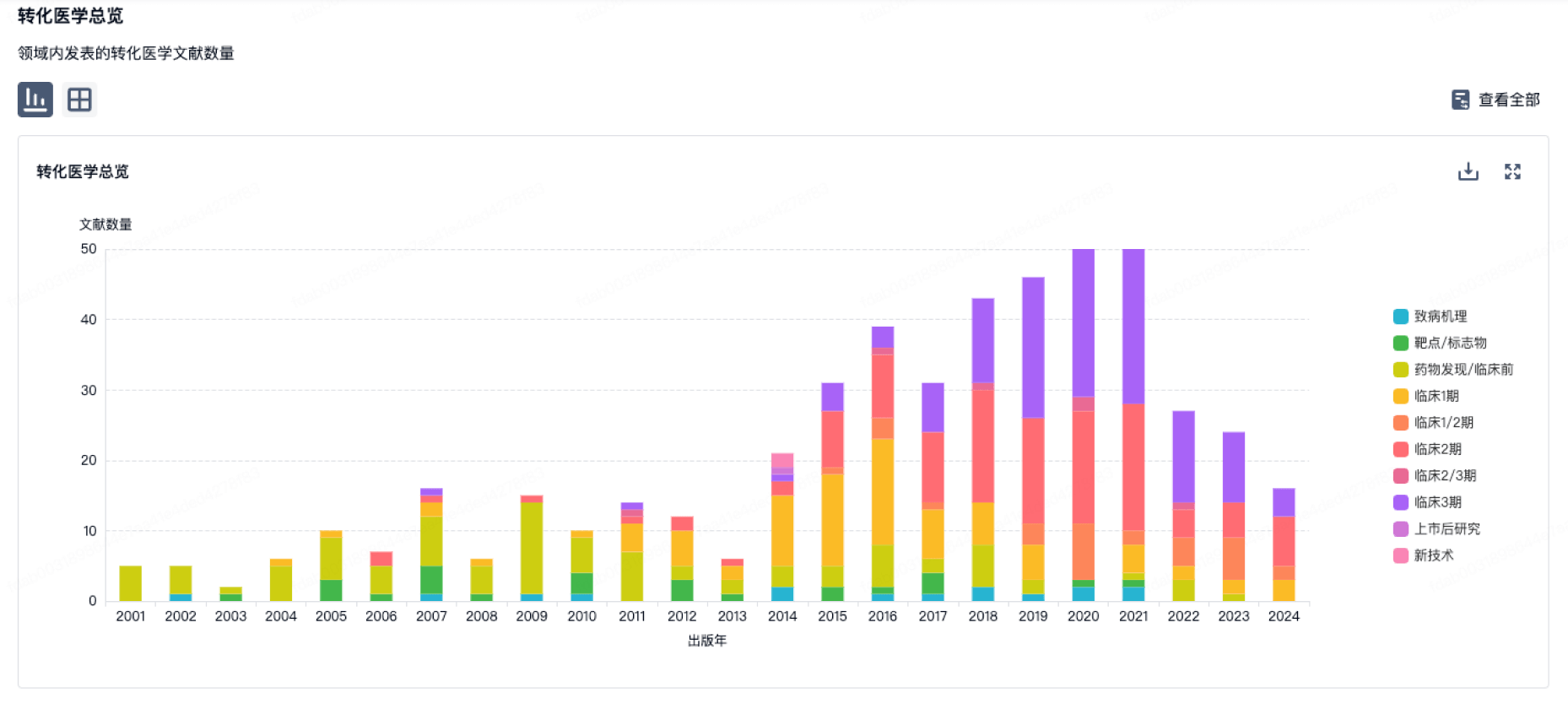
转化医学
使用我们的转化医学数据加速您的研究。
登录
或
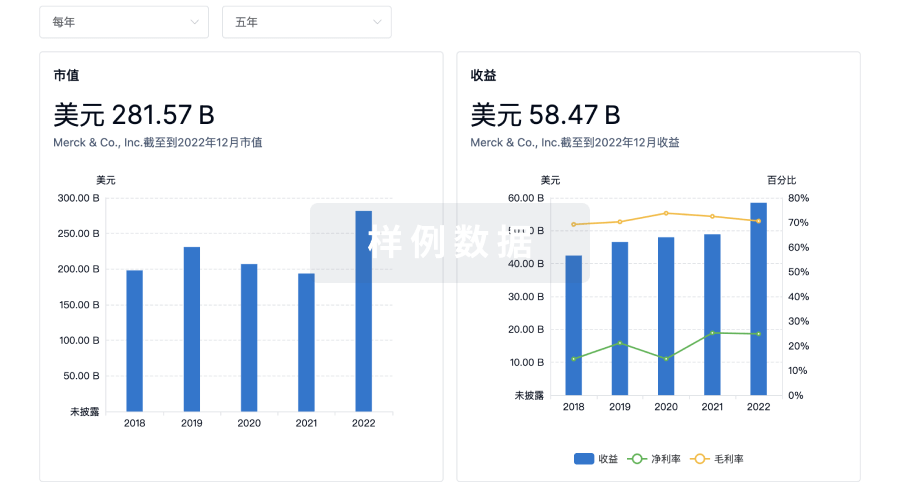
营收
使用 Synapse 探索超过 36 万个组织的财务状况。
登录
或
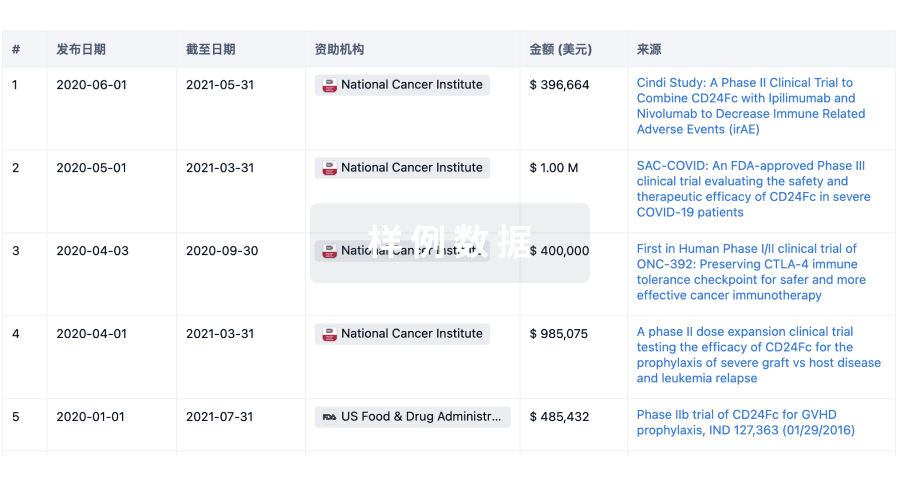
科研基金(NIH)
访问超过 200 万项资助和基金信息,以提升您的研究之旅。
登录
或
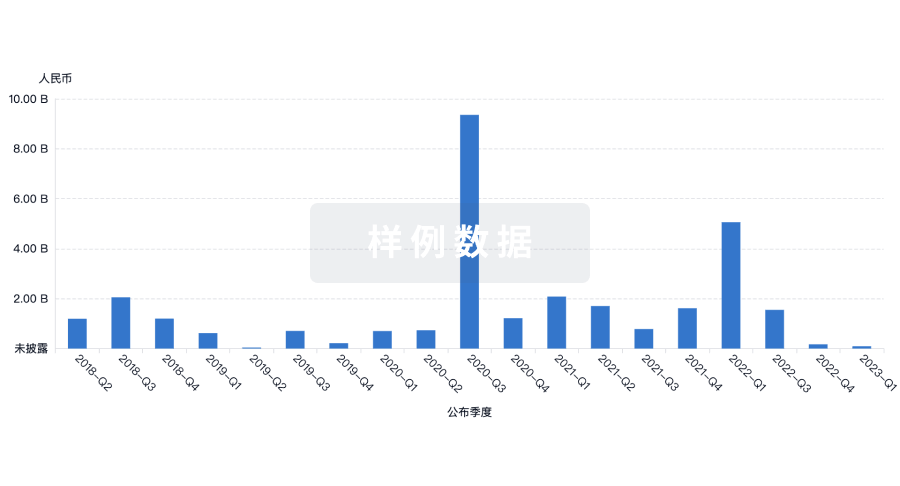
投资
深入了解从初创企业到成熟企业的最新公司投资动态。
登录
或
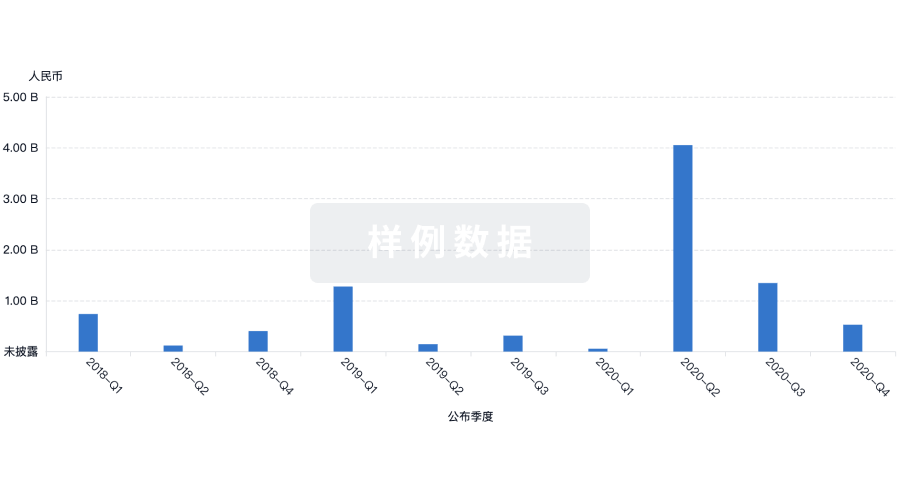
融资
发掘融资趋势以验证和推进您的投资机会。
登录
或
提出任何生物医药研究问题
让每一步生物医药决策都精准制胜
基于十亿级生物数据与全球情报的精准 AI,赋能早期药物发现
立即开始免费试用!
智慧芽新药情报库是智慧芽专为生命科学人士构建的基于AI的创新药情报平台,助您全方位提升您的研发与决策效率。
立即接入生物医药数据包
智慧芽新药库数据也通过智慧芽开放平台,以MCP或API服务形式对外开放。立即使用我们的MCP服务定制您的LLM智能体。
生物序列数据库
生物药研发创新
免费使用
化学结构数据库
小分子化药研发创新
免费使用