预约演示
更新于:2026-05-10

Hangzhou Tigermed Consulting Co., Ltd.
更新于:2026-05-10
概览
标签
心血管疾病
口颌疾病
血液及淋巴系统疾病
小分子化药
聚合物
疾病领域得分
一眼洞穿机构专注的疾病领域

技术平台
公司药物应用最多的技术
靶点
公司最常开发的靶点
关联
靶点 |
作用机制 |
在研机构 |
原研机构 |
在研适应症 |
非在研适应症 |
最高研发阶段 |
首次获批国家/地区 |
首次获批日期 |
靶点 |
作用机制 |
在研机构 |
原研机构 |
在研适应症 |
非在研适应症 |
最高研发阶段 |
首次获批国家/地区 |
首次获批日期 |
靶点 |
作用机制 |
在研机构 |
原研机构 |
在研适应症 |
非在研适应症 |
最高研发阶段 |
首次获批国家/地区 |
首次获批日期 |
NCT07370909
A Multi-center, Randomized, Double Blind, Placebo-controlled Phase III Study to Evaluate the Efficacy and Safety of LW402 Tablets in Patients With Moderate-to-severe Atopic Dermatitis.

NCT07568678
A Phase 1, Randomized, Placebo-Controlled, Double-Blind, Multiple- Dose Escalation Study to Evaluate the Safety, Tolerability, Pharmacokinetics and Pharmacodynamics of HMS1005 in Participants With Type 2 Diabetes

JPRN-UMIN000059834
A Study on Pulmonary Function Using a Smartphone Application - A Study on Pulmonary Function Using a Smartphone Application

100 项与 杭州泰格医药科技股份有限公司 相关的临床结果
登录后查看更多信息
登录后查看更多信息
2026-04-01CHEMISTRY AND PHYSICS OF LIPIDS
Lipid-based nanocarriers for antiviral drug delivery: A review of the advances, manufacturing technologies, therapeutic mechanisms, and clinical applications
Review
作者: Oswal, Krishil ; Maithania, Heena ; Varghese, Ryan ; Tiwary, Pooja
BACKGROUND:
The persistent global burden of viral infections, compounded by the emergence of resistance and suboptimal therapeutic efficacy, underscores the urgency for innovative treatment strategies. Recent viral outbreaks such as COVID-19, Human metapneumovirus (HMPV), Zika, Ebola, Nipah, and various influenza viral strains have highlighted the limitations of conventional antivirals. This necessitates the need for targeted, adaptable, and innovative drug delivery platforms. In light of this, LNCs have emerged as versatile systems capable of enhancing drug stability, biodistribution, and cellular uptake. With their tunable architecture and ability to encapsulate diverse antiviral agents, these nanocarriers offer a promising avenue to overcome pharmacological barriers, improve therapeutic efficacy, and enable effective intervention against both established and emerging viral pathogens.
METHOD:
To gather supporting evidence, publications were identified on Google Scholar, PubMed, and ScienceDirect with specific search terms such as "antivirals", "drug loading", "encapsulation efficiency", "lipid nanocarriers", "liposomes", "solid lipid nanoparticles (SLNs)", "nanostructured lipid carriers (NLCs)", "cubosomes", "virus", "viral disease", and "resistance". We did not impose any restrictions on the publication date during the selection of papers. However, it is imperative to highlight that the initial reports containing specified keywords began publication in 1964; it is noteworthy that a majority of these publications were 2000 or beyond.
CONCLUSION:
LNCs, including SLNs, NLCs, liposomes, and cubosomes, etc, demonstrated improved antiviral efficacy by enhancing drug stability, targeted delivery, and bioavailability. Several formulations showed superior pharmacokinetics and reduced toxicity compared to conventional therapies. Additionally, in vivo studies supported enhanced lymphatic uptake and therapeutic outcomes across multiple viral models. Despite notable progress, challenges in scalability, stability, and regulatory compliance limit their clinical translation. Hence, techniques such as microfluidics and other continuous manufacturing approaches improve reproducibility and process control. Moreover, artificial intelligence is revolutionizing LNC development by enabling rapid optimization, in silico prediction of pharmacokinetics, and real-time quality monitoring. Incorporating AI-enabled quality-by-design frameworks with state-of-the-art analytics may streamline regulatory approval. Moving forward, translating LNC technologies from bench to bedside will require scalable production methods, standardized characterization, and regulatory alignment.
2026-02-01CURRENT PHARMACEUTICAL BIOTECHNOLOGY
Niosomal Encapsulation of Anti-cancer Peptides: A Revolutio nary Strategy in Cancer Therapy
Article
作者: Patel, Mehul ; Patel, Bhaveshkumar A. ; Borra, Ramakrishna ; Vashi, Ankur
Cancer treatment has evolved significantly over the years, incorporating a range of
modalities including surgery, radiation, chemotherapy, and immunotherapy. However, challenges
such as drug resistance, systemic toxicity, and poor targeting necessitate innovative approaches.
Peptides have gained attention in cancer therapy due to their specificity, potency, and
ability to modulate various biological pathways. Peptide-based drugs can act as hormones, enzyme
inhibitors, or targeting ligands, contributing to their versatile role in cancer treatment.
However, peptides face several challenges, including instability, rapid degradation, and poor
bioavailability. One promising strategy is the use of niosomal delivery systems for peptidebased
therapies. Niosomes, which resemble liposomes in structure, are vesicles based on nonionic
surfactants. They are composed of a bilayer created through the self-assembly of non-ionic
surfactants in water, enabling them to encapsulate hydrophilic, lipophilic, and amphiphilic
drugs. Their unique properties, such as biocompatibility, biodegradability, and ability to encapsulate
diverse therapeutic agents, make them suitable for drug delivery applications. This review
aims to explore how the niosomal preparation of peptides can revolutionize oncology drugs by
overcoming critical challenges like drug resistance, systemic toxicity, poor targeting, instability,
rapid degradation, and low bioavailability. This review aims to explore how niosomes can specifically
address key limitations in cancer therapy, including targeting, bioavailability, and stability
of peptide-based drugs. By consolidating recent advancements, the review sheds light on
how niosomal encapsulation can overcome barriers in cancer treatment and improve therapeutic
outcomes for patients.
2025-08-01TOXICOLOGY IN VITRO
In vitro metabolic clearance of malathion in rats and humans
Article
作者: Shen, Li ; Nallani, Gopinath ; Kassahun, Kelem ; Reiss, Rick ; Whatling, Paul ; Chandrasekaran, Appavu
In vitro intrinsic clearance of malathion was determined in adult and juvenile rat and human liver microsomes. Due to rapid elimination with no detectable levels of the parent, clearance rates of malathion were calculated from formation kinetics of its metabolites: malathion monocarboxylic acid (MMCA) and malaoxon. To correlate in vitro data to in vivo exposure, pharmacokinetics (PK) study was performed in adult rats following a single i.v. (10 mg/kg bw) or oral dose (150 mg/kg bw). The in vitro kinetics data indicate that the metabolic clearance of malathion via formation of MMCA was at the same rate in adult and juvenile human liver microsomes (HLM), but in rat liver microsomes (RLM) the rate was about 10-fold higher in adults compared to juveniles. The rate of formation of malaoxon among the two species and age groups was within 3.5-fold difference. The formation kinetics of malaoxon represented <0.5 % of that observed for MMCA in both rats and humans. As seen in the in vitro results, following i.v. or oral dosing in rats, malathion was not detectable with MMCA being the major metabolite. The kinetics data from this study were useful for the development of a PBPK model for malathion.
100 项与 杭州泰格医药科技股份有限公司 相关的药物交易
登录后查看更多信息
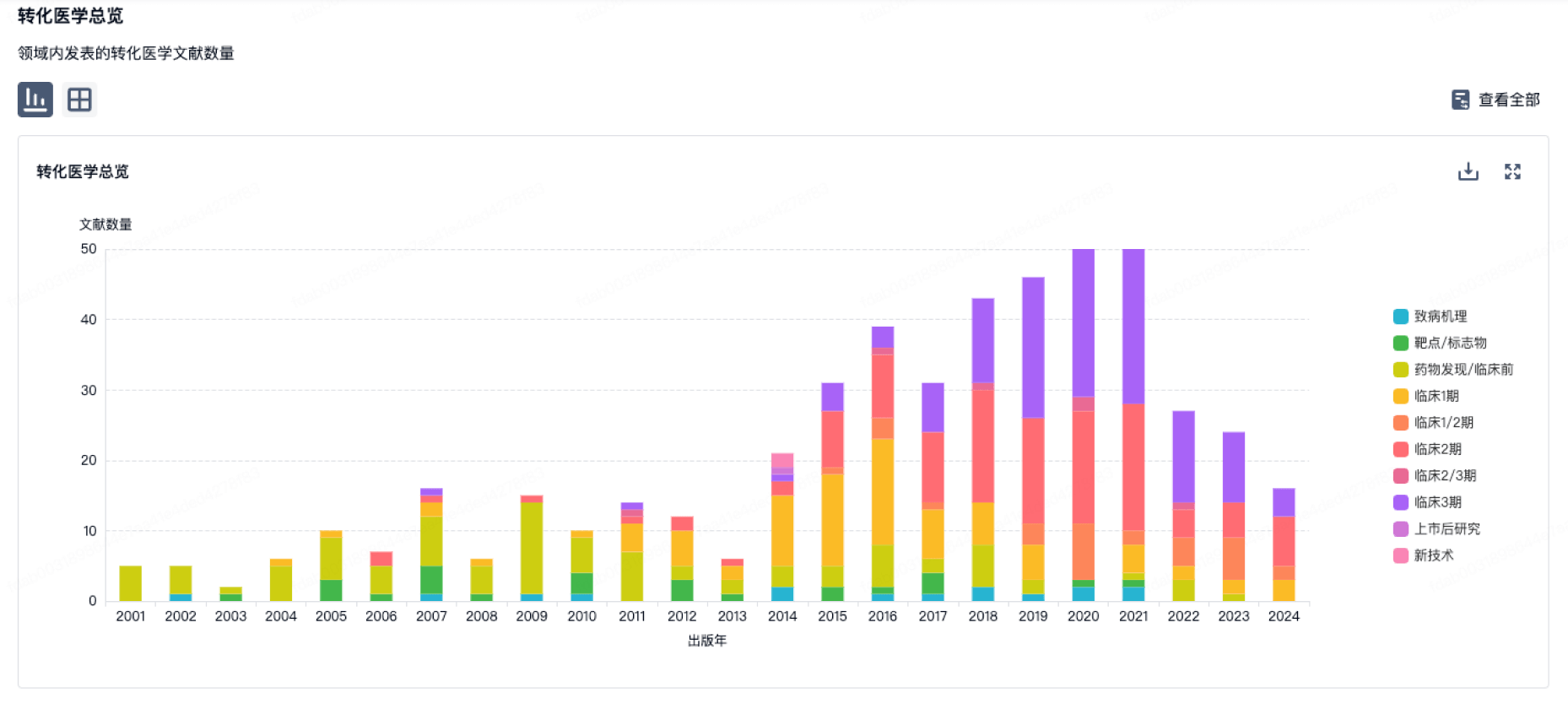
100 项与 杭州泰格医药科技股份有限公司 相关的转化医学
登录后查看更多信息
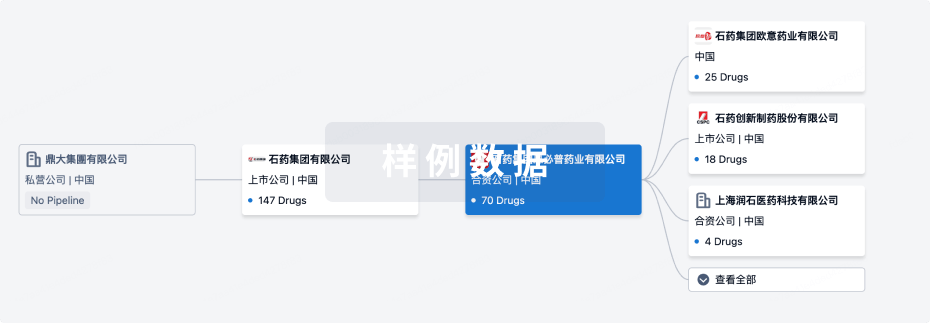
组织架构
使用我们的机构树数据加速您的研究。
登录
或
管线布局
2026年10月09日管线快照
管线布局中药物为当前组织机构及其子机构作为药物机构进行统计,早期临床1期并入临床1期,临床1/2期并入临床2期,临床2/3期并入临床3期
药物发现
1
1
临床前
临床1期
1
2
临床2期
临床3期
1
3
批准上市
其他
3
登录后查看更多信息
当前项目
登录后查看更多信息
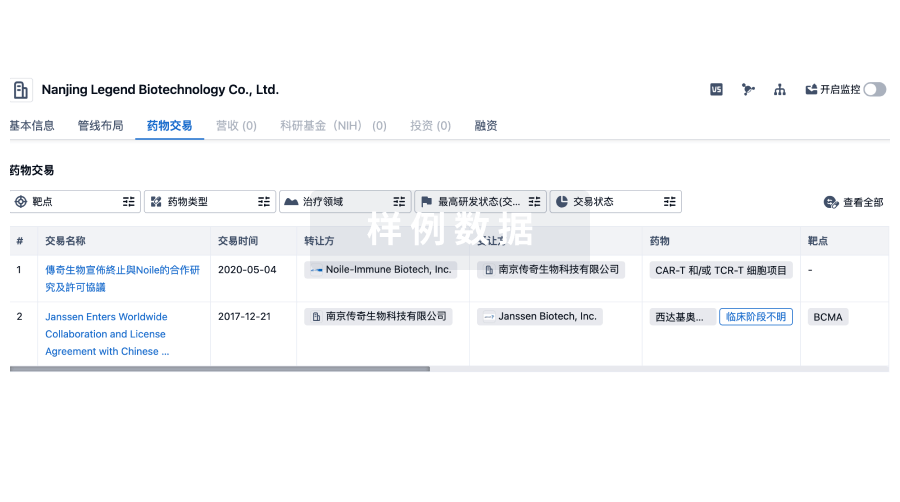
药物交易
使用我们的药物交易数据加速您的研究。
登录
或
转化医学
使用我们的转化医学数据加速您的研究。
登录
或
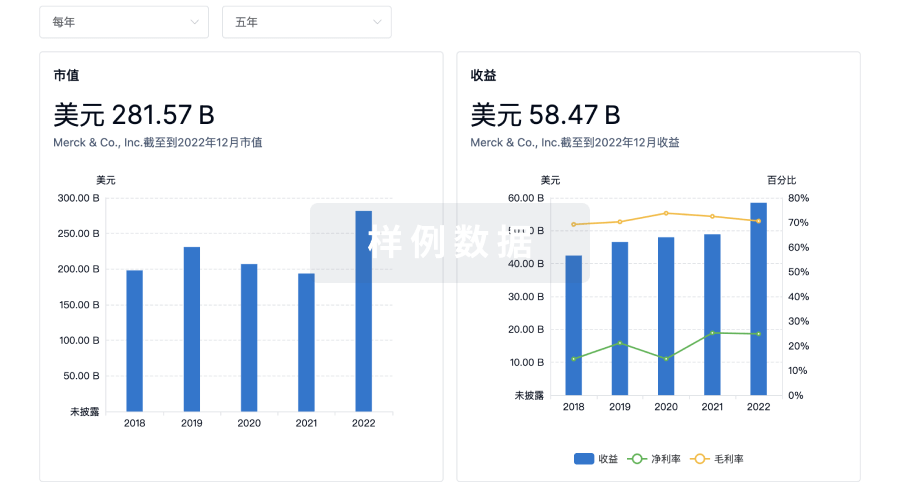
营收
使用 Synapse 探索超过 36 万个组织的财务状况。
登录
或
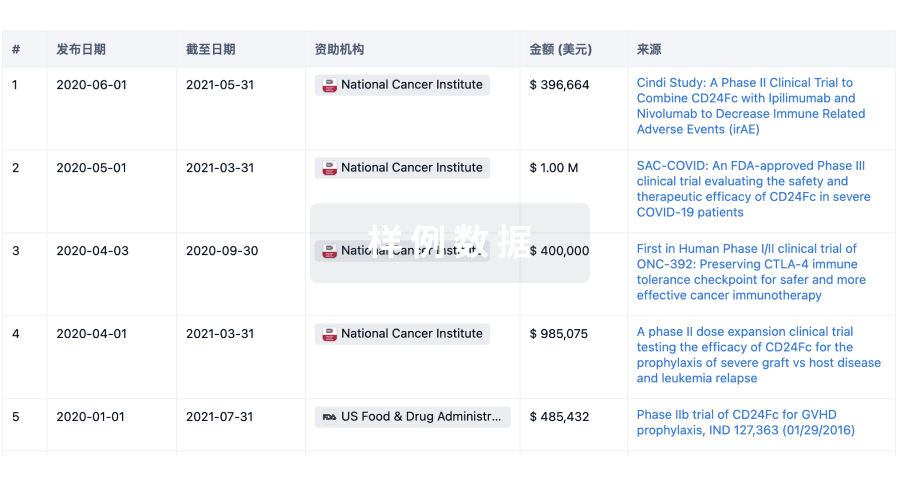
科研基金(NIH)
访问超过 200 万项资助和基金信息,以提升您的研究之旅。
登录
或
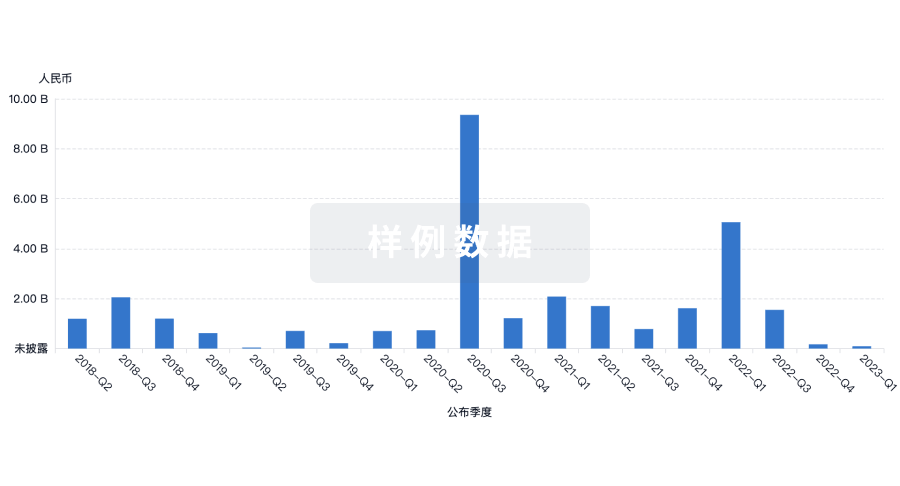
投资
深入了解从初创企业到成熟企业的最新公司投资动态。
登录
或
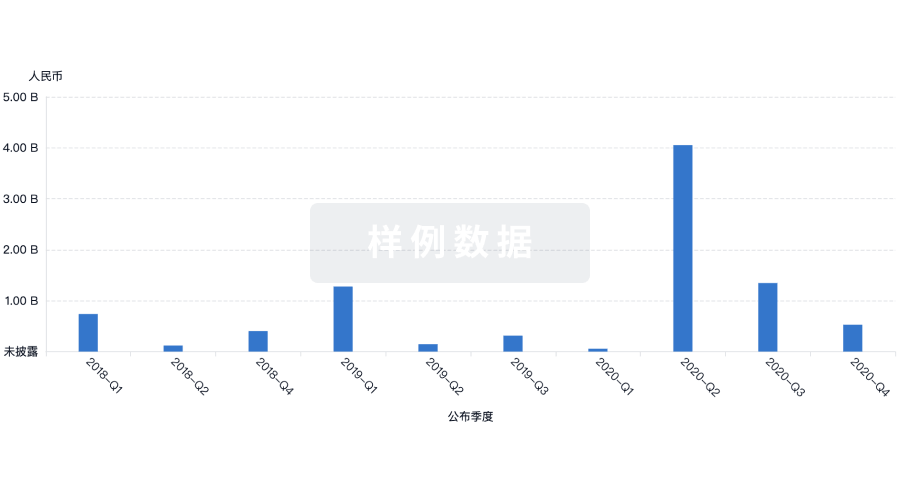
融资
发掘融资趋势以验证和推进您的投资机会。
登录
或
提出任何生物医药研究问题
让每一步生物医药决策都精准制胜
基于十亿级生物数据与全球情报的精准 AI,赋能早期药物发现
立即开始免费试用!
智慧芽新药情报库是智慧芽专为生命科学人士构建的基于AI的创新药情报平台,助您全方位提升您的研发与决策效率。
立即接入生物医药数据包
智慧芽新药库数据也通过智慧芽开放平台,以MCP或API服务形式对外开放。立即使用我们的MCP服务定制您的LLM智能体。
生物序列数据库
生物药研发创新
免费使用
化学结构数据库
小分子化药研发创新
免费使用