预约演示
更新于:2025-05-07
Takeda America Holdings, Inc.
子公司|1997|New York, United States
子公司|1997|New York, United States
更新于:2025-05-07
概览
标签
其他疾病
泌尿生殖系统疾病
肿瘤
小分子化药
治疗性疫苗
单克隆抗体
疾病领域得分
一眼洞穿机构专注的疾病领域

技术平台
公司药物应用最多的技术
靶点
公司最常开发的靶点
关联
靶点 |
作用机制 |
在研机构 |
原研机构 |
在研适应症 |
非在研适应症 |
最高研发阶段 |
首次获批国家/地区 |
首次获批日期 |

靶点 |
作用机制 |
在研机构 |
原研机构 |
在研适应症 |
非在研适应症 |
最高研发阶段 |
首次获批国家/地区 |
首次获批日期 |

靶点 |
作用机制 |
在研机构 |
原研机构 |
在研适应症 |
非在研适应症 |
最高研发阶段 |
首次获批国家/地区 |
首次获批日期 |


NCT03783416
Safety of Ixazomib Targeting Plasma Cells in Multiple Sclerosis: A Phase 1b Randomised, Double-blind, Placebo-controlled Trial.

NCT03965624
A Prospective Open-label Trial to Assess the Efficacy and Safety of Ixazomib and Dexamethasone in Patients With Refractory Autoimmune Cytopenia

NCT03648489
An International Multi-centre Randomised Phase II Study to Assess the Efficacy of TAK228 in Combination With Intravenous Weekly Paclitaxel Compared With Weekly Paclitaxel Alone in Women With Advanced/Recurrent Epithelial Ovarian, Fallopian Tube or Primary Peritoneal Cancer (of Clear Cell, Endometrioid and High Grade Serous Type, and Carcinosarcoma)

100 项与 Takeda America Holdings, Inc. 相关的临床结果
登录后查看更多信息
登录后查看更多信息
2025-02-01Clinical Gastroenterology and Hepatology
Mucosal Healing With Vedolizumab in Patients With Chronic Pouchitis: EARNEST, a Randomized, Double-Blind, Placebo-Controlled Trial
Article
作者: Hart, Ailsa ; Danese, Silvio ; Lindner, Dirk ; Travis, Simon ; Feagan, Brian G ; Löwenberg, Mark ; Jairath, Vipul ; Escher, Armella ; Shen, Bo ; Ferrante, Marc ; Jones, Stephen ; Bressler, Brian ; Gionchetti, Paolo ; Silverberg, Mark S
2025-02-01Journal of Pharmaceutical Sciences
A cross-species assessment of in silico prediction methods of steady-state volume of distribution using Simcyp simulators
Article
作者: Dixit, Vaishali ; Neuhoff, Sibylle ; Fang, Ma ; Musther, Helen ; Shah, Kushal ; Pade, Devendra ; Ning, Miaoran
2024-12-01Alzheimer's & Dementia
Head‐to‐head evaluation of leading blood tests for amyloid pathology
作者: Tosun, Duygu ; Saef, Benjamin A. ; Triana‐Baltzer, Gallen ; Saad, Ziad S. ; Li, Yan ; Potter, William Z. ; Rosenbaugh, Erin G. ; Petersen, Kellen K. ; Bannon, Anthony W. ; Shaw, Leslie M. ; Schindler, Suzanne E. ; Baratta, Michael
100 项与 Takeda America Holdings, Inc. 相关的药物交易
登录后查看更多信息
100 项与 Takeda America Holdings, Inc. 相关的转化医学
登录后查看更多信息
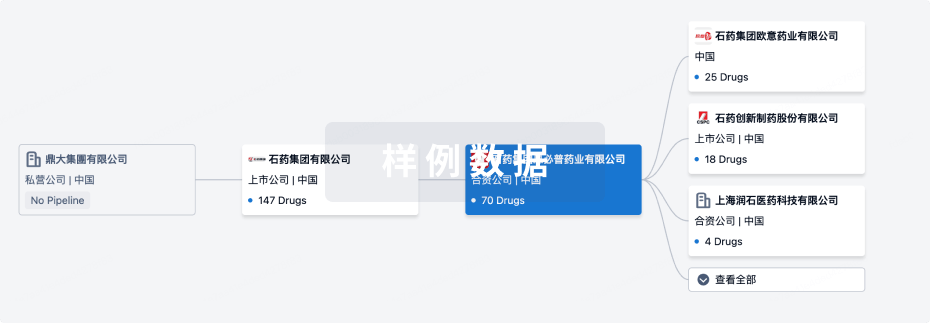
组织架构
使用我们的机构树数据加速您的研究。
登录
或
管线布局
2026年02月09日管线快照
管线布局中药物为当前组织机构及其子机构作为药物机构进行统计,早期临床1期并入临床1期,临床1/2期并入临床2期,临床2/3期并入临床3期
临床前
1
1
临床1期
临床2期
2
2
批准上市
其他
25
登录后查看更多信息
当前项目
登录后查看更多信息
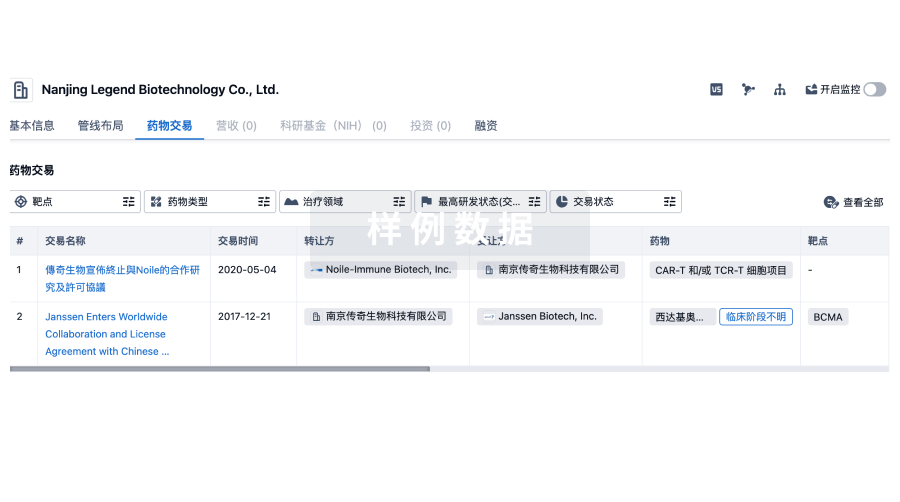
药物交易
使用我们的药物交易数据加速您的研究。
登录
或
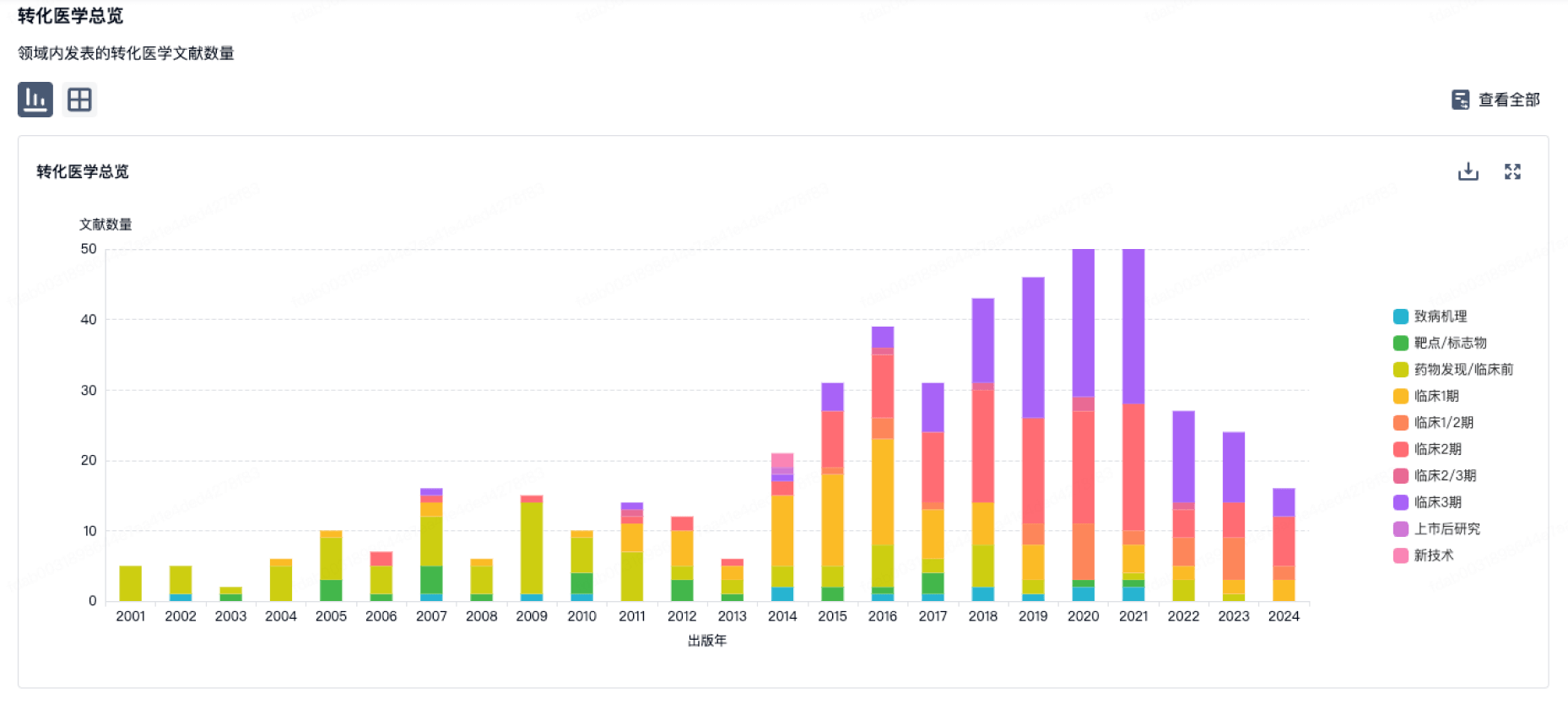
转化医学
使用我们的转化医学数据加速您的研究。
登录
或
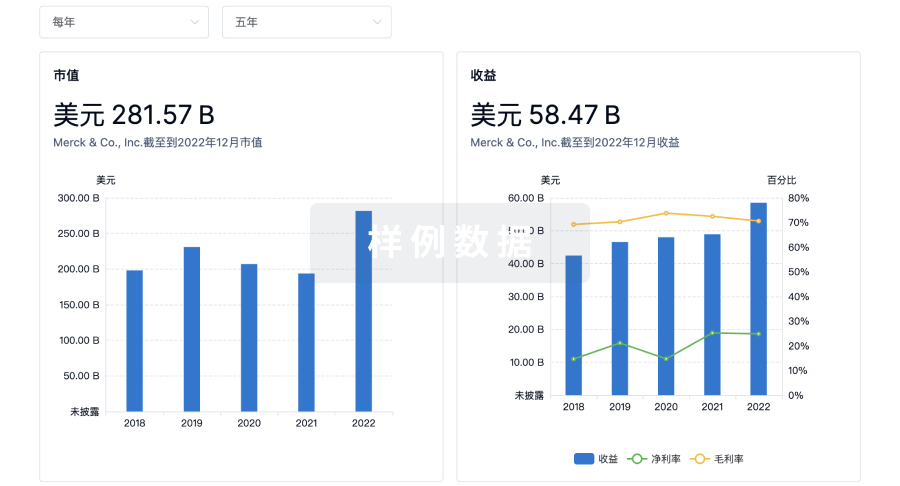
营收
使用 Synapse 探索超过 36 万个组织的财务状况。
登录
或
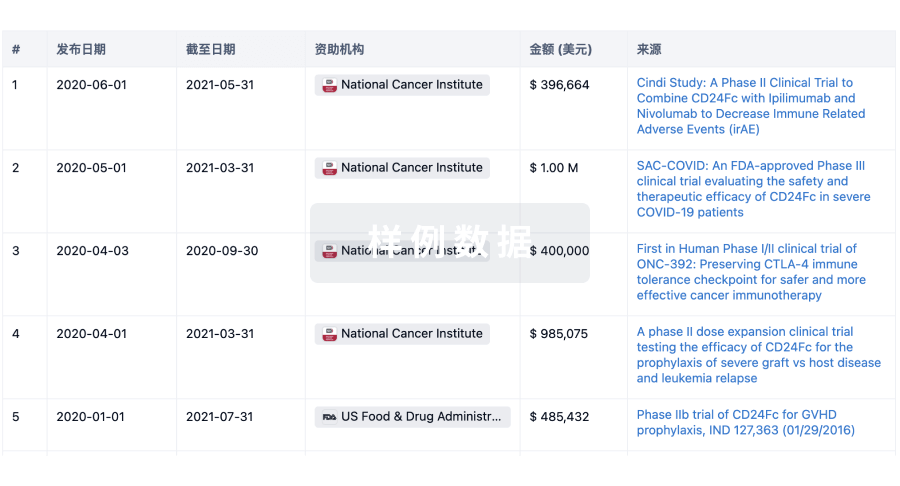
科研基金(NIH)
访问超过 200 万项资助和基金信息,以提升您的研究之旅。
登录
或
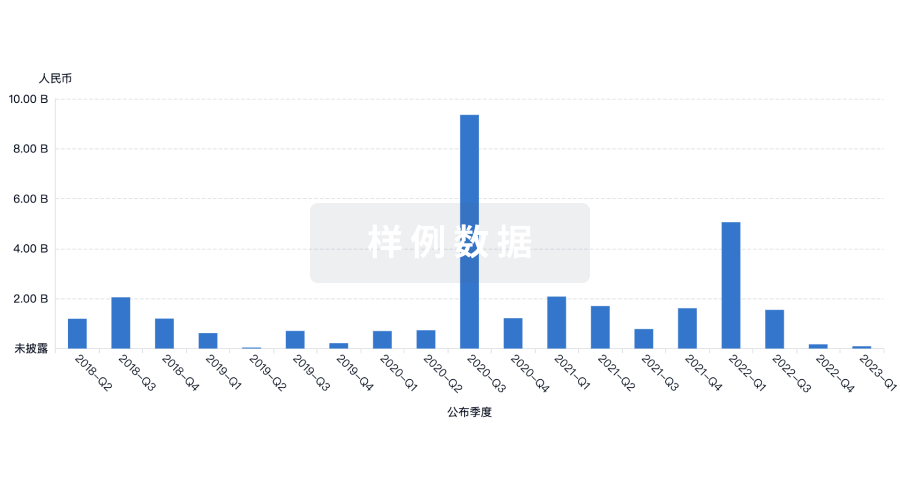
投资
深入了解从初创企业到成熟企业的最新公司投资动态。
登录
或
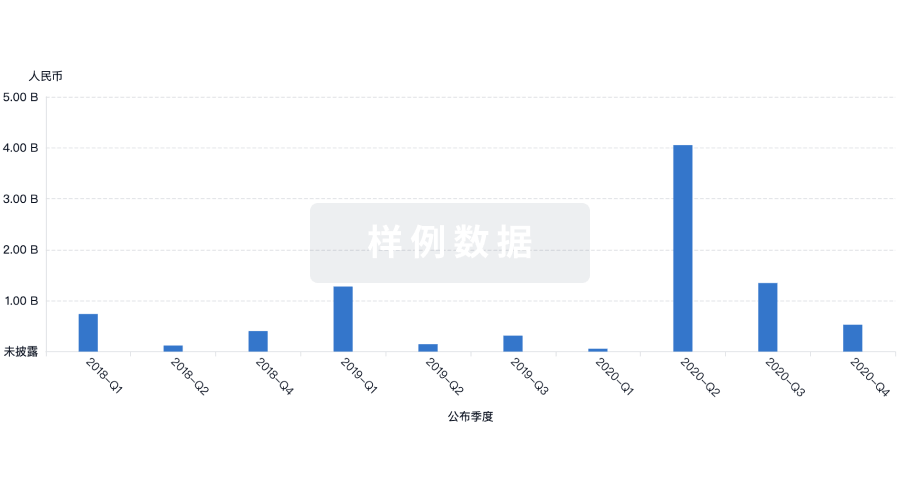
融资
发掘融资趋势以验证和推进您的投资机会。
登录
或
生物医药百科问答
全新生物医药AI Agent 覆盖科研全链路,让突破性发现快人一步
立即开始免费试用!
智慧芽新药情报库是智慧芽专为生命科学人士构建的基于AI的创新药情报平台,助您全方位提升您的研发与决策效率。
立即开始数据试用!
智慧芽新药库数据也通过智慧芽数据服务平台,以API或者数据包形式对外开放,助您更加充分利用智慧芽新药情报信息。
生物序列数据库
生物药研发创新
免费使用
化学结构数据库
小分子化药研发创新
免费使用