预约演示
更新于:2026-05-20

Genmab A/S
更新于:2026-05-20
概览
标签
肿瘤
血液及淋巴系统疾病
免疫系统疾病
双特异性T细胞结合器
ADC
单克隆抗体
疾病领域得分
一眼洞穿机构专注的疾病领域

技术平台
公司药物应用最多的技术
靶点
公司最常开发的靶点
关联
靶点 |
作用机制 |
在研机构 |
原研机构 |
在研适应症 |
非在研适应症 |
最高研发阶段 |
首次获批国家/地区 |
首次获批日期 |


靶点 |
作用机制 |
在研机构 |
原研机构 |
在研适应症 |
非在研适应症 |
最高研发阶段 |
首次获批国家/地区 |
首次获批日期 |
靶点 |
作用机制 |
在研机构 |
原研机构 |
在研适应症 |
非在研适应症 |
最高研发阶段 |
首次获批国家/地区 |
首次获批日期 |

NCT07564141
A Randomized, Open-label, Phase 3 Study of Rina-S ± Bevacizumab Versus Investigator's Choice of Platinum-Based Chemotherapy ± Bevacizumab as 2L Treatment in Participants With Recurrent Platinum-Sensitive Ovarian Cancer
NCT07539311
A Phase 2, Open-label, Multicohort, Study of Rinatabart Sesutecan (Rina S) in Participants With Advanced Gastrointestinal (GI) Cancers
NCT07416123
First-In-Human, Open-Label, Dose Escalation and Expansion Trial to Evaluate the Safety, Pharmacokinetics and Efficacy of GEN1106 in Participants With Solid Tumors
100 项与 Genmab A/S 相关的临床结果
登录后查看更多信息
登录后查看更多信息
2026-05-01Clinical Lymphoma Myeloma & Leukemia
Epcoritamab Monotherapy as Outpatient Treatment for Patients With Relapsed/Refractory Diffuse Large B-Cell Lymphoma: Interim Results From EPCORE NHL-6
Article
作者: Andorsky, David ; Lash, Bradley ; Conte, Kristin ; Bai, Yang ; Ibrahimi, Sami ; Naik, Seema ; Sundaram, Suchitra ; Osei-Bonsu, Kojo ; Eskelund, Christian W ; Haydu, Julie Erika ; Doerr, Thomas ; Boardman, Alexander P ; Boccia, Ralph ; Lee, Christina Y ; Gandhi, Mitul ; Vaidya, Rakhee ; Madueno, Fernando Vargas ; Fesler, Mark ; Sharman, Jeff P ; Lopez, Adelba Torres ; Lee, Eric H ; Dixit, Neha ; Hrom, John
BACKGROUND:
Epcoritamab, a CD3 × CD20 bispecific antibody approved for relapsed/refractory diffuse large B-cell lymphoma (DLBCL), is administered subcutaneously with recommended 24 hours inpatient monitoring after the first full dose (FFD). EPCORE NHL-6 (NCT05451810) investigated feasibility of outpatient monitoring after FFD of epcoritamab in second-line or later (2L+) DLBCL.
METHODS:
Patients received epcoritamab in 28-day (D) cycles (C): (0.16-mg and 0.8-mg C1 step-up doses, 48-mg full dose C1D15 onward [C1-3, QW; C4-9, Q2W; C ≥ 10, Q4W]). Primary endpoints were grade ≥ 3 cytokine release syndrome (CRS), immune effector cell-associated neurotoxicity syndrome (ICANS), and neurologic events. Patients remained ≤ 30 minutes from the hospital post-FFD and received mandatory CRS prophylaxis during C1.
RESULTS:
Ninety-two patients enrolled at United States and Puerto Rico academic and community sites received ≥ 1 epcoritamab dose. With 7.6-months median follow-up, 50.0% remained on treatment. For administration and planned monitoring of FFD, 81/88 patients were outpatient and 7/88 inpatient (admitted for postdose monitoring [n = 5] and other reason [n = 2]). Twenty-four of 81 patients monitored outpatient developed CRS within 1 week post-FFD. CRS hospitalization rate was 13.6% (11/81). Overall, CRS occurred in 40.2% (grade 1-2, 38.0%; grade 3, 2.2%). ICANS occurred in 7.6% (grade 1-2, 6.5%; grade 3, 1.1%). All CRS and ICANS resolved; none led to treatment discontinuation. Overall response rate (Lugano criteria) was 62.0% (complete response rate, 42.4%).
CONCLUSIONS:
CRS and ICANS incidence and severity were consistent with the pivotal EPCORE NHL-1 trial findings. The results support feasibility of outpatient administration and monitoring of epcoritamab in 2L+ DLBCL without mandatory hospitalization for monitoring.
2025-11-01EUROPEAN JOURNAL OF PHARMACEUTICAL SCIENCES
Treatment-agnostic joint modeling of longitudinal circulating tumor dna predicts survival across first-line regimens in metastatic non-squamous NSCLC
Article
作者: Lin, Xin ; Yang, Yaning ; Steven Xu, Xu ; Yuan, Min ; Ding, Haolun ; Qu, Sicheng
BACKGROUND AND PURPOSE:
To develop a treatment-agnostic joint model leveraging longitudinal circulating tumor DNA (ctDNA) dynamics to predict overall survival (OS) across different treatment regimens without incorporating treatment information using data from the IMpower150 trial in treatment-naïve metastatic non-squamous NSCLC patients.
EXPERIMENTAL APPROACH:
Patients were randomized 1:1:1 to receive ABCP, ACP, or BCP, with plasma samples collected at baseline and multiple time points to track longitudinal ctDNA changes. The joint model followed a two-step approach by combining two separate submodels: a disease submodel for ctDNA dynamics and a survival submodel for time-to-event analysis. Random effects are derived from the nonlinear mixed effects model for ctDNA dynamics. In the subsequent step, these individual random effects are incorporated as covariates in the survival submodel. A landmark modeling approach was used where ctDNA data from the first 21 weeks posttreatment was used to predicts OS beyond 21 weeks.
KEY RESULTS:
Among 466 participants, 348 had detectable ctDNA at one or more time points and were stratified into training (n = 181) and test (n = 167) sets. Fourteen ctDNA summary metrics were assessed, with median allele frequency for known/likely mutations emerging as the top-performing metric. Overall, the treatment-agnostic model's predicted survival curves closely matched the observed ones across treatment arms in both training and test sets. Predicted median OS and 2-/3-year OS rates aligned well for ABCP, ACP, and BCP, with discrepancies generally under 20 %. Although the model tended to overpredict OS for ACP-likely due to a small sample size-the final IMpower150 analysis reported median OS values within 10 % of our predictions.
CONCLUSIONS & IMPLICATIONS:
Early ctDNA monitoring and modeling have the potential to significantly enhance treatment personalization. By enabling the early prediction of patient outcomes across various treatment regimens, this treatment-agnostic model supports more informed clinical decision-making, ultimately improving patient management and outcomes in oncology.
2025-05-01COMPUTERS IN BIOLOGY AND MEDICINE
Discovery of mutations predictive of survival benefit from immunotherapy in first-line NSCLC: A retrospective machine learning study of IMpower150 liquid biopsy data
Article
作者: Yang, Yaning ; Yuan, Min ; Ding, Haolun ; Feng, Wei ; Xu, Xu Steven
Predictive biomarker identification in cancer treatment has traditionally relied on pre-defined analyses, limiting discoveries to expected biomarkers and potentially overlooking novel ones predictive of therapy response. In this work, we develop a novel machine-learning approach capable of exploring full landscape of mutations and combinations and identify potentially new predictive biomarkers for chemoimmunotherapy. Utilizing the liquid biopsy dataset from 313 non-small cell lung cancer (NSCLC) patients in the Phase 3 Impower150 trial (NCT02366143), we developed the HRdiffRF algorithm with a novel hazard ratio-splitting criterion. Predictive mutations and combinations were identified for overall survival (OS) improvement with atezolizumab plus bevacizumab plus carboplatin and paclitaxel (ABCP) compared to bevacizumab plus carboplatin and paclitaxel (BCP). Our analysis confirms the predictive role of KRAS mutations and reveals the predictive value of PTPRD and SMARCA4 mutations in chemoimmunotherapy efficacy. Unlike other KRAS wild-type NSCLC patients, NSCLC patients with KRAS wild-type status and mutations in FAT1, ERBB2, or PTPRD may benefit from chemoimmunotherapy, while NTRK3 and GNAS mutations could negatively impact survival. Patients harboring concurrent KRAS and KEAP1 mutations may not benefit from chemoimmunotherapy. These findings highlight the complex genetic factors influencing treatment response for chemoimmunotherapy in NSCLC. In summary, the proposed machine-learning tool identified potential predictive biomarkers for first-line chemoimmunotherapy in NSCLC and can be readily applied to other tumor types and studies. It can also be extended to explore predictive biomarkers beyond mutations.
100 项与 Genmab A/S 相关的药物交易
登录后查看更多信息
100 项与 Genmab A/S 相关的转化医学
登录后查看更多信息
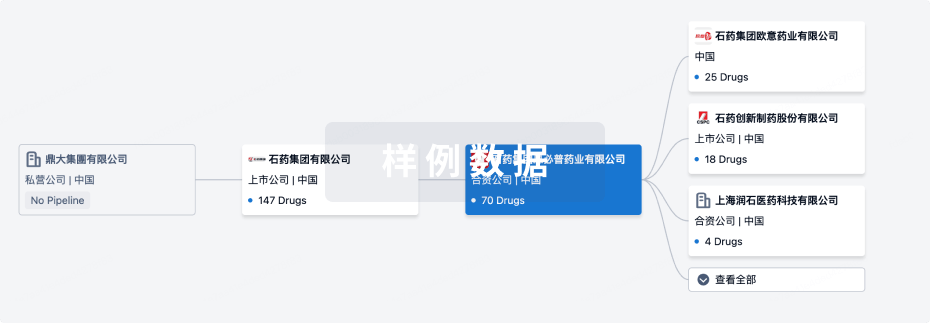
组织架构
使用我们的机构树数据加速您的研究。
登录
或
管线布局
2026年10月22日管线快照
管线布局中药物为当前组织机构及其子机构作为药物机构进行统计,早期临床1期并入临床1期,临床1/2期并入临床2期,临床2/3期并入临床3期
药物发现
4
9
临床前
临床1期
8
8
临床2期
临床3期
4
3
批准上市
其他
29
登录后查看更多信息
当前项目
登录后查看更多信息
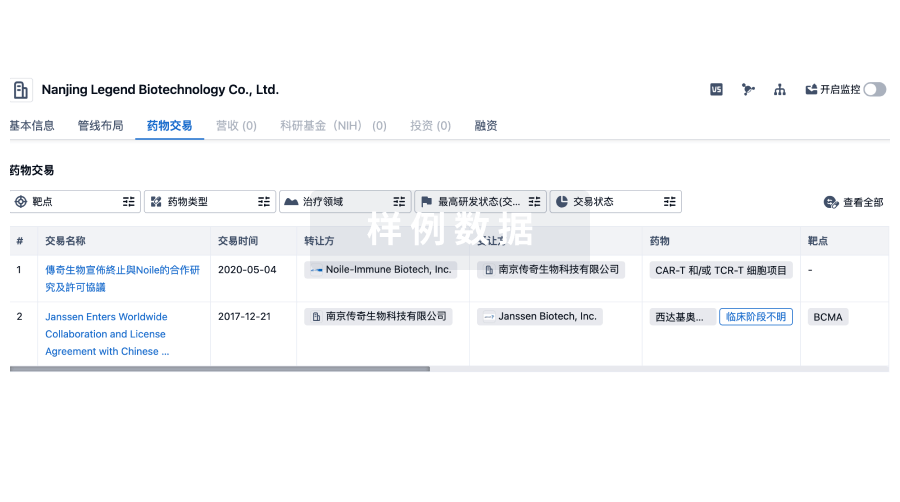
药物交易
使用我们的药物交易数据加速您的研究。
登录
或
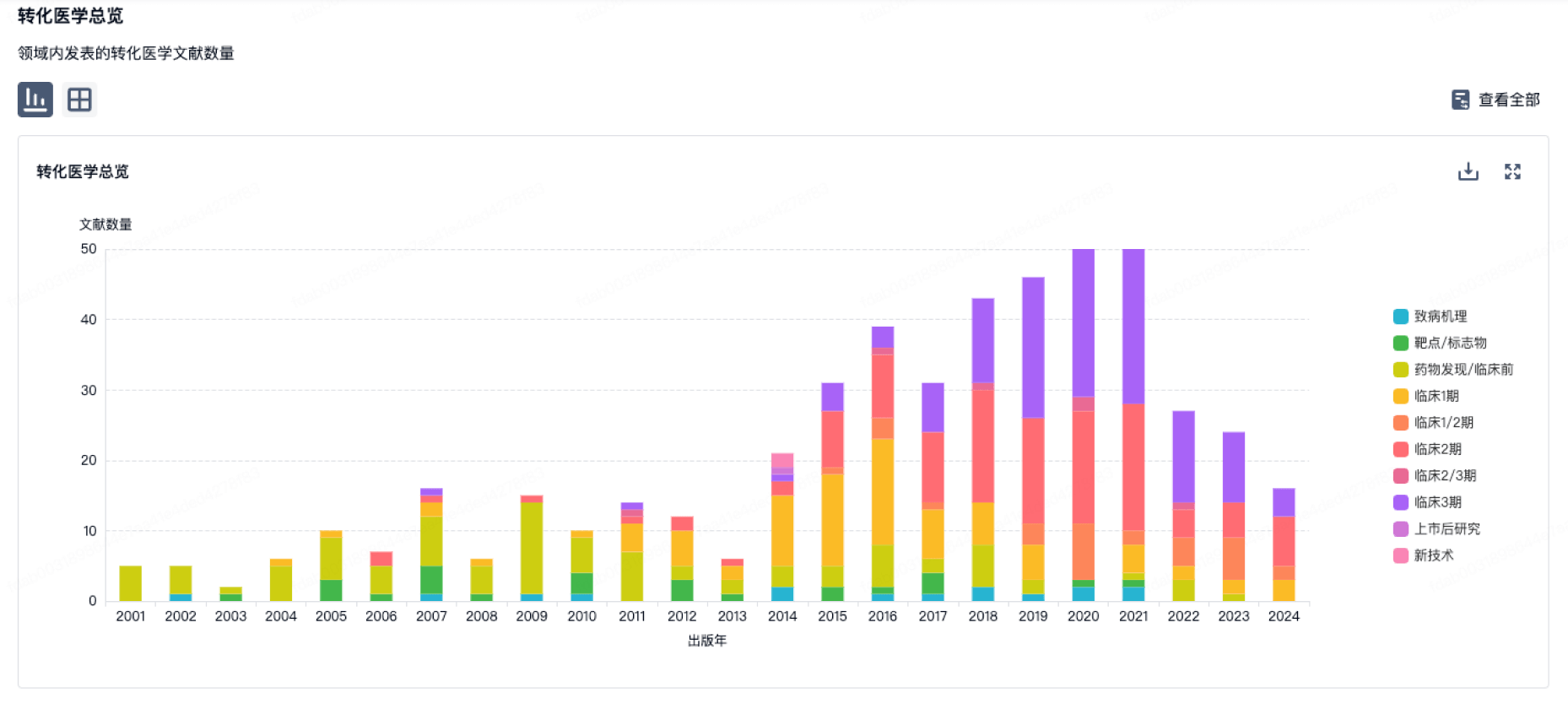
转化医学
使用我们的转化医学数据加速您的研究。
登录
或
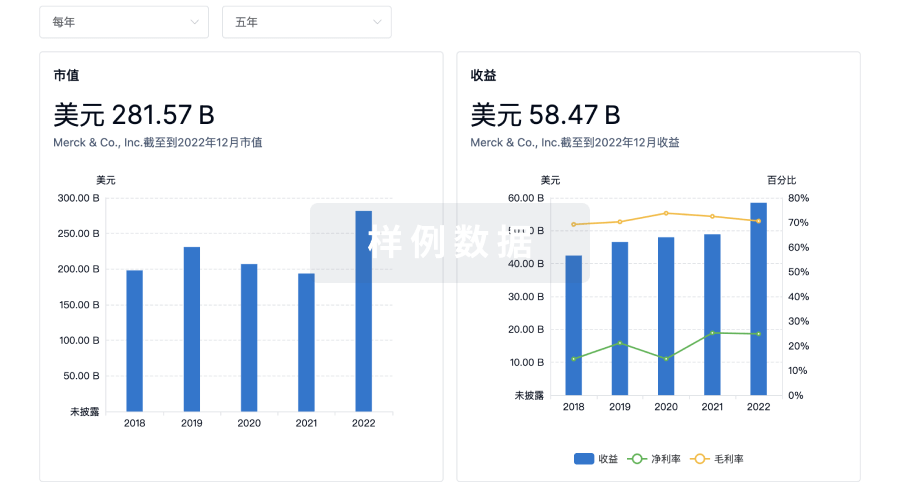
营收
使用 Synapse 探索超过 36 万个组织的财务状况。
登录
或
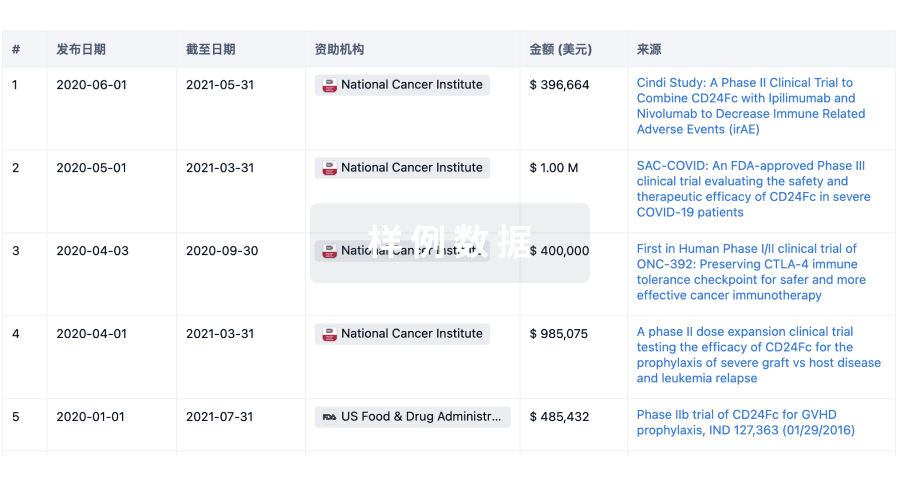
科研基金(NIH)
访问超过 200 万项资助和基金信息,以提升您的研究之旅。
登录
或
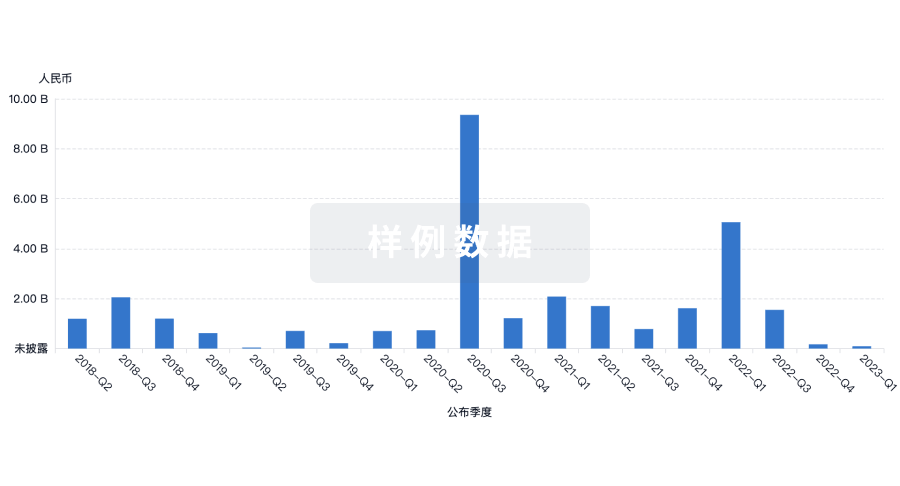
投资
深入了解从初创企业到成熟企业的最新公司投资动态。
登录
或
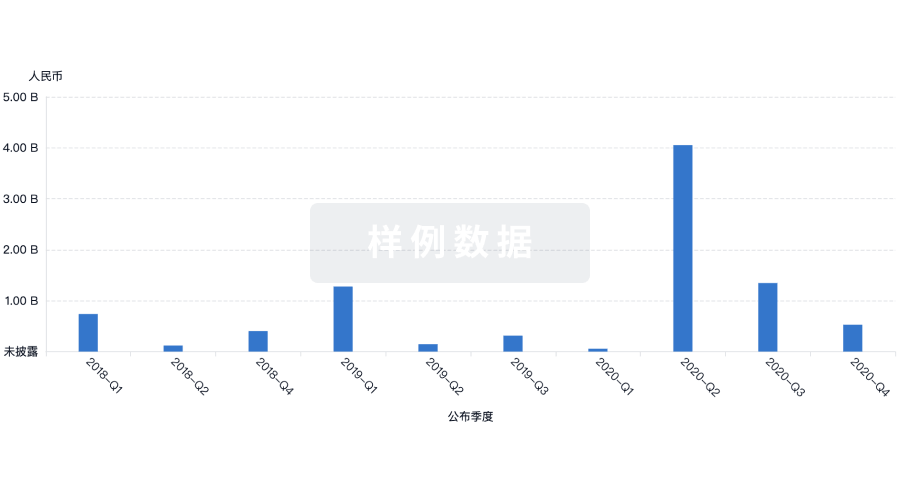
融资
发掘融资趋势以验证和推进您的投资机会。
登录
或
提出任何生物医药研究问题
让每一步生物医药决策都精准制胜
基于十亿级生物数据与全球情报的精准 AI,赋能早期药物发现
立即开始免费试用!
智慧芽新药情报库是智慧芽专为生命科学人士构建的基于AI的创新药情报平台,助您全方位提升您的研发与决策效率。
立即接入生物医药数据包
智慧芽新药库数据也通过智慧芽开放平台,以MCP或API服务形式对外开放。立即使用我们的MCP服务定制您的LLM智能体。
生物序列数据库
生物药研发创新
免费使用
化学结构数据库
小分子化药研发创新
免费使用