预约演示
更新于:2026-07-24

Jointown Pharmaceutical Group Co., Ltd.
更新于:2026-07-24
概览
疾病领域得分
一眼洞穿机构专注的疾病领域

技术平台
公司药物应用最多的技术
靶点
公司最常开发的靶点
关联
靶点 |
作用机制 |
在研机构 |
原研机构 |
在研适应症 |
非在研适应症 |
最高研发阶段 |
首次获批国家/地区 |
首次获批日期 |
靶点 |
作用机制 |
在研机构 |
原研机构 |
在研适应症 |
非在研适应症 |
最高研发阶段 |
首次获批国家/地区 |
首次获批日期 |

靶点 |
作用机制 |
在研机构 |
原研机构 |
在研适应症 |
非在研适应症 |
最高研发阶段 |
首次获批国家/地区 |
首次获批日期 |

CTR20261439
依折麦布片人体生物等效性研究

CTR20260582
富马酸伏诺拉生片在健康受试者中单中心、随机、开放、两制剂、单次给药、两周期、双交叉餐后生物等效性试验研究方案

CTR20260434
利丙双卡因乳膏人体生物等效性研究

100 项与 九州通医药集团股份有限公司 相关的临床结果
登录后查看更多信息
登录后查看更多信息
2025-07-29ACS Omega
Quality Grading of “Fubaiju” Based on Inflorescence Diameter and Content of Polyphenolic Substances
Article
作者: Yang, Yaojun ; Yuan, Ruijuan ; Yang, Xiaoqi ; Wang, Jiayu ; Wu, Weigang ; Zhan, Xueyan ; Huang, Jianmei ; Liu, Jiaming ; Yang, Qun ; Zhao, Jiahui
Chrysanthemi Flos encompasses numerous cultivars. Fubaiju (FBJ) is a subvariety of Hangbaiju introduced from Tongxiang City, Zhejiang Province. Due to the variable quality of FBJ on the market, establishing a standardized grading system is necessary. This study aimed to develop a simple and effective quality grading method for "Fubaiju" by integrating the inflorescence diameter and polyphenol content. The contents of chlorogenic acid, luteolin-7-O-glucoside, and 3,5-O-dicaffeoylquinic acid in 52 FBJ samples were determined by using UPLC-UV. The inflorescence diameter of the samples was measured, and correlation analysis was employed to examine relationships between the inflorescence diameter and polyphenol content. Samples were classified via K-means clustering based on polyphenol content and diameter, while sensory evaluation and antibacterial assays were utilized to validate the grading results. Results indicated negative correlations between the inflorescence diameter and the contents of chlorogenic acid and 3,5-O-dicaffeoylquinic acid. Cluster analysis categorized the samples into first-grade chrysanthemum (FGC) and second-grade chrysanthemum (SGC). FGC exhibited significantly smaller diameters and a higher polyphenol content. Electronic tongue analysis confirmed that FGC extracts possessed significantly stronger saltiness and astringency. Antibacterial tests demonstrated that FGC provided superior inhibitory effects against Escherichia coli and Staphylococcus aureus compared to SGC. This study confirms that grading FBJ quality using inflorescence diameter and key polyphenol content is feasible and effective. These findings establish a scientific foundation for standardizing the FBJ quality evaluation and provide a methodological framework for the quality control of traditional medicinal herbs.
Qilu Yaoshi
Prescription study of Vitamin C Tablets
作者: Liu, Cun-ling ; Fu, Jian ; Meng, Ai-hong
The quality and stability of Vitamin C Tablets prepared by different prescriptions were compared for bolting the optimal prescription and preparation method for preparing high-quality Vitamin C Tablets.Using pregelatinized starch-lactose (5:4) as the diluent, supplemented with tartaric acid or/and different antioxidants to improve the stability of tablets and starch, and using ethanol solution and polyvinylpyrrolidone K30 dilute alc. solution as binder, Vitamin C Tablets were prepared by ordinary wet granulation method.Prescription screening was adopted by designing different prescriptions and then acceleration and long-term stability were studied with the listed packaging.Vitamin C Tablets prepared by using tartaric acid and glutathione as antioxidant, dilute alc. solution of polyvinylpyrrolidone K30 as binder had best quality.The characters, content and disintegration time after acceleration for six month and 24 mo of stability investigation had no significant change and the quality was stable.Vitamin C Tablets prepared by the screened prescription met the design requirements and was suitable for clin. application.
2026-07-22
2026-07-21
100 项与 九州通医药集团股份有限公司 相关的药物交易
登录后查看更多信息
100 项与 九州通医药集团股份有限公司 相关的转化医学
登录后查看更多信息
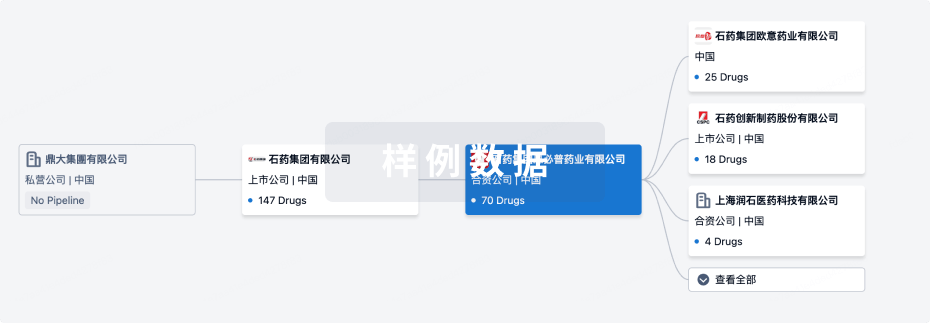
组织架构
使用我们的机构树数据加速您的研究。
登录
或
管线布局
2026年09月26日管线快照
管线布局中药物为当前组织机构及其子机构作为药物机构进行统计,早期临床1期并入临床1期,临床1/2期并入临床2期,临床2/3期并入临床3期
临床前
1
1
临床申请批准
临床3期
1
2
申请上市
批准上市
4
2
其他
登录后查看更多信息
当前项目
登录后查看更多信息
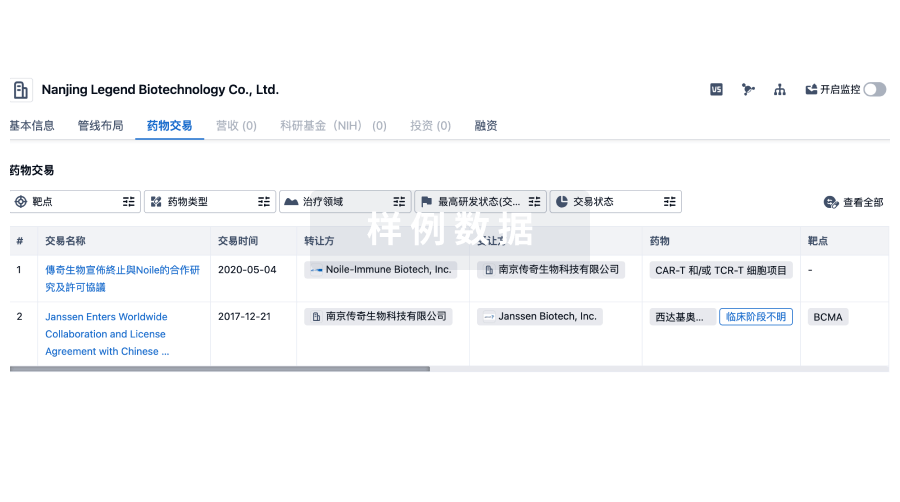
药物交易
使用我们的药物交易数据加速您的研究。
登录
或
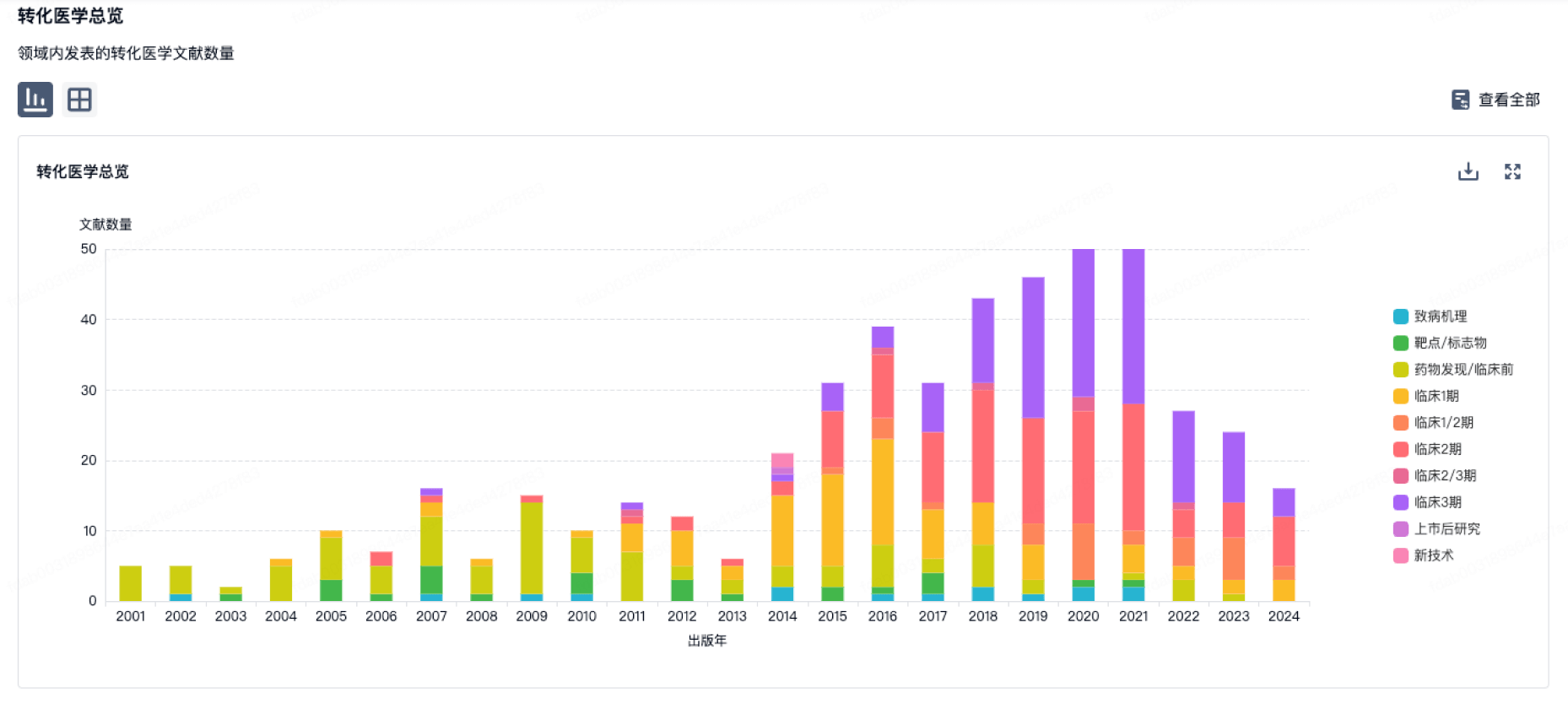
转化医学
使用我们的转化医学数据加速您的研究。
登录
或
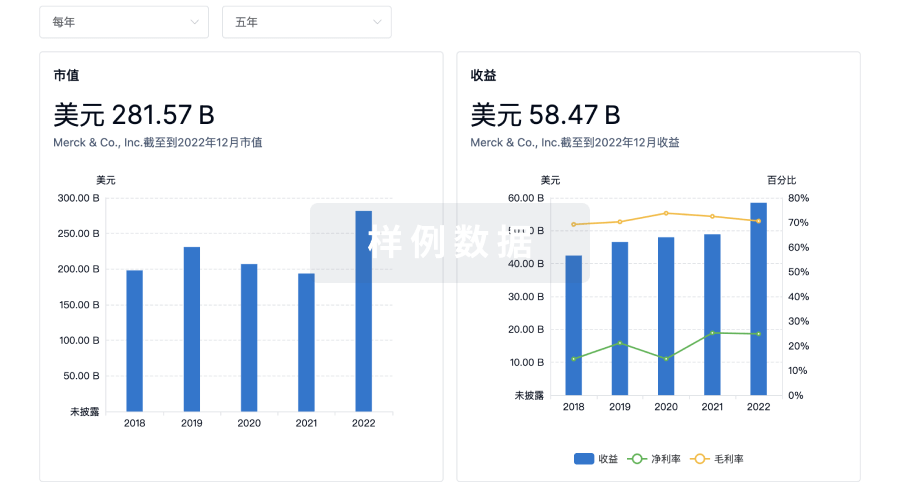
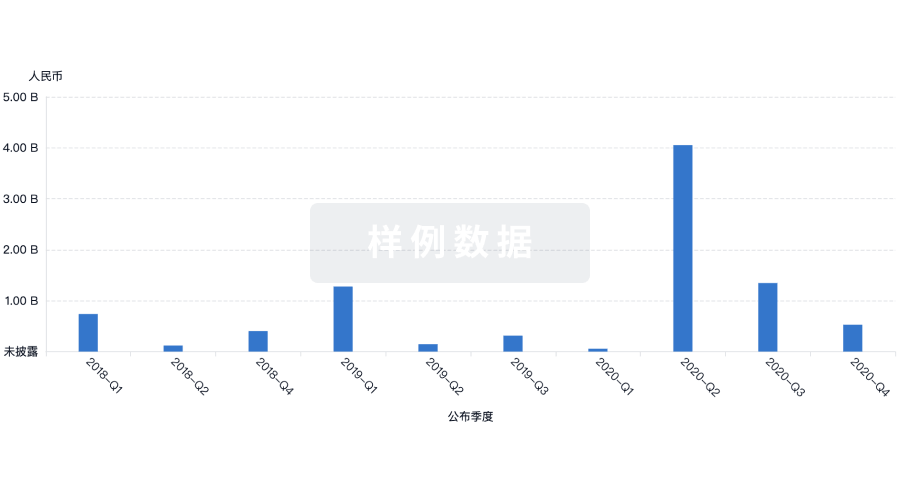
营收
使用 Synapse 探索超过 36 万个组织的财务状况。
登录
或
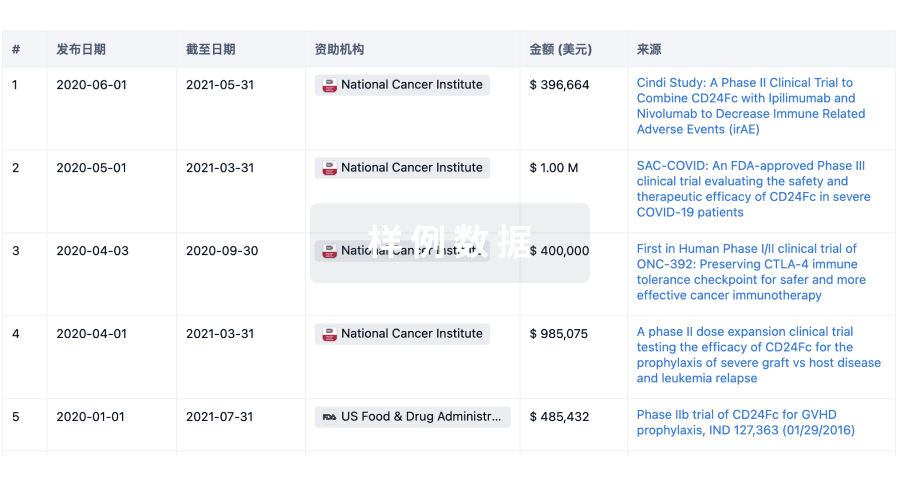
科研基金(NIH)
访问超过 200 万项资助和基金信息,以提升您的研究之旅。
登录
或
投资
深入了解从初创企业到成熟企业的最新公司投资动态。
登录
或
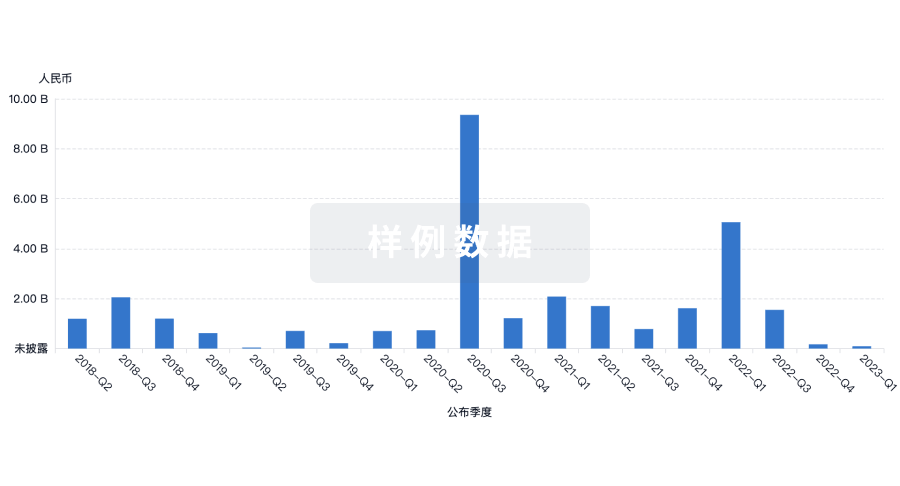
融资
发掘融资趋势以验证和推进您的投资机会。
登录
或
提出任何生物医药研究问题
让每一步生物医药决策都精准制胜
基于十亿级生物数据与全球情报的精准 AI,赋能早期药物发现
立即开始免费试用!
智慧芽新药情报库是智慧芽专为生命科学人士构建的基于AI的创新药情报平台,助您全方位提升您的研发与决策效率。
立即接入生物医药数据包
智慧芽新药库数据也通过智慧芽开放平台,以MCP或API服务形式对外开放。立即使用我们的MCP服务定制您的LLM智能体。
生物序列数据库
生物药研发创新
免费使用
化学结构数据库
小分子化药研发创新
免费使用