预约演示
更新于:2026-05-10

ASKA Pharmaceutical Co., Ltd.
更新于:2026-05-10
概览
标签
泌尿生殖系统疾病
其他疾病
内分泌与代谢疾病
小分子化药
多肽激素
化学药
疾病领域得分
一眼洞穿机构专注的疾病领域

技术平台
公司药物应用最多的技术
靶点
公司最常开发的靶点
关联
靶点 |
作用机制 |
在研机构 |
原研机构 |
在研适应症 |
非在研适应症 |
最高研发阶段 |
首次获批国家/地区 |
首次获批日期 |


靶点 |
作用机制 |
在研机构 |
原研机构 |
在研适应症 |
非在研适应症 |
最高研发阶段 |
首次获批国家/地区 |
首次获批日期 |


靶点 |
作用机制 |
在研机构 |
原研机构 |
在研适应症 |
非在研适应症 |
最高研发阶段 |
首次获批国家/地区 |
首次获批日期 |


JPRN-UMIN000055863
Assessment of the impact of menstruation-related symptoms on daily life through wearable terminals and questionnaires. - Assessment of the impact of menstruation-related symptoms on daily life through wearable terminals and questionnaires.
JPRN-jRCTs061230064
Non-inferiority study of comparing the efficacy of Relugolix with Dienogest for endometriosis-associated pain and the usefulness study of administering Relugolix prior to Dienogest administration - READY-study
JPRN-UMIN000044776
WEB survey of QOL about uterine fibroids - WEB survey of QOL about uterine fibroids
100 项与 ASKA Pharmaceutical Co., Ltd. 相关的临床结果
登录后查看更多信息
登录后查看更多信息
2026-01-01FERTILITY AND STERILITY
The effectiveness of relugolix compared with leuprorelin for preoperative therapy before laparoscopic myomectomy: a randomized controlled noninferiority study (MyLacR study)
Article
作者: Kawasaki, Yu ; Kitade, Mari ; Fukui, Motoko ; Kobori, Hiroyuki ; Kumakiri, Jun ; Murakami, Keisuke ; Takeuchi, Shiori
OBJECTIVE:
To evaluate the preoperative oral relugolix treatment of patients undergoing laparoscopic myomectomy and to test the noninferiority of preoperative treatment with relugolix vs. leuprorelin on intraoperative blood loss.
DESIGN:
Multicenter, randomized, open-label, active-controlled, parallel group trial in Japan.
SUBJECTS:
Premenopausal women ≥20 years old diagnosed with uterine fibroids.
INTERVENTIONS:
Relugolix oral tablet was taken once daily for 12 weeks preoperatively by patients in the relugolix group (N = 32), and leuprorelin subcutaneous injection was administered at 1.88 mg or 3.75 mg, three times over 12 weeks to patients in the leuprorelin group (N = 35); the last injection was administered 4 weeks preoperatively.
MAIN OUTCOME MEASURES:
The primary outcome was intraoperative blood loss, measured in mL. Other key perioperative outcome measures were operative time and the number and weight of fibroids. Key efficacy outcome measures were uterine volume reduction rate, uterine fibroid volume reduction rate, hemoglobin levels, and uterine fibroid symptom health-related quality of life score. Other key measures were menstrual-like bleeding episodes, endocrine clinical laboratory values, and bone mineral density assessments.
RESULTS:
Intraoperative blood loss was 72.7 ± 74.4 mL (95% confidence interval [CI], 45.9-99.5) in the relugolix group and 84.4 ± 87.5 mL (95% CI, 54.3-114.4) in the leuprorelin group. The between-group difference in intraoperative blood loss was -11.7 mL (95% CI, -51.5-28.1), demonstrating the noninferiority of relugolix compared with leuprorelin. There were no statistically significant between-group differences in other outcomes. However, postoperative estradiol levels rose earlier in the relugolix group than in the leuprorelin group.
CONCLUSIONS:
Patients will benefit from preoperative therapy with the gonadotropin-releasing hormone agonist leuprorelin or the gonadotropin-releasing hormone antagonist relugolix in reducing blood loss. However, relugolix was associated with a more rapid recovery from the postoperative hypoestrogenic state than was leuprorelin.
2025-01-01TOHOKU JOURNAL OF EXPERIMENTAL MEDICINE
An Indolent Aldosterone-Producing Adenoma in a Young Hypertensive Patient Manifested during 7-Year Follow-up
Article
作者: Higuchi, Satoshi ; Sasano, Hironobu ; Ota, Hideki ; Ito, Akihiro ; Tezuka, Yuta ; Satoh, Fumitoshi ; Omata, Kei ; Ono, Yoshikiyo ; Oguro, Sota ; Nishikawa, Jun ; Suzuki, Takashi ; Takase, Kei ; Kawasaki, Yoshihide ; Tanaka, Tetsuhiro ; Yamazaki, Yuto
2024-04-01The journal of obstetrics and gynaecology research
A phase I/II study evaluating the pharmacokinetics, pharmacodynamics, and safety of drospirenone as an oral contraceptive in Japanese women
Article
作者: Kanai, Masayuki ; Azuma, Rieko ; Kikuyama, Ryoko ; Kitamura, Kunio ; Colli, Enrico
Abstract:
Aim:
Drospirenone (DRSP) is a synthetic progestogen approved as a progestin‐only pill for contraception in both the United States and Europe. Herein, we conducted a phase I/II study to evaluate the pharmacokinetics, pharmacodynamics, and safety of DRSP in Japanese women.
Methods:
Single and multiple doses of 4 mg of DRSP were orally administered to healthy premenopausal Japanese women. In the multiple‐dose period, 4 mg of DRSP was administered once daily for 24 days. Pharmacokinetics, hormone levels, and adverse events (AEs) were investigated.
Results:
Twelve Japanese women participated in this study. The single‐ and multiple‐dose pharmacokinetics of DRSP was similar to that reported in previous studies in Caucasians. In the multiple‐dose period, no subject displayed a progesterone level of more than 5.03 ng/mL. AEs were observed in 11 (91.7%) subjects. The most common AE was genital hemorrhage, which was observed in six (50.0%) subjects, followed by diarrhea and acne in four (33.3%) subjects each. All AEs resolved or improved at the end of the study, and complete recovery was confirmed in all subjects at follow‐up.
Conclusions:
The pharmacokinetics of DRSP in Japanese women was similar to that of previous studies performed in Caucasian women. Repeated administration of DRSP maintained low plasma progesterone levels indicating effective inhibition of ovulation. No notable safety concerns were observed. In this phase I/II study, DRSP had no obvious pharmacokinetic, pharmacodynamic, or safety issues to consider in Japanese women.

2026-04-03
100 项与 ASKA Pharmaceutical Co., Ltd. 相关的药物交易
登录后查看更多信息
100 项与 ASKA Pharmaceutical Co., Ltd. 相关的转化医学
登录后查看更多信息
组织架构
使用我们的机构树数据加速您的研究。
登录
或
管线布局
2026年10月10日管线快照
管线布局中药物为当前组织机构及其子机构作为药物机构进行统计,早期临床1期并入临床1期,临床1/2期并入临床2期,临床2/3期并入临床3期
药物发现
2
2
临床前
临床1期
1
2
临床2期
临床3期
2
27
批准上市
其他
21
登录后查看更多信息
当前项目
登录后查看更多信息
药物交易
使用我们的药物交易数据加速您的研究。
登录
或
转化医学
使用我们的转化医学数据加速您的研究。
登录
或
营收
使用 Synapse 探索超过 36 万个组织的财务状况。
登录
或
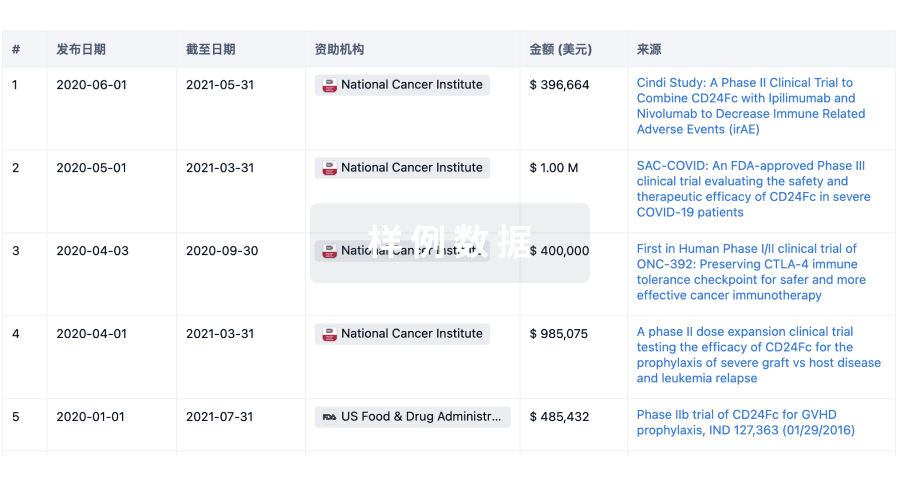
科研基金(NIH)
访问超过 200 万项资助和基金信息,以提升您的研究之旅。
登录
或
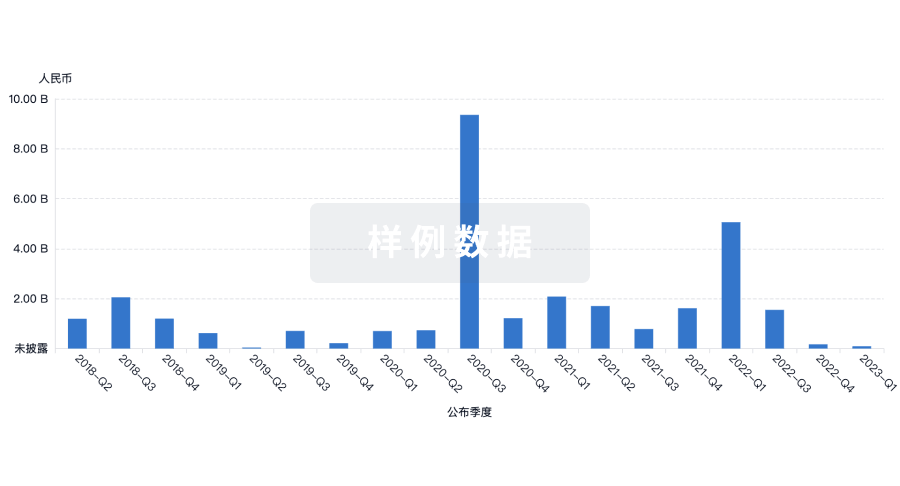
投资
深入了解从初创企业到成熟企业的最新公司投资动态。
登录
或
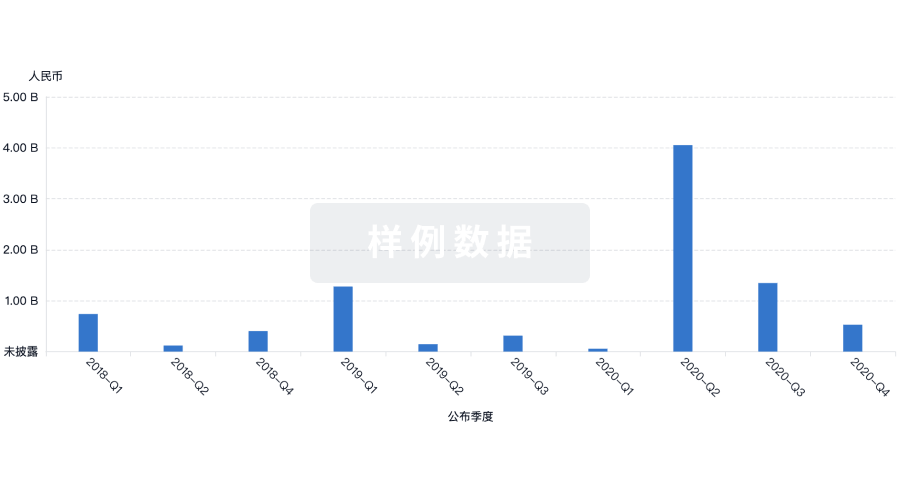
融资
发掘融资趋势以验证和推进您的投资机会。
登录
或
提出任何生物医药研究问题
让每一步生物医药决策都精准制胜
基于十亿级生物数据与全球情报的精准 AI,赋能早期药物发现
立即开始免费试用!
智慧芽新药情报库是智慧芽专为生命科学人士构建的基于AI的创新药情报平台,助您全方位提升您的研发与决策效率。
立即接入生物医药数据包
智慧芽新药库数据也通过智慧芽开放平台,以MCP或API服务形式对外开放。立即使用我们的MCP服务定制您的LLM智能体。
生物序列数据库
生物药研发创新
免费使用
化学结构数据库
小分子化药研发创新
免费使用