预约演示
更新于:2026-08-20

BioNTech SE
更新于:2026-08-20
概览
标签
肿瘤
消化系统疾病
皮肤和肌肉骨骼疾病
双特异性抗体
ADC
mRNA疫苗
疾病领域得分
一眼洞穿机构专注的疾病领域

技术平台
公司药物应用最多的技术
靶点
公司最常开发的靶点
关联
靶点 |
作用机制 |
在研机构 |
原研机构 |
在研适应症 |
非在研适应症 |
最高研发阶段 |
首次获批国家/地区 |
首次获批日期 |
靶点 |
作用机制 |
在研机构 |
原研机构 |
在研适应症 |
非在研适应症 |
最高研发阶段 |
首次获批国家/地区 |
首次获批日期 |

靶点 |
作用机制 |
在研机构 |
原研机构 |
在研适应症 |
非在研适应症 |
最高研发阶段 |
首次获批国家/地区 |
首次获批日期 |

NCT07730450
A PHASE 4, RANDOMIZED, DOUBLE-BLIND, THIRD-PARTY-UNBLINDED STUDY TO INVESTIGATE THE SAFETY AND TOLERABILITY OF A BNT162B2 RNA-BASED, VARIANT-ADAPTED VACCINE CANDIDATE AGAINST SARS-COV-2 AND EVALUATE THE CIRCULATING SARS-COV-2 SPIKE PROTEIN LEVEL IN HEALTHY PARTICIPANTS 18 THROUGH 64 YEARS OF AGE
NCT07698600
A Randomized, Placebo-controlled, Phase I/II Clinical Trial to Evaluate the Safety, Immunogenicity, and Impact on Virological Control of the Investigational RNA-based Vaccine BNT168 in Adults Living With or Without HIV
NCT07365995
A Phase III, Randomized, Open-label Trial of BNT324 Versus Docetaxel With Prednisone/Prednisolone in Metastatic Castration-resistant Prostate Cancer
100 项与 BioNTech SE 相关的临床结果
登录后查看更多信息
登录后查看更多信息
2026-06-01MOLECULAR PHARMACEUTICS
Application of Allometric Scaling and Translational Modeling to Predict Human Pharmacokinetics of mRNA-Encoded Antibodies
Article
作者: Şahin, Uğur ; Wu, Shu-Pei ; Nguyen, Tam N. T. ; Chang, Philip K.-Y. ; Türeci, Özlem ; Panorchan, Paul
Messenger RNA (mRNA)-lipid nanoparticle (mRNA-LNP) platforms enable the in vivo expression of almost any therapeutic protein, offering unprecedented flexibility for clinical translation. However, for these rapidly deployable therapies, predicting the first-in-human (FIH) dose remains a key challenge. We developed an allometric scaling framework for human pharmacokinetic (PK) prediction of antibodies expressed from intravenously administered mRNA-LNPs, leveraging preclinical and clinical data for BNT141 (encoding RiboMab01, a full IgG1) and BNT142 (encoding RiboMab02.1, a bispecific Fab-scFv-based T-cell engager). The dose-normalized Cmax (DCmax) and dose-normalized AUC (DAUC) of translated antibodies across multiple species could be described by the allometric approach, with the estimated exponents ranging from -1.29 to -1.42 for BNT141 and BNT142. We also determined generalized single-species allometric scaling exponents of -1.26 from mice and -0.75 from nonhuman primate (NHP), respectively, that enabled the human predictions of translated antibodies exposure approximately 4-fold (mice) and within 2-fold (NHP). A mechanistic cross-species translational model was further developed that integrated mRNA-specific elimination and translation efficiency parameters to characterize the exposure of the translated antibodies from mRNA-based therapeutics. The translational model could predict the human PK exposure of translated antibodies within 1.33-fold for BNT141 and BNT142 via single-species scaling from NHP parameters as well as capturing the concentration-time profiles with reasonably high fidelity. Validation with publicly available mRNA-1944 (encoding CHKV-24, full IgG1) data confirmed both the allometric scaling and translational modeling methods' robustness when scaling from NHP data. Taken together, these results support a generalized cross-species PK relationship that is independent of the molecular characteristics of the translated antibodies or antibody-like protein products. This integrated scaling and modeling framework offers a generalizable solution for accelerating FIH dose selection of mRNA-encoded therapeutic antibodies and is adaptable to other recombinant proteins of interest.
2026-06-01NATURE MEDICINE
Gotistobart or docetaxel in metastatic squamous non-small cell lung cancer: stage 1 of the randomized phase 3 PRESERVE-003 trial
Article
作者: Zheng, Pan ; Fawole, Adewale ; He, Kun ; Wenger, Michael ; Kayali, Fadi ; Song, Shiling ; Wu, Long ; Li, Tianhong ; Efuni, Sergey ; Li, Luchun ; Park, Keon-Uk ; Yang, Bin ; Zhang, Jiliang ; Pan, Pinhua ; Wu, Lin ; Wang, Qiong ; Socinski, Mark A ; Singh, Preet ; Wu, Yi-Long ; Liu, Zhi-Gang ; Liu, Yang ; Yu, Xinmin ; Lee, Ki Hyeong ; Chen, Hua-Jun ; Yu, Yan ; Hamm, John ; Şahin, Uğur ; Leddon, Jennifer L ; Shpyro, Svetlana ; Balaraman, Rama ; Wang, Xicheng ; Cho, Byoung Chul ; Jain, Vikram ; He, Kai ; Davarifar, Ardalan ; Beardsley, Andrew ; Sun, Meili ; Lee, Youngjoo ; Huang, Yanjing
Abstract:
PRESERVE-003 is a two-stage phase 3 trial evaluating gotistobart (BNT316/ONC-392), a novel pH-sensitive anti-cytotoxic T lymphocyte-associated protein 4 (CTLA-4) antibody that selectively depletes regulatory T cells within the tumor microenvironment, in patients with metastatic squamous non-small cell lung cancer (sqNSCLC) without actionable genomic alterations who progressed on programmed cell death protein/programmed death ligand 1 inhibitor/platinum-based chemotherapy—a population with a poor prognosis. Here we report on stage 1, which aimed to confirm the dose and assess the preliminary efficacy (primary outcome: overall survival; secondary outcomes: progression‑free survival, objective response rate and duration of response) and safety of gotistobart compared to docetaxel. Patients with sqNSCLC were randomized (1:1) to gotistobart (6 mg kg
−1
with two 10 mg kg
−1
loading doses every 3 weeks (
N
= 45)) or docetaxel (75 mg m
−2
every 3 weeks (
N
= 42)). After a median follow-up of 14.5 months, median overall survival was not reached with gotistobart (95% confidence interval (CI) 9.3 to not evaluable) versus 10.0 months (95% CI 6.2 to 11.9 months) with docetaxel (hazard ratio 0.46, 95% CI 0.25 to 0.84, nominal two-sided
P
= 0.0102). Safety was manageable, with grade ≥3 treatment-related adverse events in 42% and 49% of patients receiving gotistobart and docetaxel, respectively. Stage 1 results suggest that gotistobart monotherapy can provide clinically meaningful benefit for patients with programmed cell death protein/programmed death ligand 1-resistant and chemotherapy-resistant metastatic sqNSCLC. ClinicalTrials.gov identifier:
NCT05671510
.
2025-12-31Human Vaccines & Immunotherapeutics
CIMT 2025: Report on the 22
nd
Annual Meeting of the Association for Cancer Immunotherapy
作者: Linkenbach, Sophie-Christin ; Dahl, Lia ; Kiefer, Johanna ; Peter, Matthias ; Beck, Jan D. ; Muralidharan, Anindhita Meena ; Tagscherer, Nina ; Klein, Laura
The 22nd Annual Meeting of the Association for Cancer Immunotherapy (CIMT) was held from May 12 to May 14, 2025, in Mainz, Germany. The event brought together 674 academic and clinical professionals from 27 countries across five continents. As a central forum for the global cancer immunotherapy community, the meeting facilitated in-depth discussions on the most recent advances in cancer immunology and immunotherapy. Dedicated sessions explored cutting-edge topics such as the interplay between the nervous and immune systems in cancer, as well as the application of artificial intelligence to decipher how antigen receptors recognize tumor antigens - insights that are shaping the development of next-generation immunotherapies. This report offers a summary of the most significant highlights and key takeaways from CIMT2025.
100 项与 BioNTech SE 相关的药物交易
登录后查看更多信息
100 项与 BioNTech SE 相关的转化医学
登录后查看更多信息
组织架构
使用我们的机构树数据加速您的研究。
登录
或
管线布局
2026年09月24日管线快照
管线布局中药物为当前组织机构及其子机构作为药物机构进行统计,早期临床1期并入临床1期,临床1/2期并入临床2期,临床2/3期并入临床3期
药物发现
11
40
临床前
临床申请
2
23
临床1期
临床2期
21
6
临床3期
批准上市
1
88
其他
登录后查看更多信息
当前项目
登录后查看更多信息
药物交易
使用我们的药物交易数据加速您的研究。
登录
或
转化医学
使用我们的转化医学数据加速您的研究。
登录
或
营收
使用 Synapse 探索超过 36 万个组织的财务状况。
登录
或
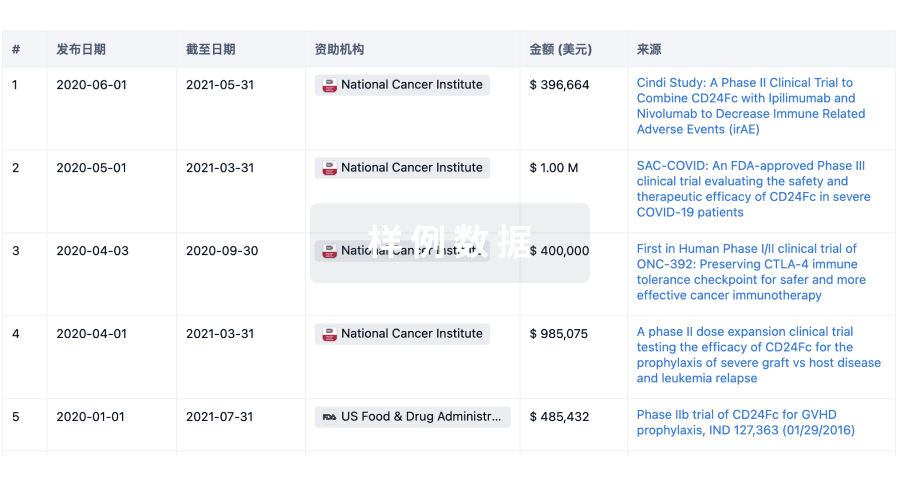
科研基金(NIH)
访问超过 200 万项资助和基金信息,以提升您的研究之旅。
登录
或
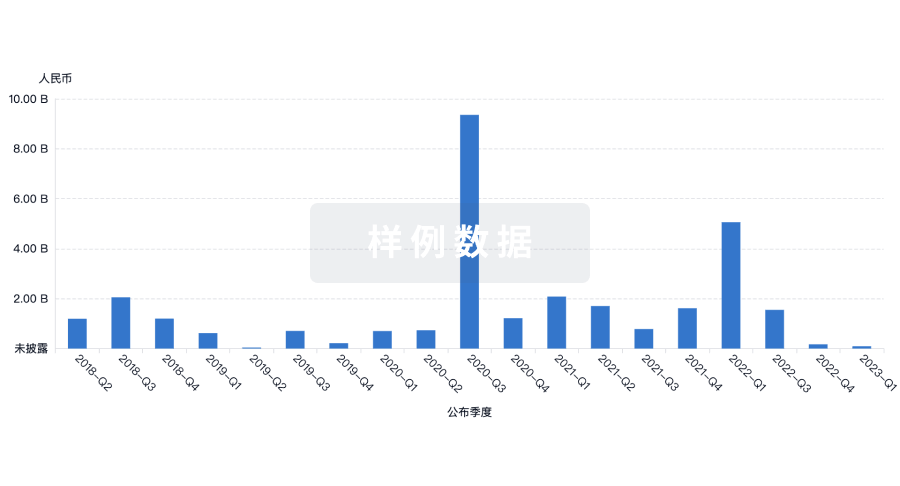
投资
深入了解从初创企业到成熟企业的最新公司投资动态。
登录
或
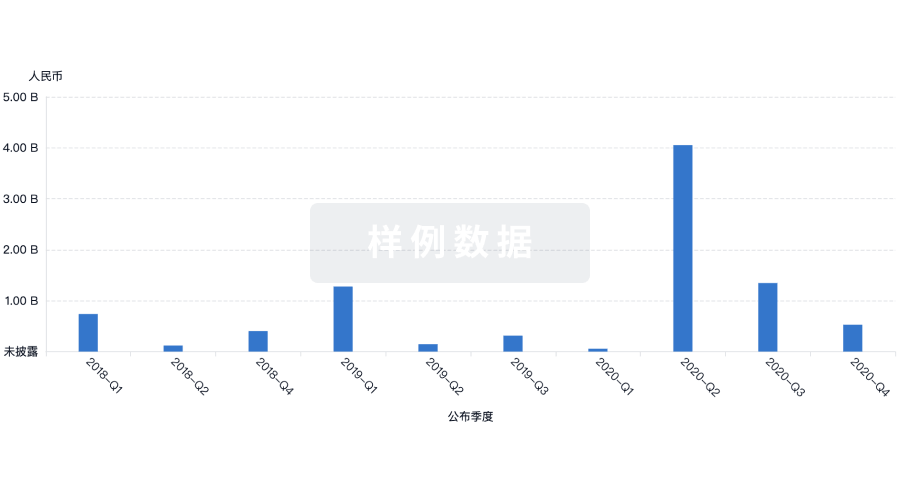
融资
发掘融资趋势以验证和推进您的投资机会。
登录
或
提出任何生物医药研究问题
让每一步生物医药决策都精准制胜
基于十亿级生物数据与全球情报的精准 AI,赋能早期药物发现
立即开始免费试用!
智慧芽新药情报库是智慧芽专为生命科学人士构建的基于AI的创新药情报平台,助您全方位提升您的研发与决策效率。
立即接入生物医药数据包
智慧芽新药库数据也通过智慧芽开放平台,以MCP或API服务形式对外开放。立即使用我们的MCP服务定制您的LLM智能体。
生物序列数据库
生物药研发创新
免费使用
化学结构数据库
小分子化药研发创新
免费使用