预约演示
更新于:2026-09-30

Livzon Pharmaceutical Group, Inc.
更新于:2026-09-30
概览
标签
肿瘤
感染
泌尿生殖系统疾病
小分子化药
中药
预防性疫苗
疾病领域得分
一眼洞穿机构专注的疾病领域

技术平台
公司药物应用最多的技术
靶点
公司最常开发的靶点
关联
靶点 |
作用机制 |
在研机构 |
原研机构 |
在研适应症 |
非在研适应症 |
最高研发阶段 |
首次获批国家/地区 |
首次获批日期 |

靶点 |
作用机制 |
在研机构 |
原研机构 |
在研适应症 |
非在研适应症 |
最高研发阶段 |
首次获批国家/地区 |
首次获批日期 |
靶点 |
作用机制 |
在研机构 |
原研机构 |
在研适应症 |
非在研适应症 |
最高研发阶段 |
首次获批国家/地区 |
首次获批日期 |
NCT07843251
A Single-Center, Prospective Trial Evaluating the Efficacy and Tumor Immune Microenvironment Remodeling Induced by Shenqi Fuzheng Injection Combined With Neoadjuvant PD-1 Inhibitors and Platinum-Based Chemotherapy in Resectable Locally Advanced NSCLC
CTR20262640
[14C]H001在成年男性健康试验参与者体内的物质平衡和绝对生物利用度研究
CTR20261957
一项评价皮下注射JKN2401注射液治疗慢性鼻窦炎伴鼻息肉患者有效性、安全性的随机、双盲、安慰剂对照II期临床研究
100 项与 丽珠医药集团股份有限公司 相关的临床结果
登录后查看更多信息
登录后查看更多信息
2026-11-01BIORESOURCE TECHNOLOGY
Non-sterile fermentation of butyl butyrate by Clostridium tyrobutyricum with an anti-microbial contamination system
Article
作者: Chen, Yingli ; Fang, Chao ; Wang, Yifeng ; Zhu, Zhengming ; Wu, Chao ; Jiang, Ling ; Ren, Chi ; Yang, Zhihan
Microbial contamination is a major challenge in industrial fermentation, while conventional sterilization is energy-intensive and costly. Here, an anti-contamination system was developed in Clostridium tyrobutyricum for non-sterile production of butyl butyrate (BB). C. tyrobutyricum L319 grow on unconventional nitrogen sources, namely formamide (50 mM) and urea (20 mM), as well as phosphite (50 mM) as the sole phosphorus source. Heterologous expression of phosphite dehydrogenase (ptxD) further enhanced phosphite utilization and raised the intracellular level of reducing equivalents. The engineered strain maintained up to 88% population dominance under non-sterile conditions. In 3 L bioreactors, the engineered strain produced 0.5 g/L BB under non-sterile batch fermentation. This proof-of-concept strategy has the potential to reduce energy input and production costs by eliminating the need for sterilization and antibiotics. These findings represent an initial step toward low-cost, antibiotic-free biomanufacturing using C. tyrobutyricum as cell factory.
2026-01-01JOURNAL OF CONTROLLED RELEASE
FormulationLAI: A physiology-based machine learning framework for accelerated development of long-acting injectable formulations
Article
作者: Wang, Nannan ; Wu, Yiyang ; Zhu, Jinying ; Wang, Wei ; Xiong, Ping ; Wang, Yanqing ; Ouyang, Defang ; Deng, Jiayin ; Zhong, Hao ; Lu, Tianshu ; Wang, Ruifeng
Long-acting injectables (LAIs) represent promising drug delivery platforms for chronic diseases management, but their clinical translation remains constrained by extremely long trial-and-error experiments (8-10 years), limited mechanism insights, and poor in vitro-in vivo correlation (IVIVC). How can we design LAI formulations more efficiently and predictably? Here, we propose a closed-loop computational framework integrating machine learning (ML), physiologically based pharmacokinetic (PBPK) modeling, and molecular dynamics (MD) simulations to accelerate LAI formulation design. Using the commercial poly (lactic-co-glycolic acid) (PLGA)-based injectable Zilretta® as a benchmark, PBPK/PD modeling was used to define target in vitro release profiles that maximize therapeutic exposure. Guided by ML predictions, an optimized in situ forming gel (ISFG) formulation was developed for intra-articular delivery of triamcinolone acetonide, achieving a 34 % increase in drug exposure compared to commercial suspension in rat pharmacokinetic studies. MD simulations elucidated key drug-polymer interactions enabling sustained release. The transformative computational framework could significantly reduce the formulation development time during the preclinical phase from the traditional 5-7 years to approximately 1-2 years. This framework redefines the formulation paradigm: from empirical "formulate-and-test" to predictive "compute-and-validate", and offers a scalable strategy for rational, efficient development of long-acting injectables.
2025-11-04Microbiology Spectrum
Article
作者: Sun, Wei ; Hu, Xinxin ; Li, Congran ; Zhang, Zhimeng ; Yang, Xinyi ; You, XueFu ; Lu, Xi ; Sun, Lang ; Pang, Jing ; Yang, Lu ; Nie, Tongying
ABSTRACT:
Ilaprazole, a proton pump inhibitor, has been approved and marketed in Korea
and China for the treatment of gastric ulcer, duodenal ulcer,
gastroesophageal reflux disease, and erosive esophagitis. This study
evaluated the
in vitro
antibacterial activity of ilaprazole
against
Helicobacter pylori
(
H. pylori
),
both as a single agent and in combination with other components used in the
standard quadruple therapy. The antibacterial activity of ilaprazole was
tested on 25
H
.
pylori
strains, including
the clinical isolates resistant to clarithromycin (CLA), amoxicillin (AMX),
levofloxacin, and/or metronidazole. Antibacterial activities and killing
kinetics were evaluated by the minimal inhibitory concentration (MIC) and
time-kill curve determination, respectively. Synergistic effects were
assessed in checkerboard and time-kill assays. Resistance development was
assessed through serial passage over 12 cycles. Ilaprazole exhibited potent
in vitro
antibacterial activity against
H.
pylori
, with MIC
50
and MIC
90
values of 8
µg/mL, demonstrating activity against drug-resistant strains. When
combined with CLA, ilaprazole showed synergistic effects against 36% of the
tested strains. Notably, the quadruple combination of ilaprazole + AMX + CLA
+ bismuth potassium citrate exhibited an obvious synergistic effect.
Importantly, repeated exposure to ilaprazole over 12 passages did not induce
resistance. These findings highlight the promising
in vitro
antibacterial activity of ilaprazole against
H. pylori
,
including drug-resistant strains, and its potential to enhance the efficacy
of quadruple therapy. The study supports the inclusion of ilaprazole in
treatment regimens for
H. pylori
infections, offering a
compelling rationale for its clinical use.
IMPORTANCE:
H. pylori
infection remains a major global health issue,
contributing to a wide range of gastric diseases. Despite current
treatment regimens, rising antibiotic resistance limits their
effectiveness, emphasizing the need for novel therapeutic approaches.
This study highlights the promising
in vitro
antibacterial activity of ilaprazole against
H. pylori
,
including drug-resistant strains. Ilaprazole not only exhibits direct
antimicrobial effects but also enhances the efficacy of combination
therapy, particularly in quadruple therapy regimens, which are
recommended as first-line treatment. The findings demonstrate that
ilaprazole, in combination with clarithromycin, shows synergistic
effects, offering a potential solution to overcome antibiotic resistance
challenges. Importantly, repeated exposure to ilaprazole did not induce
resistance, a critical factor for its long-term use. These results
provide compelling evidence for ilaprazole’s inclusion in
clinical treatment strategies, contributing to improved eradication
rates and better patient outcomes in
H. pylori
management.
100 项与 丽珠医药集团股份有限公司 相关的药物交易
登录后查看更多信息
100 项与 丽珠医药集团股份有限公司 相关的转化医学
登录后查看更多信息
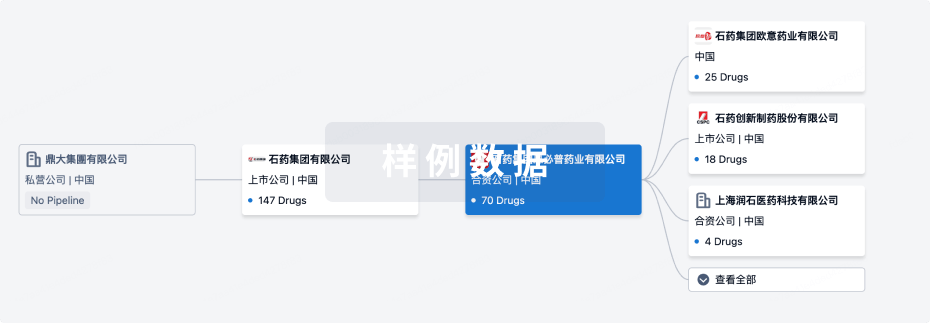
组织架构
使用我们的机构树数据加速您的研究。
登录
或
管线布局
2026年10月09日管线快照
管线布局中药物为当前组织机构及其子机构作为药物机构进行统计,早期临床1期并入临床1期,临床1/2期并入临床2期,临床2/3期并入临床3期
药物发现
8
9
临床前
临床申请
3
3
临床申请批准
临床1期
8
5
临床2期
申请上市
3
30
批准上市
其他
11
登录后查看更多信息
当前项目
登录后查看更多信息
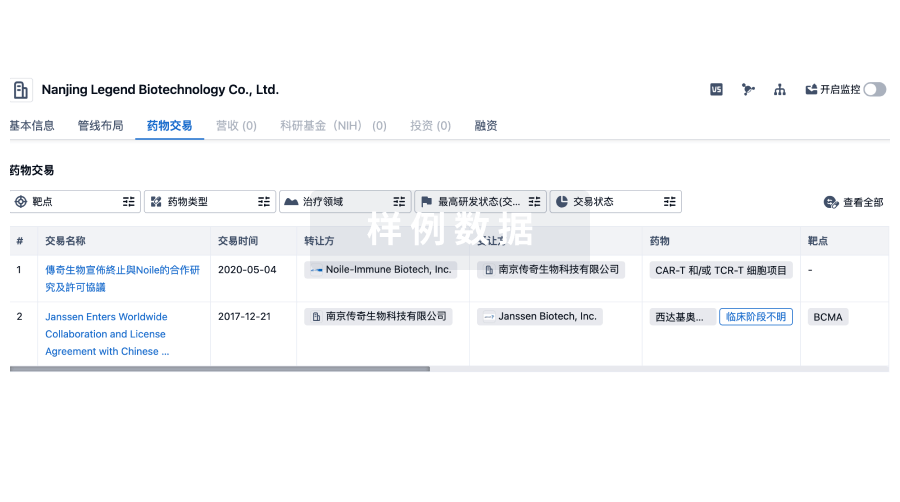
药物交易
使用我们的药物交易数据加速您的研究。
登录
或
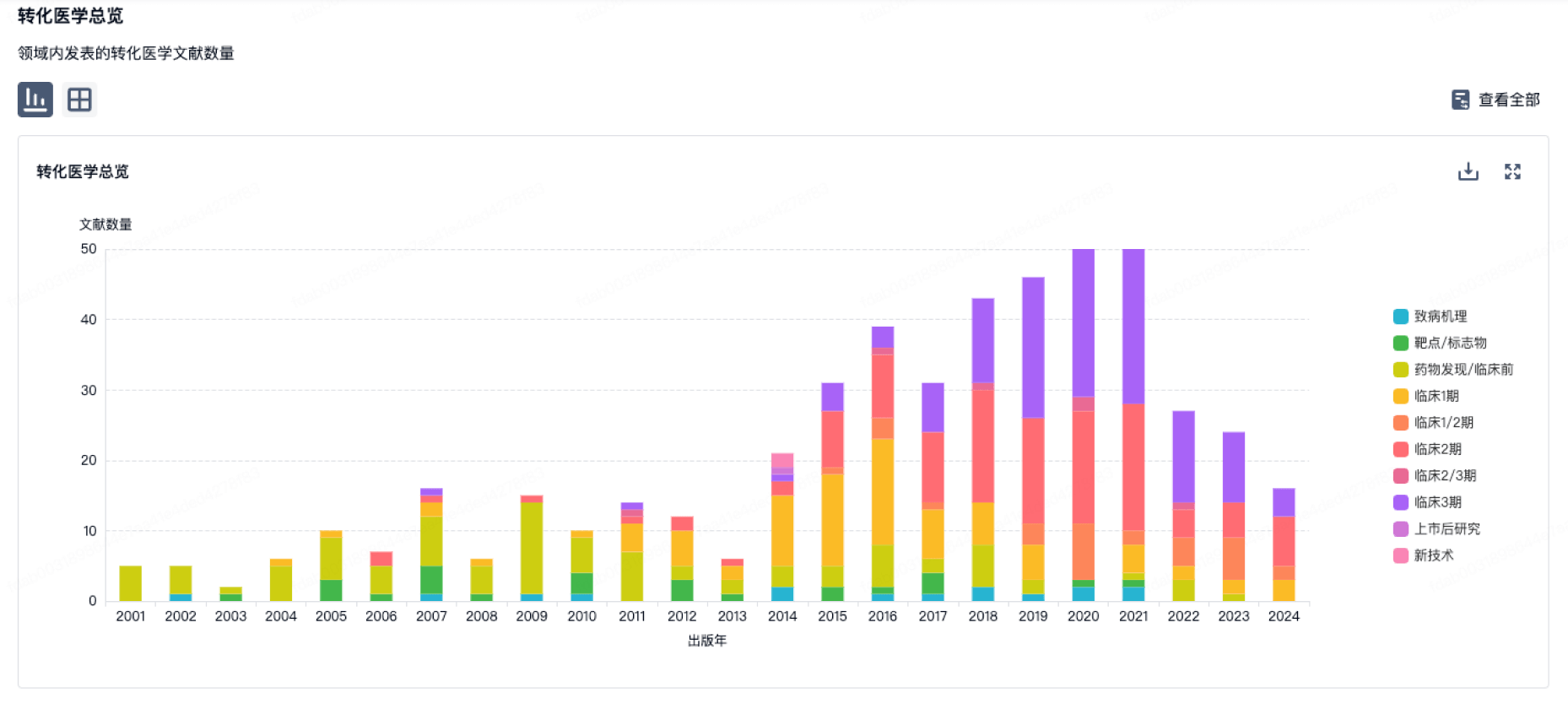
转化医学
使用我们的转化医学数据加速您的研究。
登录
或
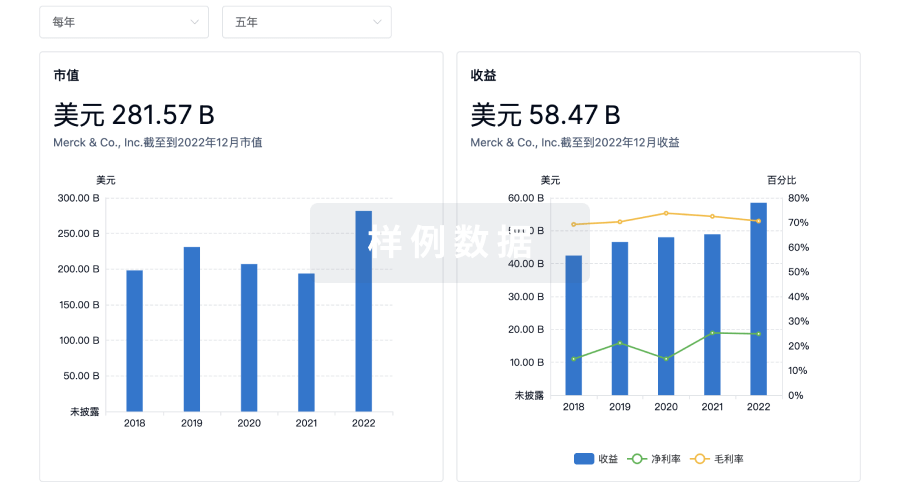
营收
使用 Synapse 探索超过 36 万个组织的财务状况。
登录
或
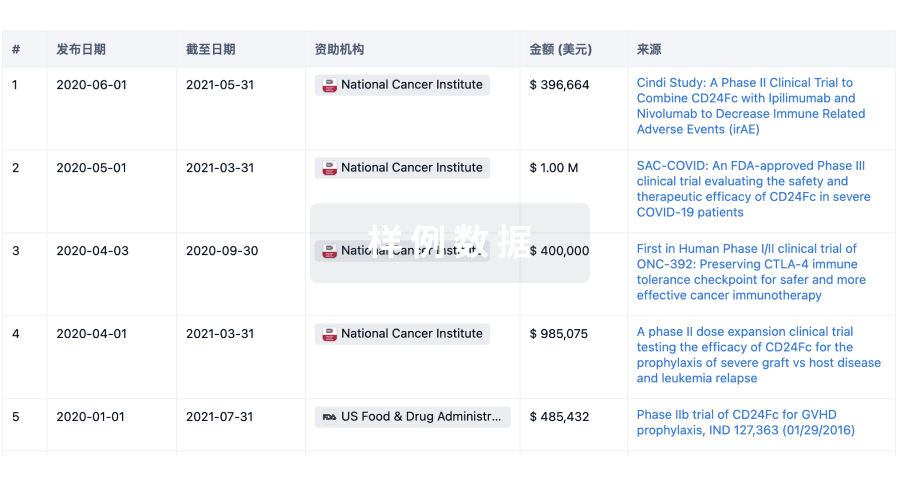
科研基金(NIH)
访问超过 200 万项资助和基金信息,以提升您的研究之旅。
登录
或
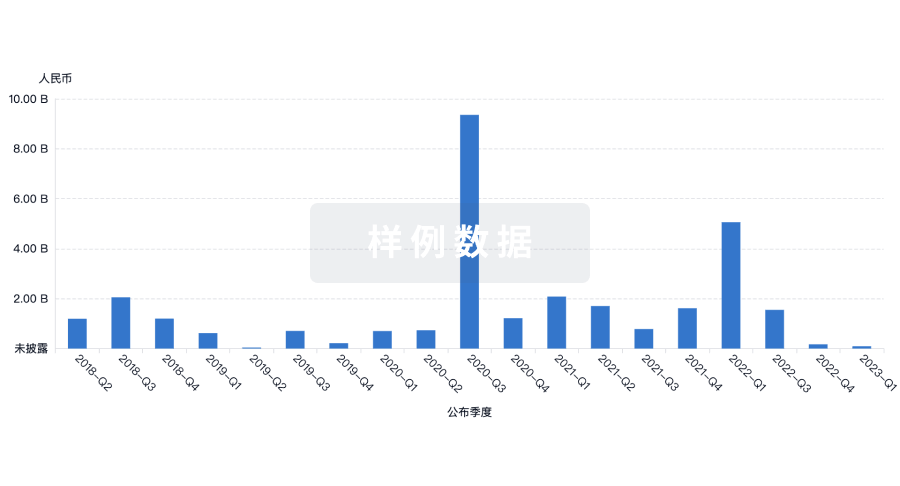
投资
深入了解从初创企业到成熟企业的最新公司投资动态。
登录
或
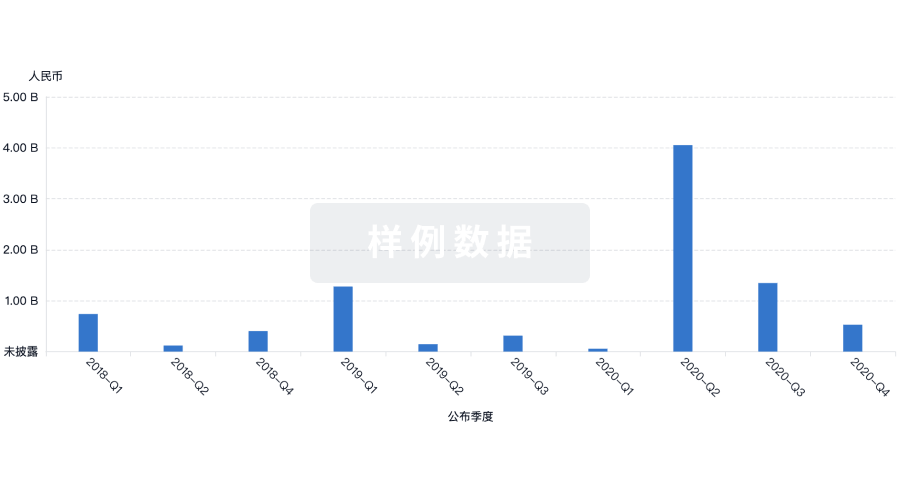
融资
发掘融资趋势以验证和推进您的投资机会。
登录
或
提出任何生物医药研究问题
让每一步生物医药决策都精准制胜
基于十亿级生物数据与全球情报的精准 AI,赋能早期药物发现
立即开始免费试用!
智慧芽新药情报库是智慧芽专为生命科学人士构建的基于AI的创新药情报平台,助您全方位提升您的研发与决策效率。
立即接入生物医药数据包
智慧芽新药库数据也通过智慧芽开放平台,以MCP或API服务形式对外开放。立即使用我们的MCP服务定制您的LLM智能体。
生物序列数据库
生物药研发创新
免费使用
化学结构数据库
小分子化药研发创新
免费使用