预约演示
更新于:2026-03-03

Sun Yat-Sen University Cancer Center
更新于:2026-03-03
概览
标签
肿瘤
消化系统疾病
呼吸系统疾病
小分子化药
治疗性疫苗
蛋白水解靶向嵌合体(PROTAC)
疾病领域得分
一眼洞穿机构专注的疾病领域

技术平台
公司药物应用最多的技术
靶点
公司最常开发的靶点
关联
靶点 |
作用机制 |
在研机构 |
原研机构 |
在研适应症 |
非在研适应症 |
最高研发阶段 |
首次获批国家/地区 |
首次获批日期 |

靶点 |
作用机制 |
在研机构 |
原研机构 |
在研适应症 |
非在研适应症 |
最高研发阶段 |
首次获批国家/地区 |
首次获批日期 |


靶点 |
作用机制 |
在研机构 |
原研机构 |
在研适应症 |
非在研适应症 |
最高研发阶段 |
首次获批国家/地区 |
首次获批日期 |

ChiCTR2600118933
Toripalimab plus cisplatin and docetaxel versus toripalimab alone as neoadjuvant therapy for locally advanced head and neck squamous cell carcinoma: a randomized, open-label, multicenter phase III trial (SHINE Study)
ChiCTR2600117601
Disitamab Vedotin combining with BCG intravesical instillation versus BCG in HER2 expressed high-risk NMIBC patients: a prospective, multicentre, randomised, phase 3 trial (Formula-02)
ChiCTR2600118723
A Randomized, Controlled, Open-Label, Multicenter Clinical Study of Tumor Treating Fields (TTF) Combined with Immune Checkpoint Inhibitors as First-Line Maintenance Therapy for Extensive-Stage Small Cell Lung Cancer
100 项与 中山大学肿瘤防治中心 相关的临床结果
登录后查看更多信息
登录后查看更多信息
2026-12-01ENDOCRINE PATHOLOGY
Whole-Exome Profiling of Epstein–Barr Virus-Positive Neuroendocrine Carcinoma of the Nasopharynx
Article
作者: Liu, Yuan-Tao ; Chen, Xin-Chun ; Zhang, Ao ; Xing, Shan ; Zhang, Xiao-Ying ; Wang, Fang ; Kong, Xiang-Wei ; Li, Yan ; Fu, Jian-Chang
Epstein-Barr virus (EBV)-positive neuroendocrine carcinoma (NEC) of the nasopharynx is a rare malignancy with poor prognosis and lacks squamous markers, rendering it biologically distinct from nasopharyngeal carcinoma (NPC) of squamous epithelial origin. However, its molecular features remain largely undefined, and the entity has not been formally recognized as a nasopharyngeal carcinoma subtype, substantially limiting advances in its diagnosis and treatment. In this study, we performed whole-exome sequencing on seven EBV-positive nasopharyngeal NECs. These tumors exhibited a high tumor mutational burden and recurrent mutations in TP53, APC, and PROK2, with enrichment of alterations in the TP53/WNT, NOTCH, and RTK/RAS/PI3K pathways-mimicking the genomic landscape of NECs at other anatomical sites but clearly diverging from that of NPC. In addition, we identified potentially actionable alterations involving TP53 and KMT2A, suggesting avenues for targeted therapeutic exploration. Collectively, our findings provide molecular evidence supporting EBV-positive NEC of the nasopharynx as a distinct clinicopathologic entity, and offer valuable insights into its oncogenesis and potential therapeutic vulnerabilities.
2026-12-01Asia-Pacific Journal of Oncology Nursing
The burdens, coping strategies, and unmet needs of family caregivers of Chinese patients with lymphoma receiving commercial CAR-T-cell therapy: A qualitative study
Article
作者: Tang, Jiamin ; Shi, Simei ; Huang, Zhicong ; Wang, Ye ; Liu, Jiali ; Chen, Jianwen ; Lin, Xijun
Objective:
This study aimed to describe the caregiving experiences, coping strategies, and unmet health care needs of family caregivers supporting Chinese patients with large B-cell lymphoma receiving commercial chimeric antigen receptor T-cell therapy.
Methods:
A qualitative descriptive design was adopted. Semistructured interviews were conducted with 19 primary family caregivers at a university-affiliated cancer centre in southern China. Data were analysed using Braun and Clarke's thematic analysis framework.
Results:
Three themes were identified: (1) overwhelming caregiving burden, including financial strain, emotional distress, and role conflict; (2) caregivers' patient-centred coping strategies, including familial financial sacrifice, emotional suppression to protect the patient, and reprioritizing work and personal life for care; and (3) unmet caregiver support needs, including navigating therapy costs without systemic support, gaps in caregiver education and care coordination, and caregivers' emotional support being overlooked in care systems.
Conclusions:
Family caregivers of patients receiving this therapy in China experience significant challenges, which are often managed through culturally influenced coping strategies amid limited formal support. A caregiver-inclusive approach (including financial reforms, tailored caregiver education, increased care coordination, and psychosocial services) is essential to support the well-being of family caregivers and optimize treatment outcomes amid evolving oncology trends in China.
2026-05-01RADIOTHERAPY AND ONCOLOGY
Long-term outcomes of S-1-based chemoradiotherapy in inoperable elderly patients with esophageal carcinoma: A multicenter, randomized, phase III clinical trial
Article
作者: Li, Ling ; Chen, Wanqing ; Chen, Junqiang ; Yu, Zhilong ; Zhang, Wencheng ; Qie, Shuai ; Wang, Jianyang ; Wang, Wenqing ; Hu, Miaomiao ; Liang, Jun ; Zhou, Zongmei ; Bi, Nan ; Wang, Xiaomin ; Pang, Qingsong ; Li, Minghe ; Wang, Lan ; Wang, Wei ; Zhou, Haiwen ; Ge, Xiaolin ; Liu, Wenyang ; Han, Chun ; Shi, Hongyun ; Zhang, Kaixian ; Wang, Xin ; Wang, Junjie ; Xiao, Zefen ; Wang, Qifeng ; Zhang, Tao ; Shi, Yonggang ; Deng, Wei ; Han, Weiming ; Lu, Jianchao ; Zhai, Yirui ; Deng, Lei ; Sun, Xinchen ; Zhang, Jihong ; Chang, Xiao ; Liu, Ke ; Lin, Yu ; Zhao, Yidian
PURPOSE:
This study reports the long-term outcomes of simultaneous integrated boost radiotherapy (SIB-RT) combined with oral S-1 chemotherapy (CRTCT) in inoperable patients aged ≥ 70 years with inoperable esophageal squamous cell carcinoma (ESCC).
METHODS:
In this multicenter, phase III randomized trial, patients with inoperable, locally advanced stage II-IV ESCC were randomized to receive either CRTCT or RT alone. The primary endpoint was overall survival (OS); secondary endpoints included progression-free survival (PFS), restricted mean survival time (RMST), and patterns of failure.
RESULTS:
After a median follow-up of 75 months, patients in the CRTCT group had longer OS than those in the RT group (hazard ratio (HR), 0.74; 95 % confidence interval (CI), 0.57-0.95; P = 0.02), with better 5-year OS rates (34.1 % vs. 23.6 %,P = 0.02), PFS (31.1 % vs. 20.9 %,P = 0.02), and RMST (33.0 vs. 27.0 months,P = 0.02). CRTCT's effect on OS stabilized over 5 years. Locoregional failure was lower in the CRTCT group (HR, 0.64; 95 % CI, 0.45-0.92; P = 0.02), with similar distant and mixed failure risks.
CONCLUSIONS:
SIB-RT combined with oral S-1 chemotherapy significantly improved long-term survival and therefore might be considered a standard of care for elderly patients with inoperable ESCC. TRIAL REGISTRATION Clinical Trials.gov Identifier: NCT0297969.
100 项与 中山大学肿瘤防治中心 相关的药物交易
登录后查看更多信息
100 项与 中山大学肿瘤防治中心 相关的转化医学
登录后查看更多信息
组织架构
使用我们的机构树数据加速您的研究。
登录
或
管线布局
2026年10月10日管线快照
管线布局中药物为当前组织机构及其子机构作为药物机构进行统计,早期临床1期并入临床1期,临床1/2期并入临床2期,临床2/3期并入临床3期
临床前
13
1
其他
登录后查看更多信息
当前项目
登录后查看更多信息
药物交易
使用我们的药物交易数据加速您的研究。
登录
或
转化医学
使用我们的转化医学数据加速您的研究。
登录
或
营收
使用 Synapse 探索超过 36 万个组织的财务状况。
登录
或
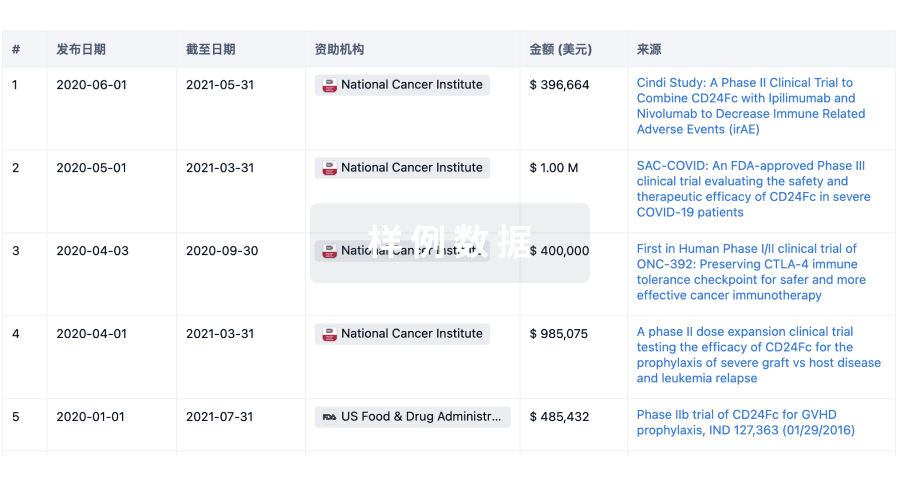
科研基金(NIH)
访问超过 200 万项资助和基金信息,以提升您的研究之旅。
登录
或
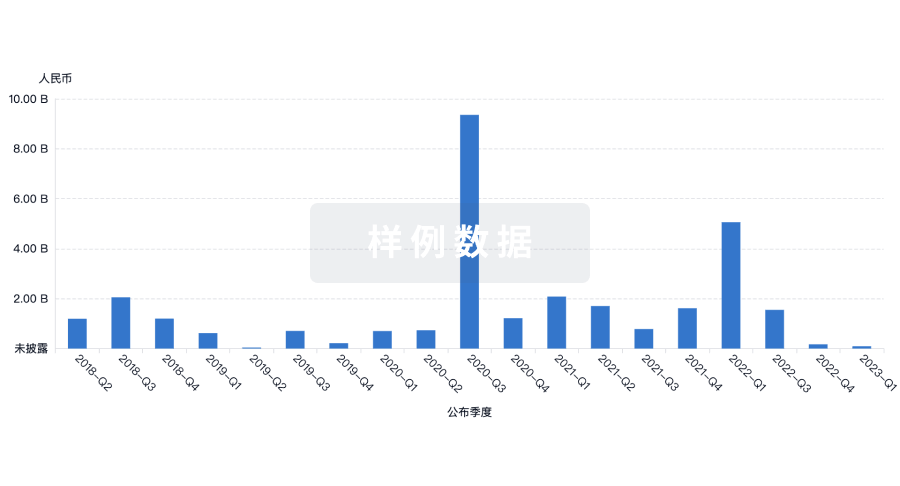
投资
深入了解从初创企业到成熟企业的最新公司投资动态。
登录
或
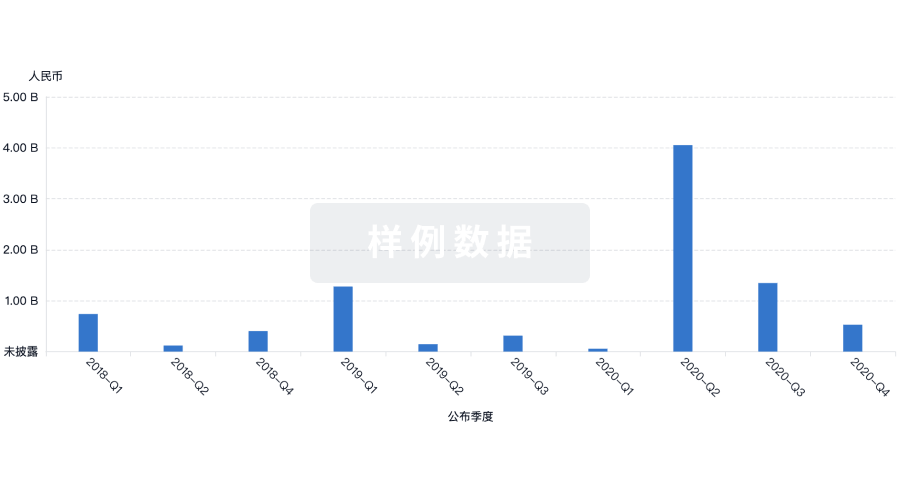
融资
发掘融资趋势以验证和推进您的投资机会。
登录
或
提出任何生物医药研究问题
让每一步生物医药决策都精准制胜
基于十亿级生物数据与全球情报的精准 AI,赋能早期药物发现
立即开始免费试用!
智慧芽新药情报库是智慧芽专为生命科学人士构建的基于AI的创新药情报平台,助您全方位提升您的研发与决策效率。
立即接入生物医药数据包
智慧芽新药库数据也通过智慧芽开放平台,以MCP或API服务形式对外开放。立即使用我们的MCP服务定制您的LLM智能体。
生物序列数据库
生物药研发创新
免费使用
化学结构数据库
小分子化药研发创新
免费使用