预约演示
更新于:2026-08-09
Senju Pharmaceutical Co., Ltd.
更新于:2026-08-09
概览
标签
眼部疾病
心血管疾病
感染
小分子化药
生物药
Fab片段抗体
疾病领域得分
一眼洞穿机构专注的疾病领域

技术平台
公司药物应用最多的技术
靶点
公司最常开发的靶点
关联
靶点 |
作用机制 |
在研机构 |
原研机构 |
在研适应症 |
非在研适应症 |
最高研发阶段 |
首次获批国家/地区 |
首次获批日期 |
靶点 |
作用机制 |
在研机构 |
原研机构 |
在研适应症 |
非在研适应症 |
最高研发阶段 |
首次获批国家/地区 |
首次获批日期 |


靶点 |
作用机制 |
在研机构 |
原研机构 |
在研适应症 |
非在研适应症 |
最高研发阶段 |
首次获批国家/地区 |
首次获批日期 |

JPRN-jRCT2031260374
SJP-0049 Phase 3 -A Single-Center, Single-Masked, Randomized, Placebo- and Active-Controlled Crossover Study in Patients with Allergic Conjunctivitis-
NCT07565103
A Phase I/II Trial to Evaluate Safety, Tolerability, Pharmacokinetics, and Efficacy of SUM-191 in Healthy Participants and in Participants With Bacterial Conjunctivitis

JPRN-UMIN000057941
Web-based survey for dry eye patients (including potential patients)
100 项与 Senju Pharmaceutical Co., Ltd. 相关的临床结果
登录后查看更多信息
登录后查看更多信息
2025-10-01EXPERIMENTAL EYE RESEARCH
Hypoxia-induced activation of calpain and oxidative stress in mitochondria leads to RGC death in human iPSC-derived retinal organoids
Article
作者: Shearer, Thomas R ; Kishimoto, Yayoi ; Hirata, Masayuki ; Azuma, Mitsuyoshi
Proteolysis by calpain enzyme contributes to retinal ganglion cell (RGC) death in hypoxic monkey and human retinal explants, although the mechanism is not fully understood yet. The present experiments are to determine if calpain activation in mitochondria and the subsequent oxidative stress were underlying mechanism driving RGC death in a hypoxia/regeneration culture model, using retinal organoids derived from human induced pluripotent stem (iPS) cells. Retinal organoids were differentiated from human iPS cells. RGCs labeled with tdTomato were purified with magnetic-activated cell sorting. Cellular localization of calpain-related proteins was observed by immunohistochemistry. For example, α-spectrin breakdown product 150 (SBDP150) was detected as a marker for cytosolic calpain activation. Retinal organoids and purified RGCs were cultured with or without calcium chelator BAPTA, calpain inhibitor SNJ-1945, or NRF2 activator NK252 under hypoxia/reoxygenation. Truncated apoptosis-inducing factor (tAIF), a marker for mitochondrial calpain activation was determined by immunoblotting. Mitochondrial membrane potential (MMP) was measured with MT-1 dye. Thiol levels were assessed with Thiol Assay Kit. Hypoxia/reoxygenation induced an increase in the cytoplasmic calpain activation marker SBDP150 and the mitochondrial calpain activation marker tAIF, leading to RGC death. Additionally, it led to a decrease in thiol levels and MMP impairment. These changes were inhibited by BAPTA and calpain inhibitor SNJ-1945. NK252 prevented RGC death but did not inhibit calpain-mediated proteolysis. Our findings with human iPS-drived RGC culture model demonstrate that calcium influx in hypoxic RGCs activates mitochondrial calpain, which induced the depletion of thiol levels and the collapse of MMP, ultimately leading to cell death.
2025-02-01iScience
Identification of meibomian gland testosterone metabolites produced by tissue-intrinsic intracrine deactivation activity
Article
作者: Hasegawa, Emi ; Miyake, Takahito ; Doi, Masao ; Uehara, Hikari ; Suzuki, Tomo ; Hamada, Yuki ; Nakajima, Takeshi ; Machida, Mamiko ; Nguyen Pham, Khanh Tien ; Kinoshita, Shigeru
Intracrinology-wherein hormones are synthesized in the organ where they exert their effect without release into circulation-has been described. However, molecular mechanisms of hormone deactivation within intracrine tissue are still largely unknown. The meibomian glands in the eyelids produce oil (meibum) to the ocular surface to prevent dehydration (dry eye). Androgens are generated inside this gland and are crucial for its tissue-homeostasis. However, there is no data showing the presence of androgens in meibum, implying local conversion/deactivation into unknown metabolites. Here, we performed radioactive tracer studies in combination with pharmacological enzyme inhibition, followed by targeted liquid chromatography-tandem mass spectrometry (LC-MS/MS) analysis, and found three androgen metabolites-androstanedione, androsterone, and epiandrosterone-in mouse and human meibomian glands. Accounting for the enzymatic conversion, we show tissue-endogenous 3α/3β-ketosteroid reductase expression. We therefore reinforce the idea that androgens are metabolically inactivated within the glands. These metabolite markers may help to assess meibomian local androgen activity using meibum.
2025-01-01Journal of Toxicologic Pathology
Report of the AI Pathology Task Force, Non-clinical Evaluation Expert Committee, Japan Pharmaceutical Manufacturers Association: an overview of recent publications about AI pathology
Review
作者: Inomata, Akira ; Suzuki, Mutsumi ; Sato, Gen ; Yamagiwa, Yoshinori ; Tomikawa, Emi ; Kangawa, Yumi ; Kato, Yuki ; Kojima, Kensuke ; Matsumoto, Izumi ; Sakai, Satoshi ; Kagawa, Yusuke
The use of artificial intelligence (AI) in non-clinical pathology is rapidly expanding. In this study, we conducted a literature survey of articles published after 2017 that used AI to analyze the histopathological images of experimental animals. We identified 44 articles that used AI for various purposes, including the detection of abnormal sites, determination and quantification of normal tissues, and classification of normal/abnormal images. AI systems or applications were either custom-built, commercially available, or a combination of both. Rats and mice were mainly used, and the liver was the most frequently analyzed organ. Our findings suggest that AI can be useful in non-clinical pathology and that collaboration between pharmaceutical companies or cooperation with IT experts can be a potential approach to further advance the utilization of AI in this field.
100 项与 Senju Pharmaceutical Co., Ltd. 相关的药物交易
登录后查看更多信息
100 项与 Senju Pharmaceutical Co., Ltd. 相关的转化医学
登录后查看更多信息
组织架构
使用我们的机构树数据加速您的研究。
登录
或
管线布局
2026年10月18日管线快照
管线布局中药物为当前组织机构及其子机构作为药物机构进行统计,早期临床1期并入临床1期,临床1/2期并入临床2期,临床2/3期并入临床3期
药物发现
1
5
临床前
临床2期
4
1
临床3期
批准上市
18
18
其他
登录后查看更多信息
当前项目
登录后查看更多信息
药物交易
使用我们的药物交易数据加速您的研究。
登录
或
转化医学
使用我们的转化医学数据加速您的研究。
登录
或
营收
使用 Synapse 探索超过 36 万个组织的财务状况。
登录
或
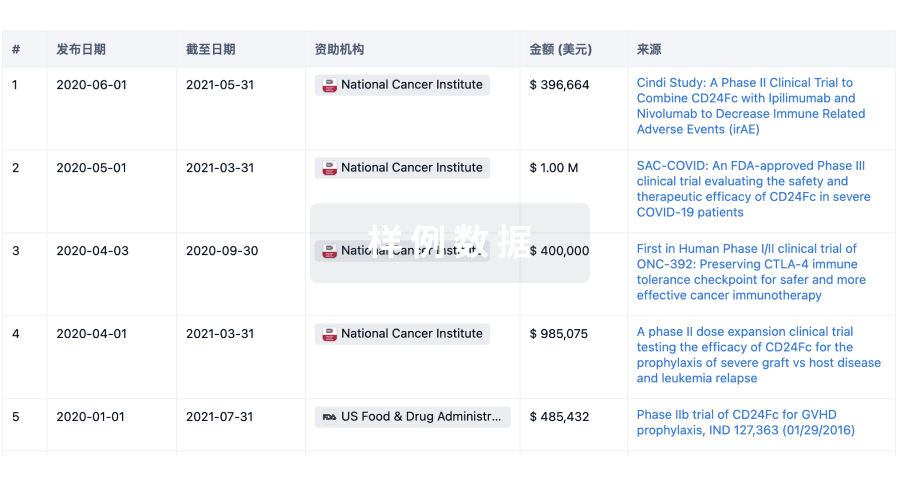
科研基金(NIH)
访问超过 200 万项资助和基金信息,以提升您的研究之旅。
登录
或
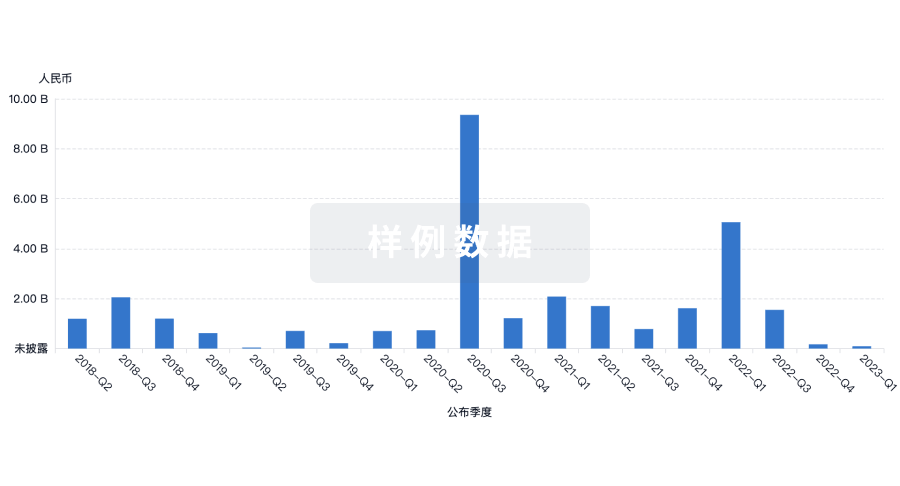
投资
深入了解从初创企业到成熟企业的最新公司投资动态。
登录
或
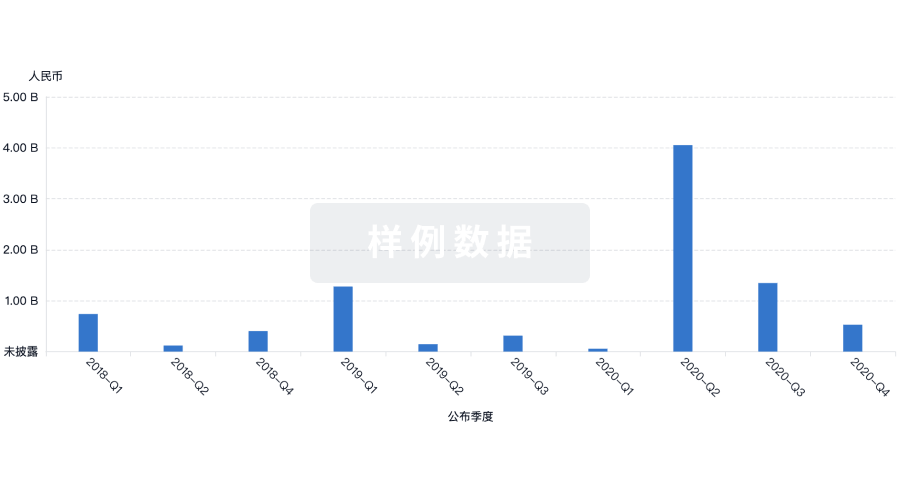
融资
发掘融资趋势以验证和推进您的投资机会。
登录
或
提出任何生物医药研究问题
让每一步生物医药决策都精准制胜
基于十亿级生物数据与全球情报的精准 AI,赋能早期药物发现
立即开始免费试用!
智慧芽新药情报库是智慧芽专为生命科学人士构建的基于AI的创新药情报平台,助您全方位提升您的研发与决策效率。
立即接入生物医药数据包
智慧芽新药库数据也通过智慧芽开放平台,以MCP或API服务形式对外开放。立即使用我们的MCP服务定制您的LLM智能体。
生物序列数据库
生物药研发创新
免费使用
化学结构数据库
小分子化药研发创新
免费使用