预约演示
更新于:2026-03-01

Xiangya Hospital Central South University
更新于:2026-03-01
概览
标签
肿瘤
其他疾病
内分泌与代谢疾病
小分子化药
单克隆抗体
化学药
疾病领域得分
一眼洞穿机构专注的疾病领域

技术平台
公司药物应用最多的技术
靶点
公司最常开发的靶点
关联
靶点 |
作用机制 |
在研机构 |
原研机构 |
在研适应症 |
非在研适应症 |
最高研发阶段 |
首次获批国家/地区 |
首次获批日期 |

靶点 |
作用机制 |
在研机构 |
原研机构 |
在研适应症 |
非在研适应症 |
最高研发阶段 |
首次获批国家/地区 |
首次获批日期 |

靶点 |
作用机制 |
在研机构 |
原研机构 |
在研适应症 |
非在研适应症 |
最高研发阶段 |
首次获批国家/地区 |
首次获批日期 |


NCT07405346
Clinical Study on First-line Treatment for Advanced Leiomyosarcoma Based on Drug Sensitivity of Organoid
NCT07412223
Effect of Tegileridine on Postoperative Bowel Function Recovery in Abdominal Surgery: A Multicenter, Randomized, Controlled Trial
ChiCTR2600119138
The Efficacy and Safety of Imatinib in Treating Refractory Alopecia Areata: A Prospective, Single-Arm, Exploratory Study
100 项与 中南大学湘雅医院 相关的临床结果
登录后查看更多信息
登录后查看更多信息
2026-12-31Dialogues in Clinical Neuroscience
Current potential biomarkers for Alzheimer’s disease, Parkinson’s disease and amyotrophic lateral sclerosis: review of literature
Review
作者: Peng, Jiaman ; Wang, Junling ; Xu, Renshi ; Deng, Youqing ; Fan, Ting
INTRODUCTION:
Alzheimer's disease (AD), Parkinson's disease (PD) and amyotrophic lateral sclerosis (ALS) are several common neurodegenerative diseases (NDs). At present, is the lack of effective diagnosis, progression, prognosis and therapeutic biomarkers. it is a urgent demand to search the relevant confident biomarkers.
AREA COVERED:
This review systematically analysed the potential biomarkers of blood, cerebrospinal fluid, neuroimaing and emerging non-invasive indicators, and synthesises current evidences on the biomarkers of AD, PD and ALS about diagnosis, progression, prognosis and therapeutic, especially diagnosis biomarkers.
EXPERT COMMENTARY:
In this review, we focus on discussing relevant diagnosis, progression, prognosis and therapeutic biomarkers for AD, PD and ALS in recent years, and prospecting the possible future directions of relevant biomarkers.
2026-07-01BIOMATERIALS
Activating the SDF-1/CXCR4 axis: Notoginsenoside R1-Functionalized zinc scaffolds accelerate fracture healing and angiogenesis in diabetic osteoporosis
Article
作者: Li, Yangjie ; Xie, Kangling ; Hu, Fan ; Du, Wei ; Zong, Yujiao ; Lin, Yuan ; Li, Jiahao ; Jia, Nan ; Yang, Chuyan ; Deng, Xiangying ; Li, Cui ; Wu, Manyuan ; Zhao, Mingchun ; Cai, Ying
Effective treatment of diabetic osteoporotic fractures (DOF) requires biomaterials capable of promoting vascularized bone regeneration. A biodegradable porous zinc (Zn) scaffold incorporating sustained-release Notoginsenoside R1 (NGR1), referred to as Zn-NGR1, was developed using powder metallurgy and impregnation techniques. Comprehensive characterization by scanning electron microscopy (SEM), energy-dispersive X-ray spectroscopy (EDS), X-ray diffraction (XRD), and high-performance liquid chromatography (HPLC) confirmed the scaffold's morphology, composition, and controlled NGR1 release. In a streptozotocin (STZ)-induced diabetic and ovariectomized (OVX) rat model with femoral fractures, Zn-NGR1 implantation markedly accelerated fracture healing, enhanced angiogenesis as demonstrated by hematoxylin and eosin (H&E) staining, Masson's trichrome staining, and immunohistochemistry/immunofluorescence (IHC/IF) analysis for cluster of differentiation 31 (CD31) and vascular endothelial growth factor (VEGF), and improved mechanical strength in three-point bending tests. Bone volume fraction (BV/TV) increased by 20 % compared with controls. Transcriptomic profiling (RNA sequencing, RNA-seq) combined with network pharmacology and machine learning analysis identified the stromal cell-derived factor 1 (SDF-1)/C-X-C chemokine receptor type 4 (CXCR4) signaling axis as the principal pathway activated by NGR1. In vitro, Zn-NGR1 significantly enhanced bone marrow mesenchymal stem cell (BMSC) and human umbilical vein endothelial cell (HUVEC) proliferation and migration, promoted osteogenic differentiation, and stimulated angiogenesis through SDF-1/CXCR4 upregulation, confirmed by real-time quantitative polymerase chain reaction (RT-qPCR) and Western blot analysis. In vivo validation demonstrated that Zn-NGR1 facilitates diabetic fracture healing by activating the SDF-1/CXCR4 axis, thereby promoting osteogenesis and angiogenesis. These findings indicate that Zn-NGR1 scaffolds represent a promising biomaterial strategy for improving DOF repair through targeted modulation of the SDF-1/CXCR4 axis.
2026-03-01CLINICAL RHEUMATOLOGY
IL-33/ST2 induces Tfh cells activation and GCs formation in collagen-induced arthritis
Article
作者: Wu, Shiyao ; Zhang, Xiaoli ; Li, Tong ; Xiao, Xiaoyu ; Zhang, Huali ; Xie, Xiaoyun ; Pan, Shaowei
BACKGROUND:
The Interleukin-33 (IL-33) has a strong[AL1] pro-inflammatory effect on collagen-induce arthritis (CIA), a classic animal model of rheumatoid arthritis (RA). However, the underlying mechanism remains unclear. In this study, we investigated the presence of the IL-33 receptor suppression of tumorigenicity 2 (ST2) on T follicular helper (Tfh) cells and its impact on CIA through regulation of Tfh cells and germinal center (GC) B cells. [AL1]LE: Please check if the corresponding author's telecommunications data are correctly captured/indicated.
METHODS:
In vitro studies involved treating polarized Tfh cells with IL-33 to analyze its effects on Tfh differentiation by measuring ST2, PD-1, and CXCR5 expression using flow cytometry. C57BL/6J mice were immunized with keyhole limpet hemocyanin (KLH) and divided into three groups: control, KLH-only, and KLH+IL-33. Additionally, ST2-/- mice were immunized with KLH. The ratio of T follicular regulatory (Tfr)/Tfh in spleens was examined by flow cytometry. DBA/1 mice were divided into four groups: control, CIA-only, CIA+low-does IL-33(days 1-5), and CIA+high-does IL-33 (days 1-5 and 21-25). Arthritis severity was assessed using arthritis score, hematoxylin and eosin (H&E) staining, and Safranin O-Fast Green staining. Flow cytometry measured CXCR5/PD-1 expression on CD4+T cells and GL-7/FAS expression on B cells in draining lymph nodes (LN). ELISA was used to detect serum[AL1] IgG, IgM and anti-bovine collagen type II IgG2a and IgG2b antibodies concentrations. [AL1]LE: Please check if the section headings are assigned to appropriate levels.
RESULTS:
In vitro experiments showed that IL-33 promoted Tfh differentiation and survival. IL-33 disrupted the Tfr/Tfh balance in the KLH model. In CIA, IL-33 exacerbated arthritis severity by enhancing Tfh cell proliferation in LNs and significantly altering GC B cell development and antibody production.
CONCLUSION:
This study reveals a novel mechanism by which IL-33 exacerbates RA, suggesting its pro-inflammatory effects are mediated through Tfh cell polarization and GC activation. Key Points • The IL-33/ST2 axis promotes Tfh cell differentiation and viability. • IL-33 exacerbates arthropathy and enhances germinal center reactions in CIA mice. • IL-33 increases the Tfh cell ratio and ST2 expression on Tfh cells in CIA mice. • The IL-33/ST2 axis disrupts the Tfr/Tfh balance in KLH-immunized mice.
100 项与 中南大学湘雅医院 相关的药物交易
登录后查看更多信息
100 项与 中南大学湘雅医院 相关的转化医学
登录后查看更多信息
组织架构
使用我们的机构树数据加速您的研究。
登录
或
管线布局
2026年10月24日管线快照
管线布局中药物为当前组织机构及其子机构作为药物机构进行统计,早期临床1期并入临床1期,临床1/2期并入临床2期,临床2/3期并入临床3期
药物发现
14
14
临床前
早期临床1期
2
4
其他
登录后查看更多信息
当前项目
登录后查看更多信息
药物交易
使用我们的药物交易数据加速您的研究。
登录
或
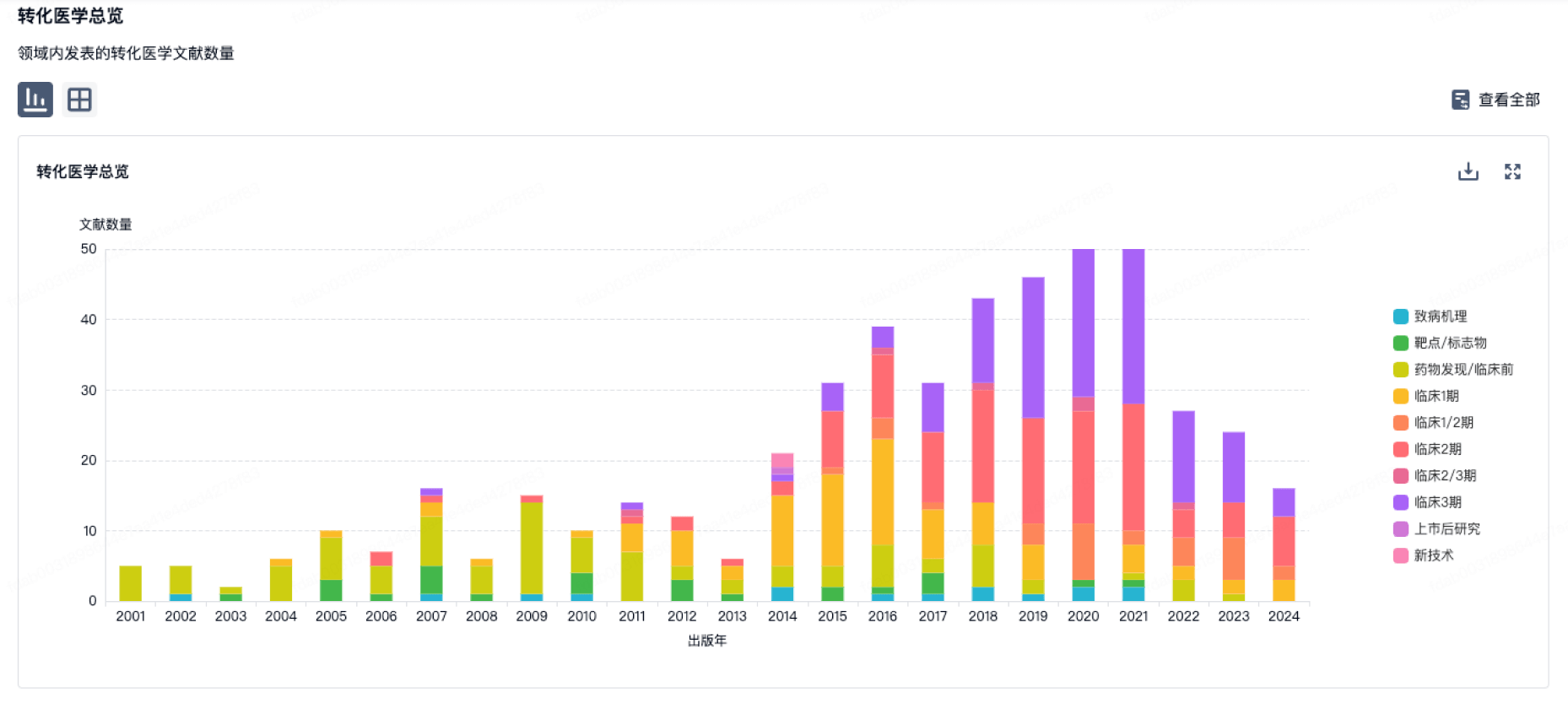
转化医学
使用我们的转化医学数据加速您的研究。
登录
或
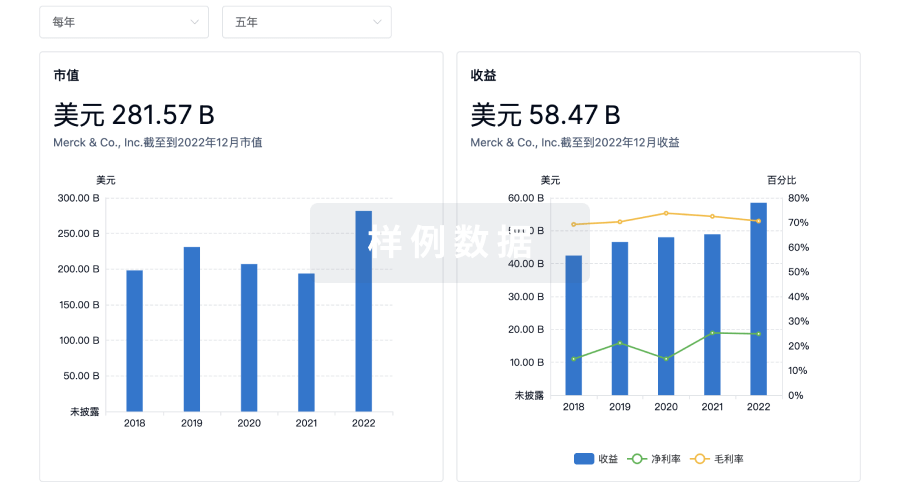
营收
使用 Synapse 探索超过 36 万个组织的财务状况。
登录
或
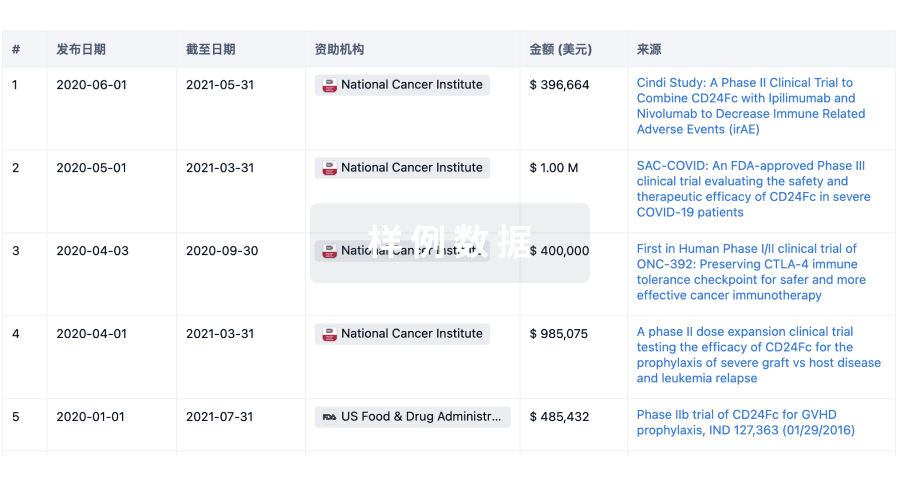
科研基金(NIH)
访问超过 200 万项资助和基金信息,以提升您的研究之旅。
登录
或
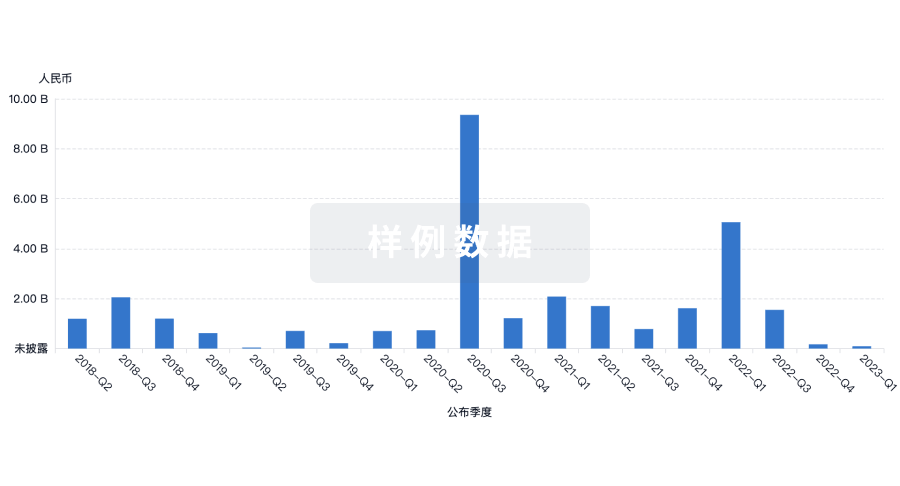
投资
深入了解从初创企业到成熟企业的最新公司投资动态。
登录
或
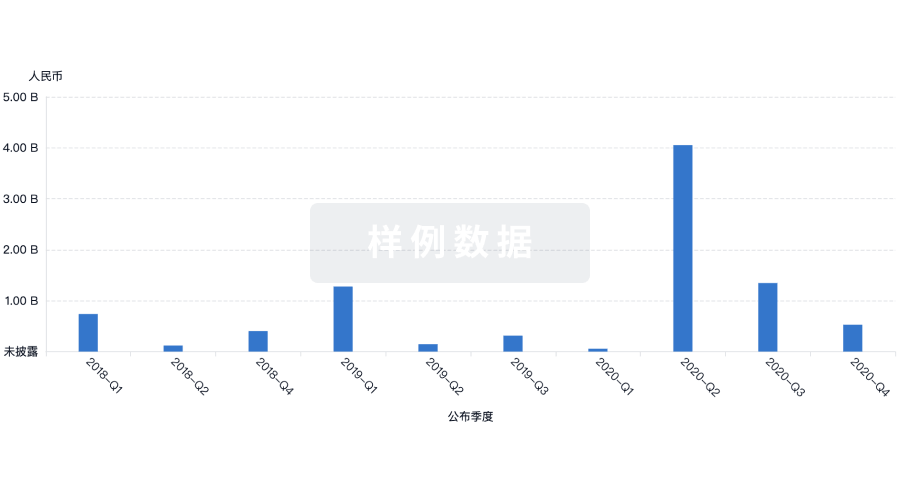
融资
发掘融资趋势以验证和推进您的投资机会。
登录
或
提出任何生物医药研究问题
让每一步生物医药决策都精准制胜
基于十亿级生物数据与全球情报的精准 AI,赋能早期药物发现
立即开始免费试用!
智慧芽新药情报库是智慧芽专为生命科学人士构建的基于AI的创新药情报平台,助您全方位提升您的研发与决策效率。
立即接入生物医药数据包
智慧芽新药库数据也通过智慧芽开放平台,以MCP或API服务形式对外开放。立即使用我们的MCP服务定制您的LLM智能体。
生物序列数据库
生物药研发创新
免费使用
化学结构数据库
小分子化药研发创新
免费使用