预约演示
更新于:2026-03-03

University of Wisconsin
更新于:2026-03-03
概览
标签
肿瘤
皮肤和肌肉骨骼疾病
其他疾病
小分子化药
蛋白水解靶向嵌合体(PROTAC)
治疗用放射药物
疾病领域得分
一眼洞穿机构专注的疾病领域

技术平台
公司药物应用最多的技术
靶点
公司最常开发的靶点
关联
靶点 |
作用机制 |
在研机构 |
原研机构 |
在研适应症 |
非在研适应症 |
最高研发阶段 |
首次获批国家/地区 |
首次获批日期 |

靶点 |
作用机制 |
在研机构 |
原研机构 |
在研适应症 |
非在研适应症 |
最高研发阶段 |
首次获批国家/地区 |
首次获批日期 |

靶点 |
作用机制 |
在研机构 |
原研机构 |
在研适应症 |
非在研适应症 |
最高研发阶段 |
首次获批国家/地区 |
首次获批日期 |


NCT07167953
MRI Technology for Greater Efficiency and Improved Value

NCT06855043
Pilot Randomized Controlled Trial of Late Surfactant Therapy With Budesonide for Prevention of Bronchopulmonary Dysplasia
NCT07218653
Sex-Specific Cerebrovascular Dysfunction in Metabolic Syndrome-Role of COX
100 项与 University of Wisconsin 相关的临床结果
登录后查看更多信息
登录后查看更多信息
2026-12-01Clinical Proteomics
Shake and bake: a robust and cost-effective proteomic sample preparation workflow for plasma and cerebrospinal fluid
Article
作者: Sihlbom, Carina ; Zetterberg, Henrik ; Weiner, Sophia ; Gobom, Johan ; Thorsell, Annika ; Dugom, Laura ; Easton, Amy ; Fuchs, Johannes ; Rönnholm, John
2026-12-01HUMAN GENETICS
Evaluating genetic-based disease prediction approaches through simulation
Article
作者: Schrodi, Steven J ; Maadooliat, Mehdi ; Shpak, Max ; Mahmoudiandehkordi, Soroush ; Parfitt, Eric
2026-12-01Current Pain and Headache Reports
Pain-Related Social and Behavioral Changes: a Complex Interplay
Review
作者: Hasoon, Jamal ; Pritzlaff, Scott ; Abd-Elsayed, Alaa ; Saasouh, Wael ; Bianco, Giuliano Lo ; Pawar, Neha
PURPOSE OF REVIEW:
Behavioral lifestyle factors such as physical activity, stress, sleep, and nutrition are increasingly recognized as essential contributors to chronic pain. Their influence on chronic pain highlights its widespread, modifiable nature, affecting large population segments. This reinforces chronic pain as a significant public health issue and its socioeconomic impact and need for population-level prevention strategies. Pain is inherently subjective, and pain research traditionally relies on the self-reported pain score as a common primary outcome. This provides an incomplete measure of the impact of pain interventions on these challenges.
RECENT FINDINGS:
Neuroimaging studies reveal structural brain changes in chronic pain generally via maladaptive synaptic plasticity. Targeting brain regions such as the anterior cingulate cortex, amygdala, and the rostral ventromedial medulla and their associated receptors offers promising new avenues for treating chronic pain, especially when emotional and stress-related components are involved. Understanding the interplay between neurological and biopsychosocial mechanisms can help us create and evaluate targeted interventions that address both neural and emotional contributors to pain. The biopsychosocial model, which considers biological, psychological, and social factors, is fundamental to chronic pain research. It emphasizes recognition of all three of these factors and the significant influence they each have on pain severity, disability, emotional distress, work status, and healthcare utilization. As a result, behavioral and cognitive-behavioral treatments have become essential components of many interdisciplinary treatment centers and behavioral medicine clinics, though access remains limited in some areas. Biopsychosocial approaches recognize pain-related behaviors are shaped by past experiences and current circumstances, with cognitive, affective, and sensory factors playing key roles-consistent with the principles of the neuromatrix theory Melzack (J Dent Educ. 2001;65:1378-82, 2001). Effective chronic pain treatment goes beyond simply reducing pain-it helps patients manage their condition in ways that support meaningful daily activities, reduce emotional distress, and promote responsible healthcare use. A comprehensive, interdisciplinary approach may be beneficial for delivering treatment that effectively helps people manage chronic pain. Herein, we highlight the multifaceted nature of chronic pain-its neurobiological foundations, behavioral influences, and social implications-underscoring the importance of integrating cognitive, affective, and sensory dimensions in understanding and treating chronic pain.
2026-02-19

细胞疗法引进/卖出免疫疗法基因疗法临床研究
100 项与 University of Wisconsin 相关的药物交易
登录后查看更多信息
100 项与 University of Wisconsin 相关的转化医学
登录后查看更多信息
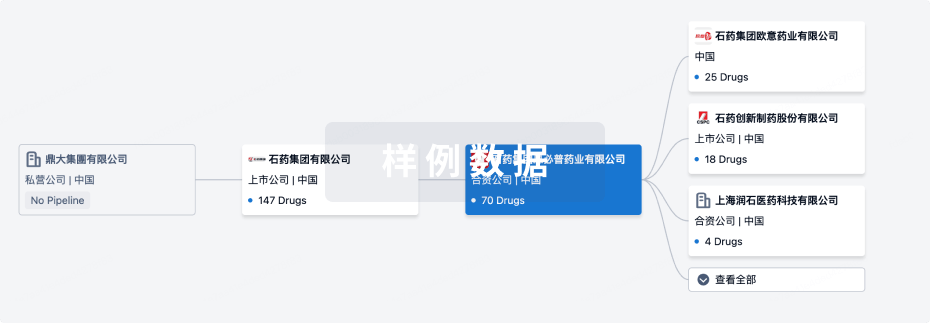
组织架构
使用我们的机构树数据加速您的研究。
登录
或
管线布局
2026年10月22日管线快照
管线布局中药物为当前组织机构及其子机构作为药物机构进行统计,早期临床1期并入临床1期,临床1/2期并入临床2期,临床2/3期并入临床3期
药物发现
12
50
临床前
临床1期
4
3
临床2期
临床3期
1
178
其他
登录后查看更多信息
当前项目
登录后查看更多信息
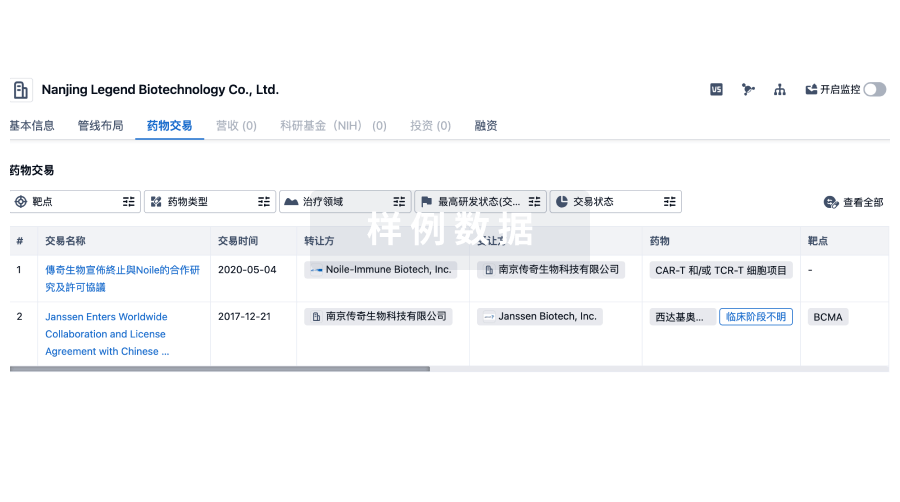
药物交易
使用我们的药物交易数据加速您的研究。
登录
或
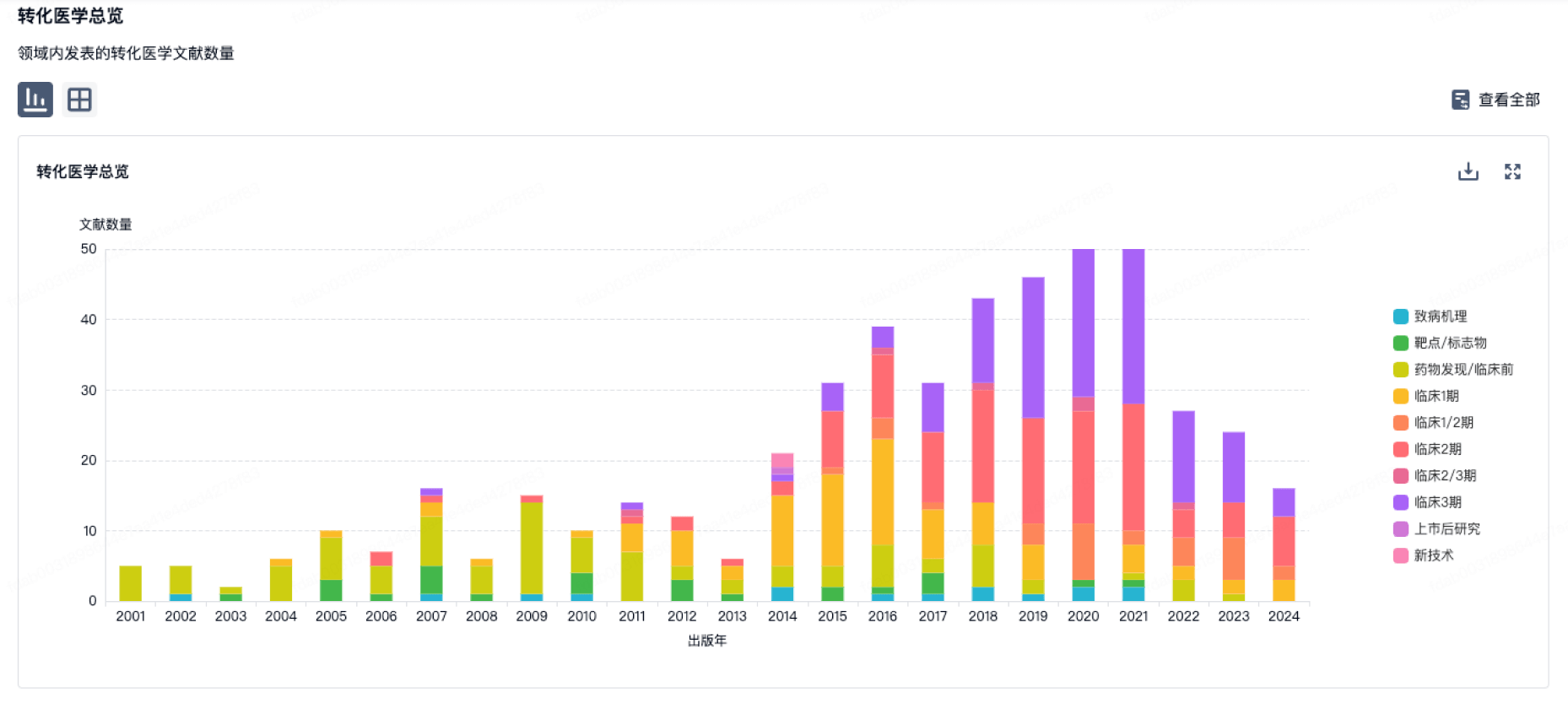
转化医学
使用我们的转化医学数据加速您的研究。
登录
或
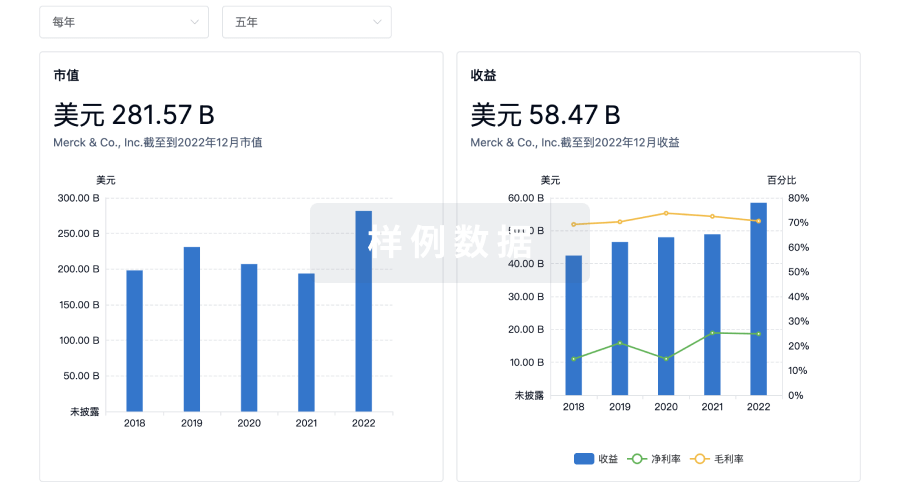
营收
使用 Synapse 探索超过 36 万个组织的财务状况。
登录
或
科研基金(NIH)
访问超过 200 万项资助和基金信息,以提升您的研究之旅。
登录
或
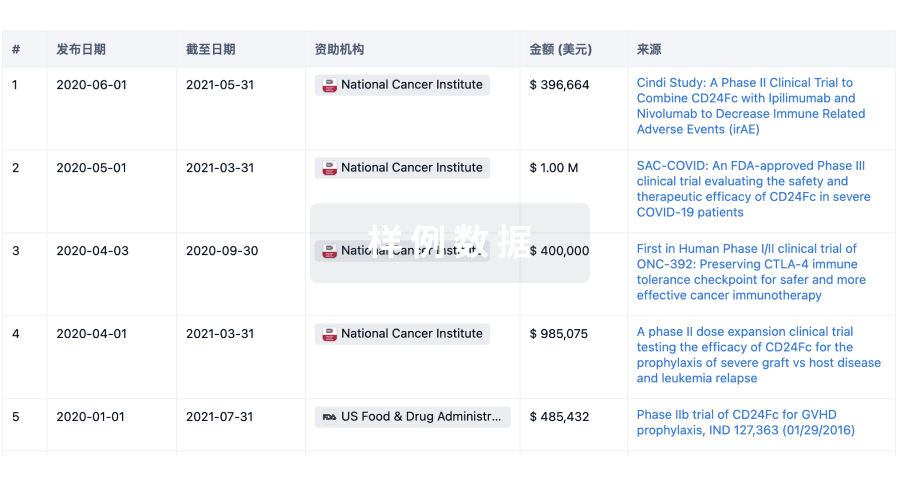
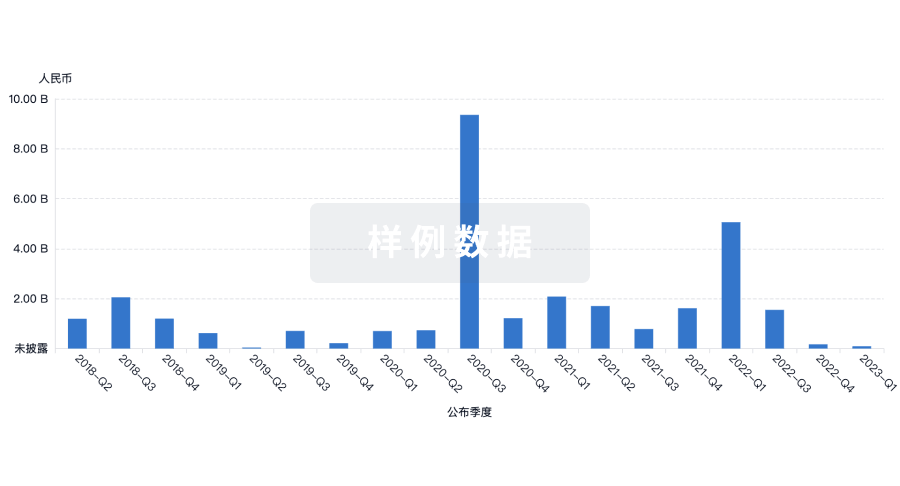
投资
深入了解从初创企业到成熟企业的最新公司投资动态。
登录
或
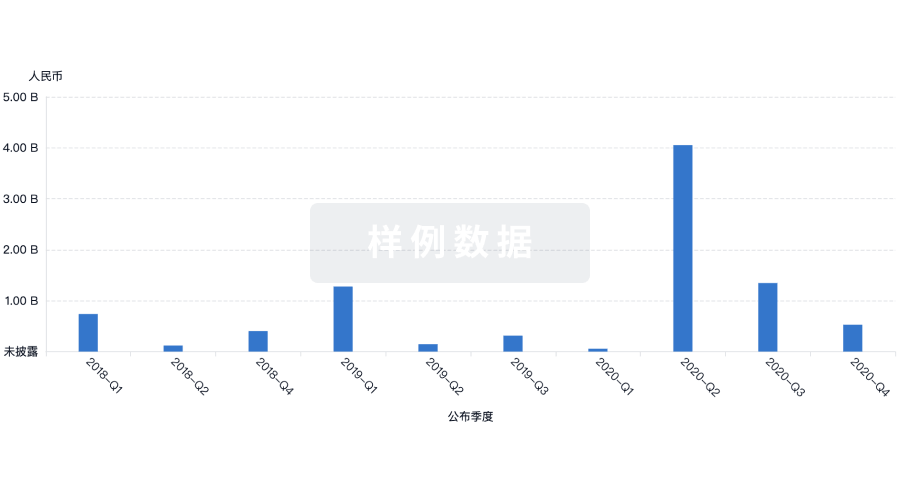
融资
发掘融资趋势以验证和推进您的投资机会。
登录
或
提出任何生物医药研究问题
让每一步生物医药决策都精准制胜
基于十亿级生物数据与全球情报的精准 AI,赋能早期药物发现
立即开始免费试用!
智慧芽新药情报库是智慧芽专为生命科学人士构建的基于AI的创新药情报平台,助您全方位提升您的研发与决策效率。
立即接入生物医药数据包
智慧芽新药库数据也通过智慧芽开放平台,以MCP或API服务形式对外开放。立即使用我们的MCP服务定制您的LLM智能体。
生物序列数据库
生物药研发创新
免费使用
化学结构数据库
小分子化药研发创新
免费使用